San Antonio Metro · Best Places to Retire · 2026
Best Places to Retire in San Antonio Metro, Texas
Cities compared on healthcare access, walkability, affordability, Hill Country climate, and overall quality of life for retirees.
Cities compared on healthcare access, walkability, affordability, Hill Country climate, and overall quality of life for retirees.
Choosing where to retire in the San Antonio metro is not a single decision — it is a dozen smaller ones wrapped into one. Do you want a hospital within a few miles or are you willing to drive? Does a walkable historic district matter more than a lower home price? I-35 ties this corridor together from New Braunfels down through Live Oak and into the Bexar County suburbs, while I-10 opens the Hill Country toward Boerne and the Guadalupe County towns of Schertz and Seguin. The result is a genuinely varied set of cities, where places along the same highway can feel like entirely different retirement propositions.
The spread here runs from compact inner-ring suburbs with immediate hospital access to small agricultural towns where the quiet is real but so is the drive for entertainment. What moves a city up on this topic is rarely one thing — it is the combination of healthcare nearby, something to walk to, a price point that does not eat through a fixed income, and enough local life that retirement does not feel like isolation. The sections below break down each city honestly, so you can match your own priorities to the right place rather than just chasing a number.
Each city is scored 1-10 on every dimension below against a fixed statewide scale — never against the other cities in this region — then combined into one weighted Composite score out of 10.
Ranked by overall composite score. Click any city to jump to the full breakdown.
| # | City | Composite | Healthcare | Walkability | Median Price |
|---|---|---|---|---|---|
| 1 | New Braunfels Comal County | 7.9/10 | 8 | 10 | $351,190 |
| 2 | Live Oak Bexar County | 6.2/10 | 10 | 4 | $244,551 |
| 3 | Gonzales Gonzales County | 6.2/10 | 8 | 4 | $249,933 |
| 4 | Schertz Guadalupe County | 5.9/10 | 8 | 6 | $315,578 |
| 5 | Seguin Guadalupe County | 5.9/10 | 8 | 2 | $274,107 |
| 6 | Converse Bexar County | 5.4/10 | 6 | 6 | $243,003 |
| 7 | Floresville Wilson County | 5.4/10 | 8 | 4 | $357,825 |
| 8 | Pleasanton Atascosa County | 5.2/10 | 6 | 4 | $260,145 |
| 9 | Selma Bexar County | 5.1/10 | 6 | 4 | $287,687 |
| 10 | Boerne Kendall County | 5.0/10 | 4 | 6 | $562,046 |
| 11 | Leon Valley Bexar County | 5.0/10 | 6 | 4 | $264,962 |
| 12 | Universal City Bexar County | 4.7/10 | 6 | 2 | $266,030 |
| 13 | Cibolo Guadalupe County | 4.7/10 | 4 | 6 | $336,323 |
| 14 | Alamo Heights Bexar County | 4.0/10 | 6 | 4 | $739,289 |
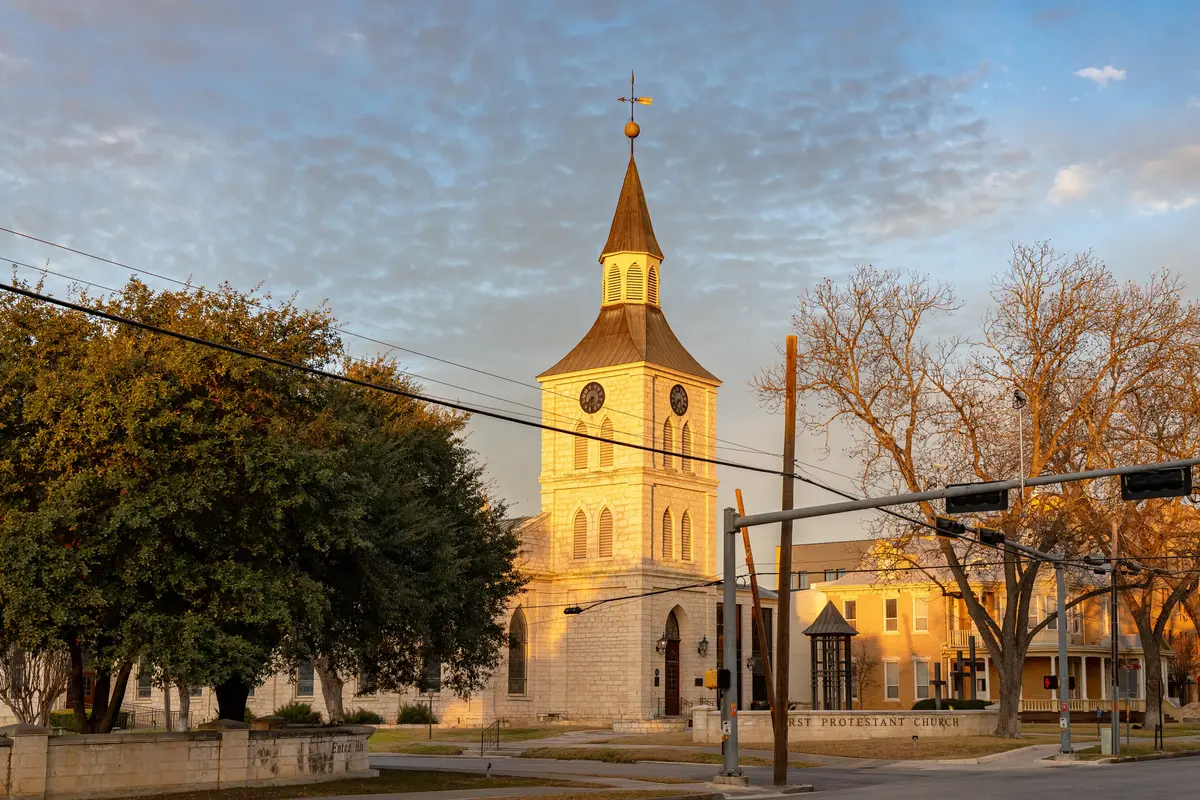
#1 Top Overall · Comal County
Best for retirees who want a walkable, active lifestyle with full services in town.
New Braunfels is the city in this group that genuinely surprises retirees who expect a quiet Texas town and find instead a place with a real historic downtown, the walkable Gruene district, river access, and a medical facility in town for routine and emergency care. At a $351,190 typical home price, it is not the cheapest entry in this metro, and buyers coming from smaller Texas markets will feel the difference. What drives that cost is straightforward: demand from retirees and remote workers who want a full lifestyle without driving into San Antonio every time they want something to do.
If your retirement picture includes strolling to a restaurant, attending a weekend market, or floating a river without getting in a car, New Braunfels delivers a combination of walkability, healthcare, and local life that few cities in this metro can match. Buyers who prioritize affordability above all else will find better prices elsewhere — but few of those cities come close on day-to-day livability.

#2 Top Healthcare · Bexar County
Best for retirees prioritizing healthcare access and metro proximity on a budget.
Live Oak sits inside Bexar County close enough to San Antonio that full urban hospital care is a short drive away — the kind of access that genuinely matters when health needs shift in retirement. The trade for that proximity is a $244,551 typical home price that makes it one of the more accessible options among suburbs with real healthcare reach. Most errands require a car, and retirees who want to stroll to coffee or dinner will find the city oriented more toward driving than walking.
Live Oak suits retirees whose priority is keeping healthcare costs manageable and staying close to San Antonio's broader medical and cultural infrastructure without paying for a premium zip code. It is a practical choice rather than a lifestyle destination — and for buyers who spend more time at home or traveling than exploring local amenities, that trade is an honest one.
#3 Historic Agricultural Town · Gonzales County
Best for retirees who genuinely want small-town Texas life at an accessible price.
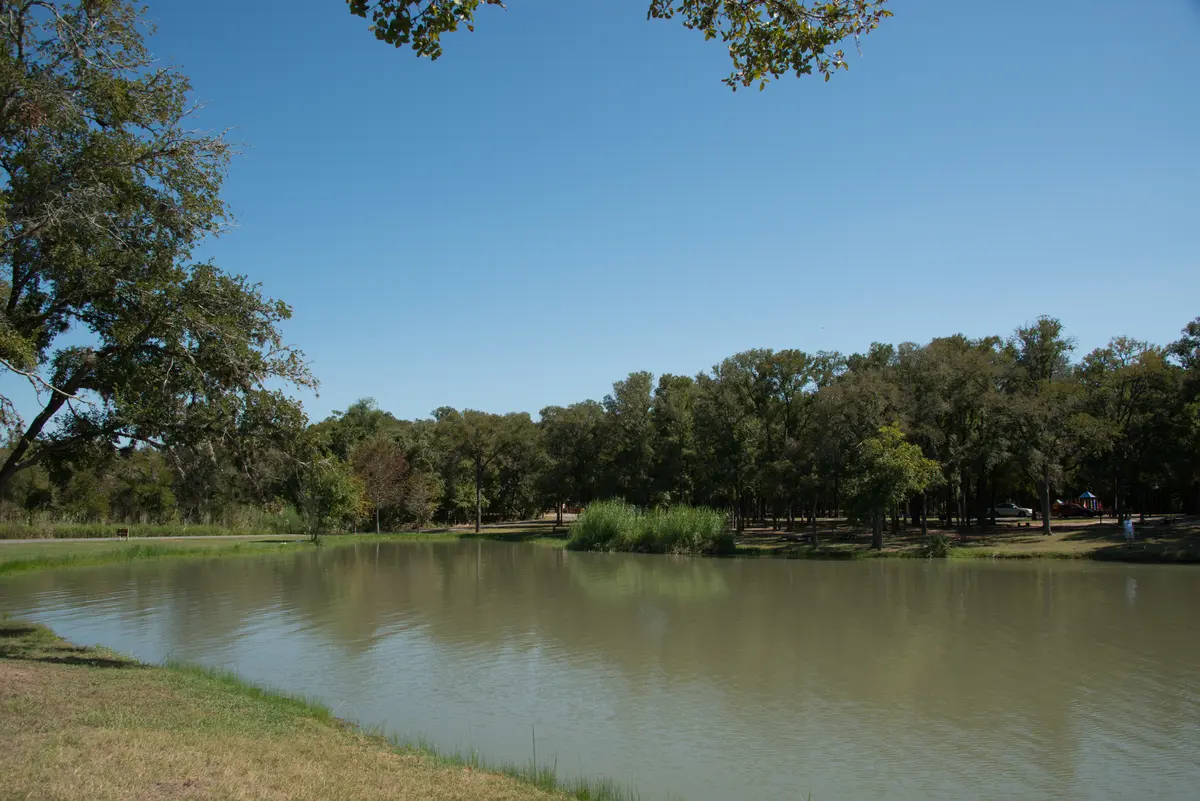
Gonzales is a genuine small Texas town about an hour's drive from San Antonio, with a historic downtown that has real character even if the scale limits how much you can do on foot. A local hospital in town means emergency care does not require a long highway run, which is a meaningful asset for retirees at this price point. At a $249,933 typical home price, it draws buyers who want to stretch a retirement budget without moving somewhere entirely without services.
The honest version of Gonzales for a retiree is this: you get affordability, local medical access, and a slice of authentic small-town Texas life — and you give up entertainment density, walkability, and the kind of restaurant variety that comes with a bigger population. Buyers who thrive in quiet, slower-paced communities tend to land here happily; those expecting a full social calendar within town limits often find it thin.
#4 Highway Corridor Suburb · Guadalupe County
Best for retirees who want solid logistics, a hospital in town, and newer housing.
Schertz is a mid-size suburb sitting where I-35 and I-10 intersect, giving retirees straightforward highway access to San Antonio and the broader metro without living inside it. A hospital in town addresses the most important retirement infrastructure question directly, and the city has grown enough that everyday services are available locally. Homes at a $315,578 typical price reflect the city's position as a well-serviced Guadalupe County bedroom community with genuine healthcare infrastructure already in place.
The limitation for retirees is atmosphere: Schertz is a functional suburb built around named subdivisions and highway access rather than a walkable town center. The Scenic Hills 55+ community gives retirees one age-targeted option within city limits. Buyers who prioritize logistics — hospital proximity, freeway access, newer housing stock — over strollable streets tend to find Schertz a comfortable fit.

#5 Guadalupe County Town · Guadalupe County
Best for buyers who want Guadalupe County affordability and local hospital access.
Seguin has a local hospital, a price point that compares well to the broader San Antonio metro, and enough landmarks and outdoor spots to give daily life some texture. The honest limitation is that walking is not really the city's mode — car dependence is embedded in the layout, and retirees who want to leave the car behind for errands will find Seguin frustrating. At a $274,107 typical home price, it draws buyers who want a Guadalupe County address without paying for cities that come with more services attached.
Seguin tends to suit retirees who are comfortable behind the wheel and value a lower cost of homeownership over proximity to San Antonio's core amenities. It has more local life than most similarly priced Texas towns, but comparing it to New Braunfels — not far away on I-10 — makes the lifestyle gap clear. Buyers for whom price and a real hospital in town are the primary filters will find Seguin worth a closer look.
#6 Top Affordability · Bexar County
Best for budget-focused retirees comfortable relying on the broader San Antonio metro.
Converse is one of the more affordable addresses in Bexar County, with a $243,003 typical home price and quick access to a nearby hospital a few miles away. That proximity to emergency care without a hospital literally in city limits is the defining healthcare reality here — manageable for most retirees but worth understanding before committing. The city was built as a car-dependent suburb and remains one, with most errands requiring a drive rather than a stroll.
Retirees who choose Converse are generally prioritizing budget and proximity to San Antonio over local walkability or a rich on-the-ground amenity scene. It is a practical suburban address rather than a destination in its own right — and buyers who spend retirement traveling, visiting family, or using San Antonio's broader infrastructure tend to be more satisfied here than those expecting the city to entertain them independently.
#7 Rural County Seat · Wilson County
Best for retirees seeking genuine rural quiet with hospital care nearby.
Floresville is the county seat of Wilson County, south of San Antonio, with a full-service hospital in town that addresses the core retirement healthcare question directly. The surrounding landscape gives it a quieter, more rural character than most Bexar County suburbs. At a $357,825 typical home price, it runs above what many buyers expect for a small Texas town, and the amenity picture is modest — a handful of local landmarks and dining options rather than a broad entertainment calendar.
The honest fit for Floresville is a retiree who genuinely wants rural quiet, prefers a slower pace, and has no strong need for walkable streets or a busy local social scene. Buyers comparing it to similarly priced cities with richer amenity portfolios will need to weigh what the rural setting itself is worth to them — for some, that trade is the whole point.
#8 South Texas Ranch Town · Atascosa County
Best for retirees who want a slow, low-overhead lifestyle south of the metro.
Pleasanton sits in Atascosa County south of San Antonio, a genuinely small city where the lifestyle is quiet by design. Hospital access is close enough to be manageable — a short drive rather than a long highway haul — but the city itself has limited dining and few local attractions, and a car is essential for nearly every errand. At a $260,145 typical home price, it offers real affordability relative to the San Antonio metro core.
Retirees drawn to Pleasanton are typically choosing the pace and price over the amenity count — and for buyers whose retirement involves gardening, family visits, and low overhead rather than an active local social calendar, that is a coherent choice. Buyers who want both affordability and things to do locally may find the combination frustrating in a town of this scale.
#9 Quiet Metro Fringe · Bexar County
Best for retirees who want a quiet metro base without in-city San Antonio prices.
Selma is a small Bexar County city where daily life runs on the highway network rather than on foot — I-35 and Loop 1604 give residents quick access to the broader San Antonio metro, and a regional hospital a few miles away covers emergency care without a long drive. At a $287,687 typical home price, it sits at a mid-range driven by its Bexar County location and freeway access rather than by resort demand or in-city prestige.
Selma suits retirees who want a San Antonio metro address without paying metro prices, and who are comfortable relying on the broader city for dining, entertainment, and specialist medical care. Its own local amenity roster is thin, so retirees who want to fill a week with things to do within walking distance will find it undersupplied — the city works best as a quiet base rather than a destination.
#10 Top Climate · Kendall County
Best for retirees who prioritize Hill Country character and walkable small-town life.
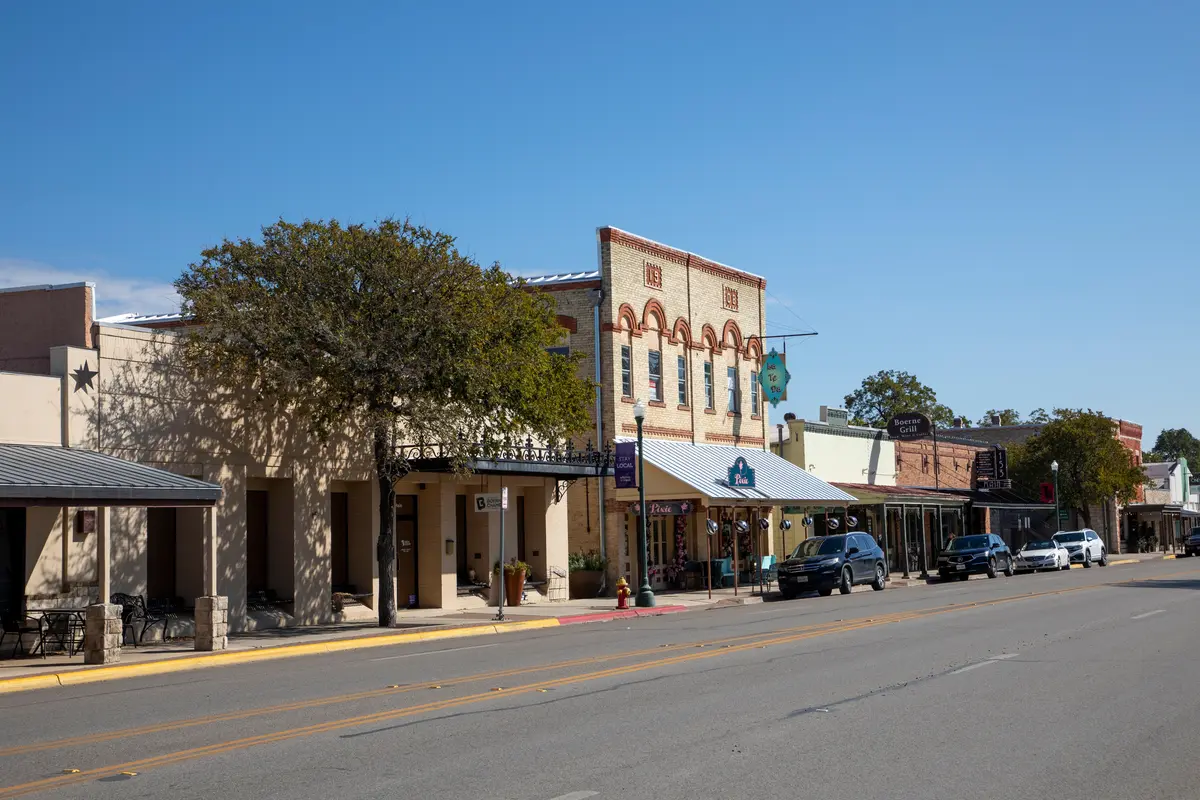
Boerne's Hill Country setting and walkable Main Street historic district are genuinely appealing in a way that is rare in suburban Texas — the kind of place where a retiree can stroll to a gallery, have lunch, and browse shops without getting in a car. That lifestyle comes at a real cost: at a $562,046 typical home price, resort-town demand and the scarcity of Hill Country land have pushed values well above most of this metro, and the nearest hospital requires a meaningful drive toward San Antonio. For buyers with the budget, the trade is often worth it; for those on a fixed income, the math gets harder quickly.
Boerne is the Hill Country lifestyle city in this group — rich in outdoor access, local character, and scenic setting, but thin on close-by hospital infrastructure and demanding on budget. Retirees in excellent health who prioritize quality of daily life and can afford the entry point tend to love it. Those who are factoring healthcare proximity into a serious retirement plan need to weigh the hospital distance honestly.
#11 Embedded City Suburb · Bexar County
Best for retirees who want metro San Antonio access at a suburban price point.
Leon Valley is a compact suburb almost entirely surrounded by San Antonio, which means urban infrastructure — including quick access to a major hospital a few miles away — is functionally next door. Most errands require a car, and the city's local amenity roster is modest, so its appeal to retirees rests on its Bexar County access and its price. At a $264,962 typical home price, it offers meaningful savings compared to in-city San Antonio addresses.
For a retiree who wants to be embedded in the San Antonio metro without paying inner-city prices, Leon Valley makes geographic sense — but it functions as a bedroom suburb rather than a place with its own retirement lifestyle. Buyers who expect to spend most of their time out in the metro and want a quiet, lower-cost home base tend to find it workable; those expecting local life within walking distance will find almost none of it here.
#12 Northeast Metro Suburb · Bexar County
Best for budget-conscious retirees wanting northeast Bexar County metro access.
Universal City is a small Bexar County suburb northeast of San Antonio, built around a car-dependent layout with limited local amenities. A nearby hospital a few miles away provides solid healthcare reach, and the mid-range home price is an honest draw for buyers who want metro access on a budget. At a $266,030 typical home price, it is priced similarly to other affordable suburbs in this group but with a thinner local lifestyle offering.
Retirees who choose Universal City are largely choosing proximity to San Antonio's broader infrastructure at a price that preserves fixed-income flexibility — not a place that entertains you on its own. Buyers who compare it to Live Oak or Converse will find a similar value-versus-amenity calculation; the distinguishing factor is often specific neighborhood preference within the northeast Bexar County corridor.
#13 Master-Planned Suburb · Guadalupe County
Best for retirees who want newer construction and don't mind driving for most things.
Cibolo is one of the faster-growing suburbs in the San Antonio metro, with newer housing stock across its master-planned neighborhoods and freeway access via I-35 and I-10. The nearest hospital requires a more substantial drive than cities where one sits in town — a real consideration for retirees managing ongoing health needs. At a $336,323 typical home price, it reflects the cost of newer construction and Guadalupe County demand rather than resort-town premiums or in-city prestige.
Cibolo tends to attract younger families drawn by newer construction and Guadalupe County schools rather than retirees specifically — and that shapes the city's character in ways that matter. Retirees who want community infrastructure oriented toward their stage of life may find it lacking; those who simply want a quiet, newer-built home with freeway access and are comfortable driving to San Antonio for entertainment and medical care will find it functional.
#14 Established Prestige Enclave · Bexar County
Best for retirees who want San Antonio's finest residential streets and cultural access.
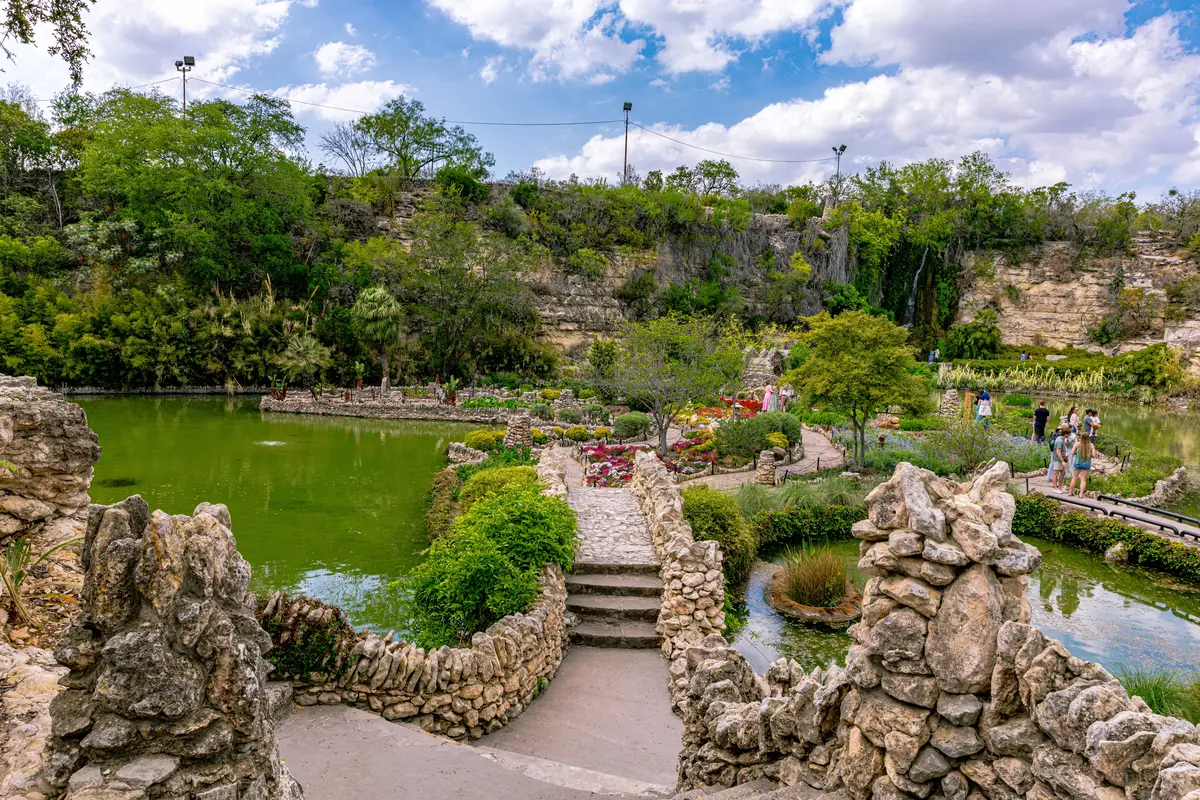
Alamo Heights is one of San Antonio's most established and prestigious enclaves, with tree-lined streets, architecturally significant homes, and immediate proximity to the cultural heart of the city. A major hospital just a couple of miles away means healthcare access is genuinely strong in practice, even without a local facility. At a $739,289 typical home price, prestige location, lot character, and decades of sustained demand from buyers who want a premier San Antonio address have driven values to a level that stands apart from the rest of this metro.
Alamo Heights is the right fit for retirees with significant home equity or liquid assets who want San Antonio's best walkable residential streets and cultural proximity without actually living downtown. Budget-conscious retirees will find the price point unsustainable on a fixed income — the same hospital access and nearby cultural amenities are available from several suburbs in this comparison at a fraction of the entry cost.
Healthcare proximity is the sharpest dividing line in this metro for retirees — cities with a hospital in town behave very differently from those where serious care means a real drive on the interstate. Match that reality to your health picture first, then weigh price and lifestyle.
Tell us what you need help with and we'll connect you with local resources.
