
Most people pricing out a move to Boerne start with the Hill Country scenery and the Boerne Independent School District, which holds an A rating, according to the Texas Education Agency — and then they get to the housing numbers and pause. At $562,046 (Zillow Home Value Index, July 2026), the typical home here costs meaningfully more than the San Antonio metro average, and considerably more than the median household income of $84,541 can comfortably carry. That gap is the central financial reality of Boerne. You are paying a premium for a small-city lifestyle with strong schools, low crime, and Hill Country access — and that premium is real.
What cushions the blow is everything else. Texas collects no state income tax, which immediately changes the household math for anyone relocating from California, Colorado, or the Pacific Northwest. Groceries run well below national norms. The non-housing cost of living, by most measures, sits noticeably below the national average. For buyers who can clear the housing hurdle — either through equity from a prior home sale, a dual income, or a higher-earning profession — the day-to-day costs here are more manageable than the sticker price on the house suggests.
The honest picture is that Boerne is not a budget city. It sits above San Antonio proper on housing cost, and Fair Oaks Ranch pushes even higher. But it lands well below the premium Austin suburbs that attract similar buyer profiles, and the tax structure gives back a real portion of what the housing market takes. For a city of 24,047 people with direct access to San Antonio about 30 minutes away, the overall value proposition is specific: you are buying quality of life in a small, high-performing community, not just square footage.
Whether you are running the numbers for the first time or comparing Boerne against Kerrville, Comfort, or a San Antonio suburb, the sections below break down housing, everyday costs, the tax picture, and how Boerne stacks up against nearby cities — so you can decide whether the budget fits before you start writing offers.
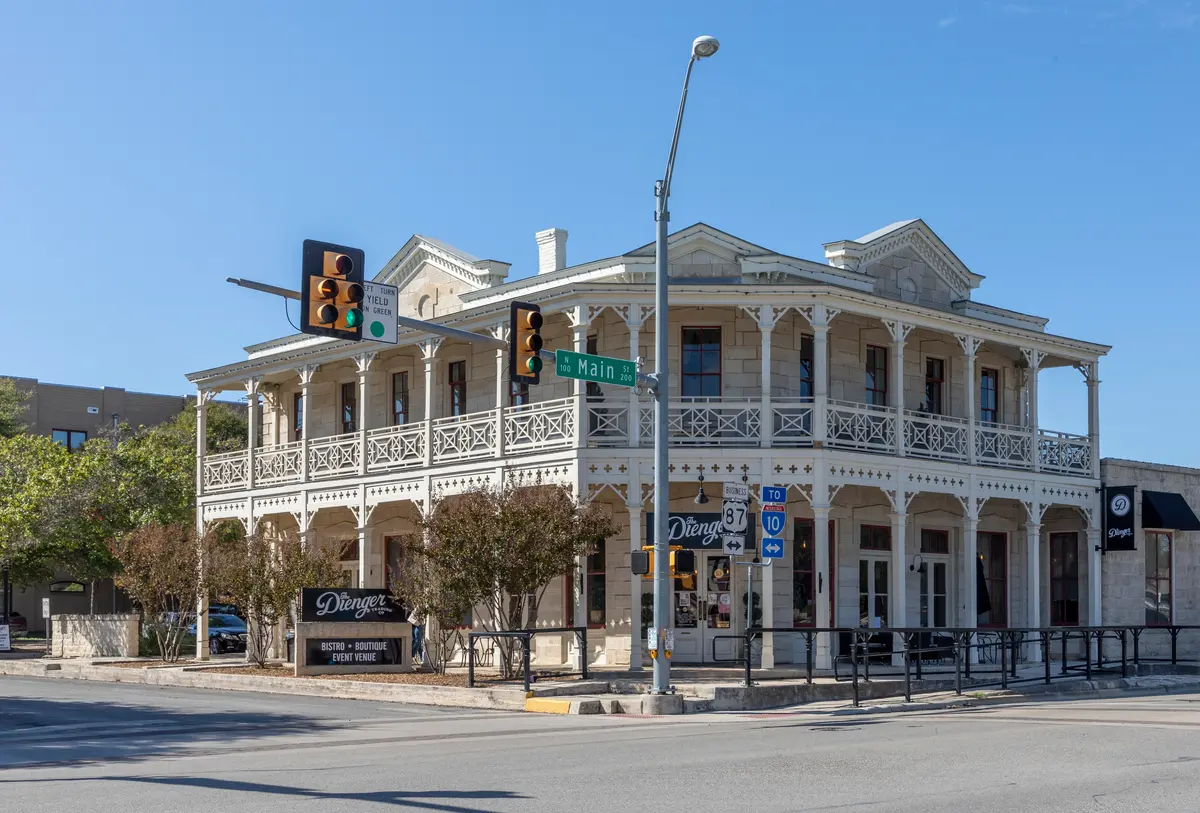
What It Really Costs to Live in Boerne
Boerne's overall cost of living runs approximately 9% below the national average, according to PayScale's cost-of-living calculator — which sounds reassuring until you look at how that average is built. The below-average number is driven by groceries, transportation, and utilities. Housing, the biggest line item in any budget, is the outlier pulling the other direction.
The typical home price of $562,046 (July 2026) puts Boerne well above San Antonio proper and clearly above most of the surrounding Hill Country communities that buyers comparison-shop against it. The median household income of $84,541 falls short of what's needed to carry that price comfortably — by a meaningful margin. That is not a knock on the city; it reflects who Boerne attracts. A large share of buyers here are equity-rich relocators, remote workers with above-median incomes, or dual-income households for whom the commute to San Antonio is a daily trade-off they've already priced in.
What actually drives the number in Boerne is a combination of location, school district performance, and constrained supply. This is a small city — the 140th-largest incorporated city in Texas — sitting at the edge of the Hill Country, about 30 minutes to San Antonio, with a school district that consistently earns top marks. That combination commands a premium, and the market prices it accordingly. For a full look at how neighborhoods within the city vary in character and price tier, see the best neighborhoods guide.
Housing: Rent vs Buy in Boerne
Buying in Boerne starts above what many buyers expect. The city-wide typical home price of $562,046 (Zillow Home Value Index, July 2026) represents the middle of the market. Entry-level homes — older construction, smaller lots, or properties needing updates — can be found below that figure, but budget-conscious buyers should expect to search carefully and move quickly when something comes available at the lower end. Newer construction in master-planned communities and Hill Country-view properties push well above the median.
The effective property tax rate in Boerne is approximately 1.18%. Texas has no state income tax, but property taxes do real work here — that rate applies to assessed value, which in Kendall County tends to track closely to market value. Many neighborhoods in Boerne carry HOA dues on top of the mortgage and tax payment; those dues vary by community and can differ significantly from one subdivision to the next, so confirm the specific figure for any address you are seriously considering before comparing the monthly carrying cost to a San Antonio property without an HOA. The engine's mortgage calculator below will help you model the full picture at current rates.
Renting in Boerne carries a city-wide typical rent of $1,501 per month (Zillow, July 2026). That is a relatively thin rental market — Boerne is a homeownership-oriented city, and the rental supply reflects it. Renting makes the most sense here for households in transition: people arriving to test the city before buying, recent relocators waiting for the right home to come available, or anyone not yet ready to commit to the price point the purchase market demands. If your timeline is longer than a year and the budget works, the calculus generally favors buying — but the down payment requirement at this price level is the real gate most renters are clearing before they move. The first-time homebuyer guide covers down payment programs and loan options in more detail.
One thing many buyers overlook: homeowners who qualify for over-65 or disability exemptions can lock in a property tax freeze through the City of Boerne, Boerne ISD, and Kendall County — the taxable amount is capped at the qualifying year's level, plus any value added by new construction. For retirees on fixed incomes, that freeze meaningfully changes the long-term affordability math. More on retiree finances on the retiring in Boerne page.

Everyday Costs Beyond Housing in Boerne
| Category | Typical Monthly Cost | Notes |
|---|---|---|
| Housing (typical rent) | $1,501/mo | City-wide typical rent. Buying? Use the calculator above for a mortgage estimate. |
| Utilities | $170–$240/mo | Electricity, gas, water, sewer, trash |
| Groceries | $520–$720/mo | Food at home, household of 2–3 |
| Transportation & Gas | $200–$340/mo | Fuel, and transit where it is a real option |
| Phone & Internet | $110–$180/mo | Mobile plan plus home broadband |
| Misc / Discretionary | $250–$480/mo | Dining out, entertainment, subscriptions |
Non-housing figures are estimates for a household of two to three, not a sourced index; housing is the city-wide typical rent (Zillow ZORI, July 2026). Refreshed with the rest of the city data.
Boerne's climate is the biggest wildcard in the utility budget. The city owns and operates its own electric, water, wastewater, and natural gas systems — an unusually integrated municipal setup for a Hill Country community of this size. Electricity here runs higher than what San Antonio residents pay through a larger municipal provider, and Hill Country summers are long and hot — cooling a home through July and August will hit the electric bill harder than the annual average suggests. Despite two rounds of water rate increases in 2025, Boerne's water rates remain well below what similar-sized Texas communities charge. The city is phasing rate increases over five years to fund a Capital Improvement Plan, including a water treatment plant expansion at Boerne City Lake, so further modest increases are expected — factor that trajectory in when budgeting.
Groceries are a genuine bright spot. Texas consistently posts the lowest grocery prices in the country — running close to 10% below the national average — and most unprepared grocery items are exempt from state sales tax, which extends the savings further. Transportation in Boerne is fundamentally car-dependent: most errands require driving, a serious retail run often means heading toward San Antonio, and the Hill Country Mile along Main Street is walkable for a handful of errands and dining, but that on-foot access does not extend into the residential neighborhoods. Most households budget for two vehicles and the associated fuel, insurance, and maintenance. Alamo Regional Transit can handle some regional trips but requires advance booking and is not a practical commute solution for most residents.
Looking to buy in Boerne? Estimate your payment.
Enter your numbers to see an estimated monthly mortgage payment.
Estimate only. Excludes HOA fees and mortgage insurance. The interest rate above is a starting point, not a quoted rate — replace it with your own to see real numbers. Insurance is a flat placeholder, not a Boerne quote.
Boerne vs Nearby Cities: Cost Comparison
| City | Typical Home Price | Typical Rent | Cost vs Boerne |
|---|---|---|---|
| Boerne (this city) | $562,046 | $1,501/mo | — |
| Fair Oaks Ranch | $650,000 | $1,900/mo | 16% higher |
| Bergheim | $420,000 | $1,400/mo | 25% lower |
| Comfort | $380,000 | $1,300/mo | 32% lower |
Source — home prices: Zillow ZHVI, July 2026; rent: Zillow ZORI, July 2026. Nearby-city figures are the same series, refreshed together.
Boerne sits in the middle of the local price spectrum — noticeably below Fair Oaks Ranch, and noticeably above Bergheim and Comfort — which gives most buyers at least one direction to look if the numbers here feel like a stretch or a ceiling.
Taxes & the Bottom Line for Boerne
Texas collects no state personal income tax, and no city or county in Texas is permitted to impose one. For a household earning $84,541 or more, that is a meaningful structural advantage over what they would face in most states competing for the same buyer profile. The maximum income tax exposure for a Boerne resident is the federal rate — full stop.
The combined sales tax rate in Boerne is up to 8.25%, built from the 6.25% Texas state base plus a 0.50% Kendall County share and a local component. That rate is at the ceiling Texas law allows, but it applies to purchased goods rather than groceries — most unprepared food is exempt — which softens the real-world impact for households whose biggest spending categories are housing and food.
The effective property tax rate of approximately 1.18% is the figure that demands the most attention. It applies to assessed value on a home priced at the level described above, and it is the reason Texas's no-income-tax posture does not translate into an automatically low tax burden for homeowners. Buyers arriving from low-property-tax states sometimes underestimate this line, and it is worth modeling carefully before assuming the income-tax savings fully offset the carrying costs.
The bottom line: Boerne fits households that have cleared the housing entry point — through equity, income, or both — and who value a quiet, high-performing small city within commuting range of San Antonio's job market. The tax structure rewards earners, groceries and daily expenses stay reasonable, and the quality of life is consistently cited as the reason people absorb the housing premium. The buyers who tend to find Boerne a stretch are those trying to stretch a single median income into a typical home here without meaningful down payment equity — the gap between what the market asks and what the median income supports is real and should be part of any honest conversation before making an offer. For a deeper look at who the city suits, the living in Boerne guide covers the full picture.
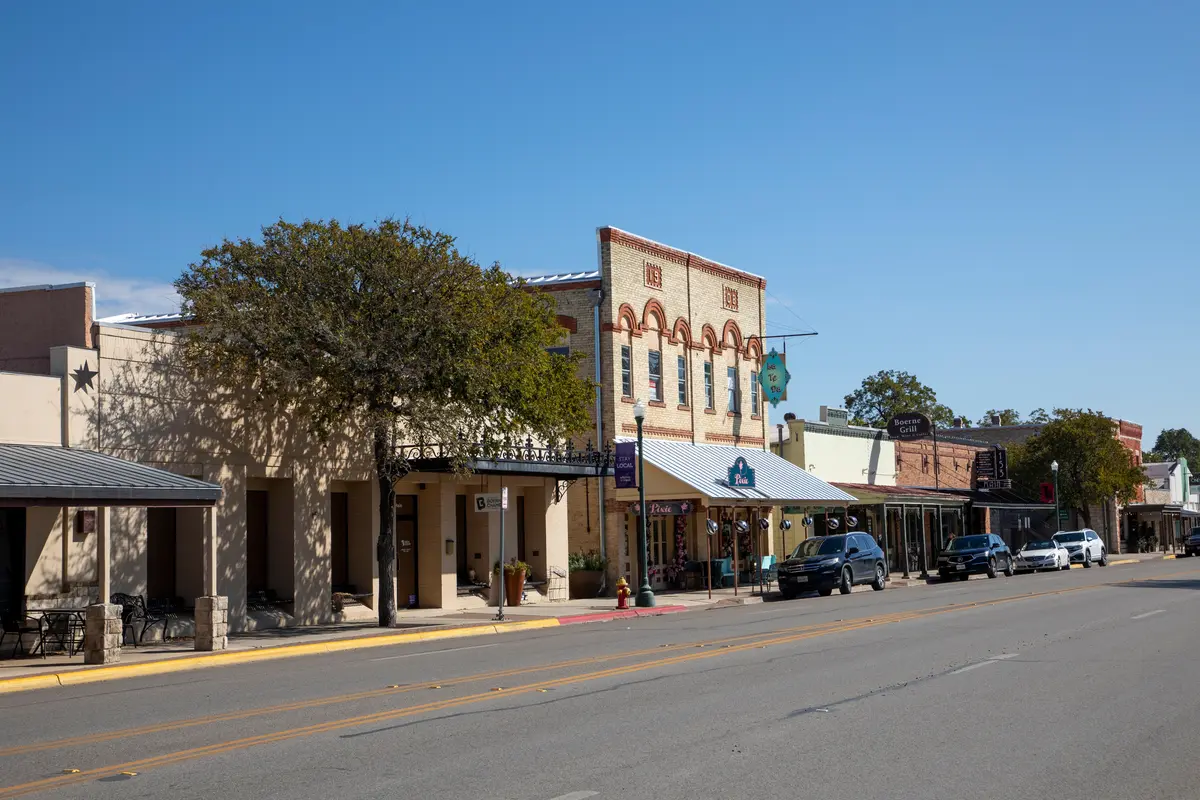
Local Expert Takeaway: Boerne's cost of living looks favorable on paper — roughly 9% below the national average in most non-housing categories — but the housing market is the exception that shapes everything else. At $562,046 (July 2026 typical home price), you're paying a premium that the city's school district, Hill Country setting, and proximity to San Antonio justify for many buyers but that a single median income cannot comfortably carry alone. Electricity runs higher than San Antonio residents pay, water rates are climbing under a multi-year capital plan, and a car is non-negotiable outside the historic downtown. What Boerne gives back: no state income tax, among the lowest grocery costs in the country, and a property tax freeze for qualifying seniors that changes the retirement math considerably. Know the full carrying cost before you fall in love with the zip code.
Quick Takeaways & FAQs
✅ Texas's no-state-income-tax structure delivers immediate and lasting household savings for Boerne residents at any income level.
⚠️ The typical home price of $562,046 (July 2026) exceeds what the city's median household income can comfortably support — buyers without substantial equity or dual incomes will find Boerne a financial stretch.
📍 Boerne owns and operates its own electric utility — rates run higher than San Antonio's larger municipal provider — and water rates have increased twice in 2025 with further phased increases planned.
Is Boerne, TX expensive compared to San Antonio?
What is the property tax rate in Boerne?
Does Boerne have high utility costs?
Is it cheaper to rent or buy in Boerne?
How do groceries and daily expenses compare in Boerne vs other Texas cities?
Moving to Texas?
Tell us what you need help with and we'll connect you with local resources.
