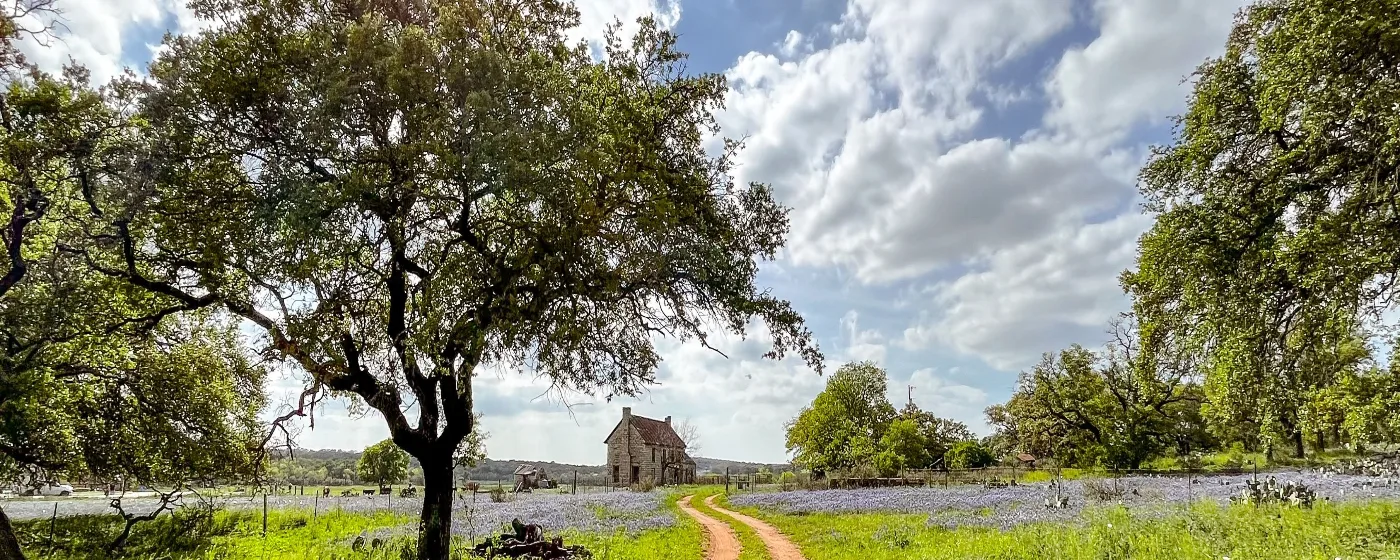
Alamo Heights covers just over 4 square miles inside the San Antonio metro, and that compactness is both the whole appeal and the central challenge: every one of its five recognized neighborhoods sits inside the same school district, the same two-story zoning envelope, and the same low violent-crime environment. What actually separates them is not a school boundary or a safety divide — it's age of housing stock, lot size, neighborhood density, and whether you're buying a Craftsman from the 1930s or a mid-century ranch beneath a canopy of mature oaks. Buyers who treat those differences as interchangeable often end up in the wrong pocket of a city they genuinely love.
The economic case for Alamo Heights is unusually clear: the Alamo Heights Independent School District anchors property values and keeps the buyer pool deep. Residents with high household incomes — the median is $182,819 — work primarily at USAA's large campus in San Antonio, at the city government, or remotely. The commute clock runs short: it's about 12 minutes to Downtown San Antonio, which matters when San Antonio's own job base is the real engine behind most household incomes here.
Prices reflect the demand. The typical home here sits at $739,289 (Zillow Home Value Index, July 2026) — noticeably above what you'd pay in most of San Antonio, and noticeably below the typical asking price in neighboring Terrell Hills or Olmos Park. New construction is rare by design: city zoning has long capped buildings at two stories and protected green space, which means the overwhelming majority of what you'll buy dates from the 1920s through the 1960s. Tudor revivals, Spanish colonials, ranch homes, and mid-century moderns all show up within a few blocks of each other. That historic stock is part of the draw, but it also means deferred-maintenance surprises show up more often than in newer suburbs. More on the cost of living in Alamo Heights is covered on its own page.
Whether you're considering a first purchase here or moving from elsewhere in the metro, the sections below break down all five of Alamo Heights' neighborhoods, a buyer-type matching table, the most common mistakes buyers make, and the honest rental picture.
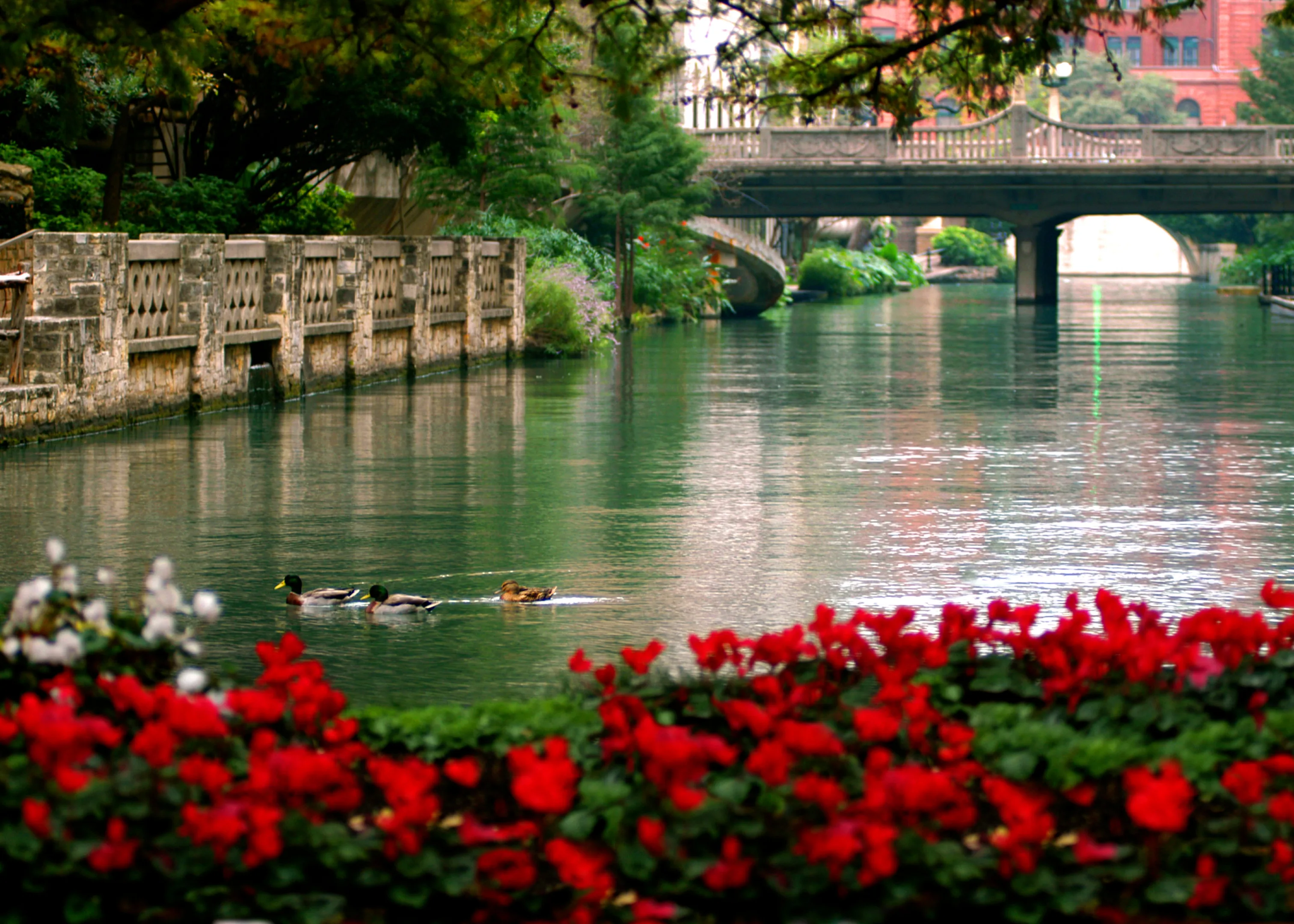
The Alamo Heights Reality
Alamo Heights is not a city with a good side and a bad side. The real divide is density and era of development. The southern and central neighborhoods — particularly the Cottage District — were platted earliest, with smaller lots and homes built closer to the street. The northern additions, Bluebonnet Hills and Sylvan Hills, came later and reflect a more spacious, suburban sensibility. Northwood and Northwood Estates occupy a distinct pocket with the widest housing-type variety in the city, including the only meaningful condo and townhouse inventory. The Lamont Avenue corridor threads between these zones, drawing buyers who want a quiet residential feel without sacrificing proximity to Broadway Street.
Austin Highway (SL-368) and US-281 are the two routes that actually shape daily movement here. Austin Highway forms the city's commercial and connectivity spine, lined with the shops and restaurants that Alamo Heights residents use most. US-281 carries commuter traffic toward Downtown San Antonio and northward toward the Hill Country. Understanding which part of the city puts you closest to your daily route matters more than most buyers realize at first — the city is small, but the difference between a convenient morning exit and one that feeds into congestion is real.
The constraint every buyer should internalize before looking at a single listing: Alamo Heights' two-story height limit and green-space protections are not going away. There is no teardown-and-build-big play here the way there is in parts of San Antonio proper. What you see in terms of neighborhood character — the tree canopy, the low rooflines, the setbacks — is what the code is designed to protect. Buyers who move here expecting room to significantly expand or redevelop often discover that the rules are more restrictive than they anticipated.
Neighborhoods at a Glance
| Neighborhood | Best For | Vibe |
|---|---|---|
| Bluebonnet Hills | Families Luxury | Established, tree-lined, large homes on a historic northern block; one of the city's oldest residential additions |
| Sylvan Hills | Quiet Families | The city's final northern annexation; low-key residential with recently upgraded infrastructure and a tucked-away feel |
| The Cottage District | First-Time Walkable | Craftsman bungalows on contoured streets, no HOA, walkable to parks and elementary schools; the most approachable entry into AHISD |
| Northwood / Northwood Estates | Value Renter | The widest housing-type mix in the city — condos, townhouses, ranch homes — beneath a mature oak canopy; organized neighborhood events |
| Lamont Avenue area | Luxury Views | Quiet tree-lined residential corridor mixing historic and contemporary builds; proximity to Olmos Basin Park drives sustained buyer interest |
Alamo Heights typical home price: $739,289 (Zillow ZHVI, July 2026). Typical rent: $2,450/mo (Zillow ZORI, July 2026). Neighborhood tiers on this page are relative to these figures.
Best Neighborhood by Buyer Type
| Buyer Type | Best Neighborhood | Why |
|---|---|---|
| First-Time Buyer | The Cottage District | The most modest price tier in the city, no HOA fees, and walking distance to AHISD elementary schools make this the most accessible entry point. |
| Luxury Buyer | Lamont Avenue area | Proximity to Olmos Basin Park and a mix of historic character and contemporary builds push this corridor toward the upper end of the city's price spectrum. |
| Walkability Seeker | The Cottage District | The Broadway Street dining corridor, Olmos Basin Park, and AHISD schools are all within reasonable walking distance — rare in this part of the metro. |
| Families with Kids | Bluebonnet Hills | Large lots, tree-lined streets, and a long-established neighborhood identity make this one of the most sought-after family pockets inside AHISD boundaries. |
| Commuters | Sylvan Hills | The northern position and proximity to US-281 and Austin Highway gives commuters a cleaner exit toward Downtown San Antonio — about 12 minutes — without backtracking through the busier central corridors. |
| Large-Lot Buyers | Northwood / Northwood Estates | Mid-century ranch homes on generous lots beneath mature oaks offer the most square footage per dollar among Alamo Heights' residential options. |
| Renters | Northwood / Northwood Estates | The only neighborhood with meaningful condo and townhouse inventory gives renters the best shot at finding a unit inside AHISD without paying single-family prices. |
Looking to buy in Alamo Heights? Estimate your payment.
Enter your numbers to see an estimated monthly mortgage payment.
Estimate only. Excludes HOA fees and mortgage insurance. The interest rate above is a starting point, not a quoted rate — replace it with your own to see real numbers. Insurance is a flat placeholder, not a Alamo Heights quote.
Most Popular Neighborhoods
Bluebonnet Hills
Dating to around 1923 and annexed by Alamo Heights in 1928, Bluebonnet Hills is one of the city's oldest residential additions — and it reads that way, in the best sense. Large homes sit back from tree-lined streets, the lot sizes are generous by inner-loop standards, and the neighborhood's position as an early northern expansion gave it a spaciousness that was never designed out. The city recently replaced underground water service lines here as part of a broader infrastructure project, which addresses a practical concern that older housing stock in any city tends to accumulate. The trade-off: that same age and established desirability push prices to the higher end of the city range, and buyers expecting to find a fixer-up at a discount will find limited inventory.
Best for: Families with kids, buyers prioritizing lot size and established character, those who want the most historically rooted address in the city.
Sylvan Hills
Sylvan Hills completed Alamo Heights' northern boundary in 1944, the last neighborhood the city ever annexed, and it has a settled, residential quality that reflects that permanence. It's the quietest of the five neighborhoods — fewer through-streets, less visible commercial activity, a genuine sense of being at the edge of something rather than the center of it. The recent city investment in underground water service lines here is the kind of capital project that reduces long-term maintenance risk for buyers of older homes. The catch is that Sylvan Hills' tucked-away character means it's also the least self-sufficient: most errands and dining still require a short drive toward Austin Highway or the Broadway corridor.
Best for: Buyers who want a low-traffic, quiet residential feel inside AHISD without paying the premium of the city's most recognizable addresses.
The Cottage District
Development here began in 1908, before Alamo Heights was even incorporated, and the street grid shows it — roads follow natural land contours rather than a standard grid, mature trees were preserved from the beginning, and Craftsman bungalows built between the 1920s and 1940s sit closer together than anywhere else in the city. That density is the main honest caveat: this is not a neighborhood of large yards or privacy buffers between homes. What it offers instead is genuine walkability to Olmos Basin Park and AHISD elementary schools, no HOA, and the most approachable price tier inside city limits. Parents with school-age children who want the AHISD address without the top-of-market commitment consistently end up here.
Best for: First-time buyers, young families, anyone who values an on-foot connection to parks and schools over lot size.
Northwood / Northwood Estates
Northwood is the outlier in the Alamo Heights neighborhood lineup, and that's its appeal. Where the rest of the city is almost exclusively single-family detached homes, Northwood mixes condos, townhouses, and single-family properties — including mid-century ranch homes on generous lots beneath mature oak canopy — reflecting a 1950s–1960s development pattern that produced a wider variety of housing types than anywhere else in the city. The optional Oak Park Northwood Neighborhood Association runs community events, including an annual Fourth of July Parade and holiday decoration contests, which gives the area an organized civic identity unusual for a neighborhood of its size. The trade-off is architectural inconsistency: Ranch, Prairie, Spanish Revival, and custom contemporary builds sit next to each other in a way that suits some buyers and unsettles others.
Best for: Buyers open to a condo or townhouse inside AHISD, large-lot ranch-home seekers, renters looking for the most rental inventory available in the city.
Lamont Avenue Area
The Lamont Avenue corridor has a residential seriousness that buyers either recognize immediately or discover after a year of looking elsewhere. Tree-lined streets, a mix of historic builds and more contemporary designs, and a community identity centered on the neighborhood rather than any commercial amenity — this is a pocket where people settle in and stay. Sections adjacent to Olmos Basin Park's more than 1,000 acres of green space and the Judson Nature Trails hiking corridor are among the most consistently sought-after addresses in the city, and that competition reflects genuine scarcity: park-adjacent homes at this school quality don't come available often. Buyers new to the Alamo Heights market should factor that scarcity into their timeline and budget expectations before targeting this corridor specifically.
Best for: Buyers prioritizing park proximity, established residential character, and a quieter alternative to the Broadway corridor's activity.
Common Mistakes Buyers Make in Alamo Heights
Assuming Every Address Behaves the Same
Alamo Heights is 4 square miles, and buyers from larger metros sometimes treat it as interchangeable throughout. It is not. The Cottage District's smaller bungalows on contoured streets are a fundamentally different daily experience from Northwood Estates' ranch homes on generous oak-shaded lots, even though both are in the same school district and a few minutes apart by car. Skipping a neighborhood-by-neighborhood comparison because the city seems too small to bother is one of the most common mistakes buyers make here.
Underestimating the Age of the Housing Stock
Most of what sells in Alamo Heights was built between the 1920s and 1960s. That means plumbing, electrical panels, and foundation work that have decades of history — and in some cases, deferred attention. The city's recent underground water-line project in Bluebonnet Hills and Sylvan Hills addressed one layer of that, but individual homes carry their own histories. Buyers who skip or rush a thorough inspection because the neighborhood feels safe and desirable often absorb costs in year two that a careful inspection would have surfaced before closing.
Chasing Square Footage Instead of Lot Position
Because new construction is genuinely rare here — city zoning limits height and protects green space — buyers who prioritize interior square footage sometimes overlook lot size, tree canopy, and park adjacency, which are the features that hold value longest in this market. A slightly smaller home adjacent to Olmos Basin Park or on one of the Lamont Avenue corridor's wider lots is almost always the better long-term decision than a larger home on a tighter interior lot, but that comparison requires looking past the listing's bedroom count.
Treating Austin Highway Access as Uniform
Austin Highway (SL-368) is the practical spine of daily life in Alamo Heights — dining, errands, the commute corridor toward Downtown San Antonio. But not every neighborhood sits equally close to a useful entry point. Buyers in Sylvan Hills, the city's northernmost neighborhood, sometimes underestimate how much of their daily driving routes through the same corridors as residents closer to the center of the city. Before committing to a specific block, spend a week driving your actual routes at your actual times rather than estimating by map distance.
Best Areas to Rent in Alamo Heights
| Area | Ideal For | Trade-off |
|---|---|---|
| Northwood / Northwood Estates | Renters who want AHISD enrollment and the most unit variety — condos, townhouses, and small single-family rentals all appear here | Architectural variety means rental quality varies significantly unit to unit; requires careful vetting of each property |
| The Cottage District | Renters prioritizing walkability to Olmos Basin Park and AHISD elementary schools on a tighter budget | Smaller footprints and older construction; yard space is limited compared to other areas in the city |
| Lamont Avenue area | Renters who want park-adjacent living and don't mind paying the upper end of the market for it | Rental inventory here is thin; competition for available units is the highest in the city |
| Bluebonnet Hills | Renters seeking a traditional single-family home with larger lots and established neighborhood character | Rentals are scarce in a neighborhood dominated by owner-occupants; what does appear tends to lease quickly |
| Sylvan Hills | Renters who want a quieter, lower-traffic residential setting inside AHISD and don't need to walk to amenities | The most car-dependent of the five areas; almost every errand requires driving to Austin Highway or the Broadway corridor |
Alamo Heights' typical city-wide rent sits at $2,450/mo (Zillow ZORI, July 2026), which reflects a rental market shaped by the same school-district demand that drives ownership prices. Rental inventory in all five neighborhoods is limited — Alamo Heights is an overwhelmingly owner-occupied city — and units that appear inside AHISD boundaries at any price point lease quickly. Renters who need flexibility on timing should plan for a competitive search rather than assuming they can take their time between listings.
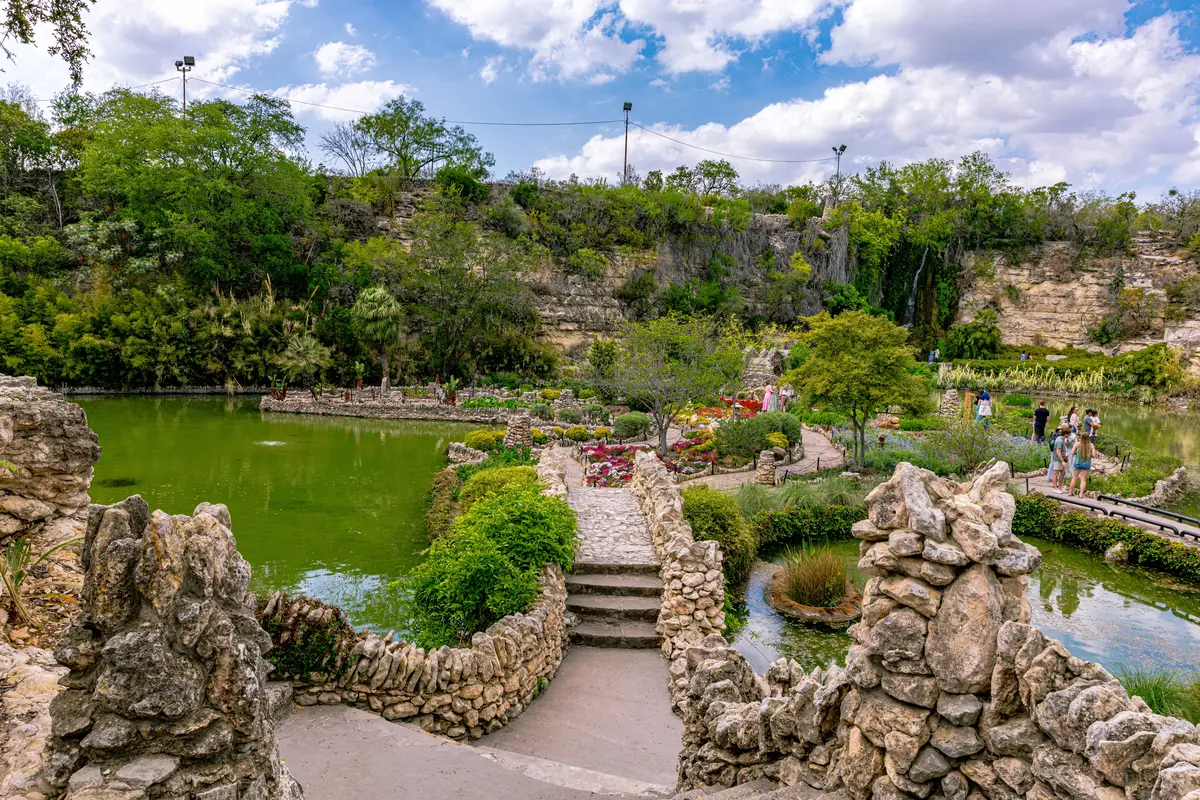
Local Expert Takeaway: Alamo Heights rewards buyers who do the neighborhood-level work rather than treating the city as one uniform address. The Cottage District is the honest entry point — Craftsman bungalows, no HOA, walking distance to Olmos Basin Park and AHISD schools, and the most approachable pricing in the city. Northwood and Northwood Estates are where you find the widest inventory variety, including the only real condo and townhouse options inside city limits. Bluebonnet Hills and Sylvan Hills are for buyers who have decided that established residential character and larger lots matter more than proximity to Broadway Street. The Lamont Avenue corridor is for those who want park adjacency and are prepared for competitive pricing to get it. Whatever pocket you're targeting, budget for a serious inspection: homes built between the 1920s and 1960s carry histories that a strong neighborhood reputation can't substitute for.
Quick Takeaways & FAQs
✅ Every neighborhood in Alamo Heights sits inside the same highly regarded school district, which means the AHISD advantage is not concentrated in one part of the city — the real differentiators are lot size, housing era, and proximity to parks and Austin Highway.
⚠️ New construction is genuinely rare here by design: city zoning has long capped buildings at two stories and protected green space, so buyers hoping to tear down and build large will find the rules more restrictive than they expect.
📍 The Cottage District is the only neighborhood in Alamo Heights that puts you within walking distance of both Olmos Basin Park and an AHISD elementary school — a combination that keeps demand for its Craftsman bungalows consistently high despite smaller lot sizes.
Which Alamo Heights neighborhood is best for families with young children?
Is there a meaningful price difference between Alamo Heights neighborhoods?
Can I find a condo or townhouse in Alamo Heights?
What should I know about renting in Alamo Heights?
Is Alamo Heights worth the premium over nearby San Antonio neighborhoods?
Moving to Texas?
Tell us what you need help with and we'll connect you with local resources.
