
Laredo doesn't make most retirement shortlists — and that's exactly the opening for retirees who do their homework. This is Texas's 11th-largest incorporated city, a 269,515-person border metropolis built on international trade, and it offers something most Sun Belt retirement markets stopped delivering years ago: a genuinely affordable price tag. The typical home in Laredo was $223,127 as of July 2026, in a state that levies no income tax and freezes school-district property taxes for homeowners 65 and older. For retirees stretched by inflation, that combination is rare.
The city's economy runs on the World Trade International Bridge and the trade corridors served by I-35 and I-69W — Port Laredo handled $354 billion in total trade value in 2025, making it the nation's top inland port. That trade economy is what keeps Laredo employed and growing, and it's why the city punches well above its weight on services and infrastructure for a border community. The bilingual culture is not an afterthought: more than 90% of residents speak Spanish daily, a practical comfort for Spanish-speaking retirees and a living extension of a history that traces back to 1755.
Cost of living here runs approximately 12–14% below the national average, with healthcare costs indexing roughly 23% below. The outdoor calendar leans warm — 220 sunny days a year — which suits retirees who want to use parks and trails year-round. Lake Casa Blanca International State Park, Chacon Creek Trail, and the cultural district anchored by San Agustin Plaza give daily life texture that doesn't require a car or a budget.
The sections below break down Laredo's healthcare access, retiree tax picture, walkability, downsizing options, and how the city stacks up against nearby alternatives — so you can decide whether this border city belongs on your short list.
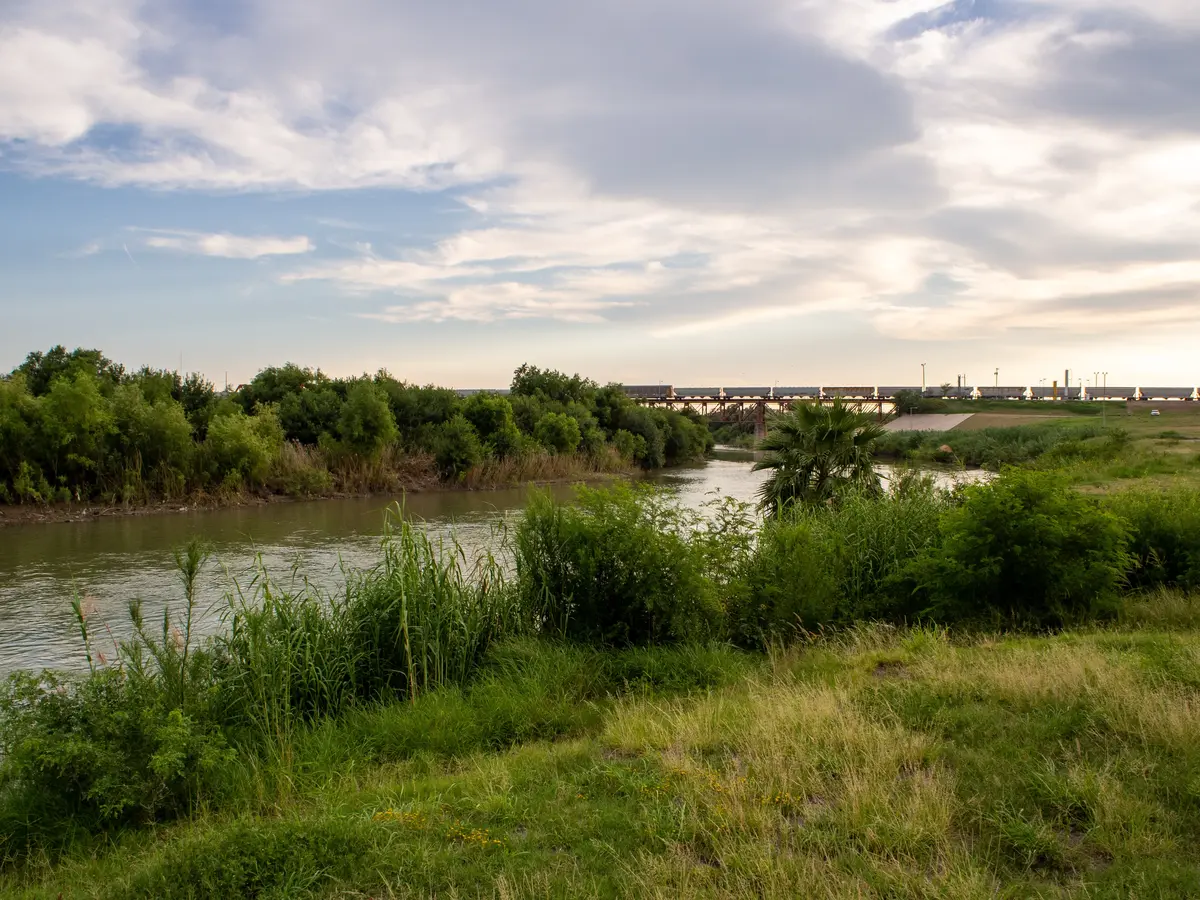
Why Retirees Are Choosing Laredo
The case for Laredo in retirement is fundamentally about value — but a specific kind of value that goes beyond the sticker price. At a typical home price of $223,127 (Zillow Home Value Index, July 2026), Laredo allows retirees to own outright or carry a very modest mortgage, freeing up fixed income for living rather than housing costs. Pair that with Texas's complete absence of state income tax and the over-65 property tax freeze described in the budget section below, and the math can look very different here than in Austin, San Antonio, or any coastal market.
Laredo fits a specific retiree profile well. If you're bilingual or comfortable in a predominantly Spanish-speaking environment, this city will feel immediately familiar rather than foreign. If you want a city large enough to have real medical infrastructure, a performing-arts center, and a range of restaurants — without paying a premium for the zip code — Laredo delivers. History-minded retirees will find the Republic of the Rio Grande Museum, San Agustin Plaza, and the Laredo Center for the Arts genuinely engaging, not just decorative.
Who should look elsewhere? Retirees who prioritize a large 55+ community campus, a golf-course-centered active-adult lifestyle, or proximity to a major academic medical center will find Laredo's options limited. The summer heat is serious — triple-digit temperatures are routine from June through September — and that alone eliminates the city for retirees who want to spend warm months outdoors comfortably. If your social network and family are spread across a major metro, Laredo's geographic position near the Mexican border, served by Laredo International Airport (LRD) about 5 miles from the city center, means more connection travel than most large Texas cities.
Healthcare & Medical Access in Laredo
The Anchor Facility
Doctors Hospital of Laredo is the city's primary acute-care facility — a 183-bed institution inside city limits with 24-hour emergency services, a neuroscience program, wound care and hyperbaric medicine, comprehensive women's health services, and a regional cancer care program that has operated since 1987. For a border city of Laredo's size and geographic isolation, that breadth of in-house services is a genuine asset.
Network Depth
Beyond the main campus, Doctors Hospital operates multiple satellite diagnostic centers distributed across the city, along with freestanding emergency rooms — with a third location at Wright Ranch that held its ribbon-cutting in January 2025. For retirees managing chronic conditions, that distributed network means urgent care access without always driving to the main campus.
The Honest Limitation
Laredo is roughly 150 miles from San Antonio, where the density of specialty care — advanced cardiac surgery, transplant programs, Level I trauma — rises significantly. For routine care, the specialist lineup Doctors Hospital supports is reasonable for a city of this size. But retirees with complex cardiac, oncological, or neurological needs should plan ahead: some referrals will mean a multi-hour round trip. If you're managing a serious chronic condition that requires frequent specialist visits, that distance is a real factor in your decision, not a hypothetical one.
On cost, healthcare in Laredo indexes roughly 23% below the national average — which matters both for out-of-pocket expenses and for supplemental insurance costs. For retirees on Medicare, the lower cost baseline translates to more predictable spending on copays and supplemental coverage.
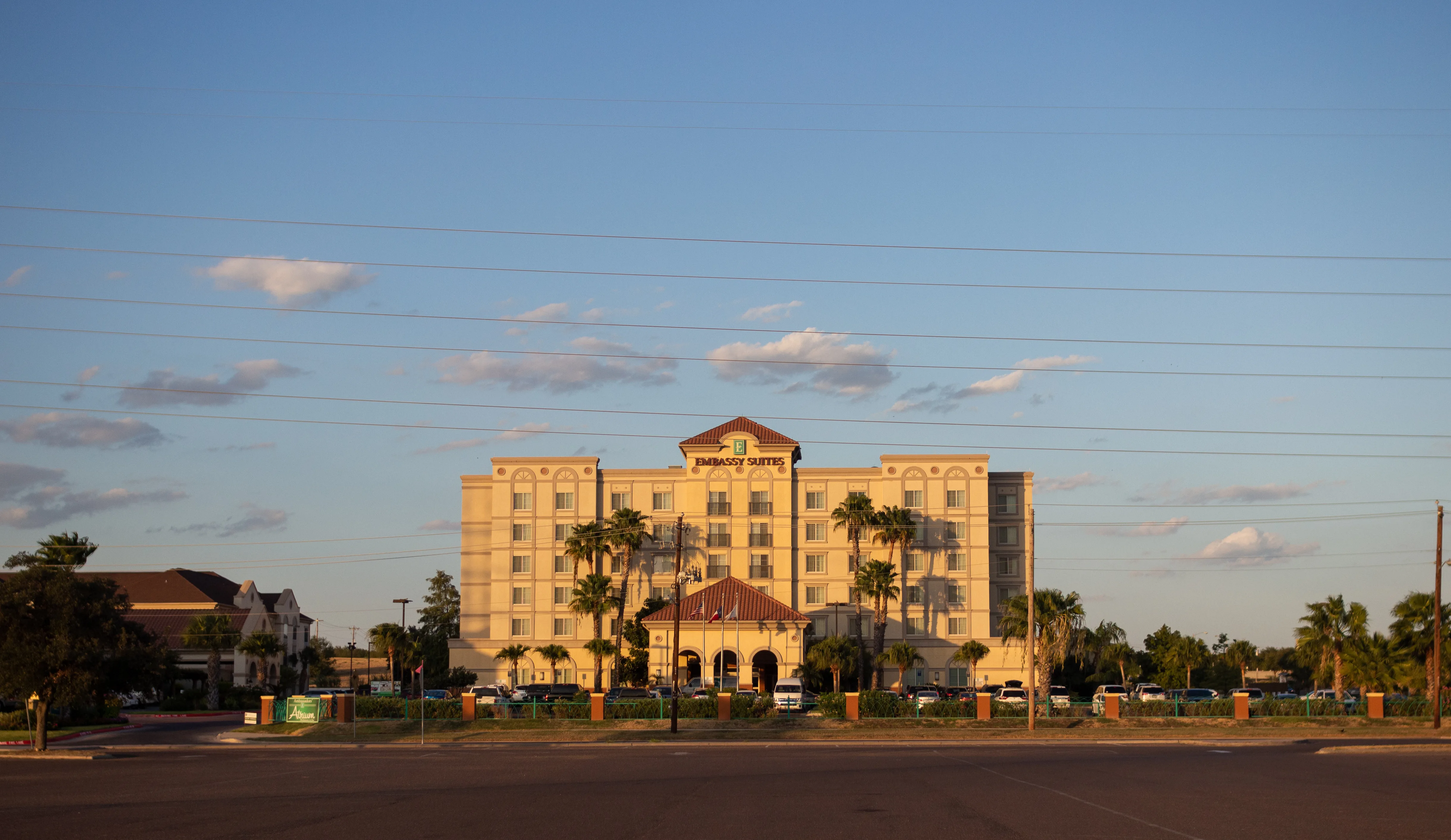
The Retiree Budget in Laredo
Texas's Income Tax Advantage
Texas levies no state income tax. That means Social Security benefits, pension distributions, and IRA or 401(k) withdrawals all arrive without a state-level haircut — a meaningful difference for retirees drawing down retirement accounts on a fixed schedule.
Property Taxes and the Over-65 Freeze
Laredo's effective property tax rate is approximately 1.54% — above the national median but well within the Texas norm for a city of this size. The more important number for retirees: Texas homeowners 65 and older receive an additional $10,000 school district homestead exemption on top of the standard $100,000 exemption, and their school district taxes are frozen at the rate set in the year they turn 65. Rising home values cannot push that portion of the bill higher. On a home at or near the city's typical price, the effective bill after exemptions is manageable by Texas standards — and the freeze makes long-term budgeting far more predictable than in states that reassess annually without caps.
Daily Cost of Living
Laredo's overall cost of living runs approximately 12–14% below the national average. Groceries, utilities, and everyday services all index below national norms, which matters more on a fixed income than it does when you're earning a salary. Dining out — from the taquería end of the market to a sit-down meal — tends to cost noticeably less than in Austin or Houston. For retirees who eat out regularly, that differential adds up across a month.
For a full breakdown of Laredo's cost of living, including utilities and transportation, see the cost of living page.
Looking to buy in Laredo? Estimate your payment.
Enter your numbers to see an estimated monthly mortgage payment.
Estimate only. Excludes HOA fees and mortgage insurance. The interest rate above is a starting point, not a quoted rate — replace it with your own to see real numbers. Insurance is a flat placeholder, not a Laredo quote.
Walkability, Community & Staying Active in Laredo
The Walkability Reality
Laredo is a driving city. Most neighborhoods — including the newer subdivisions in San Isidro, La Bota Ranch, and Crown Ridge — were built around car access, and daily errands without a vehicle are not practical from most residential areas. The exception is the historic core near San Agustin Plaza and the Rio Grande riverfront, where the cultural district is genuinely walkable on foot once you're parked or dropped off. Retirees who want to minimize driving should look seriously at whether they can center their life around that corridor.
Outdoor Life
Lake Casa Blanca International State Park is a 525-acre Texas Parks and Wildlife property east of the city that draws a steady year-round crowd. Fishing for largemouth bass, crappie, and catfish; kayaking; mountain biking; hiking; and birding all happen there regularly — and the terrain is flat enough that older adults with moderate mobility can access most of it comfortably. Chacon Creek Trail and Slaughter Park offer closer-in options for walking and light exercise without committing to a state park trip. The flat topography throughout Laredo is genuinely friendly for retirees — there are no significant hills to negotiate.
Community and Social Life
The bilingual character of the city means social life here has a distinctly border-city texture. Long-time residents tend to have deep family networks, and newcomers — especially those without Spanish — can feel like outsiders initially. That said, the Laredo Center for the Arts hosts rotating exhibitions and community programming, the Republic of the Rio Grande Museum draws history enthusiasts, and civic and volunteer organizations are active. For Spanish-speaking retirees, integration into the social fabric tends to happen faster and more naturally.
The city's farmers markets, including El Centro de Laredo Farmers Market, offer a regular gathering point that many older residents use as much for the social routine as the produce. Independent coffee shops like Dósis Coffee TX LLC, Café La Oficina LLC, MoonLane Coffee, Borderland Espresso & Gifts, and Black and White Coffee House are the kind of third places that retirees who want a slower morning pace will find useful — gathered across the city rather than concentrated in one district.
For parks and recreation detail, see the parks and recreation page.
Right-Sizing: Downsizing in Laredo
The 55+ Community Gap
No 55+ communities were found in Laredo. This is a real gap, and retirees who have their hearts set on a deed-restricted active-adult community with amenity packages, organized activities, and age-qualified neighbors will not find that product in Laredo's current housing market. It's worth stating plainly rather than dancing around it.
What Exists Instead
The city does have assisted living facilities for those who need that level of support. On the independent-living side, a 24-million-dollar affordable senior project — Avanti Legacy Rosewood Apartments, an 86-unit development — broke ground in August 2024, with initial units targeted for December 2025. That project is affordable senior independent living, not a 55+ community in the active-adult sense, but it signals that the city is beginning to build housing product aimed at older residents.
Downsizing into the Existing Market
The more practical path for most retirees is downsizing within Laredo's general single-family market. Because the typical home price sits at $223,127 (Zillow Home Value Index, July 2026), a retiree selling a home in a higher-cost Texas city — or arriving from out of state — may be able to buy a single-level home in Laredo outright or with a very small mortgage. Single-story construction is common throughout the city's established neighborhoods, particularly in areas like Hillside Terrace and the older sections of Plantation, where ranch-style footprints are standard.
Renting is also a viable path for retirees who want to free up equity, test the market before committing, or simply prefer the flexibility. The city-wide typical rent of $1,305/mo (Zillow, July 2026) is well below what comparable square footage would cost in San Antonio or Austin, and it preserves capital for other uses.
For a deeper look at neighborhood character and which areas best match a downsizer's priorities, see the neighborhoods page.
Laredo vs Nearby Retirement Destinations
| City | Cost vs Laredo | Primary Hospital | Walkability | Senior Living Depth | Overall Retirement Fit |
|---|---|---|---|---|---|
| Laredo | Anchor | Doctors Hospital of Laredo — acute care, cancer, neuro, 3 ERs | Car-dependent; flat terrain; walkable historic core | No 55+ community; assisted living available; senior apartments in development | Strong for bilingual retirees, value seekers, fixed-income budgets |
| Rio Bravo | Noticeably lower | Dependent on Laredo facilities | Very limited; small community | Minimal senior infrastructure | Extreme value play; best if family or support network already there |
| El Cenizo | Noticeably lower | Dependent on Laredo facilities | Very limited; small community | Minimal senior infrastructure | Budget-focused buyers willing to drive to Laredo for services |
| Cotulla | Noticeably lower | Small local clinic; major care requires long drive | Very limited; rural town | Minimal senior infrastructure | Rural isolation is a real constraint; suits retirees prioritizing quiet and low cost above all |
| Zapata | Comparable or lower | Limited local care; Laredo hospitals roughly an hour away | Very limited; small lakeside community | Minimal formal senior living | Appeals to fishing and outdoor retirees; Falcon Lake access is a genuine draw |
| San Antonio | Noticeably pricier | Full major-metro hospital system with Level I trauma and transplant programs | Mixed; walkable in some areas, car-dependent in others | Large and varied 55+ community market | Best for retirees who need advanced specialty care or a robust active-adult community |
For retirees whose top priority is keeping costs as low as possible, Rio Bravo and El Cenizo undercut Laredo on price — but both lean heavily on Laredo's medical infrastructure, which means you'd be making that drive for every healthcare appointment. Cotulla offers quiet and genuine affordability but is genuinely remote; the compromise is a long drive for anything beyond basic services.
San Antonio is the clearest upgrade on healthcare depth and 55+ community variety, and many retirees who've priced it out end up choosing Laredo precisely because San Antonio has become expensive enough to stretch a fixed income. Zapata is worth knowing about if lake-centered outdoor retirement is the priority — Falcon Lake draws serious anglers — but the isolation is real and services are thin.
Laredo's strongest argument against all of these neighbors is that it's the only one combining a genuine city's medical infrastructure, a full range of everyday services, and a price point that most of its neighbors can't match on the urban side. For Spanish-speaking retirees especially, that combination is hard to replicate anywhere else along this stretch of the border.
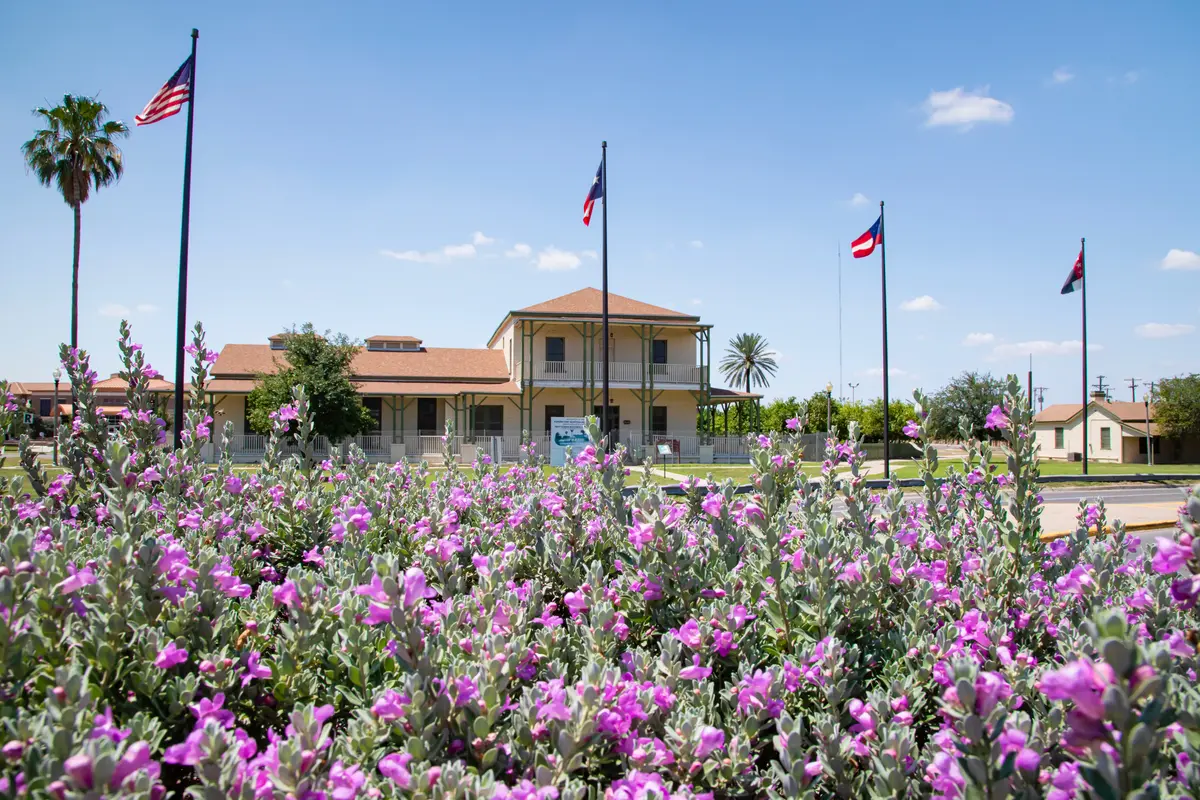
Local Expert Takeaway: Laredo rewards retirees who do their research and disqualifies those who don't. The no-income-tax state, the over-65 property tax freeze, the sub-$230,000 typical home price, and healthcare costs running nearly a quarter below the national average form a budget picture that's genuinely rare in Texas. The catch is that this is a bilingual border city with no 55+ communities, serious summer heat, and real distance to the specialist care that aging eventually demands. Retirees who are bilingual, financially pragmatic, and willing to plan ahead for advanced medical needs will find Laredo one of the more compelling — and least crowded — retirement options in South Texas.
Quick Takeaways & FAQs
✅ Texas levies no state income tax, and homeowners 65+ have their school-district property taxes frozen at the year they turn 65 — two structural advantages that make Laredo's retiree budget math hard to beat in the region.
⚠️ No 55+ communities exist in Laredo, and summer temperatures routinely hit triple digits from June through September — two honest dealbreakers for a significant share of retirement buyers.
📍 Doctors Hospital of Laredo operates three freestanding ERs across the city and has run a regional cancer care program since 1987, giving Laredo more medical infrastructure than most border communities its size — but advanced specialty care still means a multi-hour drive toward San Antonio.
Is Laredo, Texas a good place to retire?
How does Texas treat retirement income for tax purposes?
What hospital serves Laredo, and how good is it?
Are there any 55+ or active-adult communities in Laredo?
What is the property tax rate for retirees in Laredo?
Moving to Texas?
Tell us what you need help with and we'll connect you with local resources.
