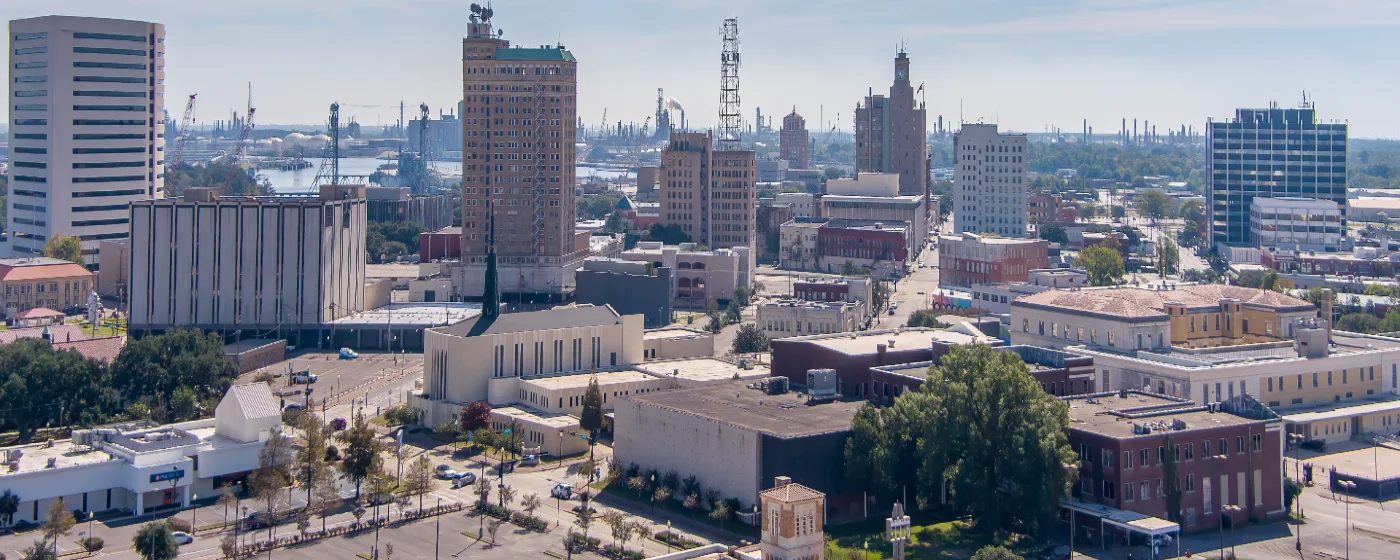
Maybe you've been priced out of Houston's suburbs and someone mentioned Beaumont. Maybe ExxonMobil or Lamar University is pulling you here. Either way, the first thing to understand is that Beaumont is not one city — it's several, stacked against each other across a geography shaped by refineries, bayous, and the long shadow of I-10. Where you land determines your commute, your schools, your neighbors, and frankly your daily sense of the place. Getting that choice right matters more here than in a city where the neighborhoods blend smoothly into one another.
The city's economic backbone is the petrochemical corridor — ExxonMobil's Beaumont complex is one of the largest refining operations in the country — alongside Baptist Hospitals of Southeast Texas, CHRISTUS Southeast Texas St. Elizabeth, Lamar University, and the Beaumont Independent School District, which 15,862 students enrolled in 2025-26 and holds a D rating, according to the Texas Education Agency. That school district rating is the single most important piece of information for families with school-age children, and it shapes the entire calculus of where to buy. Many parents who move here enroll in private schools or make deliberate choices about which attendance zone they land in. For a full breakdown of schools and programming, see the Beaumont schools guide.
Beaumont's typical home price of $174,566 (July 2026, Zillow Home Value Index) makes it one of the most affordable mid-sized cities in Texas — noticeably below what you'd pay in the Houston suburbs or in Nederland just to the south. The city of 112,967 offers Tyrrell Park and Cattail Marsh Wetlands for outdoor access, a walkable historic core in the Oaks district, and a cost of living that stretches a paycheck considerably further than Southeast Texas's oil-boom reputation might suggest. The catch is that Beaumont's median household income of $56,997 sits below what's needed to buy the typical home here, which tells you something real about the local economy and the population mix. For a full cost picture, see the cost of living in Beaumont.
Whether you're relocating for work, drawn by affordability, or sizing up the market from a distance, the sections below break down Beaumont's eight key neighborhoods, what each costs relative to the city median, where different buyer types tend to land, and the mistakes that trip up relocating buyers most often.
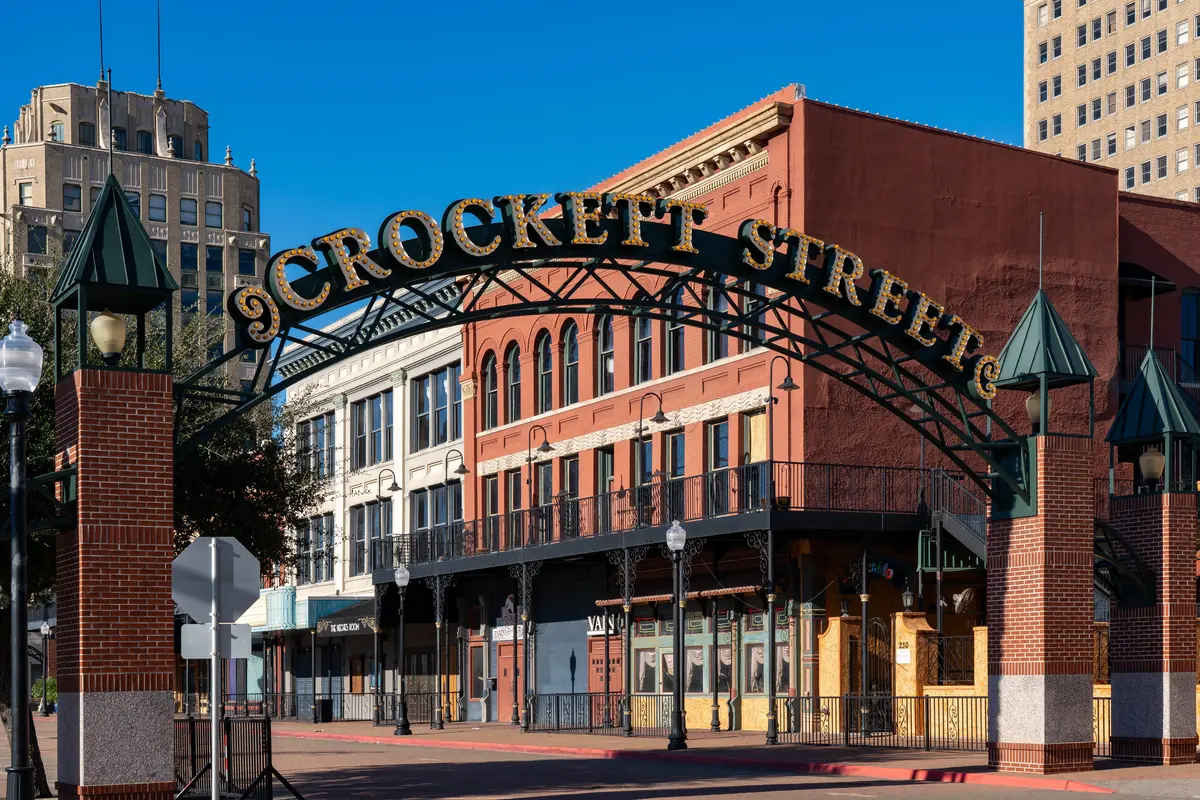
The Beaumont Reality
The Divide That Shapes Every Purchase
The single most important geographic fact in Beaumont real estate is the west-side / everything-else split. The neighborhoods west of US-69 (Eastex Freeway) — Dowlen West, Westchase, Willow Creek — represent the modern, suburban, professionally concentrated part of the city. The neighborhoods closer to downtown and south of I-10 carry more history, more diversity, and in most cases, lower prices. Buyers who move here without understanding this divide consistently end up either overpaying for the west side or underestimating the upkeep and neighborhood variability on the east.
The School Boundary Reality
Beaumont ISD serves the entire city, and with a D rating from the Texas Education Agency, the district's performance is the dominant factor shaping where professional families choose to buy. Many households moving into above-median neighborhoods like Dowlen West and Westchase are simultaneously researching private school options or magnet programs. A buyer who focuses purely on square footage and price per foot without mapping school boundaries and private school commute times often regrets it within the first school year.
Flooding Is Not Evenly Distributed
Southeast Texas floods. Beaumont was directly in the path of Hurricane Harvey in 2017, and the city's bayou system means flood risk is hyperlocal — two streets apart can be in different flood zones. Before making an offer anywhere in Beaumont, pulling the FEMA flood map for that specific parcel is non-negotiable. The west-side neighborhoods generally sit on higher ground, but "generally" is not a substitute for checking the zone letter on the address you're actually buying.
Neighborhoods at a Glance
| Neighborhood | Best For | Vibe |
|---|---|---|
| Dowlen West | Families Commuters | Polished suburban west end; well-kept homes, strong HOA culture, professional residents |
| South Park | First-Time Buyers Renters | Historic working-class neighborhood near Lamar University; entry-level and rental-heavy |
| Old Town / The Oaks | Walkable Value | Texas's largest historic district; century-old architecture, walkable streets, below-median prices |
| Caldwood | First-Time Buyers Families | Mid-century tree-shaded lots west of downtown; steady and unpretentious |
| Charlton-Pollard | Value | Deep historical roots; one of the city's most resilient communities, well below median |
| Westchase | Families Quiet | North-side suburban enclave; consistently cited among the city's more stable neighborhoods |
| Willow Creek | Families Nature | South Beaumont quiet; green spaces, well-maintained homes, strong community feel |
| Pear Orchard | Walkable First-Time Buyers | Tight-knit south-side community; active neighborhood association, renovated ranch homes |
Beaumont typical home price: $174,566 (Zillow ZHVI, July 2026). Typical rent: $1,285/mo (Zillow ZORI, July 2026). Neighborhood tiers on this page are relative to these figures.
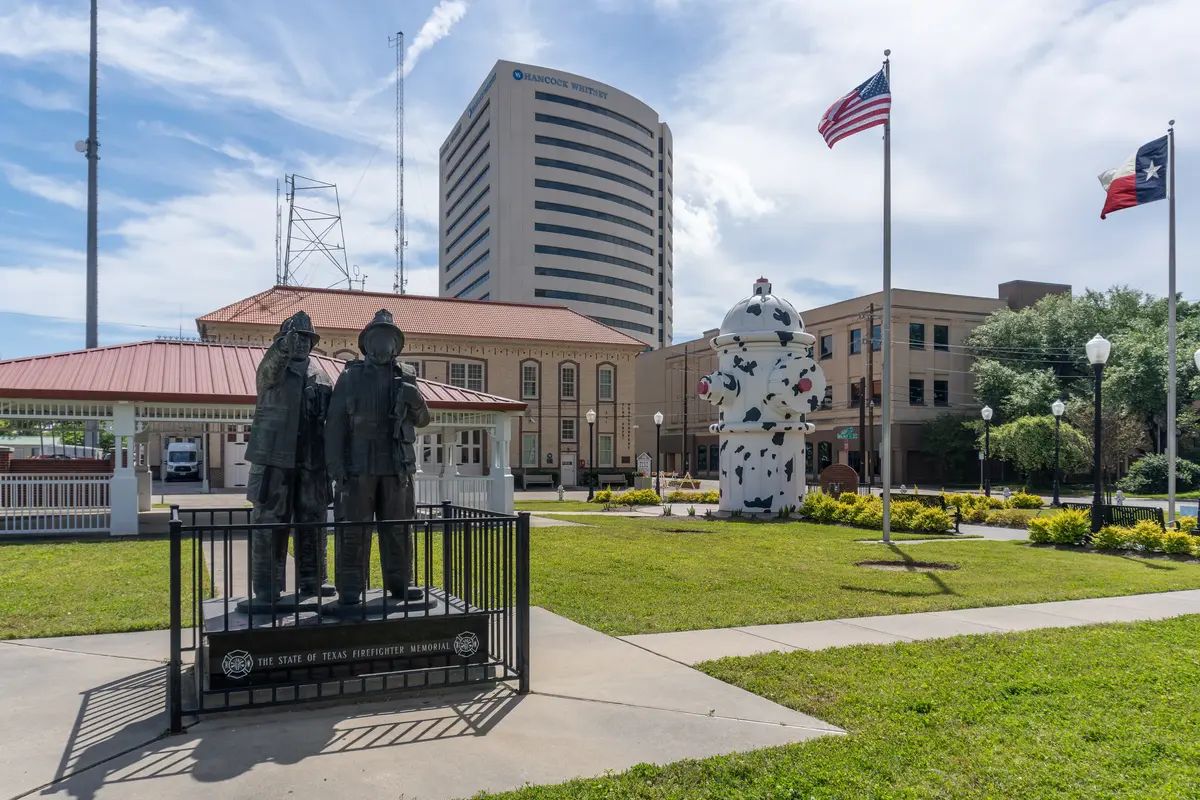
Best Neighborhood by Buyer Type
| Buyer Type | Best Neighborhood | Why |
|---|---|---|
| First-Time Buyer | Caldwood | At-median pricing with solid mid-century bones and a city-recognized neighborhood association that signals real community investment. |
| Luxury Buyer | Dowlen West | The highest professional concentration in the city and above-median prices reflect the most polished housing stock Beaumont offers. |
| Walkability Seeker | Old Town / The Oaks | The Oaks Historic District is the one part of Beaumont where on-foot access to architecture, museums, and neighborhood streets is a genuine daily experience. |
| Families with Kids | Westchase | Among the city's most stable residential neighborhoods, with above-median prices reflecting the consistency families are paying for. |
| Commuters | Dowlen West | Quick access to I-10 shortens the drive whether you're heading into the petrochemical corridor or logging the roughly 90 minutes to Houston for work. |
| Large-Lot Buyers | Caldwood | Generously sized, tree-shaded lots from the 1960s build era are the norm here, not the exception. |
| Renters | South Park | Lamar University's growth drives steady rental demand and a wider range of rental options — from apartments to single-family homes — than most other neighborhoods in the city. |
Looking to buy in Beaumont? Estimate your payment.
Enter your numbers to see an estimated monthly mortgage payment.
Estimate only. Excludes HOA fees and mortgage insurance. The interest rate above is a starting point, not a quoted rate — replace it with your own to see real numbers. Insurance is a flat placeholder, not a Beaumont quote.
Most Popular Neighborhoods in Beaumont
Dowlen West
Beaumont's most conventionally suburban neighborhood draws professional households who want predictable upkeep, strong neighbors, and easy I-10 access without leaving the city limits. The Dowlen West Neighborhood Association is among the city's most organized, and a notably high share of working residents hold executive or professional roles. The trade-off is that the suburban-strip feel of the commercial corridors nearby can wear thin quickly if you were expecting something with more character.
Best for: Professional households, families with school-age children researching private options, commuters who prize quick freeway access.
South Park
South Park's roots go back to the post-Spindletop oil-boom era, and most of its housing stock was built between 1940 and 1969 — meaning you get genuine mid-century bones at prices well below the city median. Lamar University's continued growth keeps rental demand healthy, and the proximity to Tyrrell Park gives residents access to one of the city's best green spaces. The challenge is that the neighborhood's older housing stock means deferred-maintenance surprises are common, and buyers who skip a thorough inspection here often wish they hadn't.
Best for: Entry-level buyers, landlord-investors, renters who want a short walk to Lamar's campus.
Old Town / The Oaks (Old Town on the Oaks)
The Oaks Historic District is recognized as the largest historic district in Texas — a walkable grid of Mediterranean-style mansions, craftsman bungalows, and ranch homes, many more than a century old, sitting well below the city median in price. The McFaddin-Ward House Museum and Chambers House Museum sit within the district, giving the streets a civic anchor that most Beaumont neighborhoods lack. What you give up is modernity: older wiring, aging plumbing, and the real cost of maintaining a historic home are realities that first-time buyers sometimes underestimate before falling for the architecture.
Best for: History enthusiasts, buyers who value walkable streets and architectural character over square footage, value-oriented buyers who will invest in renovation.
Caldwood
Caldwood is the quiet, mid-century alternative for buyers who want tree-shaded lots and established streets without paying the west-side premium — prices here sit right at the city median. Homes mostly date from the 1960s and sit on generously sized lots compared to newer construction anywhere in the metro. The Caldwood ANA is city-recognized and active, which keeps the neighborhood from drifting, but buyers should budget for the updates that a 1960s vintage house almost always needs.
Best for: First-time buyers, buyers prioritizing lot size over finishes, anyone who wants a stable, unflashy neighborhood west of downtown.
Charlton-Pollard
Founded in 1869 by Charles Pole Charlton, Charlton-Pollard is one of the oldest and most historically significant communities in Southeast Texas — home to some of Beaumont's oldest churches and a neighborhood that has survived every economic cycle the city has thrown at it. Prices sit well below the city median, which reflects real disinvestment over decades, but the South End Charlton-Pollard Greater Historic Community Neighborhood Association is active and the community's identity is notably strong. Buyers here are making a long-term bet on a neighborhood with deep roots and real upside, not a turnkey purchase.
Best for: Mission-driven buyers, history-focused households, buyers comfortable with renovation and a longer investment timeline.
Westchase
Westchase sits on the city's north side and carries above-median prices that reflect what families are willing to pay for a consistently stable residential environment. The neighborhood association is city-recognized and active. Character detail here is quieter than in older neighborhoods; Westchase is the suburb-within-the-city option for buyers who prioritize safety and consistency over personality.
Best for: Families with young children, buyers for whom neighborhood stability is the primary filter, households transferring in from larger metros who want a familiar suburban feel.
Willow Creek
Willow Creek's south Beaumont location puts it near green spaces and away from the industrial noise of the petrochemical corridor, and residents consistently describe well-maintained homes and a genuine sense of community. The neighborhood carries above-median prices. The downside is that its south-side location lengthens commutes for anyone heading to the refineries or north-side employers.
Best for: Families, nature-oriented buyers, households who want above-median neighborhood quality without Dowlen West prices.
Pear Orchard
Pear Orchard's 1960s ranch homes and bungalows have seen significant renovation activity in recent years, and the neighborhood association — one of the most active in the city — runs community gardens that supply produce to senior residents, which tells you something about how seriously this community takes itself. Prices sit below the city median, and the neighborhood's walkability and proximity to downtown make it a practical choice for buyers who want on-foot access without paying Old Town renovation costs. The trade-off is that below-median pricing in south Beaumont still means doing your flood-zone homework carefully before any offer.
Best for: Community-minded buyers, first-time buyers who want walkable streets, buyers drawn to civic-engagement culture on a below-median budget.
Common Mistakes Buyers Make in Beaumont
Assuming the West Side Is Uniformly Better
Dowlen West and Westchase carry above-median prices for real reasons, but buyers who write off the entire east side and historic core miss genuinely strong neighborhoods — Old Town's architectural stock and Pear Orchard's community density — at prices that leave meaningful room for renovation or savings. The west-side premium is real; whether it's worth it depends entirely on what you're optimizing for.
Skipping the Flood Zone Check
This is the most consequential mistake a buyer can make anywhere in Jefferson County. Beaumont's bayou system distributes flood risk unevenly, and two adjacent streets can sit in entirely different FEMA flood zones. Buyers who see a below-median price in Charlton-Pollard or South Park and move quickly without pulling the specific parcel's flood zone — and getting an insurance quote before closing — have been caught badly by the cost of coverage, which can make an affordable purchase considerably less affordable.
Chasing Square Footage Without Mapping School Options
Beaumont ISD's D rating from the Texas Education Agency means that families with school-age children typically have a parallel decision to make about private schools before they commit to a neighborhood. A buyer who locks in a home in South Park or Caldwood for the price and the lot size, then discovers that the private school they want is across the city and the commute isn't workable, has made an expensive sequencing error. Map the school options — and their locations — before you map the neighborhoods.
Underestimating the Age of the Housing Stock
Most of Beaumont's below-median and at-median neighborhoods were built in the 1940s through 1960s. That vintage means charm, solid construction, and generous lots — and it also means electrical panels, plumbing, and HVAC systems that may be decades overdue for replacement. In South Park, Caldwood, Charlton-Pollard, and Pear Orchard especially, buyers who treat the inspection as a formality rather than a working document consistently underestimate their first-year cost of ownership. A thorough inspection here is not optional — it is the primary due-diligence tool you have.
Best Areas to Rent in Beaumont
| Area | Ideal For | Trade-off |
|---|---|---|
| South Park / Lamar University Area | Students, young professionals, faculty | Lamar's growth keeps demand steady, which means landlords have pricing power and vacancies fill fast |
| Dowlen West Corridor | Professional households, short-term relocations | Above-median rents for Beaumont's standard; fewer large apartment complexes, more single-family rentals |
| Old Town / The Oaks | Renters who want character and walkable streets | Older buildings mean more variability in condition; inspect carefully before signing |
| Westchase / North Major Drive Area | Families prioritizing neighborhood stability | Limited rental inventory; competition for available units is real |
| Pear Orchard / South Beaumont | Budget-conscious renters who want a community feel | Below-median area means lower rents, but flood-zone awareness is still required before signing a lease |
Beaumont's city-wide typical rent of $1,285 per month (Zillow ZORI, July 2026) reflects genuine affordability compared to most Texas metros, and makes renting here a reasonable holding pattern for buyers still researching the market. Inventory across all rental zones is tighter than the price point suggests; the city's affordability attracts renters who might otherwise buy, and that keeps vacancy rates from giving landlords much reason to negotiate.
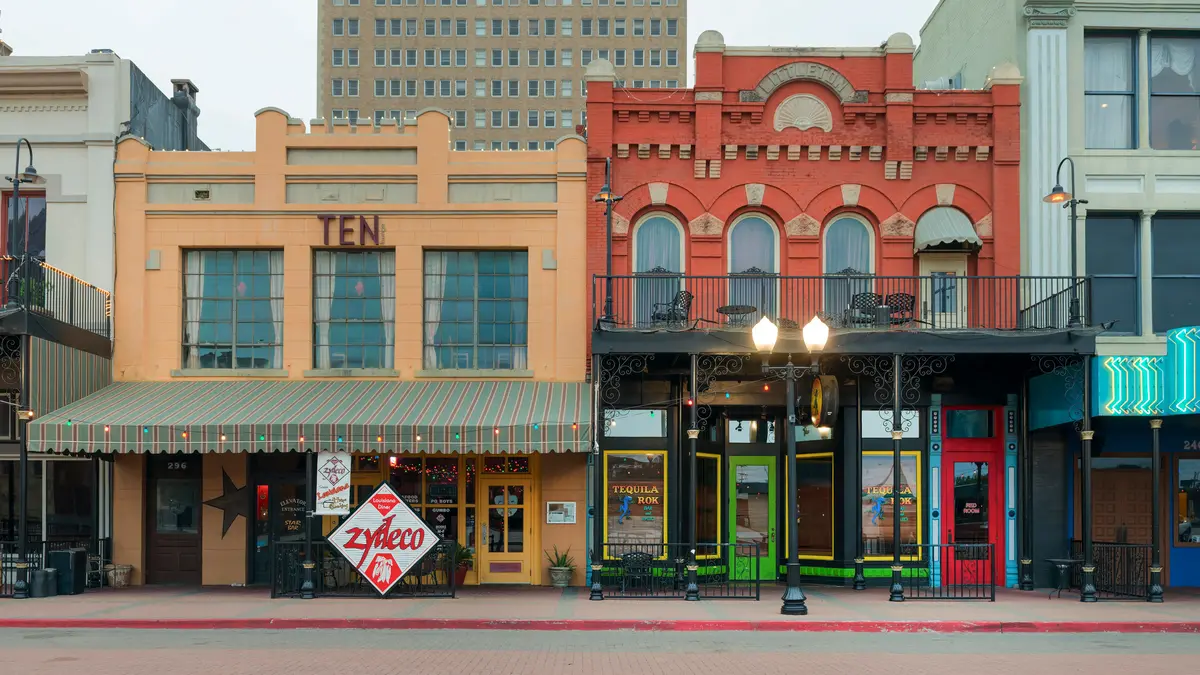
Local Expert Takeaway: Beaumont's neighborhoods sort more sharply by price tier and flood-zone exposure than by lifestyle preference. If you're buying, the practical sequence is: confirm the flood zone for the specific parcel, decide whether you're enrolling in Beaumont ISD or a private school and where that school sits, then choose a neighborhood. Dowlen West and Westchase are where above-median buyers cluster for a reason, but Old Town's Oaks Historic District and Pear Orchard offer the city's best community texture at below-median prices — and those are the neighborhoods that tend to surprise people who moved here expecting nothing special.
Quick Takeaways & FAQs
✅ Beaumont's typical home price of $174,566 (July 2026) makes it one of the most affordable mid-sized cities in Texas, with eight distinct neighborhoods spanning well below to well above that figure.
⚠️ Beaumont ISD holds a D rating, according to the Texas Education Agency — the single factor most families with school-age children should research before committing to any neighborhood.
📍 The Oaks Historic District in Old Town is recognized as the largest historic district in Texas, yet prices there sit below the city median — the market has not caught up to the architecture.
What is the safest neighborhood in Beaumont, TX?
Which Beaumont neighborhood is best for families with children?
What is the most affordable neighborhood in Beaumont to buy a home?
Is Beaumont's historic district worth buying into?
How does flooding affect Beaumont neighborhood choices?
Moving to Texas?
Tell us what you need help with and we'll connect you with local resources.
