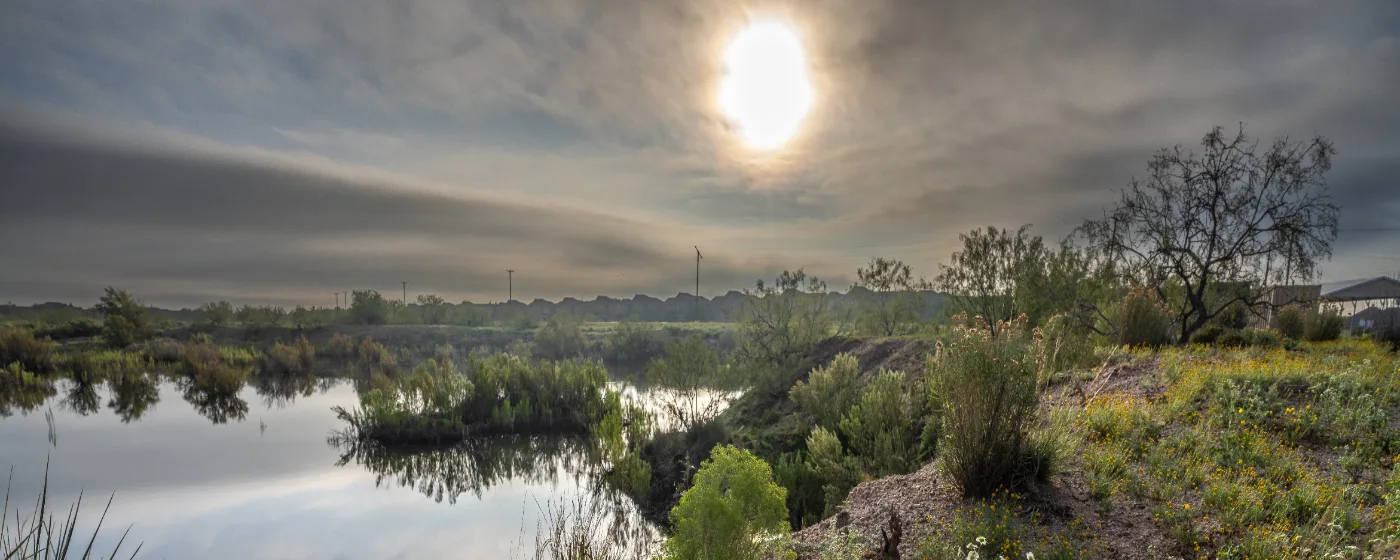
Most people who move to Odessa come for the oil patch — the jobs, the paychecks, the boom-cycle economy that has defined the Permian Basin for nearly a century. Retirees who land here arrive by a different route: they already know the place. They raised families here, built careers here, or have adult children who stayed. What they find when they slow down is that Odessa at 65 looks meaningfully different from Odessa at 35 — quieter, more affordable than almost anywhere else in Texas, and anchored by a regional hospital that punches above its weight. The city sits in the flat, wide-open Permian Basin of West Texas, with I-20 threading east to west and Loop 338 circling the city, making it easy to navigate even in retirement.
The economic backbone here is still energy — Halliburton and Diamondback Energy (based in Midland) shape the local economy — but for retirees, the more relevant institutions are Medical Center Health System, the University of Texas Permian Basin, and Odessa Arts, which together give the city its medical infrastructure, its intellectual life, and a surprisingly active cultural calendar. The city of 122,707 is the 32nd-largest incorporated city in Texas, large enough to support genuine specialty care and a range of dining and entertainment, small enough that traffic rarely registers as a real complaint.
On cost, Odessa is a genuine outlier for Texas. The typical home price of $253,740 (Zillow Home Value Index, July 2026) is well below what retirees coming from Dallas, Houston, or the coasts are used to paying, and the overall cost of living runs approximately 8–10% below the national average. Grocery costs land near or slightly below the national average, and transportation costs are measurably lower. Texas adds no state income tax on top of that, which matters enormously on a fixed income. The catch — and there is one — is that the property tax rate is real and the city is car-dependent; anyone expecting to age in place without driving will need to plan carefully.
Whether you are weighing a full relocation or simply trying to understand whether Odessa can sustain a comfortable retirement, the sections below cover healthcare access, the retiree tax picture, daily budget realities, walkability, downsizing options, and how the city stacks up against nearby alternatives.
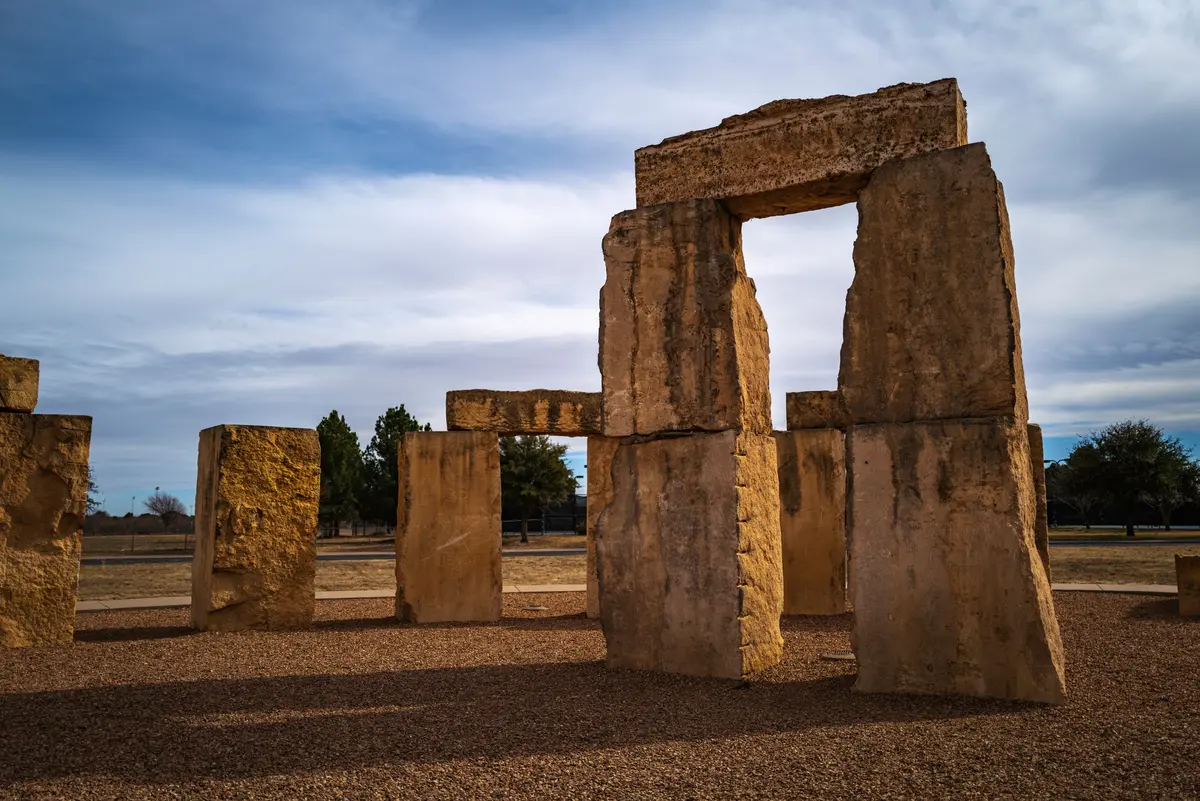
Why Retirees Are Choosing Odessa
Odessa makes the most sense for retirees who already have roots here or who are following family west. The affordability case is hard to argue with: a typical home at $253,740 (Zillow Home Value Index, July 2026) gives buyers meaningful equity headroom compared with nearly any other Texas metro, and that advantage compounds when you layer in no state income tax and a strong over-65 property tax exemption. For retirees downsizing from a larger Texas city, the savings can be substantial enough to eliminate a mortgage entirely.
The city also rewards retirees who are comfortable in a car-dependent, mid-size Sun Belt city and who value a regional medical center close at hand over proximity to a major academic hospital. If your priority list runs: low cost, warm and sunny climate — Odessa logs 256 sunny days a year — solid regional healthcare, and a familiar West Texas community, this city checks those boxes honestly.
Who should look elsewhere? Retirees who want walkable neighborhoods, a dense arts and dining district within strolling distance of their front door, or a 55+ community with built-in social programming will struggle here. The city's layout is sprawling and car-oriented, and no dedicated 55+ communities were found in Odessa. Retirees who need frequent access to advanced subspecialty care — major cancer centers, transplant programs, complex neurosurgical services — will find the nearest facilities are a significant drive away. That gap is the most important tradeoff to weigh honestly before committing.
Healthcare & Medical Access in Odessa
The Anchor: Medical Center Health System
Medical Center Hospital sits inside Odessa city limits and serves as the regional medical hub for Ector County and the surrounding 17 counties of the Permian Basin. It is a 402-bed nonprofit regional medical center that has served the region for more than 70 years, treating over 100,000 patients annually. That scale matters: this is not a small community hospital with a narrow scope. It holds Level II Trauma Center designation, meaning 24/7 emergency surgical capability is on site.
For retirees, the specialties most relevant to aging — cardiovascular care, stroke services, and orthopedics — are among the areas Medical Center Health System is nationally recognized for. The system has been recognized for its diabetes care as well. Those are the conditions that bring most retirees through a hospital's doors, and having them handled locally rather than by a transfer is a genuine quality-of-life advantage.
The Teaching Pipeline
A Texas Tech University Health Sciences Center campus operates in Odessa, training residents and medical students across core specialties including family medicine, internal medicine, and surgery. The presence of a teaching program tends to keep a local medical staff more current and more complete than a similarly sized city without one. A Pediatrics residency is scheduled to launch in 2028, a signal that the regional medical infrastructure is still growing.
The Honest Limitation
What Odessa does not have is a comprehensive academic medical center with transplant programs, advanced cancer treatment, or complex subspecialty depth. For those situations, Midland adds some capacity, but the realistic answer for truly specialized care is a longer trip — San Antonio, Dallas, or Houston. Retirees managing serious chronic conditions should map that route before moving, not after. Midland International Air and Space Port, a commercial airport about 30 minutes away, at least makes medical travel logistically manageable.
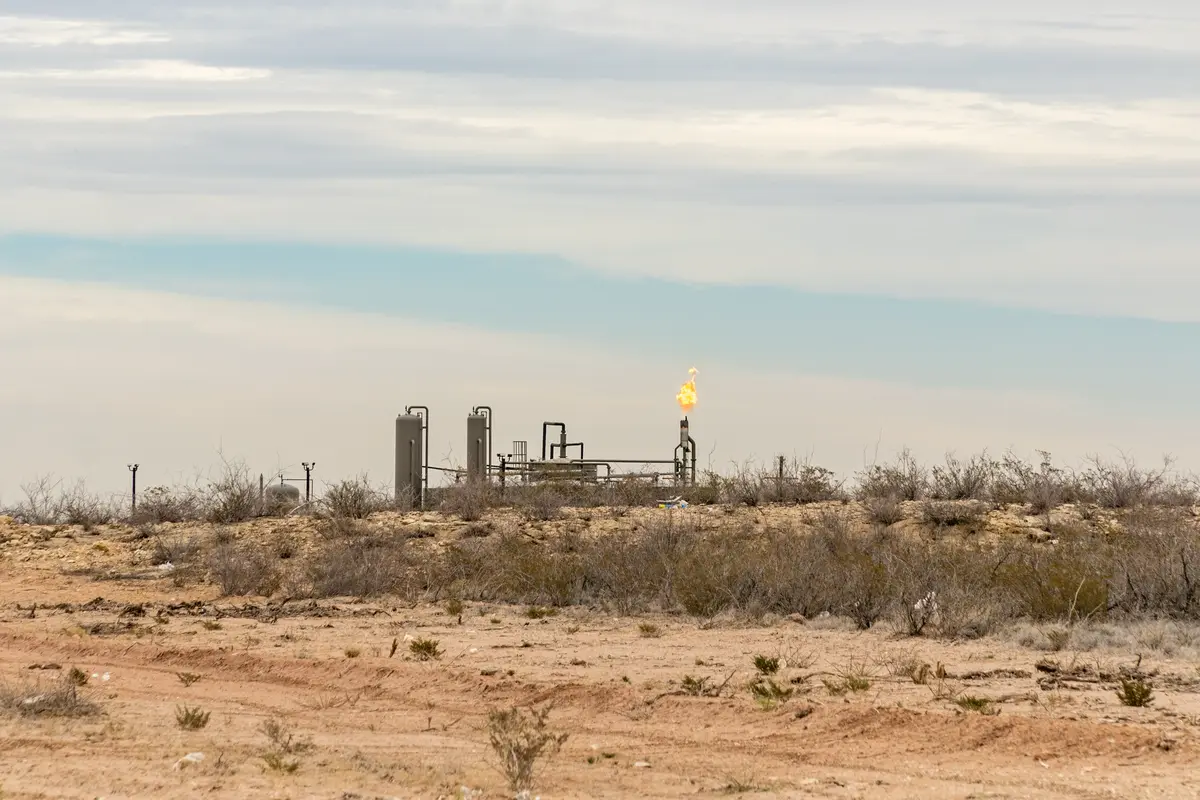
The Retiree Budget in Odessa
The Texas Tax Advantage
Texas levies no state income tax. That means Social Security benefits, pension payments, traditional IRA and 401(k) withdrawals, dividends, and capital gains are all free from state-level taxation. For a retiree drawing from multiple income streams, that is a real and recurring savings compared with states that tax retirement income — and it is permanent, not a rate that a future legislature can quietly adjust on retirement income specifically.
Homeowners age 65 and older can claim both the standard homestead exemption and an over-65 exemption, which together reduce the taxable assessed value of the home. Once that over-65 exemption is granted, homeowners also become eligible for a property tax deferment — meaning the tax bill can be deferred until the home is sold or transferred, essentially converting a recurring cash obligation into an equity charge. Applications filed by April 30 of the qualifying year are processed in time for that year's bill. The effective property tax rate in Odessa runs approximately 1.50%, which is real but manageable, particularly after exemptions reduce the assessed base.
Texas also has no estate tax or inheritance tax. Voters approved a 2025 constitutional amendment permanently prohibiting new estate, inheritance, and gift taxes at the state level — relevant to retirees thinking about what passes to the next generation.
Sales Tax and Daily Costs
The combined state and local sales tax rate can reach up to 8.25% on most goods. The meaningful offset for fixed-income retirees: groceries are generally not subject to sales tax in Texas, which takes a real bite out of that rate's practical impact. Overall, Odessa's cost of living runs approximately 8–10% below the national average, with grocery costs near or slightly below the national average and transportation costs measurably lower than the U.S. norm. For a more detailed breakdown of day-to-day costs in Odessa, the cost-of-living page covers utilities, groceries, and transportation spending.
One note on the affordability picture: the median household income in Odessa runs slightly below the income level needed to comfortably carry the typical home price here. That gap is narrow — about $3,000 — but it means retirees bringing outside equity or savings are in a stronger position than the local income profile might suggest, while those relying entirely on a modest fixed income should run the numbers carefully before buying.
Looking to buy in Odessa? Estimate your payment.
Enter your numbers to see an estimated monthly mortgage payment.
Estimate only. Excludes HOA fees and mortgage insurance. The interest rate above is a starting point, not a quoted rate — replace it with your own to see real numbers. Insurance is a flat placeholder, not a Odessa quote.
Walkability, Community & Staying Active in Odessa
The Geographic Reality
Odessa is a West Texas city, which means a personal vehicle handles most daily errands. Beyond the downtown core, the city's layout is sprawling and car-oriented — grocery runs, medical appointments, and most shopping mean driving. Retirees who can no longer drive, or who plan to give up driving in the next decade, need to factor that dependency into the long-term picture.
Downtown Odessa is the exception. Historic storefronts, public murals, and the restored Ector Theatre create a walkable core that feels genuinely livable at a pedestrian pace. A handful of dining spots and independent coffee shops sit within a reasonable walk of one another there. The Music City Mall Trail and McKinney Park offer accessible, flat outdoor routes well suited to retirees who want to walk or bike without dealing with hills or rough terrain — West Texas is flat, and that is an underrated advantage for anyone with joint concerns. For a fuller look at parks and outdoor options, the parks page has the details.
Arts, Culture, and Social Life
The nonprofit arts and culture sector in Odessa is more substantial than the city's reputation suggests. A 2024 economic impact study found the sector generated $33.5 million in total economic activity and supported 397 local jobs — a measure of how embedded arts institutions are in daily community life here. The Ellen Noël Art Museum and The Globe Theatre of the Great Southwest anchor that scene locally. The Presidential Archives and Leadership Library adds another cultural anchor. Retirees who engage with the arts community find a more active social calendar than the city's industrial reputation implies.
Ratliff Ranch Golf Links gives golfers a local option. The University of Texas Permian Basin runs community programs and events that draw retirees alongside students. Volunteering pipelines run through Odessa Arts, the school district, and civic organizations. The social infrastructure exists — it just requires a car to access most of it, and it rewards retirees who are proactive about seeking it out rather than those who expect it to show up on their doorstep.
Right-Sizing: Downsizing in Odessa
What the Market Offers
Odessa's housing stock is predominantly single-family homes built in the mid-to-late twentieth century, which means single-level ranch-style construction is common across most neighborhoods. For retirees seeking step-free living, that is a practical advantage — you are not fighting the market to find it. The typical home price of $253,740 (Zillow Home Value Index, July 2026) means a downsize from a larger Texas city can often be done debt-free or with a very modest mortgage, freeing up equity for retirement income. See the cost-of-living page for a fuller budget picture.
Patio homes and smaller-footprint single-family options exist throughout the city, particularly in established neighborhoods. Country Club Estates and University Gardens both sit above the city median in price tier, attracting buyers who want finished, maintained properties without stepping up to a large lot. Windsor Heights runs at the city median and offers a range of single-level options. Sherwood Park comes in below the city median and is worth considering for retirees prioritizing purchase price over neighborhood amenities. For a closer look at how these neighborhoods compare in character and housing stock, the neighborhoods page breaks them down in detail.
The 55+ Gap
No 55+ communities were found in Odessa. That is an honest gap, and retirees who specifically want the built-in social structure and maintenance-free lifestyle of a dedicated active-adult community will not find it here. Assisted living options do exist in the city — including facilities with memory care and 24/7 staffing — but those serve a different need than the independent active-adult communities that make retirement relocation appealing in a place like Arizona or the Texas Hill Country. If a 55+ community is a hard requirement, nearby Midland has more senior living infrastructure, and the broader San Antonio or Austin corridor offers the most developed active-adult market in the state.
What Odessa does offer is affordability that makes it easier to hire in-home support, maintain a property, and stay in a well-loved neighborhood longer — which many retirees ultimately prefer to a community setting anyway.
Odessa vs Nearby Retirement Destinations
| City | Cost vs Odessa | Primary Hospital | Walkability | Senior Living Depth | Overall Retirement Fit |
|---|---|---|---|---|---|
| Odessa | — | Medical Center Hospital (Level II Trauma, in city limits) | Car-dependent; flat terrain; walkable downtown core | No 55+ communities found; assisted living available | Strong on cost and tax posture; limited active-adult options |
| Midland | Noticeably higher | Regional medical center; broader specialty depth | Car-dependent; slightly more developed commercial corridors | More senior living options than Odessa | Better for retirees who want more senior infrastructure; pay more for it |
| Andrews | Noticeably lower | Small community hospital; limited specialty care | Very car-dependent; small town scale | Minimal senior living options | Maximum affordability; trade-off is thin medical and social infrastructure |
| Crane | Noticeably lower | Small rural hospital; transfers required for specialty care | Minimal; very small city footprint | Very limited | Best for retirees who want extreme affordability and genuine rural quiet |
| Monahans | Noticeably lower | Small community hospital; significant drive for specialty care | Small-town walkable core; otherwise car-dependent | Limited | Quiet, low-cost option; medical access is the primary concern |
| San Antonio | Pricier | Multiple major medical centers and academic hospitals | Considerably more walkable districts; meaningful public transit | Deep 55+ and active-adult community market | Best overall retirement infrastructure in the region; significantly higher cost |
The comparison comes down to what you are willing to trade. Midland is the most direct competitor to Odessa for Permian Basin retirees, offering deeper senior living infrastructure and slightly broader medical depth, but at a noticeably higher cost — and the two cities are close enough that Odessa residents already access Midland regularly for services. Andrews and Monahans offer lower prices than Odessa, but the medical access picture thins considerably in both, which is a serious consideration as healthcare needs grow with age.
San Antonio sits in a different category entirely — it has the most developed active-adult community market in the state, a genuine network of major academic medical centers, and neighborhoods that are walkable in a way no West Texas city can match. The cost of that access is real, and retirees with equity from a high-cost market who want the full-service retirement experience tend to land there rather than in the Permian Basin.
For retirees who are already embedded in West Texas — who know the landscape, have family here, and value affordability and low taxes over amenity depth — Odessa is a practical and defensible choice. For those starting fresh with no regional ties, it competes best on pure cost, and Medical Center Hospital inside city limits with Level II Trauma designation is a genuine advantage that the smaller surrounding towns cannot match.
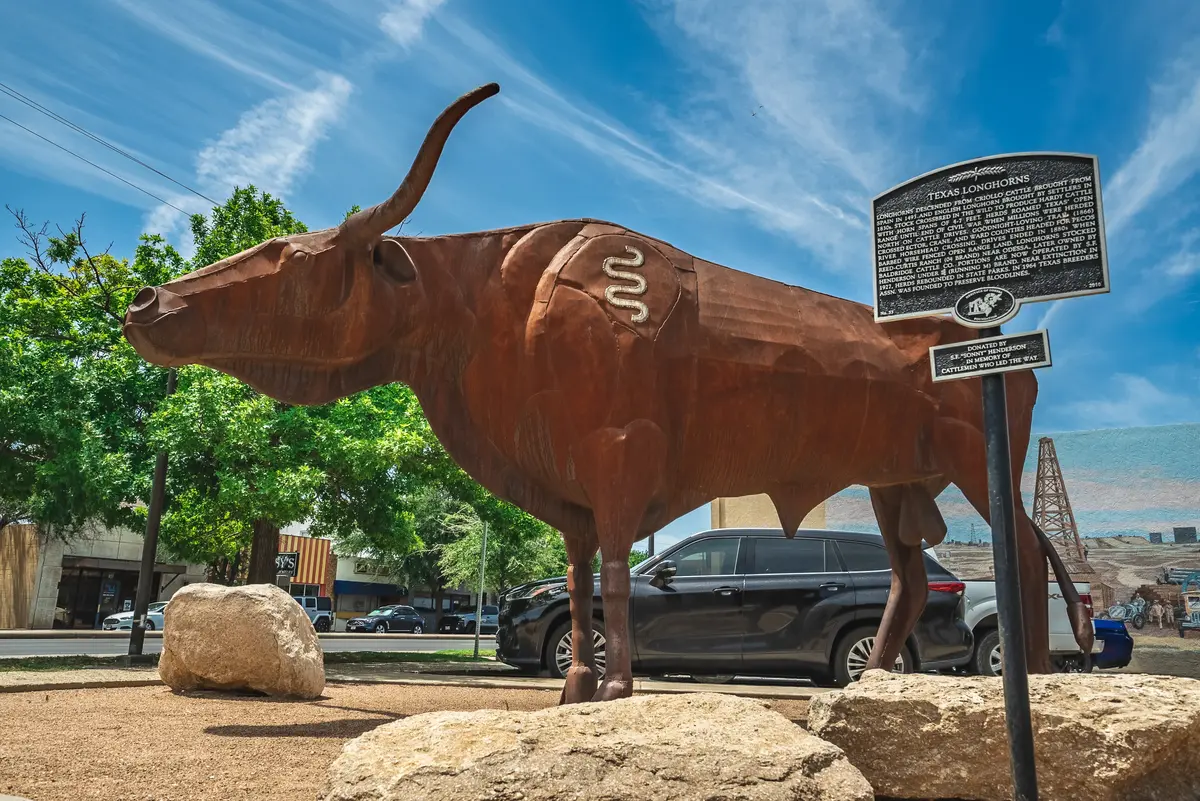
Local Expert Takeaway: Odessa's retirement case is built on three honest pillars: a typical home price of $253,740 (July 2026) that lets many retirees buy outright, a Texas tax structure that leaves every dollar of Social Security and pension income untouched at the state level, and Medical Center Hospital inside city limits with Level II Trauma designation and nationally recognized cardiovascular and stroke care. The gaps are real too — no 55+ communities found, a car-dependent layout that becomes more consequential as driving becomes harder, and no academic medical center for complex subspecialty needs. Retirees who go in eyes open, with a plan for transportation and a mapped route to specialized care when they need it, tend to find Odessa a genuinely comfortable and affordable place to land.
Quick Takeaways & FAQs
✅ Texas collects no state income tax, meaning Social Security, pensions, and retirement account withdrawals are all free from state-level taxation — a recurring advantage that compounds year over year on a fixed income.
⚠️ No 55+ communities were found in Odessa, and most daily errands require a car beyond the downtown core — retirees who expect walkable neighborhoods or built-in active-adult programming will need to adjust expectations.
📍 Medical Center Hospital is a 402-bed Level II Trauma Center inside city limits, nationally recognized for cardiovascular and stroke care — the most practically important local amenity for aging-in-place retirees in the Permian Basin.
Is Odessa, Texas a good place to retire?
Does Texas tax Social Security or retirement income?
What hospital serves Odessa retirees?
Are there 55+ communities or active-adult neighborhoods in Odessa?
How do Odessa property taxes work for retirees over 65?
Moving to Texas?
Tell us what you need help with and we'll connect you with local resources.
