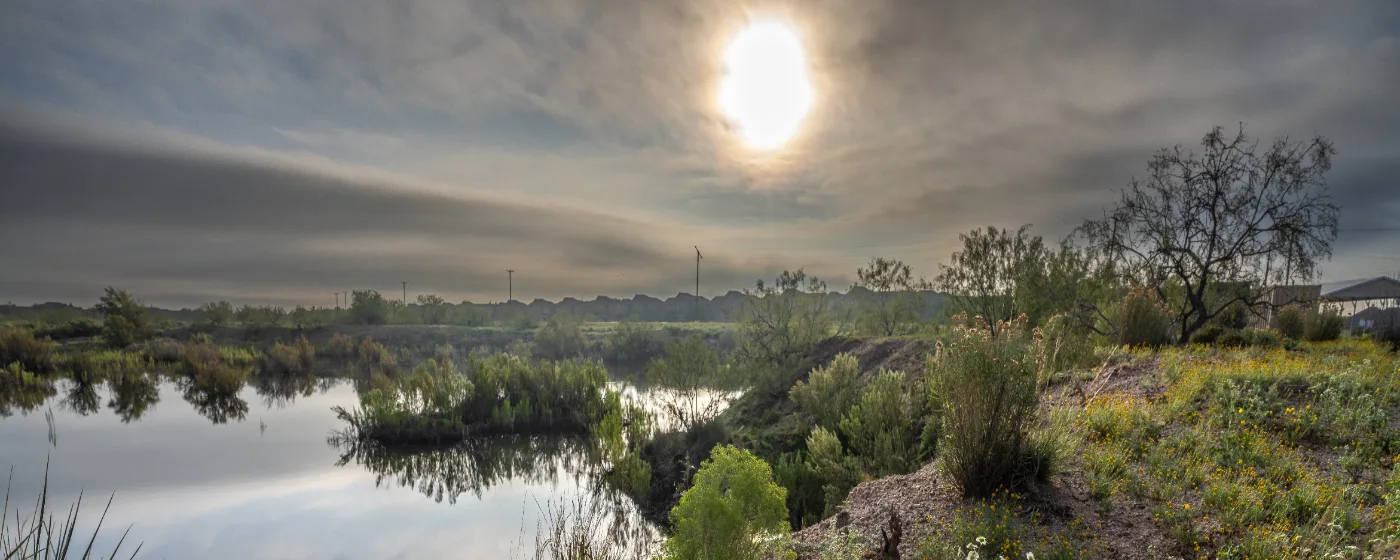
Most people who move to Odessa from California say the same thing in month one: they didn't expect to feel financially comfortable this quickly. The math hits differently when you stop paying California state income tax, when your mortgage payment is a third of what it was, and when you realize the Permian Basin job market is paying energy-sector wages that would look generous in Sacramento or San Diego. The trade-off is real — West Texas is flat, dry, and far from a lot of things — but the financial reset is not a small thing. It is often the entire reason someone makes this move.
Odessa is a working city of 122,707 people anchored by oil and gas, built around I-20 in the heart of Ector County. The Permian Basin is the most productive oil and gas region in the United States, and Odessa consistently ranks among the top four cities nationwide for energy job postings. The Ector County Independent School District employs more people than any other single organization here, and the University of Texas Permian Basin gives the city a genuine educational anchor. Families with school-age children will want to read the schools page carefully — the district holds a D rating, according to the Texas Education Agency, and that is a fact to plan around, not ignore.
Odessa's typical home price stood at $253,740 as of July 2026 — a figure that lands like a punchline to anyone who has been shopping in coastal California. The overall cost of living runs approximately 8% below the national average. Healthcare coverage premiums run noticeably below what you were paying in California, though you will drive farther for specialist care. For a full picture of what daily expenses look like, the cost-of-living page covers utilities, groceries, and transportation in detail.
Whether you are being relocated by an energy company, escaping California's housing costs, or following a spouse into the Permian Basin economy, the sections below break down how Odessa's taxes, home prices, insurance market, climate, and daily culture compare to what you are leaving behind.
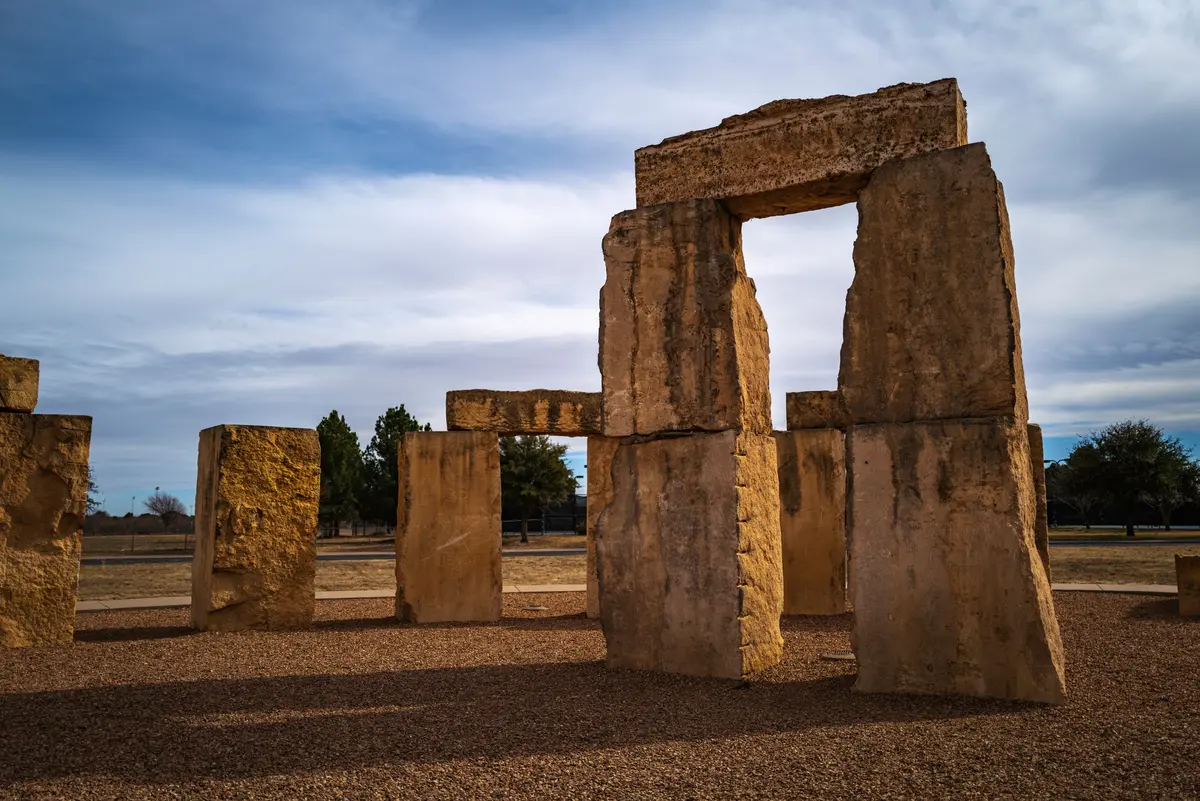
The Tax Equation: What Leaving California Actually Saves You
The single largest financial shift in a California-to-Odessa move is not the home price — it is the absence of a state income tax. Texas levies none. California's top state income tax rate of 13.3% applies only to the highest earners, but even at middle incomes the difference is significant. At $100,000 of earned income, a Texas resident keeps roughly $5,208 more per year than a comparable California resident.
That figure compounds. Over five years it is more than $26,000 — enough to cover a meaningful share of Odessa's typical down payment, or to absorb the higher property tax bill without stress.
Property Tax: The Honest Trade-Off
Odessa's effective property tax rate is 1.50%. California's effective property tax rate of 0.71% looks much lower — and it is — but that rate applies to assessed values held down by Proposition 13 caps, which means longtime California homeowners often pay taxes on a value set decades ago. A California buyer arriving in Odessa with fresh eyes will pay the full 1.50% on whatever they purchase.
On a home at Odessa's typical price of $253,740 (July 2026), the math is manageable in a way it simply would not be on a California purchase at a similar rate. The dollar figure comes out to something a median-income household can absorb — just. See the cost-of-living page for a full tax-and-expense breakdown.
Sales Tax: Closer Than You Think
California's statewide base sales tax rate of 7.25% is the highest in the nation before local additions. Texas starts at 6.25% at the state level, and local jurisdictions in the Odessa area can add up to 2%, pushing the combined rate to 8.25%. On everyday purchases, the difference between California and Odessa on sales tax is smaller than most people expect — this is not the big lever in the financial comparison. The income tax and the home price are the levers.
| Category | California | Odessa, TX |
|---|---|---|
| State income tax | California's top state income tax rate of 13.3% (Franchise Tax Board) | None |
| Effective property tax rate | California's effective property tax rate of 0.71% (Tax Foundation) | 1.50% |
| Statewide base sales tax | California's statewide base sales tax rate of 7.25% (CA Dept. of Tax and Fee Administration) | 6.25% state + up to 2% local |
| Typical home price (July 2026) | California's statewide typical home value of $773,735 (Zillow ZHVI) | $253,740 (Zillow ZHVI) |
* ZHVI = Zillow Home Value Index.
The table makes the income tax and the home price gap visible side by side. Those two lines are where the move pays off most directly — and most quickly.
Home Prices: What Your California Budget Buys Here
California's statewide typical home value of $773,735 is the baseline most California buyers are working from — and in the coastal metros many are escaping, that figure is a floor, not a ceiling. Odessa's typical home price is $253,740 as of July 2026. That gap is not a rounding error; it is a structural difference in what a house costs in a Permian Basin city versus a California coastal market.
In practical terms, a buyer who sold a modest California home and arrived in Odessa with $300,000 in equity could purchase outright — no mortgage — and still have money left. Most arriving Californians don't go that route, but the equity transfer is genuinely life-changing for people who timed their California sale well.
What the Neighborhoods Look Like
Odessa has distinct areas that will matter to buyers coming from California, where neighborhood research is second nature. Country Club Estates and Mission Estates run above the city median — these are the areas with more established lots, larger homes, and the kind of streetscape that feels familiar to buyers from suburban Southern California. Windsor Heights sits right at the city median and offers solid value for first-time buyers or families with school-age children who want a central location. Sherwood Park comes in below the city median and serves buyers prioritizing payment size over location prestige. University Gardens, near the University of Texas Permian Basin campus, runs above the city median and attracts buyers connected to the academic and professional community.
For neighborhood character and geographic context, the neighborhoods page goes deeper on each area. What matters here is that Odessa's price spread across neighborhoods is measured in tens of thousands of dollars, not the hundreds of thousands you were navigating in California.
Renting First Is a Legitimate Strategy
The typical rent in Odessa runs $1,554 per month as of July 2026. For a California household paying $2,500 or more for a one-bedroom, the Odessa rental market represents immediate, bankable relief — and it gives you time to learn which part of the city you actually want to live in before committing. The Permian Basin economy moves in cycles tied to oil prices, and renting for six to twelve months while you get a read on the local job market is not a sign of hesitation. It is what experienced Permian Basin residents recommend to newcomers.
Homeowners Insurance: A Genuine California Pain Point That Odessa Resolves
If you have been renewing homeowners coverage in California recently, you already know this story: insurers have been pulling out of the state, premiums have climbed sharply, and more than half a million California homeowners now rely on the state's FAIR Plan because private coverage is no longer available to them. The average California homeowners premium has been pushed toward $2,843 annually for standard coverage — and that assumes you can still get a standard policy.
Odessa has a functioning private insurance market. That is not a small thing for California buyers who have spent two or three renewal cycles watching their options narrow. Annual premiums in Odessa run roughly $2,400 to $3,500 depending on coverage level and insurer — a wide range, but the important word is choice. You will have multiple carriers competing for your business.
What to Watch in an Odessa Policy
West Texas wind and hail are real hazards, and the deductible structure on wind and hail coverage deserves close attention before you sign. Some policies carry a separate, higher deductible for wind and hail claims — a detail that California buyers, accustomed to wildfire and earthquake as the headline risks, sometimes miss on first read. Have your agent walk through the deductible structure specifically for those perils.
Odessa sits at roughly 2,900 feet above sea level on open, flat terrain. High winds and severe thunderstorms are part of the seasonal calendar here. Tornado risk exists, particularly from April through June, though the area is less exposed to tornadoes than east-central Texas. These are manageable, insurable risks — unlike the state-level insurance market dysfunction a growing number of California counties are experiencing.
Looking to buy in Odessa? Estimate your payment.
Enter your numbers to see an estimated monthly mortgage payment.
Estimate only. Excludes HOA fees and mortgage insurance. The interest rate above is a starting point, not a quoted rate — replace it with your own to see real numbers. Insurance is a flat placeholder, not a Odessa quote.
Climate and Daily Life: The Adjustment California Doesn't Prepare You For
Californians moving to Odessa tend to research the taxes and the home prices. They often underestimate the climate. Odessa averages 256 sunny days a year, which sounds like a California selling point — and in winter, it genuinely is. January highs average around 57°F, and the mild winters surprise a lot of newcomers who expected Texas to be uniformly brutal.
Summer is the honest trade-off. Average highs run 94 to 96°F from June through August, and Odessa averages roughly 90 days per year above 100°F. The air is dry — annual precipitation runs only about 13 inches, far less than most California coastal cities — which makes the heat feel different from Houston, but not easier. It is simply a different kind of relentless. The first full Odessa summer is the moment when some California transplants begin quietly reconsidering.
What Nobody Warns You About
Wind. Odessa is flat, open, and exposed, and the wind is a daily presence in a way that coastal Californians find genuinely jarring at first. Dust storms — locally called haboobs — roll in periodically and turn the sky orange. They are not dangerous if you pull off the road and wait them out, but they are disorienting the first few times. Plan your commute on I-20 accordingly during spring and summer afternoons.
The social calendar in Odessa is built around different rhythms than most California cities. Friday night UIL high school football fills the stands and anchors the fall in a way that feels more like a civic ritual than a sporting event. The Globe Theatre of the Great Southwest stages Shakespeare in a replica Elizabethan theater — an institution that surprises almost every California newcomer who encounters it. The Ellen Noël Art Museum and the Presidential Archives & Leadership Library give the city genuine cultural institutions that punch above what a city this size might suggest.
Where Families Gather
McKinney Park is where Odessa families spend weekend mornings — kids on the playground, adults on the Music City Mall Trail. The Permian Basin Petroleum Museum is a short drive to Midland and serves as a genuine regional attraction for visitors and residents alike. For coffee and a slower morning, the independent café scene gives the city more character than its industrial reputation suggests. The full lineup of local restaurants and cafés worth knowing is in the local favorites section.
Jobs, Economy, and the Honest Risk Picture
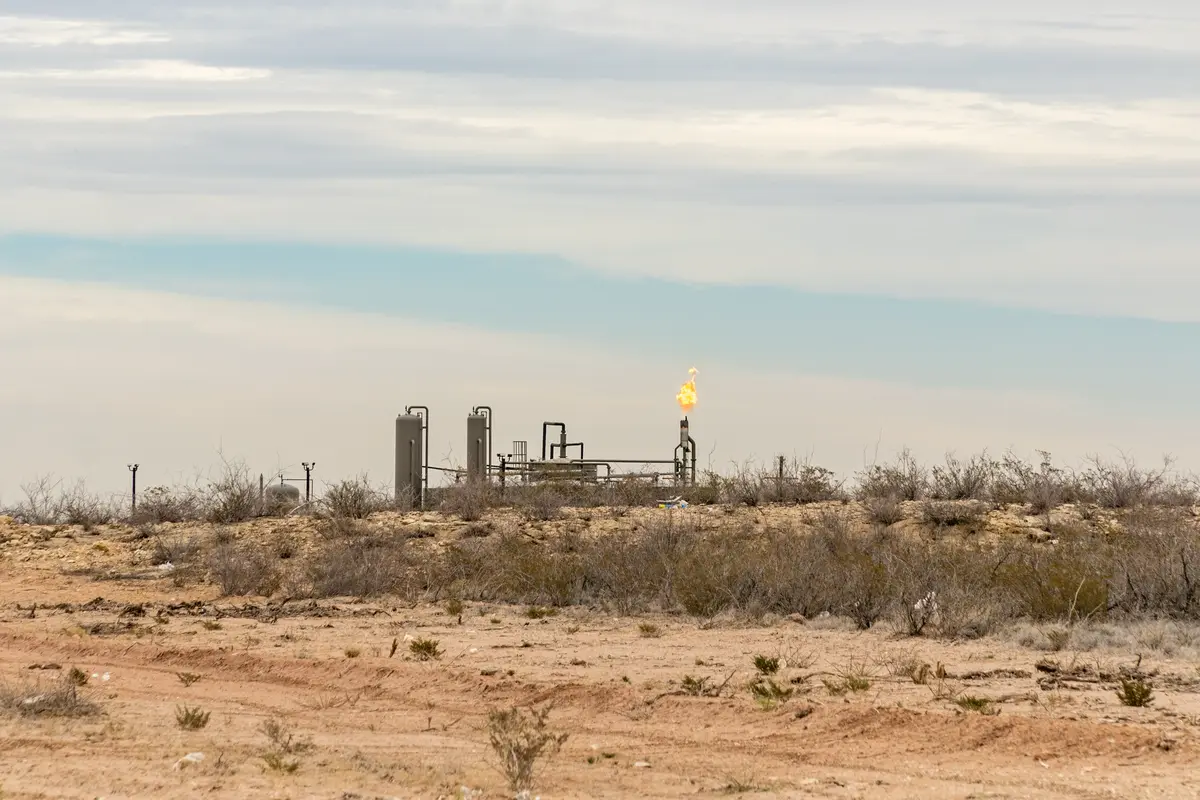
The reason most Californians end up in Odessa is work. The Permian Basin is the most productive oil and gas region in the United States, and Odessa ranks among the top four cities in the country for energy sector job postings. The oil and gas industry's average Texas wage ran $133,095 in fiscal 2025 — 68% above the average private-sector wage. For a California household that felt perpetually priced out of homeownership despite solid income, those wages combined with Odessa's home prices represent a genuine inflection point.
The employer base extends beyond energy. Ector County Independent School District, the City of Odessa, the University of Texas Permian Basin, and Halliburton all anchor significant local employment. Education, health services, and government were the leading sectors adding jobs in the Midland-Odessa metro as recently as mid-2025. Odessa also functions as a commerce hub between Fort Worth and El Paso, with logistics and manufacturing growing alongside energy.
The Risk You Need to Understand Before You Move
Odessa's economy is commodity-driven, and that means it cycles. When oil prices drop sharply, the effects move quickly through the local job market and tax base — Odessa's own economic development leadership has said as much publicly. This is not a hidden risk; everyone in the Permian Basin lives with it. But California transplants who have spent careers in tech, healthcare, or government sectors sometimes underestimate how fast a commodity downturn changes the feel of a place.
The practical advice is straightforward: build a financial cushion before you need it. If you are moving for an energy-sector job, do not immediately max out your purchasing power on a home just because the prices feel easy relative to California. The flexibility to weather a down cycle is worth more than the extra square footage. For a fuller picture of employer stability and economic context, the living in Odessa page covers the job market in more depth.
Schools: The Trade-Off That Matters Most for Families
California's school districts vary enormously, but families arriving from well-rated suburban districts will notice the gap. The Ector County Independent School District holds a D rating, according to the Texas Education Agency, and with 31,896 students enrolled in 2025-26, it is a large district with real resource constraints. On 2024-25 state assessments, 31% of students reached math proficiency and 40% reached reading proficiency. Private school options exist in Odessa, and some families build that cost into their relocation budget from the start. The schools page covers individual campus options and what parents with school-age children typically do.
Local Expert Takeaway: The financial case for moving to Odessa from California is real and arithmetic — no state income tax, a typical home price less than a third of California's statewide figure, and a private insurance market that still functions. What the spreadsheet doesn't capture is the adjustment: summer heat that runs nearly 90 days above 100°F, an economy that cycles with oil prices, and a school district that families need to plan around rather than assume. The Californians who settle in most successfully are the ones who came in clear-eyed about those trade-offs, built a financial cushion before buying, and gave themselves a full year before deciding Odessa was or wasn't for them.
Quick Takeaways & FAQs
✅ Texas levies no state income tax, which means a household earning $100,000 keeps roughly $5,208 more per year than it would in California — a difference that compounds into real wealth over time.
⚠️ Odessa's school district holds a D rating from the Texas Education Agency, which is the single most important homework item for families with school-age children before committing to a purchase.
📍 The Permian Basin economy pays well but cycles with oil prices — energy-sector transplants from California should build a financial cushion before buying, even though home prices make it tempting to go all-in immediately.
How much do I save on taxes by moving from California to Odessa?
Is Odessa actually affordable compared to where I'm coming from in California?
What is the homeowners insurance situation in Odessa compared to California?
What is the Odessa climate really like, and how different is it from California?
How stable is Odessa's job market for someone relocating from California?
Moving to Texas?
Tell us what you need help with and we'll connect you with local resources.
