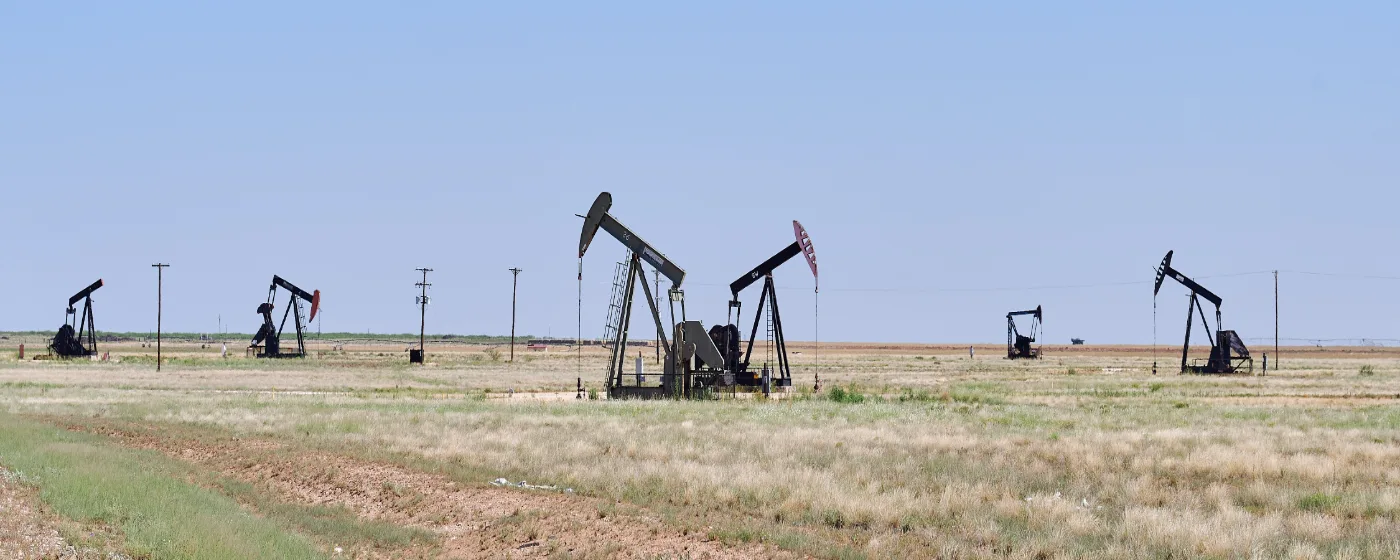
If you're retiring in the Permian Basin, Midland is probably not the city that first comes to mind — but it's the one that deserves a closer look. Most people know it as an oil-and-gas town, which it is. What catches retirees off guard is the combination that comes with it: a genuinely capable regional hospital inside city limits, home prices that are modest by Texas standards, and 266 sunny days a year to spend on them. The city sits at the crossroads of I-20 and Loop 250, flat and wide, with Midland International Air and Space Port (MAF) about 10 miles out — which matters more than people expect when you start thinking about seeing grandchildren or chasing warmer winters.
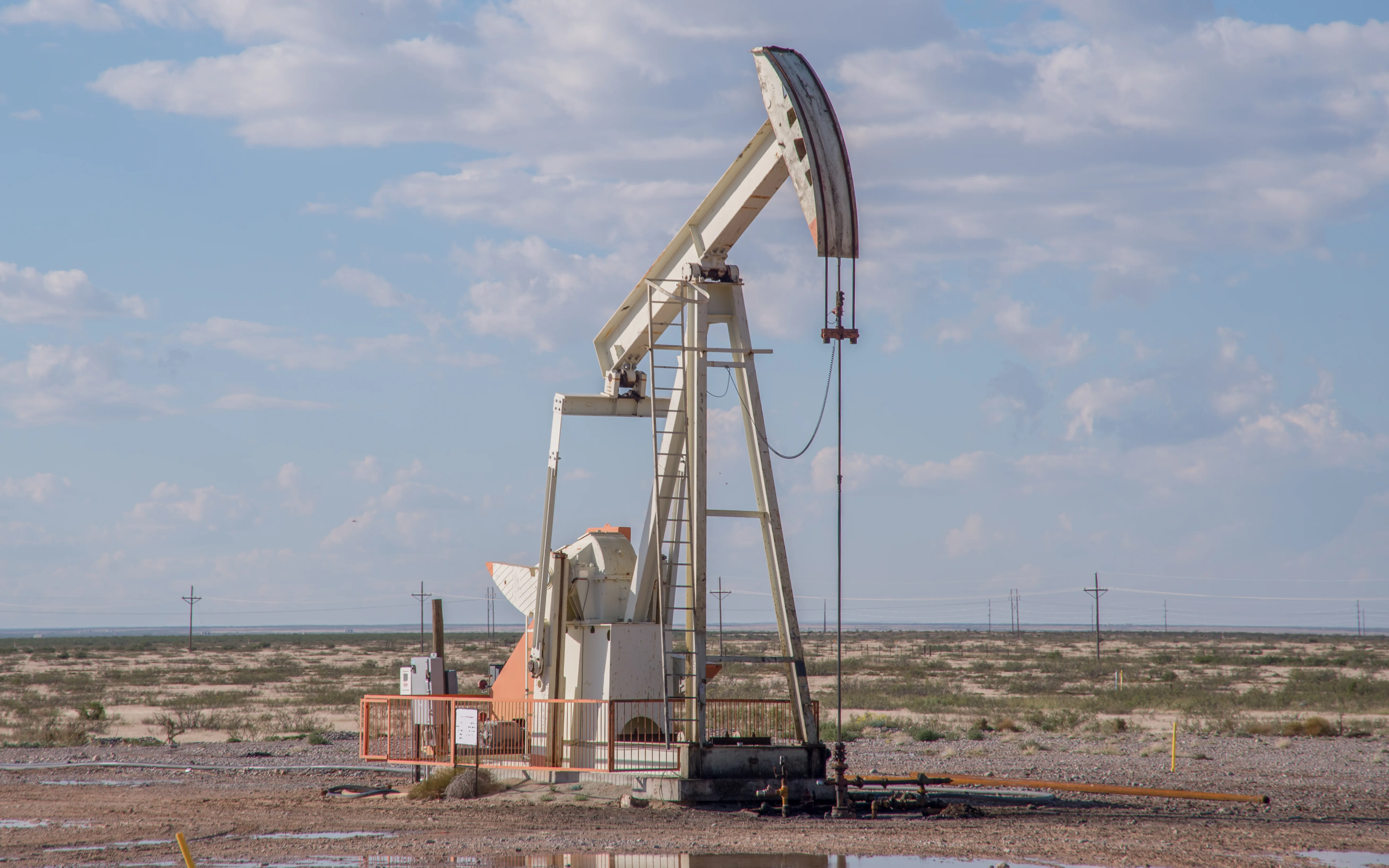
Midland is a city of 147,615, the 25th-largest incorporated city in Texas, and its economy is built around petroleum extraction — Diamondback Energy, ConocoPhillips, and Occidental Petroleum are all headquartered or significantly present here. That oil-driven economy creates real volatility in the local job market, but it also funds a civic infrastructure that punches well above its size: a performing arts center that hosts Broadway tours, a nature center with serious programming, and a regional hospital that has been reinvesting heavily in its campus. Retirees who move here aren't chasing a resort lifestyle; they're choosing a real Texas city with real amenities and a lower cost of entry than most Texas metros.
The cost of living here runs noticeably below Dallas, Austin, or San Antonio, and the typical home price of $332,692 (July 2026, Zillow Home Value Index) means equity from a higher-cost market can translate into a paid-off home. Texas's zero income tax policy is the other number that retirees on fixed incomes keep coming back to. The catch — and there is one — is that Midland is a car-dependent West Texas city where the summers are genuinely brutal, the landscape is flat and treeless for miles, and the retail and dining scene is smaller than anything most out-of-state retirees are used to.
Whether you're seriously weighing the move or just doing early research, the sections below cover Midland's healthcare depth, the retiree tax picture, what daily life looks like on a fixed income, senior living options, and how the city stacks up against nearby alternatives.
Why Retirees Are Choosing Midland
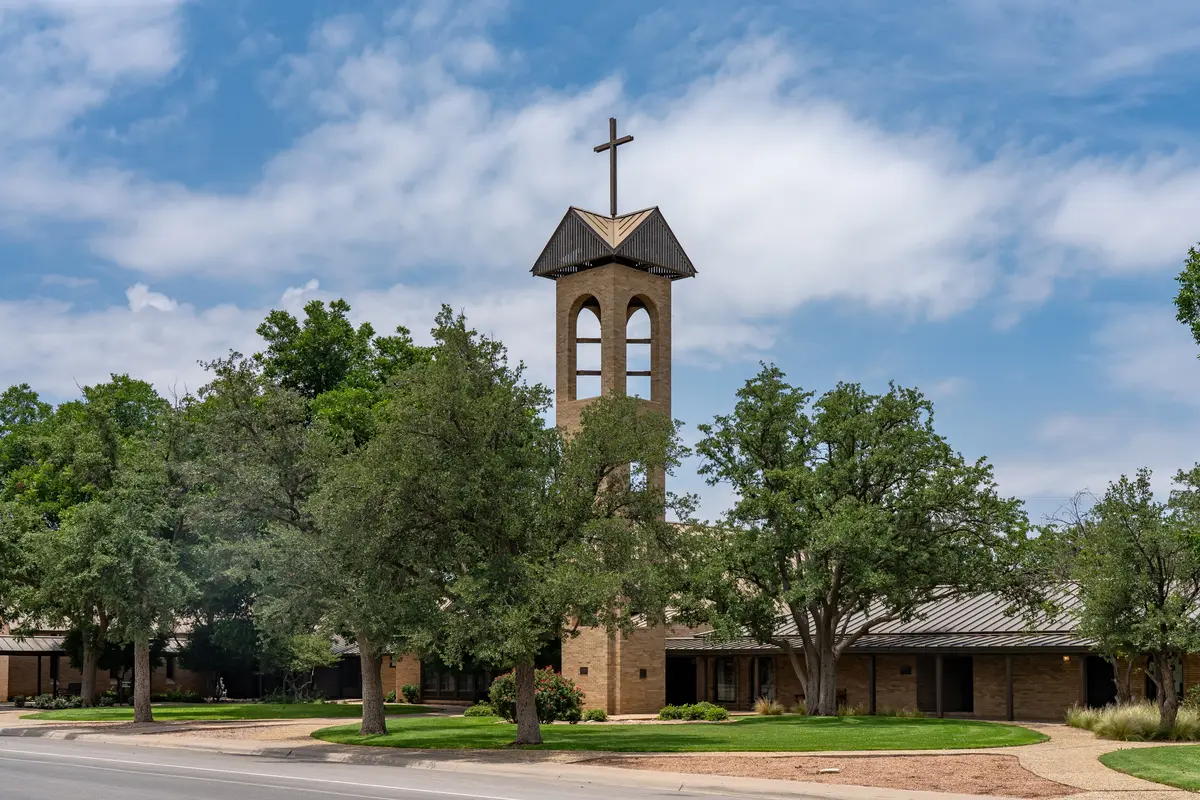
The retirees who land in Midland and stay tend to share a few things: they have family already here, they're coming from a higher-cost Texas city and want to cash out equity, or they spent working years in the Permian Basin and simply never left. All three groups find the same practical upside — a city large enough to have a real hospital, a performing arts center, and a functioning daily-errand infrastructure, at a price point that leaves room in the budget.
The typical home here was $332,692 as of July 2026 — well below what retirees are paying in the Dallas–Fort Worth or Austin corridors. For someone selling a home in a pricier Texas market, that gap is the difference between carrying a mortgage into retirement and owning outright. Texas's property tax rates offset some of that advantage, but the over-65 exemptions (more on those in the budget section) blunt the sting considerably.
Midland is a less natural fit for retirees who prioritize walkable neighborhoods, a broad dining and arts scene, or proximity to hills, trees, and water. The landscape is high desert, the summers regularly exceed 100°F, and most of daily life happens behind a windshield. Retirees who thrive here tend to be comfortable with that trade-off — they came for the cost structure, the sun, and the familiarity of West Texas, not for a lifestyle that looks like Santa Fe or the Texas Hill Country.
Healthcare & Medical Access in Midland
For a city of its size, Midland's healthcare picture is genuinely strong. Midland Memorial Hospital is the anchor — a 474-bed, nonprofit, public hospital and Level II Trauma Center that has served the Permian Basin since 1950. It holds Magnet status for nursing excellence, which is a designation fewer than 10% of U.S. hospitals carry. For retirees evaluating a city, that credential matters: it correlates with lower complication rates and stronger nursing continuity, not just a plaque on the wall.
The specialty depth is real. Midland Memorial runs a dedicated Heart & Vascular Institute, a Cancer Institute, a Women's & Children's Hospital, and advanced robotic surgery programs — a breadth of services you would expect from a hospital two or three times this city's size. Texas Tech Physicians of Midland operates outpatient clinics in the city, with physicians credentialed at the hospital, covering family medicine, internal medicine, and behavioral health. For most of what retirees need on a routine basis, Midland Memorial handles it without leaving town.
The honest limitation is subspecialty depth. Highly specialized care — complex oncology cases, organ transplants, certain neurological interventions — typically means a drive to Lubbock, Odessa, or ultimately a major medical center like UT Southwestern in Dallas. That's a real consideration for retirees managing serious chronic conditions. Midland is not an academic medical center, and it doesn't try to be. What it is — a well-resourced, Magnet-designated regional hospital with growing facilities — is more than most comparably sized cities can offer.
The Midland Memorial Foundation raised $45 million through fiscal year 2025 to fund campus improvements and expanded services, with construction continuing through 2026. That level of investment signals institutional confidence and is the kind of forward momentum that matters when you're thinking about healthcare access over a 20- or 30-year retirement horizon.
The Retiree Budget in Midland
Texas's retirement tax posture is one of the strongest in the country for people on fixed incomes. The state levies no personal income tax of any kind — Social Security benefits, pension payments, 401(k) and IRA withdrawals, and annuity income are all fully exempt at the state level. Your only income-tax obligation is federal. For retirees drawing from multiple income streams, that simplicity is a real financial advantage.
Property tax is where Texas pushes back, but the over-65 benefits soften it significantly. Texas homeowners 65 and older may qualify for a senior homestead exemption that reduces the taxable value of their primary residence. More importantly, the school-district portion of the property tax bill — typically the largest single component — can be frozen at the level it was when you turned 65 or first claimed the exemption, even if the home's assessed value rises. In an appreciating market, that freeze is worth real money over a decade. Midland's effective property tax rate runs approximately 1.17%, and for retirees who claim the available exemptions, the effective burden tends to land below that headline rate.
Texas also imposes no estate or inheritance tax, which matters for retirees thinking about legacy planning and wealth transfer to adult children or grandchildren.
Day-to-day costs on a fixed income in Midland are manageable. Groceries, utilities, and services run roughly in line with national averages, with fuel costs a genuine budget line given the city's car-dependent layout — most errands mean a drive, and that adds up. The interactive calculator below can help you model a mortgage payment based on current rates and your down payment.
Looking to buy in Midland? Estimate your payment.
Enter your numbers to see an estimated monthly mortgage payment.
Estimate only. Excludes HOA fees and mortgage insurance. The interest rate above is a starting point, not a quoted rate — replace it with your own to see real numbers. Insurance is a flat placeholder, not a Midland quote.
Walkability, Community & Staying Active in Midland
Plan your retirement around a vehicle. Midland's wide, low-density West Texas street grid means most daily errands — groceries, medical appointments, dining — require a car. For retirees thinking about what happens if driving becomes difficult in the next decade, that is the single most important practical factor this city poses, and it deserves honest weight before committing.
For retirees who are still driving and want an active, engaged life, the picture changes. The Sibley Nature Center offers nature trails and environmental programming in a desert ecosystem that rewards curiosity — it's a genuinely unusual place, oriented around the natural history of the Permian Basin rather than generic outdoor recreation. Hogan Park and Wadley Barron Park offer outdoor space for walking and recreation, and Beal Park rounds out the city's accessible green space. With 266 sunny days a year, getting outside is rarely a weather problem.
Senior Life Midland is the civic infrastructure that holds a lot of daily life together for older residents. The nonprofit operates a Meals on Wheels program that delivers an average of 500 hot meals per weekday across 38 routes, a Handyman Program that handles home safety upgrades including wheelchair ramps and grab bars, and a Senior Companion program connecting older adults who need regular contact. It's funded partly by the United Way of Midland and the City of Midland, which gives it more stability than many volunteer-dependent programs.
The Wagner Noel Performing Arts Center is the cultural anchor — it hosts Broadway touring productions, major concerts, and other performances that, in most comparably sized cities, would require a two-hour drive. For retirees who value live performance, having a venue of this caliber inside city limits is a genuine quality-of-life asset. The Florida Avenue Market gives the local food scene a weekly community gathering point. The city is not going to out-entertain San Antonio or Austin, but it offers more than its reputation suggests.
Right-Sizing: Downsizing in Midland
No 55+ communities were found in Midland. That is the honest starting point for retirees who came here expecting an active-adult campus with a clubhouse and a pool. The market here is general residential, and downsizing means navigating that inventory rather than moving into a purpose-built senior enclave.
The good news is that Midland's housing stock skews single-story. The Permian Basin build tradition favors ranch-style and patio-home construction, which means single-level living is not hard to find — it's the default in most neighborhoods built before the 2010s. Retirees looking for lower-maintenance yards and fewer stairs have real options without paying a premium for them, especially compared to what that same feature commands in a Dallas suburb.
The neighborhoods that tend to attract retirees doing a practical right-size — manageable square footage, good construction quality, easy access to Midland Memorial — are distributed across the city rather than concentrated in one district. Briarwood is an established neighborhood that sits above the city-wide median, offering mature housing stock with the kind of settled, tree-lined character that newer construction rarely replicates. Wedgewood Park runs below the city median and gives buyers on a tighter retirement budget a foothold in a stable, established part of the city. Grassland Estates, Green Tree, Saddle Club, and Polo Park all run above the city median and tend to draw buyers who want newer construction or larger footprints. For a full breakdown of neighborhood character and price positioning, the neighborhoods guide has the detail.
For retirees who need or want a care continuum on campus, Manor Park is the city's only nonprofit senior living community offering independent living, assisted living, and memory care in one location. Assisted living in Midland runs noticeably below what comparable care costs in larger Texas metros like Dallas or Austin — a meaningful difference for retirees factoring future care costs into a long-range budget, even if it's not a reason to choose the city on its own.
Midland vs Nearby Retirement Destinations
| City | Cost vs Midland | Primary Hospital | Walkability | Senior Living Depth | Overall Retirement Fit |
|---|---|---|---|---|---|
| Midland | Anchor | Midland Memorial Hospital — Level II Trauma, Magnet-designated, full specialty depth | Car-dependent; flat terrain, wide grid | Manor Park (full continuum); no 55+ communities found | Strong for cost, healthcare, and sun; limited on walkability and 55+ options |
| Odessa | Noticeably lower | Medical Center Health System — regional hospital, Level II Trauma | Car-dependent; similar West Texas grid | Limited; some assisted living facilities | Lower cost entry point; fewer cultural amenities than Midland |
| Big Spring | Noticeably lower | Scenic Mountain Medical Center — smaller community hospital | Car-dependent; very small-city scale | Minimal; limited options | Very affordable; best suited for retirees with simple healthcare needs |
| Andrews | Noticeably lower | Permian Regional Medical Center — community hospital | Car-dependent; small-town scale | Very limited | Lowest cost in the comparison; limited services and amenities |
| Stanton | Noticeably lower | No hospital in city; relies on Midland Memorial | Car-dependent; very small town | Essentially none | Rural quiet; only works if you're comfortable driving to Midland for everything |
| Lubbock | Roughly comparable | University Medical Center — academic medical center with full tertiary care | More walkable pockets; larger city scale | Broader 55+ and senior campus options | Better for retirees who prioritize subspecialty medicine and senior community variety |
Odessa is the most natural comparison to Midland — about 25 minutes away, its cost of living runs noticeably lower, and it has its own regional trauma center, so the healthcare gap is smaller than you might expect. The trade-off is that Midland carries more cultural infrastructure: the Wagner Noel, the Sibley Nature Center, and a slightly broader dining and civic scene.
Big Spring and Andrews are worth considering only for retirees whose healthcare needs are minimal and whose budget is the primary driver — both cities run noticeably cheaper than Midland, but neither matches its hospital depth or amenity base. Lubbock is the strongest alternative for retirees who want the broadest healthcare access in West Texas — University Medical Center operates as an academic medical center with tertiary and subspecialty services that Midland cannot match. If complex ongoing medical needs are the deciding factor, Lubbock wins that comparison clearly.
Local Expert Takeaway: Midland is a practical retirement choice, not a lifestyle one. The combination of Midland Memorial Hospital's Magnet status and Level II Trauma designation, Texas's zero income tax on all retirement income, the over-65 school-tax freeze, and a typical home price of $332,692 (July 2026) adds up to a retirement budget that works on paper. Senior Life Midland fills the daily-support gap with Meals on Wheels, home safety upgrades, and companion programs. What you give up is walkability, 55+ community infrastructure, and the amenity breadth of a larger Texas city. Retirees who know what they're getting — sun, low taxes, a capable hospital, and the practical rhythms of West Texas — tend to stay.
Quick Takeaways & FAQs
✅ Midland Memorial Hospital is a Magnet-designated Level II Trauma Center with a Heart & Vascular Institute and Cancer Institute — more specialty depth than most cities this size can claim.
⚠️ Midland is fully car-dependent with no 55+ communities found — retirees who need walkable errands or an active-adult campus will struggle to find either here.
📍 Texas homeowners 65 and older can freeze the school-district portion of their property tax bill, locking in that figure even as home values rise — a meaningful long-term budget protection.
Does Texas tax Social Security or retirement income?
What is the best hospital in Midland for retirees?
Are there 55+ communities in Midland, TX?
What property tax breaks are available to retirees in Midland?
Is Midland walkable for older adults who may stop driving?
Moving to Texas?
Tell us what you need help with and we'll connect you with local resources.
