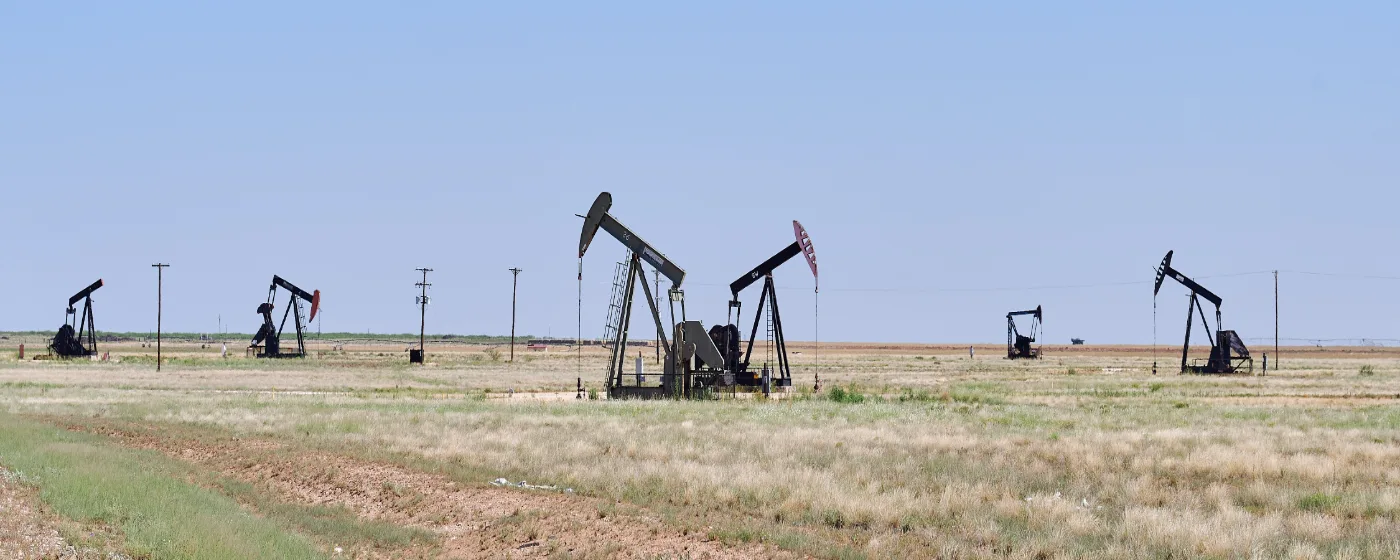
Maybe your company is relocating you to Midland and the first thing you Googled was "is it safe." That's a fair question for any city of 147,615 in West Texas, and the answer here is more encouraging than the oil-boom stereotypes suggest. Midland carries a violent crime rate of 4 per 1,000 residents — a figure that tracks almost exactly with the Texas state average and sits only slightly above the national rate. The city is not crime-free, but the picture is measurably improving, and the numbers need context before they can tell you anything useful about where to actually live.
The Permian Basin economy — built on oil and gas production from companies like Diamondback Energy, ConocoPhillips, and Occidental Petroleum — drives a boom-and-bust employment cycle that has long shaped Midland's character. Rapid population growth during boom years can strain any city's civic infrastructure, including policing. What the current data shows is that the city has responded with investment: the Midland Police Department has increased officer starting salaries 27.9% since 2020, a deliberate move to recruit and retain officers in a competitive West Texas labor market. That structural investment is part of the reason the crime trend lines are moving in the right direction.
Midland is not an inexpensive city by West Texas standards, though its typical home price of $332,692 (July 2026) sits noticeably below what most major Texas metros command — context worth keeping in mind if you're coming from Dallas, Houston, or Austin. The neighborhoods that consistently draw families prioritizing safety also tend to run above the city median, so the safety-and-price conversation is real here. For a fuller look at what homes cost across different parts of the city, the cost of living page has the complete breakdown.
Whether you're choosing between Midland and Odessa, trying to figure out which side of town to focus on, or simply doing your due diligence before committing to a neighborhood, this guide breaks down Midland's crime data, what it means at the neighborhood level, what the police department is actually doing, and how to research specific streets before you decide.
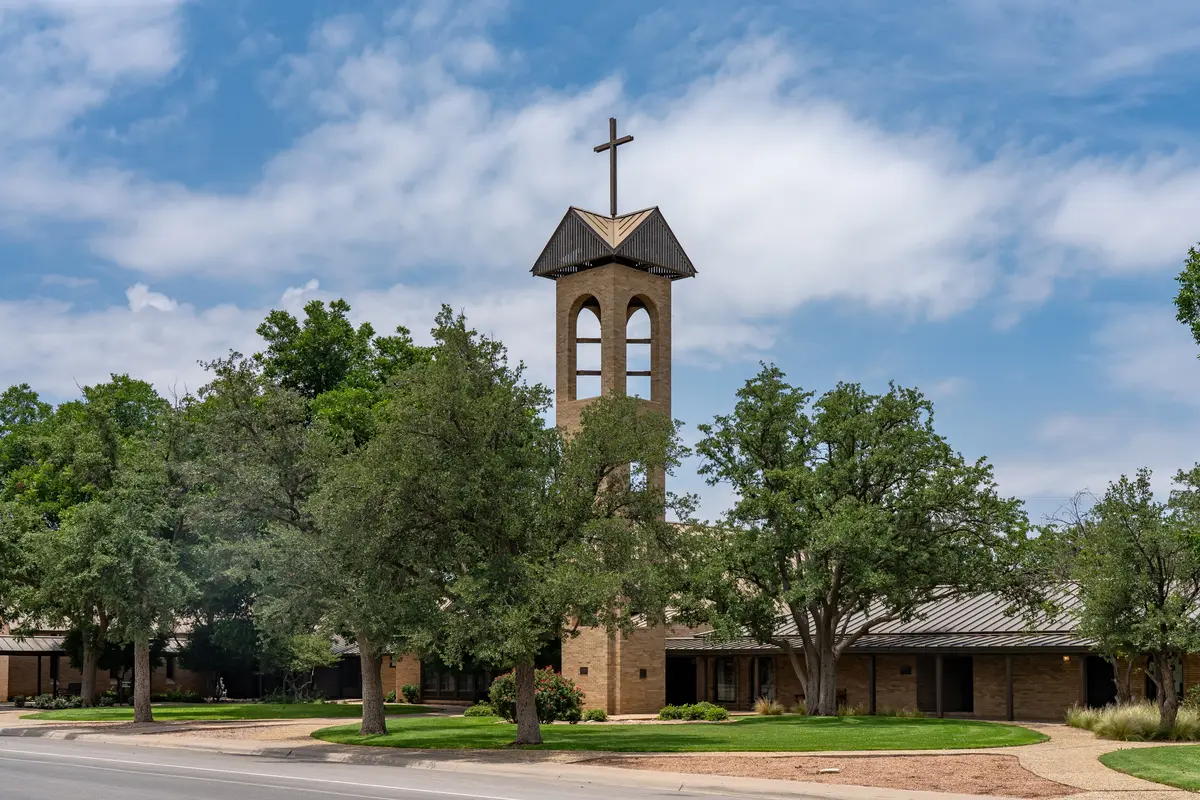
How Midland's Crime Rates Compare
Midland's violent crime rate of 4 per 1,000 residents puts it essentially at the Texas state violent crime rate of 4 per 1,000 — and slightly above the national violent crime rate of 3.7 per 1,000. That's a narrower gap than most people expect, and it means Midland is not an outlier in either direction on violent crime.
The property crime picture is notably better. Midland carries a property crime rate of 16 per 1,000 residents, which sits below the Texas state rate and below the national average. For a city its size, that's a meaningful distinction — property crime is the category that affects daily life most directly, and Midland runs cleaner than the state average on it.
When measured against cities of comparable population nationally, Midland ranks as safer than most peers. That context matters: a city of 147,615 faces different crime pressures than a small town, and Midland comes out favorably in that peer comparison.
The trend direction adds another layer of reassurance. Overall crime fell 10.4% in 2024 compared to 2023, with serious Part 1 crimes reaching their lowest levels since at least 2021. Homicides — the starkest indicator — have declined for three consecutive years, reaching 3 in 2025. Robbery and burglary hit their lowest levels in the same window. Through March 2026, serious Part 1 crimes were down another 8.82% compared to the same period in 2025, with most serious crimes having fallen 11.15% since 2021.
These are not small movements in one year. They reflect a sustained, multi-year shift — and that matters more than any single snapshot figure.
Where Crime Concentrates in Midland
Crime in Midland is not spread evenly across the city, and understanding the geography is the most practical thing a prospective resident can do with the data.
Higher incident counts cluster in the northwest corridor, but there's an important caveat: that part of the city holds a concentration of retail establishments and commercial traffic. Recorded crime in high-activity commercial zones often overstates residential risk, because incidents involving shoppers, employees, and transient visitors all get counted in that geography's totals. A busy retail strip will show more incidents than a quiet subdivision even if the neighborhood surrounding it is perfectly calm.
The southwest side of the city tends to post better per-capita crime rates, and that tracks with what you see in the residential fabric there: newer construction, active HOAs, and streets built for families rather than through-traffic.
The Neighborhood Safety Picture
Grassland Estates is frequently cited as among the city's safer residential areas — well-maintained streets, active homeowner associations, and a family-oriented character that shows in how the neighborhood is maintained. Homes here run above the city median, and that combination of investment and community organization tends to correlate with lower residential crime. Green Tree and Polo Park carry similar reputations: established, quiet, and noted for their residential character rather than commercial density.
Saddle Club and Saddle Club Estates sit in north Midland near the Midland Country Club and Midland Polo Club. Saddle Club Estates is a gated subdivision; the adjoining Saddle Club South section is ungated but shares the same spacious, sidewalk-lined character. Briarwood, with its modern brick-facade homes and proximity to Loop 250, draws families who want newer construction and easy access to recreational parks.
The Trinity area — Trinity Meadows, Trinity Estates, and Trinity West — is newer construction with active HOAs, which generally means a higher standard of upkeep and a resident community that's engaged in how the neighborhood is managed. Wedgewood Park sits below the city's typical home price, making it one of Midland's more affordable established neighborhoods while still drawing families who prioritize a quieter residential setting and school access.
For a complete picture of what each of these neighborhoods looks and feels like day-to-day, the best neighborhoods page covers the full breakdown.
The Northwest Caveat
If you're reviewing a crime heat map and seeing elevated activity in the northwest, don't treat that raw count as a verdict on the residential streets nearby. The Midland Police Department's interactive crime mapping tool — available through the city's official website — lets you filter by crime type and specific block. A catalytic converter theft at a retailer and a residential burglary two streets from your target home are very different things, but both show up as a dot on the same map.
What Midland Is Doing About It
Sustained crime drops don't happen by accident, and Midland's trend is backed by deliberate policy and investment.
The Safe Passage Initiative, launched in mid-2024 as a joint effort between the Midland Police Department and the City of Midland, targets both traffic enforcement and crime suppression. Its Operation Intersection Intervention focused specifically on the city's most accident-prone intersections — a practical acknowledgment that traffic safety and crime suppression share a lot of the same geography. The initiative produced a measurable drop in collisions, and a December 2025 holiday extension generated a 71% increase in traffic stops compared to December 2024.
The MPD also runs a resident-facing community safety infrastructure that goes well beyond patrol cars. The Citizens on Patrol (COPS) Program puts community volunteers in a visible monitoring role. The Citizens Police Academy gives residents a ground-level understanding of how policing actually works. A camera-sharing partnership lets residents voluntarily connect their security systems with the department, expanding coverage without adding personnel. Safe exchange zones — equipped with video surveillance and available around the clock — give residents a secure location for marketplace transactions or custody exchanges. Self-defense classes round out a program list that's unusually comprehensive for a city this size.
Structurally, officer starting salaries have increased 19.6% since 2023. In a West Texas labor market where oil and gas wages set the baseline for what skilled workers expect, keeping officer pay competitive is not a given — it requires an active choice to prioritize it. The city has made that choice, and the crime numbers suggest it's paying off.
Regular community meetings — "Coffee with a Cop" events that rotate through different parts of the city — keep that communication channel open between residents and officers. Newcomers who show up to one of those meetings in their first few months often report it as the fastest way to get an honest read on their specific neighborhood from someone who patrols it.
Looking to buy in Midland? Estimate your payment.
Enter your numbers to see an estimated monthly mortgage payment.
Estimate only. Excludes HOA fees and mortgage insurance. The interest rate above is a starting point, not a quoted rate — replace it with your own to see real numbers. Insurance is a flat placeholder, not a Midland quote.
What Newcomers Often Don't Expect
People who move to Midland from larger Texas metros are often surprised — in the right direction — by how neighborhood-level safety holds up in the established residential areas on the west side. The city's reputation can arrive before the data does, and the data is friendlier than the reputation.
The friction point most newcomers don't anticipate is the boom-cycle effect on public safety staffing. When oil prices spike and the Permian Basin roars back to life, Midland's population grows quickly and the city's infrastructure — roads, utilities, and yes, policing — is asked to stretch. The current positive crime trend coincides with a period of deliberate investment in officer pay and community programs, but residents who've been here through previous cycles will tell you that the city's safety picture has historically moved with the energy market in ways that the numbers alone don't fully capture.
The other thing people underestimate is how much neighborhood selection matters. Midland is not a city where you can pick a zip code based on commute time to Diamondback's offices and trust that every street within it feels the same. The difference between a street that backs up to a retail corridor and one three blocks deeper into a residential subdivision can be significant on a crime map — and that gap is invisible if you're only reading the city-wide figures.
A practical note: Midland's flat, grid-based street layout means neighborhoods don't have natural barriers the way a river or a ridge creates in other cities. Crime concentration follows commercial activity and arterial traffic more than it follows any obvious geographic divide. The MPD's online crime mapping tool is genuinely useful for checking specific blocks rather than broad quadrants — use it before you settle on a street, not after.
How to Research Safety Before You Decide on a Neighborhood
The city-wide crime rate tells you how Midland compares to Texas and the country. It doesn't tell you anything about the specific street you're considering. Here's how to close that gap.
Use the MPD's Crime Map
The Midland Police Department publishes an interactive crime mapping tool through the city's official website at midlandtexas.gov. You can filter by crime type and time window and zoom to a specific block. This is the most current and specific data available, and it's free. Run it for both the street you're interested in and the surrounding half-mile.
Understand What You're Looking At
A cluster of incidents near a major intersection or a retail center is not the same as a cluster in a quiet cul-de-sac. Motor vehicle thefts at parking lots, shoplifting incidents, and vandalism at commercial properties all show up on the same map as residential break-ins. Filter by crime type — aggravated assault, residential burglary, and vehicle theft are the three categories most relevant to the question a homebuyer is actually asking.
Talk to the HOA
Neighborhoods like Grassland Estates, the Trinity subdivisions, and Saddle Club Estates all have active homeowner associations. HOA boards often have a more granular view of what's happened in their neighborhood over the past year than any public database does — and they have an incentive to be candid with prospective residents, because they want good neighbors. A conversation with an HOA board member can surface things that don't show up on a crime map at all.
Visit at Different Times
Midland's flat terrain and wide arterials make neighborhood character harder to read than in a city with more distinct topography. A neighborhood that looks quiet on a weekday afternoon can feel very different when a nearby commercial corridor picks up evening traffic. Visit the streets you're considering on a weekday evening and a weekend afternoon before you commit. West Midland's residential neighborhoods tend to be genuinely quiet — the streets reflect it.
For full context on how neighborhood character connects to pricing across the city, the best neighborhoods page covers each area in detail.

Local Expert Takeaway: Midland's crime trend is the real story: the city has posted consistent year-over-year declines across nearly every serious crime category since 2022, backed by deliberate investment in officer pay and a robust community safety program. The city-wide rates are close to state and national averages, and the neighborhoods on the west and southwest sides — Grassland Estates, Green Tree, Polo Park, the Trinity subdivisions — consistently post the quieter residential character most families are looking for. The practical move before deciding on a neighborhood is to use the MPD's interactive crime map and filter by residential crime type for the specific block you're considering. That two-minute step tells you far more than the city-wide figures do.
Quick Takeaways & FAQs
✅ Midland carries a property crime rate of 16 per 1,000 residents — below both the Texas state average and the national average, a stronger result than most people expect from a Permian Basin boomtown.
⚠️ Crime is not evenly distributed: the northwest corridor's elevated incident counts are partly driven by retail and commercial traffic, which inflates totals without always reflecting residential risk — check the MPD's block-level crime map before deciding on a neighborhood.
📍 The Midland Police Department has driven homicides to their lowest level in years and raised officer starting salaries nearly 28% since 2020 — structural investments that explain why the trend lines keep moving in the same direction.
Is Midland, TX a safe place to live?
Which neighborhoods in Midland are the safest?
How does Midland's crime rate compare to Odessa?
Is Midland's crime getting better or worse?
How can I check crime data for a specific street in Midland before choosing a neighborhood?
Moving to Texas?
Tell us what you need help with and we'll connect you with local resources.
