
You've probably heard that Texas is affordable — and in Tyler's case, that reputation holds up, with a few honest caveats attached. Tyler's overall cost of living runs somewhere between 90 and 96 percent of the national average, according to index data collected by the UT Tyler Hibbs Institute for Business and Economic Research. That puts it genuinely below the national norm, not just marginally so. What shapes that number most is housing: the typical home here costs a fraction of what the same square footage runs in Dallas or Austin, and rents stay well below the prices that have pushed people out of larger Texas metros.
The practical engine of this city of 113,723 is its healthcare and education sector. UT Health East Texas, CHRISTUS Trinity Mother Frances Health System, and The University of Texas at Tyler collectively anchor the local economy and draw a steady stream of medical professionals, faculty, and students. Brookshire Grocery Company, headquartered here, adds a significant distribution and logistics base. Those employers create a stable, if not booming, income foundation — and they partly explain why Tyler's cost structure has stayed grounded even as East Texas has attracted more outside attention.
The everyday math of living here has a few line items worth flagging before you build a budget. Housing costs well below the national average; groceries come in slightly cheaper than the national norm too, with Texas's exemption on unprepared food helping at the checkout. Utilities run modestly above average — East Texas summers are legitimately hot, and the electric bill reflects that. Tyler is also a car-dependent city, so transportation costs show up in every budget whether you like it or not. No state income tax is the headline offset that pulls the overall picture back toward affordable.
Whether you're weighing a first home purchase, comparing Tyler against Lindale or Whitehouse, or just trying to understand how far a specific salary stretches here, the sections below break down housing costs, everyday expenses, the nearby-city comparison, and how Texas's tax structure shapes the bottom line.
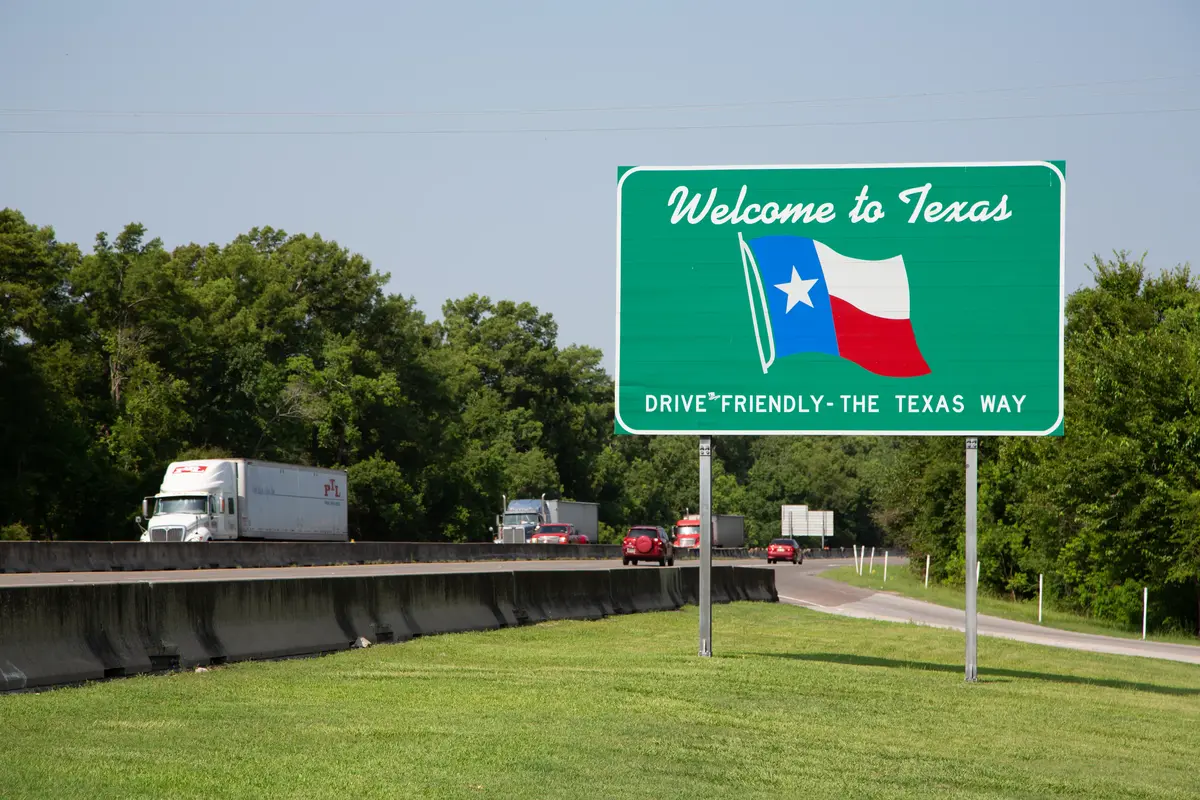
What It Really Costs to Live in Tyler
Tyler is cheaper to live in than most of the country — and noticeably cheaper than the Texas cities that tend to dominate the conversation about affordability. Multiple cost-of-living measures put Tyler roughly 7 to 10 percent below the U.S. national average overall, with housing doing most of the heavy lifting on the savings side. The Zillow Home Value Index placed the typical home price at $253,272 as of July 2026, a figure that looks almost implausible to anyone relocating from a coastal market or even from the Dallas-Fort Worth suburbs.
What keeps Tyler's cost structure in check is a combination of land availability, a regional rather than metro job market, and the absence of the speculative pressure that has reshaped prices in Austin and San Antonio. This is a city of 113,723 in the Piney Woods of East Texas, and that geography matters: there is no scarcity of buildable land driving a price floor upward the way there is in supply-constrained markets.
The honest caveat is that utilities run modestly above the national average — summer cooling loads in East Texas are real — and Tyler is thoroughly car-dependent, so transportation costs are non-negotiable for most households. The no-state-income-tax advantage also partially funds a property tax rate that is higher than the national norm, so buyers should not assume that the lower purchase price means a lower carrying cost in every category. The overall picture is genuinely affordable for most budgets, but it is not uniformly cheap across every line item.
Housing: Rent vs Buy in Tyler
The typical home price of $253,272 (Zillow Home Value Index, July 2026) gives Tyler one of the more accessible entry points among mid-sized Texas cities. Entry-level homes — older construction, smaller lots, more modest finishes — begin in the low-to-mid $100s. Those tend to cluster on the north and east sides of the city, though the best neighborhoods guide covers where specific areas land on the price spectrum in detail.
At the other end, areas like Hollytree and The Woods carry prices above the city-wide typical, reflecting newer construction, larger lots, and the community amenities that make those addresses attractive to medical professionals and established families. The gap between entry-level and the city median is meaningful, but it is nothing like the canyon that separates starter and move-up inventory in Austin or Houston's close-in suburbs.
The effective property tax rate in Tyler runs approximately 1.25% — higher than the national average, and the predictable trade-off for living in a state with no income tax. On a home priced at the city typical, that rate adds a real carrying cost that buyers sometimes underestimate when comparing Texas to lower-tax states. Run the numbers carefully; the interactive calculator below this section can help you model the full monthly picture at different price points and down payments.
Renting makes sense for newcomers who want time to learn the city before committing — and the typical rent of $1,361 per month (Zillow ZORI, July 2026) gives renters a genuine window to save while they orient themselves. The affordability gap worth knowing: the median household income in Tyler ($67,486) sits just below the income level needed to purchase the typical home here, a difference of roughly $7,000. That is not a large gap in absolute terms, but it does mean the typical household is close to — not comfortably inside — buying range at the city median price. Buyers on the edge of qualifying tend to find success at the entry level rather than at the median.
What Renters Need to Know
The rental market in Tyler is less competitive than in larger Texas metros, which gives renters more negotiating room and fewer bidding wars on desirable units. A two-bedroom apartment in a well-located part of the city typically lands within the city-wide typical rent range. The catch is that rental housing quality varies considerably by area, and the gap between a dated north-Tyler complex and a newer south-Tyler property is noticeable both in finishes and in what surrounds it.

Everyday Costs Beyond Housing in Tyler
| Category | Typical Monthly Cost | Notes |
|---|---|---|
| Housing (typical rent) | $1,361/mo | City-wide typical rent. Buying? Use the calculator above for a mortgage estimate. |
| Utilities | $190–$280/mo | Electricity, gas, water, sewer, trash |
| Groceries | $520–$700/mo | Food at home, household of 2–3 |
| Transportation & Gas | $160–$280/mo | Fuel, and transit where it is a real option |
| Phone & Internet | $110–$180/mo | Mobile plan plus home broadband |
| Misc / Discretionary | $220–$420/mo | Dining out, entertainment, subscriptions |
Non-housing figures are estimates for a household of two to three, not a sourced index; housing is the city-wide typical rent (Zillow ZORI, July 2026). Refreshed with the rest of the city data.
Groceries are one of the pleasant surprises in Tyler's budget. Costs run roughly 4 percent below the national average, and Texas law exempts unprepared food from state sales tax — meaning a full grocery run carries a lighter tax load than the same cart would in most states. Brookshire's, H-E-B, and the national chains all operate here, which keeps competition real and prices honest. The Lake Tyler Farmers Market and the Mt Sylvan Farmers Market give residents a direct-from-producer option for seasonal produce without driving far.
Utilities are the honest counterweight. Tyler sits inside the deregulated Texas electricity market, with Oncor Electric Delivery handling the physical grid and retail electric providers competing for customers on rates. That deregulation means residents can and should shop their electricity plan — but no amount of shopping eliminates the underlying demand: East Texas summers regularly push air conditioning loads hard, and the typical household electric bill reflects that seasonal reality. Transportation costs track close to the national average, running about 1 percent below it, but that figure assumes you own a car — because Tyler Transit's restructured on-demand MicroTransit system, launched in January 2025, is better suited to occasional trips than to replacing a car for daily use. Budget for vehicle ownership as a baseline, not an option.
Looking to buy in Tyler? Estimate your payment.
Enter your numbers to see an estimated monthly mortgage payment.
Estimate only. Excludes HOA fees and mortgage insurance. The interest rate above is a starting point, not a quoted rate — replace it with your own to see real numbers. Insurance is a flat placeholder, not a Tyler quote.
Tyler vs Nearby Cities: Cost Comparison
| City | Typical Home Price | Typical Rent | Cost vs Tyler |
|---|---|---|---|
| Tyler (this city) | $253,272 | $1,361/mo | — |
| Lindale | $340,000 | $1,250/mo | 34% higher |
| Whitehouse | $320,000 | $1,300/mo | 26% higher |
| Flint | $300,000 | $1,200/mo | 18% higher |
Source — home prices: Zillow ZHVI, July 2026; rent: Zillow ZORI, July 2026. Nearby-city figures are the same series, refreshed together.
Tyler is the affordable anchor of its immediate region — Lindale, Whitehouse, and Flint each carry home prices noticeably higher than Tyler's city-level typical, which surprises some buyers who assumed the suburbs would be cheaper.
Taxes & the Bottom Line for Tyler
No State Income Tax
Texas collects no state income tax, which immediately benefits anyone relocating from California, Oregon, Illinois, or any other state where a meaningful share of earned income flows to the state. For a household earning $67,486 — Tyler's median — that advantage can translate to thousands of dollars annually that would otherwise be withheld before the budget even starts. It is the most structurally significant financial difference between Texas and the majority of other states.
Sales Tax
Tyler's combined sales tax rate is 8.25%, built from three layers: the 6.25% Texas state rate, a 0.5% Smith County rate, and a 1.5% City of Tyler rate. That combined rate applies to most retail purchases in the city. The meaningful exception is unprepared food for home consumption — Texas does not tax it at the state level, and that exemption flows through to Tyler as well, which softens the effective grocery tax burden considerably.
Property Tax
The effective property tax rate of approximately 1.25% is the recurring line item that buyers sometimes gloss over when comparing Texas to lower-purchase-price states. It is higher than the U.S. average, and it is the direct mechanism by which Texas funds local services without an income tax. For the typical home price discussed in the housing section, that rate produces a real carrying cost — one that the mortgage calculator above this section handles more precisely than any round number here can. Homestead exemptions can reduce the assessed value on a primary residence, so buyers should register for that exemption as soon as they close.
Who This Budget Fits
Tyler works best financially for households that earn at or above the city median, carry stable employment in healthcare, education, or a field that travels well remotely, and are willing to own a car as a non-negotiable line item. The no-income-tax structure disproportionately benefits higher earners, but even moderate incomes stretch further here than they would in Austin or the Dallas suburbs. The people who tend to find Tyler a stretch are those buying at the top of their qualification range and underestimating the property tax and utility carrying costs — two categories where the headline affordability numbers are least representative of the full picture. Come in with realistic utility and tax estimates, and Tyler's cost structure is among the more defensible of any Texas city its size.

Local Expert Takeaway: Tyler's cost of living undercut most of the country — and all of its immediate neighbors — without requiring the trade-offs that usually come with genuine affordability, like a weak job market or no amenities worth staying for. The typical home price at $253,272 (July 2026) is real, not a statistical artifact of a distressed market. The catch is that the property tax rate and summer electric bills are both higher than buyers from low-utility, low-tax states expect. The move that costs people the most money in Tyler isn't the purchase — it's choosing a home in Lindale or Whitehouse because it feels more polished, paying a noticeably higher price, and then discovering Tyler's south side neighborhoods offer most of the same finishes for less.
Quick Takeaways & FAQs
✅ Tyler's typical home price of $253,272 (July 2026) sits well below the national average and noticeably below every major suburb in its immediate ring — making it one of the more genuinely accessible mid-sized Texas cities for first-time buyers.
⚠️ The 1.25% effective property tax rate and above-average summer utility bills are the two costs that most relocating buyers underestimate when they see the headline purchase price.
📍 Tyler Transit switched to an on-demand MicroTransit model in January 2025 — useful for occasional trips, but not a substitute for car ownership, which is a fixed budget line for virtually every household here.
Is Tyler, TX cheaper than the national average to live in?
What is the typical home price in Tyler, TX right now?
Does Tyler, TX have a state income tax?
What is the sales tax rate in Tyler, TX?
Is it cheaper to live in Tyler than in Lindale, Whitehouse, or Flint?
Moving to Texas?
Tell us what you need help with and we'll connect you with local resources.
