
What Is Living in Victoria, Texas Like?
If you're choosing between Victoria and a larger Texas city, the decision usually comes down to this: how much do you value being the biggest fish in a manageable pond? Victoria is the 62nd-largest incorporated city in Texas — a population of 66,500, anchored on the Guadalupe River about 30 miles inland from the Gulf of Mexico. It sits at the geographic center of what locals call the Golden Crescent, within roughly two hours of Houston, San Antonio, Austin, and Corpus Christi. That positioning earns it the nickname "The Crossroads of South Texas," and it shapes almost everything about daily life here: who commutes, where people shop, and why families choose to stay rather than chase a bigger metro.
The economic backbone is heavier industry than most newcomers expect. Caterpillar runs a major heavy-manufacturing operation here, and INVISTA anchors the chemical and petroleum processing side of the local economy. The Victoria Independent School District, with 12,614 students enrolled in 2025-26, is one of the largest employers in the region, alongside the City of Victoria itself and a substantial healthcare network that serves the entire Golden Crescent. The city draws people who want stable industrial or public-sector employment without paying Austin or Houston prices to live near it — and that trade-off defines who shows up at open houses.
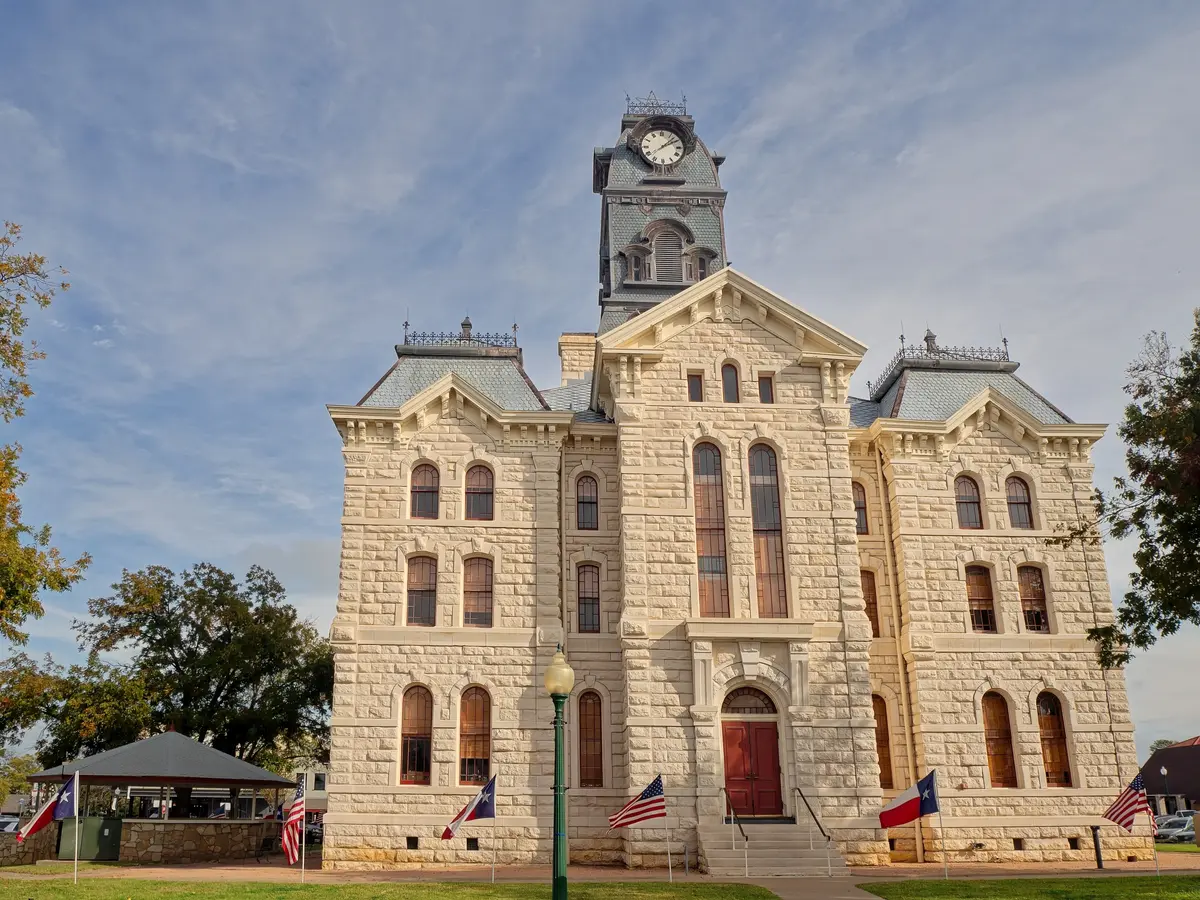
Cost of living is a genuine selling point. Victoria comes in noticeably below both Texas and national averages, and the typical home price of $217,633 (July 2026) reflects a market that still offers real entry points for first-time buyers. For day-to-day life, Riverside Park — 562 acres along the Guadalupe River, home to the Texas Zoo, disc golf, hiking and biking trails, and river access for kayaking — functions as the city's backyard. The Victoria Farmers' Market keeps a local food culture alive downtown, and a revitalized historic district around the Victoria County Courthouse gives the city a walkable core that surprises people who assumed they were moving somewhere purely car-dependent.
Whether you're weighing a job offer at one of the industrial campuses, getting priced out of the Houston suburbs, or simply researching what life looks like at this scale, the sections below cover Victoria's neighborhoods, housing market, commute patterns, schools, employers, and the local spots that make it worth staying on a Sunday afternoon.

Victoria at a Glance
Looking to buy in Victoria? Estimate your payment.
Enter your numbers to see an estimated monthly mortgage payment.
Estimate only. Excludes HOA fees and mortgage insurance. The interest rate above is a starting point, not a quoted rate — replace it with your own to see real numbers. Insurance is a flat placeholder, not a Victoria quote.
Why Are People Moving to Victoria?
Victoria draws two distinct groups of relocating buyers, and understanding which one you are saves a lot of time. The first group comes for a job — a Caterpillar or INVISTA hire, a position with the school district or the city, or a healthcare role at one of the campuses serving the Golden Crescent. The second group is fleeing cost: people priced out of Houston's suburbs who want two-hour access to the metro without the price tag attached to it.
The Industrial Anchor
Manufacturing and chemical processing give Victoria an employment base that most cities its size don't have. Caterpillar's local operation draws engineers and skilled trades workers from across the region. INVISTA — one of the world's largest producers of nylon and polymer fibers — anchors the chemical side. These aren't remote-work roles; they require physical presence, which means the families attached to them are genuinely planting roots here rather than treating the city as a way station.
The school district and city government fill out the public-sector side of the ledger. Healthcare rounds out the picture — Victoria's medical community is the largest in the Golden Crescent, with care spread across multiple campuses. A major regional health system and Citizens Medical Center both operate here, making the city a draw for nurses, administrators, and specialists who want to be the hub rather than the spoke.
The Crossroads Advantage
Being equidistant from four of Texas's largest cities creates an unusual kind of flexibility. Residents drive to Houston for specialists, to San Antonio for a weekend, and to Corpus Christi for the coast. That reach matters — especially for families who relocated from larger metros and want to maintain connections without committing to one orbit.
The city's 2025 "Growing Victoria" economic development initiative signals that local leadership is actively recruiting retail, housing development, and new employers. That's worth noting for buyers who care about a city's trajectory, not just its current snapshot.
Who Tends to Move Here
| Buyer Type | Why Victoria Works | What to Know |
|---|---|---|
| Commuter | Industrial campus jobs at Caterpillar, INVISTA; no Houston price premium | Most roles require on-site presence; the drive to Houston is real |
| Families | Affordable entry points, Riverside Park, active UIL athletics programs | VISD holds a C rating, according to the Texas Education Agency; private options exist |
| First-Time Buyers | Typical home price well below state average; low intra-city commute times | Median household income sits just below the income needed to buy the typical home — budget carefully |
| Renters Testing the Market | City-wide typical rent gives room to save before buying | Rental stock is car-dependent; walkable units near downtown are limited |
| Value Seekers | Cost of living noticeably below state and national averages | Retail and entertainment options are regional-hub level, not metro level |
| Healthcare & Public Sector | Stable employer base; largest medical community in the Golden Crescent | Salary ceilings lower than Houston or Austin for comparable roles |
The honest downside: people who need a dense urban environment, or who assumed "two hours from Houston" means Houston amenities at half price, tend to recalibrate after six months. Victoria is a mid-sized regional hub — genuinely self-sufficient for daily life, but not a substitute for metro-scale culture or nightlife.
What Daily Life Feels Like in Victoria
The average one-way commute inside Victoria runs approximately 15 minutes. That number understates the quality-of-life difference that comes with it. In a metro suburb you might pay less per square foot and spend 45 minutes on the freeway each direction; in Victoria you leave your driveway and you're at work before the second cup of coffee gets cold. Roughly 90% of workers drive — this is not a transit city — but the distances are short enough that the car dependence rarely grates.
The Geographic Reality
US-59, US-77, US-87, and Loop 463 form the functional skeleton of the city. Most of the commercial sprawl — groceries, big-box retail, fast food — runs along the main north-south commercial corridor. Downtown is a separate, intentionally distinct experience: the blocks around the Victoria County Courthouse have murals, independent shops, and a farmers market that draws a steady crowd through the warmer months. These two Victorias — the commercial strip and the walkable historic core — coexist without much friction, which newcomers often find surprising.
What Locals Know
Riverside Park is the city's social center in a way that only 562 acres on the Guadalupe River can be. On a weekend morning you'll find joggers on the trails, families at the playground, and anglers along the river's edge. The Texas Zoo — officially designated the National Zoo of Texas by the state legislature — anchors the park's northern end, with jaguars, black bears, red ruffed lemurs, and golden-handed tamarins. It's not a zoo you'd drive three hours to visit, but it's exactly the kind of place that makes a city feel like it has civic texture.
The seasonal reality newcomers underestimate: Victoria's summers are serious. The Gulf humidity arrives in June and stays through September. The city gets 202 sunny days a year, but a meaningful portion of those are the kind of sunny that sends you indoors by noon. Residents adapt — morning walks, evening outdoor dining, and air conditioning treated as a utility rather than a luxury. New arrivals from drier climates take one August to figure this out, usually the hard way.
The School Picture
The Victoria Independent School District has 12,614 students enrolled in 2025-26 and holds a C rating, according to the Texas Education Agency. On 2024-25 state assessments, 31% of students reached math proficiency and 42% reached reading proficiency. Those figures matter for families with school-age children — the schools page covers the full district breakdown, including individual campus options and UIL athletics programs. Families who prioritize academics above other factors sometimes supplement with private options, which do exist in the city.
Day-to-day, the city feels calm without feeling sleepy. Friday night football fills the stands at VISD stadiums, the farmers market draws a regular crowd, and the Museum of the Coastal Bend — which holds artifacts recovered from La Salle's sunken ship La Belle — offers the kind of historical depth you don't expect from a city this size. Victoria is not trying to be Austin. That's the point.
The Victoria Housing Market Right Now
The typical home price in Victoria sits at $217,633 (July 2026) — noticeably below the Texas state average and well below the Houston or Austin metro figures that many relocating buyers are coming from. That affordability is real, not illusory. You can buy a three-bedroom house on a full lot in an established neighborhood for a price that would get you a one-bedroom condo in many Texas metros.
The catch worth knowing before you make an offer: the median household income of $67,226 sits just below the income needed to comfortably carry the typical home here at current rates. The gap isn't large — roughly $6,000 — but it does mean buyers at or near the median income need to think carefully about down payment size and monthly budget rather than assuming the price alone makes it comfortable. The cost-of-living page has the full breakdown on what the numbers look like together.
What the Market Looks Like
Victoria is not a market where bidding wars are the norm. Well-priced homes in desirable areas move, but buyers generally have room to negotiate and time to get inspections done properly. The effective property tax rate of approximately 1.33% is worth factoring into monthly budgets — Texas has no state income tax, so property taxes carry more of the public-funding load than in other states.
Rental demand stays steady given the city's role as a regional employment hub. The city-wide typical rent runs $1,189 per month (Zillow ZORI, July 2026), which gives renters testing the market genuine room to save toward a purchase. Some areas cost more than others, particularly in the newer subdivisions on the city's outer edges — the neighborhoods page covers the character and trade-offs of each area in detail.
Entry Points and What They Buy
At the lower end of the market, older construction in established neighborhoods like Northcrest and Fleetwood offers genuine starter-home inventory. Mid-range buyers find solid options in Colony Creek and Cimarron. Tanglewood and Terra Vista skew toward newer construction and larger floor plans. Downtown Victoria has a small but growing stock of restored historic properties for buyers who want walkability over square footage.
The city's "Growing Victoria" initiative launched in 2025 with housing development as an explicit priority — so new construction inventory is likely to grow, particularly at the outer edges of the city. For buyers who aren't in a rush, that pipeline is worth watching.
Victoria Neighborhoods
Victoria has several distinct areas — each with its own character and appeal. Here’s a breakdown to help you narrow down where to focus your home search.
🏡 Northcrest
One of Victoria's more established residential areas, Northcrest suits buyers looking for conventional single-family homes on mature lots without paying for newer construction premiums. It's a practical, unpretentious neighborhood that has housed working families for decades.
🏠 Tanglewood
Tanglewood leans toward larger homes and a more settled residential feel, drawing families who want space and a quieter pace without leaving the city limits. The housing stock tends toward mid-century and later construction on generous lots.
🌳 Colony Creek
Colony Creek sits in Victoria's mid-range tier, offering a mix of single-family homes that appeal to families with school-age children who want a conventional suburban feel within easy reach of the city's main corridors.
🏘 Cimarron
Cimarron is a solid middle-ground neighborhood — established enough to have mature trees and settled streets, new enough to offer homes in reasonable condition without extensive renovation needs. It suits buyers who want reliability over novelty.
🏔 Terra Vista
Terra Vista skews toward newer construction and appeals to buyers who want updated finishes and larger floor plans. It attracts families and professionals relocating from larger markets who want something that feels current without paying metro prices.
🌆 Fleetwood
Fleetwood is among the more affordable entry points into Victoria homeownership, with older housing stock on established streets. It suits first-time buyers or anyone willing to trade age of construction for price, space, and an authentic neighborhood character.
Pros & Cons of Living in Victoria
The Pros
- Home prices well below the national and Texas medians
- Strong industrial and petrochemical job base with major employers like Caterpillar and Dow
- Central location within a two-hour drive of Houston, San Antonio, Corpus Christi, and Austin
- Low overall cost of living and rents
The Cons
- Hot, humid summers with heavy cloud cover
- School district carries below-average academic ratings
- Fewer big-city amenities, dining, and nightlife options than nearby metros
Getting Around & Commuting in Victoria
Inside the city, Victoria drives well. The average one-way commute of approximately 15 minutes holds even during peak hours — there's no equivalent of a Houston-style freeway snarl here, and the road network built around US-59, US-77, US-87, and Loop 463 keeps most destinations genuinely accessible. About 90% of workers drive to work, which tells you everything you need to know about transit: plan your life around a car, and you'll be fine.
The Regional Commute Reality
The fact that shapes every major employment decision in Victoria: it's about 120 minutes to Houston. That's a real drive, not a casual one. People who work in Victoria and live here full-time find the internal commute easy. People who took a Victoria job expecting to commute to Houston regularly discover that a four-hour round trip is a different lifestyle commitment than they anticipated.
For most residents, the regional drive is occasional rather than daily — a specialist appointment, a concert, a weekend trip. San Antonio and Corpus Christi are in a similar two-hour radius. That access matters for quality of life without necessarily requiring regular long hauls.
Getting In and Out of the City
Victoria Regional Airport (VCT) sits just 6 miles from the city center, which is one of the shortest airport drives of any Texas city its size. Regional service connects to larger hub airports, making the city less isolated than its size might suggest for business travelers. For freight and logistics, Victoria functions as a genuine hub — with railway terminals, the Port of Victoria, and proximity to the deep-water Port of Port Lavaca-Point Comfort all within the regional orbit. That infrastructure is part of what attracted the industrial employers here in the first place.
Day-to-Day Movement
Within the city, most errands mean a drive — the main commercial corridor handles most of the retail traffic, while downtown requires a short detour for anyone living in the outer residential neighborhoods. Riders without a car have limited options; public transit here is minimal by design, not by oversight. If you're relocating without a vehicle, that's the honest answer: Victoria is built for drivers.
One practical note for buyers thinking about location within the city: the neighborhoods closest to the main commercial corridor tend to offer the shortest errand distances, while areas near Riverside Park trade convenience for proximity to the city's best green space. Neither is wrong — it's a question of what you're optimizing for.
Schools in Victoria
Families relocating to Victoria have public, private, and higher-education options nearby. Here’s a quick overview.
🎓 School District
Victoria Independent School District serves K–12 students across Victoria and the surrounding area. Rated C (source: Texas Education Agency, 2025 A-F accountability rating (2024-25 school year)).
🏆 Graduation Rate
The 4-year high-school graduation rate here is approximately 95.1%.
📚 Higher Education
Texas’s public universities — the University of Texas at Austin, Texas A&M University, and the University of Houston — offer four-year degrees statewide, with one of the largest community college systems in the country (50+ public community college districts) providing two-year and workforce programs.
🌐 Online Learning
UT Austin Online and Texas A&M University Online offer fully accredited online degrees for remote learners across the state.
Safety in Victoria
A quick look at how Victoria compares on the numbers that matter most when weighing a neighborhood or a move.
🛡 Violent Crime
Approximately 4 per 1,000 residents.
🔒 Property Crime
Approximately 19 per 1,000 residents.
Compared to the most recent national figures from the Bureau of Justice Statistics (2024), Victoria’s violent crime is above the national average (about 3.7 per 1,000), and property crime is about the same as the national average (about 18.4 per 1,000).
Against Texas as a whole, Victoria’s violent crime is about the same as the state average, and property crime is about the same as the state average (Bureau of Justice Statistics, Crime Known to Law Enforcement, 2024 (tables 2 and 3)).
Crime rates can vary a lot within a single city, so the citywide numbers above are only a starting point. Some neighborhoods in Victoria run well below these averages, while others run higher — the kind of block-by-block detail that matters most when you’re actually choosing where to live. The full guide below breaks it down neighborhood by neighborhood.
Working in Victoria
Victoria’s largest employers span several industries — here are some of the anchors of the local job market.
🎓 Victoria Independent School District
Education
🏛 City of Victoria
Municipal government
🏭 Caterpillar
Heavy manufacturing
🏭 INVISTA
Chemical manufacturing
🏥 Citizens Medical Center
Healthcare
🏥 DeTar Healthcare System
Healthcare
Parks & Recreation in Victoria
Some of the outdoor spaces that shape everyday life in Victoria.
🌱 Riverside Park
Victoria residents don’t have to go far for green space — spots like Riverside Park are part of everyday life here, whether that’s a morning walk, a weekend hike, or just somewhere to unwind outside. The full guide below covers more of what Victoria has to offer for parks and outdoor recreation.
Retiring in Victoria
Victoria draws retirees for its balance of amenities, outdoor access, and cost. Here’s what to weigh.
🌤 Climate
Victoria averages 202 sunny days a year, with mild winters that make outdoor activity comfortable from October through April. Summers run hot and humid — Gulf moisture keeps the air heavy from June through September, and heat management becomes part of the daily routine. The shoulder seasons are genuinely pleasant.
🍴 Lifestyle
Riverside Park anchors outdoor life, with river access, walking trails, and the Texas Zoo all within the same 562-acre footprint. The historic downtown offers walkable blocks, a farmers market, and local dining including Fossati's Delicatessen — the oldest deli in Texas, still family-owned. The Museum of the Coastal Bend and Nave Museum give the city a cultural depth unusual for its size.
🏚 55+ Communities
No 55+ communities were found in Victoria. Retirees who want dedicated age-restricted amenities will need to look at surrounding communities or custom-fit a conventional neighborhood to their needs. The city's affordability and short commutes make independent living in established neighborhoods a practical alternative.
✈ Getting Around
Victoria is a driving city — most destinations are reachable in under 15 minutes by car, which makes day-to-day errands genuinely manageable. Victoria Regional Airport (VCT) sits just 6 miles from the city center, connecting to major hub airports for regional travel. For longer medical or specialty appointments, Houston and San Antonio are each about two hours away.
🏛 Texas Taxes for Retirees — What to Know
- No state income tax — Texas has no personal income tax — constitutionally protected under Article VIII, Section 24. Social Security, pensions, 401(k)/IRA withdrawals, and annuity payments are all untaxed at the state level, with no state return to file.
- Sales tax is the tradeoff — The state sales tax is 6.25%, and local add-ons bring the combined rate in Victoria to 8.25% (Texas Comptroller of Public Accounts, city sales and use tax rates, July 2026). Groceries and prescription drugs are exempt.
- Property taxes — the real tradeoff — Texas’s effective property tax rate averages about 1.40%, among the highest in the country, since property tax (not income tax) funds most local government and schools.
- Over-65 homestead exemption and school-tax freeze — Homeowners 65+ (or disabled) get an additional $60,000 exemption from their home’s value for school district taxes, on top of the general homestead exemption — $200,000 off school taxable value combined, following November 2025’s Proposition 11 (SB 23), which raised the over-65 exemption to $60,000, and Proposition 13 (SB 4), which raised the general homestead exemption to $140,000. Once claimed, your school district tax bill is frozen at that year’s amount and cannot increase as home values rise, and the ceiling can transfer if you move to a new home within Texas.
- Deferral option if cash is tight — Homeowners 65+ can defer property tax payment entirely for as long as they live in the home, rather than paying it currently — interest accrues, but no forced sale.
- No estate or inheritance tax — Texas has no estate tax, no inheritance tax, and no gift tax.
- No separate capital gains tax — Because Texas has no state income tax, capital gains — including on investments and home sales — are not taxed at the state level at all, unlike states such as Washington that tax capital gains separately from income.
Tax laws change frequently and individual situations vary. This is general information, not tax advice — always consult a qualified Texas tax professional or CPA for personalized retirement tax planning.
Weekends & Local Favorites in Victoria
The social geography of a Victoria weekend usually starts at Riverside Park and radiates outward from there. The 562-acre park on the Guadalupe River offers hiking and biking trails, disc golf, a rose garden, river access for kayaking and paddling, and the Riverside Golf Course for anyone who wants 18 holes with a view of the river. The Texas Zoo — home to jaguars, black bears, red ruffed lemurs, and golden-handed tamarins, and carrying the official designation of National Zoo of Texas — is genuinely worth an afternoon, not just a checkbox.
Eating and Drinking
The dining scene anchors around a handful of well-regarded local spots. The PumpHouse Riverside Restaurant and Bar sits in a restored mid-19th-century boiler house on the Guadalupe River — patio dining, live music, and a setting that earns its reputation. Ramsey's Victoria draws a consistent local crowd, and Mumphord's Place Restaurant Barbecue handles the smoked-meat side of the equation. For seafood, Baytown Seafood Restaurant is the go-to. Ventura's Tamales is the kind of place regulars don't advertise too loudly.
On the coffee and morning side, The Box Coffee Bar and Gardenhouse Coffee & Espresso Bar both have followings. Las Conchas Bakery draws people early. The Toasted Yolk Cafe handles the brunch crowd, and Health Bar By Complete 360 is the option for anyone who wants something lighter. Then there's Fossati's Delicatessen — opened in 1882, still family-owned, listed on the National Register of Historic Places, and widely recognized as the oldest deli in Texas. It's not a tourist attraction with a deli inside; it's a working deli with 140 years of history attached to it.
Culture and History
The Museum of the Coastal Bend documents thousands of years of Coastal Bend history, including artifacts recovered from La Belle — the ship from La Salle's ill-fated 1685 colonial expedition. The museum is actively expanding its ranching-history exhibits, which gives it something new to offer even for residents who've been before. The Nave Museum handles the fine arts side, and the Victoria County Courthouse anchors the historic downtown visually.
The Victoria Farmers' Market keeps a local food economy visible and social. The downtown revitalization — colorful murals on walls and crosswalks, independent shops in walkable blocks near the courthouse — gives the city a core that feels like it's gaining rather than losing energy. Coleto Creek Reservoir, a short drive outside the city, is where residents go for fishing and boating when the Guadalupe River isn't enough.
What People Come Back For
Most longtime residents, if pressed, say the same thing: the city is easy to underestimate from the outside, and easy to appreciate once you're actually in it. The pace is deliberate. The traffic is manageable. The cost of buying a home doesn't require a second income just to qualify. And on a Saturday morning with a coffee and a couple of hours at Riverside Park, it's hard to make the case for somewhere else.
Local favorites in Victoria
Restaurants
- The PumpHouse Riverside Restaurant and Bar
- Ramsey's Victoria
- Mumphord's Place Restaurant Barbecue
- Baytown Seafood Restaurant
- Ventura's Tamales
Outdoors
- Riverside Park
- Coleto Creek Reservoir
- Riverside Golf Course
Coffee
- Health Bar By Complete 360
- The Box Coffee Bar
- The Toasted Yolk Cafe
- Las Conchas Bakery
- Gardenhouse Coffee & Espresso Bar
Farmers Markets
- Victoria Farmers' Market
Top Things Locals Say About Victoria
The best intel about a city comes from the people who actually live there. Here’s what Victoria residents say when newcomers ask the questions everyone’s thinking.
“I kept waiting for the commute to feel like a compromise, but 15 minutes door to door — every day — changed how I think about what a city owes you. What I didn't expect was how much the heat in August would reshape my whole daily schedule.”
— Recent Victoria home buyer
“What's the most surprising thing about living in Victoria?”
How self-contained it is. Most people assume a city this size means driving two hours for everything, but Victoria has enough — good restaurants, a real park system, a zoo that's better than it sounds, a farmers market downtown. The Museum of the Coastal Bend alone is more interesting than most people expect. What genuinely surprises people is the August heat and humidity combined. If you're coming from a drier part of the state, nothing prepares you for the Gulf air in midsummer.
“What do locals love most about Victoria?”
Riverside Park, without much competition. Five hundred and sixty-two acres on the Guadalupe River, and on a Saturday morning it doesn't feel crowded the way a city park in a larger metro would. The short commutes are the other thing people genuinely value — when your worst traffic day is still under 20 minutes, it changes your relationship with your schedule. And the cost of buying a house here, compared to what people were paying in Houston or Austin, still surprises them years later.
“What should newcomers to Victoria know?”
Plan your errands around the main commercial corridor — that's where the retail density is, and it's efficient once you know the pattern. Downtown is a separate trip worth making intentionally, not just for errands. The drive to Houston for anything specialized — a concert, a medical specialist, a specific store — is routine for a lot of residents, so building that into your mental model early helps. And get to the Victoria Farmers' Market before the crowd figures out the good produce is gone early.
“How much do you need a car in Victoria?”
Completely. About 90% of workers drive to work, and that's not an exaggeration — most errands, every commute, and any trip outside the immediate downtown blocks requires a car. The good news is that the distances inside the city are short enough that car dependence doesn't accumulate into frustration the way it does in a sprawling metro. You're rarely in the car more than 15 minutes to get where you're going. But if you're planning to live here without a vehicle, the daily logistics get genuinely difficult.
Cities Near Victoria
Other communities near Victoria worth a look — each with its own character and price point.
| City | Distance | Best For | Vibe | Median Rent | Median Buy |
|---|---|---|---|---|---|
| Cuero | 30 mi | Small-town feel, lower price point | Quiet, historic, rural pace | $1,000 | $205,000 |
| Port Lavaca | 30 mi | Coastal access, similar affordability | Waterfront town, fishing culture | $1,050 | $220,000 |
| Goliad | 30 mi | History buffs, rural privacy | Deep history, small and quiet | $1,000 | $242,000 |
More Helpful Guides for Victoria
Going deeper on Victoria? Our blog series covers everything from first-time buying to retiring here — explore the guides below.
Local Expert Takeaway: Victoria's affordability is real, but it comes with an honest trade-off: the industrial and public-sector job base is stable, the typical home price of $217,633 (July 2026) is well below the Texas state average, and the 15-minute average intra-city commute is something Houston buyers can barely imagine. The catch is that median household incomes here are close to — but not quite at — the level needed to comfortably carry the typical home, so budget discipline matters more than the headline price suggests. Riverside Park and the Texas Zoo give the city genuine civic texture; Fossati's Delicatessen and The PumpHouse round out a local scene that's more than the regional-hub retail corridor would imply. If you need metro-scale entertainment within walking distance, Victoria will frustrate you. If you need a stable, affordable city with short drives and real outdoor access, it earns its reputation as the Crossroads of South Texas.
Quick Takeaways & FAQs
✅ Victoria's typical home price of $217,633 (July 2026) sits noticeably below the Texas state average, giving buyers genuine purchasing power that larger metro markets have largely erased.
⚠️ The school district holds a C rating, according to the Texas Education Agency — families prioritizing academics should tour individual campuses and explore private options before committing to a neighborhood.
📍 Riverside Park's 562 acres along the Guadalupe River — including the National Zoo of Texas, disc golf, hiking trails, and river access — functions as the city's real community gathering space, not just a checkbox amenity.
Is Victoria, TX a good place to live?
How affordable is housing in Victoria, TX?
What are the best neighborhoods in Victoria, TX?
How are the schools in Victoria, TX?
What is the job market like in Victoria, TX?
Helpful Links for Moving to Victoria
Moving to Texas?
Tell us what you need help with and we'll connect you with local resources.
