
You've probably done the math comparing McKinney to wherever you're coming from, and the number that jumps out is the state income tax line — there isn't one. But that savings doesn't disappear into your pocket untouched. Property taxes in Texas are the mechanism that funds what income taxes fund elsewhere, and in McKinney that translates to a real line item every homeowner feels. The city sits in Collin County along US-75 (Central Expressway) and SH-121 (Sam Rayburn Tollway), about 40 minutes to Dallas, in a corridor that has absorbed enormous population growth over the past decade. That growth has kept prices moving upward even as other parts of the country softened.
McKinney's economy runs on a mix of defense and aerospace work at Raytheon, financial services anchored by Globe Life Inc. and manufacturing at Encore Wire, plus the McKinney Independent School District as one of the largest local employers. The district serves 23,823 students enrolled in 2025-26 and holds a B rating, according to the Texas Education Agency — which matters for housing demand, because strong schools consistently push prices up in the neighborhoods that feed them. The city itself has a population of 236,001, putting it among the larger suburban cities in the state, and the household income here reflects that professional workforce: the median is $124,215.
McKinney's cost picture rewards the buyer who reads past the headline. Housing and property taxes are the heavy categories. Groceries run slightly below national norms, and transportation costs come in noticeably below average because gas and car costs in Texas are structurally cheaper. Utilities are the surprise: they run above average for a city of this type, and any newcomer from a mild-climate state will feel that on their first August electric bill in a meaningful way.
Whether you're weighing a purchase, comparing McKinney against Frisco or Plano, or just figuring out whether your budget works here, the sections below break down McKinney's housing market, everyday costs, tax picture, and how the city stacks up against its neighbors — with specific figures where they matter.
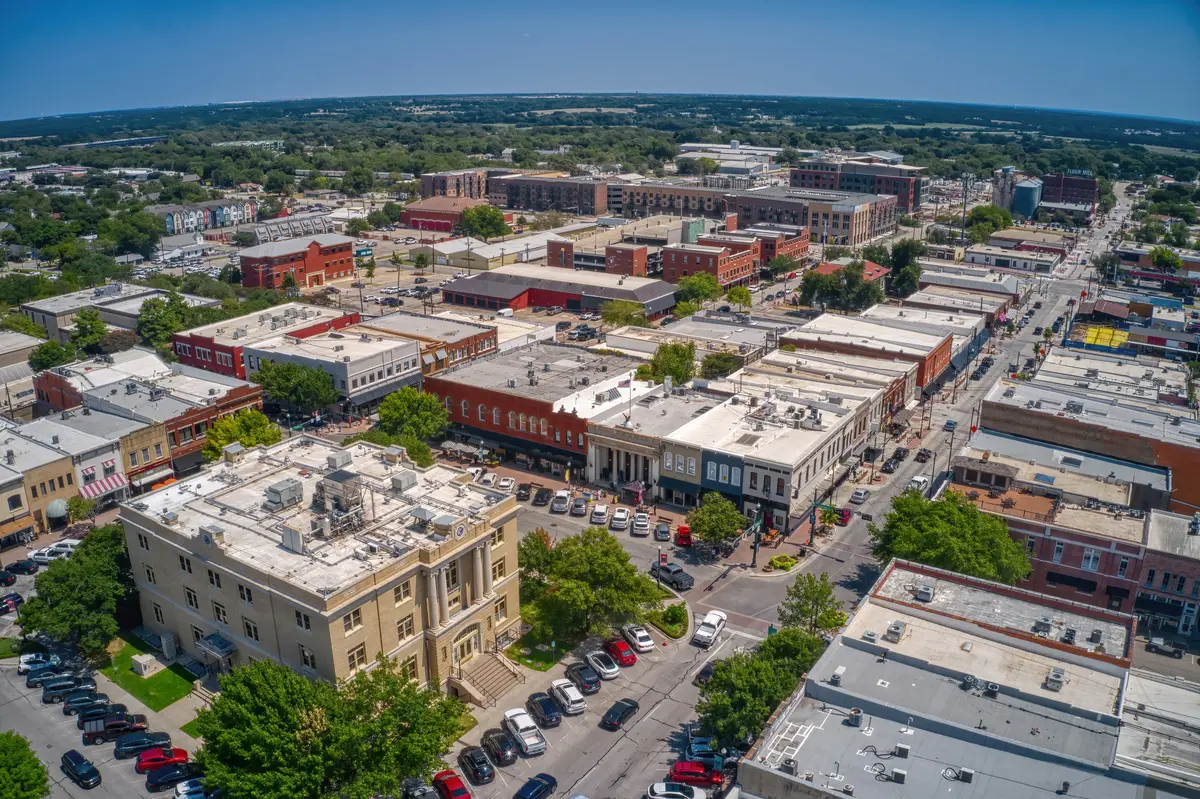
What It Really Costs to Live in McKinney
McKinney sits in a middle position in the Dallas-Fort Worth Metroplex: noticeably cheaper than Frisco, roughly in line with Plano and Allen, and meaningfully more expensive than cities further out along the growth corridors. The typical home price of $480,265 (Zillow Home Value Index, July 2026) reflects a market that has absorbed significant demand from buyers priced out of closer-in suburbs — and that demand has held prices up even during periods when the broader metro softened.
What drives the number here is a combination of school district quality, new construction activity, and geography. Texas forgoes a personal income tax entirely, so buyers often arrive expecting their total cost picture to look rosier than it does. The reset comes at closing, when the effective property tax rate of approximately 1.28% lands as a real annual obligation — not a line item that gets folded into state income withholding, but a bill that arrives twice a year.
McKinney is competitive against the national cost average, but it is one of the more expensive addresses within Texas itself. Buyers relocating from within the state shouldn't assume they're landing in a budget destination — the professional workforce, strong schools, and master-planned community infrastructure push costs above what most smaller Texas cities carry. For the full neighborhood-by-neighborhood breakdown of where prices cluster, see the best neighborhoods guide.
Housing: Rent vs Buy in McKinney
The city-wide typical rent stands at $1,806 per month (Zillow ZORI, July 2026), which positions McKinney as a mid-tier rental market within the broader DFW Metroplex — below Frisco, roughly comparable to Plano. That figure covers a wide range of product, from older apartment complexes to newer townhome rentals in master-planned communities, and the gap between the cheapest and most expensive units in the city is substantial.
On the ownership side, entry-level homes in McKinney — older construction, smaller lots, further from the highest-demand master-planned corridors — start in the low $300,000s. The city-wide typical sits at $480,265 (July 2026), but that median pulls upward because a significant share of McKinney's housing stock is in established communities where prices run above the city median. If you're looking at the most attainable price points, they tend to cluster in the older parts of the city rather than in the newer planned developments — the neighborhoods guide maps that out specifically.
One planning note for buyers in Trinity Falls: that community falls within McKinney MUD #1, a separate taxing entity, so the effective property tax rate there may differ from the city-wide figure of approximately 1.28%. It's worth confirming the specific MUD rate with your title company before making an offer, since the difference can affect your actual monthly obligation materially.
The honest renting-vs-buying calculus in McKinney depends heavily on how long you plan to stay. At current prices, the income needed to comfortably carry the typical home runs above the median household income of $124,215 — meaning the market has outpaced what most local households earn, and buyers often need to bring significant equity from a prior home sale or a higher-than-median income to make ownership pencil without stretching. Renters who are still building savings, or who expect to be in the city fewer than three to four years, are often better positioned staying in the rental market. The interactive calculator below can help you model the specific numbers for your situation.
For buyers considering the buying process and financing mechanics in detail, the first-time homebuyer guide covers down payment strategies and loan programs available in Collin County.
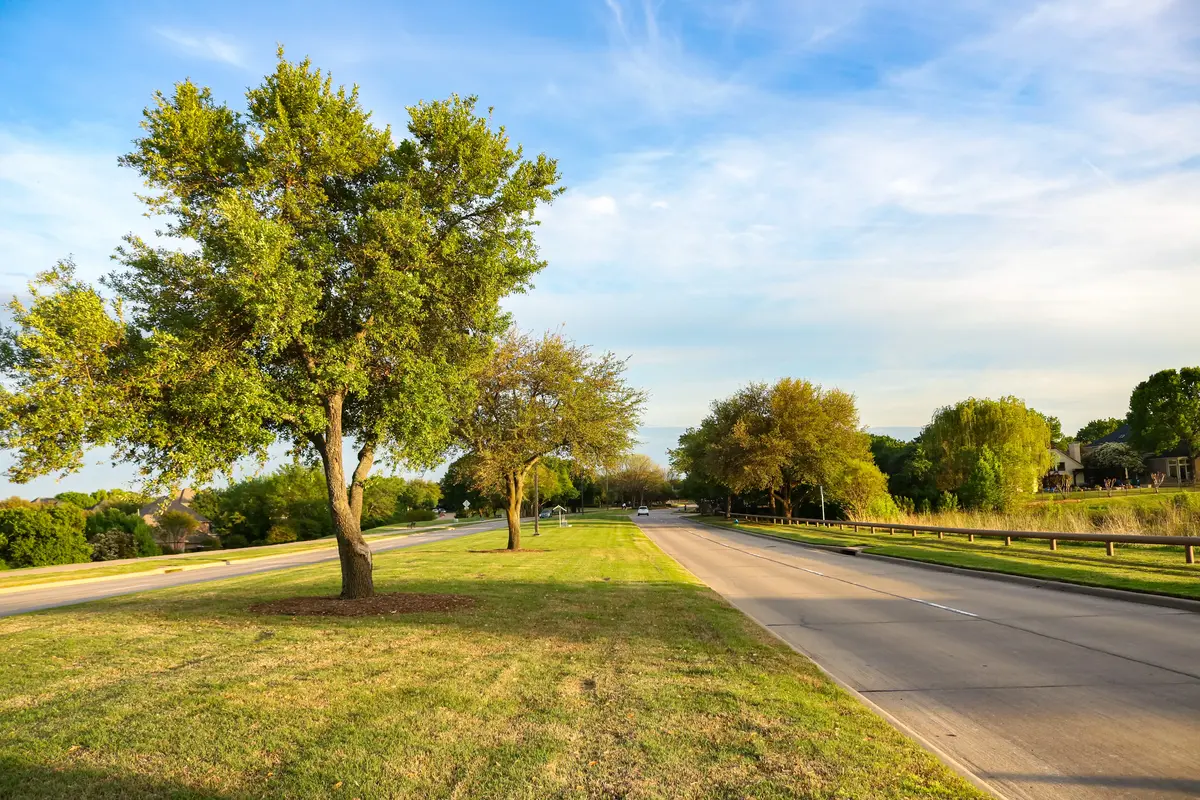
Everyday Costs Beyond Housing in McKinney
| Category | Typical Monthly Cost | Notes |
|---|---|---|
| Housing (typical rent) | $1,806/mo | City-wide typical rent. Buying? Use the calculator above for a mortgage estimate. |
| Utilities | $210–$310/mo | Electricity, gas, water, sewer, trash |
| Groceries | $520–$720/mo | Food at home, household of 2–3 |
| Transportation & Gas | $200–$340/mo | Fuel, and transit where it is a real option |
| Phone & Internet | $110–$185/mo | Mobile plan plus home broadband |
| Misc / Discretionary | $250–$480/mo | Dining out, entertainment, subscriptions |
Non-housing figures are estimates for a household of two to three, not a sourced index; housing is the city-wide typical rent (Zillow ZORI, July 2026). Refreshed with the rest of the city data.
The biggest non-housing surprise for people moving to McKinney from cooler climates is the electricity bill. McKinney sits in Texas's deregulated electricity market, and summer air-conditioning demand drives August bills into a range that shocks first-timers — budget $200 or more for a typical household in the hottest months, with spring and fall months running considerably lower. Total monthly utilities in McKinney — electricity, water, wastewater, and trash — average approximately $253 per month based on City of McKinney published rates, and that average is pulled up hard by the summer peak. Plan for the high end of that range in your first summer and recalibrate from there.
Groceries are a relative bright spot: McKinney's grocery costs run below the national norm, and the absence of sales tax on groceries under both Texas state law and the McKinney city levy means the sticker price is what you pay. Transportation costs run well below national averages — gas is cheaper in Texas than in most of the country, and car ownership costs stay lower than in coastal metros. That said, McKinney has no DART light rail, and the Collin County Transit on-demand service is limited to eligible residents. For most households, owning a car is simply not optional. The drive to Dallas runs about 40 minutes under reasonable traffic conditions on US-75 or SH-121 — though rush-hour conditions on either route can stretch that considerably.
Monthly phone and internet costs in McKinney are in line with or slightly below national norms, with competitive provider options in most of the city. The miscellaneous spending category — dining out, entertainment, personal services — reflects the suburban DFW mix: plenty of options at a range of price points, with costs that track closer to national averages than to a high-cost coastal market.
Looking to buy in McKinney? Estimate your payment.
Enter your numbers to see an estimated monthly mortgage payment.
Estimate only. Excludes HOA fees and mortgage insurance. The interest rate above is a starting point, not a quoted rate — replace it with your own to see real numbers. Insurance is a flat placeholder, not a McKinney quote.
McKinney vs Nearby Cities: How the Costs Compare
| City | Typical Home Price | Typical Rent | Cost vs McKinney |
|---|---|---|---|
| McKinney (this city) | $480,265 | $1,806/mo | — |
| Allen | $493,450 | $1,703/mo | 3% higher |
| Frisco | $649,173 | $1,852/mo | 35% higher |
| Plano | $499,723 | $1,722/mo | 4% higher |
Source — home prices: Zillow ZHVI, July 2026; rent: Zillow ZORI, July 2026. Nearby-city figures are the same series, refreshed together.
Buyers most often compare McKinney to Frisco, Plano, Allen, Prosper, and the smaller cities further north like Anna and Melissa. Understanding where McKinney sits in that set — honestly, without a table that goes stale — matters more than any single figure.
Frisco sits noticeably above McKinney on home prices. The school district reputation is strong in both cities, and the major commute corridors are shared, but buyers who have been looking in Frisco and can't make the numbers work frequently land in McKinney as the next best alternative. The lifestyle is comparable; the price of entry is lower.
Plano and Allen run roughly in line with McKinney on both home prices and rents. Plano carries a slightly more established job base and walkable commercial core; Allen's appeal is its own school district reputation. Neither city is dramatically cheaper or more expensive than McKinney — buyers choosing between them are usually deciding on neighborhood character and commute angle rather than cost. For more on how those choices play out day to day, the living in McKinney guide covers community character in detail.
Prosper prices run higher than McKinney's, reflecting its newer construction stock and the premium attached to its school district. It's a common next step for buyers who have built equity in McKinney and want more land or newer builds.
Anna and Melissa sit noticeably below McKinney on home prices, which makes them the natural landing spot for buyers who need a lower entry point and are willing to accept a longer drive. The trade-off is fewer services and less established infrastructure — a real consideration for families with school-age children weighing district quality against cost.
All of these cities share Texas's no-income-tax structure and broadly similar effective property tax rates, so the comparison really comes down to home prices, school districts, and how far you're willing to commute. McKinney's position — below Frisco and Prosper, roughly level with Plano and Allen, above the northern frontier cities — reflects a market that has absorbed the second wave of DFW suburban growth and priced accordingly.
Taxes & the Bottom Line for McKinney
Texas's most buyer-friendly structural feature is its complete absence of a personal state income tax — one of only seven states without one. McKinney residents pay federal income tax and nothing further at the state level on wages, salaries, or investment income. For a household earning the local median of $124,215, that represents real money compared to states where six or seven percent flows to the state before federal taxes even start.
The offset is property tax. At an effective rate of approximately 1.28% on the assessed value of the home, the property tax obligation on a home at the typical price point is a genuine annual cost — and it compounds as home values rise, since Texas reassesses regularly. The combined sales tax rate in McKinney is 8.25%, built from a 6.25% Texas state base plus a 2% city levy. Groceries are exempt from both layers, which matters for families tracking monthly food spend closely.
Homeowners who are 65 or older or carry a certified disability receive a city-level homestead exemption of $90,000 off assessed value — a meaningful reduction that the McKinney City Council voted to maintain at that level in June 2025. Texas voters also approved Proposition 11 in November 2025, increasing the school-district homestead tax exemption for elderly and disabled homeowners significantly. Older buyers and those approaching retirement should factor both exemptions into their ownership cost calculations; the retiring in McKinney guide covers those scenarios in detail.
Whose budget does McKinney actually fit? Buyers with household incomes solidly above the local median, significant equity from a prior sale, or dual professional incomes will find the ownership math workable at the price points described above. Households near or below the local median will feel the stretch — the typical home here runs above what the median income can comfortably support, which is the honest constraint in this market. Renters and those still building equity will find the cost picture more manageable, and the absence of income tax softens the blow for high earners in particular. McKinney is not the cheapest place to land in Texas, but relative to comparable suburbs in other high-growth states, it continues to draw buyers who run the full tax-adjusted comparison and find the numbers holding up.
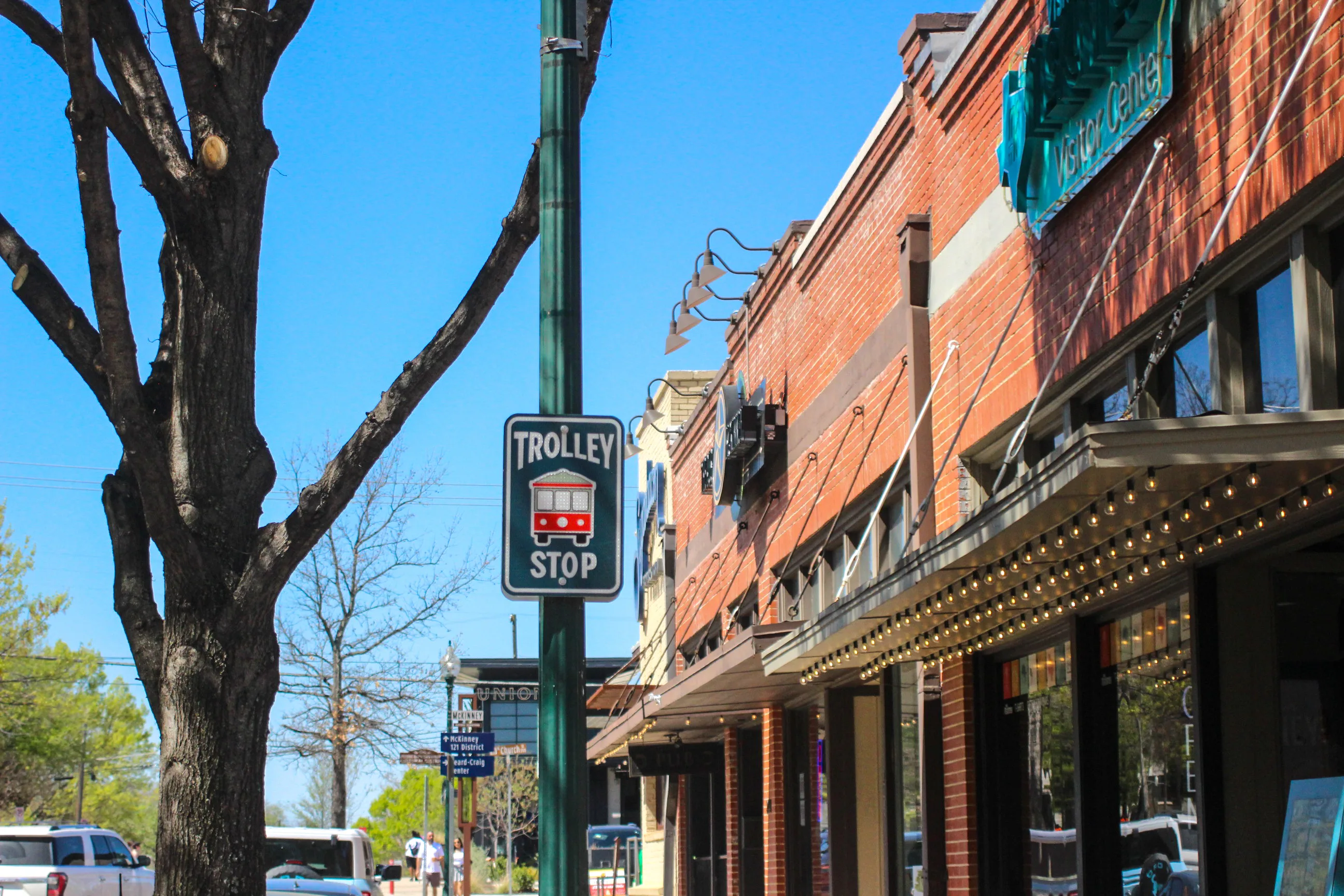
Local Expert Takeaway: McKinney's cost picture is a study in trade-offs: no state income tax frees up real money for high earners, but property taxes at approximately 1.28% and utility bills that spike hard in August mean the savings don't land in your pocket cleanly. The typical home at $480,265 (July 2026) sits above what the median household income can comfortably carry, so buyers need either strong equity from a prior sale or income well above the local median to make ownership feel sustainable rather than stretched. Groceries are cheaper than the national norm, transportation costs run well below average, and the no-income-tax advantage is real — but McKinney is among the more expensive addresses within Texas itself, and anyone comparing it against smaller cities further north along the US-75 corridor will feel that difference immediately.
Quick Takeaways & FAQs
✅ No Texas state income tax gives McKinney buyers and renters a structural cost advantage over most states — a real, recurring benefit for anyone earning at or above the local median.
⚠️ The effective property tax rate of approximately 1.28% and summer utility bills that can run $200 or more in August mean the no-income-tax savings get partially absorbed by two categories most newcomers underestimate.
📍 Trinity Falls sits within McKinney MUD #1, a separate taxing entity from the city — confirm the specific MUD rate with your title company before making an offer, since it may differ from the city-wide 1.28% figure.
What is the typical home price in McKinney, TX right now?
What is the property tax rate in McKinney, Texas?
Is it cheaper to rent or buy in McKinney?
How much are utilities in McKinney, TX?
How does McKinney's cost of living compare to Frisco and Plano?
Moving to Texas?
Tell us what you need help with and we'll connect you with local resources.
