
For most families weighing a move to McKinney, the school question lands before the house search does. That instinct makes sense here. McKinney Independent School District is the city's largest employer, its most-discussed civic institution, and the reason a meaningful share of the city's 236,001 residents chose this zip code over Allen, Frisco, or Plano. The district spans a fast-growing city — the 15th-largest incorporated city in Texas — and it has grown to match: it is a genuine large-district operation, not a tight-knit community school system.
The district holds a B rating, according to the Texas Education Agency, earning 88 out of 100 points for the 2024-25 school year. That figure has held for five consecutive years, which matters more than a single-year snapshot. The story underneath the district grade is actually stronger: all three of McKinney ISD's high schools — McKinney High School, McKinney Boyd High School, and McKinney North High School — each earned individual A ratings from the Texas Education Agency in 2024-25, a result the district maintained for a second consecutive year.
Beyond the classroom numbers, McKinney has built one of the most active youth sports cultures in the Dallas-Fort Worth Metroplex. The city's recreational leagues, private club programs, and school-based UIL athletics together create a calendar that keeps families busy from August through late spring — and often through summer. The MISD Stadium has hosted the NCAA Division II Football Championship Game multiple times, which tells you something about the city's investment in athletic infrastructure. Youth sports participation has grown so sharply that the city committed approximately $80 million in park projects to keep pace with demand.
Whether you are relocating from inside the metro or arriving from out of state, the sections below break down McKinney ISD's performance and programs, the three high schools worth understanding before you choose a neighborhood, what the youth sports landscape actually looks like on the ground, and an honest look at who this district may not be the right fit for.
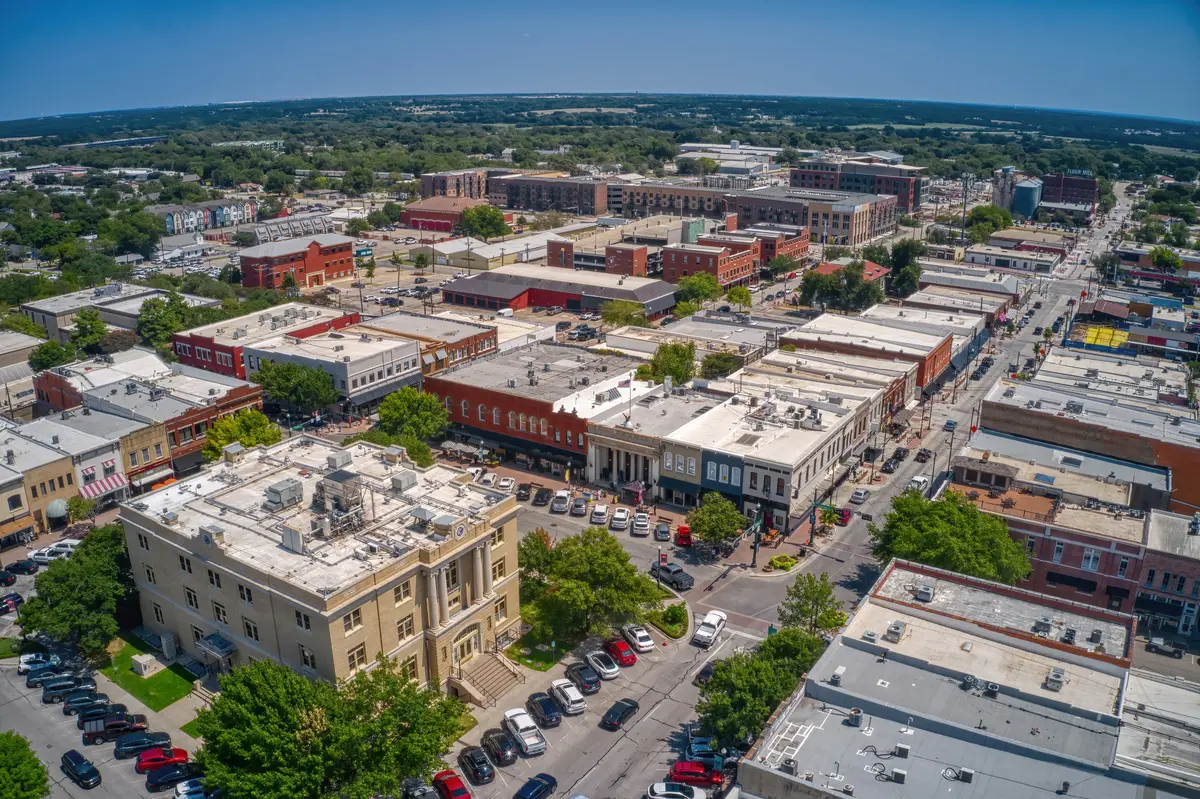
McKinney ISD: District-Level Overview
McKinney ISD holds a B rating, according to the Texas Education Agency — and has now held that rating for five consecutive years. Consistency at that level, in a district growing as fast as McKinney, is harder than it sounds. New neighborhoods bring new campuses, new students, and new pressure on staffing pipelines. The district has absorbed that growth without losing ground on its accountability score.
On 2024-25 state assessments, 58% of students reached math proficiency and 67% reached reading proficiency. Those numbers sit below what families moving from high-performing suburban districts in other states might expect, and it is worth naming that plainly. Texas state assessments are rigorous, and the gap between "proficient" and "passing" matters when you are comparing districts across state lines. The district's overall trajectory — an 88 out of 100 and a four-point improvement over the prior year — suggests the trend is moving the right direction.
The teacher experience picture is a genuine bright spot. Average teacher experience in McKinney ISD runs 11.9 years, above the statewide average of 11.1 years. In a metro where suburban districts compete hard for teachers, holding onto experienced educators is not automatic.
Academic Programs Worth Knowing
McKinney ISD offers Advanced Placement courses, Dual Credit enrollment through Collin College, and a Gifted and Talented program across its campuses. These are district-wide programs, not limited to a single school — a meaningful distinction in a large district where families sometimes assume advanced academics are concentrated at one campus.
The more forward-looking development is the Collegiate Academy of McKinney, launching in the 2026-27 school year. Students who apply in eighth grade can earn both a high school diploma and an associate degree through a four-year partnership with Collin College. That program does not yet exist for current high schoolers — families with children in grades 9 through 11 should not factor it into their decision — but for parents choosing a home with a middle schooler in tow, it is a meaningful option on the horizon.
Who the District Serves
The student body reflects the city's growth story. The district is approximately 41.7% white, 28.9% Hispanic/Latino, 16% Black, 7.3% Asian, and 5.6% two or more races. About 25% of students are economically disadvantaged — a figure that shapes the district's state funding, the range of campus support services available, and the range of experience families encounter depending on which side of the city they land in. The district is genuinely diverse, which is one of the things families arriving from more homogeneous markets often notice first.
The Three High Schools
McKinney ISD operates three full-size high schools, and all three earned individual A ratings from the Texas Education Agency in both 2024-25 and 2025-26. That is a consistent result across large campuses — each serving well over two thousand students — and it gives the district a stronger high school story than its overall B district rating might initially suggest.
McKinney High School — The Lions
McKinney High is the original campus and carries the institutional weight that comes with it. The Lions' campus serves a broad cross-section of the city and is the home of much of what residents mean when they talk about McKinney ISD's identity. Active UIL athletics programs and a long-established campus culture make it a natural anchor for families settling in the older, more established parts of the city.
McKinney Boyd High School — The Broncos
Boyd marked its 20th anniversary during the 2025-26 school year, which puts its first graduating class squarely in the era of McKinney's suburban growth surge. The campus serves the population that arrived as the master-planned communities expanded, and it runs AP courses, Project Lead The Way curriculum, and a Gifted and Talented program. Project Lead The Way specifically — with its focus on engineering, biomedical science, and computer science pathways — draws families who want STEM options built into the school day rather than bolted on as an afterthought.
McKinney North High School
North is the newest of the three high schools and serves the city's northernmost growth corridors. As neighborhoods like Trinity Falls and Painted Tree have filled in, North has become the default campus for families buying in those areas. The campus carries the same A rating as the other two and maintains active UIL athletics programs — the community turns out for Friday night football here the way it does across the rest of the district.
The honest note for families who research obsessively: because all three high schools hold the same individual A rating from the Texas Education Agency, trying to game your neighborhood choice for a "better" high school is unlikely to produce a meaningful difference. The variation between campuses matters far less than families sometimes assume when they are scrolling listings with school ratings open in a second tab.
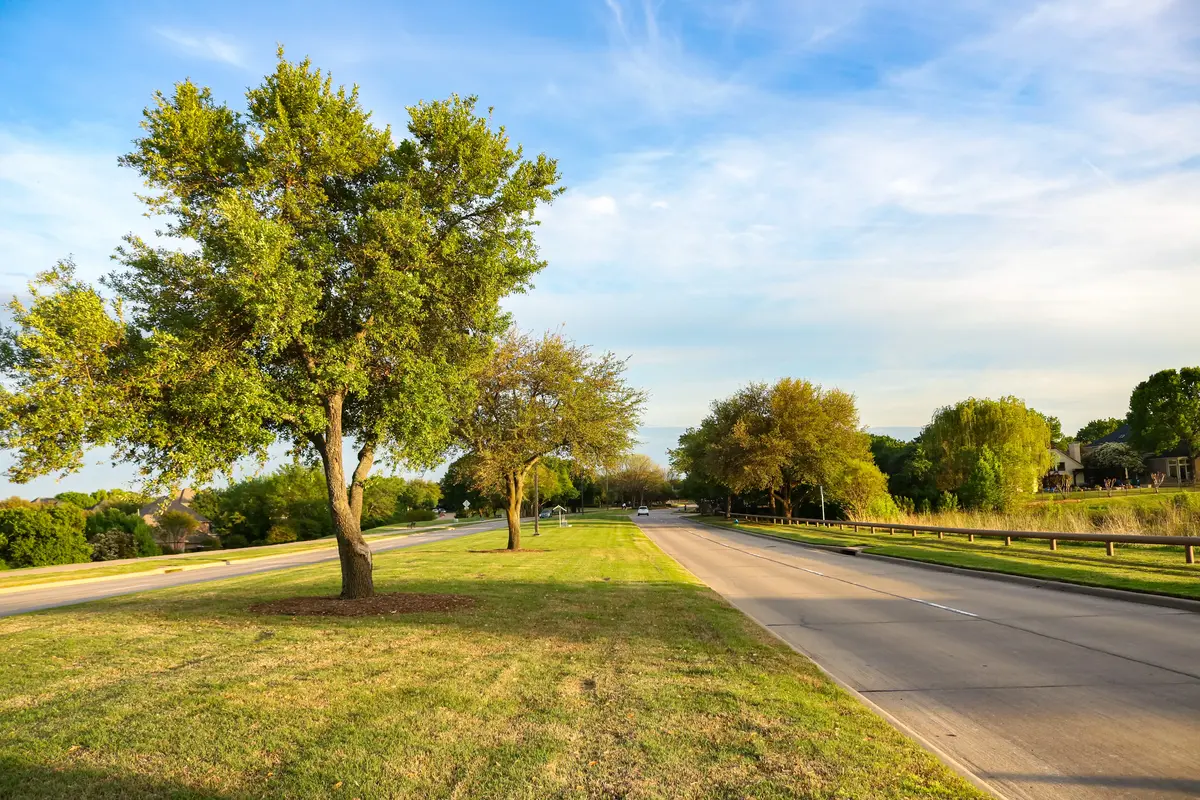
Youth Sports and Kids Activities in McKinney
McKinney's youth sports scene is not a side note — it is one of the primary reasons families specifically choose this city over its neighbors. The scale of participation, the range of options, and the infrastructure the city has built around it make this a genuinely distinctive local feature.
City-Operated Recreational Leagues
The City of McKinney runs a wide roster of recreational leagues through its parks and recreation department. The McKinney Soccer Association serves boys and girls ages 4 through 16 and has doubled in size since the pandemic — a growth curve that has put real pressure on field availability and registration windows. The McKinney Baseball and Softball Association covers baseball and fast-pitch softball, with girls programming for ages 4 through 14; in 2024 the association added nearly 1,000 more participants compared with the prior year. McKinney Little League Baseball operates separately as its own organization for families who prefer the traditional Little League structure.
Beyond the big three sports, the McKinney Lacrosse Club runs programs for boys in grades 1 through 12 and girls in grades 3 through 12. Flag football and tackle football are available through McKinney Sports Connection, and cheerleading rounds out the city's offering. The practical reality is that a child arriving in McKinney at nearly any age can find a city-operated recreational program within a few months of moving in.
Club and Private Options
Recreational leagues are where most kids start. Club sports are where the commitment level rises, and McKinney has infrastructure for that too. Areté Athletics, a private facility in the city, serves over 1,000 athletes in volleyball and basketball and nearly doubled its physical footprint through an expansion project in 2024. That kind of investment in a private training facility reflects real local demand — families here are not driving to Frisco or Plano for club options the way they might have a decade ago.
The city's commitment of approximately $80 million in park projects to add athletic fields and expand existing facilities signals that this trajectory is expected to continue. Towne Lake Park and Bonnie Wenk Park are among the city's larger green spaces that serve both casual family use and structured sports programming.
School-Based UIL Athletics
All three McKinney ISD high schools maintain active UIL athletics programs, and the community shows up for them. Friday night football in McKinney fills stands in the way that marks Texas towns where the sport genuinely matters. The MISD Stadium has hosted the NCAA Division II Football Championship Game multiple times, including in December 2025 — a fact that reflects the quality of the facility as much as it does the city's position as a sports destination in the broader DFW market.
UIL programs extend well beyond football: track, soccer, basketball, baseball, softball, tennis, and the full slate of fine arts and academic competitions run through the UIL system alongside athletics. Parents who moved from states with a less structured extracurricular framework sometimes find the UIL calendar — with its eligibility rules, no-pass/no-play requirements, and region and area structures — takes a season to fully understand. That learning curve is real but short.
What Families Don't Expect
The thing that surprises families about six months in is not the quality of the programs — it is the scheduling pressure. When your child is in a city recreational league, a school UIL program, and a club travel team simultaneously, the family calendar fills fast enough that the weekends effectively disappear from late August through May. McKinney's sports culture is a genuine community asset, and it is also genuinely demanding of family time. Going in with that expectation is more useful than discovering it mid-season.
Looking to buy in McKinney? Estimate your payment.
Enter your numbers to see an estimated monthly mortgage payment.
Estimate only. Excludes HOA fees and mortgage insurance. The interest rate above is a starting point, not a quoted rate — replace it with your own to see real numbers. Insurance is a flat placeholder, not a McKinney quote.
Navigating School Boundaries in McKinney
In a city as large and actively developing as McKinney, school boundary lines matter more than families sometimes realize before they close on a house. McKinney ISD has redrawn attendance zones as new campuses have opened, and the district's growth trajectory means future redraws are possible. Buying a home in a neighborhood with a specific elementary school in mind, then finding the boundary shifted before your child starts, is not a theoretical risk here — it has happened.
The practical advice is to confirm the attendance zone for the specific address you are considering, not just the neighborhood name. The district's online boundary tool is the right starting point, but calling the district directly to confirm is worth the fifteen-minute conversation for a seven-figure purchase decision.
The Neighborhood-to-School Reality
The city's master-planned communities tend to align with specific campuses, and that alignment shapes the community feel of those neighborhoods as much as the housing stock does. Stonebridge Ranch and Craig Ranch, both of which sit above the city median in price, feed into established school communities with long PTA histories and active booster organizations. Trinity Falls, at the city's northern edge, is newer and feeds into McKinney North's coverage area — the school community is younger and still building its traditions in parallel with the neighborhood itself.
Families moving into Painted Tree or other newer developments should ask specifically which campus is currently assigned and whether boundary reviews are anticipated as the area continues to develop. An elementary school assignment in a community that is still being built is a reasonable thing to confirm before you sign.
Transfers and Choice Options
McKinney ISD does not operate a broad open-enrollment program that allows families to attend any campus of their choosing, but the district does have a transfer request process for families with specific circumstances. The Collegiate Academy of McKinney, launching in the 2026-27 school year, will operate as an application-based program starting in eighth grade — which means competitive admission rather than boundary assignment. Families whose middle schoolers are approaching that application window should watch the district's enrollment communications closely.
Who McKinney ISD Is NOT the Right Fit For
McKinney ISD is a strong district by most reasonable measures. That is worth saying clearly — and so is the honest version of who this district may disappoint.
Families Seeking a Small, Intimate District
McKinney ISD operates at a scale that produces real bureaucratic friction. The district is not slow or indifferent, but it is large — spanning dozens of campuses across a city that has been one of the fastest-growing in Texas. Families who thrive when they know the principal personally, when their child's teacher calls them by name in the parking lot, or when a PTA vote actually changes how a campus runs — those families may find the experience here impersonal in ways that are hard to fix by choosing the right neighborhood. A smaller district in a nearby community might serve that preference better than McKinney ISD can.
Families Where Proficiency Rates Are the Deciding Factor
on 2024-25 state assessments, 58% of students reached math proficiency and 67% reached reading proficiency. For families moving from states or districts where 80%-plus proficiency rates are the norm, those figures represent a real gap. The district's strong advanced academics offerings and its high school A ratings tell a more nuanced story, but the state assessment numbers are the numbers, and families who weight them heavily should go in with clear eyes.
Buyers Counting on a Single Income to Carry the Home
This is not strictly a school district issue, but it shapes the decision for families who have the district right and the budget wrong. The typical home in McKinney is priced at $480,265 (July 2026), and the median household income falls below what is needed to buy at that level — by a meaningful gap. Families where one parent plans to stop working once children are school-age, banking on a single income to carry the mortgage, should model the math carefully before settling on McKinney over its neighbors. The district is worth the price for many buyers. It is worth knowing what the price actually is.
Families Who Want to Opt Out of the Sports Culture
This one is subtler. McKinney's youth sports infrastructure is genuinely exceptional, and the community investment in it is real. But the culture around it is pervasive. Families who are not interested in weekend travel tournaments, weeknight practices, and a social calendar organized around athletic seasons may find that McKinney's family culture — at the school, at the park, in the neighborhood — skews heavily toward that world. It is not unwelcoming to families who sit it out, but it is unmistakably present, and opting out is a more active choice here than it would be in a quieter suburb.
Putting It Together: What McKinney ISD Means for Your Move
McKinney ISD is a district that has earned its reputation without fully living up to the most optimistic version of it — which is roughly the right way to think about it. The B rating from the Texas Education Agency, held consistently for five years, is a genuine achievement for a district absorbing this much growth. The three A-rated high schools are a legitimate selling point, not a marketing talking point.
The high school performance story deserves more attention than it usually gets. In a large, diverse district where about 25% of students are economically disadvantaged, maintaining A ratings across all three high school campuses is not the automatic result of good demographics. It reflects something about how the district runs at the high school level specifically.
The Honest Cost-Benefit
McKinney ISD gives most families what they are looking for: a well-run, growing district with advanced academics, active school communities, and high school campuses that punch above the district's overall grade. The catch is the total cost of the package. The cost of living in McKinney is not low, and the school quality, while strong, does not quite reach the very top tier of DFW suburban districts. Families who need the absolute highest state assessment numbers and are willing to pay Frisco prices for them should look at Frisco. Families who want a genuinely good district in a city with more character, more history, and a downtown worth spending a Saturday afternoon in — McKinney makes a strong case.
The Sports Infrastructure as a Real Asset
For families with kids who want to play, the combination of city recreational leagues, club programs, and active UIL athletics at all three high schools is a genuine differentiator. Few cities this side of a major metro have built out the infrastructure McKinney has for youth athletics. The approximately $80 million in park and field investment the city has committed confirms that this is a priority, not an accident. Whether that matters to your family depends on the kids you are bringing with you — but if it matters at all, McKinney is set up to deliver it.
For a fuller look at how McKinney's neighborhoods line up with school communities, see the best neighborhoods guide. For the complete cost picture behind the home purchase, the cost of living page has the breakdown.
Local Expert Takeaway: McKinney ISD holds a B rating from the Texas Education Agency — earned five consecutive times — with all three high schools pulling individual A ratings in the most recent accountability cycle. The high school performance is the number that deserves more attention than it usually gets, especially in a large, diverse district that has absorbed years of rapid growth without losing ground on accountability scores. Where families run into friction is the district's scale: dozens of campuses across a fast-growing city means less intimacy than some parents expect, and boundary changes in fast-growing areas like Trinity Falls and Painted Tree are a real consideration before you finalize a neighborhood. The youth sports infrastructure is a genuine city-level asset — the McKinney Soccer Association has doubled since the pandemic and the city has committed roughly $80 million to athletic facilities — but the culture around it is all-consuming for families who opt in. Know what you are signing up for before you do.
Quick Takeaways & FAQs
✅ All three McKinney ISD high schools earned individual A ratings from the Texas Education Agency in 2024-25 and held them in 2025-26 — a consistent result across large campuses.
⚠️ On 2024-25 state assessments, only 58% of students reached math proficiency — a gap families relocating from high-performing out-of-state districts should factor in honestly.
📍 The McKinney Soccer Association has doubled in size since the pandemic, and the city has committed approximately $80 million to new athletic fields to keep pace — youth sports here is infrastructure, not just culture.
What rating does McKinney ISD have from the Texas Education Agency?
How do McKinney ISD's state test scores compare?
Which high school will my child attend in McKinney?
What youth sports leagues are available in McKinney?
Is McKinney ISD a good fit for families who want advanced academics?
Moving to Texas?
Tell us what you need help with and we'll connect you with local resources.
