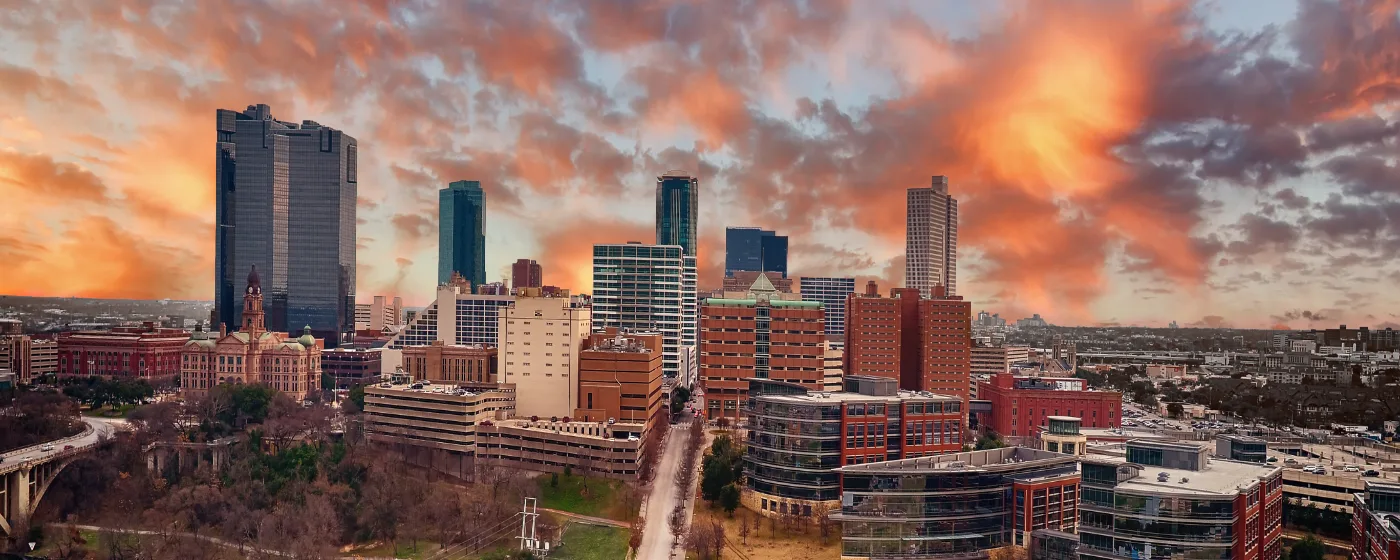
Most people moving to a city of 1,028,117 don't expect to find a working bison herd inside city limits. Fort Worth is the exception. The city's park system is one of its most underreported assets — a sprawling, multi-layered network of trails, lakes, urban gardens, and wild prairie that rivals what you'd find in cities twice the size and with far more outdoor reputations. If you've been weighing Fort Worth against other Texas metros and outdoors access is part of your calculus, the picture here is genuinely different from what you might assume.
The backbone of it all is the Trinity River Trail system — more than 100 miles of paved pathway connecting 31 neighborhoods and 21 parks, managed jointly by the Tarrant Regional Water District, the City of Fort Worth, and the nonprofit Streams & Valleys. That's not a greenway with a few benches; it's a city-spanning corridor with boat launches, equestrian access, and fishing spots woven together into something residents actually use daily. Layer on top of that a 3,621-acre nature center, a 3,489-acre lake fully inside city limits, a 120-acre botanic garden dating to 1934, and a downtown water park that's free to enter, and the case builds fast.
The honest caveat is climate. With 229 sunny days a year, Fort Worth's outdoor season runs long — but summer heat is real and uncompromising. Locals who use the trails heavily shift to early morning or evening runs once temperatures climb into the high 90s, which they do regularly from June through September. The system's upgraded trailheads now include chilled water fountains and misters, which helps, but anyone moving from a cooler climate should recalibrate their expectations before their first July morning run. Spring and fall are the seasons that make residents evangelical about outdoor life here.
This guide covers Fort Worth's signature parks and trail corridors, the water recreation anchors inside city limits, the botanic garden and nature center that define the Cultural District and northwest edge, and the seasonal quirks that shape how residents actually use all of it.
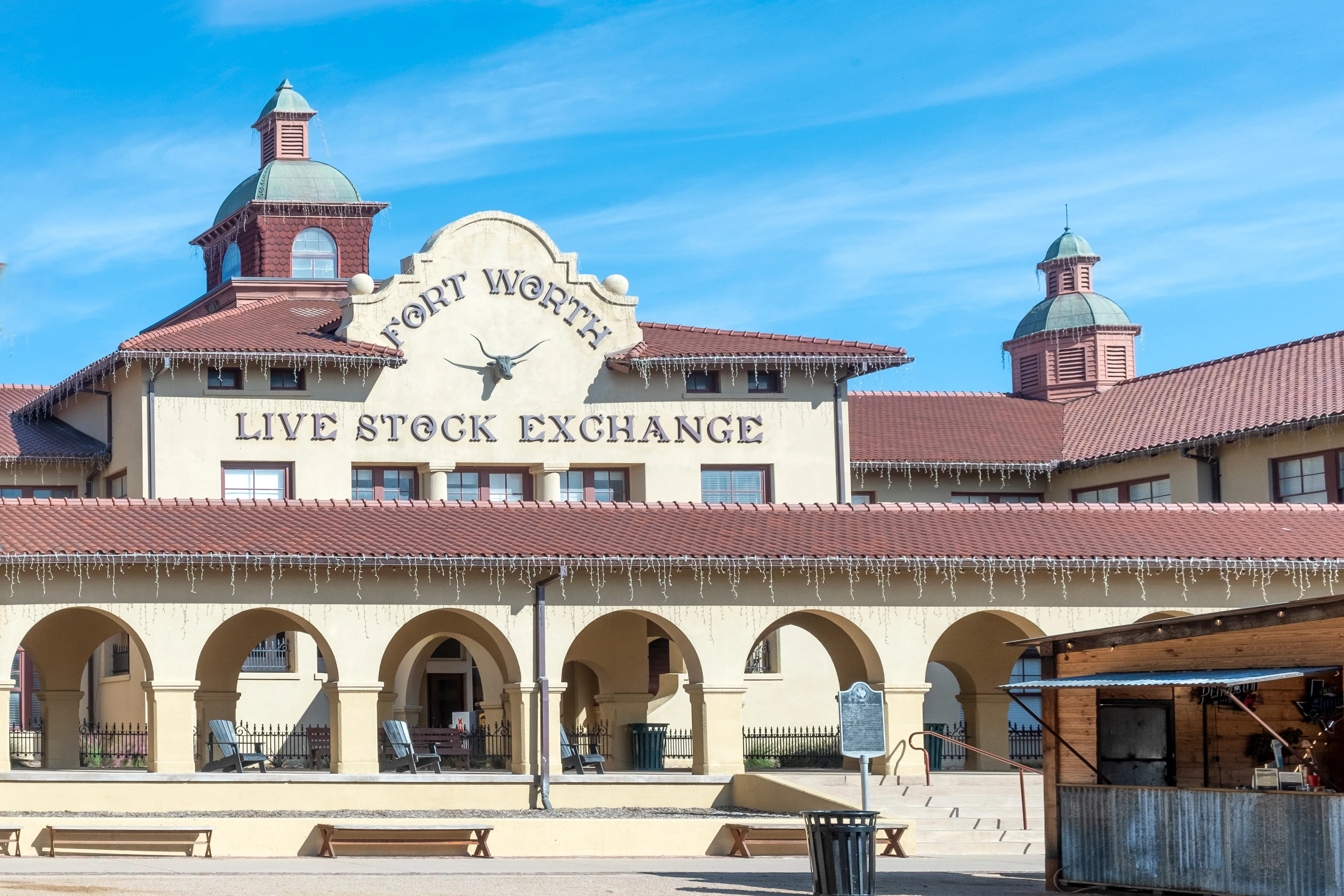
The Trinity River Trail System: Fort Worth's Outdoor Spine
A trail system that connects 31 neighborhoods and 21 parks sounds like a planning brochure claim. On the Trinity Trails, it's simply accurate — and the scale of it is the first thing that surprises people who move here from cities where a ten-mile greenway qualifies as a major amenity.
The network runs more than 100 miles of paved pathway along the Trinity River and its branches, accommodating hikers, cyclists, skaters, and equestrians on the same corridor without crowding any of them. Five dedicated boat launches serve canoes, kayaks, and sculls, and a water-ski slalom course sits tucked into one stretch of the river — an amenity that exists almost nowhere else in a purely urban trail system. Fishing access is woven throughout.
The infrastructure has been improving in ways newcomers notice immediately. Upgraded trailheads now feature chilled water fountains and misters — a genuine quality-of-life addition in a city where summer heat defines the outdoor calendar. Planned expansions include a DFWTrail connection designed to knit the local network into a broader regional system, which would make car-free movement across the metroplex meaningfully more viable.
Trinity Park: Where the Trails Begin
Trinity Park is the origin point — dedicated in 1892 as the city's first parkland, it covers 252 acres along the river and serves as the most-used entry to the trail network. A duck pond, miniature train, playgrounds, and picnic pavilions make it the default Saturday destination for families with younger kids, while the trailhead access draws serious cyclists who want to put in real miles before the heat arrives.
The park gained a significant new addition in November 2025, when Streams & Valleys and the City broke ground on a new public plaza near the Phyllis Tilley Memorial Pedestrian Bridge. The project includes a Butterfly Garden, a Sixty-Three Tree Flowering Grove, a Wildflower Meadow planted with native grasses, a Harvest Table, and shade amenities — a botanical addition to a park that already anchors the western edge of the Cultural District.
What locals know that newcomers discover in month two: the Trinity Trails are genuinely crowded on weekend mornings from March through May and again in October. If you want the trail mostly to yourself, weekday mornings before 8 a.m. are a different experience entirely — more herons than cyclists, especially along the stretches closest to the river's natural bank.
Fort Worth Nature Center & Refuge and Lake Worth
The Fort Worth Nature Center & Refuge is the kind of place that makes people question why they ever thought they needed to leave the city for a weekend outdoors. At approximately 3,621 acres, it ranks among the largest city-owned nature centers in the United States — and the U.S. Department of the Interior recognized that in 1980 with a National Natural Landmark designation.
The center sits near Lake Worth on the city's northwest side and protects an intact cross-section of the Texas cross timbers ecosystem: forest, prairie, and wetlands in the same contiguous landscape. More than 20 miles of hiking trails move through all three, and the wildlife visible from those trails includes a publicly accessible bison herd and a prairie dog town — both legitimate draws that residents with kids use as an alternative to the zoo when they want something that feels genuinely wild rather than managed.
The Hardwicke Center and What It Offers
The Hardwicke Interpretive Center on-site runs guided hikes, natural history classes, and live-animal exhibits, making the refuge function as outdoor education as much as recreation. It's the kind of resource parents with school-age children find themselves returning to repeatedly — more for school-related learning than strictly for play, though the two blur together here.
In May 2025, the Fort Worth City Council approved a $1.73 million land purchase to expand the Nature Center by 43.2 acres on its east side. The parcel was rated moderate to high priority for conservation because of its high-quality prairie and established tree canopy — a meaningful addition to a preserve that already feels larger than most city residents expect.
Lake Worth: 3,489 Acres Inside City Limits
Lake Worth was impounded in 1914 and covers 3,489 acres on the West Fork of the Trinity River — entirely within Fort Worth's city limits, which is the detail that surprises most newcomers. Four public boat ramps provide access for motorized boats, and the lake supports fishing, swimming, and picnicking at multiple points along its shoreline.
The practical reality for residents is that Lake Worth offers genuine lake recreation without leaving the city — no two-hour drive to a reservoir, no state-park reservation system to navigate. Anglers find it productive for largemouth bass and catfish. Boaters use it on weekends year-round, with spring and fall drawing the heaviest traffic and summer mornings being the preserve of early risers who beat the heat by getting on the water before 9 a.m.
Fort Worth Botanic Garden and the Cultural District's Green Core
The Fort Worth Botanic Garden is easy to underestimate from the outside. A 120-acre campus in the Cultural District doesn't sound like a destination — until you're standing in the Japanese Garden in April when the wisteria is at peak, surrounded by a landscape that took decades to reach its current maturity.
Established in 1934, the garden is the oldest major botanic garden in Texas. It was added to the National Register of Historic Places in 2009, recognition that reflects both the age of its collection and the architectural integrity of its design. The European-inspired Rose Garden is the most photographed section, but serious garden visitors tend to spend more time in the Japanese Garden, which is internationally recognized and genuinely distinct from anything else in the region.
Lightscape: The Winter Draw
Each winter, the Botanic Garden hosts Lightscape — a large-scale illuminated trail event featuring over one million holiday lights and more than 20 custom installations. The Botanic Garden has been the only Texas location hosting Lightscape in recent seasons, which makes it a regional draw rather than a purely local event. Tickets sell quickly, and the experience is meaningfully different from a standard holiday light display: the installations are purpose-built for the garden's geometry, and the effect on the Japanese Garden's bridges and water is something residents talk about as genuinely worth the crowd.
The honest note for newcomers: the Botanic Garden sits in the Cultural District alongside the Kimbell Art Museum and the Amon Carter Museum of American Art, which means the area sees significant weekend traffic. Parking is manageable during the week but can test patience on Saturday afternoons in spring. The payoff is that all of it — museum row, the garden, Trinity Park — is within easy walking distance of each other once you're parked, making the Cultural District a genuine half-day destination rather than a series of separate stops.
Fort Worth Water Gardens: The Downtown Cooling Escape
The Fort Worth Water Gardens sit downtown near Sundance Square and function as the city's free urban park for anyone who works or lives in the core. Multiple engineered water pools and fountains create a cooling effect that matters in a Texas summer — and at no cost, the threshold to actually use it is essentially zero. It's where downtown office workers eat lunch on warm days and where visitors gravitating toward Sundance Square find themselves stopping longer than planned.
Looking to buy in Fort Worth? Estimate your payment.
Enter your numbers to see an estimated monthly mortgage payment.
Estimate only. Excludes HOA fees and mortgage insurance. The interest rate above is a starting point, not a quoted rate — replace it with your own to see real numbers. Insurance is a flat placeholder, not a Fort Worth quote.
Weekends & Local Favorites: Where Residents Actually Go
The parks system provides the backdrop, but the specific places and rhythms of how Fort Worth residents actually spend outdoor time are worth knowing before you move here rather than after.
Trinity Park is the default gathering point for families across the west side of the city, with the miniature train drawing reliably mixed crowds of toddlers and nostalgic adults. Weekend mornings at the Trinity River Trail trailheads fill early — this is a city of serious cyclists, and the 100-mile network gives them room to build routes that don't repeat. Woodshed Smokehouse and Quince Riverside both sit along the Trinity River and capture the post-trail crowd: a combination of actual outdoor lifestyle and good food that feels genuinely Fort Worth rather than generic. HG Sply Co. Fort Worth and Rodeo Goat pull the near-trail brunch crowd from different directions, while Cattlemen's Steak House in the Stockyards represents the older anchoring tradition that predates the trail culture entirely.
Coffee before a trail run has its own ecosystem here. Sons Coffee, Ampersand, Buon Giorno Coffee, Rio Dulce Coffee, and HustleBlendz Coffee each draw a regular outdoor crowd — cyclists, runners, and dog walkers filling tables before 8 a.m. on weekend mornings in a way that makes the city's outdoor culture feel less like a marketing claim and more like a daily fact of life.
The Clearfork Farmers Market and the Rufe Snow Farmers Market both function as community gathering points that pair naturally with outdoor routines — the kind of Saturday stop that anchors a morning between a trail run and the rest of the day. For school-age youth sports and organized recreation activities, the schools page covers what the parks system connects to at the programmatic level.
What Surprises People After Six Months
The thing most newcomers don't expect is how much the summer genuinely reshapes their outdoor routine. People who moved here from the Pacific Northwest or the Mountain West expecting to run at noon in July learn quickly that Fort Worth's outdoor culture is a morning culture from June through September — and that this is an adaptation locals make automatically, not a complaint they register consciously. The infrastructure supports it: the chilled water fountains and misters at upgraded trailheads are not a luxury, they're a public health feature. Adjusting your schedule to the heat is the single most important thing anyone moving here from a cooler climate can do to actually use what the parks system offers.
The other surprise is the scale of the Nature Center. Most residents in their first year treat it as a day trip rather than a neighborhood amenity, because 3,621 acres with a bison herd doesn't register as something that fits inside a city. By year two, it's typically on regular rotation — especially for households with kids who have burned through everything Trinity Park offers and want something that feels less managed. The 43.2-acre expansion approved in 2025 adds to a preserve that already feels, on its interior trails, nothing like a city park.
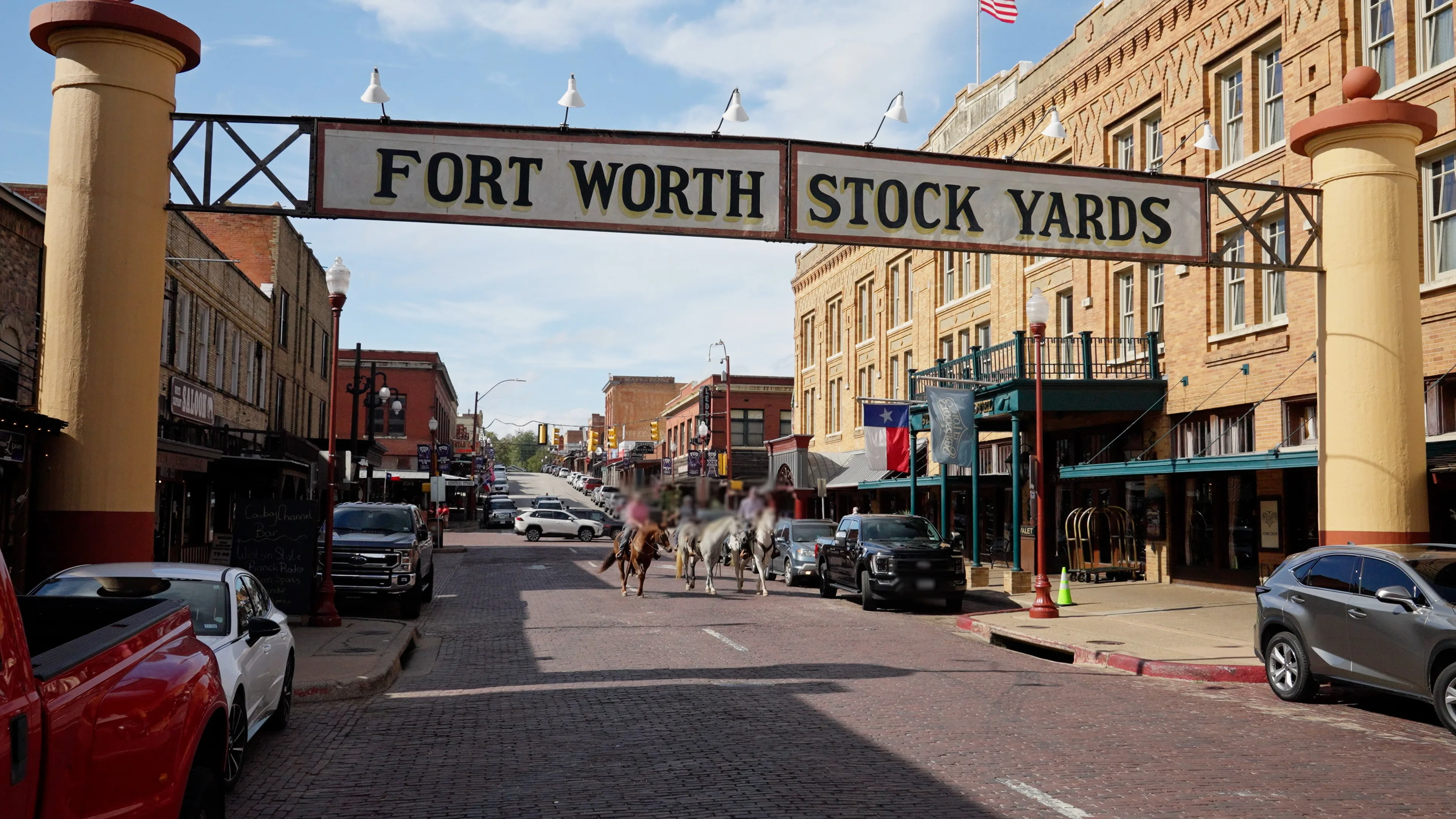
Local Expert Takeaway: Fort Worth's parks system is most useful to new residents who understand its seasonal logic: plan trail use and lake days around early mornings from June through September, and save longer outings for the spring and fall windows when the weather is genuinely exceptional. The Trinity River Trail's 100-mile network, Lake Worth's 3,489 acres inside city limits, and the Nature Center's 3,621-acre bison prairie are the three things that separate Fort Worth from comparable metros — none of them require leaving the city, and together they represent an outdoor life that most newcomers underestimate until they're living it.
Quick Takeaways & FAQs
✅ Fort Worth's Trinity River Trail spans more than 100 miles of paved pathway connecting 31 neighborhoods — one of the most extensive urban trail networks in Texas.
⚠️ Summer heat between June and September is real: outdoor recreation here is a morning culture, and anyone moving from a cooler climate should plan trail and lake time accordingly.
📍 The Fort Worth Nature Center & Refuge covers 3,621 acres with a publicly visible bison herd and 20+ miles of hiking trails — all inside city limits and among the largest city-owned nature centers in the country.
How long is the Trinity River Trail in Fort Worth?
Is Lake Worth inside Fort Worth's city limits?
What is the Fort Worth Nature Center & Refuge, and is it worth visiting?
What is Lightscape at the Fort Worth Botanic Garden?
Are Fort Worth's parks usable year-round, or does summer heat make them impractical?
Moving to Texas?
Tell us what you need help with and we'll connect you with local resources.
