
Most people who price out Plano for the first time do a double-take. The city sits comfortably inside the Dallas-Fort Worth Metroplex — about 30 minutes to Downtown Dallas — with major corporate addresses, strong schools, and polished infrastructure. Then they see the home prices and realize Plano is not the bargain suburb it was fifteen years ago. It is one of the priciest addresses in Collin County, and that gap between expectation and reality shapes nearly every financial conversation about moving here.
The economic backbone is real and diverse. Toyota Motor North America anchors the corporate presence, joined by JPMorgan Chase, Frito-Lay North America, and Liberty Mutual Insurance — all with significant operations in the city. The Plano Independent School District, which holds a B rating according to the Texas Education Agency, is both a major employer and a primary reason families target this particular suburb over cheaper alternatives nearby. The city's population of 293,028 skews toward dual-income professional households, which is part of why retail, dining, and services here feel more developed than in cities with similar headcounts elsewhere in Texas.
The overall cost of living runs approximately 8% above the national average and noticeably above the Texas state average — with housing doing most of the heavy lifting. Groceries track slightly below the national average, and transportation costs are essentially flat with the rest of the country. Utilities run higher than average, driven almost entirely by summer air-conditioning demand. There is no state income tax, which takes some sting out of the property tax bill, but the effective property-tax rate of approximately 1.30% still matters when you are applying it to a half-million-dollar home.
Whether you are weighing a move from inside the metroplex or relocating from out of state, the sections below break down Plano's housing costs, everyday expenses, tax picture, and how the city stacks up financially against Frisco, Allen, Richardson, and other nearby suburbs you are probably comparing it with.
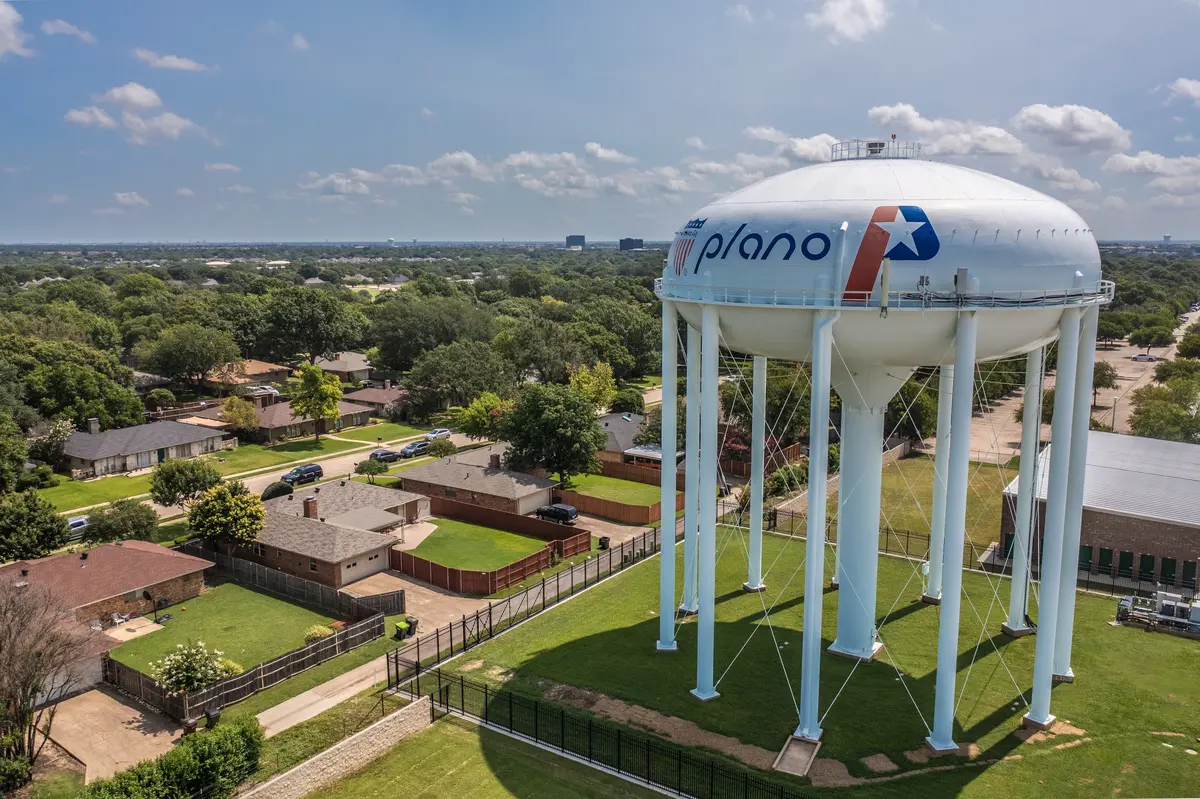
What It Really Costs to Live in Plano
Plano is expensive by Texas standards — full stop. The city's overall cost of living lands roughly 16% above the state average, and the gap is not subtle when you sit across a table with it. Housing is the engine driving that number, not groceries or gas or utilities. Strip housing out of the equation and Plano is actually close to average on most everyday spending categories.
The typical home price here is $499,723 (Zillow Home Value Index, July 2026). That figure puts Plano well above what most Texas metros ask, and it sits at a level where the city's own median household income of $112,253 does not comfortably reach — buyers relying on that income alone face a genuine affordability gap. The households who absorb these prices without strain tend to be dual-income professional couples, corporate relocatees with employer assistance, or people arriving from higher-cost coastal markets where Plano's prices look reasonable by comparison.
Among the DFW suburbs buyers most commonly compare, Frisco runs noticeably higher, while Allen and McKinney sit at roughly the same level as Plano. That means Plano is not the entry point into this corridor — it is squarely in the mid-to-upper range of the suburban DFW market, with the trade-off being better-established infrastructure, mature tree canopy, and corporate amenities that newer master-planned suburbs are still building toward. For a deeper look at how neighborhoods vary within the city, the best neighborhoods guide breaks that down.
Housing: Rent vs Buy in Plano
The Buying Picture
Entry-level homes in Plano — older ranch-style construction from the 1980s, smaller square footage, fewer updates — start somewhere in the low-to-mid $300,000s, though finding one in that range increasingly means accepting a significant renovation project. The city-wide typical home price is $499,723, and well-priced homes in strong locations rarely stay on the market long.
The effective property-tax rate is approximately 1.30%. Apply that to a home at the typical price and you get a meaningful annual line item — one that surprises buyers arriving from states with lower or no property tax. Texas offsets this with no personal state income tax, which is real money for high earners, but the property-tax reality does not disappear from the monthly budget. Many newer master-planned communities also carry mandatory HOA fees on top of taxes — dues vary by community and sub-neighborhood, so always confirm the full carrying cost for the specific address you are considering before making an offer.
The calculator below will run your numbers with current rates — monthly costs depend heavily on down payment, loan amount, and where rates land, so use it rather than any fixed estimate.
The Renting Picture
The typical city-wide rent sits at $1,722 per month (Zillow Observed Rent Index, July 2026). That figure covers a broad range of unit types across the city; a one-bedroom in a newer complex will run well above it, while older complexes in more established parts of the city can come in noticeably below. Plano's rent level is above the statewide average but generally holds up favorably when compared with comparable suburbs in other major Sun Belt metros.
Renting makes the most sense in Plano if you are new to the area and want a year to figure out which part of the city fits before committing, or if your horizon is shorter than three to four years. The carrying costs of ownership here — taxes, HOA dues where applicable, maintenance on an older home — mean the break-even point on buying versus renting is longer than in markets where purchase prices are lower. For buyers considering their first purchase in this market, the first-time homebuyer guide covers what that process looks like in practice.

Everyday Costs Beyond Housing in Plano
| Category | Typical Monthly Cost | Notes |
|---|---|---|
| Housing (typical rent) | $1,722/mo | City-wide typical rent. Buying? Use the calculator above for a mortgage estimate. |
| Utilities | $200–$310/mo | Electricity, gas, water, sewer, trash |
| Groceries | $520–$750/mo | Food at home, household of 2–3 |
| Transportation & Gas | $200–$340/mo | Fuel, and transit where it is a real option |
| Phone & Internet | $110–$190/mo | Mobile plan plus home broadband |
| Misc / Discretionary | $250–$500/mo | Dining out, entertainment, subscriptions |
Non-housing figures are estimates for a household of two to three, not a sourced index; housing is the city-wide typical rent (Zillow ZORI, July 2026). Refreshed with the rest of the city data.
Groceries are one of the few categories where Plano actually comes in slightly below the national average — and Texas's exemption of most food items from the state sales tax makes the checkout experience noticeably friendlier than in states that tax groceries. The competitive retail environment in the area means prices at the shelf stay honest. Fuel and transportation costs track close to or slightly below the national average, which reflects Texas's generally lower fuel taxes. Plano is primarily car-dependent — US-75 (Central Expressway), Preston Road, the President George Bush Turnpike, and the Sam Rayburn Tollway carry most of the commuter traffic — so a household with two drivers and two car payments is the baseline here, not the exception.
Utilities are where the budget takes a real hit. Plano sits inside Texas's deregulated electricity market, meaning you choose your own retail provider from competing plans — which gives you flexibility, but does not change the underlying physics of a North Texas summer. Air-conditioning demand from June through September can push electric bills 30–40% above baseline, and the annual utility burden runs 13–17% above the national average even outside those peak months. New arrivals from the Pacific Northwest or the Upper Midwest are consistently caught off guard by August bills. On the transit side, DART's Red and Orange light rail lines and the Silver Line commuter rail provide rail access to Downtown Dallas and Dallas/Fort Worth International Airport — though the city is actively negotiating a restructured agreement with DART that may phase out fixed-route bus service within Plano, so the transit picture is worth monitoring if you plan to go car-free.
Looking to buy in Plano? Estimate your payment.
Enter your numbers to see an estimated monthly mortgage payment.
Estimate only. Excludes HOA fees and mortgage insurance. The interest rate above is a starting point, not a quoted rate — replace it with your own to see real numbers. Insurance is a flat placeholder, not a Plano quote.
Plano vs Nearby Cities: Cost Comparison
| City | Typical Home Price | Typical Rent | Cost vs Plano |
|---|---|---|---|
| Plano (this city) | $499,723 | $1,722/mo | — |
| Frisco | $649,173 | $1,852/mo | 30% higher |
| Allen | $493,450 | $1,703/mo | About the same |
| McKinney | $480,265 | $1,806/mo | 4% lower |
Source — home prices: Zillow ZHVI, July 2026; rent: Zillow ZORI, July 2026. Nearby-city figures are the same series, refreshed together.
Plano sits in the middle of a competitive suburban corridor where small differences in city selection can meaningfully affect what you pay — the live comparison table below shows how Plano stacks up against Frisco, Allen, Richardson, Carrollton, and McKinney on home price, rent, and overall cost.
Taxes & the Bottom Line for Plano
The No-Income-Tax Advantage
Texas has no personal state income tax, and the state constitution makes adding one unusually difficult. For a household earning at or above the city's median, the savings relative to high-tax states like California, New York, or Illinois are real and recurring — this is one of the primary financial arguments corporate relocatees and remote workers make when choosing a DFW suburb. It does not eliminate the tax burden; it shifts it.
Sales Tax
The combined sales tax rate in Plano is 8.25%, made up of the 6.25% Texas state rate, a 1% city levy, and a 1% special district tax. There is no county sales tax layer on top of that. Most groceries are exempt from Texas sales tax, which softens the impact on routine household spending. Prepared food and restaurant meals are taxable at the full rate.
Property Tax
The effective property-tax rate of approximately 1.30% is the standard figure for most of Plano. Some newer subdivisions carry a higher blended rate because additional utility district levies apply in specific areas but are not universal across the city. If a home you are considering sits inside such a district, confirm the full effective rate before closing, because it can meaningfully change the annual carrying cost on a home at the price levels described earlier in this guide.
Who Plano's Budget Fits
Plano is a realistic financial fit for dual-income professional households, people relocating with employer assistance, and buyers arriving from coastal markets where the same home would cost substantially more. It is a genuine stretch for single-income buyers at or near the median income — the affordability gap between what a median household earns and what the typical home here requires is about $33,000 annually, and that gap shows up clearly in the monthly budget math. Renters building savings, remote workers with salaries benchmarked to higher-cost cities, and retirees drawing on equity from a more expensive market tend to find Plano workable. For retirees specifically, the retiring in Plano guide addresses the full financial picture, including fixed-income considerations. For anyone weighing Plano against their current home state on taxes and culture, the moving from California guide covers that comparison in depth.
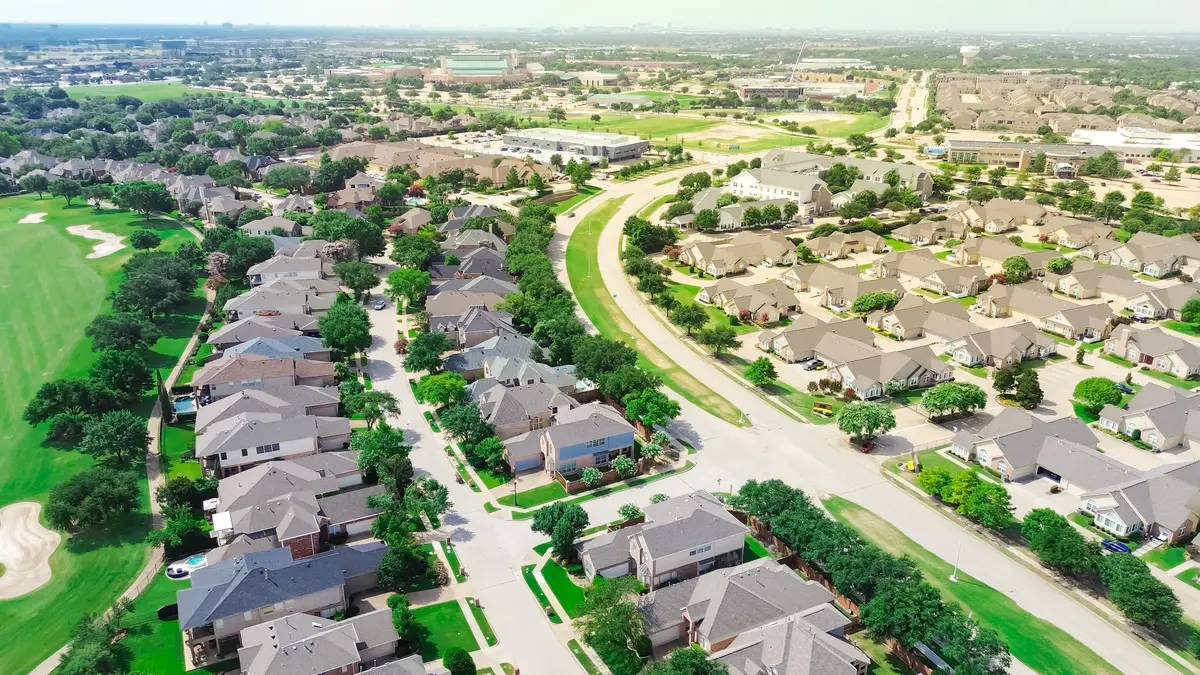
Local Expert Takeaway: Plano costs more than most Texas suburbs, and utilities — not housing — are the line item that surprises people most in year one. The summer electricity bills are genuinely jarring if you moved from a temperate climate, and HOA dues in newer master-planned neighborhoods add real money that doesn't show up in the home price — always confirm the exact figure for any specific address before committing. The no-income-tax offset is meaningful for high earners, but the property tax at approximately 1.30% on a half-million-dollar home is not trivial. The households who land here comfortably are typically dual-income, corporate-sponsored, or coming in with equity from a pricier market. If you are trying to make the numbers work on a single median income, Plano is a harder fit than Allen or Richardson, which sit at a similar price level but offer slightly more entry-level inventory.
Quick Takeaways & FAQs
✅ Texas's no-income-tax policy is a genuine recurring financial advantage for Plano's professional households, especially those earning above the city median.
⚠️ Summer electricity bills run 30–40% above baseline from June through September — utilities are consistently the line item that surprises new arrivals most.
📍 Many of Plano's newer master-planned communities carry HOA dues on top of property taxes — dues vary by community and sub-neighborhood, so always confirm the full monthly carrying cost before making an offer.
Is Plano expensive compared to the rest of Texas?
What is the effective property tax rate in Plano, TX?
How much does it cost to rent in Plano?
Does Plano have rail transit, or is a car required?
How do Plano's home prices compare to Frisco and Allen?
Moving to Texas?
Tell us what you need help with and we'll connect you with local resources.
