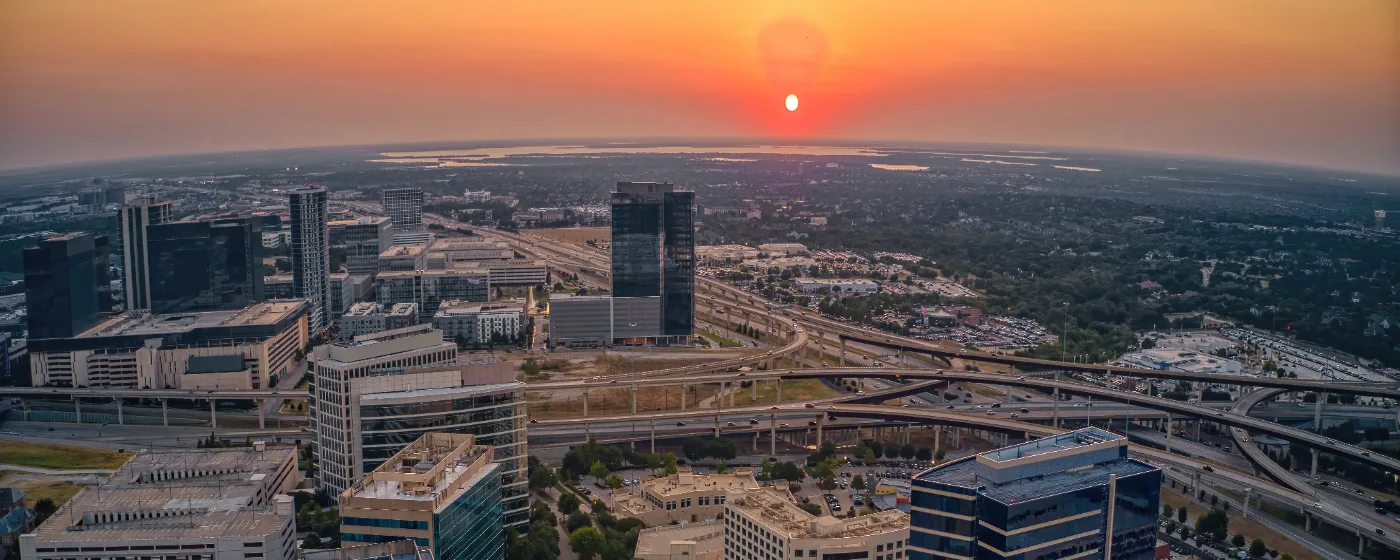
Most people moving to the Dallas-Fort Worth area put Plano on the list because someone told them it was safe. The more useful question is: how safe, compared to what, and does it hold up across the whole city? Plano — with a population of 293,028, sitting in Collin County just north of Dallas along US-75 — is genuinely one of the safer large cities in Texas. That reputation is backed by numbers, not just suburban marketing, and the Plano Police Department reported in early 2025 that 2024 brought the lowest major crime rate the department had recorded since it began compiling data in 1993.
The city runs on a mix of corporate anchors — Toyota Motor North America, JPMorgan Chase, Frito-Lay North America, and Liberty Mutual Insurance all have significant operations here — alongside the Plano Independent School District, which has 43,979 students enrolled in 2025-26 and holds a B rating, according to the Texas Education Agency. That employer base and school district draw families and professionals who tend to invest in their neighborhoods, and civic engagement here runs high enough that the police department's community programs are genuinely well-attended rather than bureaucratic afterthoughts.
On cost of living, Plano sits at a typical home price of $499,723 (July 2026) — a figure that reflects its desirability within the metro and lands it solidly in the middle tier of North Texas suburbs. The city's parks system consistently earns recognition for the quality and accessibility of its green space relative to its size, a detail worth knowing because well-maintained parks correlate with lower crime in surrounding areas. Day-to-day life here involves real traffic, more car dependency than on-foot access, and a size — Plano is the 9th-largest incorporated city in Texas — that means your experience varies noticeably by which part of town you land in.
Whether you're narrowing down neighborhoods or deciding between Plano and a neighboring city, the sections below break down the actual crime figures, how they compare to state and national benchmarks, where within the city crime concentrates, and what residents report experiencing on the ground.
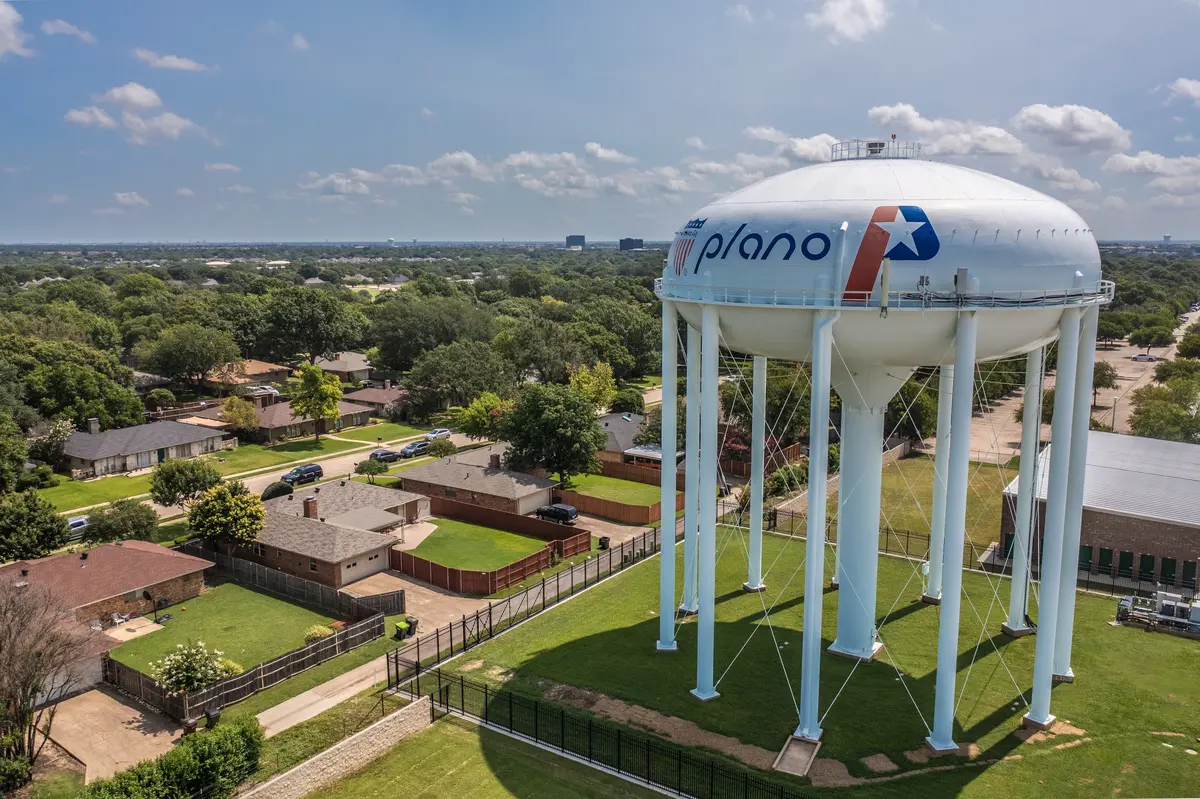
Plano's Crime Rates in Context
The headline number: Plano carries a violent crime rate of 1.52 per 1,000 residents and a property crime rate of 14.66 per 1,000 residents. Those figures need a comparison to mean anything, and the comparison is favorable.
Texas as a whole runs a state violent crime rate of 4 per 1,000 and a state property crime rate of 20.7 per 1,000. The national benchmarks are a violent crime rate of 3.7 per 1,000 and a national property crime rate of 18.4 per 1,000. Plano's violent crime rate is less than half the Texas figure and less than half the national figure. Property crime runs noticeably below both comparators as well.
What the raw numbers can't tell you is trajectory: 2024 brought the lowest major crime rate the Plano Police Department had recorded since it began compiling data in 1993, with property crime specifically dropping to its lowest level in more than three decades. Burglary, larceny, and motor vehicle theft all fell.
Independent safety analyses have repeatedly placed Plano among the country's safer large cities — evaluated across indicators covering home and community safety, natural-disaster risk, and financial safety. These are large-city comparisons, not a generous field of small towns, which matters for how much weight you give the analysis.
The Methodological Divergence
You will find at least one widely-shared safety index that gives Plano a less favorable read. Some methodologies compare every U.S. city against all U.S. communities, including very small towns with near-zero crime counts — which tends to produce a worse relative score for any large city, simply because a city of 293,028 people generates more raw incidents than a town of 800. That methodological gap is real and worth understanding. Crime-per-1,000-residents figures applied to similarly sized cities are the more meaningful frame for someone deciding where to live.
Where Crime Concentrates Inside Plano
Plano is not uniformly safe from one end to the other, and pretending otherwise would be a disservice. Crime distribution within the city follows a clear geographic pattern: the northeast portion of Plano reports the fewest incidents, while the southeast reports the most. The gap between the city's quietest and busiest quadrants is meaningful enough to factor into a neighborhood decision.
The pattern makes intuitive sense when you look at land use. Central Plano and areas closer to high-activity commercial corridors see property crime cluster at higher rates than the quieter residential west and north sections of the city. That said, "higher rates" here is relative — the absolute numbers remain low by any major-city standard. This is not a city with danger zones in the traditional sense; it's a city where the difference between its safest and busiest areas is largely a matter of opportunistic property crime proximity to retail.
West and North Plano
Willow Bend, Deerfield, Prestonwood, and Hunters Glen sit in the western and northwestern parts of the city and are consistently cited for low crime rates and active community engagement. These are established residential neighborhoods where civic investment — HOAs, neighborhood watch programs, community cameras — runs high. For a closer look at how these areas feel day-to-day and what housing stock looks like, the neighborhoods guide covers each in detail.
Legacy West and Central Corridors
Legacy West's mixed-use design — the dense retail, restaurant, and office environment — incorporates robust security systems and community vigilance programs as part of its operation. The tradeoff is that any high-foot-traffic commercial area generates more opportunistic incidents simply by volume of people and parked cars. Residents here report the same low-level concerns as any urban-format district: package theft, the occasional car break-in. Not a reason to avoid the area; a reason to understand what you're getting.
Southeast Plano
The southeast quadrant carries the highest per-capita incident count within the city. It's worth researching specific blocks before settling on a neighborhood in this part of town, not because the area is unsafe by any broad comparison, but because the intra-city gap is real and meaningful enough to factor into a decision. The police department's publicly available crime map lets you look at this at the street level, which is a more useful tool than zip-code averages.
What the Police Department Is Actually Doing
The Plano Police Department's own explanation for the 2024 crime drop points to three factors: proactive investigations using technology advances, a significant expansion of camera and surveillance networks in residential homes and businesses, and deepened partnerships with local, state, and federal law enforcement and prosecutors. That's not a vague PR answer — the department has been specific about what drove the numbers.
The Crime Prevention Unit offers a free Home Security Assessment for any resident who requests one. The Citizens Police Academy runs in a multi-week series twice a year, and there's a Youth Citizens Police Academy for younger residents. A program called My Safety Call provides daily check-ins for homebound and elderly residents. The department participates in National Night Out annually — and in Plano, that event draws real turnout rather than the handful of neighbors some cities see.
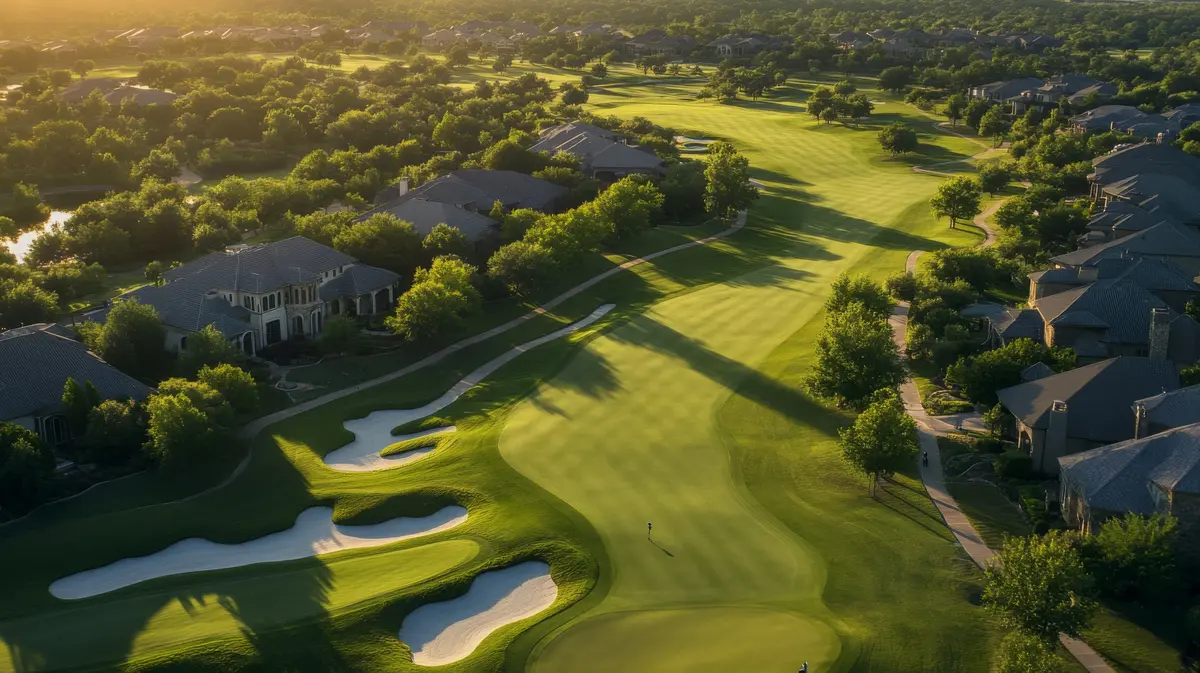
This level of community programming matters for a practical reason: it builds the informal surveillance that professional criminologists call "eyes on the street." When residents know their neighbors, recognize which cars belong on the block, and have an easy channel to report concerns, opportunistic property crime becomes harder to execute quietly. The correlation between Plano's well-regarded parks system and its crime figures is part of the same story — well-used public spaces are self-policing in ways that neglected ones aren't.
Neighboring Suburbs for Comparison
Frisco and Allen are the most common comparisons for people choosing between North Collin County suburbs, and both are frequently grouped with Plano as among the safest large suburbs in the entire Dallas-Fort Worth region. The safety profiles across all three are strong enough that crime alone rarely drives the choice between them. The living-in-Plano guide covers who the city suits and how commute patterns compare.
Looking to buy in Plano? Estimate your payment.
Enter your numbers to see an estimated monthly mortgage payment.
Estimate only. Excludes HOA fees and mortgage insurance. The interest rate above is a starting point, not a quoted rate — replace it with your own to see real numbers. Insurance is a flat placeholder, not a Plano quote.
What Residents Actually Report Noticing
The most commonly cited concerns on community forums are package theft and occasional late-night traffic incidents — drag racing complaints surface periodically in certain areas. That's the honest list. If those are the things generating neighborhood conversation, it tells you something meaningful about the baseline: residents have the bandwidth to care about porch pirates because violent crime is not the competing concern.
Six months after moving here, most people are surprised not by crime but by the sheer scale of the city. At 293,028 residents, Plano is not a cozy suburb where everyone knows each other. The community engagement programs exist in part because the city is large enough that it has to work at social cohesion. If you move into a neighborhood without plugging into the HOA, the neighborhood watch, or a school community, you can feel surprisingly disconnected in a city that ranks well on every safety metric.
One practical thing newcomers sometimes underestimate: the geographic spread of the city means that "Plano is safe" is a city-level statement, not a block-level guarantee. Reviewing the police department's publicly available crime map for the specific neighborhood you're considering is worth doing before you decide — not because you'll likely find a problem, but because the intra-city variation is real enough to be informative. The northeast and northwest residential areas carry meaningfully fewer incidents than the southeast, and that difference matters if you're choosing between two otherwise comparable neighborhoods.
Seasonal Patterns Worth Knowing
Property crime in North Texas tends to tick upward in the summer, when school is out, days are long, and opportunistic theft of items left in cars or on porches picks up across the region. This is a Texas-wide seasonal pattern rather than a Plano-specific one, but it's worth knowing if you're arriving in June and forming first impressions. The summer heat also shifts when people are outdoors — later in the evening rather than midday — which changes the rhythm of who's around and when.
Safety Resources and How to Research Further
The Plano Police Department publishes crime data publicly and runs one of the more accessible community engagement operations among Texas cities its size. The free Home Security Assessment is a genuine resource — a trained officer walks your property and flags vulnerabilities. It's not a sales pitch; it's a service, and residents who've used it generally find it useful.
For neighborhood-level research, the city's own online crime map is updated regularly and lets you filter by crime type and time period. This is more useful than zip-code aggregates, which flatten variation that matters when you're deciding between two neighborhoods a mile apart.
Arbor Hills Nature Preserve, Oak Point Park, Russell Creek Park, and Windhaven Meadows Park are the green anchors of the residential neighborhoods that consistently post the city's lowest crime figures. That's not a coincidence — the parks draw regular users who create informal familiarity with their surroundings. Families with kids at the parks know their neighbors, recognize what's normal, and notice what isn't.
If schools are part of your safety calculus — and for families with school-age children, they often are — the Plano Independent School District's schools page covers the district in full. The district's size and the city's corporate employment base mean active UIL athletics programs and well-funded extracurriculars, which keeps students engaged and campuses active outside of regular hours.
The Bottom Line Before You Decide
Plano's safety reputation is earned and measurable. A violent crime rate of 1.52 per 1,000 residents and a property crime rate of 14.66 per 1,000 residents, both well below state and national comparators, are not marketing claims — they're figures drawn from law-enforcement reporting applied to a city that has genuinely maintained low crime through consistent investment in policing, community engagement, and civic infrastructure. The internal variation by neighborhood is real but not alarming; the city's worst-performing quadrant would still rank favorably against most large Texas cities. Do your block-level research, but the headline answer is: yes, Plano is safe, and the numbers back it up.
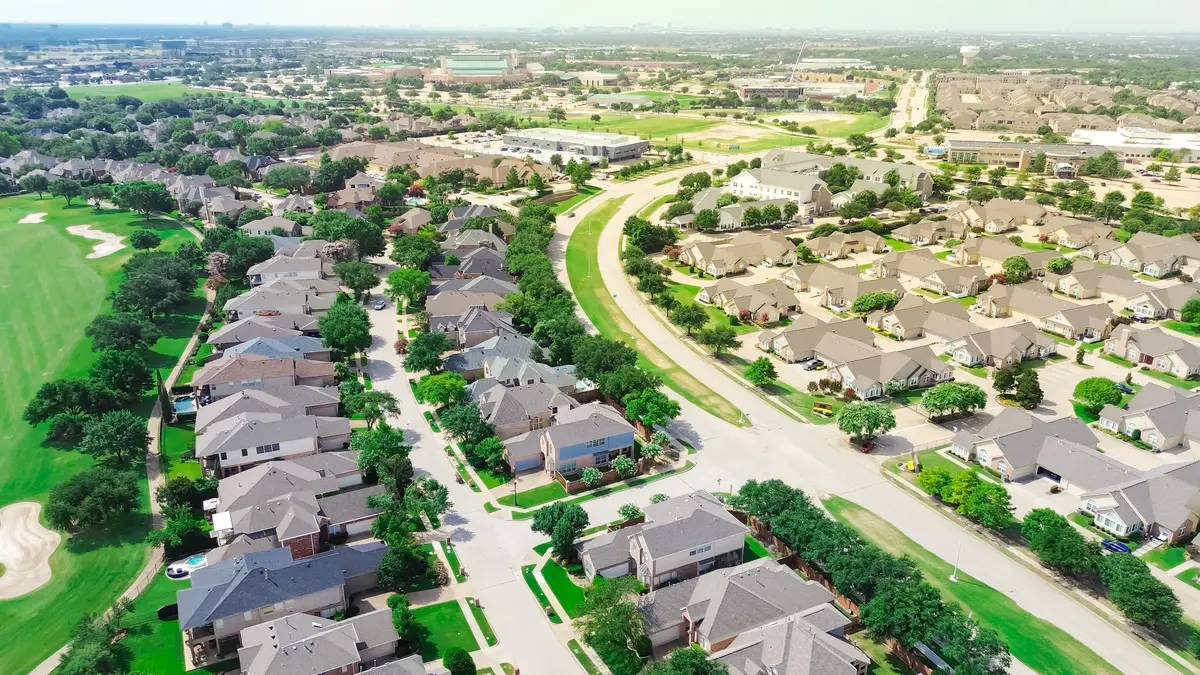
Local Expert Takeaway: Plano is legitimately one of the safest large cities in Texas — not just by reputation but by crime figures that show violent crime running at less than half the state rate. The honest nuance is internal: the northeast and northwest residential areas, including Willow Bend, Deerfield, and Prestonwood, carry the city's lowest incident counts, while the southeast and central commercial corridors see more property crime. The most common resident complaints — package theft and late-night drag racing reports on community forums — are a telling signal of how low the baseline actually is. Before settling on a specific neighborhood, check the police department's public crime map for the blocks you're considering; the city-level numbers are excellent, and the street-level data usually confirms it.
Quick Takeaways & FAQs
✅ Plano carries a violent crime rate of 1.52 per 1,000 residents — less than half the Texas state rate and less than half the national rate, one of the strongest safety profiles among large Texas cities.
⚠️ Crime is not evenly distributed across the city: the southeast quadrant carries significantly more property crime incidents than the quieter northwest and northeast residential neighborhoods, so the specific area you choose matters.
📍 The Plano Police Department offers a free Home Security Assessment for any resident — a practical resource that reflects how seriously the department invests in community-level crime prevention.
What is Plano's violent crime rate compared to Texas and the national average?
Which parts of Plano have the lowest crime?
Is property crime a concern in Plano?
How does Plano compare to nearby suburbs like Frisco and Allen for safety?
What community safety programs does the Plano Police Department run?
Moving to Texas?
Tell us what you need help with and we'll connect you with local resources.
