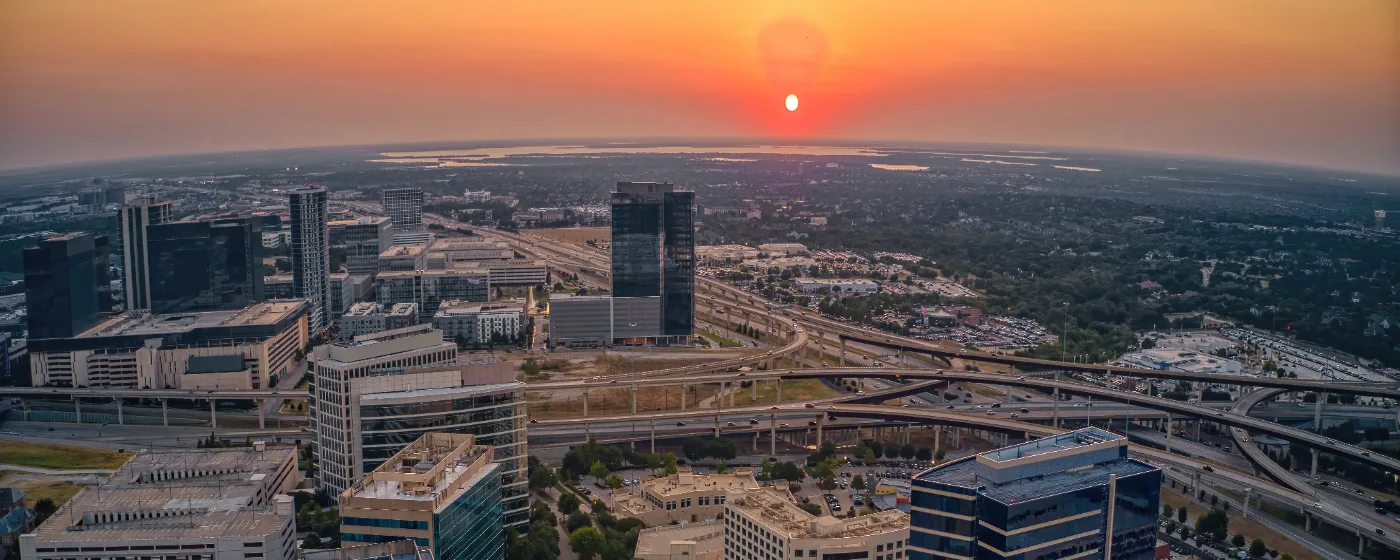
Your company may have transferred you here — Toyota did exactly that when it pulled roughly 4,000 roles from Torrance into its Legacy West campus in 2017. Or you've run the numbers on California and decided the math no longer works. Either way, the first thing Californians notice about Plano is the same: the houses are bigger, the traffic is still real, and the paycheck goes noticeably further. Plano is a city of 293,028 in Collin County, sitting at the northern edge of the Dallas-Fort Worth Metroplex, connected to Downtown Dallas by US-75 and to the wider metro by SH-121 (Sam Rayburn Tollway) and SH-289. The drive to Downtown Dallas runs about 30 minutes, though US-75 during rush hour earns its reputation quickly.
The employer roster here reads like a corporate relocation brochure: Toyota Motor North America, JPMorgan Chase, Frito-Lay North America, and Liberty Mutual Insurance all anchor the Legacy corridor, with more than 500 corporate and regional headquarters spread across the city. AT&T announced in January 2026 that it will build its new global headquarters on 54 acres in the Legacy area, with partial occupancy targeted by late 2028 — a signal that the corporate migration into Plano is continuing, not stalling. The Plano Independent School District, with 43,979 students enrolled in 2025-26, holds a B rating, according to the Texas Education Agency, which matters to the many families with school-age children who are making this move. This is, fundamentally, a city built around corporate employment and good schools, and the population it attracts reflects both.
The cost-of-living gap between California and Plano is one of the widest you'll find between two comparably sized metro areas in the country. Housing is the headline, but the income tax picture is just as significant, and the sales tax comparison is more nuanced than most California expats expect. The typical home price in Plano stands at $499,723 (Zillow Home Value Index, July 2026) — see the full breakdown on the cost-of-living page. Daily life outside work involves 229 sunny days a year, a genuinely walkable downtown district anchored by Haggard Park and the Courtyard Theater, the trails of Arbor Hills Nature Preserve and Oak Point Park, and a restaurant and retail scene at Legacy West that would hold its own in any California metro.
Whether you're being relocated, escaping housing costs, or simply ready for a different pace, the sections below break down the California-to-Plano financial comparison, the property tax trade-off that surprises most newcomers, what the housing market actually looks like, the neighborhoods worth understanding, and what daily life here is really like once the boxes are unpacked.
The California vs. Plano Financial Picture
The single biggest financial shift for a California mover is the income tax. Texas levies no state income tax — it is constitutionally prohibited. California's top state income tax rate of 13.3% applies only to the highest earners, but the bracket structure means a single filer earning $100,000 in California pays roughly $5,000–$5,200 more per year in state income tax than the same earner in Texas. That figure scales up fast for higher incomes, and for dual-income households moving from the Bay Area or Los Angeles, the annual difference can be substantial.
Sales tax is the one area where the comparison is less dramatic. California's statewide base sales tax rate of 7.25% is the highest state-level base rate in the nation, and local add-ons push many California cities to 9.5% or above 10%. Plano's combined rate is 8.25% — lower than most California metro-area rates, though not by the margin Californians sometimes expect. The practical difference narrows further because groceries are exempt from sales tax in both states.
Homeowner's insurance is another place where California movers notice immediate relief. The wildfire crisis has pushed California premiums up sharply — average costs for standard coverage reached roughly $2,843 annually by the end of 2026, with more than half a million Californians now on the state's FAIR Plan. Plano has its own insurance considerations — hail, wind, and severe storm exposure are real — but most buyers here pay meaningfully less than they were paying in California. Health insurance premiums also tend to run noticeably below California levels, though routine care infrastructure is strong while access to the most specialized treatment may require a drive into Dallas.
The total picture for most California movers is a meaningful increase in take-home pay, lower housing costs, and a utility bill that runs higher in summer than anything they've experienced before. The Texas heat is not a metaphor — July and August in Plano are genuinely punishing, and air conditioning costs reflect that.
The Property Tax Trade-Off Californians Don't See Coming
This is the number that surprises almost every California buyer, and it deserves its own conversation before you make an offer.
California's Proposition 13 caps property tax assessments at 1% of purchase price, with increases limited to 2% per year. The result is California's effective property tax rate of 0.71% statewide — and for longtime California homeowners who bought years or decades ago, the actual bill is often a fraction of what a new buyer pays on the same property. Plano's effective property tax rate is 1.30%, nearly double California's effective average, and Texas has no equivalent reassessment cap.
The practical implication: a California homeowner who bought their house in 2010 and is paying taxes on an assessed value well below current market is in for a genuine adjustment. On a home at Plano's typical price point, the annual tax bill will be noticeably higher than their California bill — even though the purchase price itself is lower. Run both numbers before you run the affordability math. The income tax savings offset this for most buyers, but the offset is not automatic and it is not dollar-for-dollar.
What Texas does not have, to be clear, is the shock of a Prop 13 reassessment when a California property changes hands — the phenomenon where a new buyer suddenly pays full current-market taxes that the previous owner hadn't seen in 20 years. In Texas, every owner pays based on current assessed value, every year. The system is more uniform, but that uniformity has a cost for buyers coming from a protected California assessment.
| Tax Category | California | Plano, Texas |
|---|---|---|
| State income tax | Up to 13.3% (progressive brackets) | None — constitutionally prohibited |
| Effective property tax rate | 0.71% (Prop 13 protected) | 1.30% effective rate, no reassessment cap |
| Statewide base sales tax | 7.25% (highest state-level base in the nation) | 8.25% combined (6.25% state + 2% local) |
| Grocery sales tax | Exempt | Exempt |
| State estate/inheritance tax | None | None |
| Annual reassessment cap | 2% max increase under Prop 13 | No cap — market-rate reassessments |
What the Housing Market Actually Looks Like
The typical home price in Plano is $499,723 (Zillow Home Value Index, July 2026). Set that beside California's statewide typical home value of $773,735, and the gap is meaningful — but Plano is not a cheap market by Texas standards, and it is not the place to come if you're expecting Dallas-area prices from fifteen years ago.
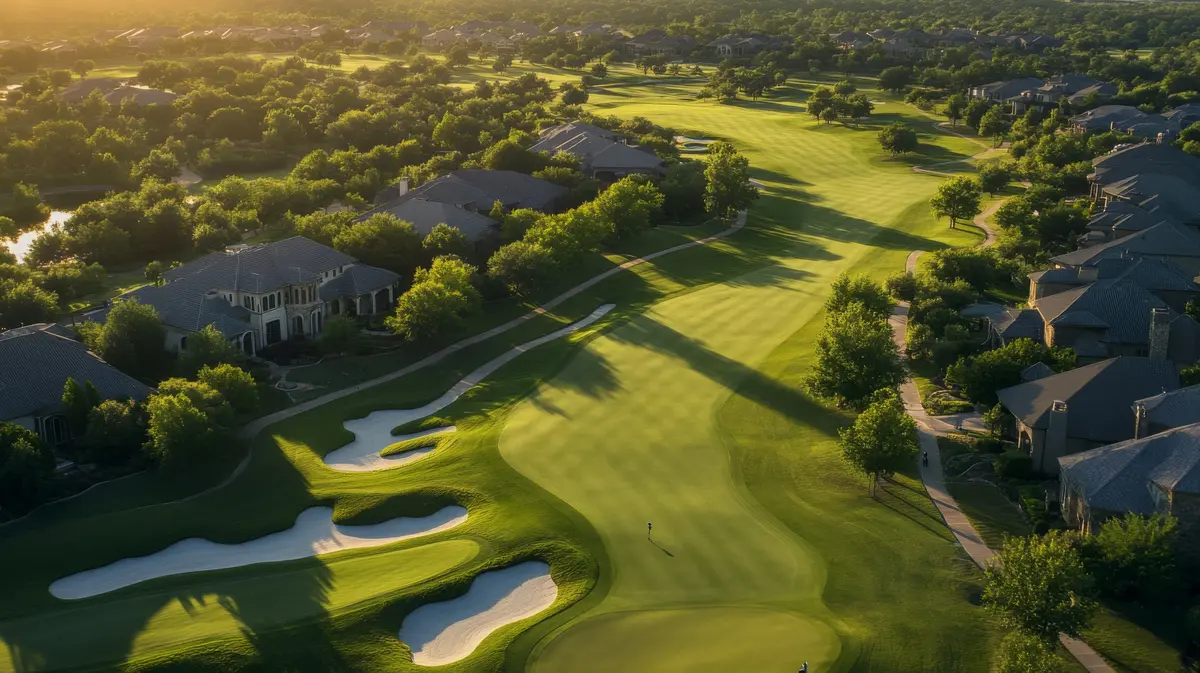
Plano's housing stock skews toward established single-family homes built between the 1970s and the early 2000s, with newer construction concentrated in the western corridors near Legacy and Legacy West. The Legacy West district — a 240-acre mixed-use development — has added luxury apartments and upscale retail that have made the surrounding corridor one of the most active parts of the city for new residential development. The Willow Bend, Deerfield, and Prestonwood areas run above the city median, as do Hunters Glen and Legacy. Russell Creek sits close to it. Entry-level buyers tend to look at older inventory in West Plano and Whiffletree, where the stock is more forgiving and the lots are often larger than anything available in coastal California at any price.
One thing worth knowing: the median household income in Plano is $112,253, which sits below the income level needed to comfortably buy at the typical home price here — by about $33,000. That gap is not unusual for a high-income suburb, but it means buyers stretching to the city median are doing exactly that — stretching. Many California movers, arriving with equity from a California sale, are in a meaningfully stronger position than local first-time buyers. That equity is real purchasing power here in a way it simply wasn't in California.
Renting before buying is more practical in Plano than in most California markets. The city-wide typical rent is $1,722/mo (Zillow ZORI, July 2026) — see the cost-of-living page for the full rental breakdown. That gives California movers room to spend six to twelve months learning the city before committing to a neighborhood. The mistake most California buyers make is skipping that step and locking in on a neighborhood they researched from 1,500 miles away.
Looking to buy in Plano? Estimate your payment.
Enter your numbers to see an estimated monthly mortgage payment.
Estimate only. Excludes HOA fees and mortgage insurance. The interest rate above is a starting point, not a quoted rate — replace it with your own to see real numbers. Insurance is a flat placeholder, not a Plano quote.
Neighborhoods and Geography: What Californians Should Know
Plano does not have the same kind of neighborhood identity that California coastal cities do — there is no equivalent of a clearly bounded historic district with its own personality and street life, except for Historic Downtown Plano, which is genuinely worth understanding before you dismiss it. The Courtyard Theater and the collection of independent businesses that line the downtown core give it a texture that feels nothing like the corporate campus landscape that dominates the rest of the city.
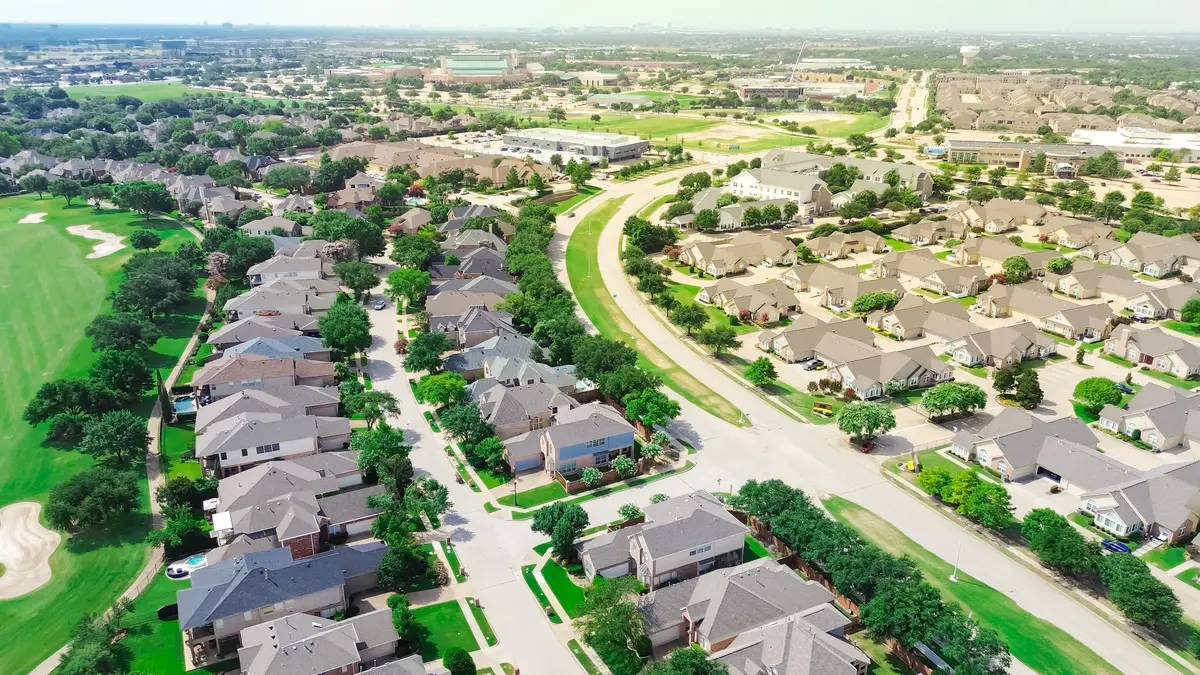
For families with school-age children arriving from California, the western neighborhoods — West Plano, Willow Bend, Deerfield — tend to be the first stop. These are established subdivisions with mature trees, good access to the Legacy corridor for work, and proximity to Arbor Hills Nature Preserve and Russell Creek Park for the outdoor habits California buyers usually need to maintain. Hunters Glen and Prestonwood are well-regarded for school proximity and neighborhood stability. See the full neighborhood breakdown on the best neighborhoods page.
The Legacy and Legacy West corridor is where the corporate campus geography is most visible. Toyota's campus, the JPMorgan Chase development, and the retail concentration at Legacy West — with Gucci, Louis Vuitton, and Tiffany & Co. alongside more accessible dining — create a walkable mixed-use zone that feels closer to a California suburban center than anything else in the city. It is also where the city's residential growth is most active: The Park at Legacy, being built on the former JCPenney headquarters site, broke ground on a 22-story, 261-unit luxury tower as phase one of a development that will eventually add up to 750 apartments to the corridor.
One geographic reality to absorb early: Plano is a large city. At 293,028 residents, it is the 9th-largest incorporated city in Texas. Cross-city drives take longer than the map suggests, and the character of a neighborhood shifts considerably depending on whether you are in east Plano, the Legacy corridor, or the older subdivisions near Historic Downtown. California buyers used to small-town beach communities or tightly bounded urban neighborhoods sometimes underestimate how much this matters for daily life.
| Neighborhood | Character | Best For |
|---|---|---|
| Willow Bend | Established, tree-lined streets, large lots, above city median | Families Luxury |
| Deerfield | Well-maintained subdivisions, sought-after school corridors, above city median | Families Schools |
| Legacy / Legacy West | Mixed-use corporate corridor, luxury retail, newer residential, above city median | Commuter Walkable |
| Hunters Glen | Established family neighborhoods, proximity to parks, above city median | Families Quiet |
| Prestonwood | Mature landscaping, strong community identity, above city median | Families Schools |
| Russell Creek / Knolls | Park-adjacent, good value within Plano, at city median | First-Time Nature |
| Whiffletree | Older stock, larger lots, more accessible entry point | Value First-Time |
| West Plano | Broad catch-all for western subdivisions, mixed age of homes | Families Commuter |
Weekends, Local Favorites, and What Daily Life Is Actually Like
Six months in, most California movers say the same thing: they expected the cost-of-living relief, but they didn't expect to like the city as much as they do. What they didn't expect specifically is that Plano has a genuine local culture that doesn't require driving to Dallas to access.
Historic Downtown Plano is the weekend anchor for the older parts of the city. The Plano Farmers Market draws a consistent crowd through the warm months, the Courtyard Theater runs a real season, and Haggard Park gives the district a green center that California movers tend to claim immediately. The coffee culture here is independent and strong: 1418 Coffee in Historic Downtown Plano, Mudleaf Coffee, DAR Coffee, MOTW Coffee and Pastries, and Preston's Cafe each have a distinct character rather than a generic suburban-chain feel.
For dining, the local anchors worth knowing are Bulla Gastrobar Plano, Mexican Sugar, Haywire, Maggiano's Little Italy, and Sixty Vines Plano — a mix of approachable and upscale that reflects the city's corporate-transplant demographics. Legacy West concentrates the higher-end dining and retail experience, but it is not the only place in the city where the food is interesting.
Outdoor life is genuinely good by suburban standards. Arbor Hills Nature Preserve is a 200-acre wooded park with trail systems that feel nothing like a maintained urban greenway. Oak Point Park offers a completely different character — open, creek-fed, and large enough to get lost in. Windhaven Meadows Park and Russell Creek Park fill out the neighborhood-level options, and the Chisholm Trail connects parts of the city for cyclists and runners. These are not California mountains, but they are real nature, close to home, and uncrowded on a Tuesday morning.
What surprises California movers most after a full year is the weather in both directions. The 229 sunny days a year are real — genuinely more sun than most of coastal California — but the summer heat is more extreme than any California climate except the inland valleys. July and August require a lifestyle adjustment. Texans don't apologize for it; they schedule around it, with early morning outdoor activity and late evening errands. The winters, by contrast, are mild enough that ice storms feel like genuine emergencies rather than routine weather — because they are not routine. A single ice event can shut down the major freeways in ways that a California driver, used to rain but not black ice, will find startling. Budget for a day or two a year where you genuinely do not drive.
The schools give the community a connective tissue that California suburban transplants recognize immediately. The Plano Independent School District's active UIL athletics programs mean Friday night football fills the stadium and draws the neighborhood together in a way that has no real equivalent in most California communities of comparable size. It is one of the places the city's identity is most visible, and it tends to pull in even families who arrive skeptical of the Texas sports culture.
Local Expert Takeaway: California movers who do the math on Plano usually focus on the income tax savings and the home price gap — and those are real. What the math misses is the property tax adjustment: Plano's 1.30% effective rate on a current-market assessment will likely run higher than the annual bill on a Prop 13-protected California home, even at a lower purchase price. Run both numbers specifically before you assume the move is as straightforward as the headline figures suggest. The buyers who settle in happiest are the ones who spend their first year in Arbor Hills Nature Preserve on a weekday morning, find their coffee shop in Historic Downtown Plano, and stop comparing everything to California by month eight.
Quick Takeaways & FAQs
✅ Texas levies no state income tax — constitutionally prohibited — which for most California earners represents the single largest annual financial gain from the move.
⚠️ Plano's effective property tax rate of 1.30% is nearly double California's effective average of 0.71%, and unlike Prop 13, Texas has no cap on annual reassessments — so the annual tax bill often surprises buyers who ran the numbers only on the purchase price.
📍 Toyota Motor North America moved its U.S. headquarters to Plano's Legacy West in 2017, pulling roughly 4,000 roles from Torrance, California — meaning a significant portion of Plano's corporate community has already made this exact move.
How much less will I pay in state income tax if I move from California to Plano?
Is the Plano property tax rate really higher than California's?
How do home prices in Plano compare with California?
What is the sales tax rate in Plano, and how does it compare to California?
What should I know about schools in Plano before I move?
Moving to Texas?
Tell us what you need help with and we'll connect you with local resources.
