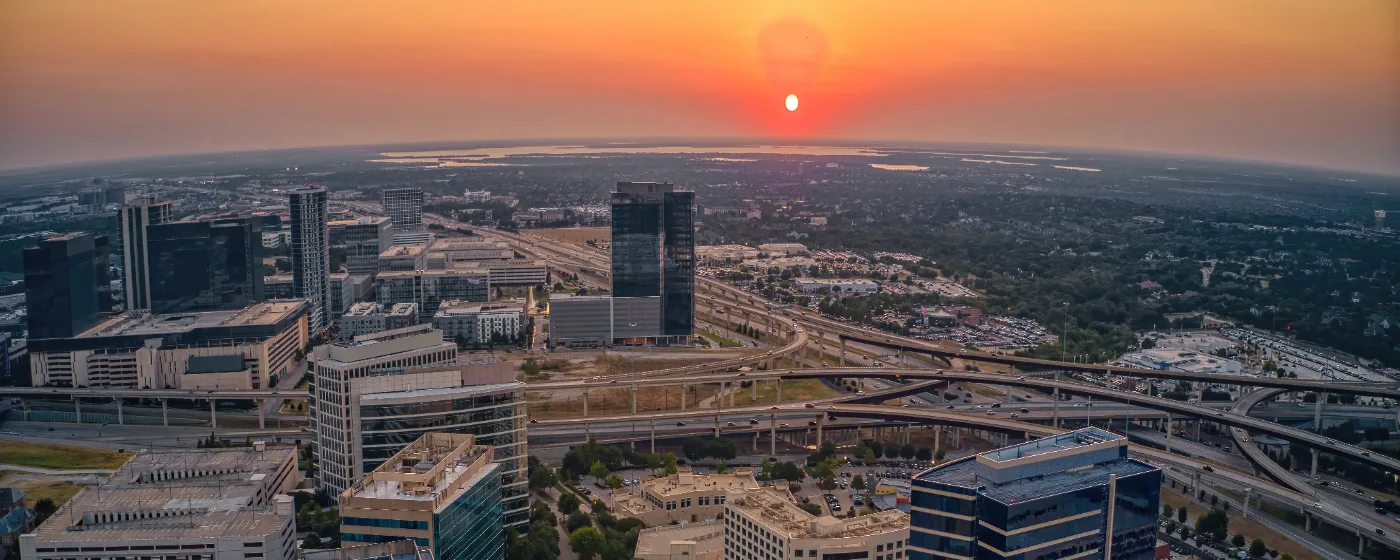
Most people shopping for a home in Plano arrive with a single question: west side or east side? It sounds like a shortcut, but it's actually the right instinct. Plano is the 9th-largest incorporated city in Texas, home to 293,028 residents, and it spans enough geography that two neighborhoods can share a school district and feel like different cities. The dividing logic here isn't a freeway — it's a combination of lot size, build decade, price band, and which corporate campus your employer happens to sit near. Getting that geography right before you start touring is the single most useful thing this guide can do for you.
Plano Independent School District — which holds a B rating, according to the Texas Education Agency — serves the entire city and has a large, diverse student body enrolled across dozens of campuses in 2025-26. That means your school boundary is a function of your street address, not your general neighborhood, and two homes a few blocks apart can feed into meaningfully different elementary schools. On the employment side, Toyota Motor North America, JPMorgan Chase, Liberty Mutual Insurance, and Frito-Lay North America all anchor operations here, which means a significant share of buyers are corporate relocations arriving with a specific office address and a limited window to decide. That dynamic shapes what sells fast and what doesn't.
The typical home in Plano sits at $499,723 (Zillow Home Value Index, July 2026), but that figure covers enormous range — from older brick ranches in central Plano to 5,000-square-foot custom builds in Willow Bend. For a full cost-of-living breakdown, including how those prices compare to neighboring Frisco and Allen, see the cost of living page. Day-to-day life leans heavily on the car, but Arbor Hills Nature Preserve, Oak Point Park, Russell Creek Park, and the Chisholm Trail give the city a genuinely outdoors-friendly texture that the office-park reputation undersells.
Whether you're being relocated by a Legacy West employer, trading up from a neighboring suburb, or trying to get into Plano ISD before the next school year, the sections below break down Plano's eight established neighborhoods — their character, their trade-offs, and who each one actually suits.
The Plano Reality
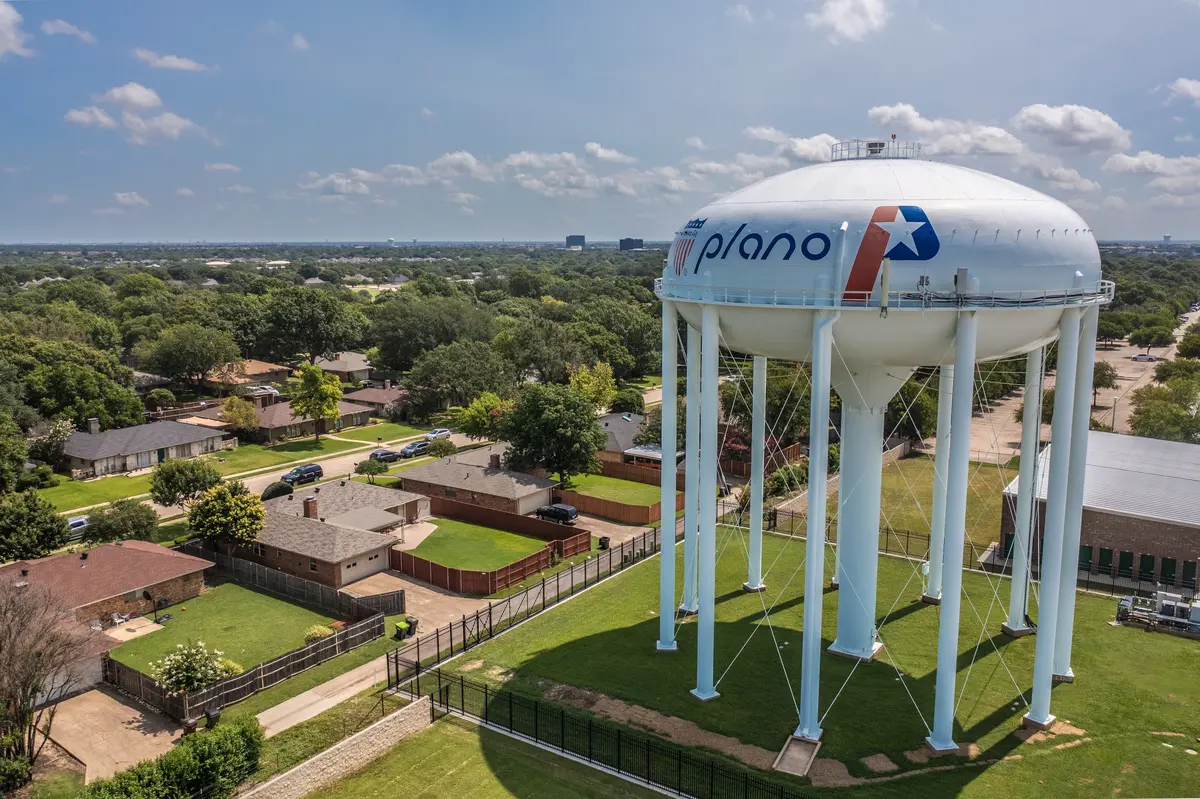
The thing that trips up relocating buyers most often is treating Plano as one market. It isn't. West Plano — roughly everything west of SH-289 (Preston Road) — contains the city's largest lots, its newest luxury construction, and its most sought-after school feeder patterns. Central and north-central Plano offers established brick neighborhoods from the 1980s and early 1990s at more accessible price points, with mature trees that the western new-builds can't replicate. Understanding which corridor you're actually shopping in will save you from making an offer on a home that looks right on paper but sits in the wrong feeder zone.
The Legacy West corridor near the Sam Rayburn Tollway adds a third dynamic. This isn't a traditional residential neighborhood — it's a corporate and mixed-use district that has attracted luxury apartment renters who want to walk to their Toyota or JPMorgan Chase office. If you're renting rather than buying, Legacy West operates on a completely different set of priorities than the surrounding single-family streets. Buyers who confuse the two sometimes end up surprised by how little outdoor space or neighborhood infrastructure the district offers compared to the established communities a mile away.
School boundaries are the underappreciated detail. Plano ISD's attendance zones are drawn at the street level, and the district is large enough — feeding dozens of campuses across the city — that two homes in the same ZIP code can have different elementary and middle school assignments. If a specific campus matters to your family, verify the address before you fall in love with the house. The district's overall B rating, according to the Texas Education Agency, reflects a system with real strengths, but feeder-pattern quality is not uniform across all eight neighborhoods covered here.
Neighborhoods at a Glance
| Neighborhood | Best For | Vibe |
|---|---|---|
| Willow Bend | Luxury Families | West Plano's flagship luxury enclave — large lots, brick and stone custom builds, multiple sub-neighborhoods with distinct identities |
| Deerfield | Families Quiet | Northwest Plano's tightest-knit HOA community — brick perimeter walls, 24-hour security, and a December lights display that draws the whole metroplex |
| West Plano | Luxury Nature | Custom and semi-custom homes on generous lots, walkable to Arbor Hills Nature Preserve, with Preston Road as the commercial spine |
| Legacy / Legacy West | Commuter Walkable | Corporate mixed-use district — restaurant row, food hall, apartment living steps from major employer campuses |
| Hunters Glen | Families Value | Late-1970s and 1980s brick homes on larger-than-average lots, mature landscaping, Chisholm Trail access |
| Prestonwood | Families Nature | Planned 1990s streetscapes with water features and greenbelts — Arbor Hills Nature Preserve is the backyard anchor |
| Whiffletree | First-Time Commuter | Central Plano's renovated-brick sweet spot — broad shaded streets, active HOA, close to both Richardson and Frisco |
| Russell Creek / Knolls at Russell Creek | First-Time Families | Mature-tree central Plano anchored by Russell Creek Park — the most accessible entry point into the Plano ISD feeder system |
Plano typical home price: $499,723 (Zillow ZHVI, July 2026). Typical rent: $1,722/mo (Zillow ZORI, July 2026). Neighborhood tiers on this page are relative to these figures.
Best Neighborhood by Buyer Type
| Buyer Type | Best Neighborhood | Why |
|---|---|---|
| First-Time Buyer | Russell Creek / Knolls at Russell Creek | Homes sit at the city median — the most accessible price point in the Plano ISD feeder pattern, with Russell Creek Park and established landscaping already in place. |
| Luxury Buyer | Willow Bend | The sub-neighborhoods of Willow Bend — including Willow Bend Lakes and Polo Estates — offer 3,000–6,000 sq ft homes on generous lots, well above the city median, with the forthcoming mixed-use Bend development adding long-term upside. |
| Walkability Seeker | Legacy / Legacy West | The only part of Plano where you can walk from your front door to a restaurant row, a 55,000-sq-ft food hall, and your office campus without getting in a car. |
| Families with Kids | Deerfield | A fully contained HOA community with 24-hour security patrols, strong community events calendar, and school-boundary access to some of Plano ISD's strongest campuses. |
| Commuter | Hunters Glen | North-central placement gives fast access to the SH-190 (President George Bush Turnpike) corridor and Legacy Drive without the premium pricing of west Plano. |
| Large-Lot Buyer | West Plano | Custom and semi-custom homes on the city's largest residential lots, immediately adjacent to Arbor Hills Nature Preserve, with SH-289 (Preston Road) as the primary artery. |
| Renter | Legacy / Legacy West | More than 621 apartment homes built into the district's walkable mixed-use core, purpose-built for residents who prioritize proximity to the major corporate campuses over square footage. |
Looking to buy in Plano? Estimate your payment.
Enter your numbers to see an estimated monthly mortgage payment.
Estimate only. Excludes HOA fees and mortgage insurance. The interest rate above is a starting point, not a quoted rate — replace it with your own to see real numbers. Insurance is a flat placeholder, not a Plano quote.
Most Popular Neighborhoods
1. Willow Bend
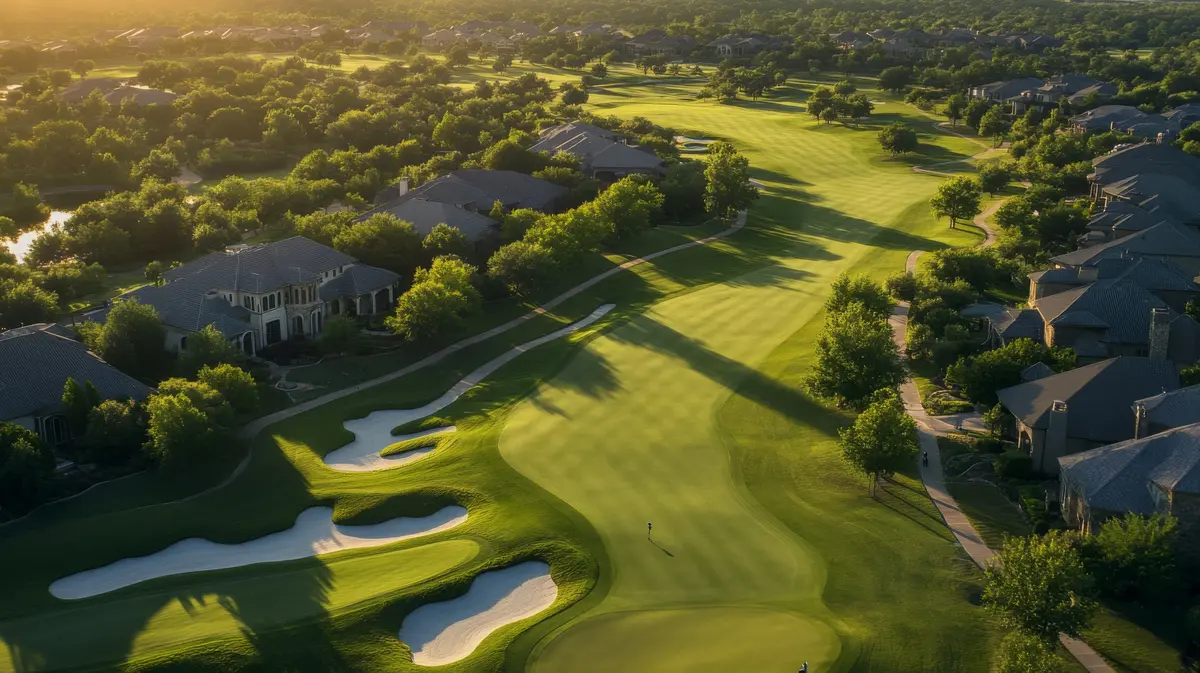
Willow Bend isn't one neighborhood — it's a collection: Willow Bend West, Willow Bend Lakes, Willow Bend Polo Estates, and The Creeks of Willow Bend each have their own character, but all share the same formula of brick-and-stone construction, lots that give you real breathing room, and homes in the 3,000–6,000 sq ft range. Prices run well above the city median, and the trade-off is that you're also paying into HOA fees and an area in transition — The Shops at Willow Bend is actively being transformed into a mixed-use development called The Bend, with townhomes, high-end restaurants, and mid-rise apartments replacing what was a traditional enclosed mall. That redevelopment will change the neighborhood's retail texture for several years before it resolves into something better.
Best for: Luxury buyers, corporate relocations, families wanting Plano ISD access with maximum square footage.2. Deerfield
Deerfield is 733 homes, stately brick perimeter walls, mature trees, and 24-hour security patrols — a level of HOA structure that feels almost residential-resort compared to the rest of Plano. The lots run a quarter-acre to a third of an acre, and the 1990s–2000s brick homes have aged well. The annual Holiday Lights display draws visitors from across the Dallas-Fort Worth metroplex each December, which is a genuine community asset and also something to consider if you value quiet winter evenings — the traffic through the neighborhood that month is real. Prices sit above the city median.
Best for: Families with children, buyers who want a managed community feel, anyone who values strong neighborhood identity.3. West Plano
West Plano is the broader canvas that Willow Bend and Prestonwood are painted on — custom and semi-custom homes on some of the city's largest residential lots, with Arbor Hills Nature Preserve running along the western edge and SH-289 (Preston Road) carrying most of the commercial traffic. The compromise here is that Preston Road itself gets congested, and the further west you go, the more car-dependent daily life becomes. Prices are above the city median and reflect the lot sizes and custom finishes that distinguish this corridor from central Plano.
Best for: Buyers prioritizing lot size, outdoor access, and Plano ISD's western feeder schools.4. Legacy / Legacy West
Legacy West is a 240-acre mixed-use district where Toyota Motor North America, JPMorgan Chase, and Liberty Mutual Insurance all have major campuses, and where the line between where you work and where you live is intentionally blurred. Legacy Hall — a 55,000-sq-ft food hall with more than 20 food stalls, a beer garden, and an outdoor stage — is the social center. Residences here run above the city median and lean heavily toward apartments and attached housing; buyers expecting traditional single-family lots will need to look at the surrounding streets rather than the district core. If you work in the district, the on-foot access is genuinely hard to replicate elsewhere in Plano — but if your office is across town, the premium you're paying for walkability disappears.
Best for: Renters, corporate employees with Legacy-area employers, buyers who prioritize walkable urban amenities over square footage.5. Hunters Glen
Hunters Glen was built in the late 1970s through the 1980s, and that timing shows in the best possible way: the lots are larger than Plano's later subdivisions, the trees have decades of growth, and the brick exteriors have the solidity of a different building era. Residents have quick access to shopping and dining along Legacy Drive and Spring Creek Parkway, and the Chisholm Trail for outdoor recreation is a genuine neighborhood asset. The honest caveat is that homes here haven't been uniformly updated — renovation quality varies significantly from house to house, and buyers should budget accordingly. Prices sit above the city median.
Best for: Families who want established lots and mature landscaping without paying Willow Bend prices, outdoor-recreation-oriented buyers.6. Prestonwood
Prestonwood was designed in the 1990s to look like a planned community, and it does — water features, greenbelts, and consistent streetscaping give it a cohesion that less intentional subdivisions lack. The proximity to Arbor Hills Nature Preserve, a 200-acre park with paved and unpaved trails, a 2.8-mile off-road bike trail, and an observation tower, is what residents cite most often as the reason they stay. The trade-off is that Prestonwood's planned-community aesthetic can feel a bit uniform to buyers who want architectural variation, and prices run above the city median. If you're a trail runner, mountain biker, or anyone who wants a serious park within easy reach, few neighborhoods in Plano can match this location.
Best for: Outdoor enthusiasts, families with active kids, buyers who value planned streetscapes and greenbelt access.7. Whiffletree
Whiffletree occupies the kind of central Plano position that used to be overlooked and is now genuinely competitive — broad shaded streets, consistent late-1980s to early-1990s brick architecture, and a location near Legacy Drive and Coit Road that puts Richardson, Frisco, and central Plano dining all within a reasonable drive. Many homes have seen interior renovations, so condition varies, and the active HOA keeps exteriors consistent. Whiffletree offers an established neighborhood feel without the price premium of the western luxury corridors — a meaningful distinction for buyers who want a renovated brick home rather than new construction.
Best for: First-time buyers, commuters who need flexibility across multiple employment corridors, buyers who want a renovated established home rather than new construction.8. Russell Creek / Knolls at Russell Creek
Russell Creek is where Plano becomes accessible. Homes here sit at the city median — the $499,723 typical price (July 2026) is roughly what you're working with — and the combination of mature trees, Russell Creek Park, and surrounding nature trails gives the neighborhood a quality of life that the price point doesn't always signal. The honest limitation is that Russell Creek's housing stock is older and less architecturally dramatic than west Plano's custom builds, and buyers who need a specific school assignment should still verify their address against the Plano ISD boundary map before making an offer.
Best for: First-time buyers, families entering the Plano ISD system at the most accessible price point, buyers who prioritize park access and established landscaping over square footage.Common Mistakes Buyers Make in Plano
Assuming the Whole City Is Priced the Same
The city-wide typical home price of $499,723 (July 2026) is a real number that applies to almost no specific neighborhood without adjustment. Willow Bend, Deerfield, Prestonwood, and the Legacy corridor all run above that figure — in some cases well above. Russell Creek sits at it. Buyers who budget to the median and then tour west Plano first will spend weeks being disappointed before they recalibrate. Decide which corridor you're actually in before you start scheduling showings.
Chasing Square Footage Over School Boundary
Plano ISD's attendance zones are drawn at the street level within a district that serves tens of thousands of students across dozens of campuses. Two homes on opposite sides of a major corridor like SH-289 (Preston Road) can feed into different elementary schools. Buyers who fall in love with a floor plan and verify the school assignment afterward sometimes discover the campus they assumed they were buying into is actually the one next door. If a specific school matters, map the boundary first and build your search from there — not the other way around.
Treating Legacy West as a Traditional Neighborhood
A surprising number of corporate relocatees — particularly those arriving for Toyota or JPMorgan Chase campuses — look at Legacy West's restaurant row and walkable amenities and assume it functions like a traditional single-family neighborhood. It doesn't. The residential product in the district core is almost entirely apartments and attached housing. Buyers who want a yard, a driveway, and a garage will need to look at the surrounding streets, not the mixed-use core. The distinction matters because the premium pricing of the district reflects the walkability amenity, which only pays off if you're actually going to walk to work.
Underestimating Preston Road Congestion
SH-289 (Preston Road) is the primary commercial spine of west Plano, and it earns that designation — the corridor carries enormous traffic during morning and evening commute windows. Buyers who are choosing between two homes on opposite sides of Preston Road, or who are counting on Preston Road for their daily commute route, consistently underestimate how much the congestion affects drive times. If your office is on the eastern side of the city and you're buying in Willow Bend or Prestonwood, build extra time into your mental commute model before you commit. The drive from west Plano to downtown Dallas can stretch considerably during peak hours on that corridor.
Best Areas to Rent in Plano
| Area | Ideal For | Trade-off |
|---|---|---|
| Legacy / Legacy West | Corporate employees at Toyota, JPMorgan Chase, or Liberty Mutual campuses who want on-foot access to dining and amenities | Smaller square footage and higher rent for the walkability premium; limited green space in the district core |
| West Plano / Prestonwood corridor | Renters who want single-family home rentals with Arbor Hills Nature Preserve access and top Plano ISD feeder schools | Single-family rentals here command a premium; availability is more limited than apartment-heavy corridors |
| Central Plano / Whiffletree area | Commuters who need flexibility to reach both the Legacy corridor and the eastern employment corridors without paying west Plano prices | Older housing stock means more variability in condition and finishes; apartment options are fewer than in the Legacy district |
| Russell Creek / North-Central Plano | Families with kids who want Plano ISD access, Russell Creek Park nearby, and more square footage per dollar than west Plano rentals offer | Rental inventory turns over quickly; well-priced single-family rentals in this area don't stay available long |
| Historic Downtown Plano area | Renters drawn to Haggard Park, walkable coffee and arts venues, and a more urban texture than the surrounding suburbs provide | Limited apartment supply; parking and street density feel different from the rest of Plano in ways that don't suit everyone |
The city-wide typical rent runs $1,722 per month (Zillow, July 2026), but that figure compresses a wide range — Legacy West apartments command a meaningful premium over central Plano single-family rentals of comparable size. For the full rental market context alongside ownership costs, see the cost of living page.
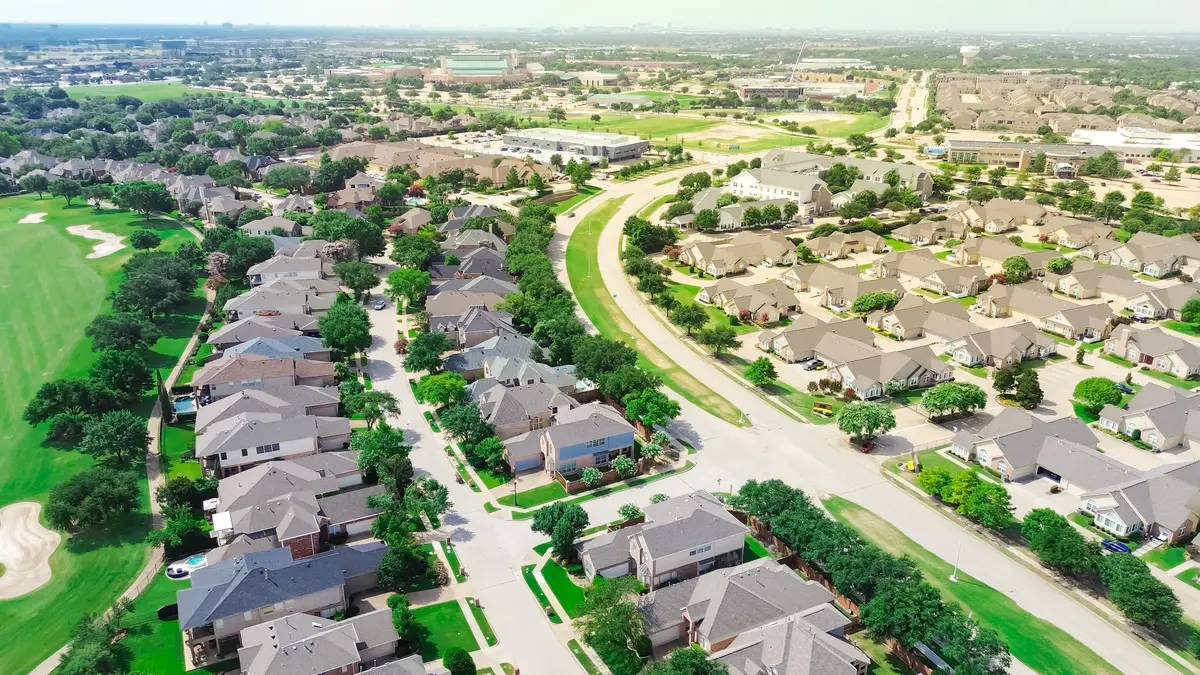
Local Expert Takeaway: West Plano gets the headlines, but the most interesting buying decisions in this city happen in the established middle tier — Hunters Glen and Russell Creek — where 1980s brick homes on genuinely large lots come in at or near the city median and still feed into Plano ISD. The buyers who win in Plano are the ones who verify their school boundary before they tour, understand which side of Preston Road they're committing to, and don't confuse Legacy West's walkable amenities with traditional neighborhood infrastructure. Get those three things right and the rest of the decision gets significantly easier.
Quick Takeaways & FAQs
✅ Plano ISD's attendance zones are drawn at the street level across dozens of campuses — two homes a few blocks apart can have different elementary school assignments, so verify the boundary before making an offer.
⚠️ The city-wide typical home of $499,723 (July 2026) masks a wide spread: Willow Bend and Deerfield run well above it, while Russell Creek sits at it — making neighborhood selection the most consequential decision in your search.
📍 Legacy West is the only part of Plano where you can walk from your apartment to a major corporate campus — but buyers expecting a traditional yard and garage need to look at the surrounding single-family streets, not the district core.
What is the most affordable neighborhood in Plano to buy a home?
Which Plano neighborhood is best for families with school-age children?
Is west Plano worth the price premium over central Plano?
What is Legacy West, and is it a good place to live?
How does Plano compare to Frisco and Allen for home prices?
Moving to Texas?
Tell us what you need help with and we'll connect you with local resources.
