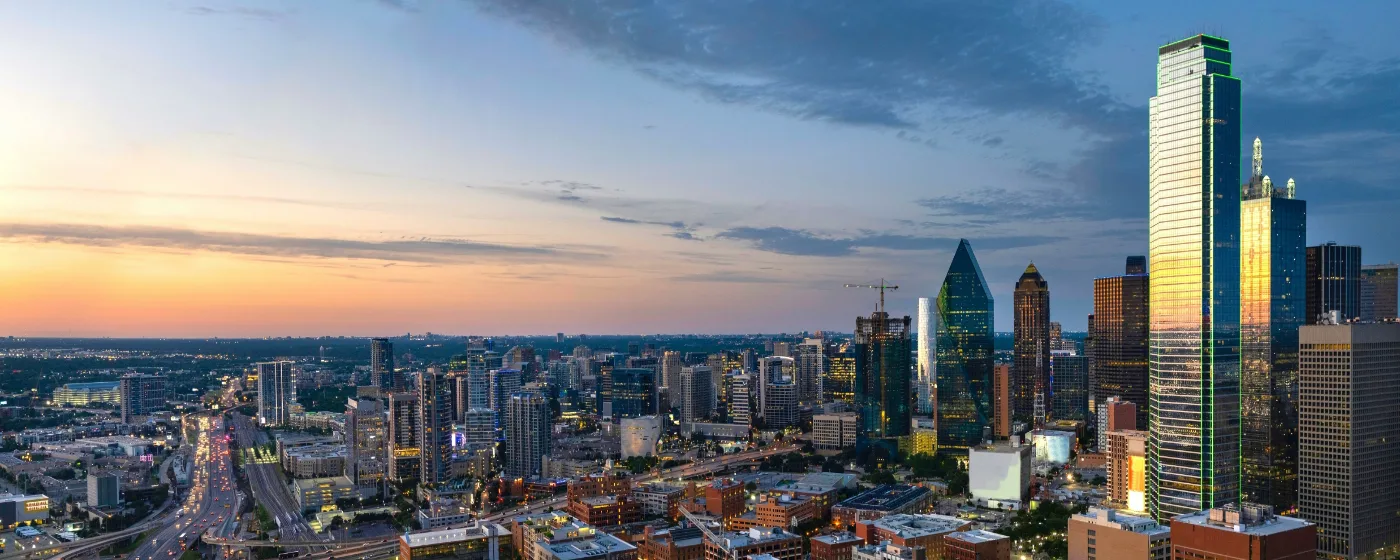
Dallas has a reputation for concrete, freeways, and sprawl — and that reputation is not entirely wrong. What catches newcomers off guard is the green infrastructure threaded through it: a 3.5-mile urban trail that pulls millions of visitors a year, a 9.33-mile lake loop five miles from downtown, and the largest urban hardwood forest in the United States sitting inside city limits. Spend your first summer here assuming Dallas is a park-poor city, and you will miss most of what makes daily life here work.
The outdoor network is not uniform, and it matters where you land. The trail scene is densest through Uptown, Oak Lawn, and Lakewood — neighborhoods where a weekday run or a weekend bike ride requires no car. The Trinity River corridor and the Great Trinity Forest serve the southern and western sides of the city, and they are a different kind of experience entirely: quieter, wilder, and genuinely surprising for a city of 1,329,491 people. The parks here reflect the scale of the place — and that scale is worth understanding before you choose a neighborhood.
Dallas logs 234 sunny days a year, which means outdoor recreation is a year-round proposition with a real asterisk: July and August push temperatures past the point where a midday run is a bad idea, and the stretch from June through September reshapes how and when residents use the trail system. Early mornings and evenings fill up fast. Winter, by contrast, is mild enough that the Katy Trail stays busy through January. The seasonal rhythm here is essentially the inverse of what people from the Mountain West or the Upper Midwest are used to.
Whether you are weighing a move to Lakewood for the lake access, to Uptown for the Katy Trail, or to a neighborhood farther south for the forest, the sections below cover Dallas's signature parks, trail networks, water recreation, Fair Park, and the seasonal patterns that shape outdoor life here.
The Katy Trail and Dallas's Urban Trail Network
The Katy Trail is the spine of Dallas's walkable outdoor life. Converted from the abandoned corridor of the former Missouri-Kansas-Texas Railroad, the 3.5-mile path runs from near the American Airlines Center through Uptown and Oak Lawn to the Mockingbird DART station near SMU. It is a flat, mostly paved route that draws an enormous volume of users — and if you live within a half-mile of it, you will feel that number on weekend mornings.
The trail has both paved and soft-surface sections, which matters for runners who log serious mileage. City bond funding approved in 2024 brought a new entrance to the trail and landscape restoration north of Knox Street, so the corridor is still improving. It is genuinely one of the better urban trails in Texas, but it is not long — the density of users on 3.5 miles means crowds, not solitude.
The Hi Line Connector and the Expanding Network
In 2025, the Hi Line Connector extended the reach of the system. The new 1-mile paved trail links the Katy Trail at Victory Avenue to the Trinity Strand Trail just north of Turtle Creek Boulevard, creating a longer contiguous route accessible from downtown. For residents of Uptown, this effectively doubled the trail mileage within easy reach on foot.
The Loop Dallas project has built out 50 miles of walk and bike trails across the broader city — well beyond the Katy Trail corridor. In 2023, a dedicated mountain bike trail opened near White Rock Creek, running through 50 acres of Creekside Park with designed hills and jumps aimed at newer riders and younger cyclists. That kind of technical singletrack is unusual for flat urban Dallas and worth knowing about if you have kids who ride.
| Trail / Route | Length | Surface | Best For |
|---|---|---|---|
| Katy Trail | 3.5 miles | Paved + soft surface | Walkable Commuter |
| Hi Line Connector | 1 mile | Paved | Commuter Transit |
| White Rock Lake Loop | 9.33 miles | Paved | Nature Families |
| Creekside Mountain Bike Trail | ~2 miles within 50-acre park | Natural surface | Families Nature |
| Trinity Audubon Trails | 4–5 miles | ADA-accessible | Nature Families |
| Loop Dallas Network | 50 miles (system-wide) | Mixed | Commuter Nature |
What newcomers underestimate: the Katy Trail is great for a quick weekday run but genuinely crowded on weekend mornings between roughly 7 a.m. and 10 a.m. If you are moving to Uptown and plan to use it as your primary outdoor space, you will learn to time your outings.
White Rock Lake and Water Recreation
White Rock Lake sits about five miles northeast of downtown and is the closest thing Dallas has to a proper natural anchor. The 9.33-mile paved hike-and-bike loop around the lake is the longest continuous paved route inside the city, and it draws walkers, runners, cyclists, birders, and paddlers throughout the week. On a cool November morning, this loop is one of the better running routes in North Texas.
The water itself is active. Sailboats, canoes, and paddleboats are a regular sight, and the lake hosts a calendar of runs, regattas, and community events across the year. The surrounding park includes the White Rock Market, a farmers market that draws a consistent crowd from the surrounding Lakewood and East Dallas neighborhoods.
Why Lakewood Buyers Pay a Premium
Proximity to White Rock Lake is one of the real drivers of neighborhood preference on the east side of Dallas. Lakewood and East Dallas sit closest to the park, and that access factors directly into neighborhood character. The lake loop is genuinely usable year-round — the mild winter and the shaded sections of the path make it workable even in summer heat, if you go early.
What people don't expect after six months in Dallas: White Rock Lake becomes a social hub, not just a recreation spot. The weekend scene around the park involves dog walkers, weekend cyclists, families with strollers, and regulars who treat the loop as a standing appointment. For residents who moved from cities with less outdoor culture, the lake's role in daily life here is a welcome surprise.
The Trinity River Audubon Center and White Rock Market are both verified open and in-city — two of the outdoor anchors the fact sheet names specifically. If you are considering Lakewood or East Dallas, the neighborhoods page covers how lake access shapes pricing and daily life in more detail.
Fair Park, Klyde Warren Park, and the Urban Green Spaces
Klyde Warren Park does something that most cities only talk about: it stitches a freeway lid over an active urban highway and turns it into a functioning public square. The 5.4-acre deck park, managed by the nonprofit Woodall Rodgers Park Foundation, runs more than 1,300 free programs annually — fitness classes, children's programming, food trucks, live music, and seasonal installations. It is genuinely free to use and genuinely well-programmed, which is unusual at this scale.
In 2026, plans for a $200 million, 1.7-acre westward expansion of Klyde Warren Park were announced. The expansion would extend the park's footprint further toward the Dallas Arts District. For residents of Uptown and the immediate downtown core, Klyde Warren Park is less a destination and more a daily backdrop — the kind of space you walk through on the way to dinner and end up staying in for an hour.
Fair Park: The Big Seasonal Draw
Fair Park is a 277-acre National Historic Landmark holding the largest collection of 1930s Art Deco exposition-style architecture in the United States. It contains seven museums, six performance facilities including Music Hall and Cotton Bowl Stadium, and draws visitors from across the region for ticketed events throughout the year.
The biggest of those is the State Fair of Texas, a three-week fall event that fills the park and surrounding streets with crowds from across the state. If you are moving to a neighborhood within a few miles of Fair Park, you should know that the State Fair is genuinely massive — traffic, parking, and the general scale of it reshapes the surrounding area for most of October. Long-time residents build it into their calendar and either embrace it or leave town. Newcomers usually don't fully anticipate it until the first year.
As of December 2025, the City of Dallas ended its contracts with the nonprofit Fair Park First and subcontractor Oak View Group to manage the 277-acre property, and city officials began working through a new management model. Day-to-day programming at Fair Park continues, but the long-term management structure remains in transition.
| Park / Space | Size | Key Feature | Best For |
|---|---|---|---|
| Klyde Warren Park | 5.4 acres | 1,300+ free programs annually | Walkable Families |
| Fair Park | 277 acres | Seven museums, State Fair of Texas | Families Views |
| White Rock Lake Park | ~1,200 acres | 9.33-mile loop, water access | Nature Families |
| Trinity River Audubon Center | 120 acres | Gateway to 6,000-acre forest | Nature Quiet |
| Trinity Overlook Park | — | Elevated views of Trinity River | Views |
| Creekside Park (MTB trail) | 50 acres | Mountain bike trail, 2023 opening | Families Nature |
Looking to buy in Dallas? Estimate your payment.
Enter your numbers to see an estimated monthly mortgage payment.
Estimate only. Excludes HOA fees and mortgage insurance. The interest rate above is a starting point, not a quoted rate — replace it with your own to see real numbers. Insurance is a flat placeholder, not a Dallas quote.
The Great Trinity Forest and Nature Escapes Inside City Limits
Most people moving to Dallas don't realize the city contains the largest urban hardwood forest in the United States. The Great Trinity Forest covers roughly 6,000 acres of bottomland hardwoods, wetlands, and grasslands along the Trinity River corridor — and the Trinity River Audubon Center is the primary gateway into it.
The Audubon Center itself sits on 120 acres of reclaimed land — formerly the state's largest illegal dump site — about eight minutes from downtown. It offers four to five miles of ADA-accessible hiking trails, a Children's Discovery Garden, guided bird and plant walks, and year-round conservation programming for families, schools, and adults. The building, designed by architect Antoine Predock, was the first LEED-certified structure built by the City of Dallas Park and Recreation Department, with a vegetated roof and rainwater collection built into the design.
What the South Side of the City Offers
The Trinity River Audubon Center and the Great Trinity Forest are on the southern end of the city — a part of Dallas that gets less attention in the typical relocation conversation. For residents who value quiet, wildlife, and genuine nature access over the density of the Katy Trail, the forest corridor is a serious counterargument to defaulting to Uptown or Lakewood.
The birding along the Trinity is legitimately good. The bottomland hardwoods and wetlands support a wide range of species that simply don't show up in the manicured urban parks, and guided walks through the Audubon Center are the fastest way to understand what the forest holds. It is a different Dallas than the one most people imagine when they picture the city.
One honest note for people considering moving here primarily for outdoor access: Dallas's park system is strong by major-city standards but uneven by geography. The trail network is densest in the north and central parts of the city. The Great Trinity Forest is the anchor for the south, but the pedestrian and cycling infrastructure connecting it to surrounding neighborhoods is still developing. How neighborhood choice affects your access to parks and trails is worth thinking through early.
For families with kids who want structured outdoor programming, the Audubon Center runs school and youth programs throughout the year — youth sports leagues and organized activities are covered in more depth on the Dallas schools page.
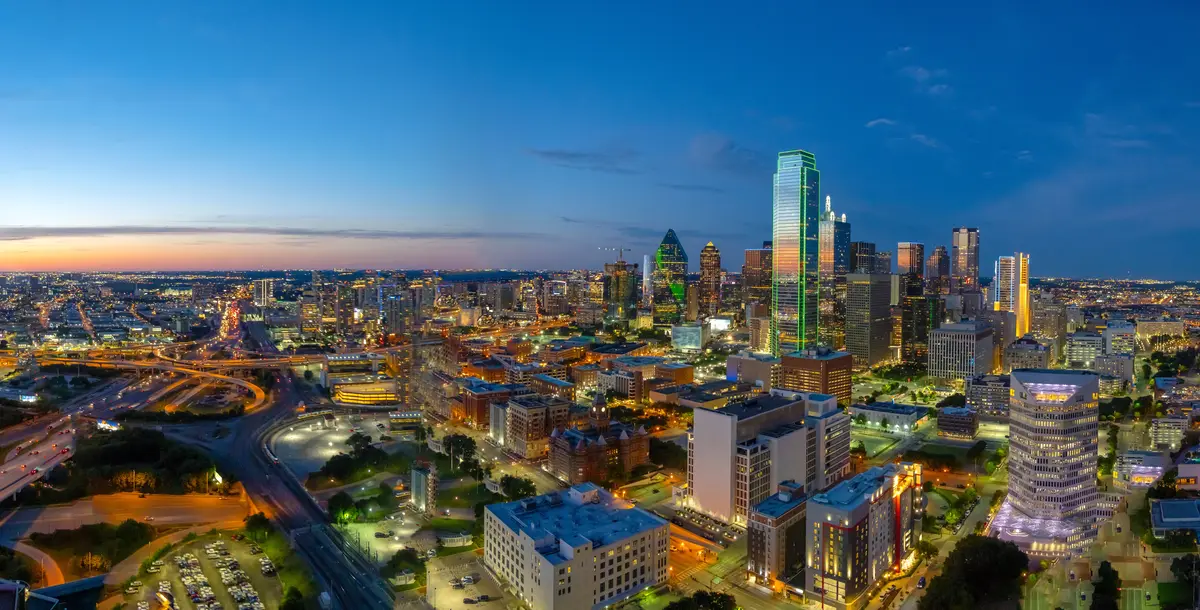
Local Expert Takeaway: Dallas's outdoor infrastructure is better than the city's reputation suggests, but it rewards people who understand the geography. The Katy Trail and Klyde Warren Park serve Uptown and central Dallas well; White Rock Lake anchors the east side in a way that genuinely shapes neighborhood values in Lakewood and East Dallas. The Great Trinity Forest is the city's most underappreciated asset — 6,000 acres of genuine wilderness eight minutes from downtown, accessed through the Trinity River Audubon Center. If you are choosing a neighborhood and outdoor access matters, the difference between a Katy Trail address and a White Rock Lake address is not just mileage — it is the kind of outdoor life you are buying into.
Quick Takeaways & FAQs
✅ The Katy Trail connects Uptown, Oak Lawn, and the Mockingbird area in a 3.5-mile paved and soft-surface corridor — one of the most heavily used urban trails in Texas.
⚠️ The State Fair of Texas packs Fair Park and the surrounding streets for three weeks each fall — if you live nearby, October traffic is not a minor inconvenience.
📍 The Great Trinity Forest, accessible through the Trinity River Audubon Center, is 6,000 acres of urban hardwood forest about eight minutes from downtown — a genuinely wild escape most newcomers discover late.
How long is the Katy Trail in Dallas?
Is White Rock Lake good for running?
What is the State Fair of Texas and how does it affect living near Fair Park?
What is the Great Trinity Forest?
What is Klyde Warren Park and is it worth living near?
Moving to Texas?
Tell us what you need help with and we'll connect you with local resources.
