
Maybe you've been priced out of McKinney or Wylie and someone mentioned Princeton. Maybe a son or daughter bought here and you're thinking about following. Whatever the path, the number that tends to stop people mid-sentence is the typical home price: $288,891 (July 2026), in a county that still has land, new infrastructure, and a Dallas metro address. That is a real number, not a compromise market.
The honest caveat is one you should hear before you fall for the price tag: Princeton is currently the fastest-growing city in the United States — the U.S. Census Bureau recorded a 30.6% population surge between July 2023 and July 2024 alone. The median resident age is 32.4 years. This is a city of young families pushing strollers, not fellow retirees at the coffee shop. That changes the texture of daily life in ways no spreadsheet captures, and it is the central fact any honest retirement guide about Princeton has to state upfront.
What you do get in exchange is financial breathing room. Texas carries no state income tax, which means Social Security, pension income, and retirement-account withdrawals all arrive un-taxed at the state level. Collin County's growth continues pulling retail, healthcare, and commercial investment northward from Dallas, so the service gaps that defined small-town Texas a decade ago are closing faster here than almost anywhere in the state. With 236 sunny days a year and flat North Texas terrain, the outdoor lifestyle is genuinely accessible well into retirement.
Whether you're ready to make the move or still building your comparison list, the sections below break down Princeton's healthcare access, the retiree budget picture, walkability realities, downsizing options, and how this city stacks up against the nearby retirement destinations most people are also weighing.
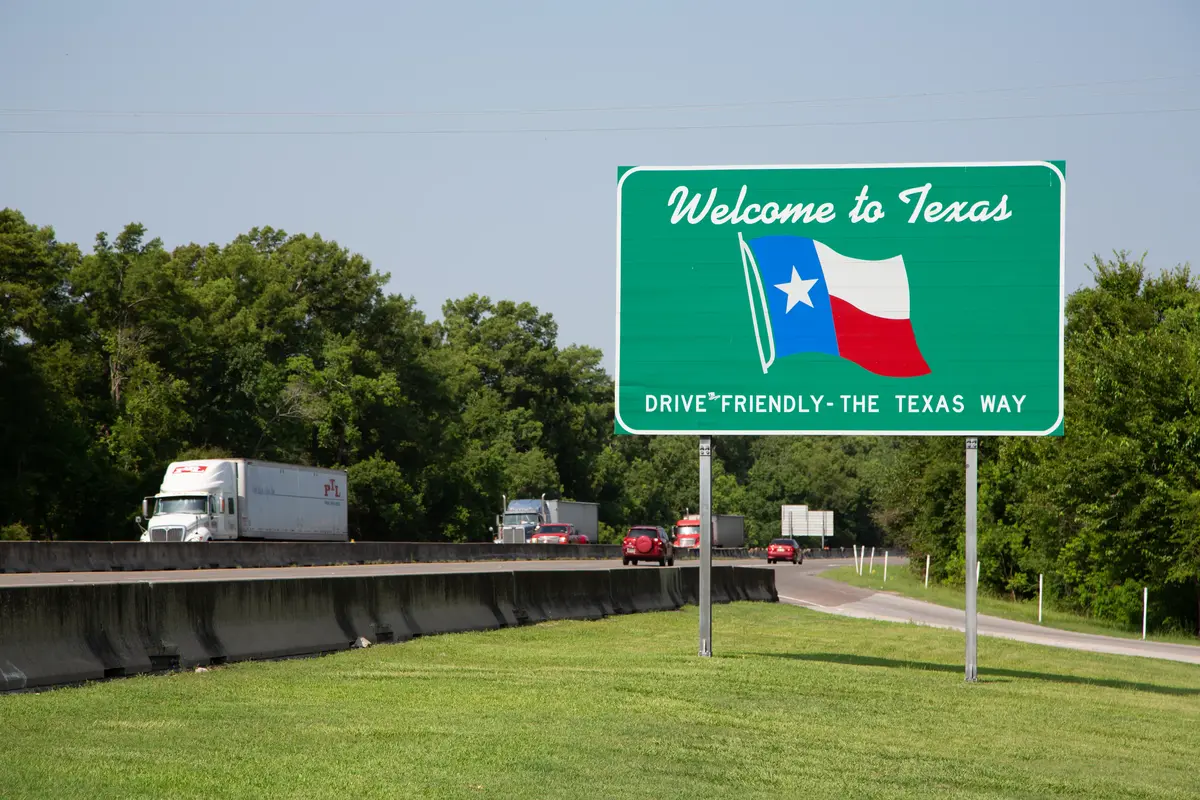
Why Retirees Are Choosing Princeton
Princeton works best for retirees who have family nearby, are comfortable driving for most needs, and want a genuinely affordable foothold in the Dallas-Fort Worth orbit without paying McKinney prices. The typical home sits at $288,891 (July 2026) — well below what comparable square footage costs in the broader metro — and that gap means a retiree selling a paid-off home elsewhere can often purchase here outright or carry a very small mortgage.
The profile that fits Princeton in retirement: someone who values space over walkability, has reliable transportation, and doesn't need a dense social scene built around peers their own age. Princeton is not a retirement destination the way some Sun Belt cities are purpose-built around that market. It's a fast-growing suburb with a young population, and retirees who thrive here tend to be those who plug into family, church, or volunteer networks rather than expecting the city itself to deliver a ready-made retirement community.
Who should look elsewhere: retirees who need to walk to errands or medical appointments, those who want a peer-rich social environment without building it themselves, or anyone counting on transit to maintain independence if driving becomes difficult. For that buyer, McKinney or Wylie — both noticeably pricier, but with more retail density — may be the more practical call.
Healthcare & Medical Access in Princeton
The closest hospital to Princeton is Medical City McKinney, 11 miles away — a 311-bed acute-care facility and a designated Level II Trauma Center. That Level II designation matters: it means around-the-clock surgical and specialist coverage for major trauma, not just stabilize-and-transfer. The hospital is also a Primary Stroke Center and a Stroke Rehabilitation Center, which are two of the most relevant credentials for retirees evaluating healthcare access.
Medical City McKinney holds Joint Commission certification for total hip and knee replacement, hip fracture, and chest pain management — three of the most common reasons people over 65 end up admitted. It carries Magnet® recognition for nursing excellence and serves as the leading inpatient behavioral health provider in Collin County. For a community Princeton's size, having this level of acute-care coverage 11 miles away is a genuine advantage over smaller exurban markets.
The honest gap is specialty depth at the local level. Princeton itself doesn't have a hospital campus or a major specialist cluster; you'll drive to McKinney or into the broader metro for cardiology subspecialties, oncology, or complex surgical planning. Collin County's population growth has been pulling specialist practices northward — more options exist today than five years ago — but for anything beyond routine primary care and urgent care, plan on that drive. Retirees managing multiple chronic conditions should map their existing specialist relationships to this geography before committing to the move.
What to Know About Emergency Distance
Eleven miles in light traffic is roughly 15 to 20 minutes. In a cardiac or stroke event, that window is clinically meaningful. The Level II Trauma and Stroke Center designations at Medical City McKinney are specifically intended for this catchment, but retirees with known cardiac risk should discuss response-time realities with their cardiologist before finalizing a decision. This is not a dealbreaker for most people — it's the same calculus facing residents of dozens of suburban communities throughout Collin County — but it deserves an honest mention.

The Retiree Budget in Princeton
Texas Tax Posture for Retirees
Texas has no state income tax. That means Social Security benefits, pension distributions, and withdrawals from IRAs or 401(k)s are not taxed at the state level — full stop. For a retiree drawing $50,000 to $80,000 a year from a mix of those sources, the difference compared with moving from a high-income-tax state can be substantial. See the full tax picture on the cost-of-living page.
Property Tax Relief for Seniors
Princeton's effective property tax rate is approximately 1.53%. That rate sounds straightforward, but Texas has layered senior exemptions that meaningfully reduce what homeowners 65 and older actually pay. Following constitutional amendments approved by voters in November 2025, qualifying seniors now receive a combined $200,000 in school-district exemptions — a $140,000 standard homestead exemption plus a $60,000 over-65 addition. More importantly, a school-tax ceiling freezes the school-district portion of your bill at the level you owed the year you turned 65, regardless of how much the home appreciates afterward. That freeze transfers to a surviving spouse who is at least 55 years old — a meaningful estate-planning detail for married retirees.
In practical terms, the combination of the no-income-tax baseline and the senior property-tax ceiling makes Princeton's fixed-income math look considerably better than the headline rate alone suggests. The interactive calculator below can help you model the ownership cost at today's home prices.
Daily Cost of Living on a Fixed Income
Princeton's grocery, gas, and utility costs track closely with the broader North Texas market — not cheap by rural Texas standards, but a meaningful step below Austin or coastal metro pricing. Most shopping involves a drive, which adds fuel costs to the monthly budget in a way that doesn't apply in denser cities. Retirees who drive less and have lower transportation overhead will find the budget math works cleanly; those who need frequent medical trips to McKinney or beyond should factor that mileage honestly.
Looking to buy in Princeton? Estimate your payment.
Enter your numbers to see an estimated monthly mortgage payment.
Estimate only. Excludes HOA fees and mortgage insurance. The interest rate above is a starting point, not a quoted rate — replace it with your own to see real numbers. Insurance is a flat placeholder, not a Princeton quote.
Walkability, Community & Staying Active in Princeton
The Walkability Reality
Princeton is built for driving. Most errands — groceries, pharmacy runs, medical appointments — require a personal vehicle, and getting around on foot works better for fitness and leisure than for daily tasks. The terrain, at least, is in your favor: Princeton sits on flat North Texas prairie with no significant elevation changes, which makes walking and cycling genuinely pleasant for recreation even if those walks won't take you to a pharmacy.
For retirees weighing long-term independence, the car-first nature of the city is the most important practical reality to sit with. The current infrastructure means personal transportation is essential for daily life, and that doesn't change as you age. Retirees who have a plan for that — whether it's family support, driving well into their eighties, or a future move — tend to navigate Princeton's layout without friction; those who don't should factor it into the decision now.
Senior Programs and Community
The City of Princeton Parks & Recreation Department runs Princeton Senior Programs (PSP), open to all residents 60 and older. Sessions are held multiple days a week at the community center and include fitness, wellness, and fine arts programming. Meals on Wheels Collin County provides an on-site congregate meal program at the same sessions — a meaningful detail for retirees who value the social dimension of a shared lunch as much as the food itself.
Princeton voters approved a $109 million parks bond in November 2023, funding improvements at J.M. Caldwell Sr. Community Park, Veterans Memorial Park, and Princeton Municipal Park, along with construction of a multi-generational recreation facility and expansion of the Lois Nelson Public Library. Groundbreaking on the Caldwell Sr. Community Park enhancements has already taken place. For retirees arriving in the next few years, the city they move into will be meaningfully more amenity-rich than the one that existed even recently.
Getting Outside
Lavon Lake, just outside Princeton, spans approximately 21,000 acres and draws around four million visitors a year. Five parks serving the Princeton area line its shores, with fishing, boating, swimming, and watersports. Sister Grove Park offers hiking and biking trails at a more relaxed pace. J.M. Caldwell Sr. Community Park and Princeton Municipal Park — which has a catch-and-release pond — give retirees walkable outdoor anchors within the city itself. See the full parks breakdown here.
Where people actually gather in Princeton is often around the lake on weekends and the parks on weekday mornings — and retirees who show up at those places tend to find that a young-family city still produces plenty of informal community, even if it's not peer-to-peer in the way a dedicated retirement hub would be.
Right-Sizing: Downsizing in Princeton
Princeton's growth has been driven almost entirely by single-family subdivisions aimed at young families, which shapes what downsizing looks like here. Retirees hoping to move into a purpose-built active-adult environment within city limits will need to adjust expectations — that product simply isn't part of Princeton's current housing mix.
What the Housing Stock Looks Like
Princeton's newer subdivisions — Bridgewater, Whitewing Trails, Tillage Farms, Winchester Crossing, and the rest of the canonical neighborhoods — were built predominantly in the 2015-to-present era, which means construction quality is modern and layouts often include single-level options or primary suites on the main floor. That is a genuine advantage for retirees who don't want stairs but aren't ready for a formal retirement community. The catch is that these neighborhoods skew toward larger square footage than many downsizers want; finding a 1,400-square-foot single-level home requires more targeted searching than finding a 2,400-square-foot family floor plan.
Patio homes and attached townhomes exist in Princeton but are not abundant. Retirees with a strong preference for low-maintenance exterior living — no lawn, no roof, no gutters — will find the inventory thinner than in a more established suburb. The typical home price of $288,891 (July 2026) gives buyers real purchasing power, but the mix of what's available at any given moment matters as much as the price. The neighborhoods page has a detailed breakdown of housing stock by area.
Renting as a Transition Strategy
Some retirees use a rental period to test a new city before committing to a purchase. The city-wide typical rent is $1,955 per month (Zillow ZORI, July 2026). That figure gives you a baseline for what a newer single-family rental in Princeton's subdivisions will run; smaller or older units may fall below it. Renting first is a reasonable strategy in a city that is changing as rapidly as Princeton — the landscape in two years will look different from today, and waiting to buy gives you time to learn which neighborhoods suit your pace.
Princeton vs Nearby Retirement Destinations
| City | Cost vs Princeton | Primary Hospital | Walkability | Senior Living Depth | Overall Retirement Fit |
|---|---|---|---|---|---|
| Princeton | Anchor | Medical City McKinney (11 mi) | Car-dependent; flat terrain | Senior programs; no 55+ communities | Strong value; young community feel |
| McKinney | Noticeably higher | Medical City McKinney (on-site) | Walkable historic square; mixed elsewhere | Multiple 55+ communities; strong depth | Best all-around; pay for the privilege |
| Wylie | Noticeably higher | Baylor Scott & White (nearby) | Suburban; car-dependent | Some active-adult options | Good suburban feel; pricier than Princeton |
| Farmersville | Somewhat higher | Medical City McKinney (drive required) | Small-town walkable core; limited | Thin; limited senior programming | Rural pace; limited services |
| Lavon | About the same | Medical City McKinney (drive required) | Very limited; rural | Very thin | Lake lifestyle; fewer services than Princeton |
| Nevada | About the same | Medical City McKinney (drive required) | Minimal; very rural | Essentially none | Acreage and quiet; not a retirement hub |
McKinney is the clear winner on healthcare proximity, senior living depth, and walkability — and retirees who place those three factors at the top of their list should budget for the price premium and move there. Princeton beats it on cost, and that gap is real enough to matter on a fixed income.
Wylie offers a suburban character closer to Princeton's, but at a noticeably higher price point without dramatically better senior infrastructure. Farmersville has the small-town appeal some retirees genuinely prefer, but service depth is thin and the hospital drive is the same as Princeton's without the county-growth tailwinds that are beginning to reach Princeton. Lavon and Nevada suit retirees drawn to lake proximity or rural acreage who are willing to accept the tradeoff of even fewer local services — but neither belongs on a list for someone who needs regular medical care within a short drive.
The honest summary: Princeton is the right call for retirees who want the Dallas metro without the Dallas metro price, can handle — and will for the foreseeable future continue to handle — a car-dependent life, and are building their social world through family, faith, or volunteer involvement rather than relying on a peer-saturated retirement ecosystem. For everyone else, McKinney is worth stretching the budget.

Local Expert Takeaway: Princeton's retirement case rests on a single, honest foundation: it is one of the few places in the Dallas-Fort Worth orbit where a retiree can buy a modern single-family home for under $300,000, pay no state income tax on their Social Security or pension, and have a Level II Trauma Center 11 miles away at Medical City McKinney. The Princeton Senior Programs at the community center and the recreational draw of Lavon Lake and Sister Grove Park give daily life real texture. What you give up is a peer-rich environment — Princeton skews young, there are no 55+ communities within city limits, and every errand requires a car. Retirees who arrive with family nearby and realistic expectations about the car-first lifestyle tend to do very well here; those counting on the city to deliver ready-made retirement community infrastructure will find the current reality doesn't match that picture yet.
Quick Takeaways & FAQs
✅ Texas's no-income-tax structure and the senior school-tax ceiling make Princeton one of the more retirement-friendly budget environments in the Dallas metro, especially at its price point.
⚠️ Princeton is built for driving, and personal transportation is essential for daily life — a long-term planning consideration for retirees whose driving years may be limited.
📍 The Princeton Senior Programs (PSP) at the community center serve residents 60 and older with fitness, wellness, and fine arts sessions, and Meals on Wheels Collin County runs an on-site congregate lunch program at those same sessions.
Is Princeton, Texas a good place to retire?
What hospital serves Princeton, Texas retirees?
What property tax breaks do seniors get in Princeton, Texas?
Are there 55+ communities or active-adult neighborhoods in Princeton, TX?
What senior activities and programs are available in Princeton, Texas?
Moving to Texas?
Tell us what you need help with and we'll connect you with local resources.
