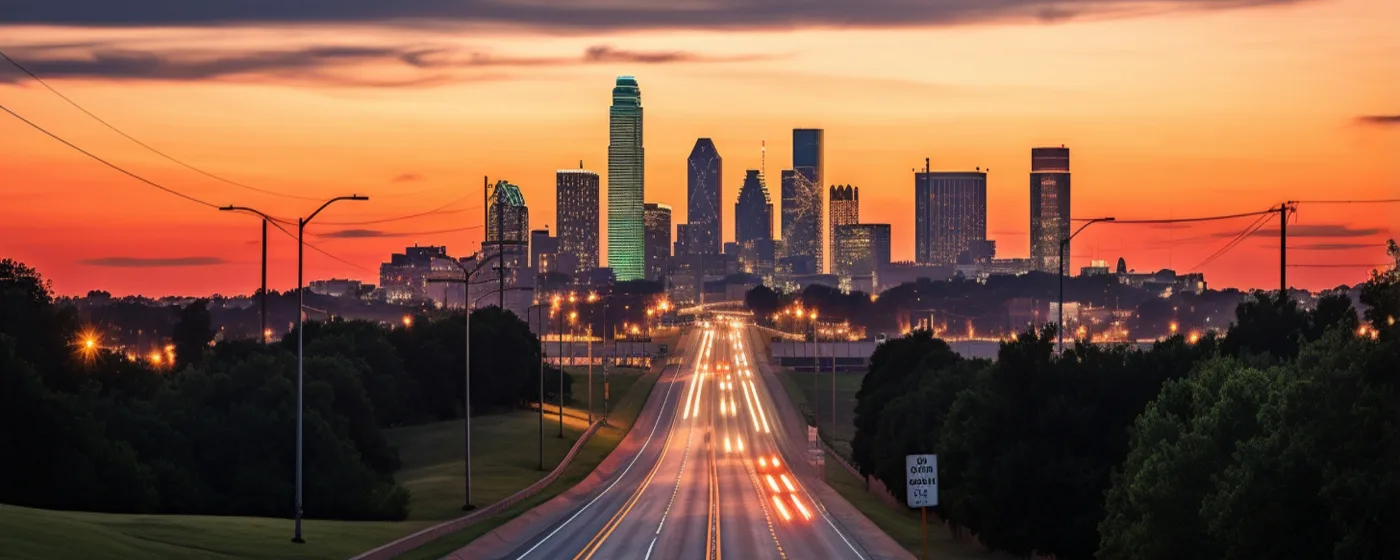
Frisco is not a city that treats parks as an afterthought. With more than 60 parks already operating and dozens of active improvement projects tracked on the city's own dashboard as of early 2025, outdoor infrastructure here is built to the same ambitious scale as everything else in Frisco. The city's stated goal — that every resident lives within 10 minutes of a park — is not a slogan; it is a measurable target with a capital budget behind it. For a fast-growing place that added tens of thousands of residents in a single decade, that commitment is one of the more concrete quality-of-life arguments a relocating buyer will find.
What surprises most newcomers is the variety. The system ranges from small neighborhood greenspaces with disc golf and sand volleyball to a 63-acre flagship park with an inclusive playground built by community volunteers. More than 47 miles of developed hike and bike trails already thread through the city, with a wayfinding plan covering roughly 80 miles of total trail infrastructure in progress. And then there is Grand Park — a 1,011-acre project that broke ground in April 2026 and, when complete, will be larger than Central Park in New York City. That is not a comparison made lightly; it is a fact about what Frisco is building.
The outdoor calendar is shaped by North Texas weather. With 230 sunny days a year, the trail system gets used hard from late September through May, and the two weekly farmers markets — the Frisco Fresh Market and the Frisco Rotary Farmers Market — draw steady weekend crowds through the cooler months. Summer is real here: triple-digit heat days are common in July and August, which pushes morning runners onto the trails before 7 a.m. and makes the city's splash pads and lake access more than a nice-to-have. Knowing how to use the park system around the heat is one of the first things long-time residents figure out.
Whether you are weighing a move or already under contract, the sections below cover Frisco's signature parks, the trail network, water recreation at Lake Lewisville, and the major projects that will reshape what outdoor life here looks like over the next several years.
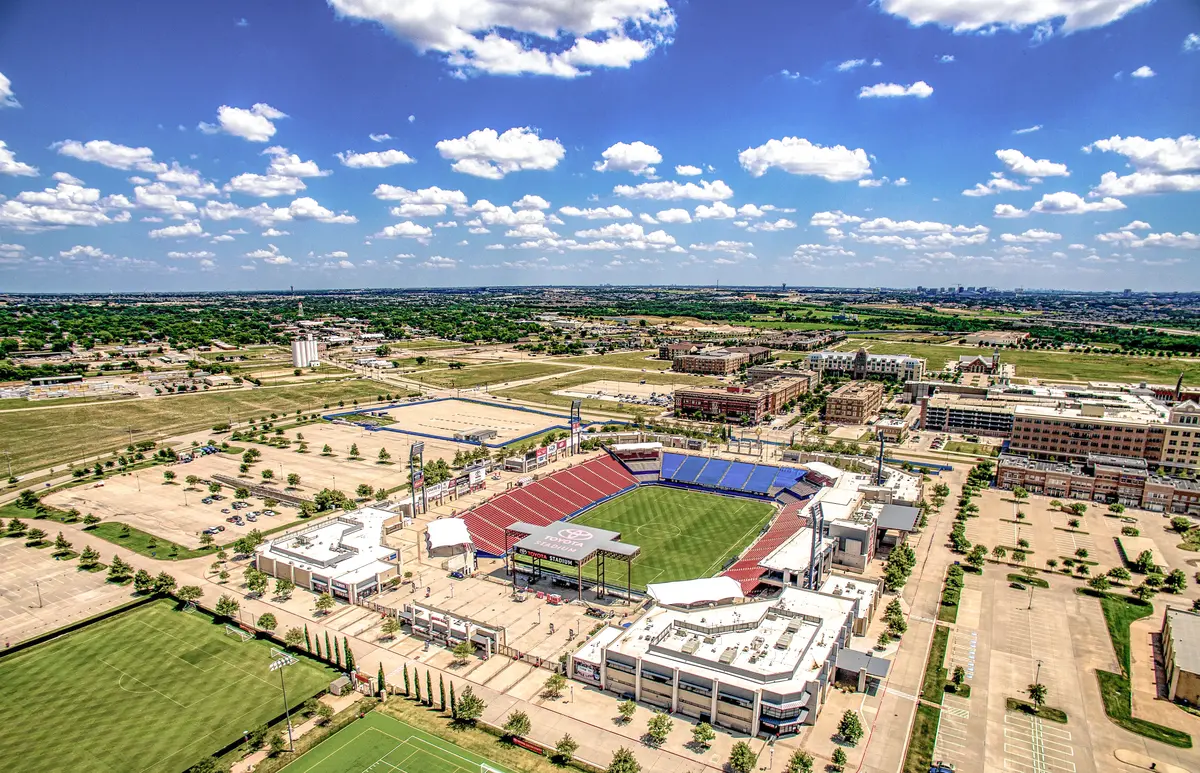
Signature Parks: From Frisco Commons to Grand Park
Frisco Commons Park is the clearest expression of what the city builds when it decides a park matters. At 63 acres, it anchors a stretch of the city near the McKinney Road corridor with an amphitheater, a fully stocked fishing pond, Veterans Memorial Plaza, a splash pad, and Hope Park — an inclusive playground designed with rubberized footing, sensory areas, and adaptive equipment built by hundreds of community volunteers. It earned the 2005 Park Design Excellence Award from the Texas Recreation and Park Society and has been named the Metroplex's Best Family Park by Dallas Child Magazine. For families with younger kids especially, it functions as a first-stop reference point for the city's outdoor character.
The Cottonwood Creek Greenbelt offers a quieter, more naturalistic experience. Nearly two miles of trail wind through wetlands, ponds, and fishing platforms — a setting that reads less like a suburb and more like a managed nature area. It is small enough to feel unhurried on a weekday morning, which is exactly what makes it worth knowing about in a city this busy.
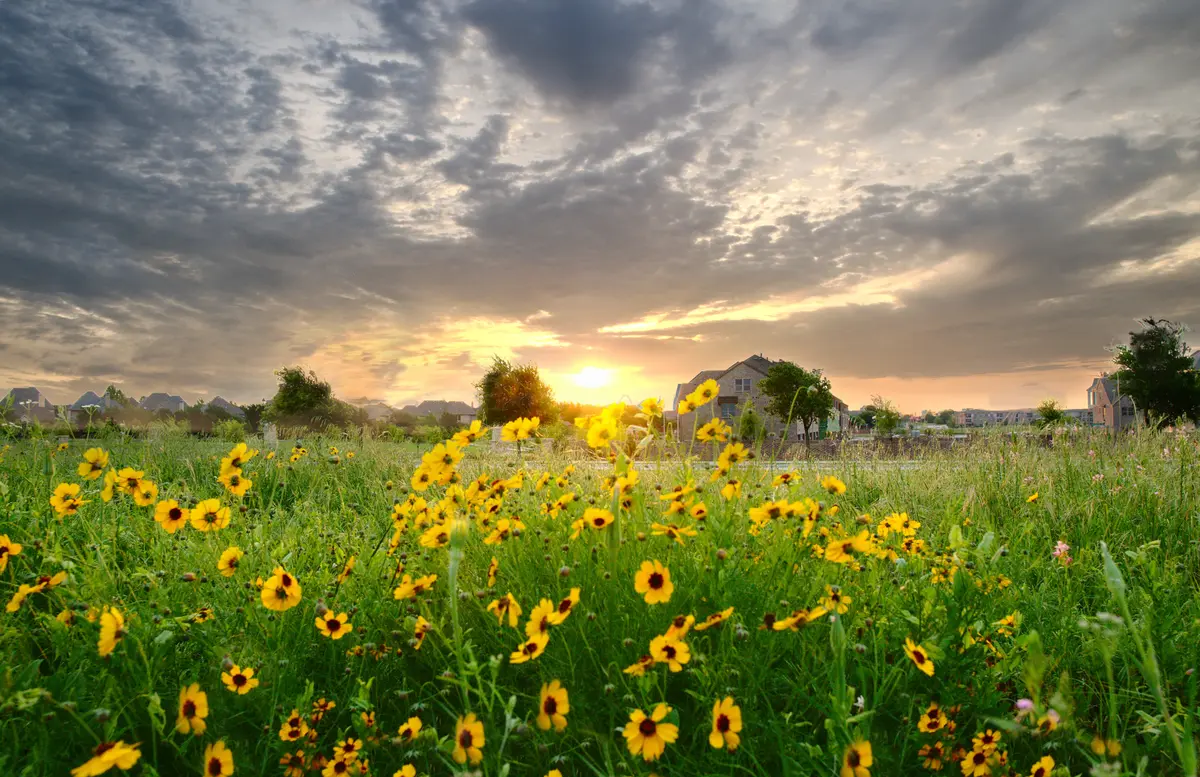
Stewart Creek Trail follows its namesake creek and crosses it at multiple bridge points. Seasonal wildflowers line the edges in spring, and the concentration of resident waterbirds makes it a reliable spot for anyone who enjoys that kind of slow observation. It runs along the eastern edge of the Frisco Athletic Center, so it sees regular use from residents who fold it into a longer morning routine.
The sports infrastructure is equally developed. Warren Sports Complex is expanding its pickleball facilities to include 12 dedicated courts with lighting, pedestrian paths, and full landscaping — a sign of where recreational priorities are tracking in a city with this demographic profile. Across the system, amenities include disc golf, basketball and tennis courts, dog parks, fishing ponds, and what Visit Frisco identifies as the largest skatepark in North Texas.
Grand Park: The Project Worth Tracking
Grand Park broke ground on April 27, 2026. The numbers are genuinely unusual: 1,011 acres stretching from the Dallas North Tollway west toward Lake Lewisville, making it larger than Central Park when fully built out. The city approved a $43.4 million construction contract for Phase 1 — known as Civic Park, covering roughly 69 acres — with a fall 2027 opening target set when that contract was awarded.
Phase 1 alone includes a 3-acre pond with a kayak launch, an amphitheater with capacity for up to 7,500 people, a splash pad, an event orchard, a wetland boardwalk, food truck areas, and trails. Future phases in the master plan add a 78-acre botanic garden and nature area, a 46-acre sports park, a 39-acre adventure play zone, and a nature center. At full build-out, Grand Park will contain more than 20 miles of trails on its own.
If you are buying in Frisco now, Grand Park is the most consequential long-term amenity in the pipeline. Neighborhoods on the western side of the city will have direct proximity to it in ways that are worth weighing against current price differences. See the full neighborhood breakdown on the best neighborhoods page.
Trails: 47 Miles Now, 80 Miles Planned
Frisco's trail system is already one of the more functional in the Dallas-Fort Worth Metroplex for a city of this size. More than 47 miles of developed hike and bike trails connect neighborhoods, parks, and greenways throughout the city. The citywide Hike and Bike Trail Wayfinding Plan is mapping sign locations across approximately 80 miles of total trail infrastructure — a mix of dedicated scenic trails, connected sidewalks, and greenways — which gives the network a coherence that newer suburbs often lack.
Stewart Creek Trail is the corridor that draws the most regular use from residents living near the Frisco Athletic Center. The multiple creek crossings and the bird activity along the water make it feel like more than a connector path. Cottonwood Creek Greenbelt, by contrast, is for the mornings when you want fewer people and more stillness — nearly two miles through wetlands with fishing platforms and wildlife viewing spots that most newcomers do not find until a neighbor mentions it.
Just Outside City Limits: Arbor Hills
Arbor Hills Nature Preserve sits about 10 minutes south in neighboring Plano. It is worth knowing about because the terrain is genuinely different from anything Frisco's flat development patterns produce — a 3-mile main loop with both paved concrete and natural dirt singletrack on rolling, moderately hilly ground. For trail runners and mountain bikers who want more elevation variation than the city's trails provide, it fills that gap. It is not a Frisco amenity, but it is a real part of how many Frisco residents use the outdoors.
The honest thing to say about the trail network is that it rewards you for living in the right part of the city. Connectivity is strong in established neighborhoods near existing greenway corridors and noticeably thinner in the newest development zones on the western edge — though the Grand Park build-out will change that calculation considerably once Phase 1 opens. If trail access from home is a priority, it is worth confirming exactly what connects to what before choosing a neighborhood, and the neighborhoods page breaks down which areas currently have the strongest proximity.
One thing newcomers often do not anticipate: the trail system is most pleasant between October and mid-May. Once summer heat arrives — and in North Texas it arrives decisively — most trail users are out before 8 a.m. or after 7 p.m. Planning around that rhythm is not optional; it is just how outdoor life works here.
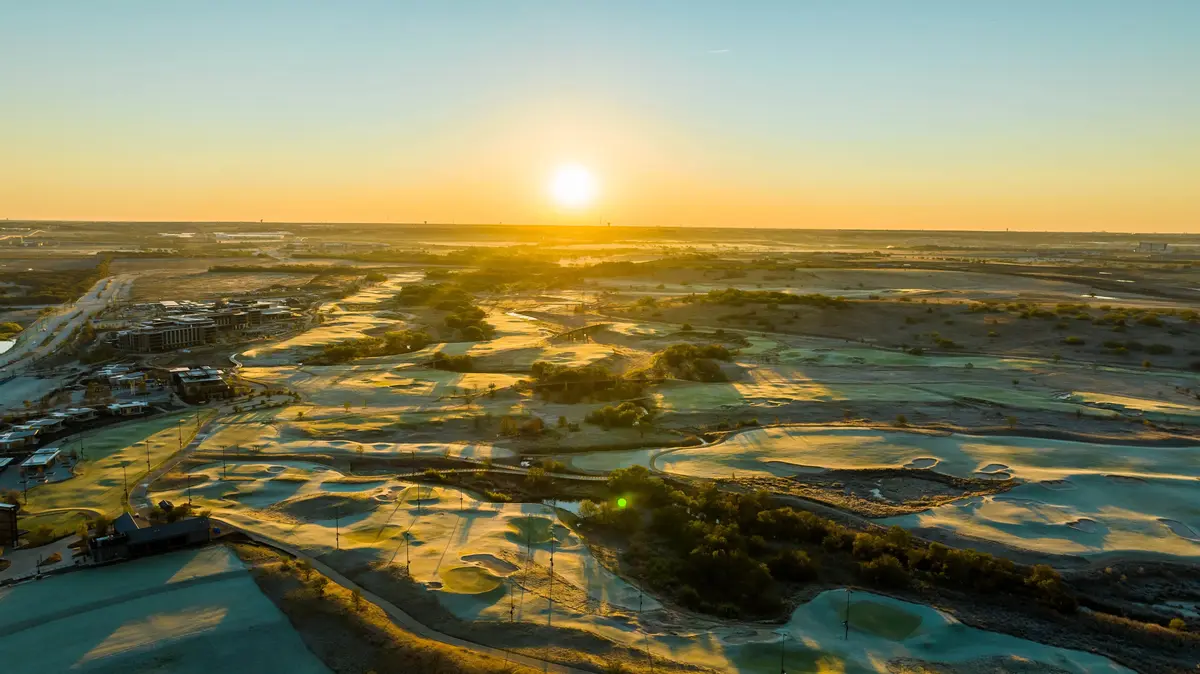
Water Recreation: Lake Lewisville and What It Offers
Lake Lewisville is the water anchor for Frisco residents who want open-water recreation. It covers approximately 29,000 acres with 233 miles of shoreline, making it one of the largest recreational lakes in North Texas. The scale matters: on a busy summer weekend, it absorbs boat traffic in ways that a smaller lake cannot, and there is genuine variety in how people use it — boating, water skiing, wakeboarding, kayaking, paddleboarding, swimming, and fishing all coexist on the water without the congestion that defines some of the closer lakes in the region.
The fishing quality is rated by Texas Parks and Wildlife as excellent for catfish, crappie, and white bass, and good for largemouth and striped and hybrid bass. For residents who fish, that is a meaningful distinction: Lake Lewisville is not just accessible, it is genuinely productive water. Catfish and crappie in particular draw consistent attention from local anglers year-round.
The lake sits just outside Frisco's city limits, which is an important practical note. Access depends on which launch areas and parks you are targeting, and some involve a drive through Little Elm or The Colony depending on which part of the shoreline you prefer. It is not a walkable amenity — it is a drive-to destination — but for a landlocked DFW suburb, having this scale of open water within a reasonable distance is something that registers differently after you have lived here through a few summers.
Grand Park's Phase 1 plan includes a 3-acre pond with a kayak launch inside the city itself, which will give residents a closer-to-home option for paddling without the drive to the lake. That is still a future amenity, but it is a funded one with a construction contract already awarded.
Looking to buy in Frisco? Estimate your payment.
Enter your numbers to see an estimated monthly mortgage payment.
Estimate only. Excludes HOA fees and mortgage insurance. The interest rate above is a starting point, not a quoted rate — replace it with your own to see real numbers. Insurance is a flat placeholder, not a Frisco quote.
Seasonal Recreation and What's Coming Next
Frisco's outdoor calendar runs on two speeds. The stretch from late September through early June is when the parks system operates at full capacity — long evenings on the trails, consistent use of the sports complexes, and the farmers markets drawing genuine weekend crowds. The Frisco Fresh Market and Frisco Rotary Farmers Market are both weekly fixtures that function as outdoor gathering spots as much as shopping destinations.
Summer is a different equation. With 230 sunny days a year and heat that regularly climbs past 100 degrees in July and August, the city's splash pads become infrastructure rather than amenity. Frisco Commons Park's splash pad draws families throughout the summer months, and the lake sees its heaviest recreational use precisely because open water is one of the more tolerable ways to spend a July afternoon in North Texas. This is not a complaint about the climate so much as a calibration: the outdoor lifestyle here is real, but it is structured around the heat in ways that take a full summer cycle to fully absorb if you are relocating from a cooler region.
The Pipeline: What the Next Few Years Look Like
The parks expansion underway in Frisco is unusually large for a city its size. Grand Park broke ground in April 2026, with the city's approval of a $43.4 million construction contract for Phase 1's Civic Park section setting a fall 2027 opening target when that decision was made. The city's capital budget funded the Northwest Community Park — situated across from PGA of America headquarters — with hike and bike trails and a playground; it was under construction in 2025. Warren Sports Complex's 12-court pickleball expansion is in progress. The parks and trails project dashboard carried dozens of active projects as of early 2025, with multiple projects under construction at that point.
That pipeline is a genuine selling point for buyers thinking about what Frisco will look and feel like in five years, not just what it is today. It also comes with a realistic caveat: construction timelines shift, phasing changes, and a city adding this many projects simultaneously will inevitably have some that run long. Treat any opening target as a planning horizon rather than a guarantee.
The overall picture — a system of parks already spread across the city, more than 47 miles of trails, Lake Lewisville within reach, and a capital pipeline that will more than double the city's flagship green space — makes Frisco's outdoor infrastructure a legitimate differentiator in the DFW market. For families weighing which neighborhood to buy into or comparing the overall cost of living against nearby cities, the parks system belongs in that calculation.
Local Expert Takeaway: Frisco Commons Park is the best first stop for understanding what the city builds — 63 acres, an inclusive playground, a fishing pond, and an amphitheater, all within a short drive of most neighborhoods. Stewart Creek Trail is the one locals use most before the summer heat sets in. And if you are buying now, pay attention to where Grand Park's 1,011-acre footprint falls relative to the neighborhood you are considering — the city approved a construction contract in 2026 and set a fall 2027 opening target for Phase 1, and the proximity advantage will be real.
Quick Takeaways & FAQs
✅ Frisco has built a parks system scaled to match its population growth, with a stated goal of placing every resident within 10 minutes of a park and a capital pipeline to back it up.
⚠️ Summer heat is a genuine constraint on outdoor life: July and August regularly exceed 100 degrees, which pushes most trail use to early morning and makes the city's splash pads and lake access essential rather than optional.
📍 Grand Park broke ground in April 2026 — a 1,011-acre project larger than Central Park, with the city having approved a $43.4 million construction contract for Phase 1, which includes a kayak launch, a 7,500-person amphitheater, and a wetland boardwalk.
How many parks does Frisco have?
How many miles of trails does Frisco have?
When will Grand Park open in Frisco?
Is Lake Lewisville good for fishing?
What is Frisco Commons Park known for?
Moving to Texas?
Tell us what you need help with and we'll connect you with local resources.
