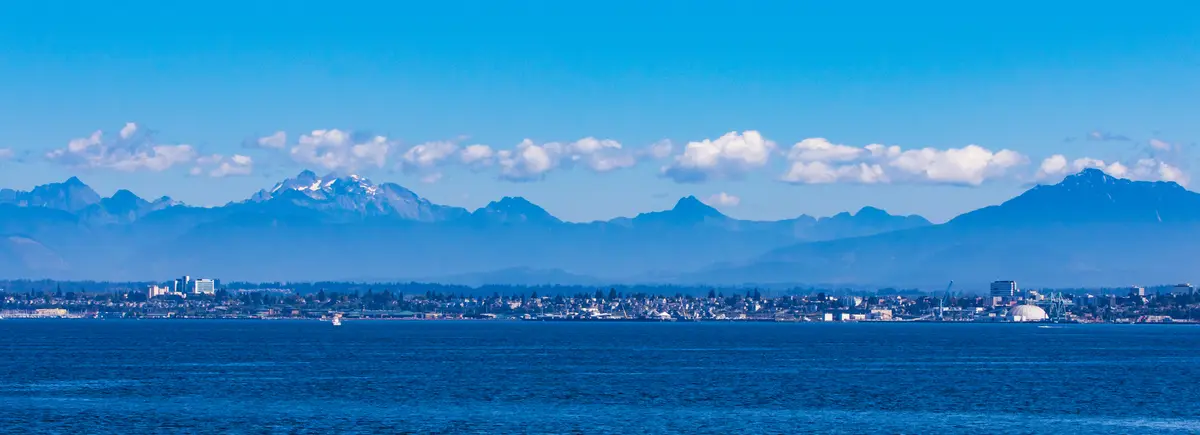
Is Snohomish County a Good Place to Live?
You've probably been priced out of the Seattle Eastside, or you've done the math on commuting and realized the county just north of King makes more sense than you first gave it credit for. The honest catch: Snohomish County is not one place. It runs from Puget Sound ferry docks to Cascade foothills, from Boeing's biggest factory in the world to small-town antique districts on the Snohomish River. The cities here are genuinely different from each other, and picking the wrong one for your situation is easy to do if you treat the county as a monolith.
The economic backbone is aerospace — the Boeing Everett Factory alone shapes the hiring, traffic, and culture of much of the county. But the employer picture stretches well beyond it: Naval Station Everett, a major tribal gaming and retail complex in Marysville, Premera Blue Cross, Edmonds College, and the county's major healthcare systems all drive local employment. The county spans school districts ranging from the large, south-county Edmonds School District to smaller, community-rooted districts like Marysville, Monroe, and Snohomish further out — and that distinction matters to families choosing between cities.
On price, Snohomish County sits comfortably below Seattle and the Eastside, making it one of the more reachable entry points into Puget Sound homeownership for buyers moving away from those markets. Within the county, the range is real: waterfront-adjacent Edmonds and small-city Mukilteo sit toward the pricier end, while Arlington, Monroe, and Stanwood offer more room for the money. Light rail has arrived in the south county, with the Lynnwood City Center station now connecting that corridor directly to Seattle — a shift that has quietly changed who looks at Mountlake Terrace and Lynnwood as seriously as they once looked only at King County.
Whether you're weighing Boeing commute routes, school district boundaries, waterfront access, or small-town quiet against suburban convenience, the cities below break down what Snohomish County actually looks like on the ground — neighborhood by neighborhood, employer by employer, and lifestyle by lifestyle.
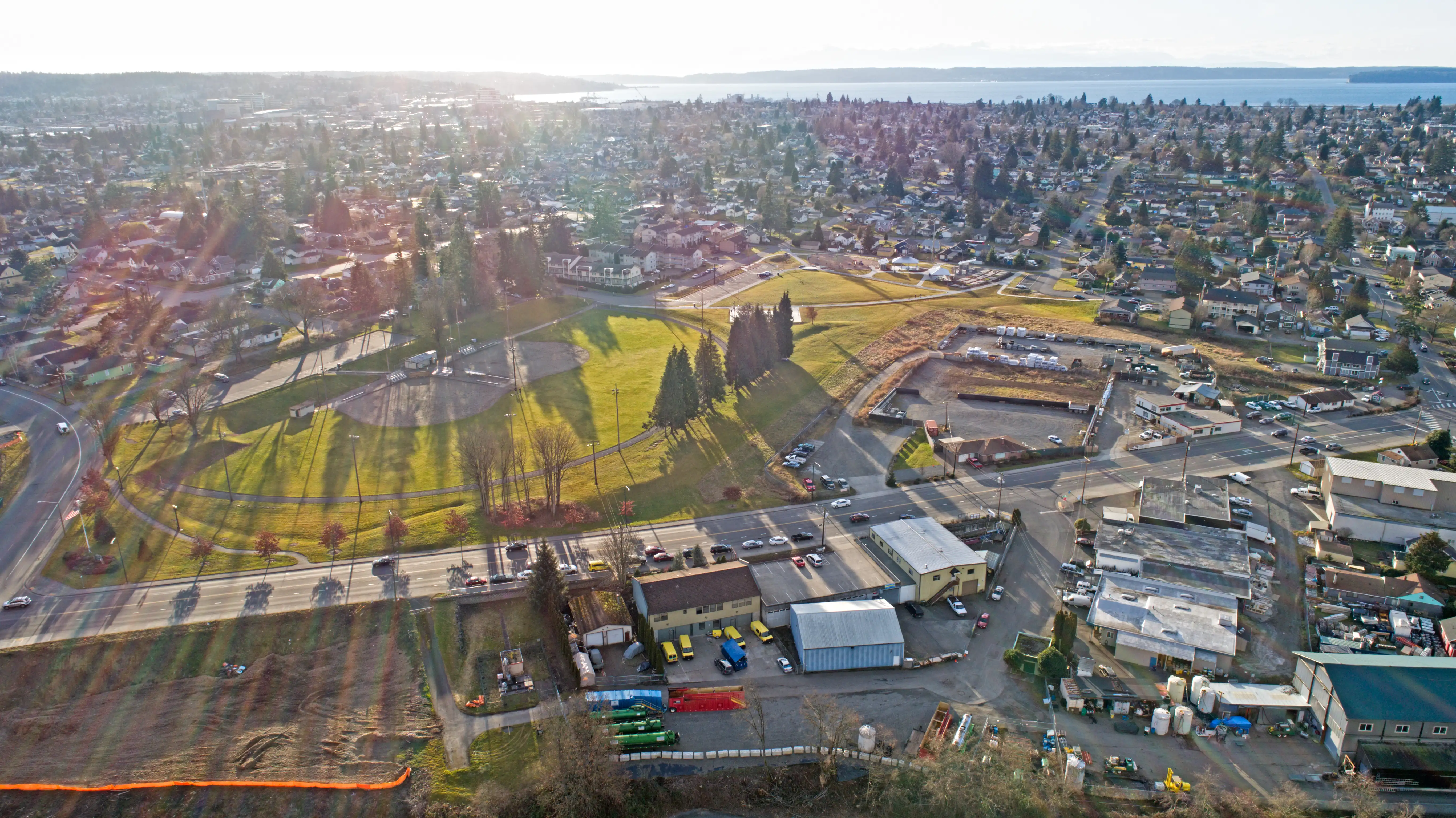
Explore All 12 Cities in Snohomish County
Click into any city for the complete guide — neighborhoods, home prices, cost of living, pros & cons, schools, top employers, and mortgage help.
Everett
Everett is one of the state's larger cities and the county seat, built around the Boeing Everett Factory, the Port of Everett, and Naval Station Everett in a way that shapes almost everything about daily life here. The waterfront and the entertainment draw of Angel of the Winds Arena give the city a civic weight that smaller county towns don't match. Home prices sit near the middle of the region, and the city's transit connections via I-5 and the Stevens Pass Highway make it the county's most connected hub for commuters going in multiple directions.
Full Everett Guide →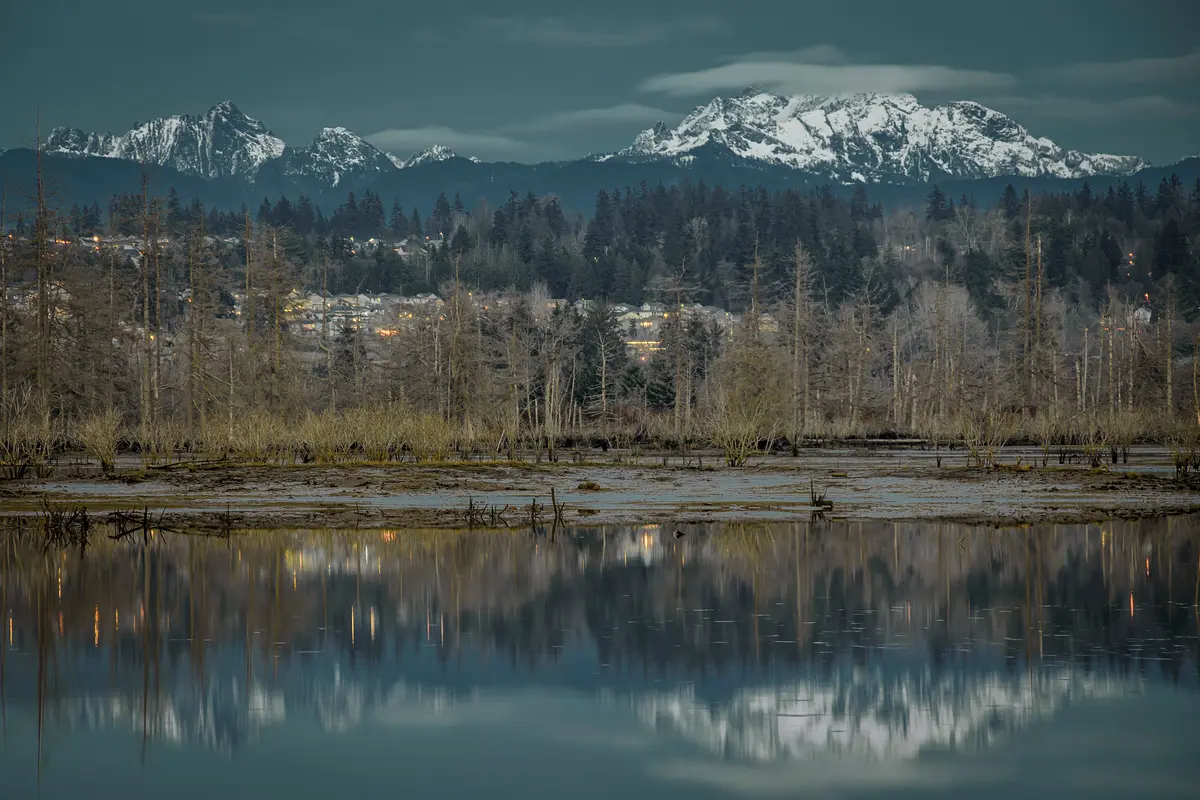
Marysville
Marysville is a mid-size city that has grown faster than almost anywhere else in the county over the past generation, drawing families who want newer construction at prices near the regional middle without sacrificing access to major employers along the I-5 corridor. A tribal gaming and retail complex serves as a genuine regional draw and a significant local employer. Both high schools — Marysville Pilchuck and Marysville Getchell — serve a school district that has had to expand alongside rapid growth, and Ebey Waterfront Park gives the city a quieter side that newer residents often discover late.
Full Marysville Guide →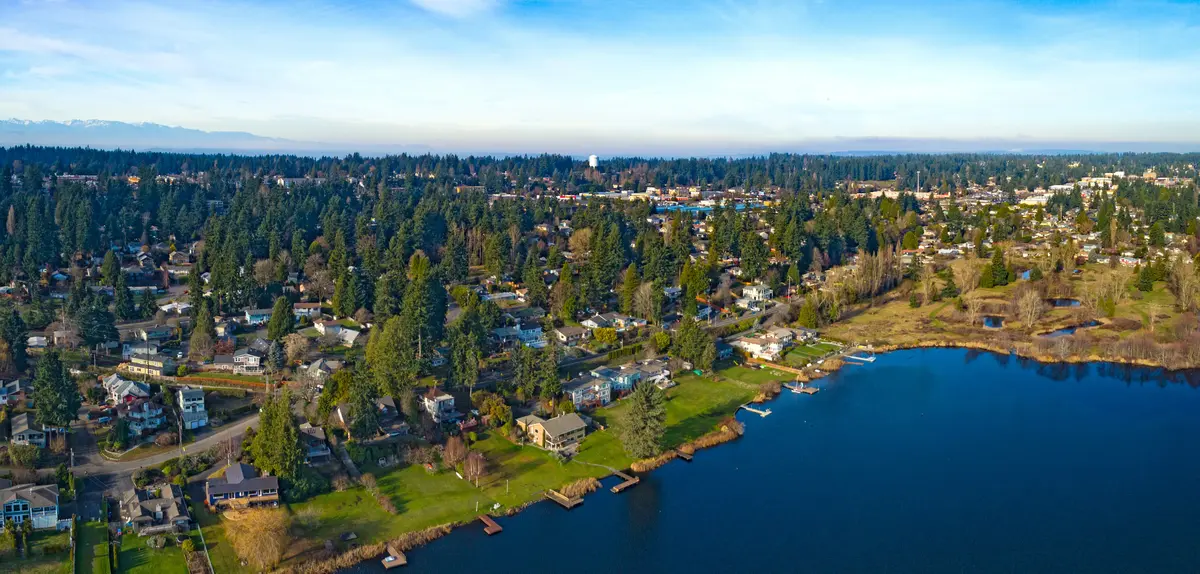
Edmonds
Edmonds earns its reputation as one of the county's most livable cities with a working waterfront, a ferry connection to Kingston, and a downtown that feels genuinely walkable in a county where that is uncommon. Prices reflect that: Edmonds sits toward the pricier end of the region, and buyers who come for the Puget Sound views and the arts scene centered around Edmonds Center for the Arts pay a real premium. The Edmonds Underwater Park draws divers from across the Pacific Northwest, and the city's position at the southern edge of the county means Seattle is within reach without the full King County price tag.
Full Edmonds Guide →
Lynnwood
Lynnwood's arrival of Link light rail at the Lynnwood City Center station has made this mid-size city a genuinely different proposition for Seattle commuters than it was even a few years ago. Alderwood Mall anchors a dense retail corridor that draws shoppers from across the south county, while Edmonds College gives the city an institutional anchor and a pipeline of younger residents. Prices remain near the regional middle, and I-5 and I-405 put Lynnwood at one of the county's best-connected interchanges — a practical choice for households with commuters heading in multiple directions.
Full Lynnwood Guide →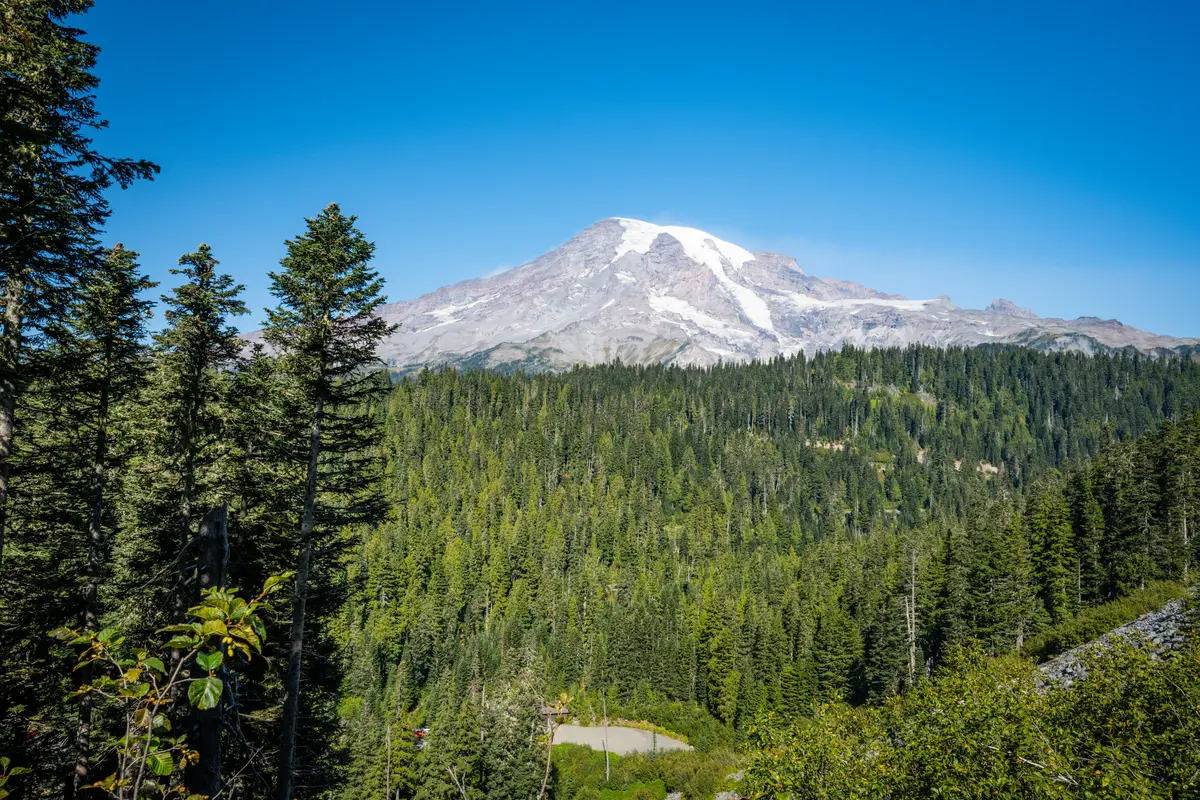
Lake Stevens
Lake Stevens is a mid-size city that has built a reputation as a family destination within the county, anchored by the lake itself and a school district that consistently draws parents who prioritize public education. The city sits further from the main I-5 spine than south-county options, but WA-9 and WA-204 connect residents to Everett's employment base without requiring freeway dependence. Prices land near the regional middle, and the Centennial Trail gives outdoor-minded households easy access to long-distance cycling and running without leaving the county.
Full Lake Stevens Guide →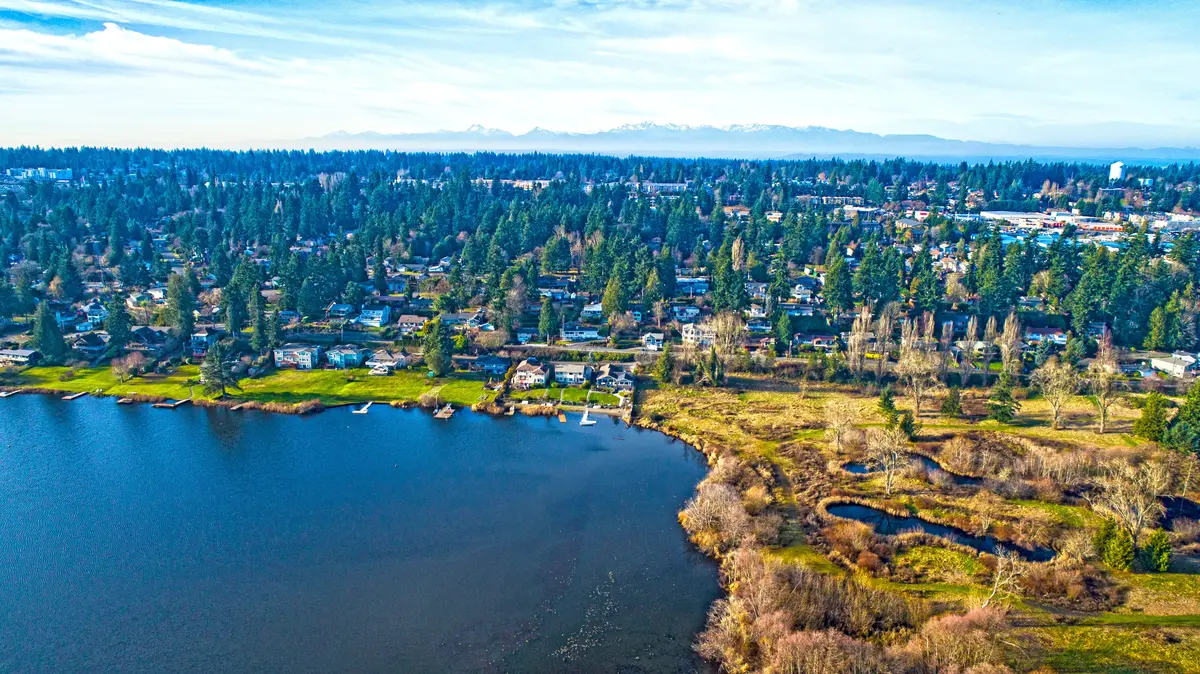
Mountlake Terrace
Mountlake Terrace is the county's southernmost city and the one that has changed most visibly with the arrival of Link light rail at the Mountlake Terrace Transit Center — a station that now puts downtown Seattle within a direct, no-transfer ride. Premera Blue Cross headquarters here, and Ballinger Park anchors a quieter residential side of a city that otherwise runs along busy SR-104 corridors. Prices sit near the regional middle, and the Interurban Trail connects the city on foot and by bike to neighboring communities in both directions.
Full Mountlake Terrace Guide →- Is Mountlake Terrace Safe? A Data-Backed Look
- Cost of Living in Mountlake Terrace
- Best Neighborhoods in Mountlake Terrace
- Schools in Mountlake Terrace: A Family Guide
- Parks & Recreation in Mountlake Terrace
- Retiring in Mountlake Terrace
- First-Time Homebuyer's Guide to Mountlake Terrace
- Moving to Mountlake Terrace from California
Arlington
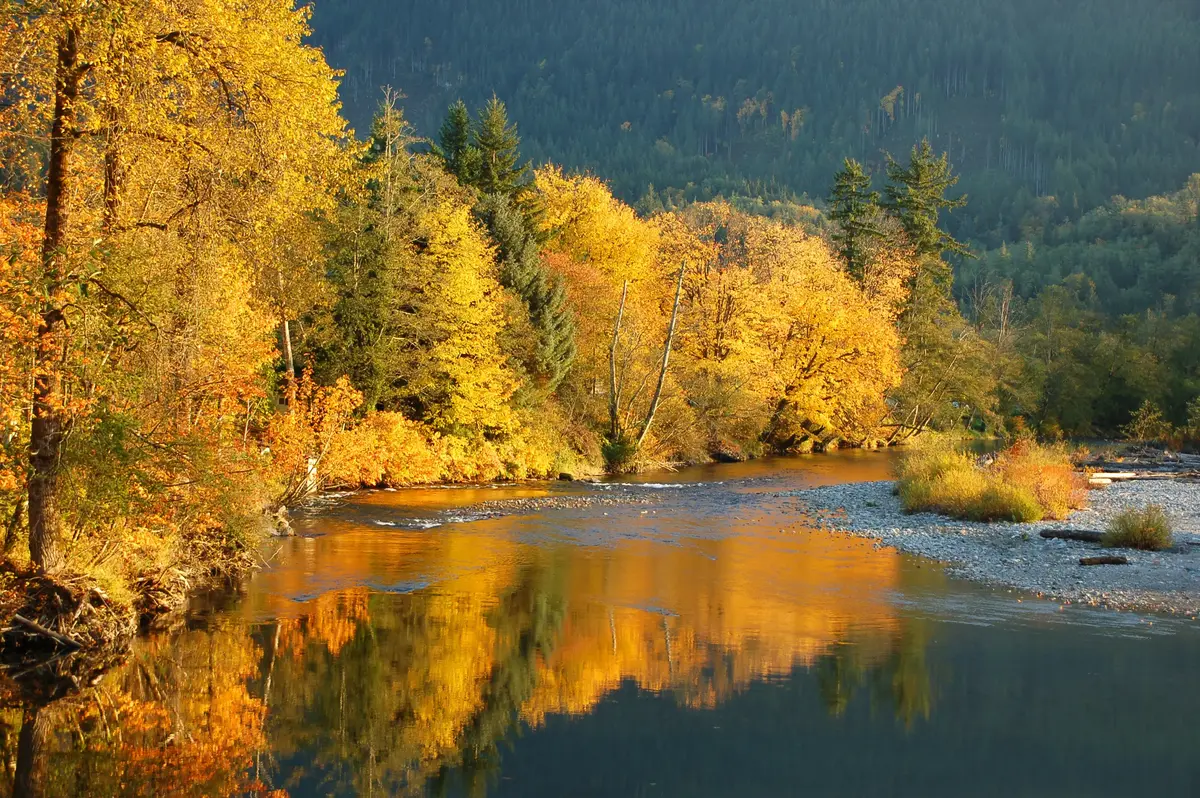
Arlington is a small city at the county's northern end where the Cascade foothills start to close in and the pace drops noticeably from south-county suburbs. Angel of the Winds Casino Resort and Arlington Municipal Airport give the area a regional draw that surprises visitors, while the Centennial Trail and the Stillaguamish River anchor the outdoor side of life here. Prices sit near the regional middle, and residents who commute south to Boeing's Everett campus do so mostly via I-5 — a run that is manageable outside peak hours but can stretch considerably during them.
Full Arlington Guide →
Mukilteo
Mukilteo is a small city with a strong sense of place — the Mukilteo Lighthouse, the ferry terminal to Whidbey Island, and Lighthouse Park all give it a waterfront character that is harder to find at similar price points elsewhere in the county. Prices land toward the pricier end of the region, and much of that premium reflects proximity to Boeing's Paine Field campus along WA-526 and WA-525 — a commute that many aerospace employees consider among the best in the county. Kamiak High School carries a strong academic reputation, and the city's relatively compact geography means most of daily life stays close to the water.
Full Mukilteo Guide →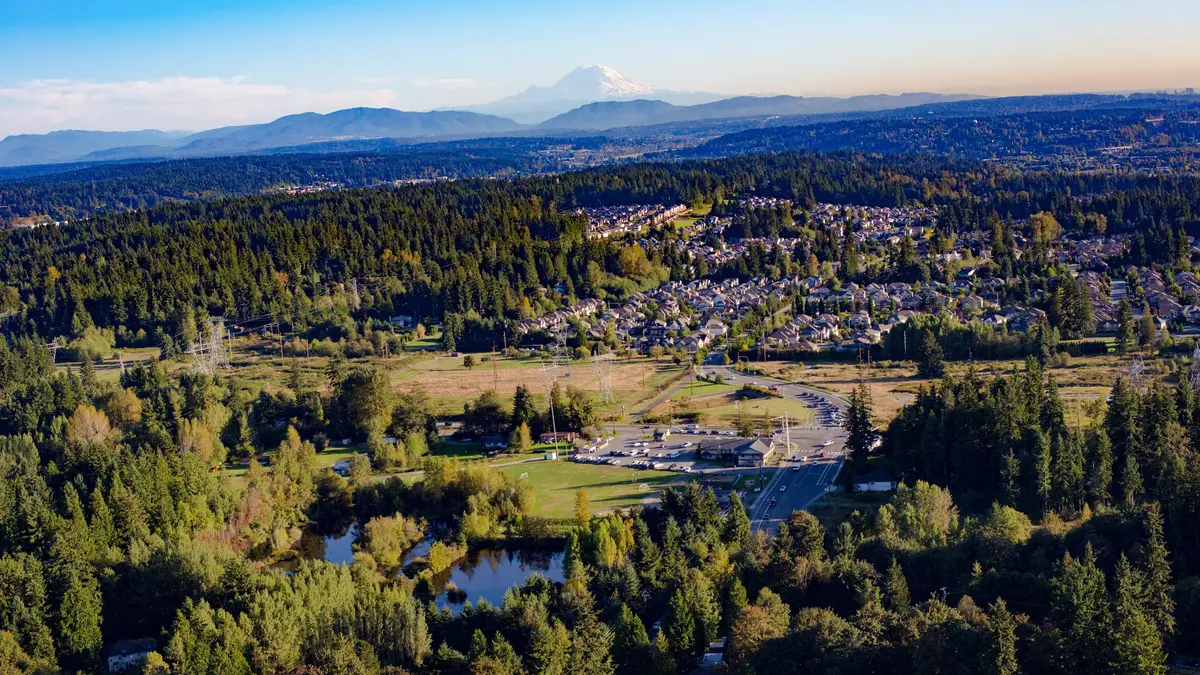
Mill Creek
Mill Creek is a small, planned city with a residential character that has remained remarkably consistent since it was built — quiet streets, the Mill Creek Country Club and Golf Course as a social anchor, and a Town Center that keeps most errands local. Prices sit toward the pricier end of the region, and the trade-off is a city that prioritizes suburban calm over urban access: WA-527 connects residents to Everett to the north and to the Bothell-Kenmore corridor to the south, but Mill Creek is not a transit city. Families with school-age children frequently cite Henry M. Jackson High School as a primary reason for choosing this zip code over neighboring options.
Full Mill Creek Guide →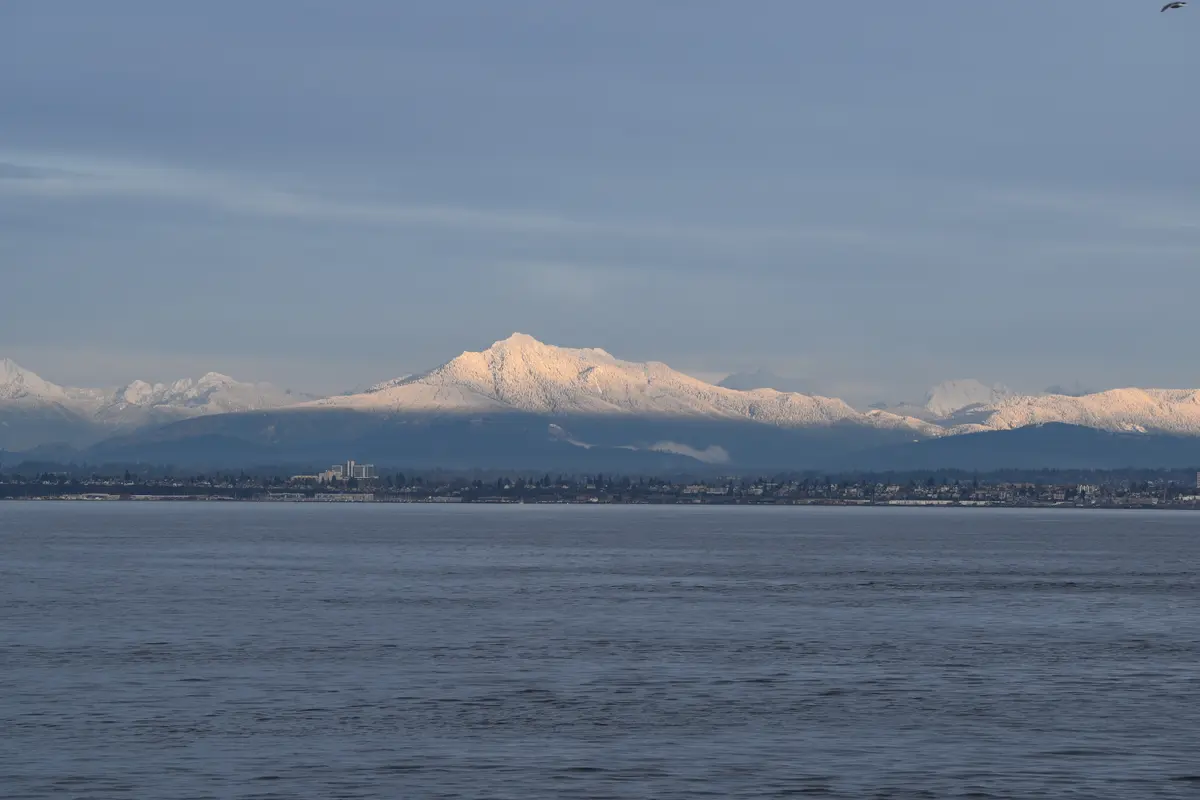
Monroe
Monroe is a small city at the gateway to US-2 and the Stevens Pass corridor, which means it functions as both a bedroom community for Everett and a jumping-off point for anyone who spends weekends in the Cascades. The Monroe Correctional Complex is an unusual presence for a city this size and one of its larger employers — a fact worth knowing before assuming Monroe is a typical suburban bedroom community. Prices sit near the middle of the region, the Evergreen State Fairgrounds bring a genuine regional event draw every summer, and the city's older downtown along historic Main Street has a character that newer-growth cities in the county have largely lost.
Full Monroe Guide →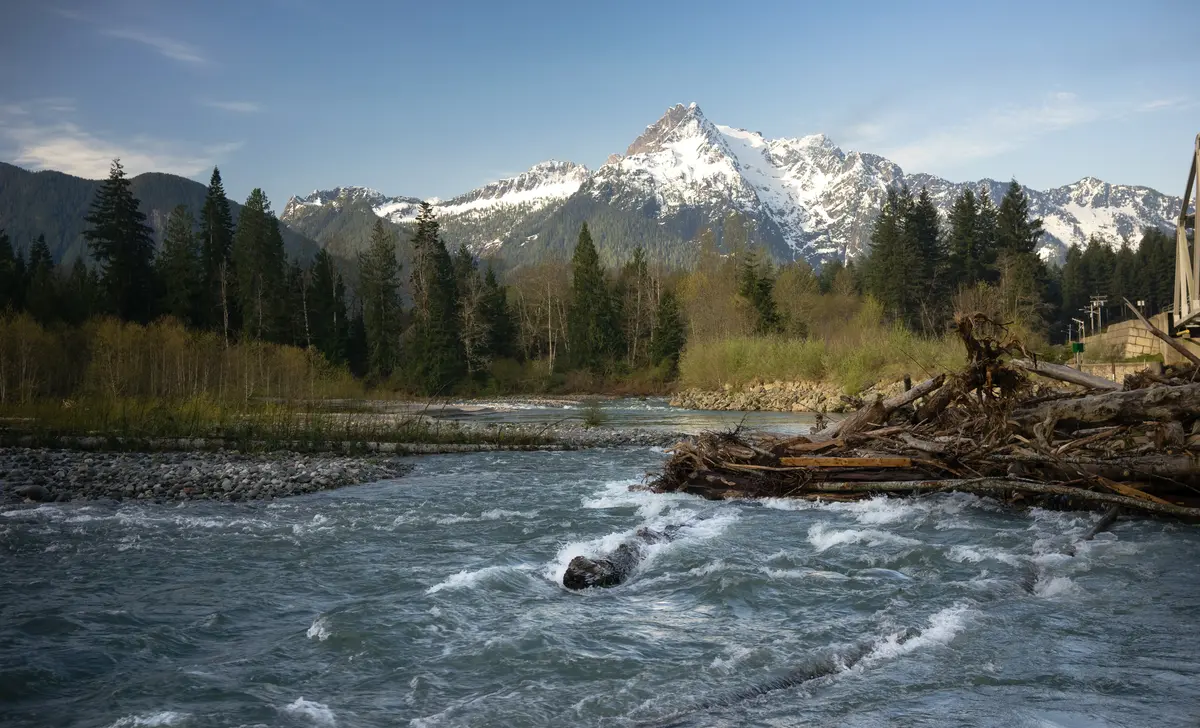
Snohomish
Snohomish is a small city whose historic downtown district — listed on the National Register of Historic Places — draws weekend visitors from across the region and gives full-time residents a genuinely distinctive main street that no other county city can replicate. Lord Hill Regional Park and the Centennial Trail put serious outdoor recreation within minutes of the historic core, and Harvey Airfield gives the city another layer of character uncommon in communities this size. Prices sit toward the pricier end of the region, a reflection of demand from buyers who want small-town feel, scenic surroundings, and a commutable position between Everett and the broader Puget Sound job market.
Full Snohomish Guide →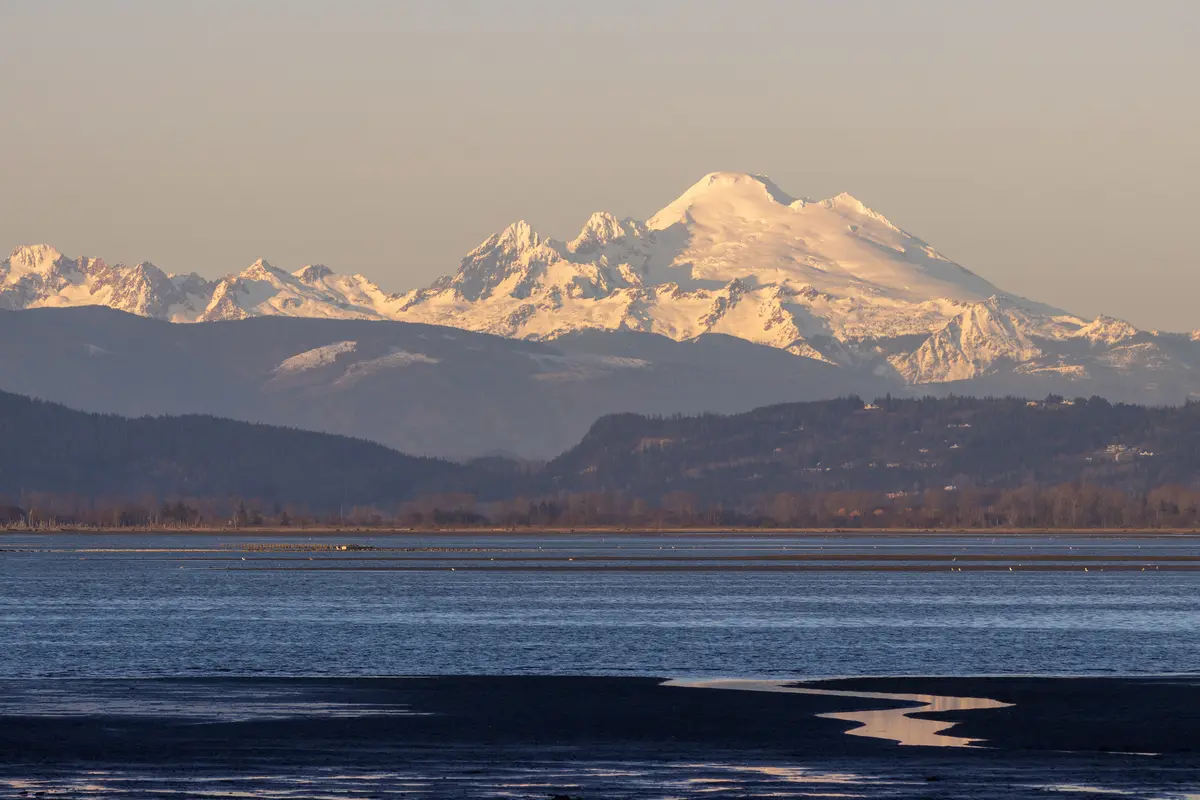
Stanwood
Stanwood is a small town at the county's northwestern corner, separated from Camano Island by a short causeway and far enough from the urban core that the pace and the landscape both feel genuinely rural. The historic brick-road downtown and the old train depot give Stanwood a physical identity that larger, faster-growing county cities have traded away. Prices sit near the middle of the region, and the isolation that makes Stanwood appealing to some buyers — quiet, Puget Sound proximity, farmland views — is exactly what makes it a poor fit for households that depend on daily commutes or urban-scale services.
Full Stanwood Guide →Compare Every City in Snohomish County
Full ranked breakdowns across every city in the region — scored and compared side by side.
Local Expert Takeaway: Snohomish County rewards buyers who pick a city intentionally — the gap between what Edmonds and Stanwood offer day-to-day is as wide as the gap between a ferry dock and a farm field, and no single answer fits every household relocating here.
Frequently Asked Questions
Which Snohomish County city is the best fit for families with school-age children?
How does Snohomish County compare in price to the rest of the Puget Sound region?
Can I commute to Seattle from Snohomish County without driving?
Is Snohomish County a reasonable base for Boeing employees?
Which city in Snohomish County feels the most like a small town, and which feels the most urban?
Helpful Washington Resources
Explore Other Washington Regions
Snohomish County is one of 11 distinct regions that make up Washington. Each has its own climate, character, and housing market — explore them all.

Seattle and the King County cities around Lake Washington, out to the Snoqualmie foothills. 16 cities including Seattle, Bellevue, Kirkland.
Explore all 16 Seattle & Eastside cities →
Tacoma and the state capital anchor Pierce and Thurston counties at the south end of the Sound. 16 cities including Tacoma, South Hill, Lakewood.
Explore all 16 South Puget Sound cities →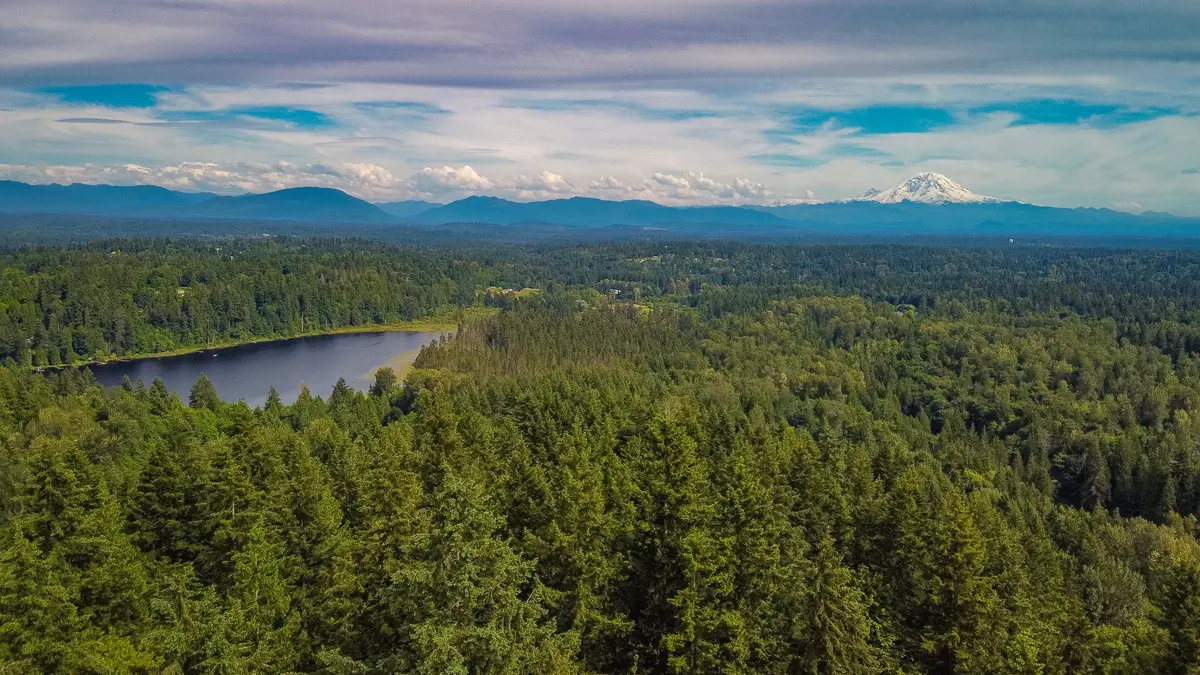
The airport, warehouse and aerospace corridor between Seattle and Tacoma. 10 cities including Kent, Renton, Federal Way.
Explore all 10 South King County cities →
Just across the Columbia from Portland, with no state income tax. 8 cities including Vancouver, Longview, Camas.
Explore all 8 SW Washington cities →
Bellingham, the Skagit Valley and Whidbey Island, between Seattle and the Canadian border. 7 cities including Bellingham, Mount Vernon, Oak Harbor.
Explore all 7 North Puget Sound cities →
Yakima Valley farm and wine country, Wenatchee orchards and the Columbia Basin. 7 cities including Yakima, Wenatchee, Moses Lake.
Explore all 7 Central WA cities →
Spokane anchors the Inland Northwest, with the university town of Pullman to the south. 6 cities including Spokane, Spokane Valley, Pullman.
Explore all 6 Spokane & Inland NW cities →
Kennewick, Pasco and Richland where the rivers meet, plus Walla Walla wine country. 6 cities including Kennewick, Pasco, Richland.
Explore all 6 Tri-Cities & Walla Walla cities →
Ferry-linked towns across the Sound from Seattle, from Bremerton to Bainbridge Island. 5 cities including Bremerton, Bainbridge Island, Silverdale.
Explore all 5 Kitsap Peninsula cities →
Towns between the Olympic Mountains, the Strait of Juan de Fuca and the Pacific coast. 5 cities including Port Angeles, Aberdeen, Shelton.
Explore all 5 Olympic Peninsula cities →Moving to Washington?
Tell us what you need help with and we'll connect you with local resources.
