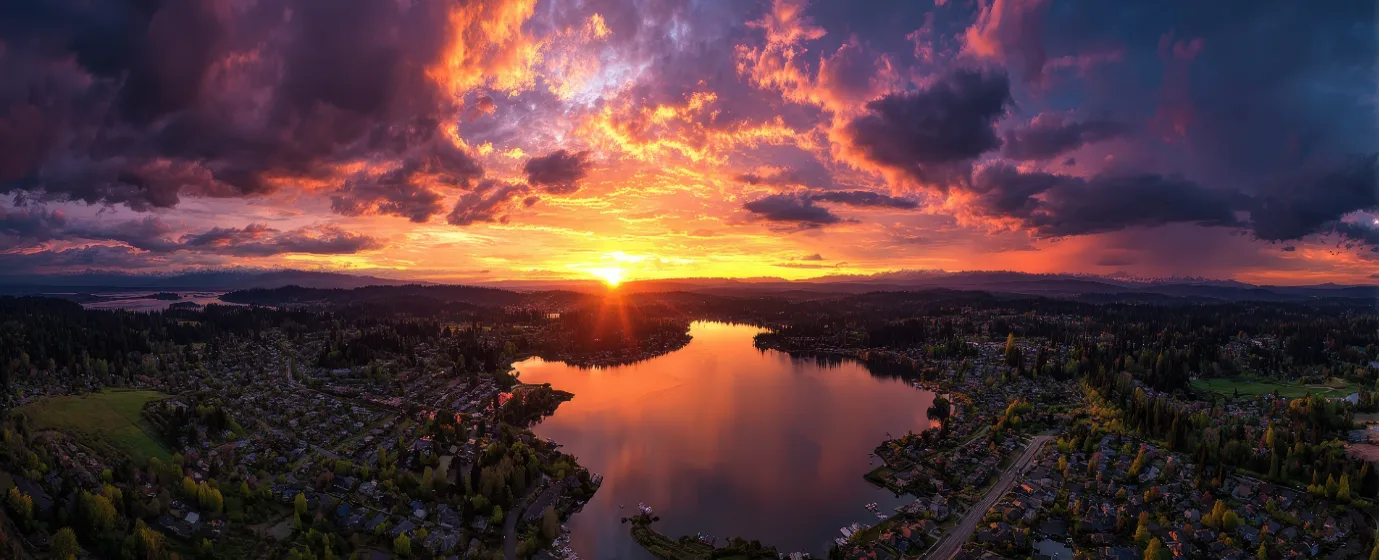
You can look at a map of Lake Stevens and think you understand the layout — a lake in the middle, suburbs fanning out around it. What the map won't tell you is that the lake itself creates a hard divide between how the west side and the east side of this city function on a daily basis. Traffic flows differently, commute options differ, and the school assignment your kids get can change depending on which side of SR 9 your address falls. The city sits about 45 miles north of Seattle along the US-2 corridor, and that single highway — which locals call "the trestle" — is both the city's greatest asset and its most frustrating daily reality.
Lake Stevens School District holds an A- rating, according to Niche, and that rating is one of the primary reasons families move here over nearby Marysville or Granite Falls. The district's footprint shapes neighborhood demand as much as the lake itself does. Boeing in Everett, Amazon's regional presence, and the broader Puget Sound tech economy fill most commuter driveways — meaning weekday rush hour on SR 9 and the Highway 2 trestle is not a minor inconvenience. The city's roughly 40,000 residents skew toward dual-income households, and the city-wide typical home value of $707,767 (Zillow Home Value Index, May 2026) reflects that purchasing power.
Day-to-day life here is genuinely outdoors-oriented in a way that isn't just marketing language. The lake anchors summer weekends at Lundeen Park and Sunset Beach Park, the Centennial Trail draws cyclists and runners year-round, and Lake Cassidy adds a quiet, non-motorized alternative for kayakers and anglers. Winters are mild by Pacific Northwest inland standards — July highs average around 76°F, and the city sees roughly 124 comfortable days per year. What surprises most newcomers six months in isn't the rain; it's how little retail exists relative to the population, and how much of daily shopping still routes through Everett or Marysville.
Whether you're comparing a lakefront lot in North Lake Stevens to a newer build in Hartford, or trying to figure out which side of town actually commutes better, the sections below break down every neighborhood's price range, character, genuine trade-offs, and who each area suits best.
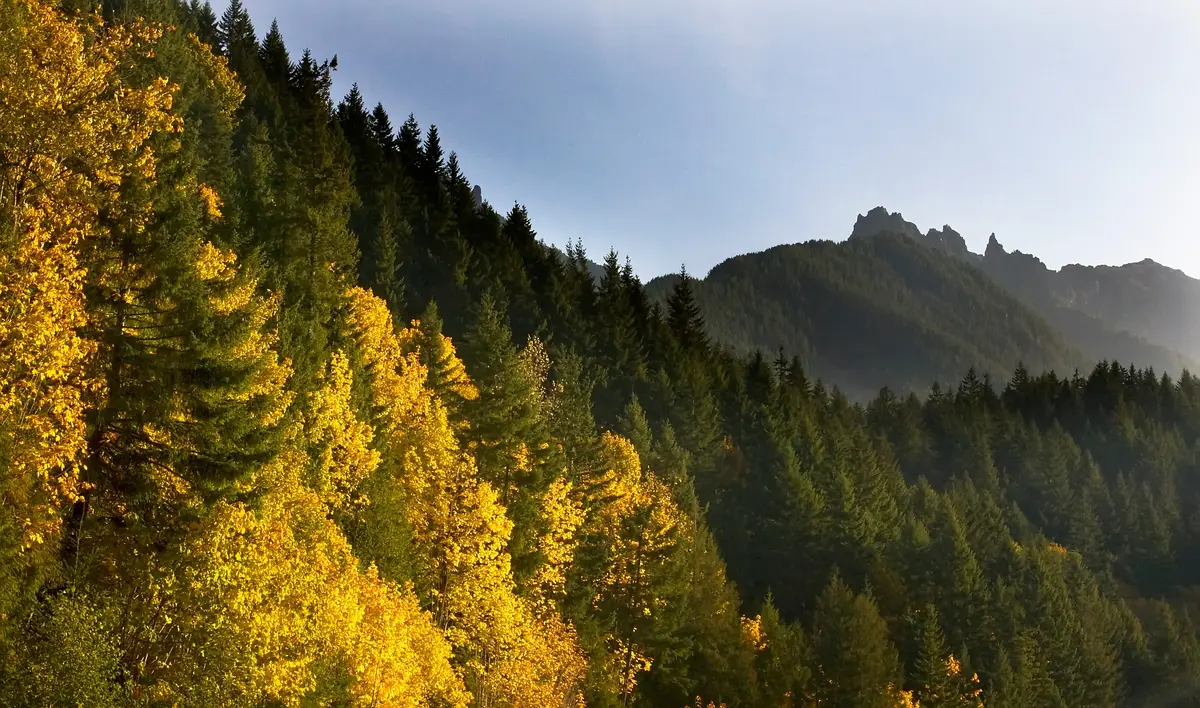
The Lake Stevens Reality
The single most important thing to understand before buying in Lake Stevens is the SR 9 / SR 204 corridor and how it splits the city's geography, traffic, and daily rhythm. SR 9 runs north-south through the city's spine; SR 204 connects the lakefront to the highway. Neighborhoods west of that intersection tend to be newer, more suburban in character, and better positioned for the US-2 trestle commute to Everett and Seattle. Neighborhoods east and north of the lake are older, more established, and carry the premium that comes with actual lakeshore access — but they funnel drivers through downtown before they can get anywhere.
School boundaries matter almost as much as geography here. The Lake Stevens School District draws attendance boundaries that don't always follow intuitive neighborhood lines, and the assignment your address gets — particularly for the middle school years at Cavelero Mid High — can surprise buyers who assume proximity equals enrollment. Checking the district's current boundary maps before making an offer is not optional; it's the step most relocating buyers skip and then regret.
The trestle itself deserves its own sentence: the roughly 20-minute trip to Everett can stretch to 40 minutes or more during morning rush, and the Seattle commute that looks like 45 minutes on Google Maps at 10 a.m. can easily run 90 minutes at 7:30 a.m. Which side of town you buy on, and how close you sit to a SR 9 on-ramp, is a commute decision as much as a real estate one. See the full commute breakdown on the living in Lake Stevens page.
Neighborhoods at a Glance
| Neighborhood | Best For | Price Range | Vibe |
|---|---|---|---|
| Downtown Lake Stevens | Walkable First-Time | $550K–$700K | Revitalizing lakefront core; coffee shops, park access, future-forward zoning |
| North Lake Stevens | Luxury Views | $1M–$2M | Waterfront prestige; private docks, custom builds, the city's most coveted addresses |
| West Lake Stevens | Families Commuter | $650K–$850K | Newer construction, Cavelero corridor growth, best trestle access |
| South Lake Stevens | Families School | $750K–$875K | Established neighborhoods, strong school proximity, quieter than downtown |
| Soper Hill | Views Quiet | $650K–$800K | Mountain views, mix of established and newer homes, semi-rural feel |
| Lake Cassidy | Nature Privacy | $600K–$750K | Non-motorized lake, Centennial Trail access, low-traffic residential streets |
| Glenwood | Value First-Time | $650K–$750K | Mid-city convenience, typical suburban character, solid entry point |
| Hartford | Families Renter | $600K–$720K | Newer builds, accessible price points, growing infrastructure |
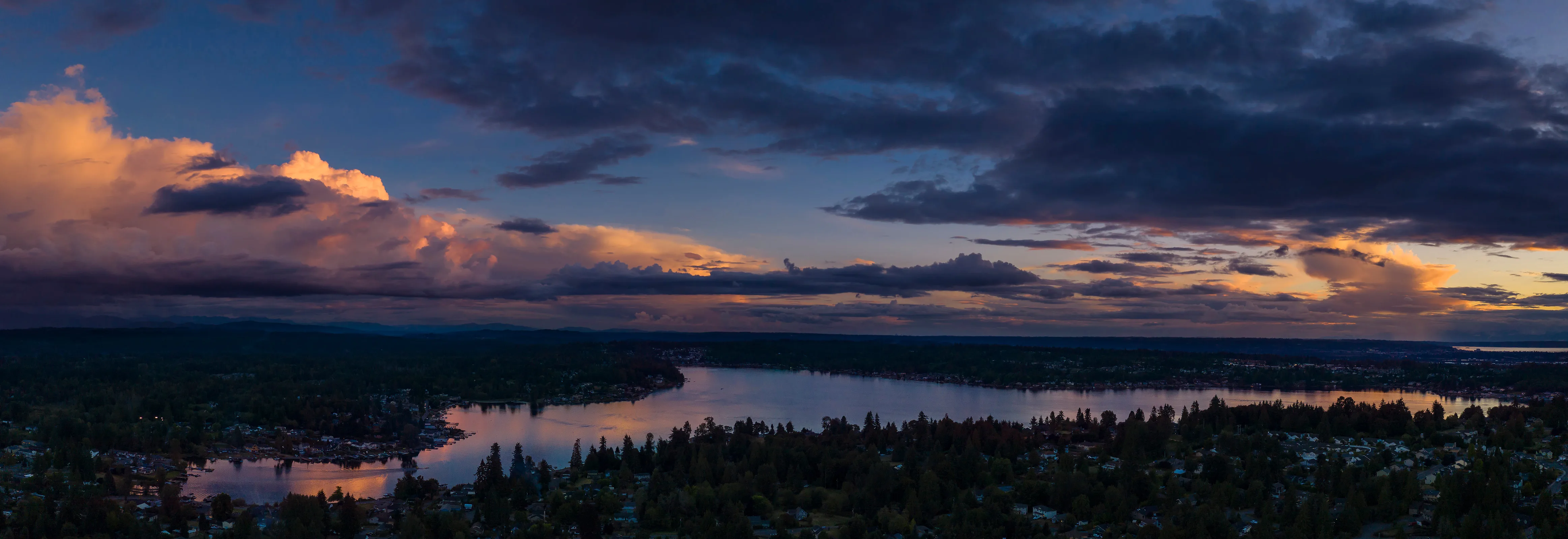
Best Neighborhood by Buyer Type
| Buyer Type | Best Neighborhood | Why |
|---|---|---|
| First-Time Buyer | Downtown Lake Stevens or Glenwood | Both offer the city's most accessible entry price bands with meaningful upside as the downtown redevelopment plan takes shape. |
| Luxury Buyer | North Lake Stevens | The only neighborhood in the city with true lakefront homes, private docks, and the custom construction that commands $1M–$2M pricing. |
| Walkability Seeker | Downtown Lake Stevens | The SR 9 / SR 204 intersection puts North Cove Park, the lake trail, and the city's growing restaurant row within walking distance of most addresses. |
| Families with Kids | West Lake Stevens or South Lake Stevens | Both zones feed reliably into the Lake Stevens School District's highest-rated campuses with strong neighborhood park infrastructure nearby. |
| Commuters | West Lake Stevens | The closest neighborhood to the US-2 trestle on-ramp, shaving real minutes off the Everett and Seattle commute compared to the east-side neighborhoods. |
| Large-Lot Buyers | Soper Hill | Soper Hill Road properties regularly offer larger parcels with mountain views and more breathing room than the denser west-side subdivisions. |
| Renters | Hartford or Glenwood | Newer construction in Hartford and mid-city Glenwood produces the most rental inventory at the city's more accessible price points. |
Looking to buy in Lake Stevens? Estimate your payment.
Enter your numbers to see an estimated monthly mortgage payment.
Estimate only. Excludes HOA fees and mortgage insurance. The interest rate above is a starting point, not a quoted rate — replace it with your own to see real numbers. Insurance is a flat placeholder, not a Lake Stevens quote.
Most Popular Neighborhoods
Downtown Lake Stevens
Sitting at the intersection of SR 9 and SR 204, Downtown Lake Stevens is the city's most walkable address — and also its most actively changing one. The city's adopted Downtown Subarea Plan envisions a traditional main street with an expanded North Cove Park, a conference center, and new hotel development, which is encouraging but also means buyers here are betting on a timeline that city plans don't always keep. Current pricing runs $550K–$700K, making this the most accessible lakefront-adjacent entry point in the city.
Best for: First-time buyers, anyone who wants to walk to the lake without paying lakefront prices, and buyers who want appreciation potential tied to an active redevelopment corridor.
North Lake Stevens
This is the address people mean when they say they want to live "on the lake" — homes here run $1M–$2M, many with private docks, and the designs trend toward custom rather than production builds. The trade-off is that North Lake Stevens is the farthest neighborhood from the US-2 trestle, meaning every Everett or Seattle commute routes through downtown traffic first. If your calendar includes regular rush-hour commutes, factor that into your offer math.
Best for: Luxury buyers, remote workers, retirees, and anyone for whom the lake itself is the primary reason to move here.
West Lake Stevens
West Lake Stevens is where the city's growth is most visible — Cavelero Mid High School anchors the area, a new multi-recreational center at Cavelero Park is in the planning pipeline, and the 20th Street SE Corridor (backed by $4 million in city road investment) is positioned as one of Washington's largest emerging retail development zones. Homes here run $650K–$850K and skew newer, with the production subdivision feel that comes with that. The genuine trade-off: you're in the fastest-improving part of town, but retail infrastructure is still catching up, and construction noise is a real daily reality in active phases.
Best for: Commuters, families with school-age children, and buyers who want new construction without paying the South Lake Stevens premium.
South Lake Stevens
South Lake Stevens commands some of the city's highest non-waterfront prices — active listings have median pricing around $799,950 (Redfin, mid-2026) — because it delivers the combination of established neighborhoods, proximity to the district's stronger elementary campuses, and a quieter, more settled character than the newer west-side builds. What you give up is the retail convenience that the Cavelero corridor is building toward; South Lake Stevens still routes most shopping through Marysville or Everett. Pricing runs $750K–$875K for most single-family inventory.
Best for: Families with school-age children who prioritize neighborhood stability over new construction, and buyers upgrading from a starter home elsewhere in the city.
Soper Hill
Soper Hill Road traces the ridge between Sunnyside Boulevard and SR 9, and the elevation is the neighborhood's defining quality — mountain views that the lake-level neighborhoods simply can't offer. The Crosswater sub-community added newer construction to an area that was mostly established homes, giving buyers a range of vintage options in the $650K–$800K band. The honest catch here is that the semi-rural road network means fewer sidewalks and a car-dependent daily life even by Lake Stevens standards; this neighborhood rewards buyers who genuinely want the quieter, hillside character rather than those chasing the view in isolation.
Best for: Buyers who prioritize views and lot size over walkability, and anyone who wants a mix of new and established homes without a fully suburban subdivision feel.
Lake Cassidy
Lake Cassidy is a 123.1-acre non-motorized lake tucked just east of SR 9 in the city's northern section, with the Centennial Trail running directly alongside it — making this the neighborhood most naturally suited to people who actually use trail access rather than just value its proximity on a listing sheet. Homes in the $600K–$750K range give this area one of the city's better value positions relative to what the setting delivers. The practical downside: the non-motorized designation that makes the lake quiet and pleasant also means no powerboats, and buyers expecting a full water-recreation lifestyle will find this a different experience than North Lake Stevens.
Best for: Cyclists, kayakers, anglers, and nature-oriented buyers who want genuine outdoor access without the lakefront premium.
Glenwood
Glenwood sits in the city's mid-section and carries pricing consistent with the city-wide typical value — active listings median around $707,500 (Redfin, mid-2026), putting it squarely in the $650K–$750K band. There's no single defining amenity that makes Glenwood stand out; what it offers is central access to both SR 9 and city services without the premium of the lake neighborhoods or the growth-story volatility of the western corridor. Buyers who find it underwhelming aesthetically often end up appreciating the practical convenience once they've lived here through a year of errands and school pickups.
Best for: First-time buyers, value-conscious buyers upgrading from a smaller market, and households that prioritize central convenience over neighborhood identity.
Hartford
Hartford sits at the accessible end of Lake Stevens pricing — $600K–$720K — with an inventory that skews toward newer construction and attracts a mix of first-time buyers and renters. Infrastructure in parts of Hartford is still maturing: some streets lack the sidewalk and retail connectivity that more established neighborhoods take for granted. That trajectory, however, is the reason buyers with a longer time horizon look here; the city's Comprehensive Plan through 2044 identifies the area as part of its broader housing capacity growth, which suggests the amenity gap will close over the plan period.
Best for: First-time buyers, renters transitioning to ownership, and investors comfortable with a neighborhood that's still building its identity.
Common Mistakes Buyers Make in Lake Stevens
Assuming Every Address Commutes the Same Way
The difference between a North Lake Stevens address and a West Lake Stevens address isn't just aesthetic — it's 10 to 20 real minutes each direction on a rush-hour morning. Buyers who test-drive the commute at 10 a.m. on a Tuesday and then buy based on that experience are the ones posting frustrated reviews six months later. Drive SR 9 southbound toward the US-2 trestle at 7:30 a.m. on a weekday before you make an offer on the east side of the city.
Buying Square Footage Without Checking the School Boundary Map
Lake Stevens School District has consistently strong ratings, but boundaries shift and not every address in a given neighborhood feeds into the same school. A slightly larger home a few blocks east of a boundary line can mean a different elementary assignment than the neighbor who sold you on the street. The district's boundary maps are public and updated; pulling them before your inspection period ends costs nothing and has saved more than a few buyers from a surprise enrollment letter.
Treating the Downtown Redevelopment Timeline as a Certainty
The city's Downtown Subarea Plan is real, adopted, and backed by capital improvement funding — but municipal timelines for conference centers and hotel development in a city of 40,000 should be read as intentions, not guarantees. Buyers pricing in significant near-term appreciation from the SR 9 / SR 204 redevelopment vision should separate that story from their break-even math and buy Downtown Lake Stevens because the current location works for them today.
Underestimating How Car-Dependent Soper Hill and East-Side Addresses Really Are
The Centennial Trail and the lake create a mental image of a walkable, active city — and in the downtown and Lake Cassidy areas, that image holds up. On Soper Hill Road and in Hartford's newer subdivisions, daily life without a car is genuinely impractical. No grocery run, school pickup, or coffee stop happens on foot. Buyers moving from a walkable urban neighborhood tend to underestimate how fully this affects daily quality of life until month three.
Best Areas to Rent in Lake Stevens
| Area | Ideal For | Typical Rent Range | Trade-off |
|---|---|---|---|
| Downtown Lake Stevens | Singles, couples, lake-lifestyle renters | $1,800–$2,400/mo (1–2 BR) | Limited inventory; units move fast and rarely sit more than a week or two |
| West Lake Stevens / Cavelero Corridor | Commuters, families with kids | $2,200–$2,800/mo (3 BR) | Newer builds with HOA rules; retail infrastructure still developing nearby |
| Hartford | First-time renters, budget-conscious households | $1,900–$2,500/mo (2–3 BR) | Fewer walkable amenities; car required for most daily needs |
| Glenwood | Mid-city convenience seekers | $2,000–$2,600/mo (2–3 BR) | Bland suburban character; limited rental stock compared to west-side corridors |
| Soper Hill / Lake Cassidy Area | Nature-oriented renters, remote workers | $2,100–$2,700/mo (3 BR) | Very low inventory; most homes are owner-occupied; long-term availability is unpredictable |
Lake Stevens is primarily an ownership market — rental inventory is thin across every area, and competition for available units can be intense when Boeing and Amazon relocation packages are moving people through Snohomish County on compressed timelines. Renters who need to land quickly will have more options in neighboring Marysville or Everett, with Lake Stevens working better as a target market for those who can afford to wait for the right unit.
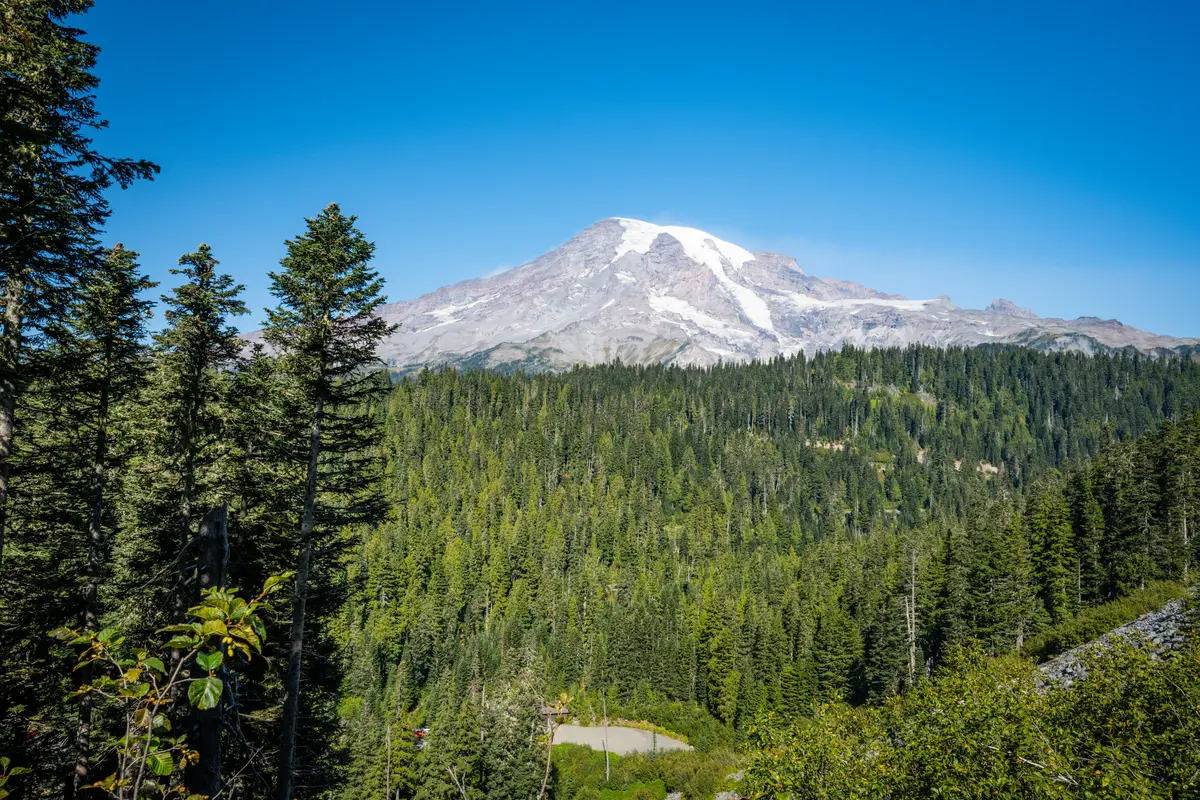
Local Expert Takeaway: The buyers who do best in Lake Stevens are the ones who pick a neighborhood based on their actual daily routine rather than a single feature. The lake is beautiful, but if you're commuting to Boeing in Everett five days a week, the North Lake Stevens premium makes less sense than a newer West Lake Stevens build three minutes from the US-2 trestle on-ramp. Families chasing the school district — which is genuinely strong — should verify the specific boundary before closing, not after. And if you want a taste of what the city's social scene looks like before committing to a neighborhood, the taproom at Dwellers Drinkery on Vernon Road draws a cross-section of locals that tells you more about who lives here than any listing description will.
Quick Takeaways & FAQs
✅ Lake Stevens School District holds an A- rating, according to Niche — one of the strongest school systems available at this price point in the North Puget Sound region.
⚠️ The US-2 trestle is a genuine daily chokepoint: a 20-minute trip to Everett can stretch to 40 minutes at rush hour, and which neighborhood you buy in materially affects your commute.
📍 North Lake Stevens waterfront homes with private docks run $1M–$2M, but West Lake Stevens offers newer construction in the $650K–$850K range with better trestle access — two very different Lake Stevens experiences.
What is the most affordable neighborhood in Lake Stevens?
Which Lake Stevens neighborhood is best for commuters to Everett or Seattle?
Are there lakefront homes in Lake Stevens, and what do they cost?
Which neighborhood in Lake Stevens is best for families with school-age children?
Is it hard to find rentals in Lake Stevens?
Moving to Washington?
Tell us what you need help with and we'll connect you with local resources.
