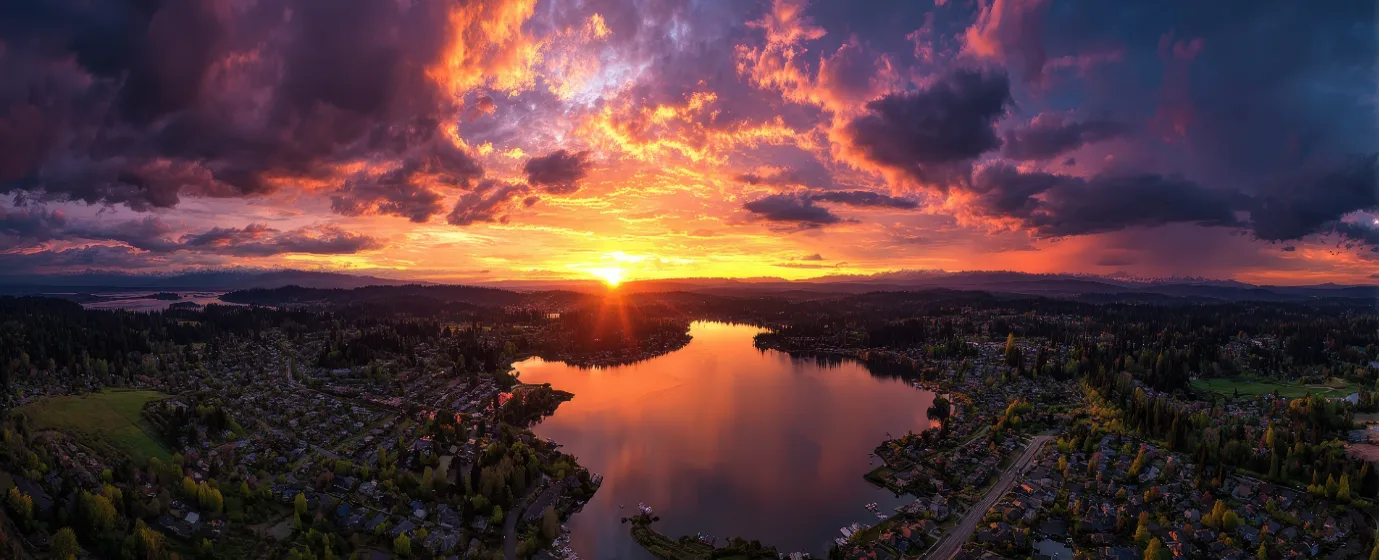
Maybe you've been priced out of Kirkland or Bothell, and someone in your network mentioned Lake Stevens. Maybe you already know the lake and you're wondering whether the town around it can actually support a retirement. The honest answer: it can — but it looks different from what most people picture when they imagine retiring in the Pacific Northwest. Lake Stevens is a fast-growing suburban city of about 40,000 on the north end of Snohomish County, anchored by a 1,013-acre lake, threaded by the Centennial Trail, and sitting roughly 10 miles east of Everett on State Route 9. It is not a quiet resort town. It is a working family community that happens to have genuine natural beauty, and that distinction matters enormously for retirees doing honest planning.
The city's demographic profile tells part of the story: only about 9.5% of Lake Stevens residents are currently 65 or older, which means you will not find the retirement-community atmosphere of a Sun City or even a Sequim. What you will find is newer infrastructure, active neighbors across age groups, and a community that has grown quickly enough that services and amenities are still catching up to the population. The major healthcare anchor — Providence Regional Medical Center Everett — sits roughly 10 to 12 miles away, and The Everett Clinic operates a branch location inside Lake Stevens itself. Washington's tax posture is genuinely favorable for retirees: no state income tax means Social Security, pension income, and retirement account withdrawals are entirely untaxed at the state level.
On the cost side, the Zillow Home Value Index put the typical home value at $707,767 in May 2026 — meaningfully below what comparable suburban positions cost closer to Seattle, though still a significant entry point for buyers on fixed incomes. The full cost-of-living breakdown covers day-to-day expenses in detail. Daily life here runs on a car. Grocery runs, medical appointments, and most errands require driving, though transit options exist for those who qualify. The Centennial Trail, Lundeen Park, and the lake's shoreline parks give retirees real outdoor access without leaving city limits.
Whether you are seriously considering a move or just stress-testing the idea, the sections below cover Lake Stevens's healthcare access, retiree tax picture, daily budget realities, walkability and community life, downsizing options, and an honest comparison to nearby retirement destinations.
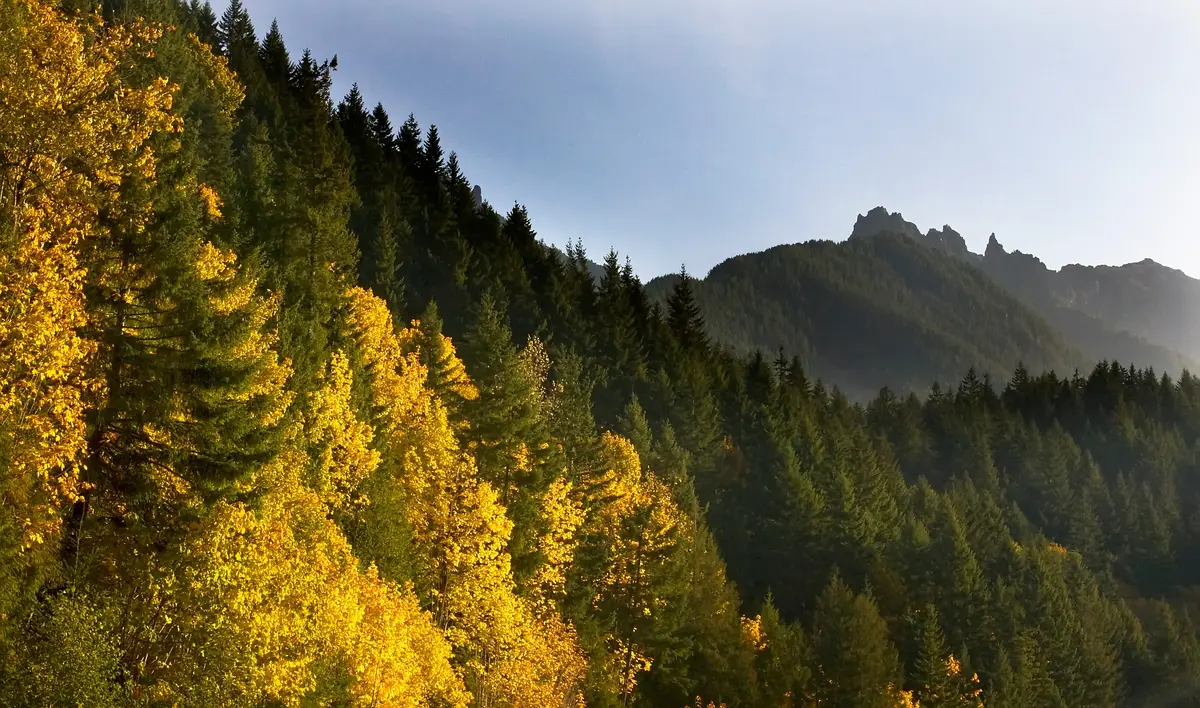
Why Retirees Are Choosing Lake Stevens
The case for retiring here is clearest for one specific type of buyer: the outdoor-oriented retiree who wants space, a real lake, and meaningfully lower prices than the Seattle-side suburbs — and who is genuinely comfortable owning a car and driving it regularly. If that profile fits, Lake Stevens delivers in ways that surprise people.
The lake itself is the city's most underrated retirement asset. North Cove Park, Lundeen Park, and Sunset Beach Park all offer waterfront access without paying waterfront prices. The Centennial Trail runs directly through the city, fully paved and accessible, connecting neighborhoods to Snohomish to the south. On a Tuesday morning, the trail is full of walkers and cyclists who are clearly not commuting — it has become a quiet anchor for the active-adult daily routine here.
The city is less compelling for retirees who want walkable main-street living, urban cultural amenities, or a neighborhood dense with peers in the same life stage. The typical home value of $707,767 (Zillow Home Value Index, May 2026) sits well above what a fixed-income buyer can absorb without significant equity from a prior home sale. Retirees downsizing from a paid-off home in a pricier suburb will find the math workable; those entering without substantial equity will face real pressure. And anyone who doesn't want to drive most days should look carefully at Everett or Snohomish before committing here.
Healthcare & Medical Access in Lake Stevens
The Primary Hospital: Providence Regional Medical Center Everett
Providence Regional Medical Center Everett is the healthcare anchor for Lake Stevens residents, sitting roughly 10 to 12 miles away — typically a 15 to 20 minute drive in normal traffic on SR-9 and US-2. It is a full-service regional hospital with recognized orthopedic and urology programs, including a Healthgrades Outpatient Joint Replacement Award and recognition among America's 50 Best for Outpatient Prostate Care. For retirees, the joint-replacement distinction matters: it is one of the procedures most commonly needed in the 65-plus years, and having a decorated program that close is a genuine asset.
In-City Access: The Everett Clinic Lake Stevens
For routine and specialist care short of hospital-level services, The Everett Clinic operates a branch location inside Lake Stevens itself. Primary care, lab work, imaging, and several specialty lines are available without the Everett drive. This is the piece of the healthcare picture that most favorably surprises people who assumed they'd be traveling for every appointment.
The Honest Distance Reality
Where Lake Stevens falls short is advanced subspecialty care. Cardiac surgery, comprehensive cancer centers, and neurology programs at the level of Seattle's major academic medical centers require a roughly 45-minute drive — longer during peak hours on I-5 or US-2. For retirees managing a serious chronic condition that requires frequent specialist visits in Seattle, that distance is a real planning consideration, not a minor inconvenience.
Transportation for Non-Drivers
A county-level senior transportation assistance program operates wheelchair-accessible, door-to-door vehicles specifically for older adults who live outside the standard paratransit zone — connecting riders to healthcare appointments, shopping, and senior centers. Community Transit's bus network also runs the SR-9 corridor into Lake Stevens, and a Medicaid non-emergency medical transportation program serves Snohomish County recipients. These programs exist and are used; they are not a full substitute for a car, but they meaningfully extend independence for retirees at the edge of driving.
Lake Stevens also has approximately 60 senior care communities and assisted living facilities in or near the city, spanning independent living, memory care, and skilled nursing — a depth of senior care infrastructure that reflects how much the broader Snohomish County region has built out in this category.
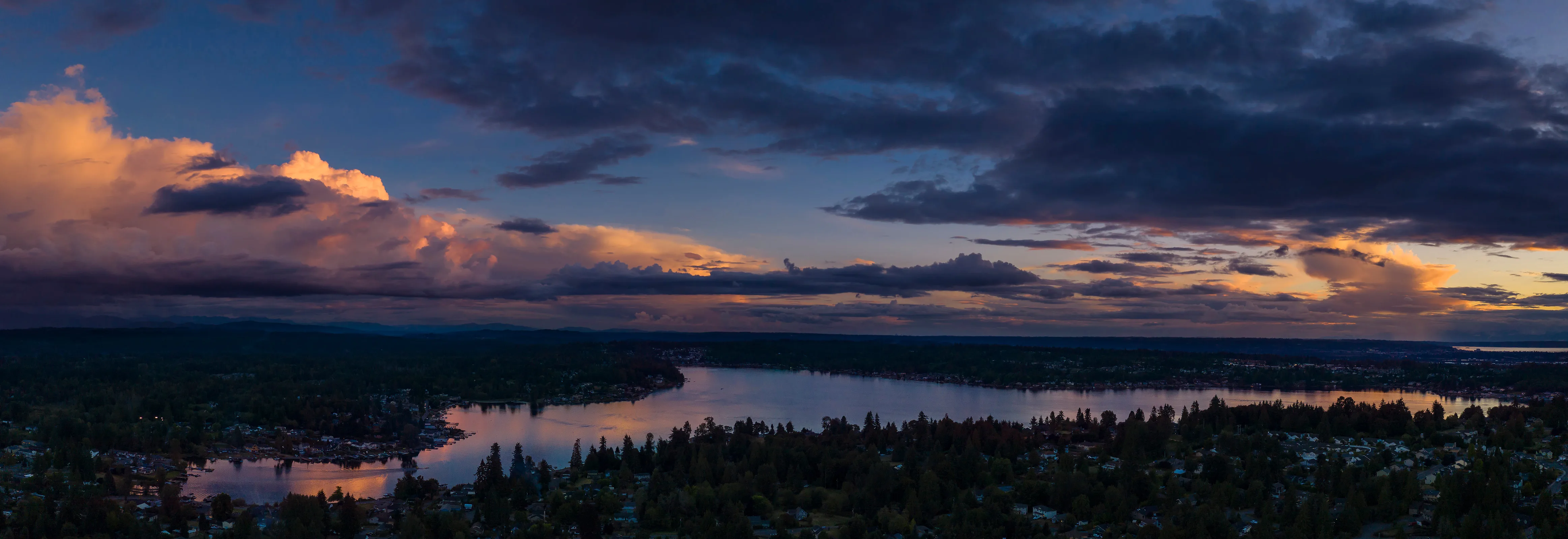
The Retiree Budget in Lake Stevens
Washington's Tax Advantage for Retirees
Washington levies no personal income tax — full stop. Social Security benefits, pension distributions, IRA and 401(k) withdrawals, and defined-benefit plan income are entirely exempt from state taxation. Retirees here do not file a Washington state income tax return at all. For someone moving from California, Oregon, or any income-tax state, this is a structural shift in annual cash flow that compounds meaningfully over a multi-decade retirement.
Washington did add a 7% tax on long-term capital gains above a standard deduction threshold (set at $278,000 for 2025), but transactions through retirement accounts — 401(k)s, IRAs, Roth IRAs, and defined-benefit plans — are specifically exempt. Most retirees liquidating investments inside tax-advantaged accounts will not touch this tax at all.
Property Taxes: Rate and Relief Programs
The effective property tax rate in Lake Stevens runs approximately 0.79% — moderate by Washington standards and well below national averages. On a home near the city's typical value, this is a manageable annual figure relative to peer markets in Western Washington.
Washington's senior property tax exemption kicks in at age 61 — among the lowest eligibility thresholds in the country, where most states wait until 65. The exemption is income-based and tiered, with qualifying seniors potentially exempt from all regular property taxes. A separate Property Tax Deferral Program allows seniors with combined disposable income up to $57,000 to defer the second-half property tax installment. Current Snohomish County income thresholds for the full exemption are worth pulling directly from the Snohomish County Assessor's office before filing, as tier boundaries are updated periodically.
Daily Cost of Living on a Fixed Income
Groceries, gas, and most day-to-day retail run close to broader Snohomish County norms — neither Seattle-expensive nor small-town cheap. Washington's state sales tax applies to most purchases, and there is no offsetting income deduction to soften it for retirees on fixed income. That sales tax exposure is the main friction point in Washington's otherwise retiree-friendly tax structure. For a detailed look at utilities, groceries, and transportation costs, see the Lake Stevens cost-of-living page.
Looking to buy in Lake Stevens? Estimate your payment.
Enter your numbers to see an estimated monthly mortgage payment.
Estimate only. Excludes HOA fees and mortgage insurance. The interest rate above is a starting point, not a quoted rate — replace it with your own to see real numbers. Insurance is a flat placeholder, not a Lake Stevens quote.
Walkability, Community & Staying Active in Lake Stevens
The Walkability Reality
Lake Stevens is not a walkable city in the classic sense. Most residential areas require a car for groceries, medical appointments, and daily errands. The terrain is hilly in places — Soper Hill and North Lake Stevens in particular — and sidewalk coverage is inconsistent away from the downtown core. Retirees who plan to give up the car entirely will find the city genuinely difficult to navigate on foot.
That said, the lakefront corridor and the Centennial Trail change the picture for recreational walking. The trail is 30 miles of fully paved, fully accessible surface running directly through the city, with two dedicated trailheads inside Lake Stevens limits. For morning walks, this is exceptional infrastructure. It just does not connect to a grocery store.
Where Retirees Actually Gather
Lundeen Park at the lake's edge serves as an informal community anchor — summer evenings bring a consistent mix of ages, and the park's accessible paths make it usable for those with mobility limitations. The Lake Stevens Historical Museum draws a steady volunteer base of older residents who know the city's pre-growth history intimately, and it is one of the more natural entry points for newcomers wanting community connection.
A taproom and restaurant on Vernon Rd has become a genuine neighborhood gathering spot with the kind of relaxed weekday afternoon energy that tends to suit retirees looking for somewhere to land that is not a chain. For seniors who need transportation support to reach gathering spots or senior center programming, the county's door-to-door senior transportation program provides pickup across the area.
Staying Active: Beyond the Trail
The lake itself is a year-round activity platform — kayaking from North Cove Park, fishing from Wyatt Park's shoreline, and swimming at Sunset Beach Park in summer. The region's mild but wet winters mean the trail stays usable most of the year, though Pacific Northwest rain requires retirees to genuinely embrace outdoor activity in gray weather rather than just tolerating it. Those who do not find January walking appealing should budget for a gym membership, as indoor fitness options in the city are limited compared to Everett.
Only about 9.5% of residents are 65 or older, which means the social environment skews younger than a traditional retirement community. That younger energy keeps the city's amenities family-oriented and its infrastructure newer — but retirees seeking a built-in peer cohort will need to be more intentional about finding it through clubs, volunteering, and organized activities rather than simply moving in and meeting neighbors.
Right-Sizing: Downsizing in Lake Stevens
What the Inventory Looks Like
Lake Stevens's housing stock skews toward single-family homes, the majority of them built in the last 20 years as the city grew rapidly outward from the lake. That newer construction is both an asset and a constraint for downsizers: the homes are larger than many retirees want, and the condo and townhome supply is limited compared to more urban markets. Patience matters here — single-level or low-step homes do come to market, but they move quickly.
Patio homes and townhome-style products have appeared in newer sections of Glenwood and Hartford as those neighborhoods built out, giving downsizers at least some alternatives to large two-story single-family homes. These tend to run smaller, newer, and with less yard maintenance — the combination most retirees are actually seeking. Entry price points in this category run below the city-wide typical value, though specific pricing shifts frequently enough that a current search is more reliable than any static figure here.
Assisted Living and Senior Care Depth
For retirees planning for the longer arc — where independent living transitions to assisted living or memory care — Lake Stevens and the surrounding Snohomish County area offer approximately 60 senior care communities and facilities, including skilled nursing with 24/7 care. This depth of senior care infrastructure is meaningful. Many comparably priced suburban markets in Western Washington have far less in-city capacity, requiring a move to Everett or Lynnwood when care needs increase.
The Honest Downsizing Trade-Off
The catch is that true 55+ active-adult communities of the purpose-built, amenity-rich variety — the kind common in Arizona or the Sunbelt — do not exist in Lake Stevens in any significant form. Retirees who want a community pool, clubhouse, pickleball courts, and neighbors all in the same life stage will not find that product here without looking toward larger planned communities in the broader Puget Sound region. What Lake Stevens offers instead is integration — living in a regular community with good healthcare proximity, outdoor access, and lower prices than the west side of the metro, without the age-segregated atmosphere. For many retirees, that trade is exactly right. For others, it is a real gap.
Lake Stevens vs Nearby Retirement Destinations
| City | Cost vs Lake Stevens | Primary Hospital | Walkability | Senior Living Depth | Overall Retirement Fit |
|---|---|---|---|---|---|
| Lake Stevens | Anchor | Providence Regional Medical Center Everett (~10–12 mi) | Low for errands; excellent trail access | ~60 facilities in/near city | Nature Quiet Strong for active, car-comfortable retirees |
| Everett | Noticeably cheaper entry points available | Providence on-site | Moderate; downtown core walkable | Deep; urban senior services | Transit Better for non-drivers; more urban services |
| Snohomish | About the same | Providence (~8–10 mi) | Moderate; historic downtown walkable | Moderate; smaller city inventory | Quiet Strong for those wanting small-town character |
| Marysville | Modestly cheaper | Providence (~15 mi) | Low; car-dependent | Moderate | Value Value play; less amenity depth than Lake Stevens |
| Monroe | About the same to slightly cheaper | Valley General Hospital (on-site) | Low; small-town core | Limited | Nature Rural feel; good for outdoors-first retirees |
| Granite Falls | Noticeably cheaper | Providence (~20+ mi) | Very low; rural | Limited | Privacy Best for retirees prioritizing space and price over services |
Everett is the clearest alternative for retirees who want hospital proximity without a drive — Providence Regional Medical Center is there, transit is meaningfully better, and entry-level price points exist below Lake Stevens's typical range. Snohomish wins on small-town character and a genuinely walkable historic downtown, with similar healthcare distance. Monroe has an on-site hospital at Valley General and a quieter pace, though senior living depth is limited. Granite Falls costs less, sometimes noticeably so, but trades away almost everything on the services side — the distance to advanced care alone makes it a difficult choice for retirees managing chronic conditions. Lake Stevens threads a specific needle: natural amenity, decent healthcare proximity, and strong senior care infrastructure, at a price point that requires real equity to enter but rewards those who can.
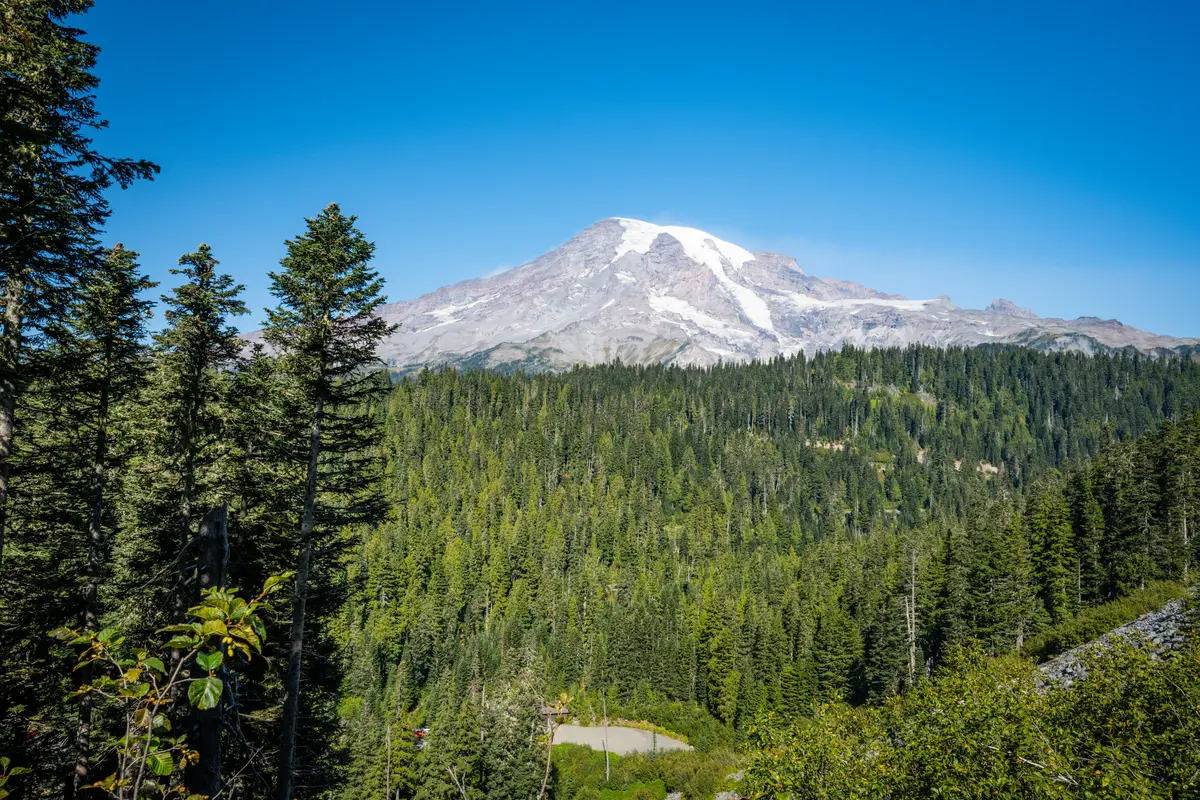
Local Expert Takeaway: Lake Stevens rewards retirees who arrive with equity, a car, and a genuine appetite for outdoor life — the Centennial Trail, the lake, and the shoreline parks at North Cove and Lundeen are not scenery, they are the daily routine. Washington's zero-income-tax structure and the age-61 property tax exemption make the fiscal case real. The healthcare gap to Providence Regional Medical Center Everett is 10 to 12 miles, and The Everett Clinic's Lake Stevens branch handles most routine care in-city. What the city cannot offer is walkable errands, a built-in retiree social scene, or Sunbelt-style 55+ communities — retirees who need those should look at Everett or further afield. For everyone else, the combination of lake access, newer infrastructure, and a tax environment that leaves retirement income entirely untaxed at the state level makes Lake Stevens a stronger retirement case than its suburban profile suggests.
Quick Takeaways & FAQs
✅ Washington's zero-income-tax policy means Social Security, pension, and retirement account withdrawals face no state-level tax — retirees here don't even file a state income tax return.
⚠️ Lake Stevens is genuinely car-dependent for daily errands, and the terrain in areas like Soper Hill makes on-foot living difficult — retirees planning to give up driving should look at Everett first.
📍 Washington's senior property tax exemption kicks in at age 61 — four years earlier than most states — with a tiered income-based structure that can exempt qualifying seniors from all regular property taxes.
Is Lake Stevens a good place to retire?
How close is the nearest hospital to Lake Stevens?
Do retirees pay state income tax in Washington?
What senior property tax relief is available in Lake Stevens?
Are there 55+ or active-adult communities in Lake Stevens?
Moving to Washington?
Tell us what you need help with and we'll connect you with local resources.
