
Maybe someone told you Stanwood was the affordable alternative to Everett or Marysville. Maybe you ran the numbers and landed here after getting priced out further south on I-5. Either way, the first thing to understand is that Stanwood's reputation as north Snohomish County's value frontier is real — but "value" is relative when the Zillow Home Value Index sits at $656,789 (August 2026). For a first-time buyer on a single income, that number isn't a bargain. It demands a clear-eyed plan before you ever step inside an open house.
What you do get for that price is measurably more: more square footage, more land, and a slower pace than markets further south. Stanwood sits on SR-532 about 35 miles north of Seattle, with Camano Island to the west and Arlington to the east. The daily reality is a semi-rural small town where community life runs deep and access to major employment corridors shapes almost every buyer's budget conversation. That commute-cost reality is worth mapping carefully before you settle on a price point.
Prices have been moving in both directions depending on the data cut you use, but the market itself doesn't move slowly. Homes went to pending in around 8 days in August 2026, and Q2 2026 transactions closed at 99.83% of list price on average — meaning lowball offers almost never land. For first-timers accustomed to seeing "negotiable" in other markets, Stanwood's pace can be disorienting. Budget for the price you see, not the price you're hoping to negotiate. For a fuller look at how Stanwood's overall cost of living stacks up, that page goes deeper than this one does.
This guide walks through what your budget actually buys here, the step-by-step purchase process with the specific traps first-timers fall into, an honest cash-needed table, and the mistakes that most commonly derail buyers new to this market.
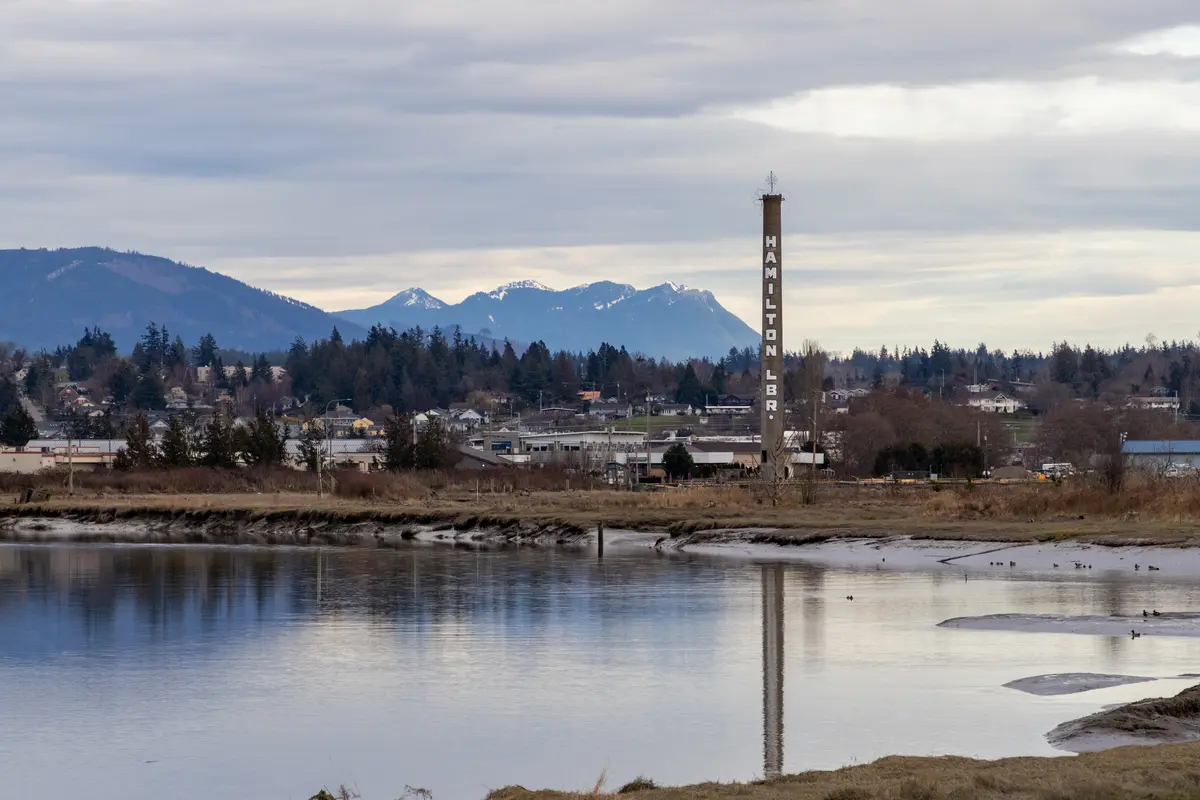
The Stanwood First-Time Buyer Reality
The Zillow Home Value Index for Stanwood stands at $656,789 as of August 2026. That's the honest anchor for every budget conversation — and for most first-timers, it lands somewhere between "tighter than expected" and "workable if we plan carefully."
Three-bedroom homes — the most common first-time purchase here — led Q2 2026 sales with an average price just under $700,000. Four-bedroom homes averaged over $790,000. Entry-level inventory does exist at prices below the city median, but those listings move fast and rarely have room for negotiation.
The honest pressure point is this: at $656,789, you are buying in a market that effectively requires either a strong dual income, a meaningful down payment, or both. A household earning the local median income of $90,242 will find that most lenders push debt-to-income ratios to 45–50%, which means your total monthly debt load — including the mortgage — needs to stay under roughly $3,385–$3,760 per month. Run that number against current rates before you fall in love with a listing. The good news is that overpriced homes do sit longer here than in faster urban submarkets, so patience and pricing awareness can still reward a disciplined buyer.
The Homebuying Process in Stanwood, Step by Step
Step 1: Get Pre-Approved — Before You Tour Anything
This is the step first-timers most commonly skip or do halfway. In Stanwood, where homes go pending in roughly 8 days, showing up to tour without a full pre-approval letter (not a pre-qualification estimate) is how you end up making emotional decisions under time pressure. Get quotes from at least three to five lenders — advertised rates online routinely differ from what you'll actually qualify for once your full credit picture is in front of an underwriter.
Washington lenders typically require a minimum credit score of 620 (640 for some loan programs), a debt-to-income ratio under 45–50%, and completion of a Washington State Housing Finance Commission-approved homebuyer education course. Pull your credit at least 90 days before you plan to offer so you have time to address anything unexpected.
Step 2: Know Your Loan Type Before You Shop
FHA loans allow 3.5% down with a minimum 580 credit score and carry mortgage insurance premiums for the life of the loan in most cases. Conventional loans allow as little as 3% down but require private mortgage insurance until you reach 20% equity. VA loans — available if you or a spouse served — require no down payment and no private mortgage insurance, which is a significant monthly advantage at Stanwood's price point. Know which path you're on before your first tour; it changes what you can realistically offer.
Step 3: Shop With a Realistic List
Work with a local agent who knows Stanwood's micro-geography. The difference between a home on the rural outskirts and one closer to the SR-532 corridor isn't just price — it's access, infrastructure, and what you're maintaining. First-timers often search too broadly online and then feel rushed when something they half-liked goes pending. Define your non-negotiables before you start touring.
Step 4: Make a Clean Offer
In Q2 2026, Stanwood homes sold at 99.83% of list price on average. The most common mistake at the offer stage is padding in negotiation room that doesn't exist. Well-priced listings here expect full-price or near-full-price offers. Your inspection contingency is not a price-reduction tool — it's a walk-away clause if you find something serious. Keep it, but don't plan on using it to chip $15,000 off a fairly priced home.
Step 5: Inspection, Appraisal, and Closing
Washington is an escrow state, so a title company or escrow officer — not an attorney — handles closing. Inspections here regularly surface older septic systems (many rural and semi-rural Stanwood parcels are not on city sewer), well systems at Lake Goodwin and McKees Beach, and older knob-and-tube or aluminum wiring in pre-1980 homes near downtown. Budget inspection contingency time for specialty inspections if any of those flags appear. Appraisals on rural parcels with limited comps can slow the process — factor a few extra days of buffer into your closing timeline.

How Much Home Can You Afford in Stanwood
The table below gives you a rough cash-at-closing picture across common loan scenarios and realistic Stanwood price bands. These are estimates — actual closing costs vary by lender, title company, and negotiated seller concessions. Washington does not have a state income tax, which helps on the income side, but closing costs here typically run 2–3% of purchase price for buyers (not counting prepaids and escrow reserves).
| Scenario | Purchase Price | Down Payment | Est. Closing Costs (2–3%) | Est. Cash Needed at Table |
|---|---|---|---|---|
| FHA — 3.5% down, below median | $560,000 | $19,600 (3.5%) | $11,200–$16,800 | ~$31,000–$36,400 |
| Conventional — 3% down, below median | $560,000 | $16,800 (3%) | $11,200–$16,800 | ~$28,000–$33,600 |
| FHA — 3.5% down, at city median | $656,789 | $22,988 (3.5%) | $13,136–$19,704 | ~$36,100–$42,700 |
| Conventional — 3% down, at city median | $656,789 | $19,704 (3%) | $13,136–$19,704 | ~$32,800–$39,400 |
| Conventional — 10% down, typical 3BR range | $695,000 | $69,500 (10%) | $13,900–$20,850 | ~$83,400–$90,350 |
| Conventional — 20% down, avoids PMI | $656,789 | $131,358 (20%) | $13,136–$19,704 | ~$144,500–$151,100 |
The 20%-down row is included as a reference point, not a suggestion — most first-timers in Stanwood do not put 20% down. What the table makes clear is that even the lowest-cost entry scenario requires roughly $28,000–$36,000 in liquid cash before you close. That figure does not include moving costs, immediate repair reserves, or the upfront escrow deposit your lender will collect at closing for taxes and insurance — plan for an additional $5,000–$8,000 buffer on top of the closing-cost estimate.
Washington's effective property tax rate of approximately 0.77% (see the full breakdown on the cost of living page) is a carrying cost to fold into your monthly affordability math alongside principal, interest, and insurance.
Looking to buy in Stanwood? Estimate your payment.
Enter your numbers to see an estimated monthly mortgage payment.
Estimate only. Excludes HOA fees and mortgage insurance. The interest rate above is a starting point, not a quoted rate — replace it with your own to see real numbers. Insurance is a flat placeholder, not a Stanwood quote.
Common First-Time Buyer Mistakes in Stanwood
Mistake 1: Touring Before You Have a Real Pre-Approval
This bears repeating because it causes real harm in this market. First-timers who tour first and get pre-approved second often discover their budget is $50,000–$80,000 below the homes they've already fallen for. In a market where homes go pending in about 8 days, you simply don't have time to go get financing after you find something you love.
Mistake 2: Underestimating Total Cash Required
The down payment is only part of the cash story. Closing costs, prepaid homeowner's insurance, the first escrow installment for property taxes, the earnest money deposit (typically 1–2% here, held in escrow), and the home inspection fee all come out of pocket before or at closing. Buyers who've saved exactly enough for a 3.5% FHA down payment routinely show up short. Add a minimum $8,000–$10,000 buffer to whatever the down payment math says.
Mistake 3: Waiving the Inspection Contingency to Compete
The competitive pressure in Stanwood is real, but it is not at the level of Bellevue or Kirkland. Sellers here expect clean offers, not inspection waivers. Waiving your inspection to stand out is a strategy borrowed from a hotter market and applied where it isn't necessary — and where the consequences (older septic systems, well equipment, 1970s electrical) are higher than in newer suburban construction. Keep the inspection contingency. Use it for its actual purpose.
Mistake 4: Optimizing for Price Without Accounting for Location Costs
A home on the rural edges of the Stanwood footprint might look like a great deal on price per square foot. But the full cost of any home includes what it costs you to live there day to day — fuel, time, and infrastructure maintenance on a private well or septic system. First-timers often optimize for the listing price and discover six months in that total carrying costs are higher than expected. Factor location-specific operating costs into your budget before you make an offer, not after.

Local Expert Takeaway: Stanwood rewards buyers who come in prepared. The market is deliberate rather than frenzied, but well-priced homes still go pending in under two weeks — and first-timers who show up without a full pre-approval letter, or who've only saved for the down payment and not the closing costs, end up watching those homes close for someone else. Do the cash-at-table math, get quotes from at least three lenders, and factor in the full cost of wherever you're considering — not just the list price.
Quick Takeaways & FAQs
✅ Stanwood offers meaningfully more square footage and land per dollar than comparable markets further south on I-5, making it a genuine entry point for first-time buyers priced out of Marysville or Everett.
⚠️ Homes go pending in roughly 8 days and sell at nearly full list price, so first-timers who skip pre-approval or try to negotiate aggressively will consistently lose to better-prepared buyers.
📍 Even the lowest-cost entry scenarios (3% conventional down) require roughly $28,000–$34,000 in liquid cash before closing — not counting moving costs or reserves — so save beyond just the down payment figure.
What credit score do I need to buy a home in Stanwood, WA?
How much do I actually need saved before buying in Stanwood?
Is Stanwood a competitive market for first-time buyers in 2026?
What does Washington State's definition of 'first-time homebuyer' actually mean?
Should I waive the home inspection to get my offer accepted in Stanwood?
Moving to Washington?
Tell us what you need help with and we'll connect you with local resources.
