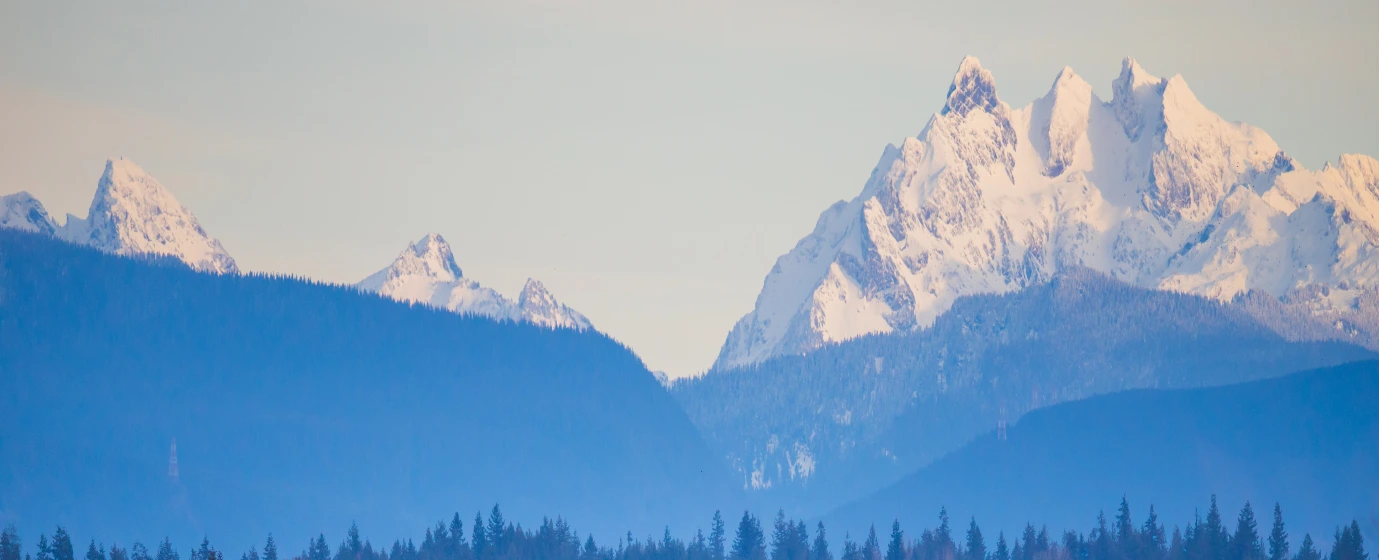
What Is Living in Stanwood, Washington Like?
You've probably heard that south Snohomish County priced people out — and you'd be right. What surprised buyers who kept driving north on I-5 past Marysville was that Stanwood wasn't a consolation prize. Sitting roughly 50 miles north of Seattle at the crossroads of SR 532, the city occupies a stretch of Snohomish County farmland and Puget Sound waterfront that genuinely earns its reputation as a place people didn't expect to love. SR 532 is the artery that defines daily life here: it connects Stanwood west to Camano Island and east to I-5, and understanding that corridor — its congestion patterns, its improvement projects, its role as the city's main spine — tells you most of what you need to know about living here.
Stanwood's economy is anchored by Twin City Foods, one of the country's larger frozen-vegetable processing operations and a longtime employer in town. Beyond that single large local employer, the city functions as a bedroom community for major job centers: Boeing's Everett assembly plant, Naval Station Everett, and major healthcare employment in the Everett corridor all draw Stanwood residents south on weekday mornings. The Stanwood-Camano School District serves the city and Camano Island together — a B-rated district that shapes where many families buy and how they feel about their investment five years in. Population has grown roughly 18.5% since 2019, which means the schools, the roads, and the downtown are all absorbing change in real time.
Home prices here are noticeably below what you'd pay in Everett or Bothell for a comparable house, though the gap has narrowed significantly over the past several years as the city absorbed spillover demand from tighter markets to the south. Day-to-day life leans heavily on a car, but Stanwood Station — the Amtrak Cascades stop on Florence Way — and a newer Community Transit express route toward a regional Link light rail station give residents more options than most small North Puget Sound cities can claim. The downtown brick-road district is genuinely historic, and the city is actively investing in it through the Twin City Mile revitalization and a planned Creative District anchored by the future Meyer Arts Center.
Whether you're weighing this move against staying in Everett, pricing out of the northern county corridor, or relocating from out of state entirely, the sections below cover Stanwood's neighborhoods, housing market, commute reality, local employers, and what weekends actually look like here.
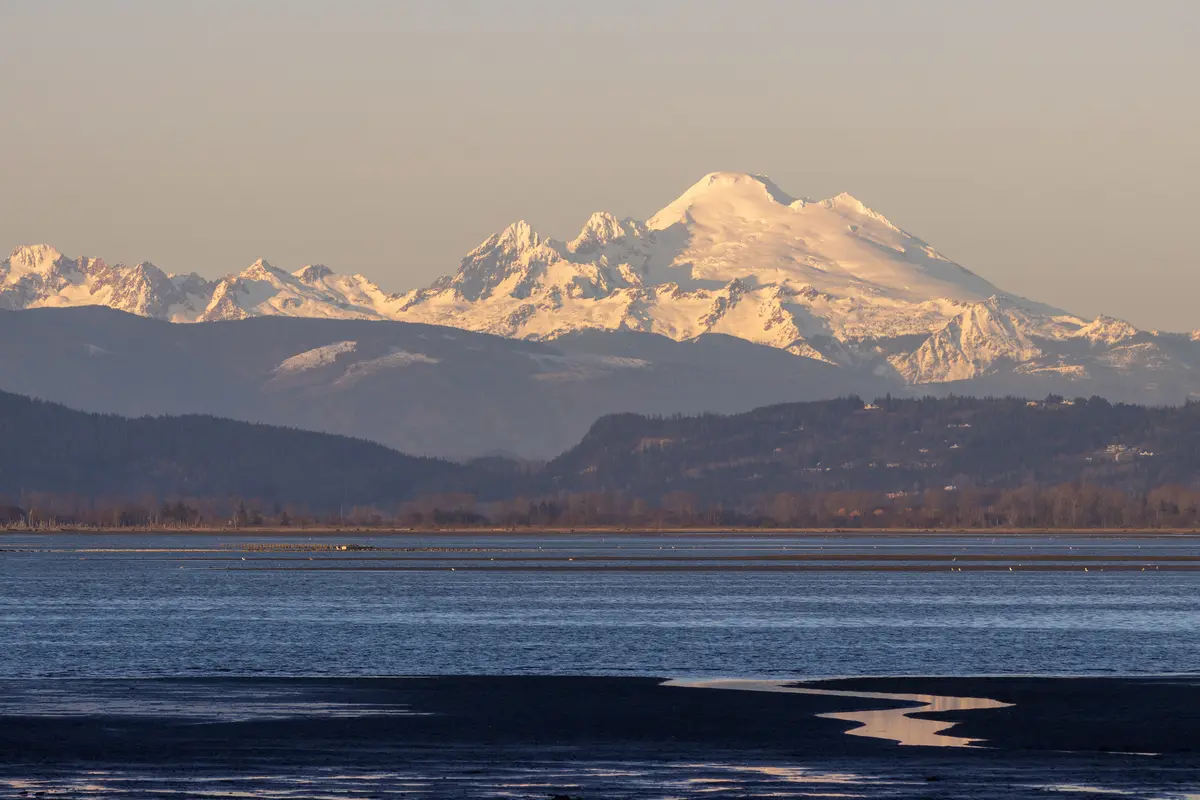
Stanwood at a Glance
Looking to buy in Stanwood? Estimate your payment.
Enter your numbers to see an estimated monthly mortgage payment.
Estimate only. Excludes HOA fees and mortgage insurance. The interest rate above is a starting point, not a quoted rate — replace it with your own to see real numbers. Insurance is a flat placeholder, not a Stanwood quote.
Why Are People Moving to Stanwood?
The City of Stanwood put it plainly in its own planning documents: as South Snohomish County prices climbed, people started looking north — and discovered Stanwood was worth stopping for. That's not marketing language; it's an accurate description of the buyer wave that's pushed population up nearly 18.5% since 2019.
The Price Gap That Started It
Buyers priced out of Everett, Marysville, and the broader south county corridor found that Stanwood offered meaningfully more house for the money. That gap has compressed over the past few years, but it hasn't closed entirely — and for many households earning near the $90,242 median income, it still makes the math work in ways that buying closer to Seattle cannot.
The Employers That Make It Viable
Stanwood isn't a city you'd move to for the local job market alone, though Twin City Foods provides stable blue-collar employment that's been part of the community for generations. The real draw is the commute equation: Boeing Everett, Naval Station Everett, and major healthcare employment in the Everett corridor are roughly 29 minutes south on a good morning.
| Employer | Sector | Location Relative to Stanwood | Best For |
|---|---|---|---|
| Twin City Foods | Food processing | In Stanwood | Value |
| Stanwood-Camano School District | Education | In Stanwood / Camano Island | Families |
| Boeing Everett | Aerospace | ~29 min south via I-5 | Commuter |
| Naval Station Everett | Defense / military | ~29 min south via I-5 | Commuter |
| Major healthcare employer (Everett corridor) | Healthcare | ~29 min south via I-5 | Commuter |
The pattern is consistent: people work in Everett's employment corridor and choose to live in Stanwood for the price, the quieter pace, and the Puget Sound proximity.
Who Actually Moves Here
The typical Stanwood buyer in 2025–2026 fits one of three profiles: a Boeing or naval employee priced out of south Snohomish County; parents with school-age children wanting a smaller-town environment while staying within commuting range of Everett; or remote workers who can absorb the drive on the days they need it and want acreage or water views that Everett simply can't offer at this price point.
Stanwood also attracts buyers from the northern county corridor who want faster I-5 access south without giving up the agricultural and waterfront character of North Puget Sound. What surprises many newcomers is that after six months, the 50-mile gap to Seattle barely registers — most daily life orients around Everett and the immediate Stanwood-Camano area, not the metro.
A City Actively Investing in Itself
One thing that distinguishes Stanwood from comparably sized bedroom communities is a visible, funded downtown improvement program. The Twin City Mile revitalization project is reshaping the historic corridor from west to east — the 2025 phase tackled the 271st Street NW intersection and a new Midblock Crossing. A former contaminated lot near the west end of downtown is being converted into Twin City Plaza, a pocket park with public art, at no additional city cost. These aren't renderings on a planning department wall; they're active construction and ribbon cuts that residents are watching happen.
What Daily Life Feels Like in Stanwood
Stanwood has the footprint of a small town and the growth rate of a suburb — and that tension shapes almost everything about living here. The historic downtown on the west side, with its actual brick-paved streets preserved by city ordinance in 2026, feels nothing like the newer residential subdivisions spreading east. Learning which version of Stanwood you're buying into matters.
Downtown Stanwood: The Brick-Road Core
West Stanwood's downtown is where the city's identity is most visible. The Stanwood Cafe on 270th St NW is the kind of breakfast spot where the same regulars have the same booth on Saturday mornings. Patini's Grill on 102nd Ave NW offers a noticeably different register — an upscale-casual grill and martini bar that signals the demographic evolution this downtown is undergoing. Both exist within a few blocks of the Old Stanwood train depot, Heritage Park's new pump track, and storefronts that have received fresh paint and signage through the city's $20,000 matching grant program.
The Seasonal Reality Nobody Warns You About
Stanwood's winters are persistently gray and wet in a way that surprises transplants from drier inland climates — not unusually cold, but relentlessly overcast from November through March. What longtime residents know is that the payoff is a late spring that arrives gradually and a summer that's genuinely spectacular: long evenings, low humidity, and easy access to Camano Island beaches a few minutes west on SR 532.
The annual Stanwood-Camano Fair is the community anchor event that marks the seasonal turn, drawing families from across the North Puget Sound corridor and functioning as the closest thing the city has to a civic gathering on the scale of what much larger cities organize.
What Neighbors Actually Do on Weekdays
The rhythm of a Stanwood weekday is shaped by the commute. SR 532 eastbound fills up between 6:30 and 8:00 a.m. as residents head to the I-5 on-ramp toward Everett. The city is decidedly not walkable for errands — a car is non-negotiable for most daily tasks, including groceries. But within the downtown corridor, on-foot access is real and growing as the revitalization adds sidewalks and crossings.
Where Families Gather
Heritage Park is the answer most parents give when asked where neighborhood life actually happens. The pump track and upgraded playground — both completed in October 2025 — have accelerated that. Hamilton Landing Park on the waterfront is the quieter alternative, better for weekend mornings than for busy weekday afternoons. The city's parks infrastructure is modest for its growth rate, which is worth knowing before you assume the new subdivision you're considering has parks within easy walking distance — check the map for that specific area rather than assuming.
The Stanwood Housing Market Right Now
The typical home value in Stanwood is $656,789 (Zillow Home Value Index, August 2026). That figure tells part of the story; the more important context is that prices here have moved significantly over the past several years as demand from buyers displaced from southern Snohomish County compressed the gap between Stanwood and Marysville.
Inventory moves quickly when it's priced right. Homes in the entry-level range for this market — older construction, smaller lots, less updated — tend to attract multiple inquiries and go under contract faster than the headline numbers suggest. Some areas of the city command meaningfully more than the city-wide figure; for a breakdown of what that looks like by neighborhood, see the best neighborhoods guide.
What the Effective Tax Rate Means for Buyers
Washington has no state income tax, which shifts the tax conversation squarely to property. Stanwood's effective property tax rate is approximately 0.77% — close to the state average and notably lower than what many buyers pay in comparable communities in other states. On a home priced at the city-wide typical value, that rate is real money annually, but it's not the budget shock buyers from California or the Northeast sometimes expect. Full cost-of-living context, including the tax picture and what you'll pay for utilities and groceries, is on the cost of living page.
Market Pace
This is not a slow market. Well-priced homes in the downtown corridor and in newer east-side subdivisions typically don't sit. The combination of limited new construction coming online and continued in-migration from the south has kept supply tighter than the small-town atmosphere might suggest. Buyers who visit on a Saturday, think it over for two weeks, and come back often find the house is gone.
The market here rewards buyers who have done their homework on the specific neighborhood and the specific commute before making an offer — not just the city-wide median.
Stanwood Neighborhoods
Stanwood has several distinct areas — each with its own character and appeal. Here’s a breakdown to help you narrow down where to focus your home search.
🏡 Downtown Stanwood (West)
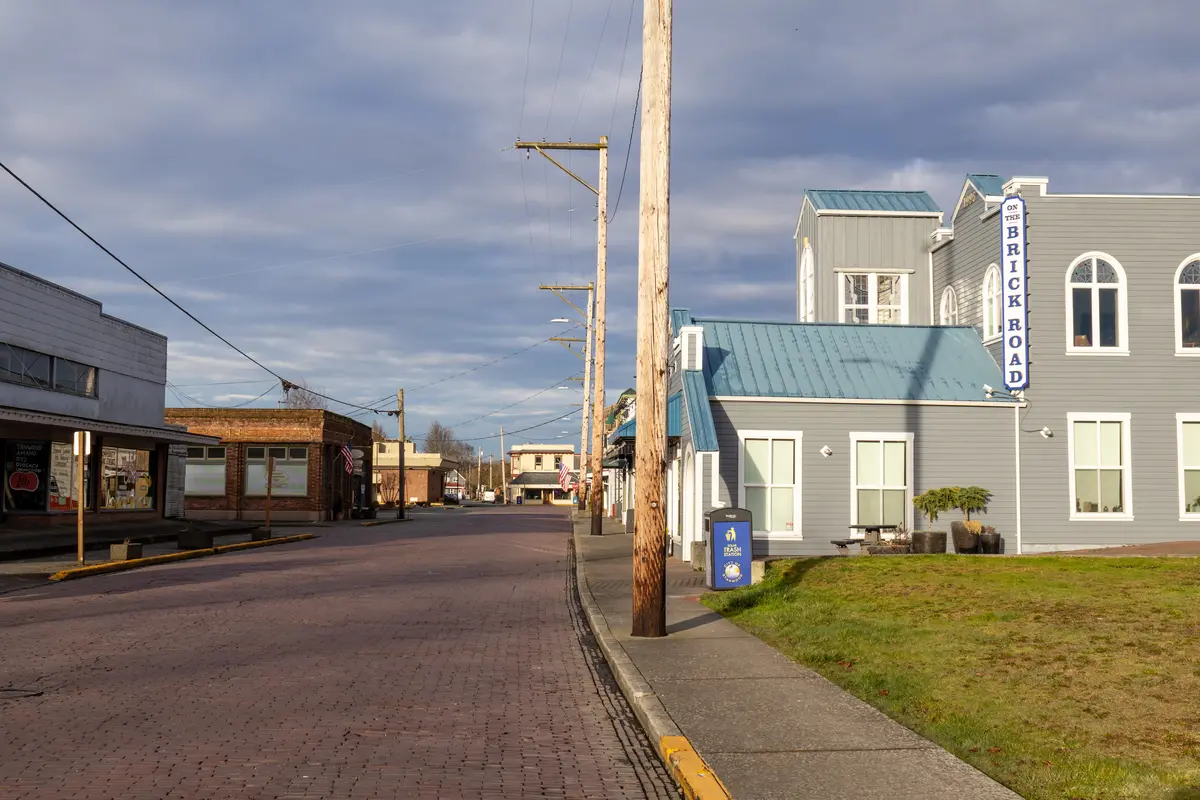
The historic core of the city, defined by brick-paved streets formally preserved by city ordinance in 2026, the Old Stanwood train depot, and the active Twin City Mile revitalization corridor. Best suited to buyers who want walkable access to restaurants and the emerging arts district, and who value character over square footage.
🏠 East Stanwood
Newer residential subdivisions east of downtown, where Viking Way's August 2025 expansion added road capacity and connected more of the growing residential stock to SR 532. A practical choice for families who want newer construction and don't need to walk to the downtown core daily.
🌳 Cedarhome
A lower-density area north of the city's commercial core with a more rural feel and larger lot sizes than what you'll find closer to downtown. Appeals to buyers who want a quieter setting while staying within a short drive of Stanwood's amenities and the I-5 corridor.
🏘 Pioneer Hills
A hillside residential area with established homes and a neighborhood character that's quieter than the downtown corridor. Families and buyers seeking a settled, non-subdivision feel tend to gravitate here.
🏔 Jasper Junction
A growing area on the eastern edge of Stanwood with newer residential development and convenient SR 532 access. The trade-off is a more suburban character with less of the historic downtown texture that defines west Stanwood.
🌆 Lake Goodwin
A recreational lake community on the southern edge of the Stanwood area, historically popular with retirees and vacation-home buyers drawn by the lakefront setting. Properties here tend to attract buyers who prioritize outdoor lifestyle over walkability to downtown.
Pros & Cons of Living in Stanwood
The Pros
- Small-town
- historic downtown charm with a working agricultural backdrop
- Gateway to Camano Island beaches and state parks with no ferry or toll needed
- Relatively affordable compared to King County while still within commuting range of Seattle/Everett
- Strong sense of community with year-round local events and festivals
The Cons
- Long commute to Seattle-area job centers (over an hour by car in traffic)
- Limited public transit options
- making a car essential
- Housing stock skews toward higher price points for a semi-rural market
Getting Around & Commuting in Stanwood
SR 532 is not just a road — it's the axis Stanwood revolves around. Everything flows along it: traffic to I-5, traffic to Camano Island, the commercial strip, and the downtown corridor. The city's own SR 532 Corridor Study, launched in 2025–2026, acknowledges the road hasn't kept pace with growth and is actively studying improvements to traffic flow, safety, and pedestrian crossings. That study exists because the problem is real.
The I-5 Commute South
Everett runs about 29 minutes on a clear morning. On a congested one — which describes most weekdays between 7:00 and 8:30 a.m. — that number grows, and it grows unpredictably depending on incidents on I-5 between exits 206 and 192. Boeing shift workers in particular find the SR 532 / I-5 interchange the consistent pressure point of their daily schedule.
| Destination | Typical Drive (off-peak) | Typical Drive (peak AM) | Notes |
|---|---|---|---|
| Everett city center | ~29 min | 40–55 min | Via I-5 S from SR 532 |
| Boeing Everett (Paine Field) | ~30 min | 40–60 min | Exit 189, SR 526 |
| Naval Station Everett | ~32 min | 45–60 min | Shift start times matter significantly |
| Marysville | ~12 min | 15–20 min | I-5 S, short hop |
| Northern county corridor | ~20 min | 25–30 min | I-5 N, typically lighter traffic |
| Regional Link light rail (express bus) | ~40 min | 55–70 min | Or Community Transit Route 905 |
| Seattle downtown | ~65 min | 90+ min | Not a practical daily drive |
Transit: More Than You'd Expect for a City This Size
Stanwood Station on Florence Way — the Amtrak Cascades stop — logged 5,054 boardings in fiscal year 2024. That's a modest figure nationally, but for a city of just over 8,000 it represents a real option: the Cascades connects north to Bellingham and Vancouver, B.C. and south to Seattle's King Street Station without touching I-5. For occasional trips, it's genuinely useful.
Community Transit's Route 905 is newer and arguably more practical for daily commuters — it runs express to a regional light rail station, where riders connect to Sound Transit's Link system heading south toward Seattle. This is not a fast commute by any measure, but it's a real one for remote-hybrid workers who need downtown Seattle access two or three days a week.
Driving Within Stanwood
A car is non-negotiable for the vast majority of daily errands. The Viking Way expansion, completed with a ribbon cut in August 2025, added capacity on the east side of the city and eased some of the pressure on 270th Street as the primary east-west connector. For families buying in newer subdivisions east of downtown, understanding which roads actually connect to SR 532 without routing through residential streets is worth five minutes on a map before you make an offer.
What Newcomers Learn After the First Winter
The commute feels manageable when you preview it on a Saturday in October. The first February — dark at 5:00 p.m., rain every day, SR 532 backed up past the Camano Island turnoff because of a fender-bender on I-5 — is the real test. Residents who factor that experience into their decision tend to stay long-term; those who don't often find themselves reconsidering by spring.
Schools in Stanwood
Families relocating to Stanwood have public, private, and higher-education options nearby. Here’s a quick overview.
🎓 School District
Stanwood-Camano School District serves K–12 students across Stanwood and the surrounding area. Rated B- (source: Niche.com).
🏆 Graduation Rate
The 4-year high-school graduation rate here is approximately 87.1%.
📚 Higher Education
Washington’s public universities — the University of Washington, Washington State University, and Western Washington University — offer four-year degrees statewide, with a network of 34 community and technical colleges (SBCTC) providing two-year and workforce programs.
🌐 Online Learning
University of Washington Continuum College and Washington State University Online offer fully accredited online degrees for remote learners across the state.
Safety in Stanwood
A quick look at how Stanwood compares on the numbers that matter most when weighing a neighborhood or a move.
🛡 Violent Crime
Approximately 2 per 1,000 residents.
🔒 Property Crime
Approximately 13 per 1,000 residents.
Compared to the FBI’s most recent national data (2024), Stanwood’s violent crime is below the national average (about 3.6 per 1,000), and property crime is below the national average (about 17.6 per 1,000).
Against Washington as a whole, Stanwood’s violent crime is roughly two-thirds of the state average, and property crime is roughly half the state average (Bureau of Justice Statistics, Crime Known to Law Enforcement, 2024 (tables 2 and 3)).
Crime rates can vary a lot within a single city, so the citywide numbers above are only a starting point. Some neighborhoods in Stanwood run well below these averages, while others run higher — the kind of block-by-block detail that matters most when you’re actually choosing where to live. The full guide below breaks it down neighborhood by neighborhood.
Working in Stanwood
Stanwood’s largest employers span several industries — here are some of the anchors of the local job market.
🛒 Twin City Foods
Food processing
🎓 Stanwood-Camano School District
Education
🏥 Providence Regional Medical Center Everett
Healthcare
💼 Boeing Everett
Aerospace
💼 Naval Station Everett
Defense
Parks & Recreation in Stanwood
Some of the outdoor spaces that shape everyday life in Stanwood.
🌱 Heritage Park
🌱 Hamilton Landing Park
Stanwood residents don’t have to go far for green space — spots like Heritage Park and Hamilton Landing Park are part of everyday life here, whether that’s a morning walk, a weekend hike, or just somewhere to unwind outside. The full guide below covers more of what Stanwood has to offer for parks and outdoor recreation.
Retiring in Stanwood
Stanwood draws retirees for its balance of amenities, outdoor access, and cost. Here’s what to weigh.
🌤 Climate
Stanwood's climate is mild year-round with cool, wet winters and warm, low-humidity summers — typical of the North Puget Sound corridor. Expect persistent overcast and rain from November through March; summers are genuinely pleasant, with long evenings and temperatures rarely climbing past the mid-80s. Snow is rare but not unheard of in December and January.
🍴 Lifestyle
Retirement life here centers on the downtown brick-road district, Heritage Park's recently upgraded amenities, and easy access to Camano Island's waterfront parks and quieter character. Dining options range from casual breakfast spots to the upscale-casual Patini's Grill, with the downtown Creative District and planned Meyer Arts Center adding cultural programming in the coming years.
🏚 55+ Communities
Stanwood and the adjacent Camano Island area have a history of attracting retirees drawn by the rural-waterfront character and prices noticeably below South Puget Sound markets. Purpose-built 55+ communities are limited within the city limits, but the Warm Beach and Lake Goodwin area neighborhoods have historically appealed to retirees seeking quieter residential settings with natural surroundings.
✈ Getting Around
A personal vehicle remains essential for most daily needs. Stanwood Station serves the Amtrak Cascades line for occasional travel to Seattle or Bellingham without driving. Paine Field in Everett is the closest regional airport at roughly 30 minutes south, with Seattle-Tacoma International Airport about 75 minutes away in typical traffic.
🏛 Washington Taxes for Retirees — What to Know
- No state income tax — Washington does not tax personal income, so Social Security, pensions, and 401(k)/IRA withdrawals are all untaxed at the state level. There is no state return to file and no retirement exclusion to claim — the rate is simply zero.
- Military and public pensions — Because there is no income tax, military retirement pay and public-employee pensions are untaxed at the state level along with everything else.
- Sales tax is the tradeoff — The state sales tax is 6.5%, and local add-ons bring the combined rate in Stanwood to 9.3% (Washington State Department of Revenue, Q3 2026 local sales & use tax rate table, July 2026). Groceries and prescription drugs are exempt.
- Property taxes, with senior relief — The effective property tax rate is roughly 0.9%. Homeowners 61+ (or unable to work due to disability, or a qualifying disabled veteran) who own and occupy their home may qualify for a reduction. Income limits are set against each county’s median household income, so the threshold differs by county — check with your county assessor. A separate deferral program is available for those who don’t qualify for the exemption.
- Capital gains tax — but not on retirement income — Washington taxes 7% on long-term capital gains above a $278,000 standard deduction for 2025, rising to 9.9% on gains above $1,000,000. Retirement accounts and real estate sales are both exempt. It therefore does not reach ordinary retirement income or the sale of a home.
- Estate tax — the one to plan for — Unlike most no-income-tax states, Washington has its own estate tax. For deaths on or after July 1, 2026, the exemption is $3 million with graduated rates topping out at 20%. Retirement accounts count toward the taxable estate, so long-time homeowners with sizable balances can cross the line without expecting to.
- No inheritance tax — Washington has no inheritance tax, and no gift tax.
- WA Cares payroll premium — Working Washingtonians pay 0.58% of gross wages into the WA Cares Fund, the state long-term care program, with no income cap. It applies to W-2 wages, so retirees who have stopped working do not pay it — but anyone relocating while still employed will see it. The private-insurance opt-out closed at the end of 2022 and is not available to new applicants; the remaining exemptions are narrow (living outside Washington, military spouses, certain visa holders, and veterans with a 70%+ service-connected rating).
- The Oregon border effect — Oregon has no sales tax, so Washington residents near the river — Vancouver, Camas, Washougal, Longview — often cross over for large purchases. Washington use tax technically applies to goods brought back for use in-state, though it is rarely enforced on ordinary personal purchases.
Tax laws change frequently and individual situations vary. This is general information, not tax advice — always consult a qualified Washington tax professional or CPA for personalized retirement tax planning.
Weekends & Local Favorites in Stanwood
Stanwood's weekend identity is quieter and more self-contained than its commuter-city label suggests. Most residents aren't driving to Everett or Seattle on Saturdays — they're in the downtown corridor, out at the parks, or on Camano Island, which is functionally an extension of the city's recreational footprint.
Downtown on a Weekend Morning
The Stanwood Cafe on 270th St NW is the classic Saturday morning answer — a breakfast-and-lunch diner with the feel of a place that's been feeding the same families for decades. For evenings, Patini's Grill on 102nd Ave NW offers a markedly different experience: an upscale-casual grill with a martini bar that draws couples and groups who don't want to drive 30 minutes to Everett for a nicer dinner out. Both sit within the downtown brick-road district that the city formally committed to preserving with Ordinance 1561 in 2026.
Heritage Park and the Pump Track
The ribbon cut on Heritage Park's new pump track and upgraded playground in October 2025 changed how families in central Stanwood spend weekend afternoons. The pump track in particular brought a demographic that was previously driving to facilities in Marysville or beyond — parents with kids on bikes who now have a real destination within the city. Twin City Plaza, the pocket park taking shape from a former contaminated lot at the west end of downtown, will add another gathering point once complete.
Camano Island: The West Stanwood Payoff
The case for living in Stanwood that doesn't appear on any spreadsheet is the 10-minute drive across SR 532 to Camano Island. Camano Island State Park, the waterfront access points, and the island's rural-quiet character are the weekend escape valve that genuinely distinguishes life here from comparable suburbs further inland. Longtime residents treat the island the way people in denser cities treat a neighborhood park — it's just where you go on a Sunday morning.
The Arts and Culture Trajectory
Stanwood's cultural footprint is modest today but actively developing. The planned Meyer Arts Center, envisioned as the anchor of a downtown Creative District, represents the most significant investment in arts infrastructure the city has proposed. Pursuit of a Main Street Program alongside the Creative District suggests city leadership is thinking about the downtown corridor as a destination, not just a pass-through. Whether those plans translate into a meaningfully richer cultural scene over the next five years is the open question — but the direction is clear, and the investment is real.
For a full picture of parks, trails, and outdoor recreation in the Stanwood area, the dedicated page has the detail this section can only gesture at.
Top Things Locals Say About Stanwood
The best intel about a city comes from the people who actually live there. Here’s what Stanwood residents say when newcomers ask the questions everyone’s thinking.
“I knew the commute would be longer, but I didn't expect how completely I'd stop thinking about Seattle after a few months. By January I was routing my whole life around Everett and the island — Seattle started to feel like a different state.”
— Recent Stanwood home buyer
“What's the most surprising thing about living in Stanwood?”
How quickly Camano Island becomes part of your routine. You think of it as a day-trip destination before you move here, but once you're on SR 532 every day, the island is just where you go on a Sunday morning. The drive from east Stanwood to the state park is genuinely 20 minutes, and it never stops feeling like a payoff.
“What do locals love most about Stanwood?”
The downtown brick-road district is something people feel protective of — the city's decision to permanently preserve those streets by ordinance in 2026 was genuinely popular. Saturday mornings around Heritage Park and the 270th Street corridor have a small-town energy that's hard to manufacture and easy to take for granted until you've lived somewhere that doesn't have it.
“What should newcomers to Stanwood know?”
SR 532 at the I-5 interchange is the clock that runs your mornings. If you're commuting to Boeing or the naval station, leaving by 6:45 a.m. and leaving after 8:45 a.m. are two entirely different experiences. New residents who don't figure out the timing in the first month spend a lot of unnecessary time sitting at that interchange wondering what happened to the 29-minute commute they test-drove on a Saturday.
“Can you live in Stanwood without a car?”
Not comfortably. The downtown corridor is walkable once you're in it, but getting groceries, reaching medical care, or doing any errand outside a three-block radius requires driving. The Amtrak station and the Route 905 bus to a regional light rail connection help for commuting, but they don't replace a car for daily errands — Stanwood is still fundamentally a drive-everywhere community outside the immediate downtown.
Cities Near Stanwood
Other communities near Stanwood worth a look — each with its own character and price point.
| City | Distance | Best For | Vibe | Median Rent | Median Buy |
|---|---|---|---|---|---|
| Camano Island | 8 mi | Retirees, remote workers, nature lovers | Quiet, rural, waterfront-oriented | $2,000 | $799,995 |
| Arlington | 12 mi | Value-seekers, commuters, families | Affordable, small-town, agricultural | $1,900 | $599,900 |
| Marysville | 18 mi | Commuters, families, first-time buyers | Fast-growing, suburban, commercial | $2,000 | $674,970 |
More Helpful Guides for Stanwood
Going deeper on Stanwood? Our blog series covers everything from first-time buying to retiring here — explore the guides below.
Local Expert Takeaway: Stanwood rewards buyers who understand what it actually is: a small North Puget Sound city with historic bones, real waterfront proximity via Camano Island, and a commute math that works for Boeing and naval employees who can't afford Everett anymore. The downtown brick-road district is genuinely worth walking — stop in at the Stanwood Cafe on 270th for breakfast and Patini's Grill on 102nd for dinner and you'll understand why people who visit on a weekend often make an offer before they drive home. The catch is SR 532: it is the city's single artery, and on a congested morning it earns that label. Buy knowing the road, not despite it.
Quick Takeaways & FAQs
✅ Stanwood's Amtrak Cascades station and Community Transit Route 905 express to a regional light rail connection give residents more car-free options than most cities this size in North Puget Sound.
⚠️ SR 532 is Stanwood's only real artery to I-5, and peak-hour backups can turn a 29-minute Everett commute into a 55-minute one — the city's own corridor study acknowledges the bottleneck.
📍 The city formally protected its historic brick-paved downtown streets by ordinance in February 2026 — a detail that tells you something about how seriously longtime residents take the character of west Stanwood.
How far is Stanwood from Seattle?
What is the housing market like in Stanwood, WA?
Is Stanwood a good place for families?
What are the main employers in Stanwood?
Can you get around Stanwood without a car?
Helpful Links for Moving to Stanwood
Moving to Washington?
Tell us what you need help with and we'll connect you with local resources.
