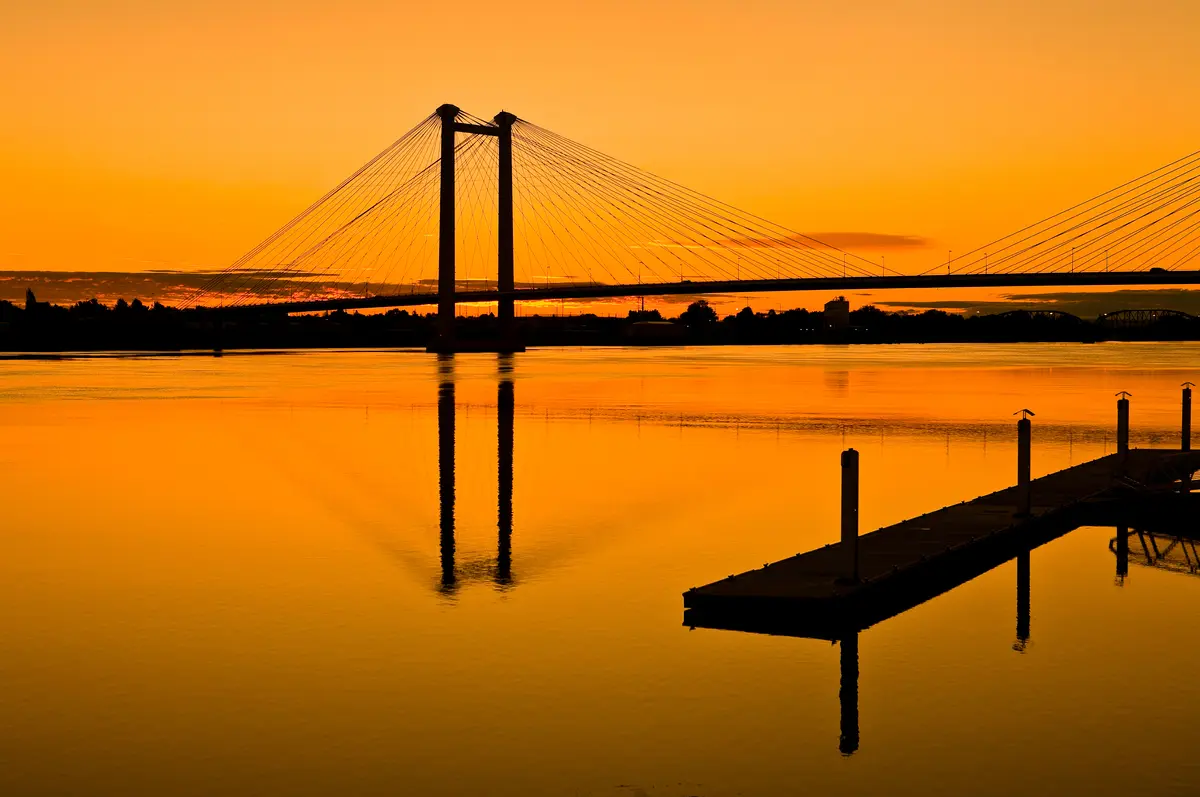
Is the Tri-Cities & Walla Walla a Good Place to Live?
You're probably here because someone told you eastern Washington is affordable, and they were right — but affordability alone doesn't explain why people stay, or why some leave. The Tri-Cities & Walla Walla sits well below the Seattle and Snohomish County price tiers, and even below the South Puget Sound and Southwest Washington corridors, which means buyers priced out of the west side of the Cascades often land here and find themselves genuinely surprised by what their budget can do. The catch is that these are not interchangeable suburbs of each other. Kennewick, Pasco, Richland, West Richland, Walla Walla, and College Place are distinct communities with different economic engines, different personalities, and real differences in who tends to thrive in each one.
The Tri-Cities anchor sits where the Columbia, Snake, and Yakima rivers converge, and the economic backbone there is unlike anything else in Washington. Pacific Northwest National Laboratory and the Hanford Site draw scientists, engineers, and federal contractors into Richland from across the country. Lamb Weston and Tyson Fresh Meats underpin Kennewick and Pasco with food-processing employment that runs deep in the local workforce. Columbia Basin College in Pasco and Washington State University Tri-Cities in Richland keep the region's educated workforce growing. About an hour and a half west — past the Horse Heaven Hills and the Red Mountain wine corridor — Walla Walla operates on an entirely different rhythm, shaped by Whitman College, a regional medical center, and a wine industry that has quietly turned a modest agricultural town into one of the more culturally interesting small cities in the Pacific Northwest.
Day-to-day life here runs on sunshine and open space. The Tri-Cities logs more sun than almost anywhere in Washington, the Columbia River Riverfront Trail connects communities along the water, and Howard Amon Park is the kind of place that makes a hot summer afternoon genuinely pleasant rather than just tolerable. Walla Walla has Pioneer Park, Bennington Lake, and a walkable historic downtown that feels closer to a college town in the Willamette Valley than it does to the industrial grid of the Tri-Cities. None of these cities have the density or transit infrastructure of the Puget Sound metro — a car is not optional anywhere in this region — but the tradeoff for most buyers is a house with a yard, a short commute, and a cost of living that leaves room in the budget for the wine tasting and outdoor recreation that define weekends here.
Whether you're weighing a relocation offer to Hanford, following a partner to Whitman College, or simply looking for a place to buy your first home without taking on a crushing mortgage, the cities below each make a different case for themselves. This guide breaks down what makes each one distinct — who it tends to suit, what the neighborhoods feel like, and the honest trade-offs that don't always show up in a Zillow search.
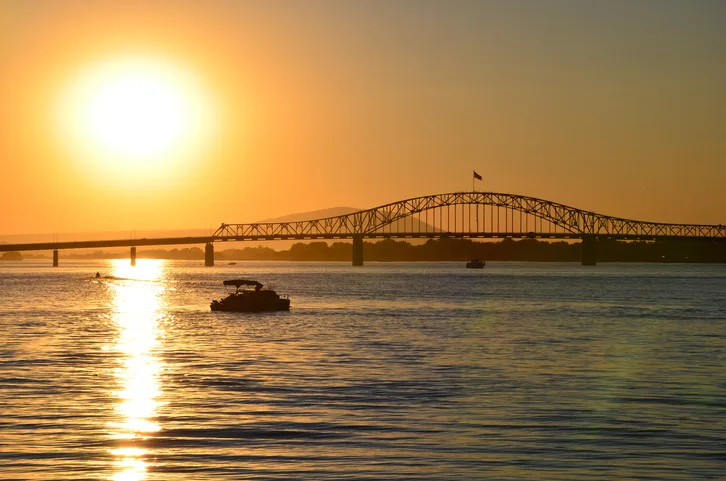
Explore All 6 Cities in the Tri-Cities & Walla Walla
Click into any city for the complete guide — neighborhoods, home prices, cost of living, pros & cons, schools, top employers, and mortgage help.
Kennewick
Kennewick is the commercial center of the Tri-Cities, with Toyota Center drawing regional events and the Columbia River Riverfront Trail running along its edge. It sits near the middle of this region on price and offers the widest range of neighborhood types — from the established Canyon Lakes area to newer construction in Southridge and Horse Heaven Hills. If you want the most amenities and activity in the Tri-Cities without paying a Richland premium, Kennewick tends to be the answer.
Full Kennewick Guide →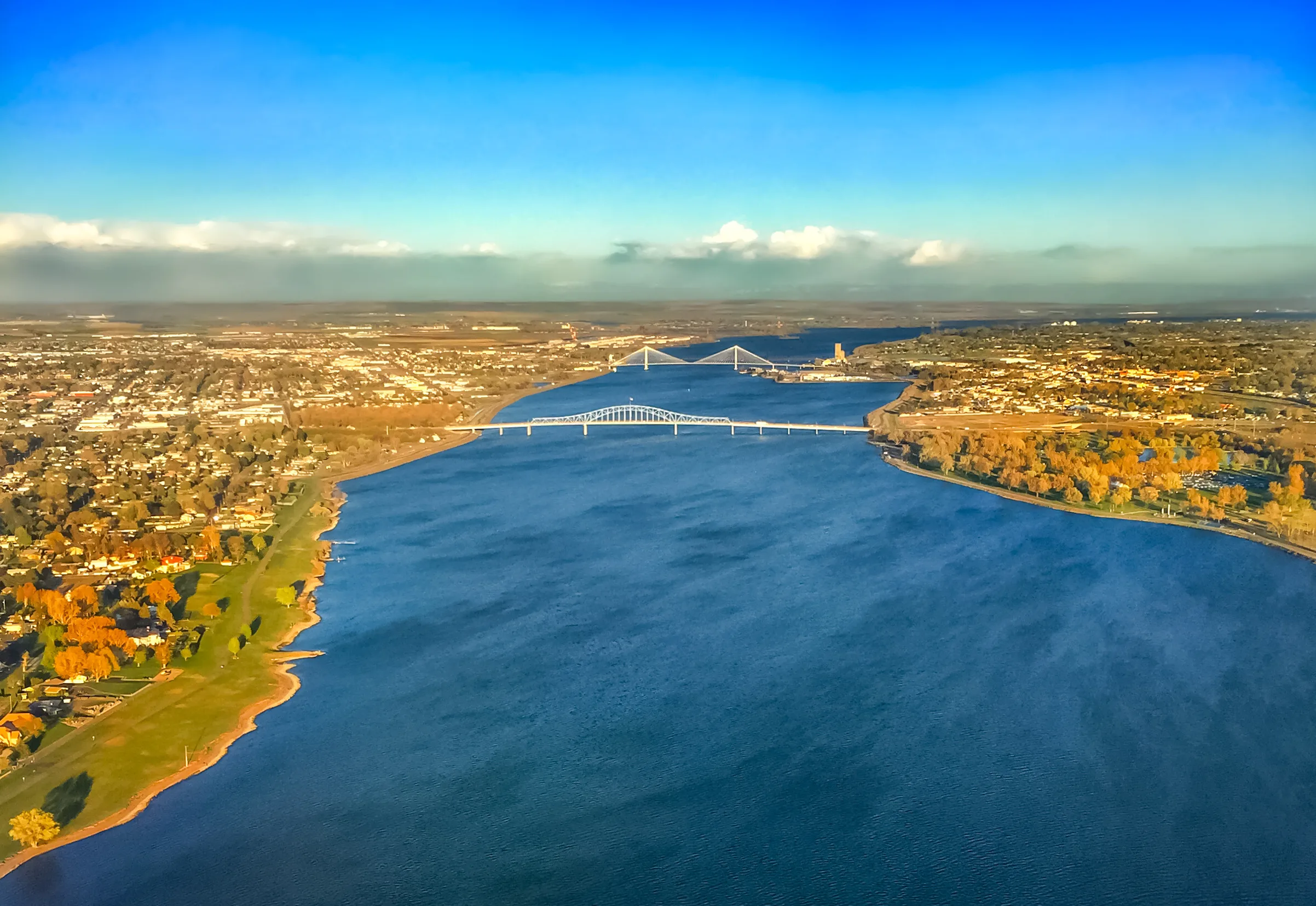
Pasco
Pasco is the fastest-growing of the Tri-Cities and the most culturally diverse, with a food-manufacturing employment base anchored by Lamb Weston, Tyson Fresh Meats, and Reser's Fine Foods. The Road 68 Corridor and the Broadmoor area have drawn significant new residential development, and Columbia Basin College gives the city an educational anchor that draws younger households. It sits near the middle of the region on price, and buyers who prioritize newer construction and room to grow tend to find Pasco the most compelling option.
Full Pasco Guide →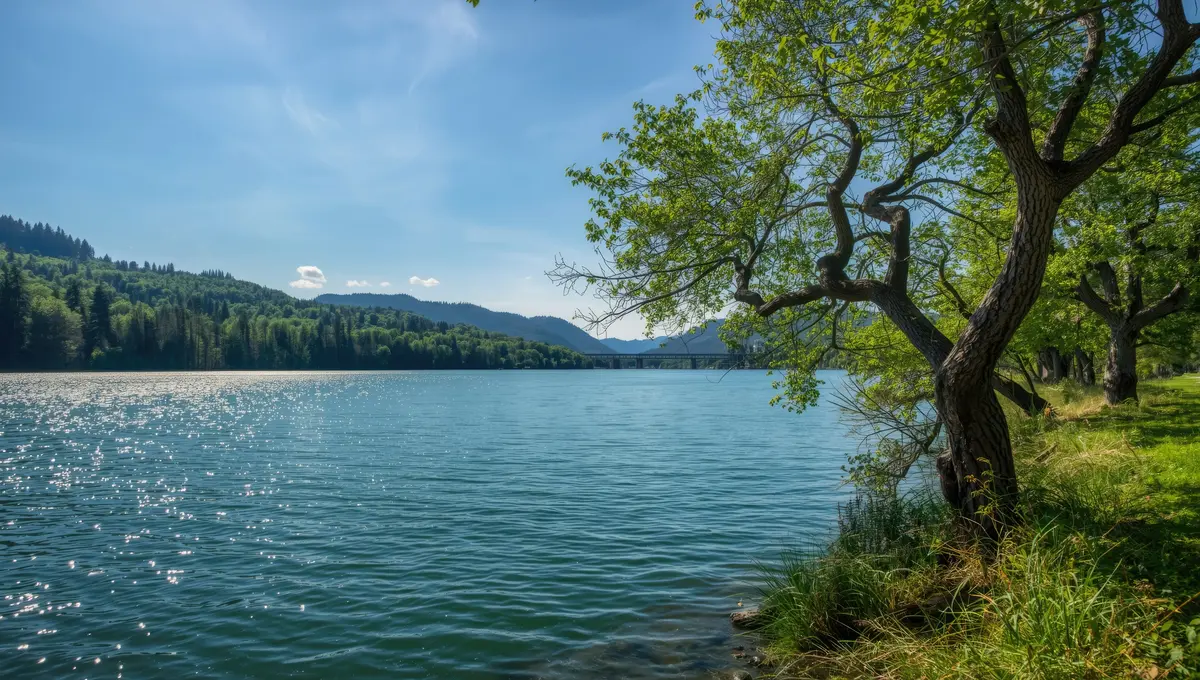
Richland
Richland is the intellectual center of the Tri-Cities, shaped almost entirely by Pacific Northwest National Laboratory, the Hanford Site, and the research contractors — Battelle among them — that orbit those institutions. The Gold Coast historic district, Howard Amon Park along the Columbia, and the WSU Tri-Cities campus give it a character that feels more planned and cohesive than the other Tri-Cities. It runs near the middle of this region on price but often at the upper edge of that band, and the buyer profile skews heavily toward dual-income professional households with ties to the federal research complex.
Full Richland Guide →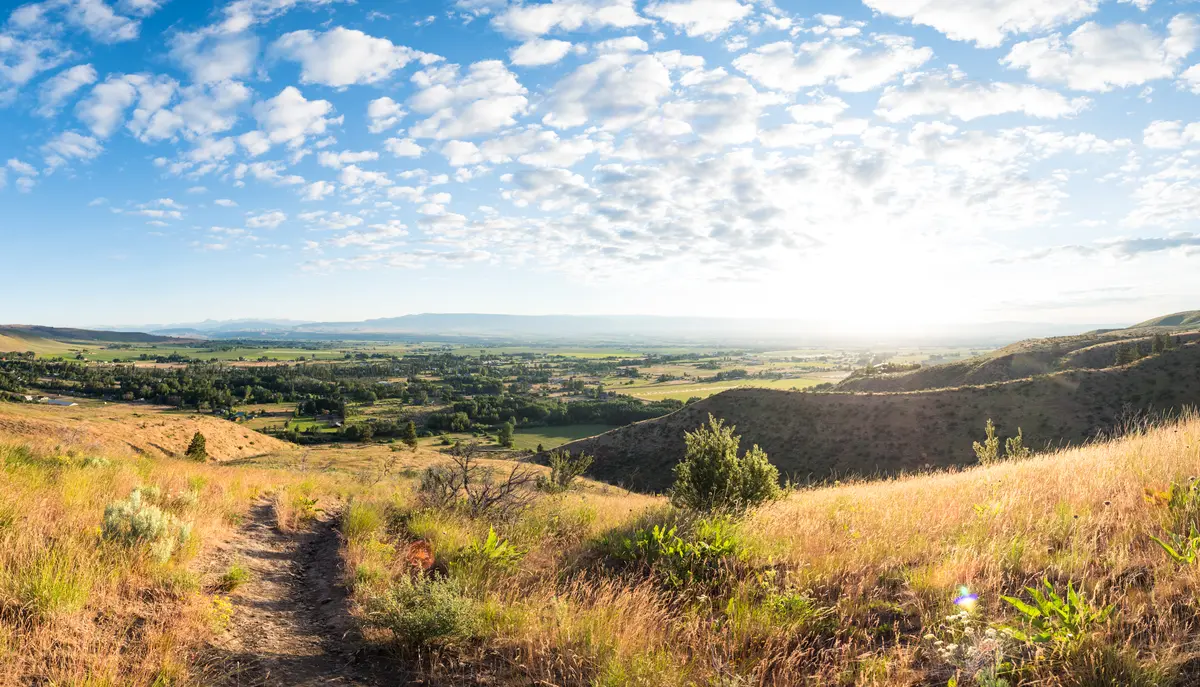
Walla Walla
Walla Walla operates in a separate world from the Tri-Cities — a mid-size city shaped by Whitman College, full-service hospital care in town, and a wine industry that has drawn national attention to what was once purely an agricultural town. The historic downtown, Pioneer Park, Fort Walla Walla Museum, and the Whitman College campus make it one of the more walkable and culturally rich communities in this region. It sits near the middle of this region on price and suits buyers who want a smaller-city feel with genuine cultural texture, at the cost of being more isolated from the larger Tri-Cities employment base.
Full Walla Walla Guide →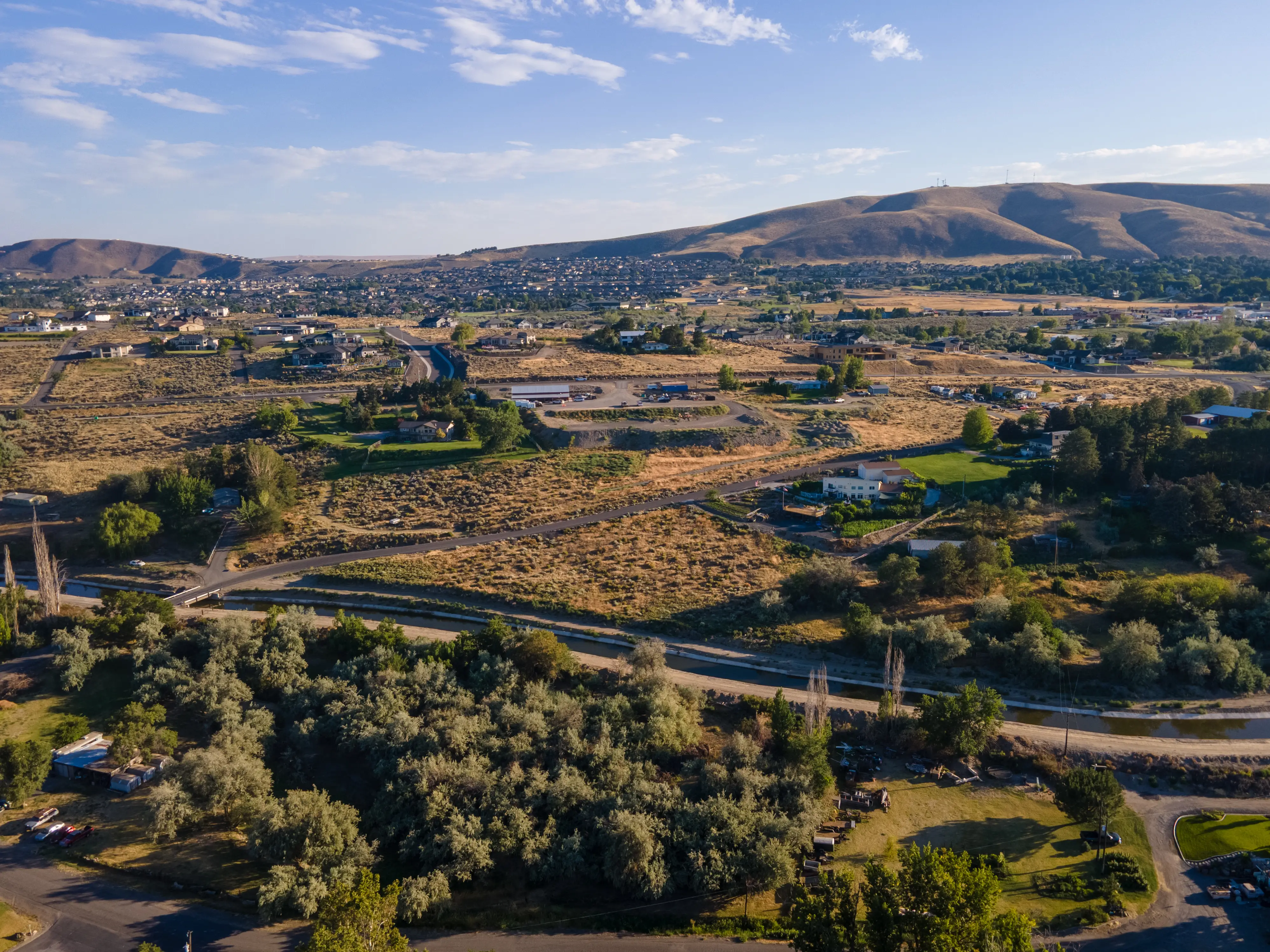
West Richland
West Richland is a small city that functions as a quieter, more residential alternative to Richland proper — most residents commute to Hanford Site contractors, Pacific Northwest National Laboratory, or regional healthcare employers, and the city itself has a distinctly low-key character anchored by the Flat Top Park area and proximity to the Red Mountain AVA wine region. It sits near the middle of this region on price, often attracting buyers who want Richland-adjacent employment access and a less urban daily environment.
Full West Richland Guide →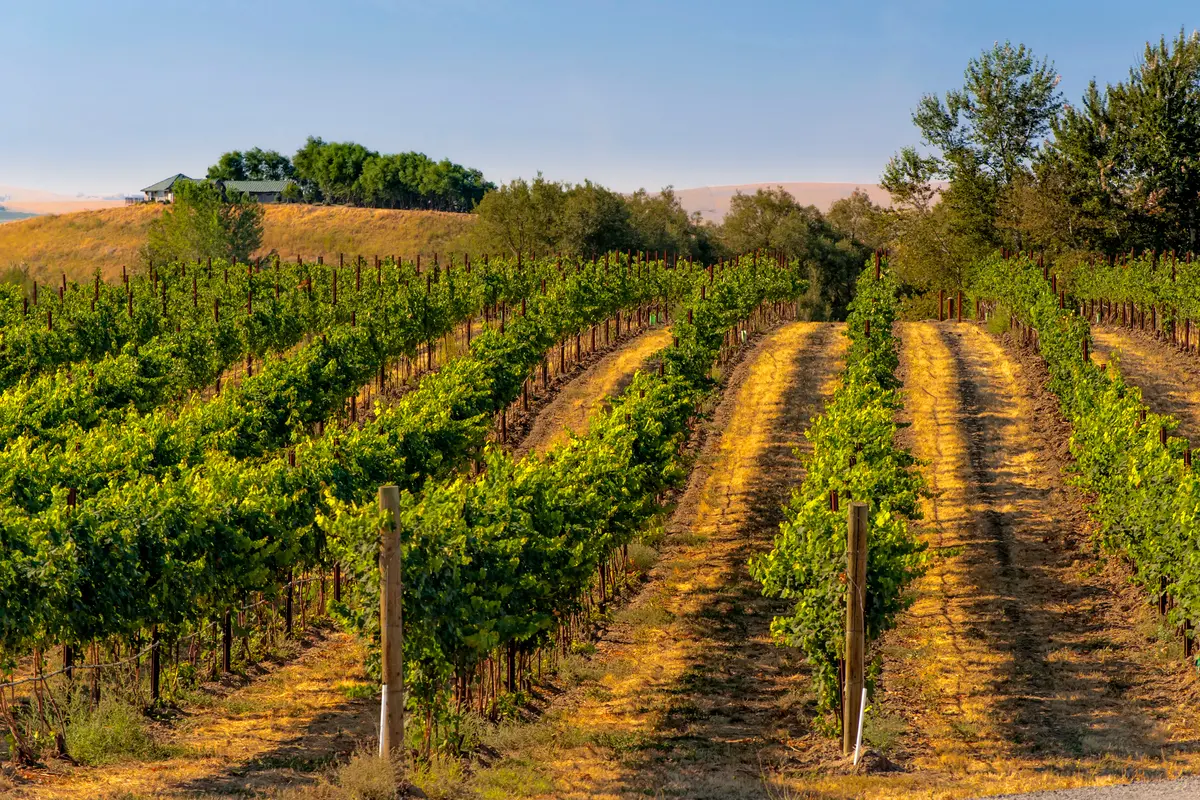
College Place
College Place is a small town that sits immediately adjacent to Walla Walla and is defined almost entirely by its relationship to Walla Walla University — the campus is both the town's largest employer and its cultural center. It offers a quiet, community-oriented setting that appeals strongly to households connected to the university or to those who want Walla Walla's amenities at a slightly more modest price point. For buyers who want proximity to Walla Walla's wine country and walkable historic downtown without living inside the city itself, College Place is the most direct alternative.
Full College Place Guide →Compare Every City in Tri-Cities & Walla Walla
Full ranked breakdowns across every city in the region — scored and compared side by side.
Local Expert Takeaway: The Tri-Cities & Walla Walla rewards buyers who pick a city based on where they'll work and what daily life they actually want — not just on price — because Richland's research-industry culture, Pasco's growth energy, Kennewick's commercial breadth, and Walla Walla's university-and-wine identity are genuinely different places that happen to share a region.
Frequently Asked Questions
Which city in the Tri-Cities & Walla Walla is best for families with school-age children?
Is the Tri-Cities & Walla Walla a good fit for someone relocating for a federal research job?
How does the cost of living in the Tri-Cities & Walla Walla compare to western Washington?
What is Walla Walla like as a place to live, beyond the wine industry?
Can someone live in Pasco or Kennewick and realistically commute to Richland for work?
Helpful Washington Resources
Explore Other Washington Regions
the Tri-Cities & Walla Walla is one of 11 distinct regions that make up Washington. Each has its own climate, character, and housing market — explore them all.

Seattle and the King County cities around Lake Washington, out to the Snoqualmie foothills. 16 cities including Seattle, Bellevue, Kirkland.
Explore all 16 Seattle & Eastside cities →
Tacoma and the state capital anchor Pierce and Thurston counties at the south end of the Sound. 16 cities including Tacoma, South Hill, Lakewood.
Explore all 16 South Puget Sound cities →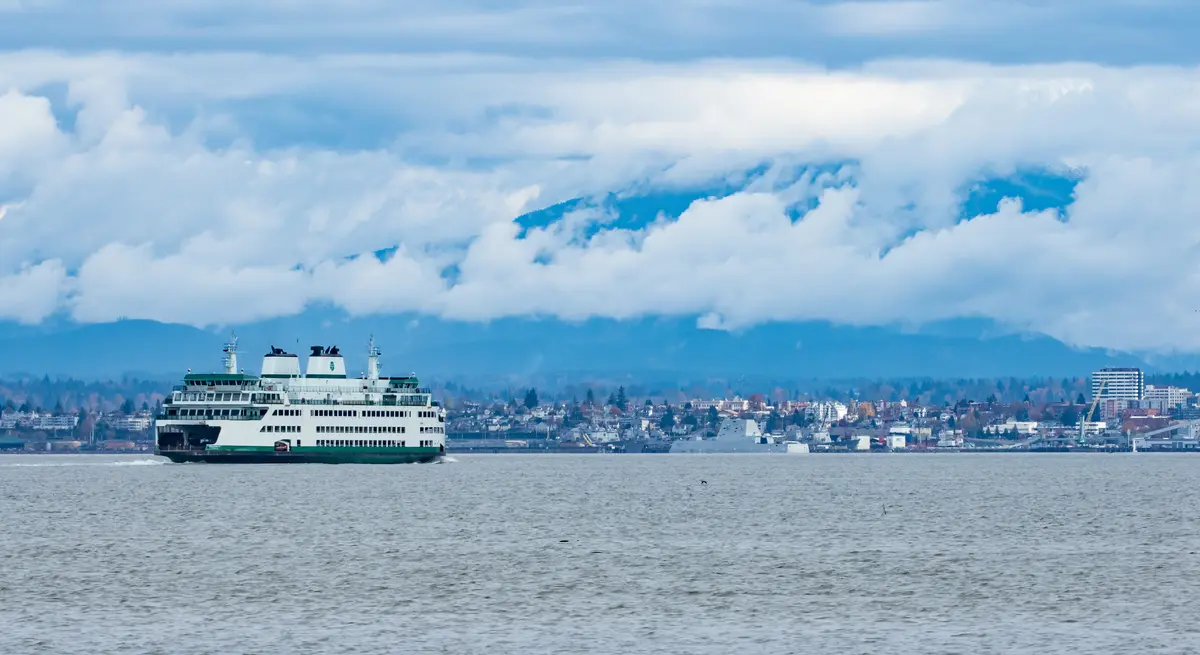
Everett and the cities north of Seattle, from the Sound shoreline to the Cascade foothills. 12 cities including Everett, Marysville, Edmonds.
Explore all 12 Snohomish County cities →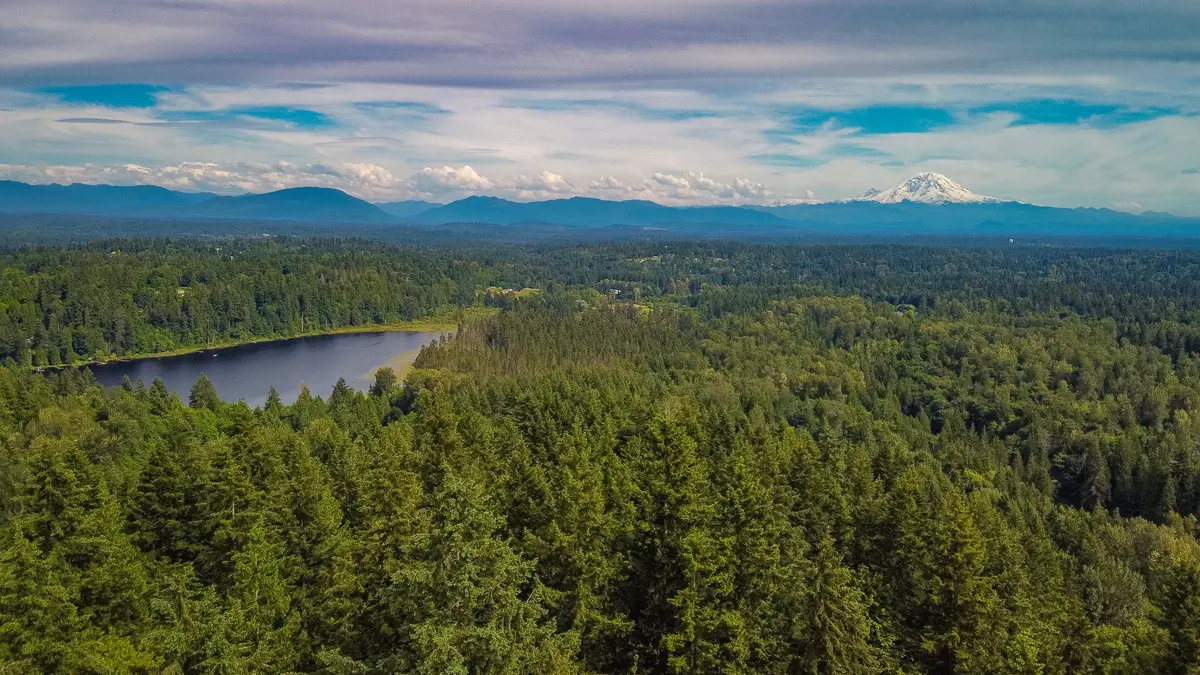
The airport, warehouse and aerospace corridor between Seattle and Tacoma. 10 cities including Kent, Renton, Federal Way.
Explore all 10 South King County cities →
Just across the Columbia from Portland, with no state income tax. 8 cities including Vancouver, Longview, Camas.
Explore all 8 SW Washington cities →
Bellingham, the Skagit Valley and Whidbey Island, between Seattle and the Canadian border. 7 cities including Bellingham, Mount Vernon, Oak Harbor.
Explore all 7 North Puget Sound cities →
Yakima Valley farm and wine country, Wenatchee orchards and the Columbia Basin. 7 cities including Yakima, Wenatchee, Moses Lake.
Explore all 7 Central WA cities →
Spokane anchors the Inland Northwest, with the university town of Pullman to the south. 6 cities including Spokane, Spokane Valley, Pullman.
Explore all 6 Spokane & Inland NW cities →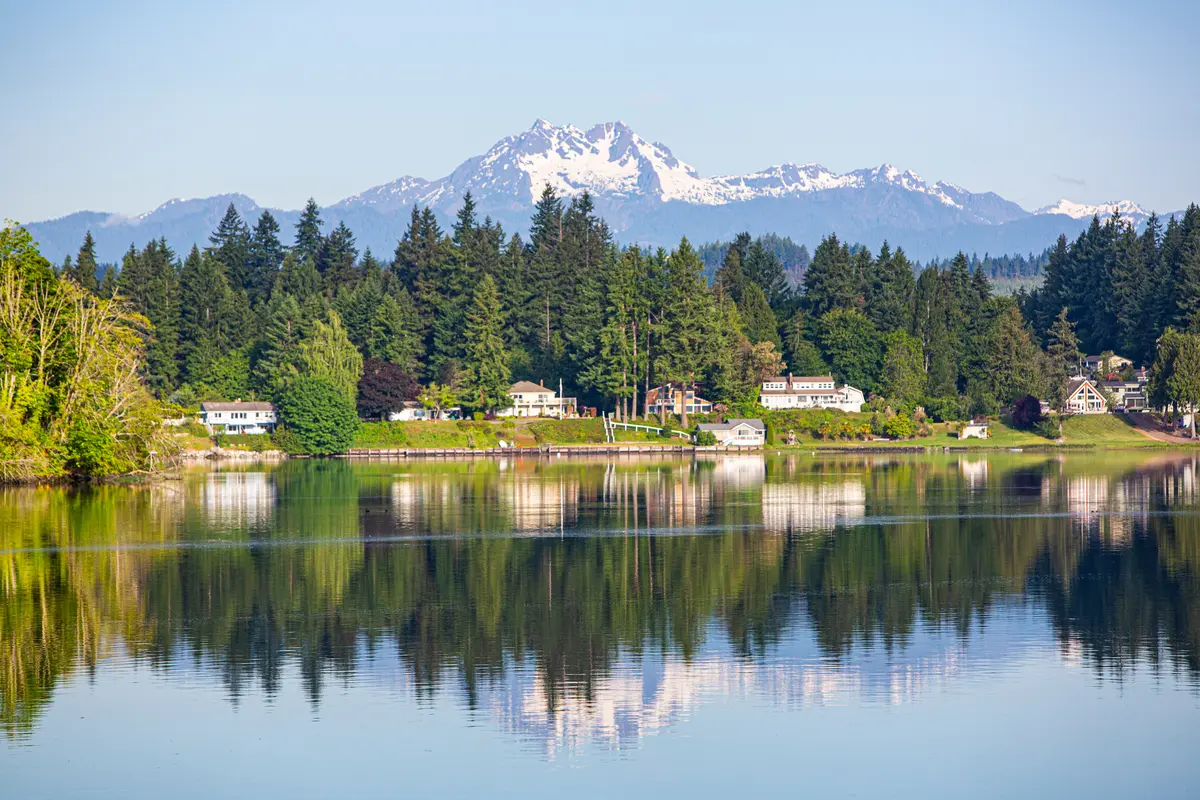
Ferry-linked towns across the Sound from Seattle, from Bremerton to Bainbridge Island. 5 cities including Bremerton, Bainbridge Island, Silverdale.
Explore all 5 Kitsap Peninsula cities →
Towns between the Olympic Mountains, the Strait of Juan de Fuca and the Pacific coast. 5 cities including Port Angeles, Aberdeen, Shelton.
Explore all 5 Olympic Peninsula cities →Moving to Washington?
Tell us what you need help with and we'll connect you with local resources.
