Is Eastern Idaho a Good Place to Live?
Maybe you ran the numbers on Boise and landed here. Maybe the Idaho National Laboratory called and you're now Googling every city within an hour of Idaho Falls. Or maybe you've been watching Teton Valley real estate and you're trying to figure out why a town of 2,500 in Idaho costs more than most of Portland.
The honest catch about Eastern Idaho: the region spans an enormous range — from Chubbuck's $282K medians to Victor's $797K medians — and that spread reflects genuinely different economies and lifestyles, not just commute distance. A nuclear researcher landing at INL, a BYU-Idaho student looking to stay after graduation, and a remote worker chasing a view of the Tetons are all technically shopping the same region but living in completely different markets.
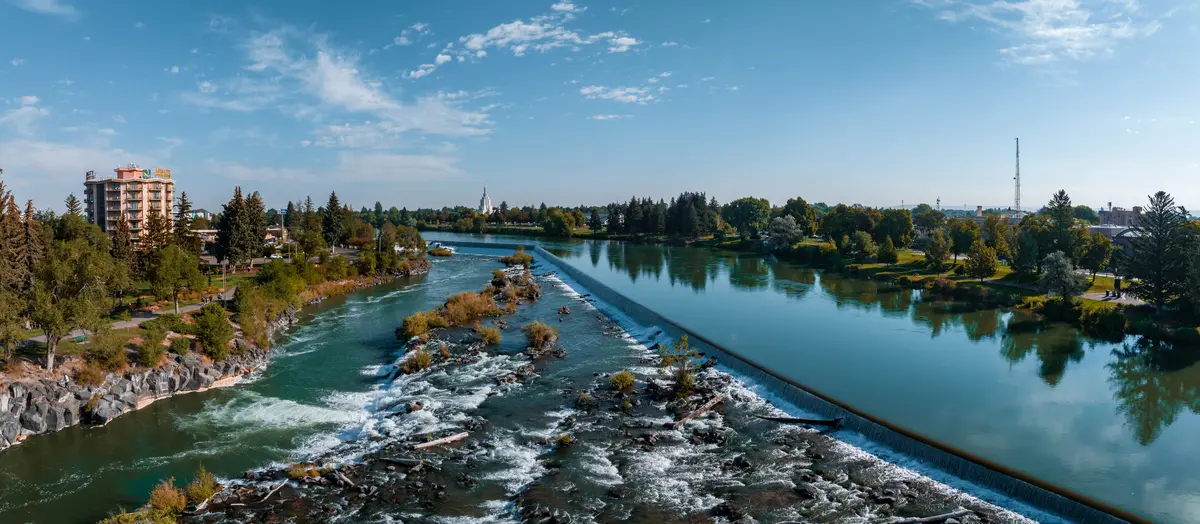
The anchors are easy to spot: Idaho Falls is the regional hub, with the Snake River Greenbelt, Melaleuca Field, and the Museum of Idaho giving it actual urban texture. Pocatello has Idaho State University and a gritty Old Town that people either love immediately or don't. Rexburg runs almost entirely on BYU-Idaho's academic calendar — which shapes everything from rental availability to which restaurants stay open in summer. And Driggs and Victor sit on the Idaho side of Teton Pass, where the scenery is identical to Jackson Hole and the prices are catching up fast.
The cities below are genuinely different places — not interchangeable suburbs of each other. A commuter-friendly ranch home in Shelley is a different decision than a ski-town condo in Driggs, even if both technically count as Eastern Idaho. Use the grid below to find which one matches what you're actually looking for.
Explore All 14 Cities in Eastern Idaho
Click into any city for the complete guide — neighborhoods, home prices, cost of living, pros & cons, schools, top employers, and mortgage help.
Idaho Falls
Idaho Falls is the closest thing Eastern Idaho has to a city with real infrastructure — a regional medical center, the Mountain America Center for events, and the Snake River Greenbelt threading through neighborhoods like Freeman Park and Sunnyside. Idaho National Laboratory is the region's dominant employer, and its workforce anchors the housing market: median homes sit at $400,448. If you want walkable downtown life, a zoo at Tautphaus Park, and proximity to INL without paying Ammon premiums, Idaho Falls is the default answer.
Full Idaho Falls Guide →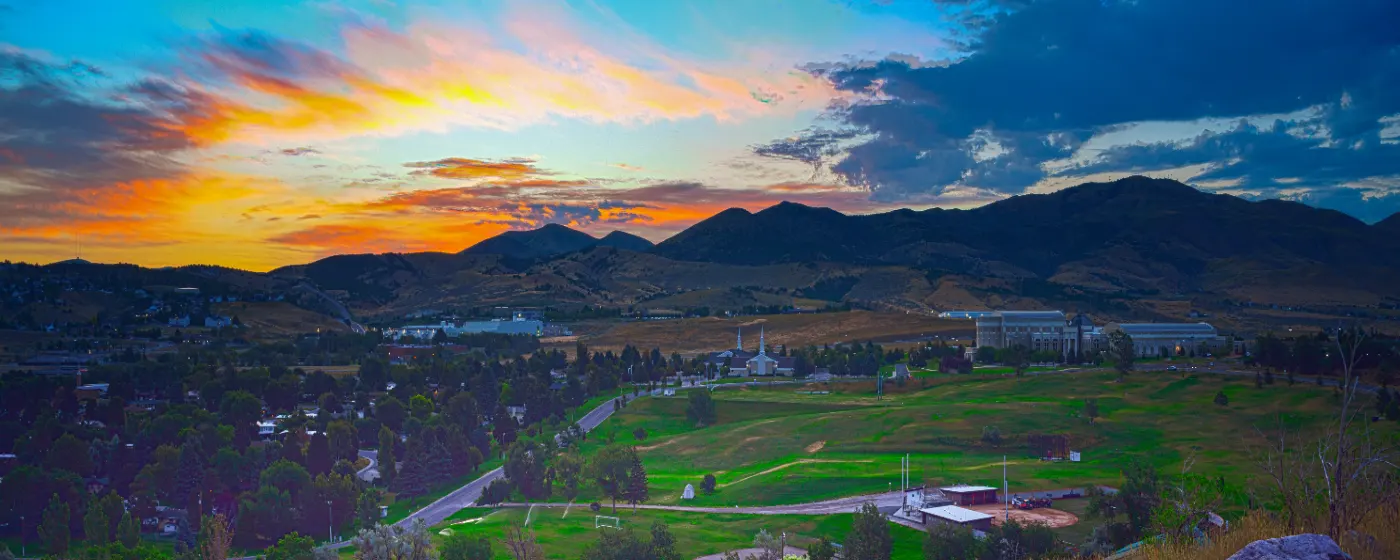
Pocatello
Pocatello is the region's college town and its most affordable mid-size city, with Idaho State University and ON Semiconductor anchoring two very different employment tracks. Median homes are at $318,721 — some of the lowest in the region — and the Old Town Historic District and Portneuf Greenway give it more character than the price suggests. If you want a walkable urban neighborhood, a university-town energy, and don't need to be within 20 minutes of INL, Pocatello is the honest choice.
Full Pocatello Guide →
Rexburg
Rexburg is a BYU-Idaho company town in the most literal sense — nearly everything about the housing market, the rental inventory, and the local economy bends around the university's calendar and the LDS community it attracts. Median homes at $403,386 are higher than Pocatello's despite a much smaller city, largely because demand from faculty and staff competes with limited supply. If you're connected to BYU-Idaho or want a small, tight-knit community near the Teton Flood Exhibit, Legacy Flight Museum, and Rexburg Rapids, it works — but renters and non-affiliated buyers should go in with clear eyes.
Full Rexburg Guide →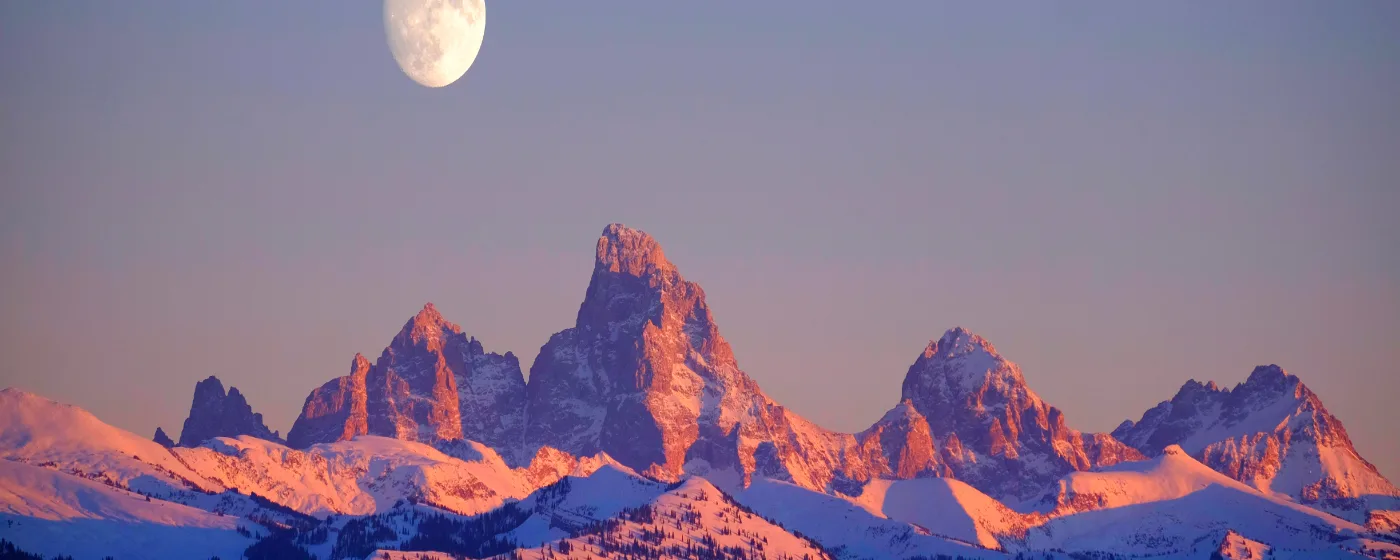
Ammon
Ammon is essentially Idaho Falls' most desirable eastern suburb — newer construction, quieter streets, and the same INL and Melaleuca employer base without the urban noise. Median homes at $430,000 run about $30K above Idaho Falls proper, and the trade-off is lower density and more planned-neighborhood feel, with Woodland Hills Park and McCowin Park as the main green anchors. Grand Teton Mall sits on its western edge, which doubles as both a convenience and a reminder that this is suburban Idaho, not a walkable urban environment.
Full Ammon Guide →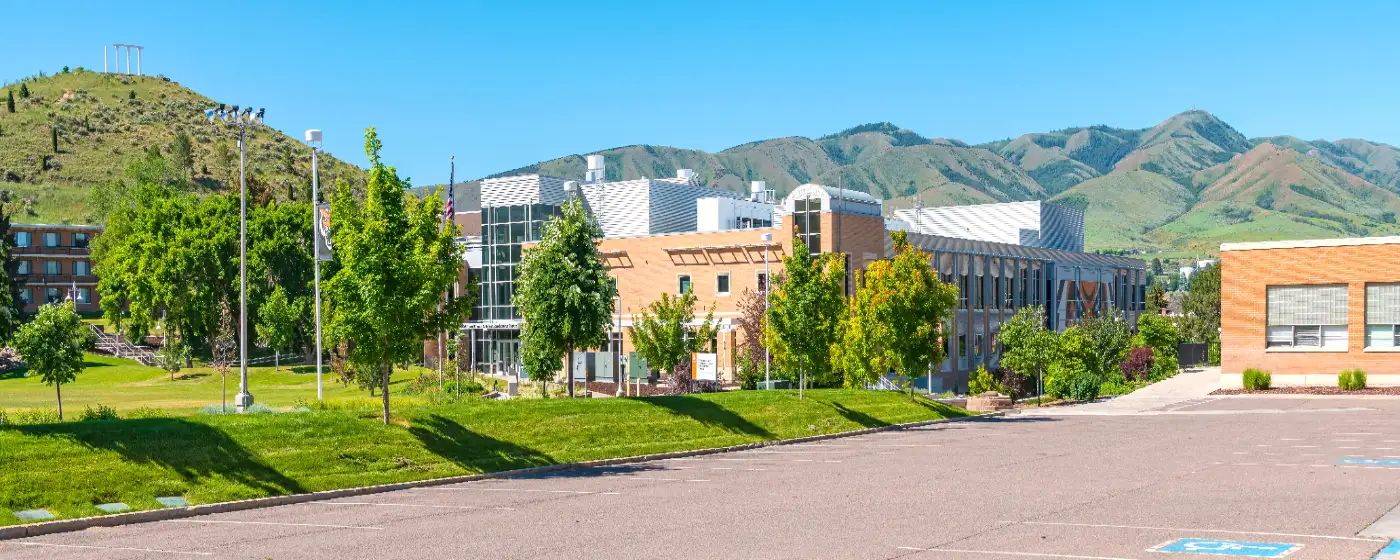
Chubbuck
Chubbuck is Pocatello's northern neighbor with a lower price point and a practical, no-frills character — the Pine Ridge Mall corridor defines its commercial spine, and the Pocatello/Chubbuck School District 25 serves both cities. Median homes come in at $282,189, the lowest figure in the region, which reflects both the older housing stock and the limited standalone amenity base. If you're price-sensitive, commuting to Portneuf Medical Center or Idaho Central Credit Union, and don't need much beyond access to Pocatello's fuller range of services, Chubbuck delivers on value.
Full Chubbuck Guide →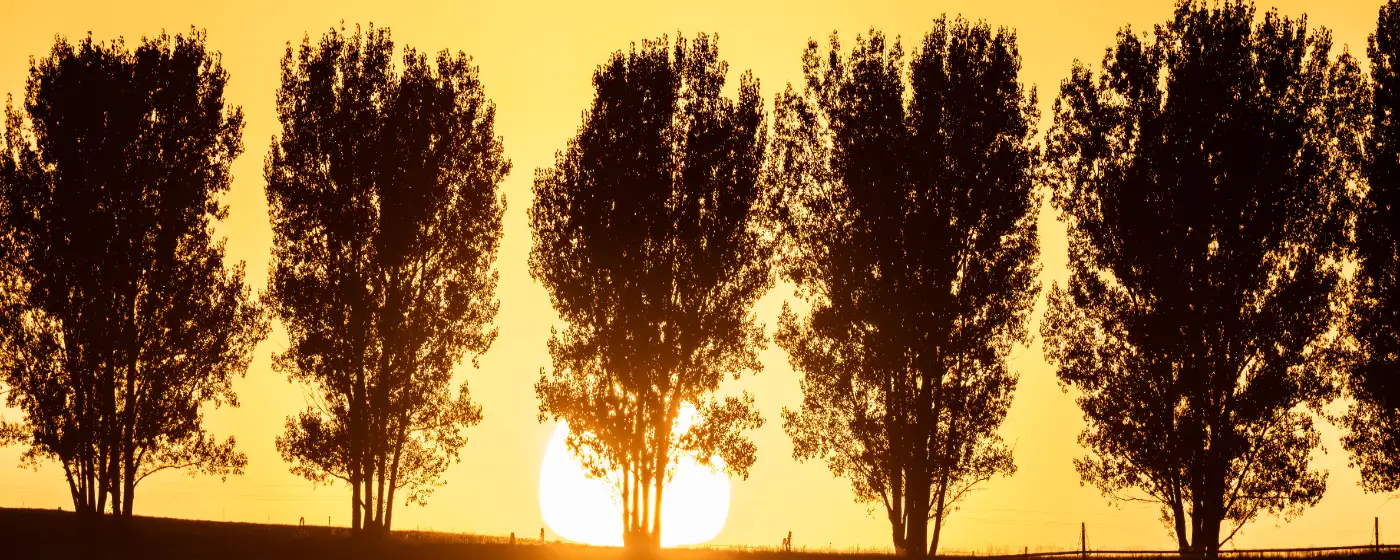
Blackfoot
Blackfoot sits between Idaho Falls and Pocatello and is perhaps best known outside Idaho for the Idaho Potato Museum and the Eastern Idaho State Fairgrounds — but for buyers, it's a practical mid-point with a $334,424 median and employers like Premier Technology and Woodgrain Millwork alongside the INL commuter base. Jensen Grove Park along the Snake River is the city's best quality-of-life asset. It's a genuine small city with its own economy, not just a suburb, which makes it worth considering for buyers who want lower prices than Idaho Falls without going all the way to Pocatello.
Full Blackfoot Guide →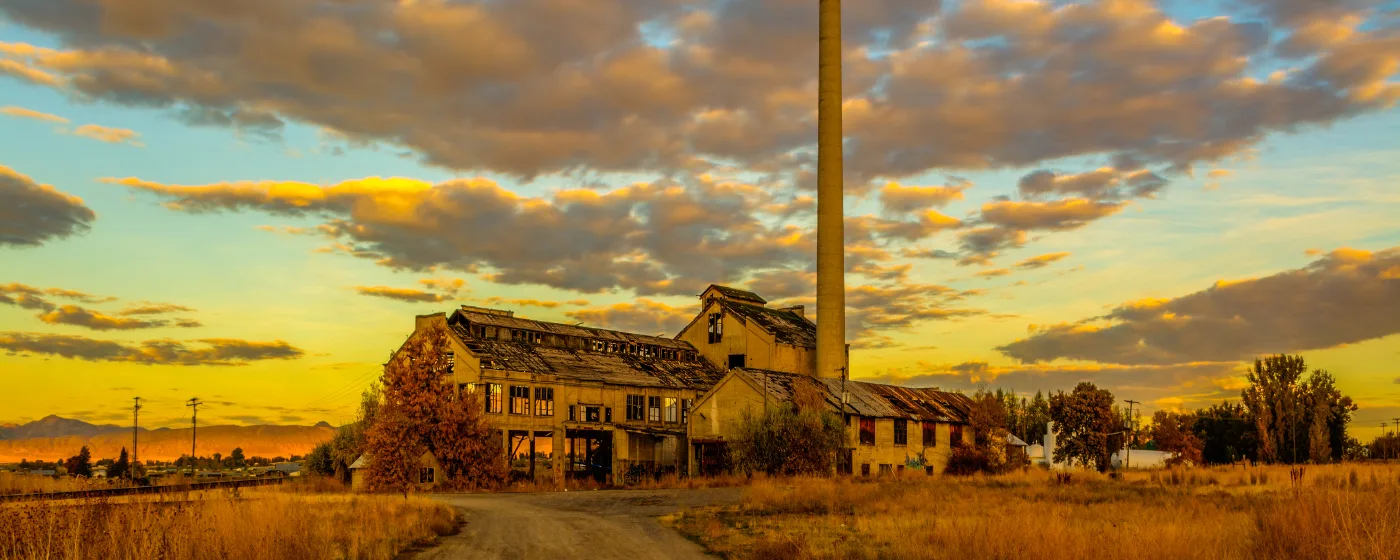
Preston
Preston is a Franklin County agricultural town that most Americans know only as the Napoleon Dynamite filming location — but the Bear River Massacre National Historic Landmark and the Worm Creek Opera House say something more complicated about the place. Median homes at $470,000 are surprising for a city of 6,400, likely reflecting rural land-and-home combinations rather than dense suburban inventory. If you want deep small-town Idaho character, agriculture as the actual local economy, and don't mind that your nearest regional hub is a meaningful drive away, Preston is a genuine option.
Full Preston Guide →
Rigby
Rigby's most distinctive claim is being the birthplace of television — Philo Farnsworth grew up here, and the Farnsworth TV & Pioneer Museum makes that tangible. Jefferson County's agricultural base and proximity to INL contractors give it a dual economic character, with median homes at $481,313 reflecting rural-Idaho land premiums more than urban demand. It's a small city with a courthouse-square downtown and Rigby Lake nearby, suited to buyers who want rural space and a short-ish commute toward Idaho Falls rather than walkable amenities.
Full Rigby Guide →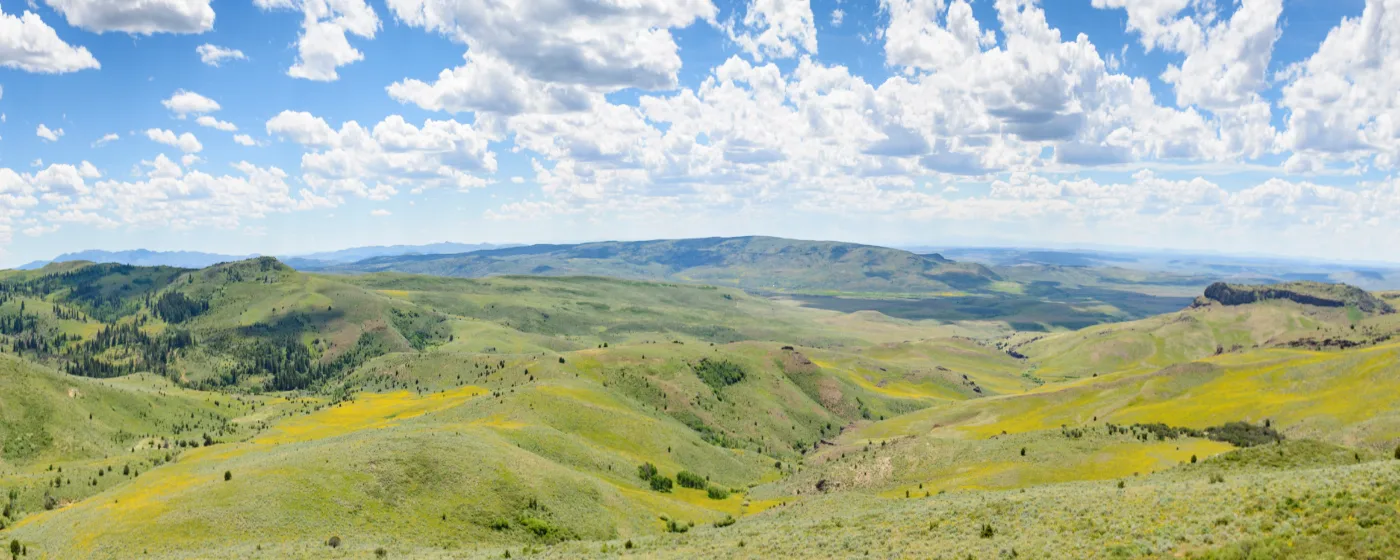
Shelley
Shelley is a Bingham County potato-farming town where the annual Spud Day Festival is a genuine community event, not an ironic one. Median homes at $429,500 are higher than you might expect for a city of 5,400, which points to buyers choosing Shelley for land, space, and a quieter commute corridor toward Idaho Falls rather than in-town amenities. The Shelley Greenbelt Trail and Snake River access points are the main outdoor draws — this is a place people move to for agricultural-edge living, not for the restaurant scene.
Full Shelley Guide →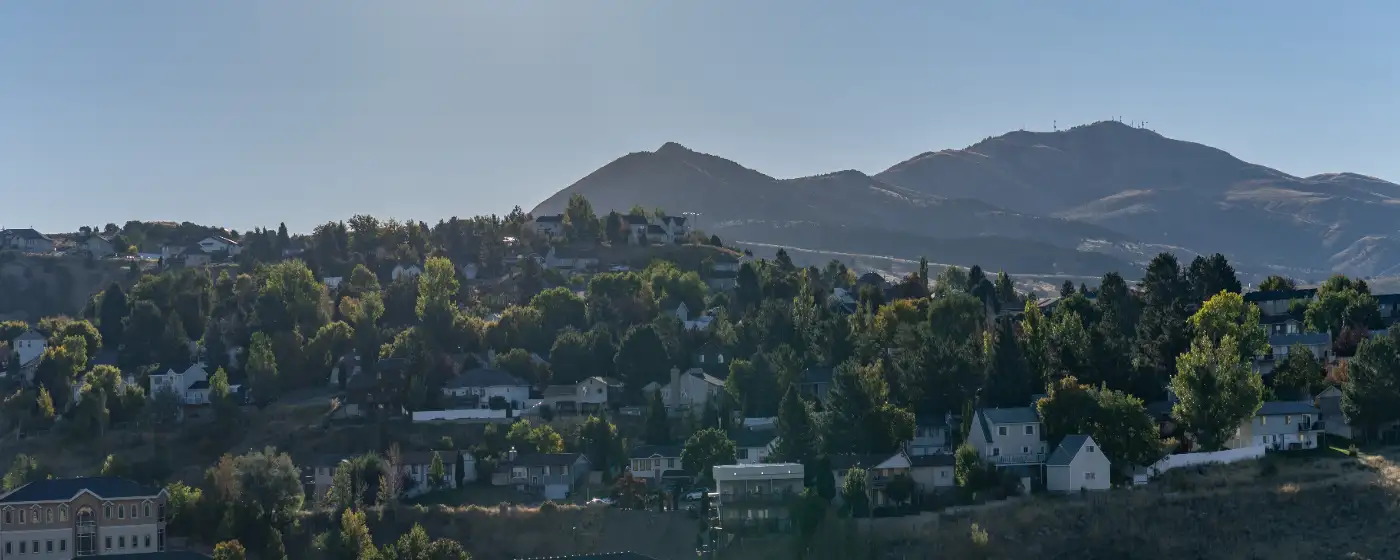
American Falls
American Falls sits on the reservoir of the same name in Power County, and Lamb Weston's frozen potato processing plant is the defining economic anchor — which tells you something about the local character. Median homes at $320,000 are among the most accessible in the region, and the American Falls Reservoir and Willow Bay Resort make it genuinely appealing for outdoor-focused buyers. If lakeside living, low prices, and a tight-knit agricultural community sound better than regional-hub access, this is worth a serious look.
Full American Falls Guide →- Is American Falls Safe? A Data-Backed Look
- Cost of Living in American Falls
- Best Neighborhoods in American Falls
- Schools in American Falls: A Family Guide
- Parks & Recreation in American Falls
- Retiring in American Falls
- First-Time Homebuyer's Guide to American Falls
- Moving to American Falls from California
St. Anthony
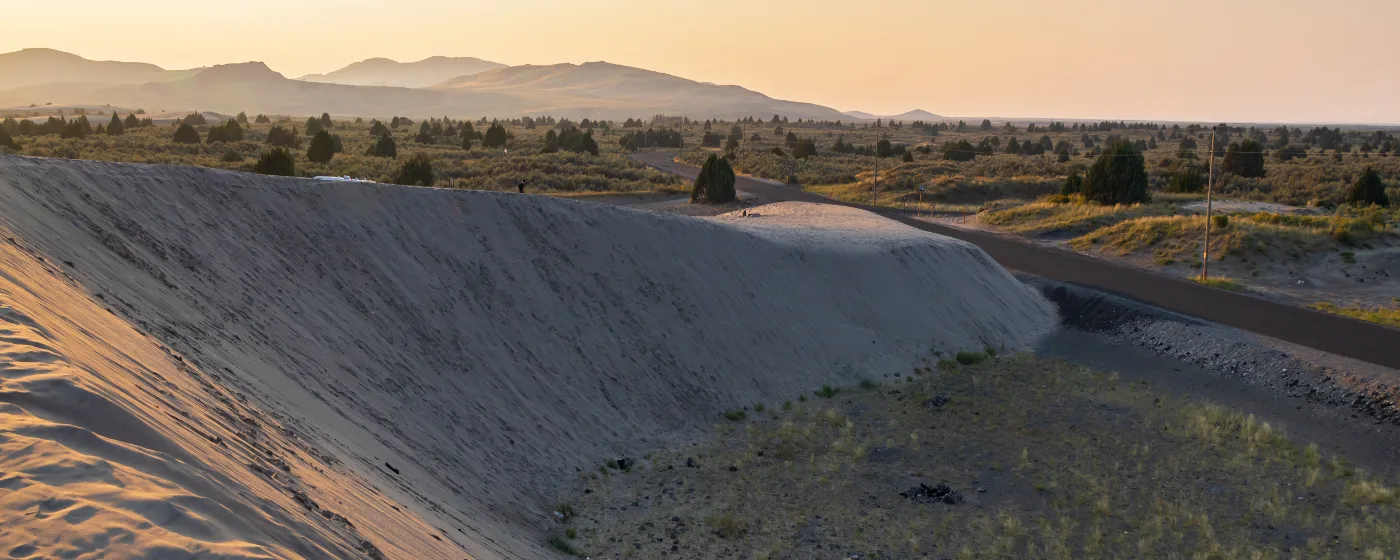
St. Anthony sits at the gateway to the St. Anthony Sand Dunes and Henry's Fork of the Snake River — two attractions that pull visitors from across the region but don't fully drive its housing market. Median homes at $290,325 are among the lowest in the region, and the economy leans on Fremont County schools, Grand Peaks Healthcare, and a small local commercial base. For buyers who want a quiet Fremont County footprint with access to serious outdoor recreation and don't need Idaho Falls amenities daily, St. Anthony is an underappreciated option.
Full St. Anthony Guide →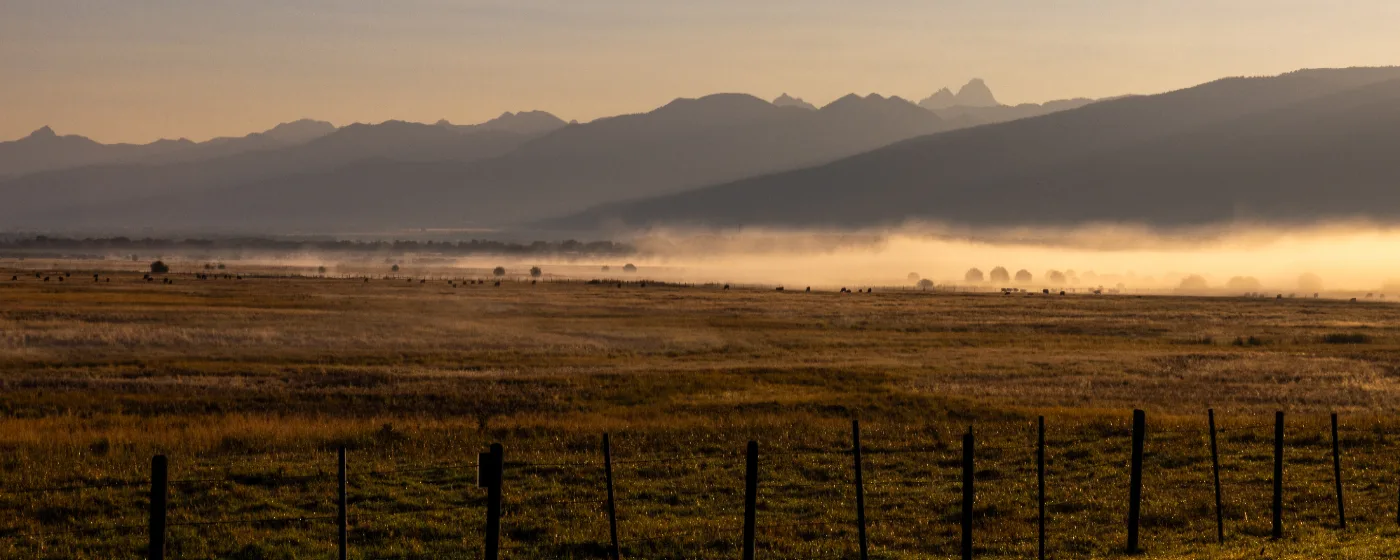
Victor
Victor is the more affordable of Teton County's two Idaho towns — though $797,530 as a median tests the word 'affordable' hard. The Spud Drive-In, Pierre's Theatre, and Music on Main give it a scrappy arts-and-community identity that Driggs doesn't quite replicate, and its workers include employees of Jackson Hole Airport just over the pass. If you're buying into Teton County on an Idaho budget rather than a Wyoming one, Victor is the entry point — but know that you're still in resort-market territory.
Full Victor Guide →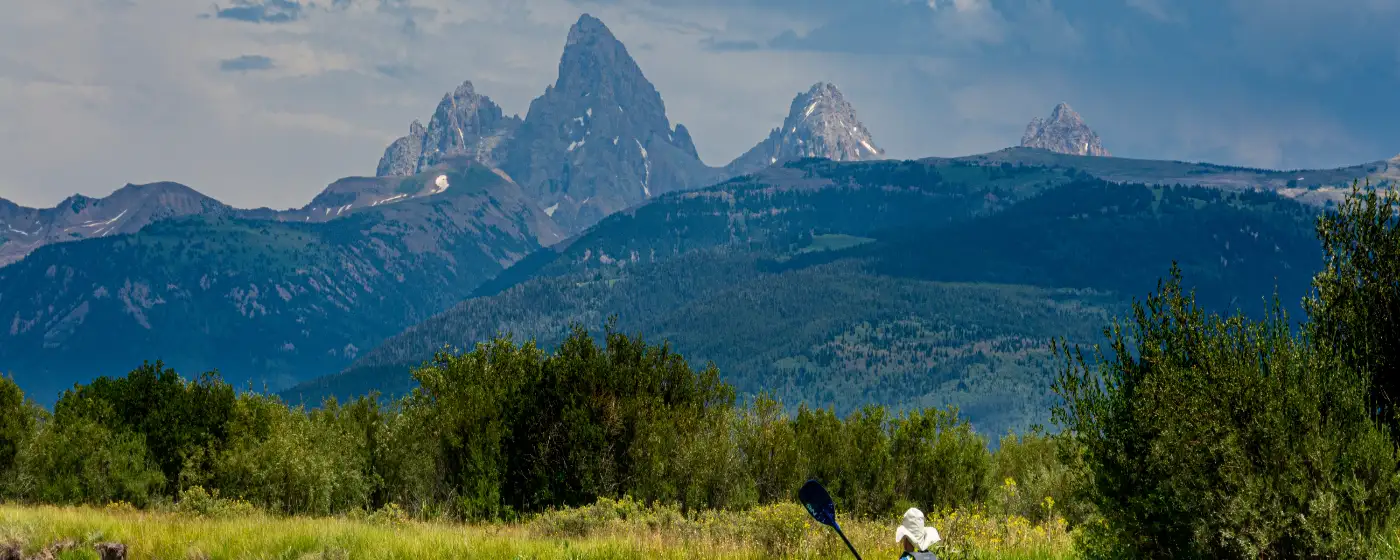
Driggs
Driggs is the Teton Valley's commercial and government center on the Idaho side, home to Grand Targhee Resort, a Teton Valley Hospital, and a Driggs-Reed Memorial Airport that makes it accessible without going through Jackson. Median homes at $781,920 put it just below Victor in price, and the Ski Hill Road corridor and neighborhoods like Targhee Ranch and Stonebridge reflect a buyer profile that's often second-home or resort-adjacent. This is the place if you want a full-service small town with Teton views, ski access, and more amenity depth than Victor — and can absorb the price.
Full Driggs Guide →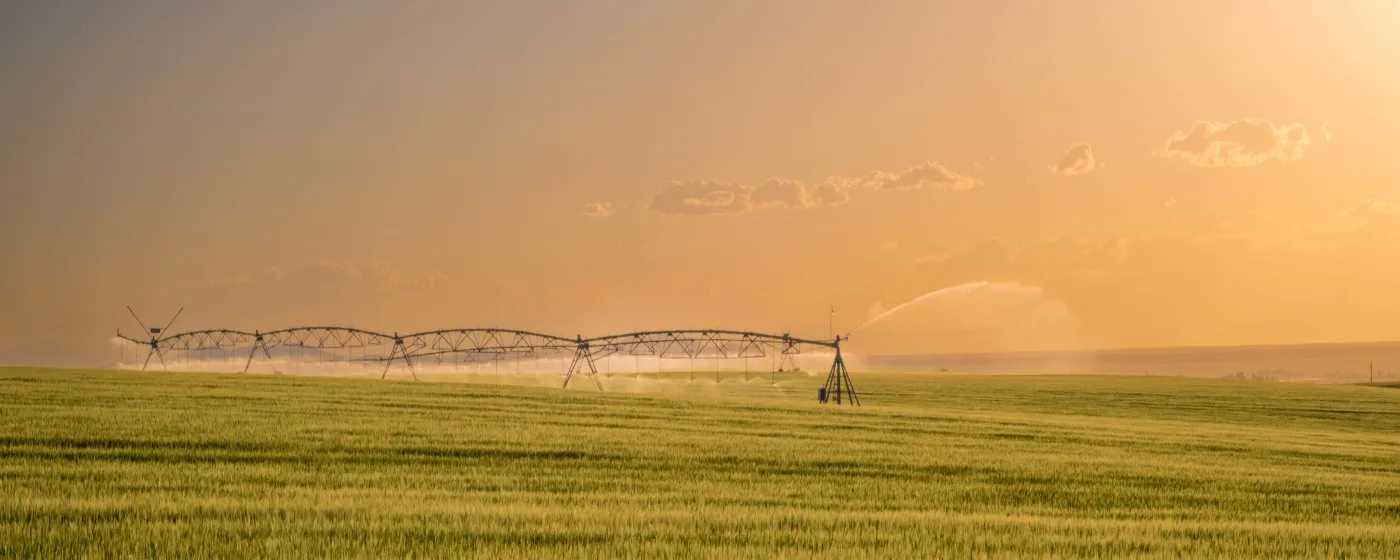
Sugar City
Sugar City is a small Madison County agricultural community that runs on BYU-Idaho's proximity — the university in neighboring Rexburg is the practical employer and service anchor for many residents here. Median list prices around $434,000 are higher than the town's size and standalone amenity base would typically support, driven by Madison County's broader BYU-Idaho demand spillover. The Teton Dam Flood Memorial is the city's most historically significant landmark, a reminder that Sugar City was almost entirely destroyed in 1976 and rebuilt — which shapes its community identity more than any current employer does.
Full Sugar City Guide →Compare Every City in Eastern Idaho
Full ranked breakdowns across every city in the region — scored and compared side by side.
Local Expert Takeaway: If you're choosing between cities in Eastern Idaho, the single most useful filter is employer first, recreation second — your job location and your outdoor priorities together will narrow a wide-open field down to two or three real candidates faster than any other comparison.
Frequently Asked Questions
Which city in Eastern Idaho is the best fit for someone taking a job at Idaho National Laboratory?
How different are home prices across Eastern Idaho — is this really one market or several?
Is Eastern Idaho a realistic option if I'm working remotely and mostly care about quality of life?
What should I know about Rexburg before relocating there if I'm not affiliated with BYU-Idaho?
How far is Eastern Idaho from outdoor recreation, and does location within the region actually matter for access?
Helpful Idaho Resources
Explore Other Idaho Regions
Eastern Idaho is one of 6 distinct regions that make up Idaho. Each has its own climate, character, and housing market — explore them all.
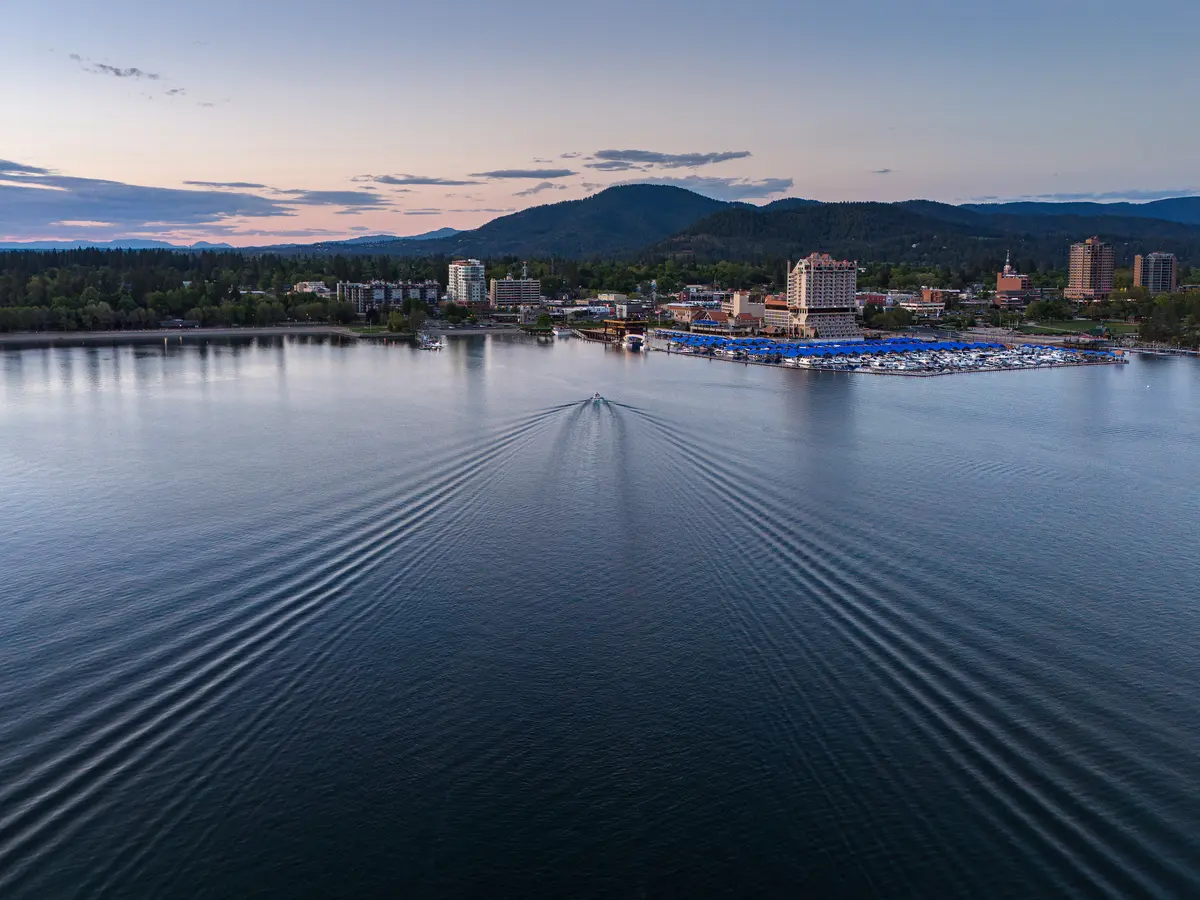
Lakes, forests, and a distinct culture — even a different time zone. 8 cities including Coeur d'Alene, Post Falls, Hayden.
Explore all 8 North Idaho cities →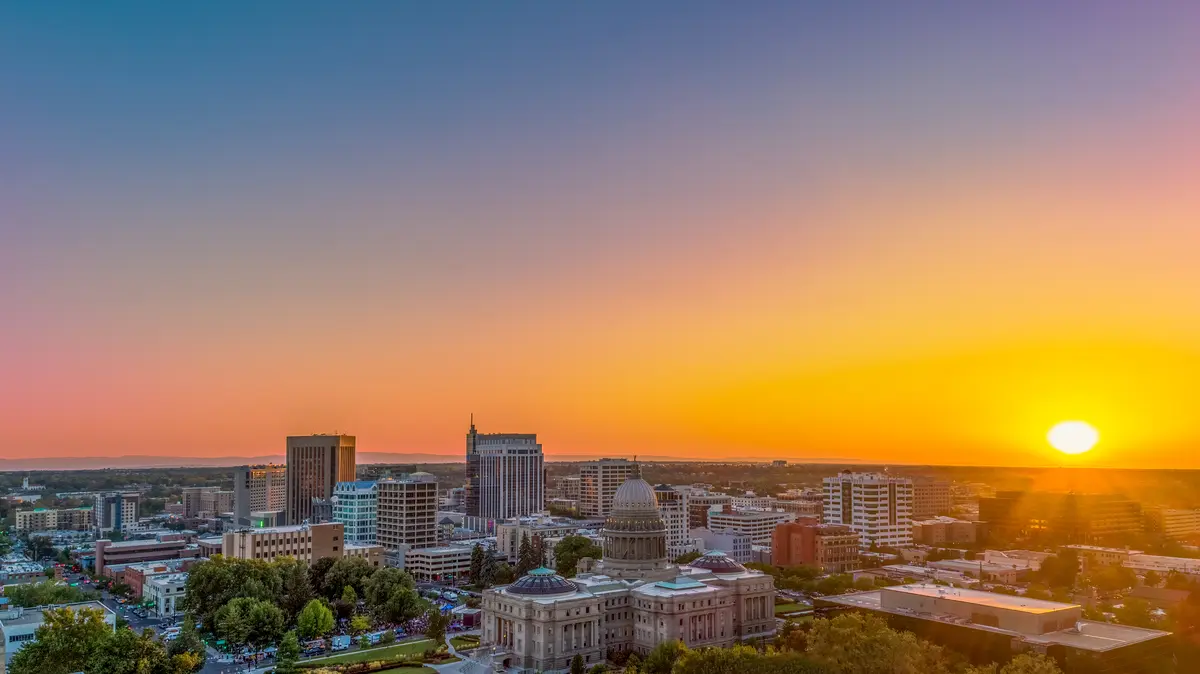
Idaho's economic engine — the state's largest job market and fastest growth. 14 cities including Boise, Meridian, Nampa.
Explore all 14 Treasure Valley cities →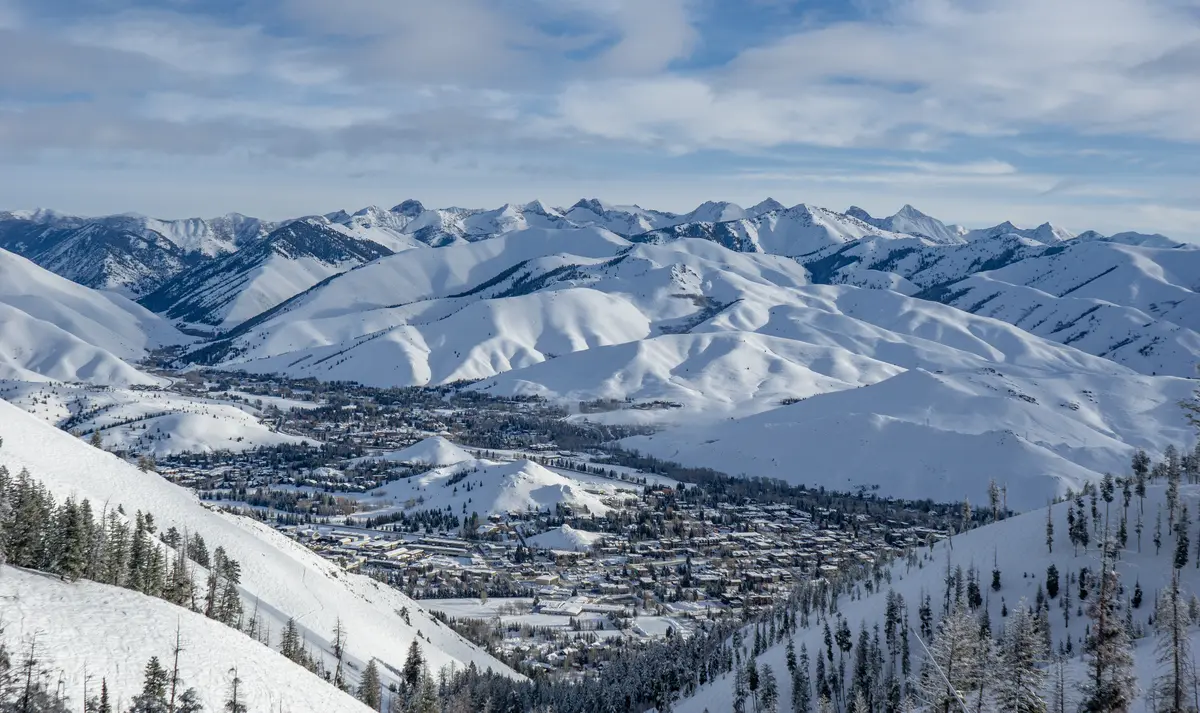
Idaho's ultra-luxury resort market — mountain towns built around skiing and wilderness access. 5 cities including Hailey, McCall, Ketchum.
Explore all 5 Central Idaho cities →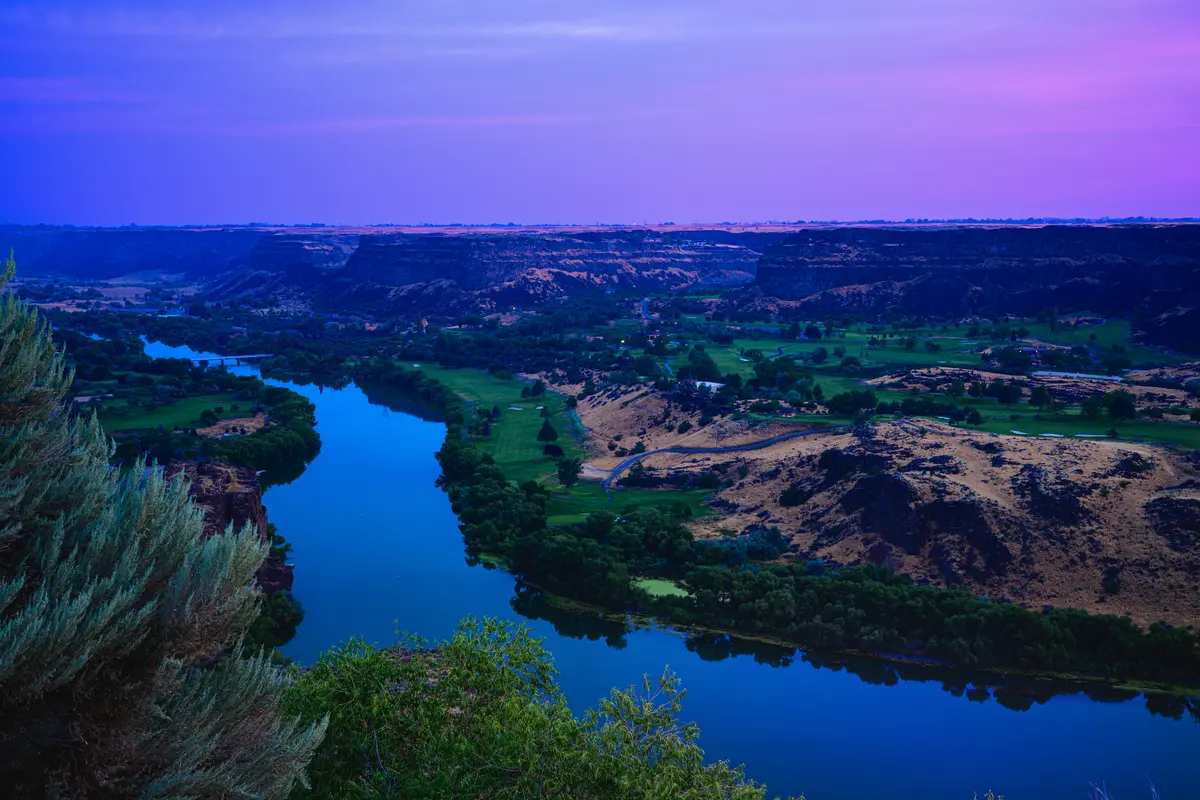
Snake River Canyon country — agriculture drives the economy, and it's generally Idaho's most affordable region. 8 cities including Twin Falls, Jerome, Burley.
Explore all 8 Magic Valley cities →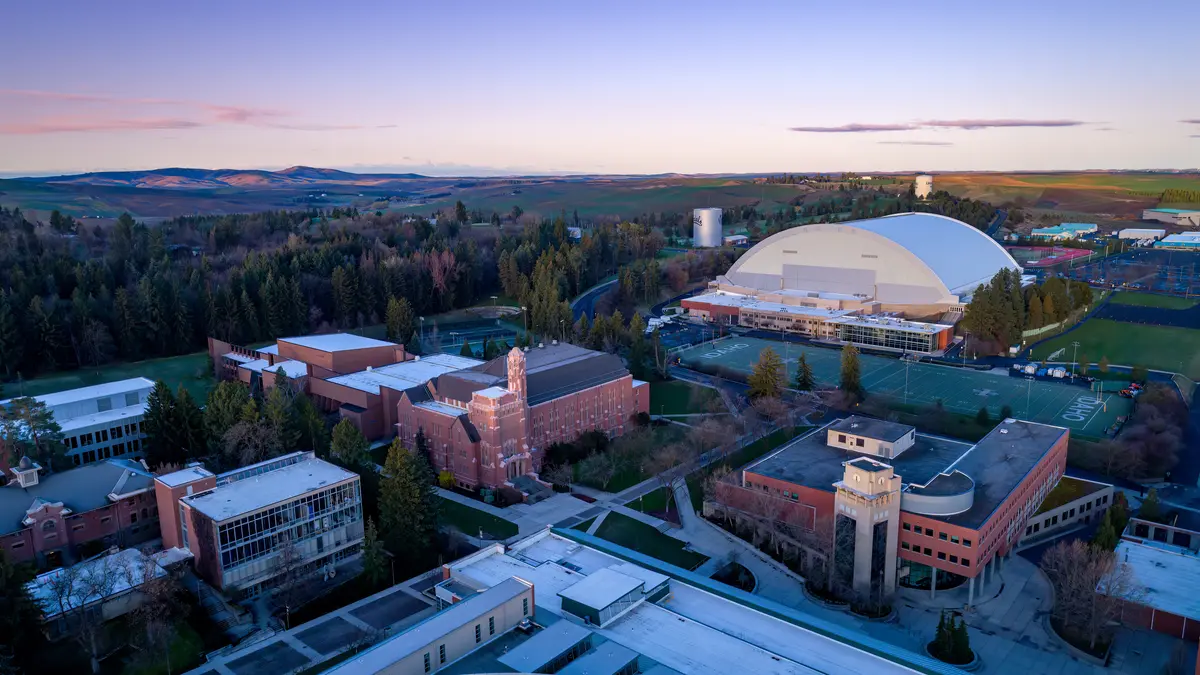
Mild-winter river canyons meet the rolling Palouse hills. 5 cities including Lewiston, Moscow, Grangeville.
Explore all 5 North Central Idaho cities →Moving to Idaho?
Tell us what you need help with and we'll connect you with local resources.
