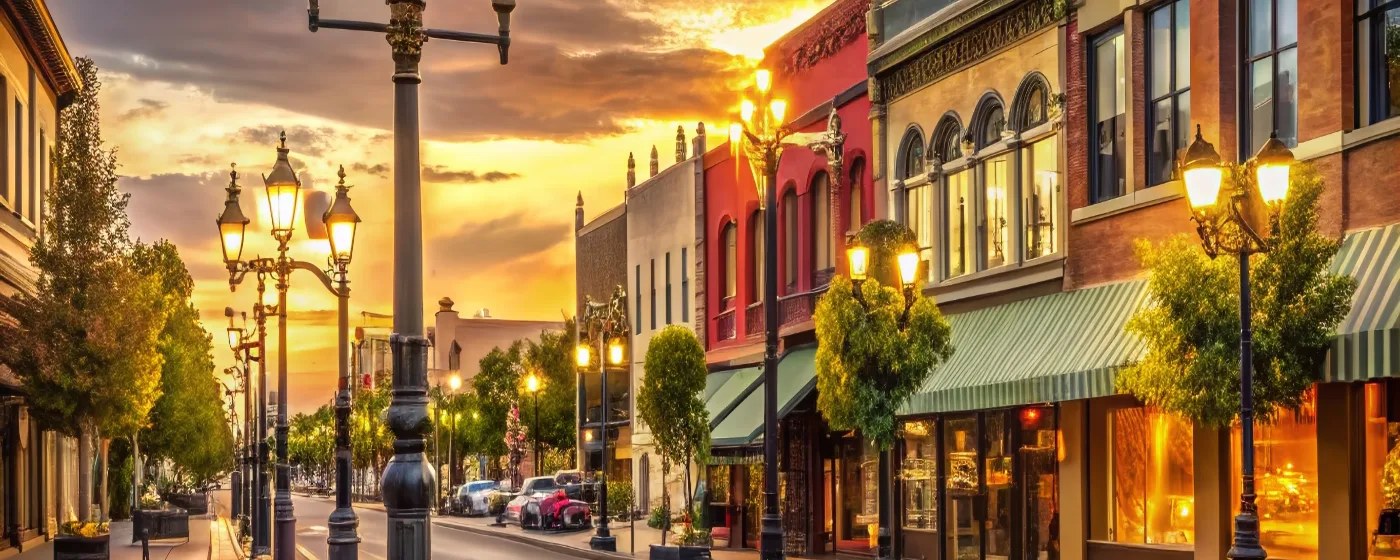
Maybe you've been priced out of the Sacramento suburbs and someone mentioned Eastern Idaho. Maybe your company is relocating you to support Idaho National Laboratory. Maybe you pulled up a cost-of-living calculator at midnight, saw Idaho Falls at the top, and wanted to know if the numbers are real. They are — but the full picture is more interesting than a spreadsheet. Idaho Falls sits at 4,700 feet in the Snake River Plain, anchored by I-15 and US-20, roughly 300 miles northeast of Boise and five hours from Salt Lake City. The Snake River cuts right through downtown, and the mountains you see on the horizon are the Tetons, not a screensaver.
The economic backbone here is Idaho National Laboratory, a nuclear energy research complex that employs approximately 6,000 workers — up from around 4,000 just seven years ago. INL employees are Battelle Energy Alliance staff, which shielded them from the federal workforce reductions of 2025. In early 2025, INL also required its hybrid and remote workers to return on-site, sending roughly 2,350 additional people back into the daily commute orbit. That demand is one reason Idaho Falls has grown roughly 10% since the 2020 Census. The Idaho Falls School District holds a B- rating, according to Niche, and you can explore the full schools breakdown for more detail. With a median age of just 33.7 years, the community skews young and family-forward in a way that catches many California transplants off guard.
The cost comparison to most California metros is significant. The typical Idaho Falls home price is $400,448 (Zillow Home Value Index, May 2026), and the overall cost of living runs approximately 17% below the national average — making it the most affordable major city in Idaho. Groceries run about 4% below the national average, and utilities land roughly 17% lower than what most of the country pays. For more on day-to-day expenses, the full cost-of-living breakdown covers utilities, groceries, and transportation in detail. What you give up is the coastal amenity set: no Trader Joe's in Idaho Falls, no major airport hub, and winters that hit harder than anything south of Redding.
Whether you're a California engineer recruited to INL, a remote worker drawn by the price gap, or a family trading Bay Area traffic for Snake River trail access, the sections below break down Idaho Falls's home prices versus California, the state tax picture, what the daily lifestyle transition actually looks like, what surprises people after six months, and the honest reasons some Californians eventually leave.
The Home Price Reality: California vs. Idaho Falls
The number that stops most Californians cold is the Idaho Falls typical home price: $400,448 (Zillow Home Value Index, May 2026). That figure buys a three- or four-bedroom house with a garage and a yard in most parts of town. The same budget in many California coastal markets is a starting point for a competitive offer on a one-bedroom condo.
What California Markets Look Like by Comparison
The gap between Idaho Falls and California's major metros is not marginal — it's structural. South Bay and San Francisco pricing runs well above $1,000,000, putting them at more than triple the Idaho Falls figure. Los Angeles and San Diego sit substantially above $800,000 — more than double. Sacramento is noticeably higher than Idaho Falls, though it's the closest California metro to this range. The Central Valley around Fresno is the one California region that runs closest to Idaho Falls pricing. Buyers arriving from coastal California markets typically find they can purchase two to three times more space for the same dollar.
The Sacramento comparison is worth pausing on, because that's the most common origin market for Idaho Falls arrivals. Sacramento buyers typically find Idaho Falls pricing meaningfully lower — enough to either buy significantly more space or arrive with substantial equity left over after the purchase.
What Your California Equity Actually Buys Here
Buyers arriving from Bay Area or Los Angeles markets with significant equity often find Idaho Falls genuinely accessible without the financial strain of a typical California purchase. Entry-level construction — older ranch homes, 1970s–1980s builds — starts well below the $400,448 typical figure. Newer construction in the growth corridors west and south of the city pushes above it. The neighborhood guide covers the geographic and character differences across the city's distinct areas in detail.
One thing to recalibrate: Idaho Falls does not have the inventory depth of a major California metro. In a market of 72,700 people, the number of homes for sale on any given week is modest. Moving with pre-approved financing and flexibility on closing timeline matters more here than in a larger market where you can afford to wait for the perfect listing.
The Property Tax Advantage
Idaho's effective property tax rate on owner-occupied homes is approximately 0.50% — well below the national median of 0.89% and dramatically below California's already-Prop-13-capped rates on new purchases, which typically run 1.1%–1.25% of assessed value for recent buyers. On a $400,000 home, Idaho's rate translates to a meaningfully lower annual bill than a comparable California purchase would generate, with no supplemental reassessment surprise when you close. Idaho also has no estate tax and no inheritance tax, which matters to buyers who are also thinking about long-term wealth transfer.
The State Income Tax Switch: What Californians Actually Save
California's state income tax is among the highest in the country, with a top marginal rate of 13.3% for income above $1 million and rates of 9.3% for income above roughly $68,000 (single filer). For most working professionals — INL engineers, remote tech employees, and healthcare workers — the effective California state income tax rate lands somewhere between 6% and 10% of adjusted gross income.
Idaho's New Flat Rate
Idaho moved to a flat individual income tax rate of 5.3% effective January 1, 2025, after Governor Brad Little signed HB 40. This replaced the prior graduated system that topped out at 5.695%. For Californians used to calculating tax brackets, a single flat rate simplifies the math considerably.
| Income Level | California Marginal Rate | Idaho Flat Rate (2025+) | Direction of Change |
|---|---|---|---|
| $50,000 | ~8.0% (approx. effective) | 5.3% | Lower in Idaho |
| $80,000 | ~9.3% marginal bracket | 5.3% | Lower in Idaho |
| $120,000 | ~9.3% marginal bracket | 5.3% | Noticeably lower in Idaho |
| $200,000 | ~10.3% marginal bracket | 5.3% | Substantially lower in Idaho |
| $500,000 | ~12.3% marginal bracket | 5.3% | Dramatically lower in Idaho |
| $1,000,000+ | 13.3% top rate | 5.3% | Dramatically lower in Idaho |
California rates are approximate marginal brackets for single filers; consult a tax professional for your specific situation. Idaho rate is the 2025 flat rate per the Idaho State Tax Commission.
The Sales Tax Nuance
Idaho's state sales tax is 6.0%, and Idaho Falls adds no city or county surcharge on top of that — so the total rate you pay in Idaho Falls is 6%. California's base rate is 7.25%, and most California cities and counties stack local additions that push the combined rate to 8.5%–10.75% depending on where you live. Idaho is lower, but not dramatically so for everyday purchases.
The one California-to-Idaho quirk: Idaho applies its 6% sales tax to groceries, which California does not. Idaho partially offsets this with a grocery tax credit of $155 per person per year (raised in 2025 from $120), claimed on your state income tax return. For a family of four, that's $620 annually back — meaningful, but not a full offset at typical grocery spend levels.
The Full Tax Picture in One Line
For most working-age California transplants earning between $80,000 and $300,000 annually, the combined income tax savings, lower property tax rate, and lower housing costs represent the most significant financial shift of the move — not the grocery aisle. A qualified CPA familiar with both states is worth the consultation fee before you finalize the decision, particularly if you have California-sourced income, stock options, or rental property still in state.

Daily Life: What Changes, What Doesn't, and What Surprises People
Six months in, the thing most California transplants mention first isn't the price of the house. It's the traffic — or more precisely, the absence of it. Idaho Falls has real congestion on Woodruff Avenue near the I-15 interchange during the 7:30–8:30 a.m. window, and the stretch of Sunnyside Road toward the east side slows noticeably around school dismissal. But these are 10-minute inconveniences, not the 45-minute crawls that define Bay Area and Los Angeles commuting. That psychological shift — leaving the house without calculating buffer time — takes a few weeks to stop feeling strange.
The INL Commute Reality
If you're moving for Idaho National Laboratory, understand that the site is not in Idaho Falls — it sits in the high desert roughly 30 miles west-northwest of the city. Many INL employees drive personally and budget about 30 minutes door-to-gate in normal conditions. The Laboratory also runs a motor-coach system from an Idaho Falls park-and-ride, and riders report the bus trip runs closer to 50 minutes. INL required all hybrid and virtual workers back on-site in early 2025, so if you were hired remotely with the expectation of flexibility, confirm your current status directly with your supervisor before selecting where to live.
The Dining and Nightlife Recalibration
Idaho Falls has a genuine food scene for a city its size — Smokin' Fins on River Parkway, Jakers Bar and Grill, Yoimi Sushi & Hibachi, and Timeless Taphouse are all active and well-regarded locally. What it does not have is the density or variety of a California metro. There is no Trader Joe's; the nearest is in the Boise area. You will drive to Sam's Club or Walmart for bulk purchases, and the restaurant rotation feels smaller after the first month. Most transplants adjust by month three. Those who don't tend to leave by year two.
Where Families Gather
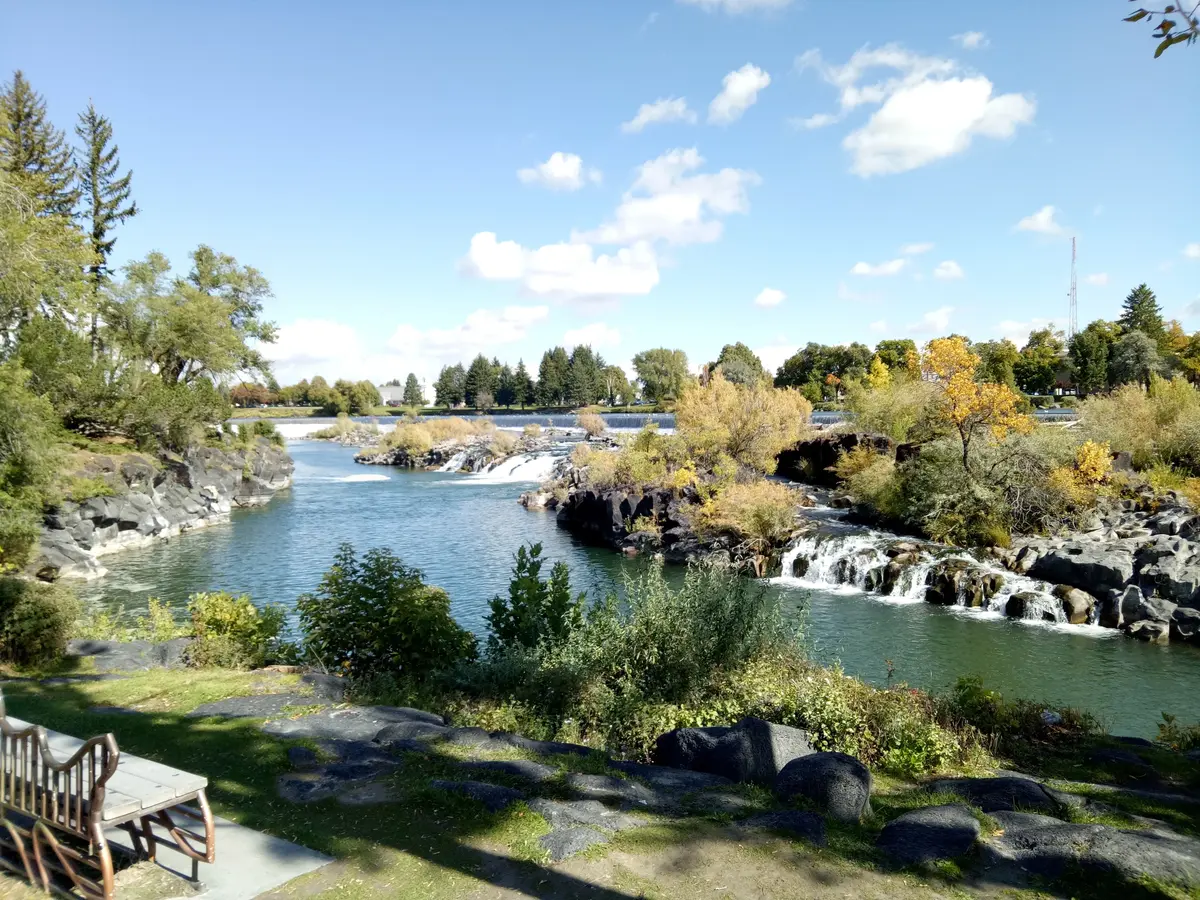
The Snake River Greenbelt is the community's front porch — a paved trail system that runs along the river past the Idaho Falls waterfall, the Japanese Friendship Garden, and into Tautphaus Park, home to the city's zoo. On a Saturday morning in June, the Greenbelt sees strollers, cyclists, dog walkers, and youth running groups simultaneously. Tautphaus Park itself is where families with school-age children tend to converge on summer evenings. The Museum of Idaho and the Art Museum of Eastern Idaho draw a consistent weekday crowd of homeschool groups and school field trips, which gives the downtown a daytime energy that surprises people expecting a sleepy small city.
Winters Are Not Symbolic
California transplants from the Central Valley or coast frequently underestimate Idaho Falls winters. The city sits at elevation, and January temperatures regularly drop below 10°F overnight. Snow accumulation is moderate — heavier than Boise, lighter than the mountains — but the cold is genuine and persistent from December through February. Most residents find it manageable with the right gear and a heated garage. Most California transplants wish someone had been blunter about it before the first January.
Looking to buy in Idaho Falls? Estimate your payment.
Enter your numbers to see an estimated monthly mortgage payment.
Estimate only. Excludes HOA fees and mortgage insurance. The interest rate above is a starting point, not a quoted rate — replace it with your own to see real numbers. Insurance is a flat placeholder, not a Idaho Falls quote.
The Idaho Falls Growth Story and Why It Matters to Buyers
Idaho Falls is not accidentally growing — it's structurally growing, and the cause matters to anyone buying a home here. The metro area hit approximately 171,200 people in 2024, a nearly 28% increase since 2010. The national growth rate over that same period was under 10%. That gap reflects a specific dynamic: INL's expansion, Melaleuca's consumer products operation, and a pair of regional medical centers together create a job base that has attracted a sustained wave of in-migration.
What Growth Does to the Market
Sustained population growth at this rate keeps downward pressure on housing inventory and upward pressure on prices. The $400,448 Zillow Home Value Index figure for May 2026 represents roughly a decade of meaningful appreciation — buyers who arrived in 2015 and 2016 saw their equity grow substantially. That trajectory is not guaranteed forward, but the employment base driving it is more diversified and more institutionally stable than a typical single-employer boomtown.
INL's return-to-office mandate in early 2025 added approximately 2,350 workers back into the local housing demand pool. Some of those workers had been renting in other markets or living remotely in states with lower housing costs; their return to the Idaho Falls area tightened already-thin inventory through 2025. The living in Idaho Falls overview covers the full employer and economic picture in more depth.
The Neighboring City Question
Californians researching Idaho Falls quickly discover that Ammon, Iona, and Shelley show up in search results as nearby alternatives. Ammon sits directly adjacent to the east side of Idaho Falls and shares most of its day-to-day infrastructure — grocery stores, schools, and commute routes — without the Idaho Falls city limits. Iona is quieter and more rural in character. Shelley and Blackfoot sit south along I-15 and offer lower prices still, but with longer commutes to INL and fewer local amenities. Rexburg, home to Brigham Young University-Idaho, is about 30 miles north and has a distinctly different demographic feel. Most California transplants land in Idaho Falls proper or Ammon, depending on where their employer or school preference points them.
A Growing City With Small-City Gaps
Growth has not yet closed every gap that California transplants notice. The city's performing arts calendar is active but limited compared to Sacramento or the Bay Area. The Mountain America Center hosts concerts and minor league hockey, but touring acts that stop in Boise rarely extend to Idaho Falls. Specialty retail is thin — outdoor gear shops exist, but the category depth of a flagship outdoor retailer is not here. Most residents make a Boise run two or three times a year for specialty shopping, and many have fully shifted to online purchasing for anything that doesn't require hands-on selection. It is a real trade-off, and buyers who underweight it tend to mention it first when asked why they're considering leaving.
Who Moves Here Successfully — and Who Struggles
The California transplants who thrive in Idaho Falls share a few things in common. They came for a specific reason — a job at INL, family nearby, a deliberate downsizing from a high-cost market — rather than abstractly chasing affordability. Abstract affordability chasers who haven't spent time in Eastern Idaho before buying frequently discover that the lifestyle gap is larger than the spreadsheet suggested.
The Profiles That Work Best
| Buyer Type | Why Idaho Falls Works | Key Consideration |
|---|---|---|
| Commuter INL / lab employee | 30–50 min commute, housing costs a fraction of CA equivalent | Confirm on-site vs. hybrid status before selecting home location |
| Families with school-age kids | Young community, active parks, affordable space | Research specific school assignments; district rating varies by school |
| Value equity-rich CA seller | Arrive with strong equity position; reduced mortgage stress | Inventory is thin; be ready to move quickly on listings |
| Nature outdoor-focused buyer | Tetons, Snake River, Yellowstone day-trippable | City trails solid; serious backcountry requires a drive |
| First-Time CA remote worker | Dramatically lower entry price than any CA coastal metro | Verify remote work permanence before committing to a purchase |
| Quiet downsizer from CA suburbs | Low crime relative to comparable CA cities, slower pace | Winters and limited dining/arts may feel isolating |
The Honest Reasons People Leave
Some California transplants reverse course within two to four years. The most common reasons are not financial — by most measures, the finances improve. The reasons are cultural and logistical: the isolation of a smaller city, winters that wear on people who've never experienced sustained cold, and a social scene that skews heavily toward family-and-church community structures that don't fit everyone. Single professionals in their 30s who moved from Oakland or Silver Lake for the cost savings frequently find the social infrastructure harder to navigate than expected.
A second, more practical reason: remote work arrangements change. Several California transplants who moved to Idaho Falls in 2021–2023 based their decision on permanent-remote status found themselves facing either a return to California or a job search in a local market with a narrower industry base than they were accustomed to. Confirming the permanence of your employment situation before buying is not a formality — it's the central risk management question for this move.
What You Would Not Do
If you're moving here without a job already lined up, don't buy immediately on the south end of Sunnyside Road near the I-15 interchange expecting the same quiet neighborhood feel you'd get further east or north. That corridor carries commercial traffic and sees the city's most concentrated congestion. Most buyers who do their research end up looking at Freeman Park or the University Place area first — quieter streets, easier Greenbelt access, and a more established neighborhood character. Explore those areas in person before committing. The neighborhood guide breaks down each area's character and trade-offs in detail.

Local Expert Takeaway: Idaho Falls is the most affordable major city in Idaho, with a typical home price of $400,448 and a flat 5.3% state income tax that saves most California professionals a meaningful amount annually. The move works best for buyers who arrive with a specific job — ideally at INL, Melaleuca, or one of the city's regional medical centers — and who have spent at least a week here before signing a purchase agreement. Walk the Snake River Greenbelt, eat dinner along River Parkway, drive out toward INL once to feel the commute, and spend a January weekend here before you decide. The people who skip that step are the ones who call their California friends in February wondering what they were thinking.
Quick Takeaways & FAQs
✅ Idaho's flat 5.3% income tax rate is dramatically lower than California's 9.3%–13.3% brackets, delivering real annual savings for most working-age professionals who make the move.
⚠️ Idaho Falls winters are genuinely cold — temperatures regularly drop below 10°F in January — and California transplants who underestimate this are among the most common cases of buyers who eventually reverse course.
📍 INL required its hybrid and remote workforce back on-site in early 2025, so if your offer letter says 'remote-eligible,' confirm your current on-site requirement directly before choosing where to buy.
How much cheaper is Idaho Falls than California for buying a home?
What is Idaho's state income tax rate compared to California?
Does Idaho Falls have a city income tax or extra sales tax on top of the state rate?
How long is the commute from Idaho Falls to Idaho National Laboratory?
What do California transplants most commonly say they wish they knew before moving to Idaho Falls?
Moving to Idaho?
Tell us what you need help with and we'll connect you with local resources.
