What Is Living in Idaho Falls, Idaho Like?
Maybe your company is relocating you to Idaho National Laboratory, or you've been priced out of the Boise area and someone mentioned Idaho Falls as the alternative. Either way, you'll arrive with one consistent expectation — a small, sleepy farm town — and find something noticeably more complex. Idaho Falls is eastern Idaho's economic and cultural hub, a city of 72,700 sitting at the bend of the Snake River where I-15 and US-20 converge, with the Teton Range visible on clear days to the northeast. The laboratory out on the desert west of town isn't just a major employer; it's the reason the city has a median household income of $73,110 and a professional class of scientists and engineers who've been quietly driving growth here for decades.
Idaho National Laboratory — Idaho's fifth-largest employer — supports a workforce of over 6,200 scientists, engineers, and technicians, and spent over $377 million with Idaho businesses in fiscal year 2025 alone. That spending ripples through the local economy in visible ways: a restaurant row along the river, a new events venue at Mountain America Center, continued hiring by Melaleuca Inc., a consumer products company headquartered here that employs thousands more. The Idaho Falls School District holds a B- rating, according to Niche, and the city's median age of 33.7 reflects a workforce that skews younger than most cities its size — families with school-age kids make up a significant share of who's moving in.
Housing here sits noticeably below the Idaho statewide average, which is one of the clearest arguments for the city. The Snake River Greenbelt runs for miles along the water, connecting neighborhoods to the Idaho Falls waterfall, Japanese Friendship Garden, and Tautphaus Park — where the city zoo houses over 330 animals from 120 species and is open from mid-April through late October. Crime rates remain among the more manageable in the region for a city this size, and the effective property tax rate of 0.50% keeps carrying costs low relative to comparable western markets. For more on taxes, rent, and overall costs, the cost of living page has the full breakdown.
Whether you're considering a move or just researching the area, the sections below break down Idaho Falls' economy and employers, daily life, the current housing market, commuting realities, and where locals actually spend their weekends.
Idaho Falls at a Glance
Looking to buy in Idaho Falls? Estimate your payment.
Enter your numbers to see an estimated monthly mortgage payment.
Estimate only. Excludes HOA fees and mortgage insurance. The interest rate above is a starting point, not a quoted rate — replace it with your own to see real numbers. Insurance is a flat placeholder, not a Idaho Falls quote.
Why Are People Moving to Idaho Falls?
The short version: Idaho National Laboratory changed everything. INL grew its workforce from roughly 4,000 employees seven years ago to over 6,200 today, hiring between 700 and 1,000 people per year in recent years. Because INL employees work for Battelle Energy Alliance rather than the federal government directly, they were not subject to the 2025 federal workforce reductions — a fact that brought genuine relief to the local economy when that news broke.
The Anchor Institution
INL's expansion draws engineers and researchers from across the country, many of whom move here with young families and immediately start looking for houses. The ripple effect on local housing demand has been consistent and measurable: the Idaho Falls MSA ranked in the top 50 nationally for one-year population growth in 2025, matching Idaho's statewide growth rate of 1.4%. That's not accident — it's INL's hiring pipeline running at full speed.
For workers who land an INL position, the commute to the laboratory site runs approximately 30 minutes from most Idaho Falls neighborhoods, heading west on US-20. It's a flat, two-lane desert highway and manageable in good weather — but eastern Idaho winters can make that stretch feel considerably longer, which is something newcomers from warmer climates don't always factor in when they accept an offer.
The Broader Employer Picture
| Employer | Sector | Approximate Workforce | Best For |
|---|---|---|---|
| Idaho National Laboratory (INL) | Nuclear research / energy | 6,200+ | Tech Commuter |
| A major regional health system | Healthcare | Large regional employer | Families |
| A significant local hospital | Healthcare | Significant local employer | Families |
| Melaleuca Inc. | Consumer products | Thousands locally | Value Commuter |
| Bonneville Joint School District | Education | Large public employer | School Families |
| City / County government | Public sector | Stable local base | Quiet |
Melaleuca in particular is a distinctive piece of the local economy — a direct-sales consumer products company founded and headquartered here that employs a significant number of Idaho Falls residents in corporate, logistics, and operational roles. It's not a name most out-of-state relocators recognize, but locals understand it as one of the city's most stable employment anchors alongside INL.
Who Actually Moves Here
Three groups dominate the inbound migration: INL recruits and their families, Californians and Pacific Northwest transplants seeking lower housing costs and a quieter pace, and people with roots in eastern Idaho's LDS community returning to be near extended family. Each group shapes a different pocket of the housing market. The INL crowd tends to prioritize neighborhoods with newer construction and reasonable commute access to US-20. Transplants from higher-cost states often find the pricing here genuinely disorienting at first — in a good way. Those returning for family reasons often land in established neighborhoods close to specific church communities. For perspective on the California-to-Idaho-Falls move specifically, see the dedicated page on that transition.
What surprises many newcomers six months in is how much the LDS community shapes the social calendar and the retail landscape — Sunday closures are common among locally owned businesses, alcohol options are more limited than in comparably sized cities in other states, and community events often center around faith-based institutions. This isn't a dealbreaker for most, but it catches people off guard if they didn't research it beforehand.
What Daily Life Feels Like in Idaho Falls
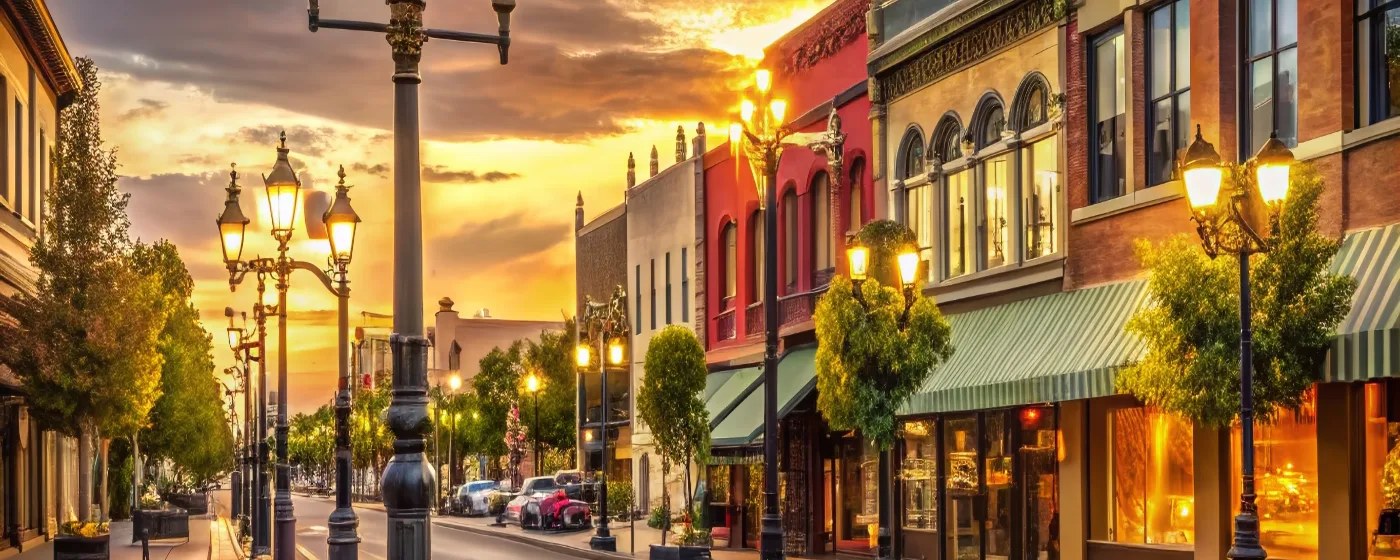
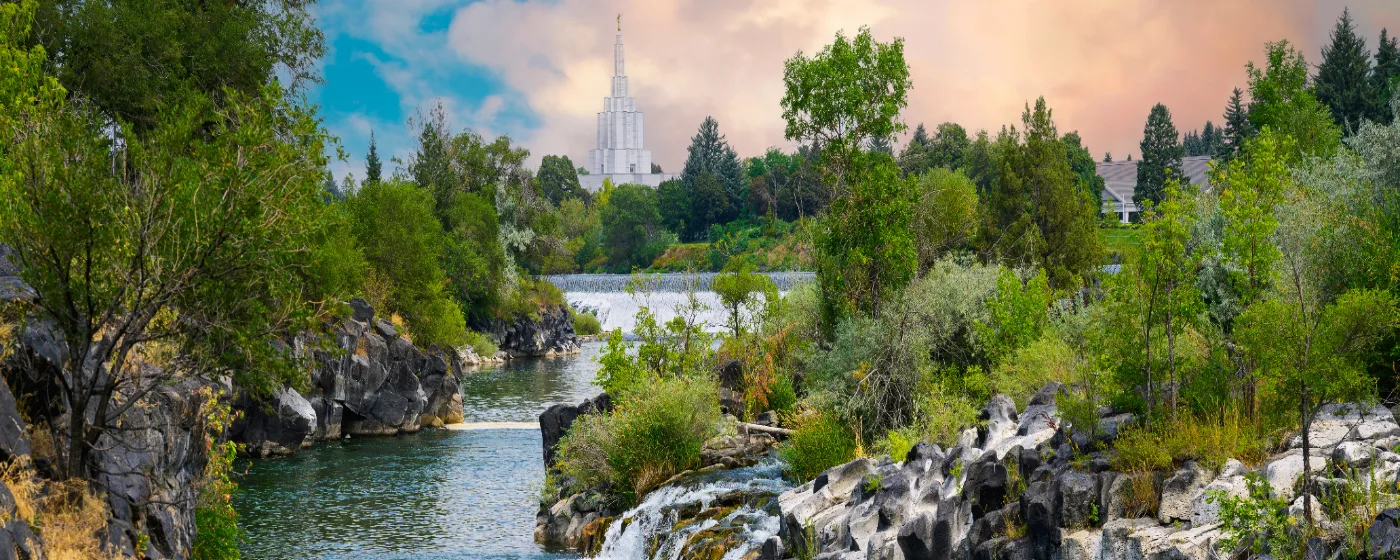
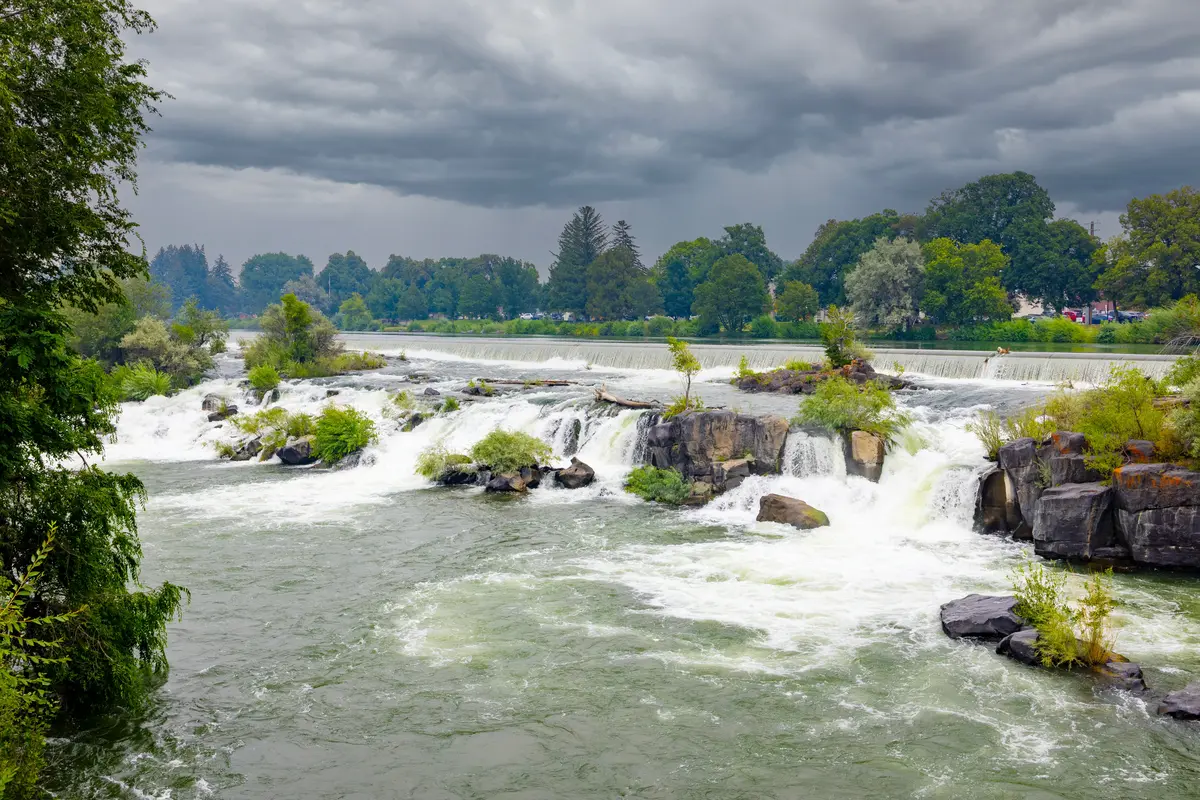
Idaho Falls runs on a rhythm that's part small-town and part mid-size regional hub — and the tension between those two identities shows up everywhere. The downtown core along the Snake River has real texture: independent restaurants, the Museum of Idaho, the Art Museum of Eastern Idaho, a riverfront promenade, and the Idaho Falls waterfall itself, which is closer to a true falls than the modest cascade most people expect when they first drive past it.
The Greenbelt as the City's Backbone
The Snake River Greenbelt is the city's defining public space. It runs as a multi-use path along the river corridor, connecting the downtown waterfall area to Tautphaus Park, passing through the Japanese Friendship Garden along the way. On a weekday evening in June, it's where you'll find the city's character in one walk: joggers, families with strollers, cyclists, and the occasional after-work group heading to dinner on River Parkway.
Tautphaus Park anchors the west side of the Greenbelt. The zoo there — open mid-April through late October — houses over 330 animals from 120 species across six continents. For families with younger kids, it's genuinely the city's most-used weekend destination. It's free to enter the park itself; the zoo section carries admission. The 84-acre park also includes an amusement area and event spaces, making it a hub for local gatherings year-round.
Seasons Are Not Subtle Here
Eastern Idaho winters run harder than the mountains-and-mild-winters image many people import from Boise or the Pacific Northwest. Idaho Falls sits at roughly 4,700 feet elevation on the high desert plain, which means real cold, real wind, and snow that stays. January temperatures regularly drop below zero. The flip side: summer days are long and dry, the outdoor season is genuinely excellent from May through September, and the proximity to Yellowstone (about 100 miles northeast) and the Tetons means weekend options for hiking and camping are exceptional.
Copper Rill Restaurant on River Parkway represents the kind of fine dining that locals point to when they want to show visitors the city has more depth than the chain-restaurant strip along Holmes Avenue. For everyday groceries, services, and retail, the commercial corridors on Woodruff Avenue and 17th Street handle most of what residents need without leaving the city. For kids' activities and what the school district offers beyond the classroom, the schools page goes deeper on youth programs and IHSAA sports.
What You Give Up
No Trader Joe's — the nearest is in Salt Lake City. No major league sports. No light rail or meaningful public transit. If walkability is a priority, you'll find pockets of it near the Greenbelt and downtown, but most of the city is firmly car-dependent. Some transplants from larger metros find the entertainment calendar thinner than expected and end up making regular drives to Salt Lake City, four hours south on I-15, for concerts, specialty shopping, or airport access beyond what Idaho Falls Regional can offer.
The Idaho Falls Housing Market Right Now
The Zillow Home Value Index for Idaho Falls stood at $400,448 as of May 2026 — up a modest 0.5% over the prior year, which signals a market that's stabilized after the sharp appreciation of the early 2020s rather than one that's still running hot. For the fuller picture on how that figure compares to rents, taxes, and day-to-day costs, see the cost of living page.
A Seller's Market, But a Measured One
As of May 2026, the metro had approximately 2.8 months of housing supply — technically a seller's market, but not the frenzied one Idaho Falls experienced in 2021 and 2022. Homes were spending a median of 33 days on market, about 18% longer than the same period a year prior. That extra time gives buyers more room to think than they had two years ago, though well-priced homes in desirable neighborhoods still move quickly.
Idaho Falls is the second-highest-volume real estate market in Idaho by tracked closings, which matters for buyers: liquidity is real, comparables are plentiful, and the market isn't so thin that you're guessing at values. Some areas of the city carry higher price points than others — newer construction on the south and west sides skews above the city-wide figure, while older stock near the downtown core and numbered streets neighborhoods can come in meaningfully below it. The neighborhoods page breaks down the geographic and price character of each area in detail.
The Property Tax Advantage
At an effective rate of approximately 0.50%, Idaho Falls' property tax burden is genuinely low by western-city standards. On a home at the city-wide median, the annual tax bill stays well below what buyers in comparable-priced markets in Oregon, Washington, or California would pay. That figure, combined with Idaho's broader income and sales tax structure, is part of why the carrying cost here feels more manageable than the sticker price alone suggests.
First-time buyers often underestimate how tight competition remains even in a slower market — the INL hiring pipeline keeps steady demand entering the market year-round, which means inventory doesn't accumulate the way it does in cities with more volatile employment bases. For guidance on navigating the buying process here, the first-time homebuyer page covers what that looks like in practice.
Idaho Falls Neighborhoods
Idaho Falls has several distinct areas — each with its own character and appeal. Here’s a breakdown to help you narrow down where to focus your home search.
🏡 Downtown Idaho Falls
The riverfront core of the city, centered on the Snake River waterfall and the Greenbelt promenade, with a mix of older housing stock, restaurants, and cultural institutions like the Museum of Idaho within walking distance — best suited to buyers who prioritize walkable streets and urban character over square footage.
🏠 Snake River Landing
A planned mixed-use development on the south side of the river with newer condos, commercial space, and direct Greenbelt access — it draws professionals and downsizers who want a maintenance-light lifestyle close to the water and the city's dining corridor on River Parkway.
🌳 Numbered Streets
The grid of streets north of downtown — 1st through 17th running east-west — is one of the city's most established residential areas, with mature trees, older ranch-style and craftsman homes, and a neighborhood feel that appeals to buyers who want proximity to the Greenbelt without the price premium of the river-facing lots.
🏘 Freeman Park
A quiet, tree-lined neighborhood on the east side of the city that wraps around Freeman Park itself, popular with families for its green space, established lots, and proximity to both downtown and the school corridors along the numbered streets.
🏔 Sunnyside
A broad area on the south and southeast side of Idaho Falls with a mix of mid-century and newer construction, known for larger lots and a more suburban feel — a common landing spot for families relocating for INL who want more space and access to the US-20 corridor without living in Ammon.
🌆 Tautphaus Park
The residential neighborhoods surrounding the 84-acre Tautphaus Park on the west side of the city trade on their proximity to the zoo and the park's amusement and recreation facilities — a natural draw for families with younger kids who want weekend entertainment essentially in their backyard.
Pros & Cons of Living in Idaho Falls
The Pros
- Gateway to Yellowstone and Grand Teton National Parks
- High-paying INL jobs anchor stable economy
- Lower cost of living than most Western metros
- Four-season outdoor recreation access
The Cons
- Cold winters with significant snowfall
- Limited direct air service from regional airport
- Fewer entertainment and dining options than larger metros
Getting Around & Commuting in Idaho Falls
Idaho Falls is a driving city, full stop. The street grid is mostly rational — the numbered streets run east-west, named streets generally run north-south, and I-15 bisects the city north to south — but there is no meaningful public transit system for commuters, and the distances involved in daily life make a car essentially non-negotiable for most residents.
The INL Commute
The defining commute in Idaho Falls isn't within the city — it's the run out to Idaho National Laboratory on US-20, heading west from the city toward the desert. From most neighborhoods, that's approximately 30 minutes each way under normal conditions. The road is flat and generally fast, but it's also a two-lane highway that gets slick in winter and sees wildlife crossings regularly. Employees who have made this drive for years treat it as routine; people moving here from urban areas often take a few months to adjust to the rhythm of a 60-mile daily round trip on a rural highway.
Carpooling to INL is genuinely common — the laboratory actively supports it, and the culture among employees tends toward practical coordination on the commute. Some neighborhoods closer to the US-20 interchange on the northwest side of the city have become popular partly for shaving five to ten minutes off that trip each way.
Within the City
| Corridor / Route | Typical Condition | Peak Pain Points |
|---|---|---|
| I-15 through downtown | Generally free-flowing | Construction-related slowdowns, occasional |
| 17th Street (east-west) | Main commercial corridor, moderate congestion | School pickup times, afternoon retail traffic |
| Holmes Avenue | Primary north-south retail strip | Signal timing at major cross streets |
| Woodruff Avenue | Busy but manageable | Morning and afternoon peaks near schools |
| US-20 westbound (to INL) | Rural two-lane, generally clear | Winter weather, wildlife crossings, early AM density |
| US-20 / Broadway (Rexburg direction) | Straightforward 30-mile run north | Weather-dependent in winter |
Within the city itself, traffic is genuinely mild compared to any metro area. The corridors that tend to back up are 17th Street and Holmes Avenue during the late-afternoon window from about 4:30 to 6:00 PM — not gridlock by any measurable standard, but enough to frustrate people who moved here expecting zero delay.
Airport Access
Idaho Falls Regional Airport (IDA) serves the city with direct flights to Salt Lake City, Denver, Phoenix, Las Vegas, and Seattle — enough connectivity for most business travelers. For international flights or a broader range of destinations, Salt Lake City International is four hours south on I-15, and the drive is predictable enough that many residents factor it into their travel planning for major trips. The airport's proximity to INL's workforce is one reason it's maintained more connectivity than you'd expect for a city this size.
Biking and Walking
The Snake River Greenbelt is genuinely bike-friendly for recreation, and a handful of neighborhoods near downtown have enough density to support on-foot errands. Outside those corridors, biking for transportation is limited by the suburban street pattern and the lack of protected lanes on major roads. It's a city where you can choose to live car-light if you're near the Greenbelt and work downtown — but the average resident drives for virtually every trip beyond a walk around the block.
Schools in Idaho Falls
Families relocating to Idaho Falls have public, private, and higher-education options nearby. Here’s a quick overview.
🎓 School District
Idaho Falls School District serves K–12 students across Idaho Falls and the surrounding area. Rated B- (source: Niche.com).
🏆 Graduation Rate
The 4-year high-school graduation rate here is approximately 74.8%.
📚 Higher Education
Idaho’s public universities — Boise State, the University of Idaho, and Idaho State — offer four-year degrees statewide, with community colleges (CWI, CSI, NIC) providing two-year and workforce programs.
🌐 Online Learning
Boise State Online and University of Idaho Online offer fully accredited online degrees for remote learners across the state.
Safety in Idaho Falls
A quick look at how Idaho Falls compares on the numbers that matter most when weighing a neighborhood or a move.
🛡 Violent Crime
Approximately 3.5 per 1,000 residents.
🔒 Property Crime
Approximately 12 per 1,000 residents.
Compared to the FBI’s most recent national data (2024), Idaho Falls’s violent crime is about the same as the national average (about 3.6 per 1,000), and property crime is below the national average (about 17.6 per 1,000).
Against Idaho as a whole, Idaho Falls’s violent crime is about one and a half times the state average, and property crime is about one and a half times the state average (Bureau of Justice Statistics, Crime Known to Law Enforcement, 2024 (tables 2 and 3)).
Crime rates can vary a lot within a single city, so the citywide numbers above are only a starting point. Some neighborhoods in Idaho Falls run well below these averages, while others run higher — the kind of block-by-block detail that matters most when you’re actually choosing where to live. The full guide below breaks it down neighborhood by neighborhood.
Working in Idaho Falls
Idaho Falls’s largest employers span several industries — here are some of the anchors of the local job market.
💼 Idaho National Laboratory
Nuclear research
🏥 Eastern Idaho Regional Medical Center
Healthcare
🛒 Melaleuca Inc.
Consumer products
🎓 Bonneville Joint School District
Education
🏥 Mountain View Hospital
Healthcare
Parks & Recreation in Idaho Falls
Some of the outdoor spaces that shape everyday life in Idaho Falls.
🌱 Snake River Greenbelt
🌱 Japanese Friendship Garden
🌱 Idaho Falls waterfall
🌱 Mountain America Center
🌱 Tautphaus Park Zoo
Idaho Falls residents don’t have to go far for green space — spots like Snake River Greenbelt and Japanese Friendship Garden are part of everyday life here, whether that’s a morning walk, a weekend hike, or just somewhere to unwind outside. The full guide below covers more of what Idaho Falls has to offer for parks and outdoor recreation.
Retiring in Idaho Falls
Idaho Falls draws retirees for its balance of amenities, outdoor access, and cost. Here’s what to weigh.
🌤 Climate
Idaho Falls sits at roughly 4,700 feet on the high desert plain, which means four distinct seasons — genuinely cold winters with sustained temperatures below zero in January, and warm, dry summers from May through September. Snow accumulates and stays rather than melting between storms, so retirees coming from milder climates should plan for real winter infrastructure: snow tires, a garage if possible, and a revised sense of what 'cold' means.
🍴 Lifestyle
The Snake River Greenbelt provides miles of flat, accessible walking and cycling paths that work well for active retirees year-round in the warmer months. The Museum of Idaho, the Art Museum of Eastern Idaho, and seasonal events at Mountain America Center and Melaleuca Field give the city a cultural calendar that's modest but real. Access to Yellowstone and the Tetons makes the city an outstanding base for retirees who want outdoor adventure without the resort-town price premium.
🏚 55+ Communities
Idaho Falls has an established base of senior living options ranging from independent-living communities to assisted-care facilities, concentrated primarily on the south and west sides of the city. The regional healthcare infrastructure — including facilities that draw patients from across eastern Idaho — is a significant draw for retirees weighing medical access. For detailed information on 55+ community options and healthcare resources, the <a href="/idaho/idaho-falls/retiring">retiring in Idaho Falls page</a> covers both in depth.
✈ Getting Around
A car is essential for daily life in Idaho Falls — the street grid is logical and traffic is mild by any metro standard, making driving here genuinely less stressful than in larger cities. Idaho Falls Regional Airport (IDA) offers direct connections to Salt Lake City, Denver, Phoenix, and Seattle, which is more connectivity than most cities this size can claim. Salt Lake City International, four hours south on I-15, handles international travel and a broader range of routes.
🏛 Idaho Taxes for Retirees — What to Know
- Social Security is not taxed — Idaho does not tax Social Security benefits at the state level, regardless of income.
- Flat state income tax — Idaho has a flat income tax (5.3% for 2026). Other retirement income — pension distributions and 401(k)/IRA withdrawals — is taxed as ordinary income at that rate.
- Narrow retirement deduction — Idaho’s Retirement Benefits Deduction is limited: it reaches only certain government pensions (federal CSRS, Idaho firefighter/police, and military retirement) for those 65+ (or 62+ if disabled), and is reduced by Social Security received.
- Sales tax is the tradeoff — The state sales tax is 6.0%, and Idaho Falls adds no local sales tax on general retail, so the combined rate is 6.0% (Idaho State Tax Commission, 2026). Groceries are taxed, but a grocery tax credit offsets part of it; prescription drugs are exempt. A small number of resort cities add a local option tax, usually on lodging, alcohol, and prepared food rather than general retail.
- Low property taxes, with senior relief — Idaho property taxes are relatively low. Homeowners 65+ who own and occupy their home may qualify for the “circuit breaker” Property Tax Reduction based on income.
- No estate or inheritance tax — Idaho has no estate, inheritance, or gift tax.
- Capital gains — Capital gains are taxed as ordinary income, though Idaho allows a deduction of up to 60% of the net gain on qualifying Idaho property.
Tax laws change frequently and individual situations vary. This is general information, not tax advice — always consult a qualified Idaho tax professional or CPA for personalized retirement tax planning.
Weekends & Local Favorites in Idaho Falls
Ask a longtime Idaho Falls resident where they spend Saturday morning and they'll almost always start with the Greenbelt. The path from the Idaho Falls waterfall east toward Freeman Park, or west past the Japanese Friendship Garden toward Tautphaus Park, is the city's social artery — you'll see the same families and cyclists week after week, which is either charming or claustrophobic depending on your preference for anonymity.
The River Corridor
Copper Rill Restaurant on River Parkway is the most visible example of the dining scene that's developed along the Snake River — a fine-dining option that locals regularly cite for date nights and out-of-town guests. The broader restaurant landscape along River Parkway offers a mix of independent spots and a riverfront setting that makes Idaho Falls feel larger than its population. It's not a dense restaurant row, but it's a real one.
The Museum of Idaho, downtown near the waterfall, punches above its weight for a city this size — rotating national exhibitions have included traveling shows from the Smithsonian, and it's a regular destination for families with kids and newcomers getting oriented. The Art Museum of Eastern Idaho covers the local and regional arts scene a few blocks away. Neither is a weekend anchor for most residents, but both signal that the city takes culture seriously in a way that smaller eastern Idaho towns don't.
Getting Out of Town
The clearest argument for Idaho Falls as a base of operations rather than just a home: Yellowstone National Park is roughly 100 miles northeast via US-20, Grand Teton National Park is about 90 miles, and a ski area in the Teton Pass corridor sits within a two-hour drive. A national monument about an hour west on US-26 draws visitors from across the region for its volcanic landscape. On a good-weather Friday afternoon, a significant share of the local workforce is heading toward the mountains rather than sitting at home — that culture of weekend outdoor escapes is one of the things the city does unusually well.
Fishing the Snake River within city limits is common enough that it barely registers as remarkable to locals. The reservoir system around the region provides additional options for boating and camping. For the full breakdown of parks, trails, and outdoor access, the parks and recreation page covers what's available and where.
Annual Events That Define the Calendar
The War of the Wings hot wing competition, the Idaho Falls Chukars minor-league baseball season at Melaleuca Field, and a summer concert series at various riverside venues anchor the warmer months. The Christmas in Idaho Falls lighting events draw the entire region. Locals generally know that parking near Melaleuca Field on game nights clogs the adjacent neighborhoods — a minor but real planning consideration for anyone living on that side of the river during baseball season.
Top Things Locals Say About Idaho Falls
The best intel about a city comes from the people who actually live there. Here’s what Idaho Falls residents say when newcomers ask the questions everyone’s thinking.
“I knew the commute to INL was 30 minutes on paper, but nobody told me what US-20 in January actually feels like — the wind, the ice, the wildlife in the road at 6 AM. Once I figured out the carpool system and bought a real set of winter tires, it became routine. The part that genuinely surprised me was how much the Greenbelt changed where I wanted to live — I'd been looking at south-side new construction, but ended up closer to the river and I don't regret it for a second.”
— Recent Idaho Falls home buyer
“What's the most surprising thing about living in Idaho Falls?”
Most people are surprised by how much the LDS community shapes everyday life here — Sunday closures at local businesses, a social calendar that runs through church communities, and alcohol options that are genuinely more limited than in comparably sized cities elsewhere. It's not a dealbreaker, but newcomers who didn't research it feel the difference within the first few weeks. The other surprise is how quickly the Greenbelt becomes part of your routine — it's the kind of public space that changes which neighborhoods feel worth living in.
“What do locals love most about Idaho Falls?”
The access. On a Friday afternoon you can be in Yellowstone in under two hours, in the Tetons in 90 minutes, or fishing the Snake River within the city limits before dinner. The combination of a real small city — a downtown, a zoo, a museum, an events venue — with that kind of outdoor proximity is genuinely rare and tends to be what keeps people here once they've settled. Tautphaus Park on a summer Saturday, with the zoo open and families spread across the grass, captures something that's hard to describe until you've been part of it.
“What should newcomers to Idaho Falls know?”
Get winter tires before November. The US-20 commute to INL and the roads on the east bench can get icy fast, and you'll see people from California and the Pacific Northwest in the ditch every January who didn't take it seriously. Also learn the difference between Idaho Falls School District and Bonneville Joint School District — which one covers your address depends on exactly where you buy, and the boundary doesn't follow obvious geographic lines. Check the specific address before you make an offer if schools matter to your decision.
“Can you live in Idaho Falls without a car?”
Practically speaking, no — not for most people's lives here. There's no meaningful public transit system, and the distances between where people live, work, and shop make a car necessary for almost everything. The exception is the Greenbelt corridor, where residents near the river can walk or bike for recreation and reach downtown on foot. A handful of streets near the numbered streets neighborhoods have enough density to support on-foot errands, but the majority of the city is suburban in pattern and fully car-dependent.
Cities Near Idaho Falls
Other communities near Idaho Falls worth a look — each with its own character and price point.
| City | Distance | Best For | Vibe | Median Rent | Median Buy |
|---|---|---|---|---|---|
| Ammon | 5 mi | Families seeking newer construction & top schools | Suburban, fast-growing, well-maintained | $1,450 | $437,000 |
| Rexburg | 27 mi | BYU-Idaho families & college-town buyers | Quiet, faith-centered, university town | $1,200 | $380,000 |
| Blackfoot | 25 mi | Budget buyers & rural lifestyle | Small-town, agricultural, affordable | $1,150 | $320,000 |
More Helpful Guides for Idaho Falls
Going deeper on Idaho Falls? Our blog series covers everything from first-time buying to retiring here — explore the guides below.
Local Expert Takeaway: Idaho Falls is an INL town first and a regional hub second — and if you understand that order, the city makes sense. The laboratory's hiring pipeline keeps the housing market from softening the way isolated small cities do, the Greenbelt gives daily life a connective tissue that most Idaho cities lack, and the access to Yellowstone, the Tetons, and the volcanic landscape to the west makes weekends genuinely exceptional. The catch is that winters here are colder and more demanding than the Idaho marketing materials suggest, the drive to INL on US-20 is a real daily commitment, and the social landscape is shaped significantly by the LDS community in ways that matter for how you'll spend your time. Go in with clear eyes on those three things, and Idaho Falls tends to over-deliver.
Quick Takeaways & FAQs
✅ Idaho National Laboratory drives steady, year-round hiring that keeps the local economy more insulated than most small cities — INL employees are Battelle Energy Alliance employees, not federal workers, and were unaffected by 2025 federal workforce reductions.
⚠️ The 30-minute commute to INL on US-20 is a rural two-lane highway that gets genuinely difficult in winter — people moving from milder climates consistently underestimate it.
📍 Tautphaus Park Zoo is open only mid-April through late October, so families who move here for the zoo access should plan their first fall around that closing date.
What is the typical home price in Idaho Falls, Idaho?
Is Idaho Falls a good place to work if I get hired by Idaho National Laboratory?
How are the schools in Idaho Falls?
What is the cost of living like in Idaho Falls compared to other Idaho cities?
What are the winters like in Idaho Falls?
Helpful Links for Moving to Idaho Falls
Moving to Idaho?
Tell us what you need help with and we'll connect you with local resources.
