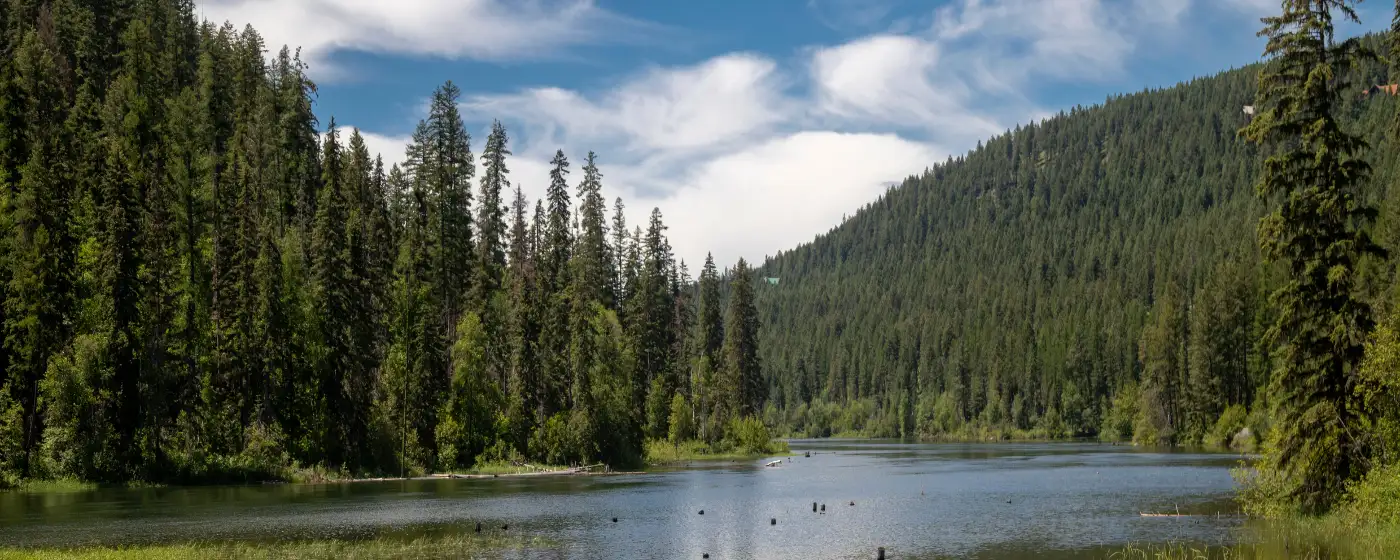
What Is Living in Ammon, Idaho Like?
Maybe your spreadsheet already checked the boxes — school rating, median income, home price — and someone mentioned Ammon as the suburb worth looking at east of Idaho Falls. Or maybe you drove along 25th East and thought it looked like every other fast-growing western suburb, which would be a fair first impression and a slightly incomplete one. The city sits directly east of Idaho Falls in Bonneville County, positioned along the Upper Snake River Valley with the Rocky Mountains visible on clear days in every direction. What shapes daily life here isn't just the geography — it's the fact that Ammon functions as a self-contained residential city of 20,681 people that also happens to be ten minutes from a regional employment hub, which is an unusually efficient arrangement by eastern Idaho standards.
The economic backbone here runs deeper than a single employer. Idaho National Laboratory — one of the nation's premier nuclear research facilities — anchors a category of professional and scientific employment that draws engineers, researchers, and technical staff from across the country. Melaleuca, a wellness products company headquartered in Idaho Falls, is among the largest private employers in the region and has roots in Bonneville County that go back decades. The Bonneville Joint School District #93 holds a B rating, according to Niche, which covers Ammon's public schools and pulls a steady stream of families relocating specifically because they want a suburban footprint without sacrificing access to solid public education. Youth sports leagues, church communities, and neighborhood parks do the social stitching that turns a growing suburb into somewhere people actually stay.
On the cost side, Ammon's $430,000 median sale price (Redfin, January 2026) puts it well below the Boise metro and noticeably below most comparable Idaho Falls-area markets that have seen sharper appreciation cycles. The effective property tax rate sits at approximately 0.46% — low even by Idaho standards — which meaningfully changes the monthly carrying cost of homeownership here versus markets where the rate runs twice that. The city's other financial quirk: Ammon operates its own open-access municipal fiber network, launched in 2011, where residents own the infrastructure and multiple internet service providers compete for their business. Newcomers from high-cost West Coast cities consistently cite that detail as one they didn't see coming. For a full breakdown of taxes, utilities, and rent comparisons, see the cost of living in Ammon page.
Whether you're seriously weighing a move or just starting to research the area, the sections below break down Ammon's neighborhoods, housing market, daily commute reality, top employers, and what weekends actually look like for the people who live here.
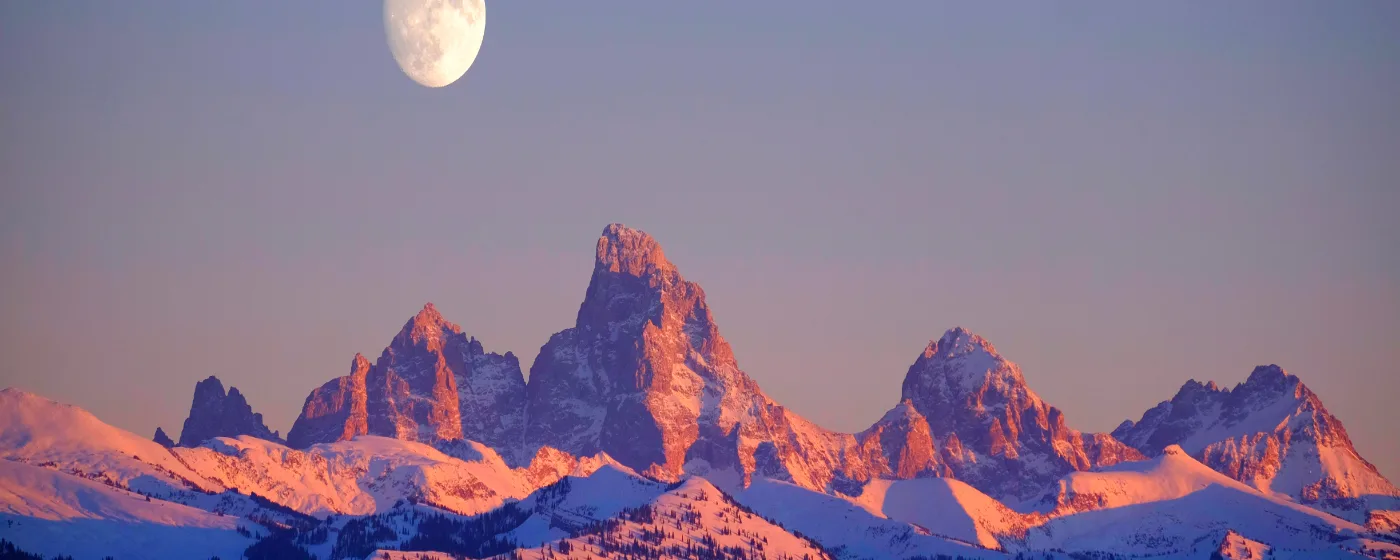
Ammon at a Glance
Looking to buy in Ammon? Estimate your payment.
Enter your numbers to see an estimated monthly mortgage payment.
Estimate only. Excludes HOA fees and mortgage insurance. The interest rate above is a starting point, not a quoted rate — replace it with your own to see real numbers. Insurance is a flat placeholder, not a Ammon quote.
Why Are People Moving to Ammon?
The short version: Ammon offers a financially stable, family-oriented suburban life with direct access to a legitimate regional economy — and without the land-locked, traffic-choked feel of suburbs that have outrun their infrastructure. The longer version is worth reading before you decide.
The Employment Draw Is Real
Idaho National Laboratory is the single most important economic force shaping who moves to this corner of eastern Idaho. INL employs thousands of scientists, engineers, technicians, and support staff, and a significant share of them live in Ammon specifically because the commute to the lab's main gate is manageable without sacrificing a suburban quality of life. That kind of anchor employment creates stability that purely residential suburbs don't have — when the lab hires, Ammon grows.
Melaleuca has been part of the regional economy for generations and continues to employ a large local workforce in manufacturing, distribution, and corporate roles. The Bonneville Joint School District is itself one of the larger employers in the county, which matters because teacher and staff salaries circulate locally. A major regional health system rounds out the top-tier employer list — a category that tends to be recession-resistant and draws healthcare professionals from outside the region who then become long-term residents.
Who Actually Moves Here
| Buyer Type | What Ammon Offers Them | Best Fit |
|---|---|---|
| INL / technical professionals | 10-minute commute to Idaho Falls, newer construction, good school district | Commuter |
| Families with school-age children | B-rated district, safe neighborhoods, youth sports infrastructure | Families School |
| Remote workers from high-cost metros | Municipal fiber network, low property taxes, significant price advantage | Tech Value |
| First-time buyers priced out of Boise | $430,000 median with room to find entry-level new construction | First-Time |
| Move-up buyers from Idaho Falls | Newer subdivisions, larger lots, more suburban feel than central Idaho Falls | Families Quiet |
| Buyers relocating from California | Price gap, no state income tax on Social Security, outdoor access; see full California comparison | Value Nature |
The Latter-day Saint community is a real part of Ammon's social fabric — the city was founded by LDS settlers in 1888 — and that influences the neighborhood culture in ways newcomers notice quickly: strong volunteerism, active youth programming, and a community orientation that leans quiet rather than nightlife-driven. That's a genuine asset for many families and a genuine consideration for others.
The Honest Tradeoffs
Ammon doesn't have a downtown. There's no walkable commercial core with restaurants and coffee shops within strolling distance of a residential street — you will drive for most errands, most meals, and most entertainment. The Grand Teton Mall is just across the Idaho Falls border, and the Foothills Square commercial corridor along 25th East is expanding, but neither replaces the urban amenity access that buyers from Portland or Denver expect. If that gap matters to your daily quality of life, it's worth testing before committing.
What Daily Life Feels Like in Ammon
Living in Ammon is fundamentally suburban, in both the best and most honest senses of that word. Streets are quiet, driveways are wide, and a good chunk of social life organizes around schools, churches, and neighborhood parks rather than a bar district or a downtown restaurant row.
The Neighborhood Reality
Ammon's residential areas have a range of characters that don't always show up on a map. The Sandcreek corridor and the McCowin Park area have the established-suburb feel of neighborhoods that were built out over multiple decades — mature trees, varied architecture, and a mix of longtime residents and newer arrivals. Eagle Pointe and Woodland Hills lean newer, with the cleaner subdivision geometry and fresher landscaping that draws families who want new construction without the full rural-fringe feel. The Villas and Foothills Square areas sit closer to the commercial activity along 25th East, which means more convenience and more traffic. For a full breakdown of neighborhood character, see the best neighborhoods in Ammon page.
What Newcomers Notice After Six Months
The municipal fiber network surprises almost everyone. Ammon's city-owned open-access infrastructure — launched in 2011 — lets multiple internet service providers compete for your business on the same lines, which keeps speeds high and prices lower than in most comparably sized cities. Remote workers from metro areas consistently call it the detail they didn't expect to care so much about until they had it.
The other surprise is seasonal. Eastern Idaho winters are real — temperatures well below freezing are standard from November through February — and the Snake River Plain's wind can make those temperatures feel sharper than the thermometer suggests. Spring arrives noticeably late compared to the Pacific Northwest or the Treasure Valley, and newcomers who underestimate February in Ammon tend to mention it in year two. Summer, on the other hand, is genuinely excellent: long days, low humidity, and the Tetons visible on the horizon.
Where Families Actually Gather
Woodland Hills Park and McCowin Park are the consistent weekend gathering spots — McCowin in particular draws families from across Ammon for its open space and sports fields. Peterson Park adds a quieter option closer to the city's core. Cast Iron on 17th, the steakhouse and eclectic American restaurant on E 17th St, has become a go-to for a proper sit-down dinner without crossing into Idaho Falls, which matters more than it sounds for a city that otherwise skews toward chain dining along its commercial corridors.
The Foothills Square development along 25th East continues to add tenants — it drew the first Café Zupas in eastern Idaho in January 2026 — and represents the closest thing Ammon has to a developing commercial scene. It's a strip-mall format, not a Main Street, but it's genuinely expanding the city's on-the-ground dining and retail options in a way that was noticeably missing five years ago.
The Ammon Housing Market Right Now
Ammon's housing market in early 2026 is balanced — not a seller's frenzy, not a buyer's fire sale. The median sale price landed at $430,000 in January 2026 (Redfin), and homes averaged 66 days on market as of November 2025, essentially unchanged from the prior year. That pace gives buyers more time to think than markets that cleared in a week, without signaling distress on the seller's side.
What the Numbers Mean in Practice
At $430,000, Ammon sits in a range that reflects its position as a growing suburb with new construction activity — 24 new residential subdivision lots were platted in 2025 — but without the price compression that comes from being in a land-constrained metro. Some areas of the city command noticeably more than the city-wide median; others offer entry points below it. For a complete look at price ranges by neighborhood and how Ammon compares to Idaho Falls on cost of living, the cost of living in Ammon page covers both in detail.
Market Character
The balanced pace is a meaningful change from the 2021–2022 environment, when eastern Idaho markets saw multiple-offer situations and waived contingencies. Today, buyers in Ammon can typically expect to conduct a standard inspection, negotiate on condition items, and close without the urgency that defined the post-pandemic surge. New construction is present but measured — not so dominant that it creates a cookie-cutter sameness, not so scarce that resale inventory is the only option.
Ammon's 0.46% effective property tax rate is one of the lower figures in Idaho. At the current median price, that rate produces an annual tax bill that meaningfully undercuts what buyers in higher-rate markets pay on less expensive homes — a detail worth running through a calculator before comparing Ammon against markets with similar sticker prices but different carrying costs. The engine's calculator on this page handles that math directly.
First-time buyers considering their financing options will find more detail on loan programs and down payment ranges on the Ammon first-time homebuyer page.
Ammon Neighborhoods
Ammon has several distinct areas — each with its own character and appeal. Here’s a breakdown to help you narrow down where to focus your home search.
🏡 Sandcreek
Sandcreek has the settled, multi-decade feel of a neighborhood that grew organically rather than all at once — mature landscaping, a mix of housing styles, and a resident base that includes both longtime Ammon families and newer arrivals drawn by the established character. It suits buyers who want a suburban neighborhood that doesn't feel fresh off the lot.
🏠 Eagle Pointe
Eagle Pointe is a newer subdivision area with the clean geometry and consistent landscaping that appeals to parents with school-age children looking for a move-in-ready suburban environment. The housing stock skews toward the last decade of construction, and the neighborhood's proximity to Bonneville Joint District schools makes it a recurring first look for relocating families.
🌳 Woodland Hills
Woodland Hills sits adjacent to its namesake park — one of Ammon's most-used green spaces — which gives the area a livable outdoor rhythm that residents with kids and dogs particularly value. The neighborhood blends established homes with some newer infill, and weekend mornings at the park tend to function as the neighborhood's informal gathering point.
🏘 The Villas
The Villas area draws buyers looking for a somewhat more contained, lower-maintenance suburban footprint — smaller lots and a tighter neighborhood feel compared to Ammon's more sprawling subdivisions. It tends to appeal to buyers who want the Ammon address and school district without a large yard to manage.
🏔 Community
The Community area represents one of Ammon's more centrally located residential pockets, with easy access to the city's parks and the commercial corridors heading west toward Idaho Falls. It suits buyers who want a conventional suburban neighborhood without being at the outer edge of the city's development footprint.
🌆 Foothills Square
Foothills Square is as much a commercial zone as a neighborhood — the Ball Ventures development along 25th East is Ammon's most actively growing retail and dining corridor, with new tenants arriving regularly. Buyers who prioritize walkable access to shops and restaurants over a quiet cul-de-sac feel will find this area of Ammon the closest match to that preference.
Pros & Cons of Living in Ammon
The Pros
- Low crime and family-oriented community
- Fast-growing with new development and modern infrastructure
- Excellent proximity to outdoor recreation including Grand Teton and Yellowstone
- Strong job market anchored by INL and regional employers
The Cons
- Limited cultural and ethnic diversity
- Car-dependent with no public transit since 2019
- Less urban amenities than larger Idaho cities
Getting Around & Commuting in Ammon
Ammon is a car-dependent city. There is no meaningful public transit, no commuter rail, and no realistic path to walking or biking for most errands. If you're considering moving here without a car, that's a fundamental mismatch — the city's residential streets don't connect to services in a way that makes car-free living workable for the vast majority of residents.
The Commute Map
The commute arithmetic is genuinely good for a city this size. Downtown Idaho Falls sits roughly 10 minutes west by car on a normal day — a run that covers the gap between Ammon's residential streets and the employment core without requiring freeway access for most trips. Idaho National Laboratory, the single largest draw for professional relocation, sits further west and north, but the total drive from central Ammon to the INL main gate is typically in the 30-to-40-minute range depending on the entry point — manageable for a technical campus of that scale.
| Destination | Typical Drive from Ammon | Route |
|---|---|---|
| Downtown Idaho Falls | ~10 minutes | 17th St or Sunnyside Rd west |
| Grand Teton Mall area | ~5 minutes | 25th East north to Hitt Rd |
| Idaho National Laboratory | ~30–40 minutes | US-20 west |
| Idaho Falls Regional Airport (IDA) | ~15 minutes | Sunnyside Rd or 17th St to Skyline Dr |
| Rexburg / BYU-Idaho | ~35 minutes | US-20 north |
| Jackson Hole, WY | ~90 minutes | US-26 east through Swan Valley |
Internal Ammon Traffic
Sunnyside Road and 17th Street are the two corridors that carry the most internal traffic, and both can back up during school drop-off and pickup windows between 7:30 and 8:15 a.m. and again from 3:00 to 3:45 p.m. on school days. If your daily schedule puts you on Sunnyside Road eastbound in the late afternoon, you'll learn quickly which side streets let you slip around the worst of it. It's not a metro-scale problem, but it's the chokepoint that new residents most consistently mention once they've been here a full school year.
Air Access
Idaho Falls Regional Airport offers direct service to Salt Lake City and Denver, which covers most connecting needs for business travel and connecting flights beyond. For direct transcontinental routes, Boise (roughly three hours by car) opens more options. The airport's proximity — about 15 minutes from most of Ammon — is a genuine quality-of-life asset that doesn't get mentioned often enough in relocation conversations about eastern Idaho.
Schools in Ammon
Families relocating to Ammon have public, private, and higher-education options nearby. Here’s a quick overview.
🎓 School District
Bonneville Joint School District #93 serves K–12 students across Ammon and the surrounding area. Rated B (source: Niche.com).
🏆 Graduation Rate
The 4-year high-school graduation rate here is approximately 93.5%.
📚 Higher Education
Idaho’s public universities — Boise State, the University of Idaho, and Idaho State — offer four-year degrees statewide, with community colleges (CWI, CSI, NIC) providing two-year and workforce programs.
🌐 Online Learning
Boise State Online and University of Idaho Online offer fully accredited online degrees for remote learners across the state.
Safety in Ammon
A quick look at how Ammon compares on the numbers that matter most when weighing a neighborhood or a move.
🛡 Violent Crime
Approximately 2.2 per 1,000 residents.
🔒 Property Crime
Approximately 11.6 per 1,000 residents.
Compared to the FBI’s most recent national data (2024), Ammon’s violent crime is below the national average (about 3.6 per 1,000), and property crime is below the national average (about 17.6 per 1,000).
Against Idaho as a whole, Ammon’s violent crime is about the same as the state average, and property crime is about one and a half times the state average (Bureau of Justice Statistics, Crime Known to Law Enforcement, 2024 (tables 2 and 3)).
Crime rates can vary a lot within a single city, so the citywide numbers above are only a starting point. Some neighborhoods in Ammon run well below these averages, while others run higher — the kind of block-by-block detail that matters most when you’re actually choosing where to live. The full guide below breaks it down neighborhood by neighborhood.
Working in Ammon
Ammon’s largest employers span several industries — here are some of the anchors of the local job market.
🎓 Bonneville Joint School District
Education
💼 Melaleuca
Wellness products
💼 Idaho National Laboratory
Nuclear research
🏥 Eastern Idaho Regional Medical Center
Healthcare
Parks & Recreation in Ammon
Some of the outdoor spaces that shape everyday life in Ammon.
🌱 Woodland Hills Park
🌱 McCowin Park
🌱 Peterson Park
Ammon residents don’t have to go far for green space — spots like Woodland Hills Park and McCowin Park are part of everyday life here, whether that’s a morning walk, a weekend hike, or just somewhere to unwind outside. The full guide below covers more of what Ammon has to offer for parks and outdoor recreation.
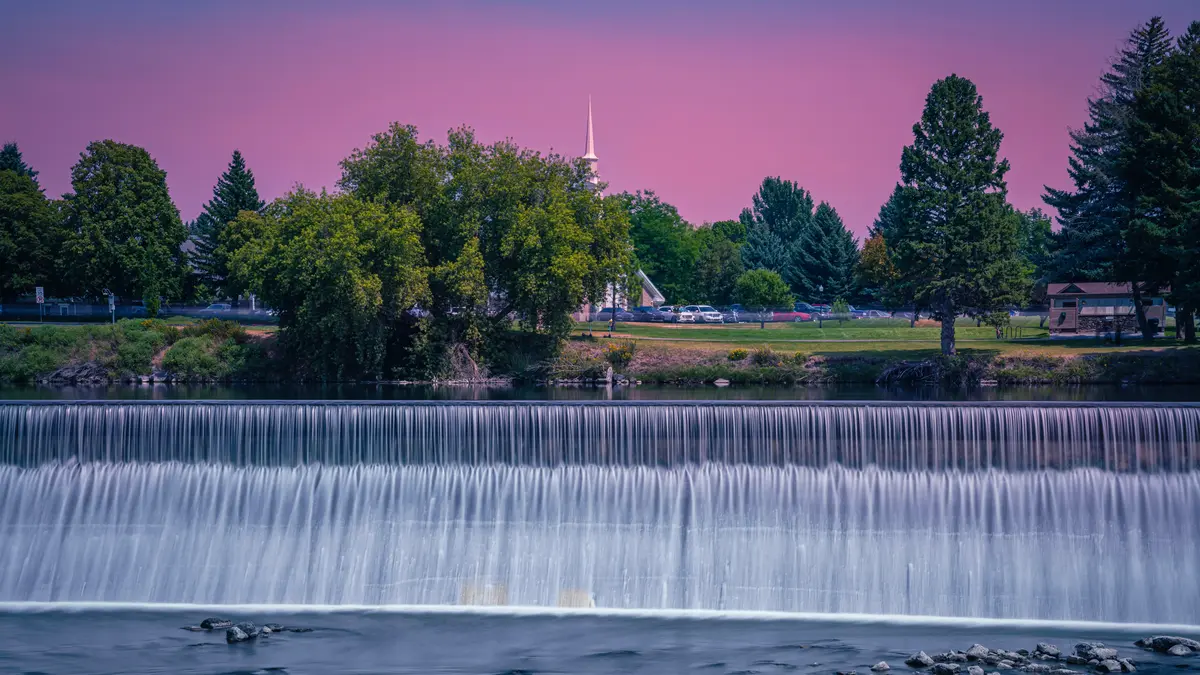
Retiring in Ammon
Ammon draws retirees for its balance of amenities, outdoor access, and cost. Here’s what to weigh.
🌤 Climate
Ammon sits in the Upper Snake River Valley at roughly 4,700 feet elevation, which means four distinct seasons with real winter weight to them. Summers are dry and warm with long daylight hours — ideal for outdoor activity — but November through February brings consistent freezing temperatures and wind that can make it feel sharper than it reads on a thermometer. Retirees who've come from the Pacific Northwest often say the trade is worthwhile for the summer.
🍴 Lifestyle
Daily life here centers on parks, community events, and the commercial corridor along 25th East that continues to grow. Cast Iron on 17th on E 17th St is a reliable independent dining option for a proper dinner out. For broader restaurant variety, Idaho Falls is roughly ten minutes west — most retirees in Ammon treat the two cities as one combined amenity market rather than separate ones.
🏚 55+ Communities
Ammon itself is largely a family-oriented suburban community rather than a destination with large age-restricted developments, but the broader Idaho Falls metro area includes active-adult and senior-living options within a short drive. For a detailed look at 55+ communities and retirement-specific resources near Ammon, see the <a href="/idaho/ammon/retiring">retiring in Ammon</a> page.
✈ Getting Around
A car is essential — Ammon has no public transit and its residential design requires driving for most daily needs. Idaho Falls Regional Airport is approximately 15 minutes away with direct service to Salt Lake City and Denver, which covers most connecting needs. Jackson Hole is about 90 minutes east for retirees who want occasional mountain town access.
🏛 Idaho Taxes for Retirees — What to Know
- Social Security is not taxed — Idaho does not tax Social Security benefits at the state level, regardless of income.
- Flat state income tax — Idaho has a flat income tax (5.3% for 2026). Other retirement income — pension distributions and 401(k)/IRA withdrawals — is taxed as ordinary income at that rate.
- Narrow retirement deduction — Idaho’s Retirement Benefits Deduction is limited: it reaches only certain government pensions (federal CSRS, Idaho firefighter/police, and military retirement) for those 65+ (or 62+ if disabled), and is reduced by Social Security received.
- Sales tax is the tradeoff — The state sales tax is 6.0%, and Ammon adds no local sales tax on general retail, so the combined rate is 6.0% (Idaho State Tax Commission, 2026). Groceries are taxed, but a grocery tax credit offsets part of it; prescription drugs are exempt. A small number of resort cities add a local option tax, usually on lodging, alcohol, and prepared food rather than general retail.
- Low property taxes, with senior relief — Idaho property taxes are relatively low. Homeowners 65+ who own and occupy their home may qualify for the “circuit breaker” Property Tax Reduction based on income.
- No estate or inheritance tax — Idaho has no estate, inheritance, or gift tax.
- Capital gains — Capital gains are taxed as ordinary income, though Idaho allows a deduction of up to 60% of the net gain on qualifying Idaho property.
Tax laws change frequently and individual situations vary. This is general information, not tax advice — always consult a qualified Idaho tax professional or CPA for personalized retirement tax planning.
Weekends & Local Favorites in Ammon
Weekend life in Ammon is oriented outward more than inward. The city itself provides parks, neighborhoods, and a growing commercial corridor — but the reason many residents say they chose this specific corner of eastern Idaho is what's reachable within 90 minutes in any direction.
Parks and Outdoor Rhythm
McCowin Park draws consistent weekend crowds from across the city — it's the kind of open, multi-use green space where a Saturday morning might overlap youth soccer games, families walking dogs, and impromptu pickup sports. Woodland Hills Park and Peterson Park serve their respective neighborhoods in a quieter register. For trails, mountain biking, and the serious outdoors, the Caribou-Targhee National Forest and the Big Hole Mountains begin close enough that a weekend hiking trip doesn't require an overnight. For a complete guide to parks and trails in and around Ammon, see the parks and recreation page.
Dining and Local Scene
Cast Iron on 17th — the steakhouse and eclectic American restaurant on E 17th St — is the standout independent dining option with a confirmed Ammon address. It fills the niche for a proper dinner out without crossing into Idaho Falls, which matters on a Friday night when you'd rather not deal with the drive. The Foothills Square corridor along 25th East is the city's most actively developing commercial area, with new restaurant and retail tenants arriving as the development matures — the first Café Zupas in eastern Idaho opened there in January 2026, which signals the kind of regional-chain interest that typically precedes more independent operators following.
For dining variety — and for the kind of independent restaurant density that a city of 20,000 can't support on its own — Idaho Falls a few minutes west fills the gap. Longtime residents treat the two cities as a single dining and retail market rather than competing ones, which is a practical adjustment that takes most newcomers about three months to internalize fully.
Seasonal Patterns Worth Knowing
The IHSAA athletic calendar shapes Ammon's fall weekends in ways that visitors don't expect. High school football and volleyball draw community-level turnout that feels more like a civic event than a sports event — Friday nights during the season are a genuine neighborhood rhythm, and the bleachers at district matchups are rarely half-empty. Come ski season, Palisades and Kelly Canyon are the closest alpine options; Grand Targhee and Jackson Hole add a longer but rewarding drive for the serious skiers who make up a real share of the INL and Melaleuca professional communities. Summer brings the window most outdoor recreation happens — hiking into the Tetons, floating the Snake River, or simply running the flat paths around Ammon's parks in the long, dry evenings that eastern Idaho does particularly well.
Top Things Locals Say About Ammon
The best intel about a city comes from the people who actually live there. Here’s what Ammon residents say when newcomers ask the questions everyone’s thinking.
“I knew the commute to Idaho Falls would be short, but I didn't expect how much the city fiber network would change how I thought about the move. And the winters — nobody quite explained that February in eastern Idaho is a different animal than February in the Treasure Valley.”
— Recent Ammon home buyer
“What's the most surprising thing about living in Ammon?”
Most newcomers are caught off guard by two things: how genuinely useful the city's own fiber network is once you're on it, and how late spring actually arrives. The calendar says March, but it often still feels like January until well into April. Living near the McCowin Park area, you start to notice the seasonal shift when families start showing up on weekends again — that's the real sign winter is over.
“What do locals love most about Ammon?”
The combination of a quiet residential feel and a short drive to everything you actually need. Most longtime residents talk about the parks — Woodland Hills Park and McCowin Park especially — and the fact that you can get to Idaho Falls in ten minutes without feeling like you live in Idaho Falls. The safety and the school district come up constantly from parents with kids in Bonneville Joint District #93.
“What should newcomers to Ammon know?”
Learn the school drop-off windows before you plan your morning commute. Sunnyside Road and 17th Street both slow noticeably between 7:30 and 8:15 a.m. on school days — if your INL or downtown Idaho Falls commute overlaps with that window, it adds time you won't have budgeted for in week one. Also: Foothills Square along 25th East is the area's fastest-growing commercial strip, and it's worth checking back periodically because the tenant mix keeps changing.
“Can you live in Ammon without a car?”
Not practically, no. There's no bus service with meaningful coverage, no commuter rail, and the residential street layout doesn't connect to grocery stores, restaurants, or services in a walkable way for most of the city. Ammon is genuinely suburban in its design — two-car households are the norm, and even a single-car household requires careful scheduling around school, work, and errands.
Cities Near Ammon
Other communities near Ammon worth a look — each with its own character and price point.
| City | Distance | Best For | Vibe | Median Rent | Median Buy |
|---|---|---|---|---|---|
| Idaho Falls | 3 mi | Urban amenities, dining & employment | Regional hub, more walkable core | $1,350 | $367,000 |
| Iona | 4 mi | Rural quiet, small-town roots | Very small, tight-knit, agricultural | $1,300 | $440,000 |
| Shelley | 11 mi | Affordable entry-level buyers | Small-town, slower-paced, rural | $1,250 | $429,500 |
More Helpful Guides for Ammon
Going deeper on Ammon? Our blog series covers everything from first-time buying to retiring here — explore the guides below.
Local Expert Takeaway: Ammon's real value proposition is the combination of a 10-minute commute to Idaho Falls, proximity to Idaho National Laboratory jobs, a B-rated school district, and one of the lowest property tax rates in Idaho — all at a median sale price of $430,000. The city-owned municipal fiber network is a genuine differentiator for remote workers. The catch: no walkable downtown, genuinely cold winters, and a social culture shaped heavily by Latter-day Saint community life. Run your budget through the calculator on this page with the 0.46% tax rate applied, then visit on a Friday evening during the school year to get an honest read on whether Ammon's pace fits the life you're building.
Quick Takeaways & FAQs
✅ Ammon operates its own city-owned municipal fiber network where multiple ISPs compete for your business — remote workers from high-cost metros consistently call it the detail they didn't see coming.
⚠️ There is no walkable downtown and no meaningful public transit — a car is required for nearly every errand, meal, and activity in Ammon.
📍 The Foothills Square commercial development along 25th East is actively expanding and drew the first Café Zupas in eastern Idaho in January 2026, signaling real momentum in Ammon's on-the-ground dining scene.
What is the median home price in Ammon, Idaho?
How are the schools in Ammon, Idaho?
Is Ammon, Idaho a good place to raise a family?
What are the major employers near Ammon, Idaho?
What is Ammon's municipal fiber network and how does it work?
Helpful Links for Moving to Ammon
Moving to Idaho?
Tell us what you need help with and we'll connect you with local resources.
