
Maybe you've been priced out of Boise and someone pointed you east. Maybe Idaho National Laboratory is pulling you to Bonneville County and you want to know what your paycheck will actually cover here. The short answer is: more than you expect. Idaho Falls sits at roughly the national average for overall cost of living — close enough that it won't feel radically cheap coming from the Midwest, but meaningfully more affordable than the Treasure Valley, and the specific line items that make it work are not what most people guess when they first look at the numbers.
The city's economic backbone is Idaho National Laboratory, the federal nuclear research facility about 30 miles out Highway 20, along with Melaleuca Inc. and a strong mix of federal and private-sector employment. That combination creates a stable middle-income base — the median household income sits at $73,110 — and it shapes a housing market where the median buyer is not a tech transplant with a remote salary but a two-income family stretching toward a four-bedroom house in a quiet part of town.
What genuinely surprises people after six months here is the utility bill. Idaho Falls Power is a municipal utility that draws from hydroelectric sources and the Bonneville Power Administration, and it charges among the lowest residential electric rates in the country — around $0.076 per kilowatt-hour. Total monthly utility costs (electricity, water, sewer, trash) run approximately $163, which is roughly 20% below the Idaho city average and about 17% below the national average. Groceries track about 4% below the national average, and gas at the pump has hovered near the U.S. average or slightly below. These are not dramatic discounts, but they accumulate over twelve months.
Whether you're relocating for an INL contract, following family, or simply comparing Idaho Falls against Rexburg, Blackfoot, Ammon, Shelley, or Iona, the sections below break down housing purchase and rental costs, everyday budget line items, a city-by-city price comparison, and the full tax picture so you can run real numbers before you make an offer.
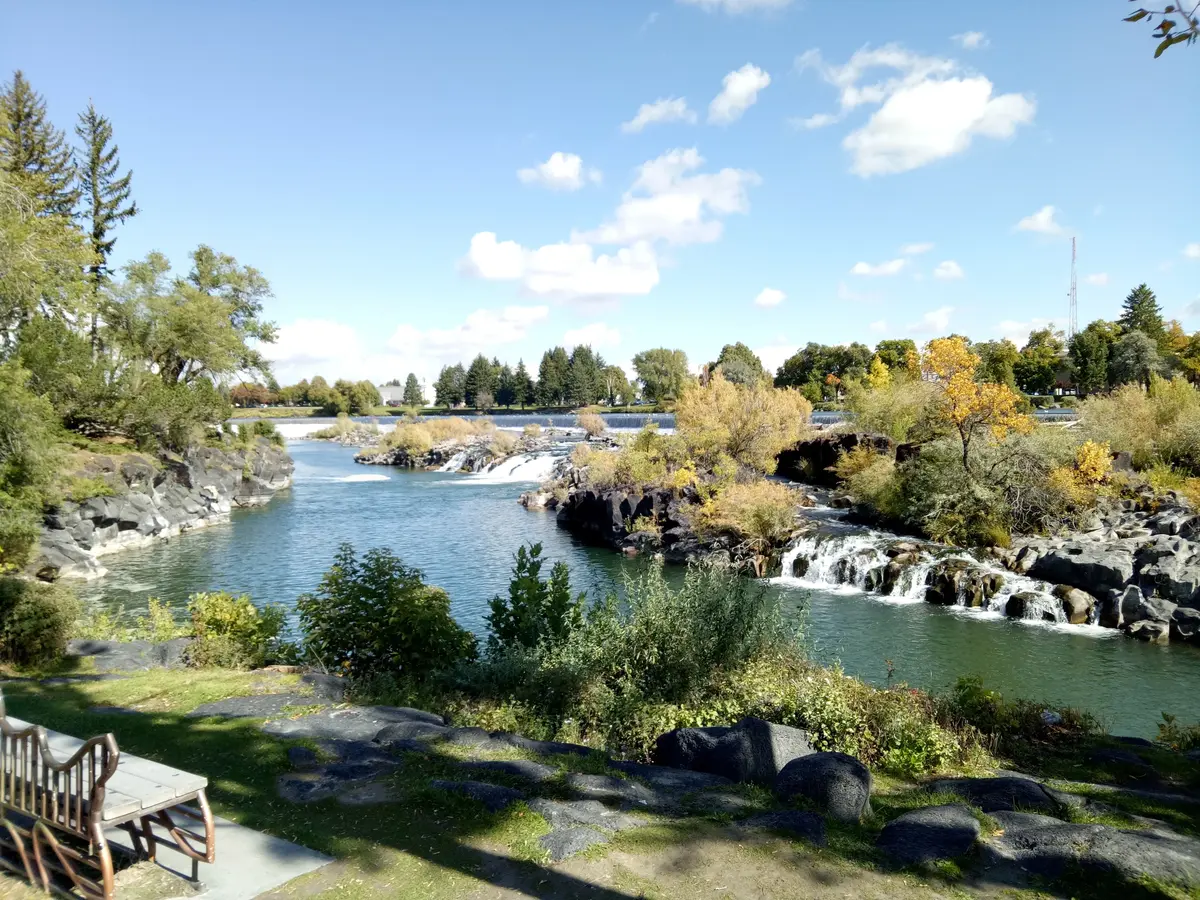
What It Really Costs to Live in Idaho Falls
The overall cost of living index for Idaho Falls is approximately 99 against a U.S. baseline of 100 — essentially at parity with the national average. That single number is somewhat misleading, though, because the components pull in different directions: housing is the one category that runs noticeably below the national average, utilities are a genuine standout bargain, and everything else lands within a few percentage points of what you'd pay almost anywhere.
The typical home price in Idaho Falls is $400,448, based on the Zillow Home Value Index for May 2026. That figure is meaningfully below what buyers encounter in the Boise metro, and it reflects a market where the INL commute corridor and the city's distance from I-84 act as natural price moderators. You're not paying a tech-boom premium here — you're paying for a mid-sized regional city with stable employment and no particular status pressure attached to the zip code.
The honest posture: Idaho Falls is an affordable market by national standards and a noticeably cheaper one compared to the western Idaho and broader Pacific Northwest cities that many relocators are escaping. It is not cheap in absolute terms — a $400,000 median still requires a real down payment and a solid household income to manage comfortably — but the combination of below-average housing, very low utilities, and a competitive tax structure gives most middle-income households more breathing room here than the headline number implies.
Housing: Rent vs. Buy in Idaho Falls
Buying in Idaho Falls is within reach for a household earning at or above the city's median income, which is unusual for a market that has seen meaningful appreciation over the past five years. Entry-level homes — older construction, smaller lots, deferred updates — start in the low-to-mid $200,000s in parts of the city that tend to attract first-time buyers. The city-wide median sold price runs close to the $400,448 Zillow Home Value Index figure. For neighborhood-by-neighborhood price breakdowns, see the Best Neighborhoods in Idaho Falls guide.
The effective property tax rate in Bonneville County is approximately 0.50% — well below the national median of around 0.89%. On a home at the city-wide median, that rate translates to a tax burden that most buyers from California, Colorado, or the Pacific Northwest describe as startlingly low. Idaho also offers a homeowner's exemption that reduces the taxable assessed value on a primary residence, compressing that effective rate further for owner-occupants. Use the mortgage calculator below this section to model your specific purchase price and down payment.
Renting makes more sense than buying here if you're on a short-term INL contract (many run 12–24 months), if you're still learning which part of the city fits your daily pattern, or if you need time to accumulate a stronger down payment. Rents in Idaho Falls run approximately 16% below the national average, per the Council for Community and Economic Research Cost of Living Index — a real advantage for anyone in a holding pattern. A two-bedroom apartment runs roughly $900–$1,150 per month across most of the city. The rental market is not as tight as Boise's, and negotiating a 13-month lease or a move-in concession is not unusual.
The inflection point where buying beats renting financially in Idaho Falls tends to arrive sooner than in high-cost markets, because the property tax savings and below-average mortgage payments (relative to comparable square footage in western Idaho) close the rent-vs-own gap quickly. If you're planning to stay three or more years, the math generally favors ownership — but verify current rates and your own numbers with the calculator below.

Everyday Costs Beyond Housing in Idaho Falls
Idaho Falls Power's municipal electric rates — $0.076 per kilowatt-hour plus a $24 monthly service charge — mean a household using 1,000 kilowatt-hours pays roughly $95 for electricity alone. Combined with water, sewer, and trash, total monthly utilities average approximately $163. That figure is driven down primarily by the city's hydroelectric sourcing; residents who move here from markets served by investor-owned utilities often describe the first bill as a genuine surprise. Natural gas for heating adds a meaningful winter spike — Idaho Falls winters are cold and long — but even with gas factored in, annual utility costs remain well below national norms.
Groceries run about 4% below the national average, and the city is large enough to support multiple full-service options including national warehouse and grocery chains. Gas averaged approximately $2.80 per gallon as of early 2026, tracking just below the national average at that time. Internet and phone costs are comparable to any mid-sized Idaho city.
| Category | Typical Monthly Cost | Notes |
|---|---|---|
| Housing (2BR rent) | $900–$1,150 | Citywide typical range; owners should use the mortgage calculator above for a purchase estimate |
| Utilities (electric, water, sewer, trash) | ~$163 | Idaho Falls Power municipal rates keep electric costs unusually low; add ~$60–$100 for natural gas in winter months |
| Groceries | $400–$550 | Estimated for a 2-person household; approximately 4% below the national average |
| Transportation & Gas | $150–$250 | Gas ~$2.80/gal (AAA Idaho, Jan 2026); most errands are car-dependent; INL commuters add ~30 min each way |
| Phone & Internet | $100–$160 | Multiple providers available; fiber options exist in newer neighborhoods |
| Misc / Discretionary | $200–$400 | Dining along Park Avenue, weekend recreation, local activities; costs are moderate by any regional standard |
A two-person household renting a two-bedroom apartment can realistically budget $2,100–$2,800 per month for all-in expenses outside of savings and debt payments. That range is a reasonable planning anchor — individual spending patterns will shift it in either direction.
Looking to buy in Idaho Falls? Estimate your payment.
Enter your numbers to see an estimated monthly mortgage payment.
Estimate only. Excludes HOA fees and mortgage insurance. The interest rate above is a starting point, not a quoted rate — replace it with your own to see real numbers. Insurance is a flat placeholder, not a Idaho Falls quote.
Idaho Falls vs. Nearby Cities: Cost Comparison
| City | Median Home Price | Typical 2BR Rent | Cost vs. Idaho Falls |
|---|---|---|---|
| Idaho Falls | $400,448 (ZHVI, May 2026) | $900–$1,150/mo | — baseline — |
| Ammon | ~$430,000–$460,000 (est.) | $950–$1,200/mo | Slightly higher; newer construction premium |
| Iona | ~$420,000–$450,000 (est.) | Limited rental inventory | Slightly higher; smaller, quieter market |
| Rexburg | ~$350,000–$380,000 (est.) | $800–$1,000/mo | Noticeably cheaper; student market dynamic |
| Blackfoot | ~$280,000–$320,000 (est.) | $750–$950/mo | Meaningfully cheaper; longer INL commute |
| Shelley | ~$270,000–$310,000 (est.) | Limited rental inventory | Among the most affordable in the corridor |
* ZHVI = Zillow Home Value Index. Nearby-city figures are estimates based on available market data; treat as approximate ranges rather than precise medians.
The pattern in this corridor is clear: distance from Idaho Falls generally means lower prices, but it also means a longer daily drive and fewer services. Blackfoot and Shelley offer the steepest discounts but add meaningful commute time for anyone working in Idaho Falls proper or heading out Highway 20 to INL.
Taxes & the Bottom Line for Idaho Falls
Idaho's income tax is a flat 5.3% on all taxable income, effective January 1, 2025 — Governor Brad Little signed HB 40 in March 2025, trimming the rate from its previous 5.695%. There are no municipal income taxes in Idaho Falls, so that 5.3% is the only income-tax line you're managing at the state level. Coming from a no-income-tax state like Washington or Nevada, this will be the most noticeable tax adjustment. Coming from California or Oregon, it will feel like a meaningful reduction.
Idaho's statewide sales tax is 6%, with a combined average of approximately 6.03% — there are no additional local sales taxes layered on in Idaho Falls. Idaho does soften the grocery burden with a food tax credit of $155 per person annually, which partially offsets the sales tax paid on food purchases throughout the year. It's not a full exemption, but for a family of four it represents a real offset.
The effective property tax rate of approximately 0.50% is the number that tends to close the deal for buyers coming from higher-tax states. At the home price discussed in the first section, the annual property tax bill lands well below what those same buyers paid in their previous markets — and Idaho's homeowner's exemption for primary residences pushes the effective rate lower still for owner-occupants. Idaho also does not tax Social Security benefits, and the state ranks 9th on the Tax Foundation's 2026 State Tax Competitiveness Index, which reflects a deliberate policy posture toward keeping the overall burden moderate.
The bottom line: Idaho Falls fits households in the $65,000–$120,000 annual income range reasonably well, especially those who prioritize homeownership, low utility overhead, and a tax structure that doesn't penalize middle-income earners. It tends to feel like a stretch for single-income households below $55,000 who want to buy rather than rent, and for anyone accustomed to walkable urban amenities who doesn't want to own a car. For dual-income households relocating for INL or Melaleuca careers, the math lands in a comfortable place — not effortless, but genuinely manageable.

Local Expert Takeaway: The number that catches most new residents off guard is not the home price — it's the Idaho Falls Power bill. A municipal electric utility drawing from hydro sources means your combined utilities (electricity, water, sewer, trash) often run under $165 a month, even in a larger house. Pair that with a 0.50% property tax rate, a 5.3% flat income tax with no local surcharge, and grocery prices about 4% below the national average, and the day-to-day cash flow feels noticeably easier than the median home price of $400,448 alone would suggest. The place that genuinely costs money is the INL commute — roughly 30 minutes each way on Highway 20 — so factor fuel and vehicle wear into your budget if that's your destination.
Quick Takeaways & FAQs
✅ Idaho Falls Power's municipal hydroelectric rates keep combined monthly utilities around $163 — roughly 17% below the national average and one of the city's most underrated financial advantages.
⚠️ The flat 5.3% Idaho state income tax is a real adjustment for buyers arriving from zero-income-tax states like Washington or Nevada, and it offsets some of the housing-cost advantage.
📍 Rental inventory in Rexburg skews heavily toward student housing near BYU-Idaho, which means Idaho Falls typically offers more variety and stability for non-student renters despite slightly higher asking rents.
What is the typical home price in Idaho Falls right now?
How much does a two-bedroom apartment rent for in Idaho Falls?
What is Idaho's income tax rate for 2026?
Are property taxes low in Idaho Falls?
Is Idaho Falls cheaper to live in than Boise?
Moving to Idaho?
Tell us what you need help with and we'll connect you with local resources.
