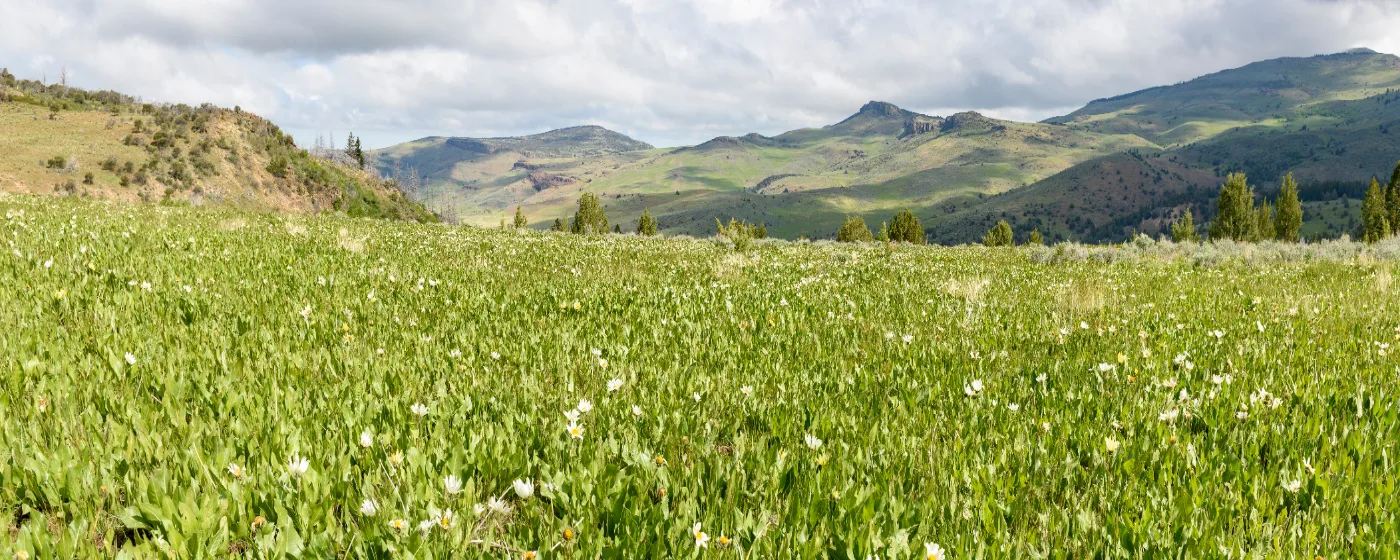
You've probably done the math on retirement somewhere warmer or trendier — Boise, maybe St. George — and then someone mentioned Shelley and you weren't sure if you'd heard right. Shelley is a city of about 5,400 people on Idaho's Snake River Plain, sitting at 4,629 feet along U.S. Route 91, roughly 15 minutes south of Idaho Falls. It is not a resort town. There is no golf community with a gatehouse. What it offers instead is something harder to put in a brochure: genuine affordability, low crime, a calm physical landscape, and close proximity to a real regional city without paying that city's prices.
The economic and social fabric here is agricultural at its roots — potato farming defines the region and the calendar — but a meaningful share of residents commute to Idaho Falls for professional and healthcare jobs. That commute pattern shapes retirement life too: you live in a quiet, small-town setting and drive 15 minutes when you need a specialist, a Costco run, or a concert. The community anchors itself around events like Spud Day, held every third Saturday of September since 1927, and the Shelley Senior Center, which is where many retirees find their first social foothold.
Costs here are among the more approachable in Idaho. The full cost-of-living breakdown covers daily expenses in detail, but the headline is that the median home price of $429,500 (Homes.com, May 2026) sits noticeably below the Idaho statewide median — meaningful when you're converting equity into a smaller mortgage or a cash purchase. Idaho's retirement tax posture is also favorable, particularly for Social Security recipients, which factors heavily into fixed-income planning here.
Whether you're drawn by the price point, the proximity to Idaho Falls healthcare, or simply the idea of a town where you can still know your neighbors, the sections below break down Shelley's real costs, healthcare access, senior living options, walkability, downsizing inventory, and how it stacks up against nearby alternatives.
Why Retirees Are Choosing Shelley
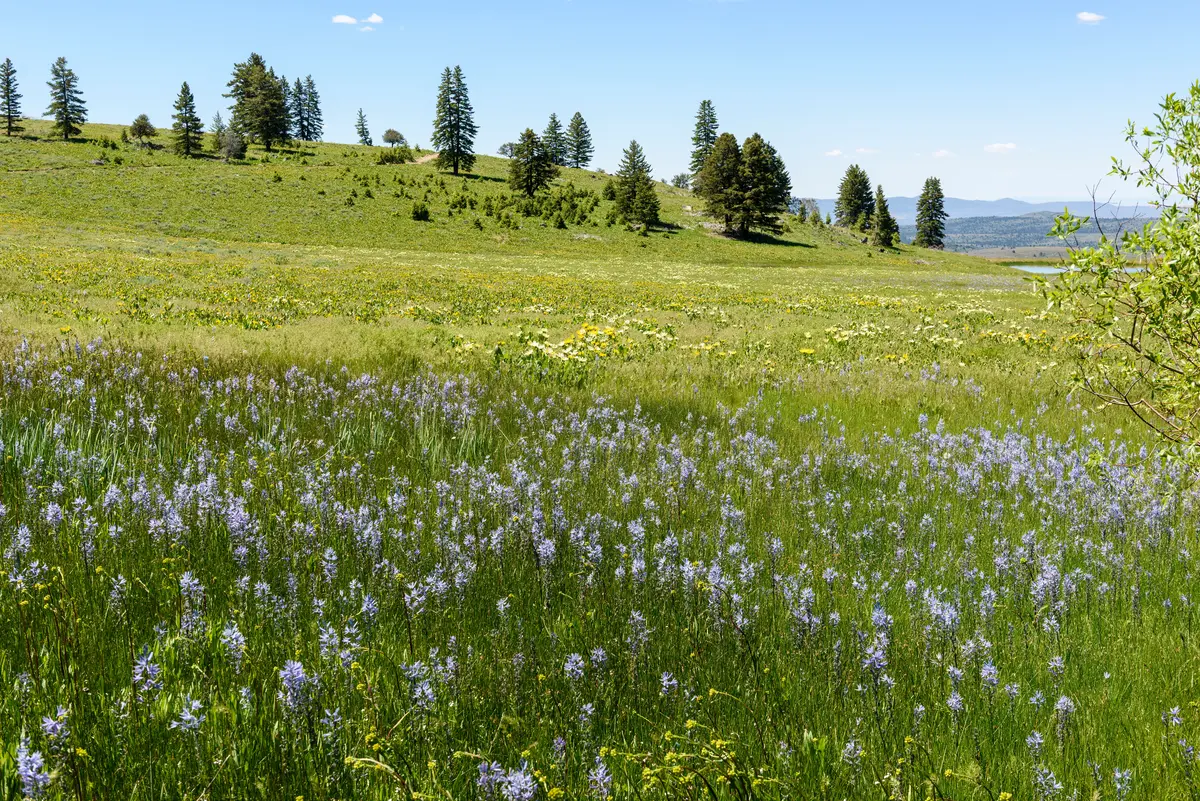
Shelley works best for retirees who have already internalized a key reality about small-town retirement: you're buying into a community, not a campus. There's no rec center with a lap pool and a pickleball schedule built into the HOA. What you get instead is a flat, walkable Snake River Plain town where the violent crime rate is among the lowest you'll find anywhere in the Mountain West — and where a median sold price of $429,500 (Homes.com, May 2026) means your retirement equity goes further than in most of Idaho.
The retirees who land here happily tend to share a profile. They're often former small-town residents who want that pace back, or people moving from pricier Idaho markets who don't want to compromise on safety or elbow room. Many have family in the Idaho Falls–Pocatello corridor. Some are LDS church members for whom the region's strong faith community is a draw in itself. If you need walkable coffee shops, weekend theater, or a hospital within a mile, Shelley will frustrate you — but if a 15-minute drive to Idaho Falls covers your specialist visits and your Saturday errands, the trade-off reads very differently.
The honest caveat: winters here are cold and occasionally brutal, with wind off the plain that cuts hard. If you're imagining a mild retirement climate, look south. And if your retirement vision centers on extensive dining variety or a dense arts scene, the Idaho Falls area has it, but Shelley itself does not. Retirees who move out of Shelley most often cite the limited in-town retail and the seasonal harshness — not the community, which almost everyone describes as genuinely welcoming.
Healthcare & Medical Access in Shelley
The Reality of In-Town Care
Shelley has no hospital. That sentence matters more in retirement than it does at 40, and you should weight it accordingly when making your decision. For routine primary care, there are local clinics and family practice options in and immediately around Shelley, but anything beyond that — cardiology, oncology, orthopedics, imaging, emergency surgery — means a drive to Idaho Falls.
Eastern Idaho Regional Medical Center
The anchor facility is Eastern Idaho Regional Medical Center (EIRMC) in Idaho Falls, roughly 15 minutes north via U.S. Route 91. EIRMC is a full-service regional hospital with a Level II Trauma Center, cardiac care, cancer services through its oncology department, and a broad specialist roster. For most retirees in Shelley, EIRMC is effectively their hospital — it's the facility where you'd go for an emergency, a scheduled procedure, or a specialist referral.
Idaho Falls also hosts Mountain View Hospital and a growing number of outpatient specialty clinics, so the corridor between Shelley and Idaho Falls represents genuinely solid regional healthcare for a market this size. You are not isolated the way rural retirees in some parts of Idaho are.
Advanced and Tertiary Care
For tertiary or highly specialized care — major cardiac surgery, complex neurology, transplant — Pocatello's Portneuf Medical Center is roughly 45 minutes south, and Salt Lake City's major systems (University of Utah Health, Intermountain) are about three hours away. Most retirees manage this reality without much friction, because the need for that level of care is infrequent. But if you're managing a serious chronic condition that requires frequent specialist visits, you'll want to map those trips specifically before committing to Shelley over Idaho Falls proper.
In-Town Senior Care Continuity
Shelley does have meaningful assisted-living infrastructure for a city its size. Alpine Acres Assisted Living offers personal care, medication management, and memory care services within town. The Gables of Shelley Memory Care, at 530 River Pointe Lane, operates 16 units with a dedicated memory-care focus. Diamond Peak of Shelley, at 183 East Oak Street, provides small-scale assisted living for up to 12 residents. Having three distinct in-town options means that if your care needs evolve, you don't automatically have to leave the community you've built.
Idaho's assisted-living costs run approximately $5,310 per month on average statewide — roughly 10% below the national average of $5,900 — and nursing-home semi-private rooms average $8,349 per month compared to $9,277 nationally. Shelley's specific facilities may vary, but the statewide context suggests that Idaho, including this corner of it, tends to be meaningfully more affordable for care than the national baseline.
The Retiree Budget in Shelley
Idaho's Social Security Advantage
Idaho fully exempts Social Security benefits from state income tax at all income levels — no partial phase-out, no means testing. If Social Security makes up a significant share of your retirement income, that exemption is real money on a fixed-income budget. Other retirement income — withdrawals from a 401(k), IRA distributions, pension payments — is taxed at Idaho's flat rate of 4.4% (tax year 2025, per TaxShark). That's lower than many Western states, though you should verify the current rate with the Idaho Tax Commission before filing, as the figure has varied slightly across sources.
Idaho has no state estate or inheritance tax, and the 2026 federal exemption threshold sits at $15 million — meaning the vast majority of retirees will owe nothing at either level when planning for heirs.
Property Taxes and Senior Relief
Shelley's effective property tax rate is approximately 0.49% — one of the lowest in the region and well below the national average for residential property. That rate, applied to the city's median home price, keeps annual carrying costs modest, which matters considerably when you're on a fixed income and inflation is eating at other line items.
Idaho offers a circuit-breaker credit program for qualifying seniors that can further reduce property tax liability. Eligibility is not automatic at age 65 — you need to file with the Bingham County Assessor's office and meet income thresholds. If you're purchasing in Shelley, build that application into your first-year checklist rather than assuming it kicks in on its own.
Day-to-Day Costs on a Fixed Income
Daily spending in Shelley skews small-town modest. Mick's Home Cooking on South State Street is where a lot of locals eat without ceremony — diner-style American food at diner prices. Rustic Rock Coffee on North State Street handles the morning coffee crowd. El Jaliciense #3, also on South State Street, covers Mexican-American comfort food. The honest limitation is grocery variety: Shelley's in-town options are limited, and most residents drive to Idaho Falls for a full grocery run, which is a regular line item worth budgeting for in both time and fuel.
Looking to buy in Shelley? Estimate your payment.
Enter your numbers to see an estimated monthly mortgage payment.
Estimate only. Excludes HOA fees and mortgage insurance. The interest rate above is a starting point, not a quoted rate — replace it with your own to see real numbers. Insurance is a flat placeholder, not a Shelley quote.
Walkability, Community & Staying Active in Shelley
The Geographic Reality
Shelley is flat. Genuinely, reliably flat — a feature of the Snake River Plain that retirees with joint or mobility concerns will appreciate more than they might expect. There are no hills to navigate on a morning walk, no steep driveways to manage in winter. State Street is the commercial spine, and basic errands — a diner breakfast at Mick's Home Cooking, a coffee at Rustic Rock, the post office — are walkable from the city center if you live close enough to it. Beyond that core corridor, a car is necessary for most daily needs.
Trails and Outdoor Spaces
The Shelley Greenbelt Trail is the town's primary walking amenity — an accessible, flat trail that gets steady use from the older adult population. Curt Brinkman Park provides a central green space for casual activity. North Bingham County Park sits just outside city limits and offers a quieter, more natural setting. The Snake River access points near town support fishing, birdwatching, and easy riverside walks — a genuinely underrated perk for retirees who find pleasure in low-key outdoor time rather than strenuous recreation.
The Senior Center and Social Life
The Shelley Senior Center is the social anchor for older adults in town. Volunteer opportunities there are real — not performative — and the center is where many newcomers make their first connections. For a city of 5,400, that infrastructure matters: you're not competing with thousands of other retirees for program slots, and you're more likely to actually know the people in the room.
Spud Day, held every third Saturday of September since 1927, is not a tourist event — it's a local ritual. The parade, the Spud Tug, the live bands, and the free baked potatoes draw the whole community together in a way that sounds corny until you experience it firsthand. New residents who make the effort to show up in September tend to leave with a dozen new acquaintances.
What Surprises People After Six Months
Most retirees who move to Shelley from a larger market are surprised by how quickly they feel known — by neighbors, by the staff at Rustic Rock, by the people at the Senior Center. The flip side: if you're used to anonymity and a full calendar of urban entertainment, the quiet will feel loud at first. Several people who've left Shelley cite that quiet not as a safety concern — crime here is genuinely low — but as a social pace mismatch. Knowing which one you are before you buy is worth the honest self-assessment.
Right-Sizing: Downsizing in Shelley
What the Inventory Actually Looks Like
Shelley's housing stock is predominantly single-family homes built across several decades, which means single-level ranches and split-levels are available — but you'll need to search specifically for them. The inventory of purpose-built patio homes, condominiums, or townhomes designed for low-maintenance retirement living is limited. Shelley does not have a gated 55+ community or an active-adult development in the way that Ammon, Idaho Falls, or Pocatello might offer.
The practical implication: if you're downsizing from a larger family home and want a single-level, low-yard-work option, those homes exist here, but competition for well-maintained ranchers can be sharper than the overall market might suggest. Patience and flexibility on timing help.
Assisted Living as the Continuum
For retirees who want to future-proof their housing plan, Shelley's three in-town assisted-living facilities — Alpine Acres, The Gables of Shelley Memory Care, and Diamond Peak of Shelley — provide a local continuum of care that's unusual for a city this size. You can move into a modest single-family home now and have realistic options for transitioning care needs without leaving the community. That continuity matters for couples where one partner may eventually need memory care while the other remains active.
The Price Advantage for Downsizers
Retirees converting equity from a larger home — particularly those moving from higher-cost Idaho markets or from out of state — find that $429,500 as a median entry point creates real financial breathing room. Older, smaller ranches occasionally transact well below that median, making a cash purchase or a minimal mortgage a realistic outcome for buyers with significant equity. That freed-up capital is what funds the care costs, the travel budget, or simply the comfort of not watching a mortgage balance in retirement.
A Note on Idaho Falls Alternatives
If purpose-built senior housing or a wider condo selection is a priority, Idaho Falls — 15 minutes north — has a broader range of active-adult communities and independent-living developments. Some retirees use Shelley as a budget-entry point while drawing on Idaho Falls's amenities daily; others make the call to buy in Idaho Falls specifically for the housing type flexibility. Neither is wrong — the decision usually comes down to whether you value lower price and small-town community, or a broader housing-type selection and walkable urban services.
Shelley vs Nearby Retirement Destinations
| City | Cost vs Shelley | Primary Hospital | Walkability | Senior Living Depth | Overall Retirement Fit |
|---|---|---|---|---|---|
| Shelley | Anchor | EIRMC via 15-min drive to Idaho Falls | Flat, limited errands on foot | 3 small in-town assisted-living facilities | Strong for budget-focused, community-oriented retirees |
| Idaho Falls | Noticeably pricier | EIRMC and Mountain View Hospital on-site | Walkable downtown core; broader pedestrian options | Wide range — independent living, assisted, memory care | Best overall depth; better for retirees needing more services nearby |
| Blackfoot | About the same | Bingham Memorial Hospital (local); EIRMC ~30 min | Similar flat small-town walkability | Limited; fewer options than Shelley | Comparable small-town feel; slightly more hospital access locally |
| Ammon | Pricier | EIRMC and Idaho Falls specialists nearby | More suburban; car-dependent | Growing active-adult and senior community options | Good for retirees wanting newer construction and suburban comfort |
| Firth | Roughly the same or slightly cheaper | No local hospital; Idaho Falls dependent | Very limited; rural crossroads town | Minimal — essentially none in-town | Works only for deeply rural-lifestyle retirees; not recommended for care planning |
| Pocatello | Slightly cheaper to about the same | Portneuf Medical Center (full regional hospital) | More walkable urban core than Shelley | Broader — more options across care levels | Strong alternative for retirees prioritizing local hospital access and urban services |
Idaho Falls is the clear winner on healthcare depth, senior housing variety, and walkable urban services — but you pay for it. Retirees with serious ongoing specialist needs who don't mind spending more for proximity are better served by Idaho Falls over Shelley. Blackfoot sits in a similar price and small-town tier as Shelley, but Bingham Memorial Hospital gives it a modest local-healthcare edge worth considering for retirees who find a 30-minute hospital drive more acceptable than a 15-minute one.
Pocatello is worth a serious look for retirees who want full regional hospital access (Portneuf Medical Center), a more walkable urban core, and comparable or slightly lower costs — it's the alternative most often overlooked by people who only compare Shelley to Idaho Falls. Firth is essentially a pass for retirement planning purposes unless you're explicitly seeking deep rural isolation with zero care infrastructure nearby. Shelley threads the needle for retirees who want genuine community, low crime, a flat landscape, a surprisingly capable care continuum for a city its size, and a price point that preserves financial flexibility into later retirement.
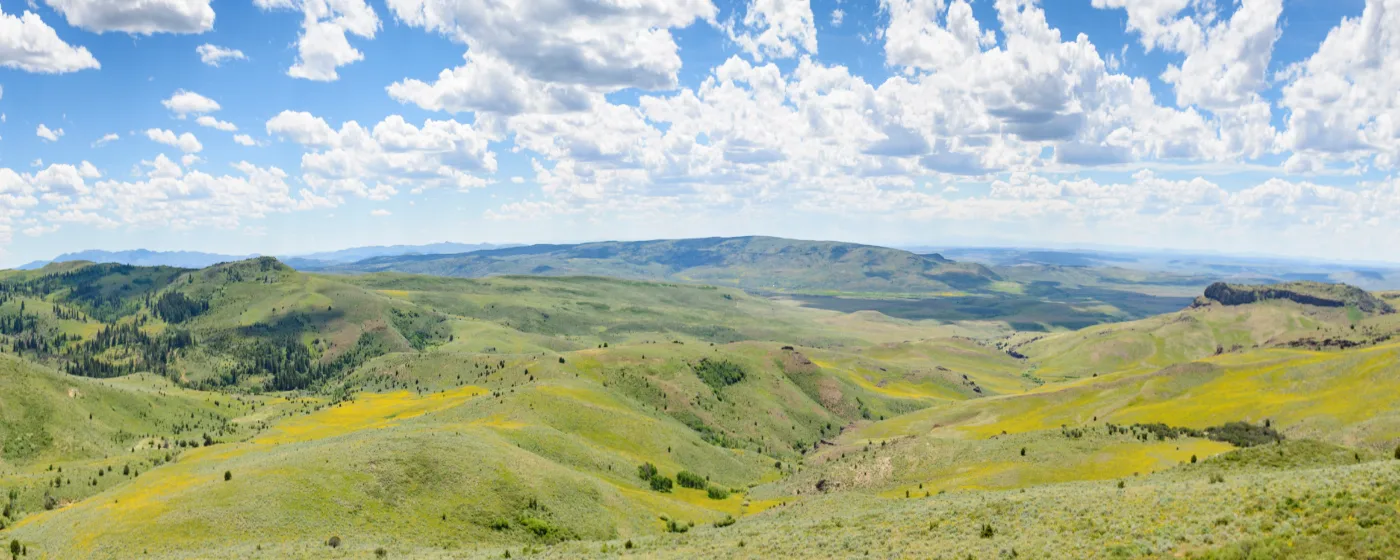
Local Expert Takeaway: Shelley is not a retirement destination that markets itself — there's no lifestyle branding, no resort amenity package, no 55+ community with a clubhouse. What it offers is quieter and more durable: a flat, safe Snake River Plain town where your property taxes run approximately 0.49%, your Social Security check arrives state-tax-free, and three assisted-living facilities within city limits mean you're not gambling on care continuity. Drive north 15 minutes to EIRMC in Idaho Falls for anything medical beyond primary care, stop at Rustic Rock Coffee on North State Street on the way back, and show up for Spud Day in September. Retirees who do those three things in the first year tend to stay.
Quick Takeaways & FAQs
✅ Idaho fully exempts Social Security from state income tax, and Shelley's effective property tax rate of approximately 0.49% is among the lowest in the region — a meaningful combination for fixed-income retirees.
⚠️ Shelley has no hospital; Eastern Idaho Regional Medical Center in Idaho Falls is 15 minutes away, which covers most needs well but requires honest planning for retirees managing frequent specialist visits.
📍 Three in-town assisted-living facilities — Alpine Acres, The Gables of Shelley Memory Care, and Diamond Peak of Shelley — give a city of 5,400 an unusually complete local care continuum for retirees planning for the long term.
Is Idaho a tax-friendly state for retirees?
What hospital would I use if I retired in Shelley?
Are there assisted-living or memory care options in Shelley itself?
What is the typical home price for retirees downsizing in Shelley?
Is Shelley walkable enough for day-to-day retirement life without a car?
Moving to Idaho?
Tell us what you need help with and we'll connect you with local resources.
