
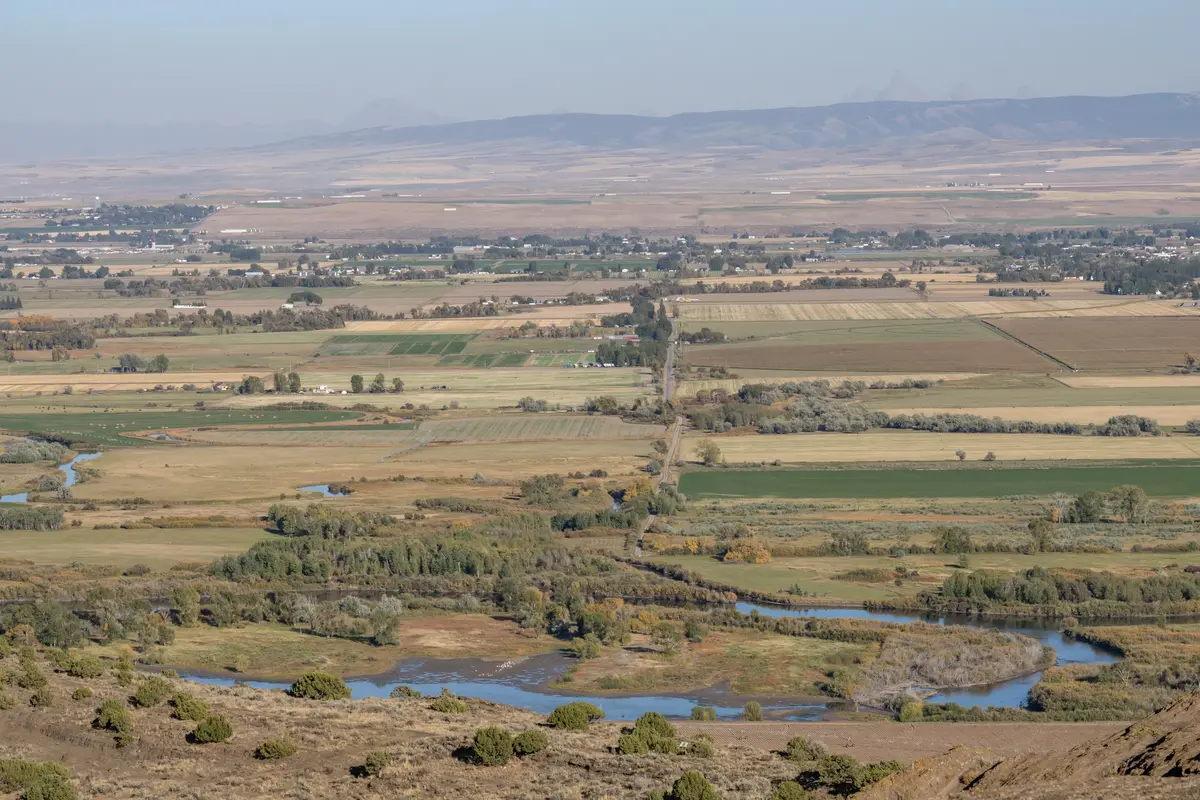
Most people who move to St. Anthony from the Treasure Valley or out of state arrive expecting a typical small Idaho town and leave surprised by how much the geography actually shapes the choice of where to buy. The Henry's Fork of the Snake River cuts through the city, the Sand Dunes corridor pulls the western edge toward a completely different lifestyle, and U.S. Highway 20 links everything southward toward Rexburg and Idaho Falls. Where you land within those three influences — river, dunes, or highway — determines your daily routine more than any other factor.
St. Anthony is the county seat of Fremont County, with a population of around 4,000. Fremont County Joint School District 215 anchors the community, and teacher and staff households form a meaningful part of the buyer pool here. Grand Peaks Healthcare provides medical services, and Broulim's Fresh Foods is the primary grocery anchor. Many residents commute south to Rexburg or further into Idaho Falls, treating St. Anthony as an affordable home base in a region where prices elsewhere have climbed sharply — a pattern that shapes which neighborhoods attract the most buyer interest.
The city-wide typical home value sits at $290,325 (Zillow Home Value Index, May 2026) — noticeably below what comparable square footage costs in Rexburg or Sugar City, and well below the state median. That affordability, combined with low carrying costs, keeps St. Anthony competitive for buyers priced out of neighboring markets. Daily life here orbits Keefer Park and Veterans Memorial Park, the Henry's Fork for fly fishing and kayaking, and the Sand Dunes eight miles west — a 10,600-acre Bureau of Land Management recreation area with dunes reaching 400 feet high that draws OHV riders from across the West every spring and summer.
Whether you're comparing a house on Bridge Street to something out toward Parker Junction, or trying to figure out whether the Sand Dunes Access area is actually livable year-round, the sections below break down St. Anthony's neighborhoods, who each one suits, typical price ranges, common buyer mistakes, and where to rent while you get your bearings.
The St. Anthony Reality
The divide that matters most in St. Anthony isn't east-west — it's river and elevation. The Henry's Fork runs through the city's heart, and the neighborhoods that sit close to it (Riverside, East Bridge) trade on scenery and on-foot access to the water but absorb the seasonal realities of a river corridor: spring flooding potential, older infrastructure, and lots that can feel tight. The neighborhoods up on the North Bench sit higher, away from the floodplain, with newer construction and cleaner sightlines toward the Tetons on a clear day — but they put you farther from downtown's walkable block on Bridge Street.
The second divide is the dunes corridor. West Main and Sand Dunes Access exist in a different economic reality than Historic Downtown or South Side. They attract buyers who prioritize recreational access — specifically, proximity to the St. Anthony Sand Dunes — over on-foot access or community anchor points. That's not a criticism; it's just a different lifestyle calculus. Buyers who move to Sand Dunes Access expecting the same small-town feel as a block off the Fremont County Courthouse are regularly disappointed six months in.
Every neighborhood in St. Anthony feeds into Fremont County Joint School District 215, so school-boundary shopping isn't the deciding factor here that it is in larger markets. The real sorting mechanism is your relationship to the river, your tolerance for older housing stock versus newer construction, and how much of your weekend identity involves the dunes. Get those three answers right before you start writing offers.
Neighborhoods at a Glance
| Neighborhood | Best For | Price Range | Vibe |
|---|---|---|---|
| Historic Downtown | Walkable First-Time | $210,000–$270,000 | Vintage storefronts, Bridge Street energy, the 1935 Roxy Theater nearby |
| South Side | Families Value | $220,000–$275,000 | Quiet streets, established yards, close to schools and parks |
| North Bench | Families Commuter | $270,000–$330,000 | Elevated position, newer builds, Teton views on clear days |
| East Bridge | Nature First-Time | $200,000–$255,000 | River access, older bungalows, fly-fishing culture |
| West Main | Commuter Value | $215,000–$265,000 | Highway-adjacent, OHV-friendly, practical over pretty |
| Riverside | Nature Views | $230,000–$290,000 | Henry's Fork frontage, quiet, premium for waterside lots |
| Parker Junction | Commuter Privacy | $255,000–$320,000 | Edge-of-city spread, larger parcels, southern highway access |
| Sand Dunes Access | Nature Quiet | $195,000–$250,000 | Recreation-first living, closest to the BLM dunes, seasonal rhythm |
Best Neighborhood by Buyer Type
| Buyer Type | Best Neighborhood | Why |
|---|---|---|
| First-Time Buyer | Historic Downtown | Entry-level prices on Bridge Street, walkable daily errands, and the lowest barrier to ownership in the city. |
| Luxury Buyer | North Bench | St. Anthony's highest price band brings newer construction, cleaner finishes, and elevated Teton views that older neighborhoods can't match. |
| Walkability Seeker | Historic Downtown | Bridge Street puts the Roxy Theater, independent cafés, the local diner, and downtown retail within a short walk of your front door. |
| Families with Kids | South Side | Established yards, proximity to Keefer Park and Veterans Memorial Park, and calm residential streets suit families with school-age children. |
| Commuters | Parker Junction | Positioned at the city's southern edge with direct U.S. 20 access, making the Rexburg run as short as possible from within city limits. |
| Large-Lot Buyers | Parker Junction | The edge-of-city location is where you find the parcels with room for a shop, outbuildings, or animals — rare elsewhere in town. |
| Renters | South Side | The highest concentration of rental inventory in a walkable, established residential setting keeps options open without locking you into a neighborhood before you're ready. |
Looking to buy in St. Anthony? Estimate your payment.
Enter your numbers to see an estimated monthly mortgage payment.
Estimate only. Excludes HOA fees and mortgage insurance. The interest rate above is a starting point, not a quoted rate — replace it with your own to see real numbers. Insurance is a flat placeholder, not a St. Anthony quote.
Most Popular Neighborhoods
Historic Downtown
Bridge Street is the clearest argument for living in St. Anthony proper. A handful of independent cafés, the downtown diner, and local retail all sit within blocks of the Fremont County Courthouse and the 1935 Roxy Theater — enough critical mass to run a Saturday errand without getting in a car. The compromise is housing stock: most homes here date to the mid-20th century, and deferred maintenance is common enough that a thorough inspection matters more here than anywhere else in the city. Price range: $210,000–$270,000.
Best for: First-time buyers, on-foot commuters, anyone who wants a small-town main-street life without a car.
South Side
South Side is where St. Anthony's families with school-age children tend to land when they want proximity to Keefer Park and Veterans Memorial Park without paying North Bench prices. Yards are established and lots are generous by city standards, but the housing stock skews toward 1960s–1980s ranch builds that need cosmetic updating more often than not. Price range: $220,000–$275,000.
Best for: Parents with school-age children, buyers who want more yard than house, renters transitioning to ownership.
North Bench
The highest ground in St. Anthony delivers the best winter views toward the Teton Range and the newest construction in the city — buyers coming from Rexburg often compare finishes here and find North Bench competitive. The downside is that you're walking distance from almost nothing, which means every errand is a drive, and the elevation amplifies the wind that rips through eastern Idaho from October to March. Price range: $270,000–$330,000.
Best for: Commuters to Rexburg or Idaho Falls, families who prioritize newer construction, buyers who want the highest-quality finishes available in the St. Anthony market.
East Bridge
East Bridge sits closest to where the Henry's Fork moves through town, and on a summer morning with a fly rod in hand, it's easy to understand why people overlook the older bungalows and tight lots to be here. The practical reality is that some parcels sit close enough to the river's edge to warrant a serious look at flood maps before making an offer, and the infrastructure on several blocks lags behind the rest of the city. Price range: $200,000–$255,000.
Best for: Anglers, kayakers, buyers who value access to the Henry's Fork over interior finishes, first-time buyers comfortable with older homes.
West Main
West Main is functional rather than scenic — it runs along the corridor that points toward the Sand Dunes and carries commercial traffic that keeps it from ever feeling fully residential. OHV rentals operate nearby, supporting the dune economy and adding activity that suits some buyers and rules it out for others. Price range: $215,000–$265,000.
Best for: OHV enthusiasts, buyers who need easy highway access, value-focused buyers willing to trade neighborhood polish for square footage.
Riverside
The most coveted lots in Riverside back directly to the Henry's Fork, and those water-facing parcels command a noticeable premium over the city-wide median — paying up for a view of the river rather than a walk to Bridge Street is a deliberate lifestyle choice. Away from the water, Riverside blends into South Side in character and price, so location within the neighborhood matters as much as the neighborhood label itself. Price range: $230,000–$290,000.
Best for: Buyers who prioritize river frontage and natural scenery, remote workers who want a peaceful setting, nature-focused households without long daily commutes.
Parker Junction
Parker Junction sits at St. Anthony's southern edge, positioned squarely on U.S. 20 where the drive south toward Rexburg is as direct as it gets from within city limits. Lots are larger than anywhere else in town, which makes this the go-to for buyers who need room for a shop, an RV pad, or a few animals, but the area lacks any walkable retail or services within reasonable distance. Price range: $255,000–$320,000.
Best for: Commuters to Rexburg, large-lot buyers, anyone who needs vehicle storage or outbuilding space that city lots can't provide.
Sand Dunes Access
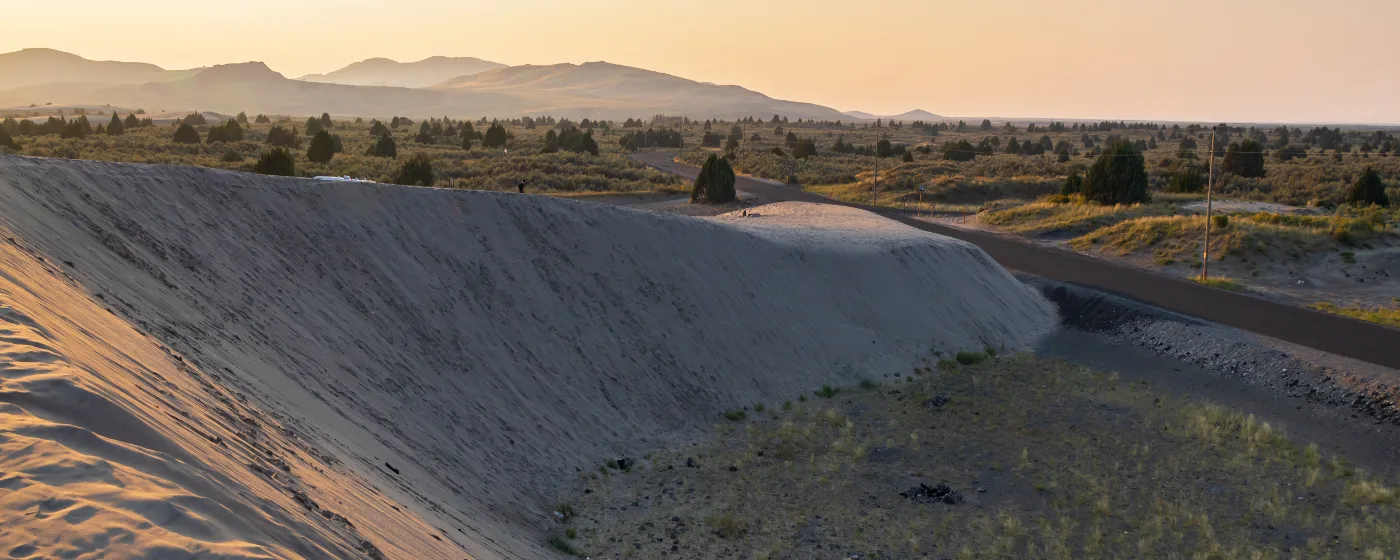
Living near Sand Dunes Access means building your calendar around the BLM's seasonal schedule: most motorized dune areas close January 1 through at least April 1 to protect one of the largest wintering elk herds in the United States, then reopen each spring to waves of OHV riders from across the West. Egin Lakes Campground next door brings seasonal neighbors and activity that feels more like a recreation community than a year-round residential one — which is a genuine draw for some buyers and a real friction point for others. Price range: $195,000–$250,000.
Best for: OHV enthusiasts, buyers who want the lowest entry point in St. Anthony, households comfortable with a seasonal community rhythm.
Common Mistakes Buyers Make in St. Anthony
Assuming Every Block on Bridge Street Is Equal
Bridge Street runs the length of Historic Downtown, but the northern end near the Roxy Theater and the independent cafés has a different energy than blocks closer to the highway interchange. Buyers who fall in love with the downtown vibe on a Saturday afternoon sometimes discover that certain cross streets carry more cut-through traffic on weekday mornings than the neighborhood's overall character suggests.
Skipping the Flood Map on East Bridge and Riverside Lots
The Henry's Fork is one of the reasons people move here, and it is also the reason some lots in East Bridge and Riverside carry flood insurance requirements that significantly change the annual cost of ownership. This is one of the most consistent surprises buyers report after closing — not that flooding is frequent, but that the requirement exists at all and that nobody flagged it clearly during the search process.
Underestimating Winter on the North Bench
Buyers who visit the North Bench in July, drawn by the Teton views and newer construction, sometimes don't account for what the elevation and open exposure mean from November through February. The wind is relentless on the high ground, driveways on steeper lots become a real concern after ice storms, and the absence of any walkable services means that a winter day when you'd rather not drive requires more planning than it does in Historic Downtown or South Side.
Treating Sand Dunes Access as a Standard Residential Neighborhood
The Sand Dunes Access area's price point attracts buyers who want more house for less money, but the seasonal closing of BLM dune areas from January through spring brings a dormant-community feeling to the surrounding roads for months at a time. Buyers who picture a lively neighborhood year-round — kids on bikes, neighbors out walking — regularly find the off-season quieter than they expected, and some find it isolating enough to prompt a move back toward South Side or Historic Downtown within two years.
Best Areas to Rent in St. Anthony
| Area | Ideal For | Typical Rent Range | Trade-off |
|---|---|---|---|
| Historic Downtown | Singles, couples, anyone trialing the city before buying | $750–$1,050/mo | Oldest housing stock; some weekend noise from Bridge Street |
| South Side | Families with kids, longer-term renters | $800–$1,100/mo | Inventory turns slowly; you need to move fast when something opens |
| North Bench | Commuters, renters who want newer construction | $950–$1,250/mo | Higher end of the market; no walkable amenities |
| West Main | Value-focused renters, OHV households | $700–$950/mo | Commercial traffic on the corridor; less residential feel |
| Riverside | Remote workers, nature-oriented renters | $850–$1,150/mo | Limited inventory; waterfront units disappear quickly each spring |
St. Anthony's rental market is tight by small-town standards — with a population of just over 4,000, the total rental inventory is limited enough that waiting for the right unit in the right area can take months. If you're relocating for work at Grand Peaks Healthcare or Fremont County Joint School District 215, starting your search at least 60 days out is a practical minimum.
Local Expert Takeaway: If you're choosing between neighborhoods in St. Anthony, the single most useful question to ask yourself is whether your weekend identity involves the Henry's Fork or the Sand Dunes — because those two anchors pull the city in genuinely different directions. Buyers who want walkable daily life centered on Bridge Street, the Roxy Theater, and a short walk to downtown's independent cafés belong in Historic Downtown or South Side. Buyers who need highway access and a larger parcel should look at Parker Junction. And buyers who want maximum outdoor recreation access at the lowest price point in the market will find Sand Dunes Access compelling — just visit in February before you close, so the off-season rhythm doesn't surprise you in month four.
Quick Takeaways & FAQs
✅ St. Anthony's typical home value of $290,325 (Zillow Home Value Index, May 2026) makes it one of the most affordable owner-occupied markets in Eastern Idaho — noticeably below Rexburg and well below the state median.
⚠️ The Sand Dunes Access neighborhood offers the city's lowest entry prices but operates on a seasonal rhythm tied to BLM closures — buyers who want year-round neighborhood activity should look at South Side or Historic Downtown instead.
📍 Bridge Street in Historic Downtown is St. Anthony's most walkable block, with independent cafés, local dining, and the 1935 Roxy Theater all within a short walk of each other and the Fremont County Courthouse.
What is the most affordable neighborhood in St. Anthony, Idaho?
Which St. Anthony neighborhood is best for commuters to Rexburg?
Are there flood zone concerns in any St. Anthony neighborhoods?
What neighborhood in St. Anthony is closest to the Sand Dunes?
Do all St. Anthony neighborhoods share the same school district?
Moving to Idaho?
Tell us what you need help with and we'll connect you with local resources.
