Home ›
Blog ›
Best Places to Retire in Eastern Idaho (2026): 14 Cities Ranked
If you're weighing retirement somewhere in Eastern Idaho, you're likely already sold on the region's core appeal: wide-open Snake River Plain terrain, reasonable distances from Salt Lake City and Boise, and a cost of living that still offers genuine breathing room compared to most of the Mountain West. The real decision is which city along this corridor actually fits how you want to spend your days — because the gap between a full-service downtown with a hospital down the street and a scenic small town where you drive 30 minutes for a specialist visit is meaningful when you're thinking about the next 20 or 30 years.
Among these 14 cities, Pocatello leads the rankings with a composite score of 8.27 out of 10, driven by its walkable Old Town, on-site hospital access, and a median home price near $319,000 that is among the most accessible in the state. At the other end, Victor scores 4.6 out of 10 — not because of poor scenery or quality of life, but because median home prices approaching $800,000, driven by Teton Valley vacation demand, push affordability nearly off the chart for most retirees on fixed incomes. The rankings below weigh healthcare, walkability, affordability, climate, and quality of life together so you can see exactly where each city lands on what matters most in retirement.
How This Ranking Was Built
Each city is scored 1-10 on every dimension below against a fixed statewide scale — never against the other cities in this region — then combined into one weighted Composite score out of 10.
Healthcare — 25%Weighted contribution to the composite score, graded 1-10 against a fixed statewide scale.
Walkability — 20%Weighted contribution to the composite score, graded 1-10 against a fixed statewide scale.
Affordability — 20%Weighted contribution to the composite score, graded 1-10 against a fixed statewide scale.
Climate — 15%Weighted contribution to the composite score, graded 1-10 against a fixed statewide scale.
Quality of Life — 20%Weighted contribution to the composite score, graded 1-10 against a fixed statewide scale.
Top 14 Cities: Best Places to Retire Snapshot
Ranked by overall composite score. Click any city to jump to the full breakdown.
| # | City | Composite | Healthcare | Walkability | Median Price |
|---|
| 1 | Pocatello
Bannock County | 8.3/10 | 8 | 8 | $318,721 |
| 2 | Idaho Falls
Bonneville County | 7.6/10 | 8 | 8 | $400,448 |
| 3 | Rexburg
Madison County | 7.6/10 | 8 | 6 | $403,386 |
| 4 | St. Anthony
Fremont County | 6.8/10 | 6 | 4 | $290,325 |
| 5 | Blackfoot
Bingham County | 6.8/10 | 8 | 4 | $334,424 |
| 6 | American Falls
Power County | 6.6/10 | 8 | 4 | $320,000 |
| 7 | Preston
Franklin County | 6.0/10 | 8 | 4 | $470,000 |
| 8 | Chubbuck
Bannock County | 6.0/10 | 6 | 2 | $282,189 |
| 9 | Rigby
Jefferson County | 5.4/10 | 6 | 4 | $481,313 |
| 10 | Driggs
Teton County | 5.4/10 | 8 | 4 | $781,920 |
| 11 | Sugar City
Madison County | 5.2/10 | 6 | 4 | $434,000 |
| 12 | Shelley
Bingham County | 5.2/10 | 6 | 4 | $429,500 |
| 13 | Ammon
Bonneville County | 5.2/10 | 6 | 2 | $430,000 |
| 14 | Victor
Teton County | 4.6/10 | 6 | 4 | $797,530 |

Affordability
9.6/10
out of 10
Quality of Life
8/10
out of 10
Median Price
$318,721
2026 market price
Pocatello earns the top spot in this group by doing several things at once that most Eastern Idaho cities cannot. A median home price near $319,000 gives retirees on fixed incomes genuine purchasing power, while the walkable Old Town historic core means daily errands, coffee shops, and dining don't require a car trip. A full-service regional medical center right in the city limits removes one of the biggest practical anxieties of retirement — distance to emergency care — and 207 sunny days a year keeps outdoor life viable across most of the calendar.
Pocatello suits retirees who want a real downtown, real healthcare access, and a budget that doesn't require liquidating everything they own. It competes directly with Idaho Falls for the top tier of this list, but it pulls ahead on affordability in a way that matters over a 20-year retirement horizon.

Affordability
7.5/10
out of 10
Quality of Life
8/10
out of 10
Median Price
$400,448
2026 market price
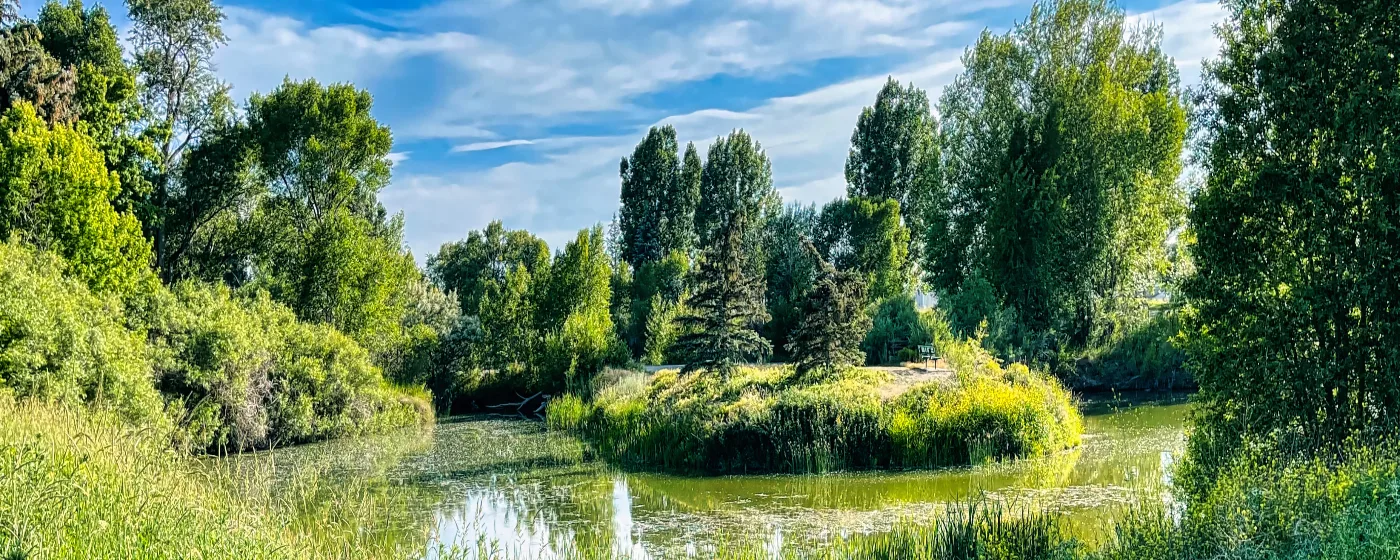
Idaho Falls is the region's largest city in this group at over 70,000 residents, and that scale shows up in daily life: a genuine downtown, a riverside greenbelt, a zoo, museums, and a restaurant scene that gives retirees real variety without driving to Boise. A median home near $400,000 is still well below Idaho's statewide median and remains accessible for most buyers. A regional medical center on-site means healthcare access is as strong here as anywhere in Eastern Idaho, which matters enormously for retirement planning.
The trade-off is climate — about 201 sunny days a year is noticeably below what southern Idaho cities average, and cold winters can wear on retirees who value outdoor activity year-round. Buyers who want urban amenities and strong healthcare but can handle a harder winter will find Idaho Falls among the most well-rounded options in this group.
Affordability
7.3/10
out of 10
Quality of Life
9/10
out of 10
Median Price
$403,386
2026 market price
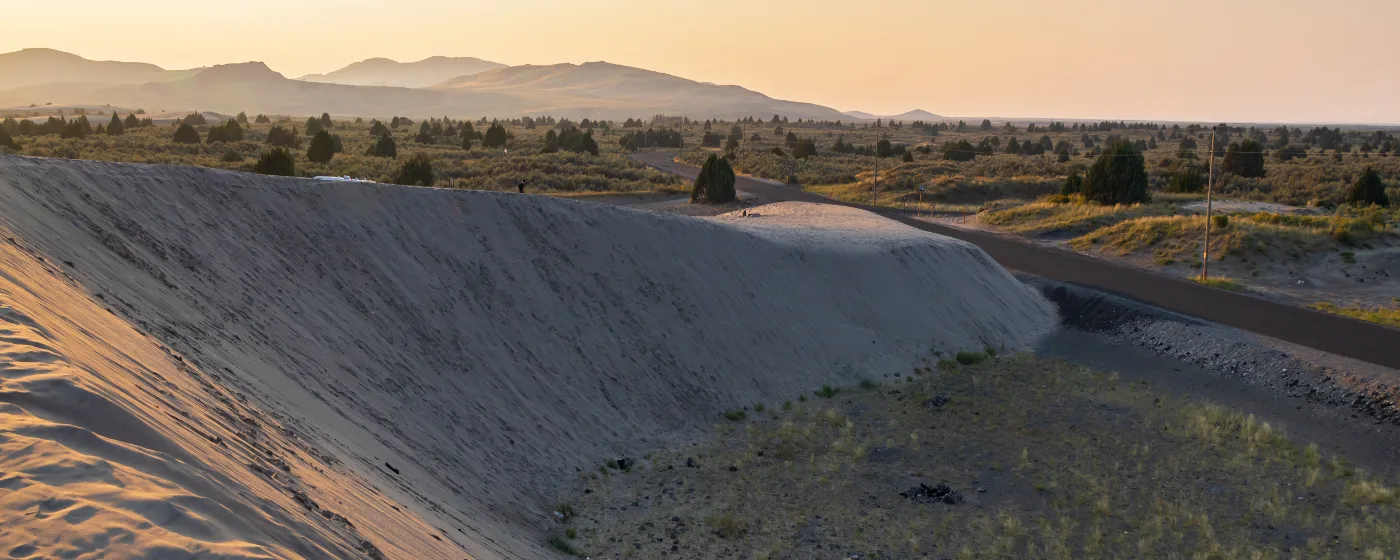
Rexburg lands at third overall largely on the strength of its quality-of-life score, which reflects a rich mix of landmarks, restaurants, and outdoor access for a city of its size. A median home around $403,000 is still meaningfully below what you'd pay in much of the state, and a local hospital right in town covers the healthcare baseline that retirees need. At 206 sunny days annually, Rexburg's climate is a reasonable compromise — better than Idaho Falls, though winters remain cold and snowy, as they do across all of Eastern Idaho.
The main retirement caveat in Rexburg is walkability: the city lacks a clearly defined downtown core in the way Pocatello or Idaho Falls offers, so expect to drive for most daily errands. Retirees who are comfortable car-dependent living and prioritize outdoor variety and lower home prices over walkability will find Rexburg a genuinely solid choice.
Affordability
10/10
out of 10
Quality of Life
8/10
out of 10
Median Price
$290,325
2026 market price
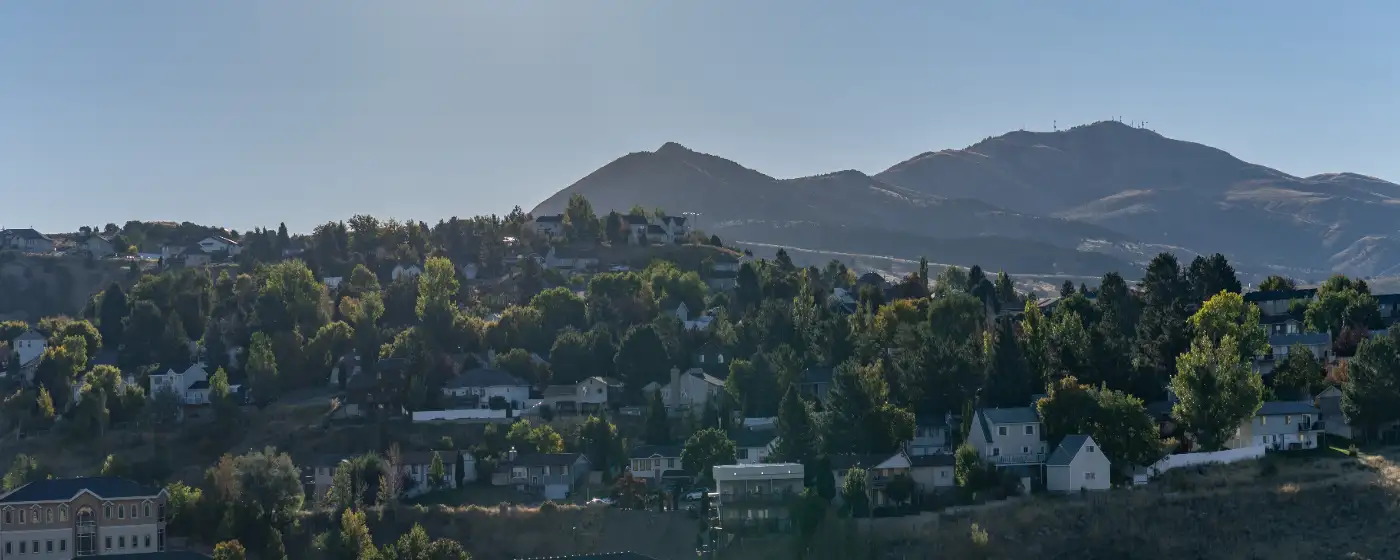
St. Anthony earns the top affordability score in this entire group — a median home price under $300,000 is the lowest of any city on this list, and for retirees stretching fixed incomes, that figure can be the deciding factor in whether retirement in Idaho is financially feasible. The Fremont County seat sits a short drive from Rexburg and its hospital, which partly offsets the absence of local inpatient care. The area also logs about 200 sunny days a year and offers 20 combined landmarks, restaurants, and outdoor spots — respectable variety for a town of roughly 4,000.
The honest trade-off is that St. Anthony is a small town, and small-town living requires accepting that most services — from groceries to specialists — require a drive. Retirees who are drawn to a quiet pace, lower costs, and easy access to Henry's Fork fishing and Sand Dunes recreation will find it compelling; those who rely on daily walkability or proximity to advanced medical care may prefer Pocatello or Idaho Falls.
Affordability
9.6/10
out of 10
Quality of Life
5/10
out of 10
Median Price
$320,000
2026 market price
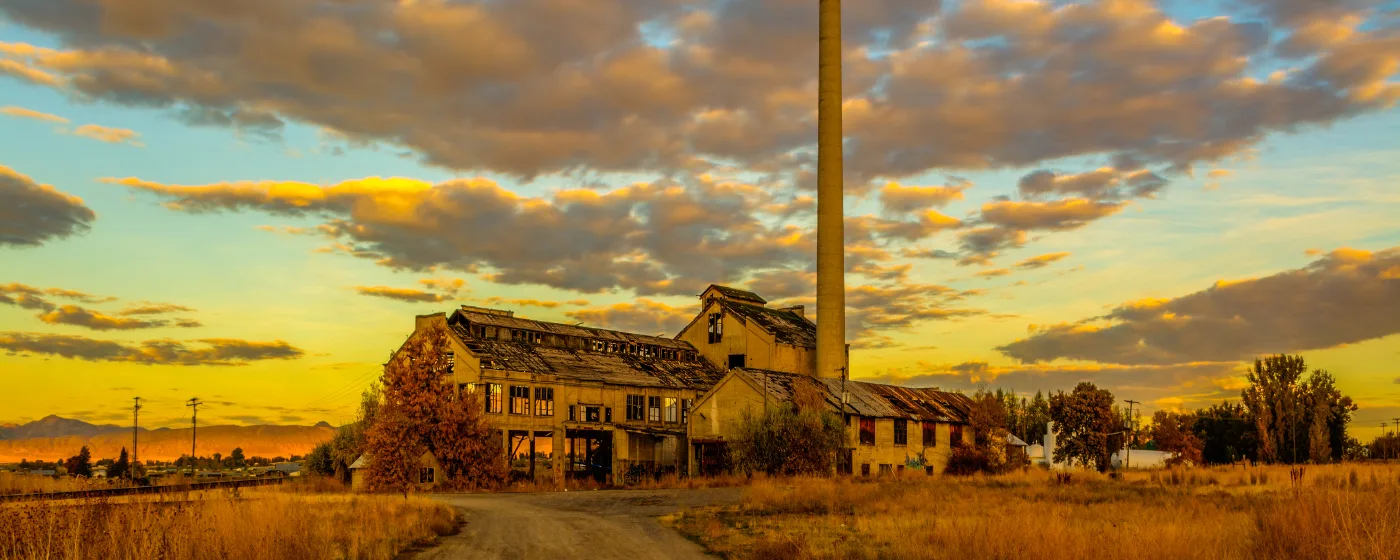
American Falls is one of the more overlooked retirement options in Eastern Idaho, sitting on American Falls Reservoir with a median home price around $320,000 and a local hospital right in town — a combination that gives it a legitimate affordability-plus-healthcare case. Power County's small-town character means walkability is limited and most daily errands require a car, but the outdoor recreation access along the reservoir adds meaningful lifestyle value that the raw numbers don't fully capture. About 200 sunny days a year is on the lower end for this group.
This city fits retirees who want to minimize housing costs without sacrificing immediate healthcare access, and who find satisfaction in lake recreation, fishing, and a quiet community rhythm. It's not the right fit for buyers who want a walkable downtown or a varied dining scene, but as a low-cost, hospital-adjacent base on the Snake River Plain, it holds its own.
Affordability
5.2/10
out of 10
Quality of Life
5.5/10
out of 10
Median Price
$470,000
2026 market price
Preston is the most expensive city in the southern end of this region, with a median home price of $470,000 that pushes it into moderately pricey territory for Eastern Idaho — and that price point is the primary reason it ranks seventh despite having a local hospital and a respectable 206 sunny days per year. Franklin County's seat has the character of a deep-roots agricultural community, with a modest collection of landmarks and restaurants that give it a quiet small-town identity. The hospital presence is a genuine retirement asset that smaller nearby towns can't match.
Preston tends to suit retirees with strong ties to the Bear River Valley region — family connections, a history in the area, or a preference for a community-oriented rural pace. Buyers comparing it to Blackfoot or American Falls will find Preston's price point harder to justify without those personal anchors, since the amenity and walkability profiles are broadly similar.
Affordability
10/10
out of 10
Quality of Life
4.5/10
out of 10
Median Price
$282,189
2026 market price
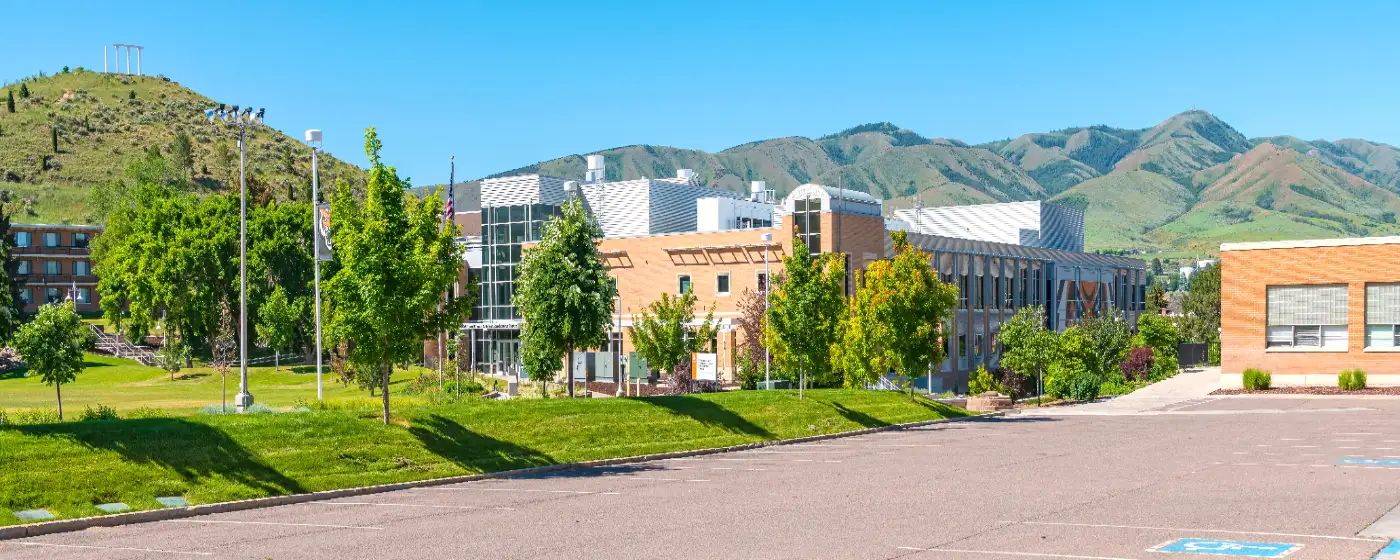
Chubbuck's retirement case rests almost entirely on price: a median home under $283,000 is the lowest in this group, and for buyers whose top priority is minimizing housing costs, that figure is hard to ignore. Sitting just three miles from Portneuf Medical Center in Pocatello, Chubbuck effectively borrows Pocatello's hospital infrastructure without carrying Pocatello's price tag. At 207 sunny days annually, it also shares the same climate advantage as its neighbor to the west.
The honest limitation is that Chubbuck is explicitly car-dependent with very limited transit, and its own quality-of-life score reflects a modest local amenity set. Retirees who need walkability or an active downtown social scene will find it lacking — but for buyers who plan to drive anyway and want to stretch their retirement budget as far as possible in Bannock County, Chubbuck delivers real value as a lower-cost alternative to Pocatello proper.

Affordability
5.0/10
out of 10
Quality of Life
5.5/10
out of 10
Median Price
$481,313
2026 market price
Rigby is a small Jefferson County seat with a median home approaching $481,000 — the price point that most directly explains its position in the lower half of these rankings. For that level of investment in a town of under 6,000 people with no local hospital and limited walkability, the value proposition is harder to make than it is in Pocatello, Blackfoot, or even American Falls. Idaho Falls is within 20 minutes, which provides a reasonable emergency care backstop, and about 205 sunny days annually is a serviceable climate.
Rigby fits a specific retirement buyer: someone who wants a quiet small-town feel in Jefferson County, has family or community ties to the area, and is comfortable driving to Idaho Falls for most services. For buyers without those anchors, the combination of above-median pricing and limited local amenities makes it difficult to recommend over the stronger value propositions elsewhere in this group.
Affordability
1.7/10
out of 10
Quality of Life
6/10
out of 10
Median Price
$781,920
2026 market price
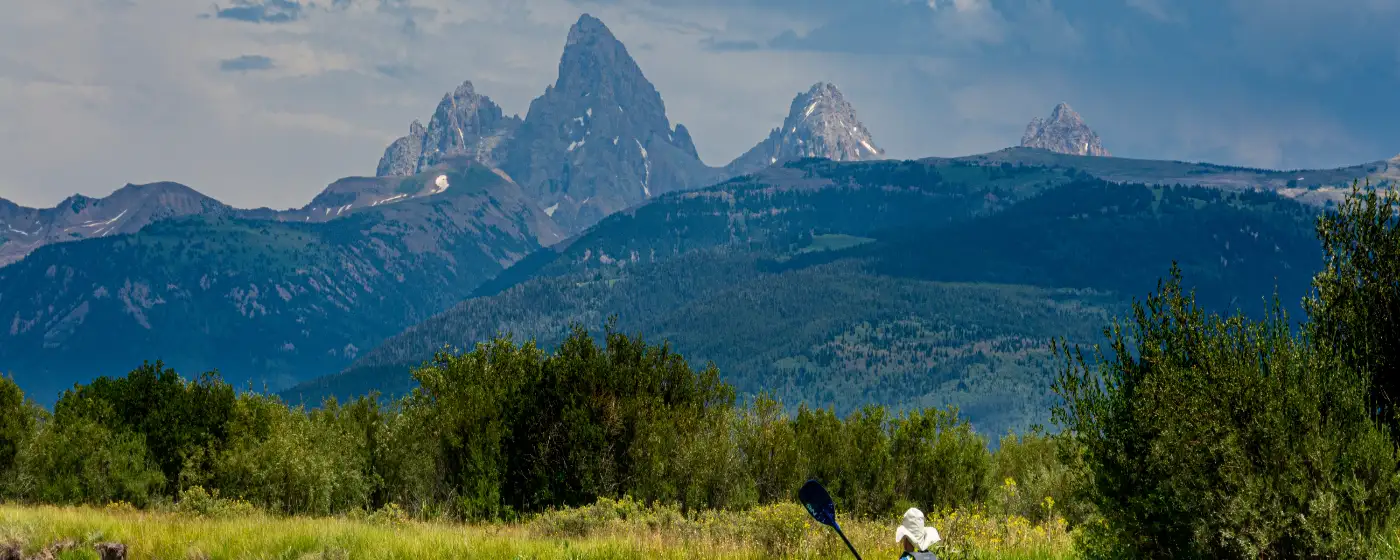
Driggs is in a category of its own in this group — a Teton Valley mountain town where a median home price near $782,000 reflects sustained vacation and second-home demand that has fundamentally reshaped what local ownership costs. A local hospital in town is a genuine asset, and the outdoor lifestyle here — with the Tetons as a literal backdrop — is exceptional for active retirees. But the affordability score near the bottom of this list tells the real story: for most retirees on fixed incomes, Driggs is simply not financially accessible as a primary residence.
This city makes sense for retirees who are cashing out high-equity homes elsewhere and prioritize mountain scenery, skiing, hiking, and a small-but-sophisticated recreation community over urban amenities or budget flexibility. Anyone comparing Driggs to other cities on this list on a cost basis will find it lands far outside the range of what the rest of Eastern Idaho offers.

Affordability
5.9/10
out of 10
Quality of Life
3.2/10
out of 10
Median Price
$434,000
2026 market price
Sugar City is a small Madison County community sitting in Rexburg's immediate orbit, and that proximity shapes its retirement profile almost completely. A median home around $434,000 puts it above the statewide median without offering the hospital access, walkability, or amenity variety that would justify that premium on its own terms. Madison Memorial Hospital is five miles away, which covers emergencies adequately, but virtually all dining, shopping, and services require a trip to Rexburg. The quality-of-life score here is among the lowest in this group.
Sugar City suits a narrow slice of retirement buyers: those with deep community roots in the area, or those who want to live close to Rexburg's resources while paying slightly less than Rexburg's own home prices — which are comparable. For buyers without that specific draw, the limited local amenities and above-median price tag make it harder to recommend over the more fully formed cities in this group.
Affordability
6.0/10
out of 10
Quality of Life
3.6/10
out of 10
Median Price
$429,500
2026 market price
Shelley is a small Bingham County town south of Idaho Falls with a median home near $430,000 — a price that sits close to the statewide median without the hospital access, walkability, or local amenity depth that would make that investment feel like a clear retirement value. Idaho Falls is under 20 minutes away for medical care, which is workable but not the immediate access that Blackfoot or Pocatello offer. At about 203 sunny days, the climate is slightly below the group's sunnier options.
With only 13 combined landmarks and dining options by local count, Shelley's quality-of-life score is near the bottom of this group — a reflection of a community that functions as an agricultural suburb rather than a retirement destination in its own right. Buyers who grew up in the area or have family nearby may find it comfortable; most other retirees comparing it to Blackfoot or American Falls will find those cities offer more for a similar or lower investment.

Affordability
6/10
out of 10
Quality of Life
5.5/10
out of 10
Median Price
$430,000
2026 market price
Ammon is a Bonneville County suburb that shares a border with Idaho Falls, and on paper that sounds like a retirement advantage — but the reality is car-dependent in a way that goes beyond the typical Eastern Idaho small town. No public transit has operated here since 2019, and the walkability score reflects that explicitly. A median home around $430,000 sits at the statewide median, and Eastern Idaho Regional Medical Center is just two miles away — so healthcare access is genuinely strong for residents who can drive to it.
The retirement trade-off in Ammon is that you're paying near-statewide-median prices for a suburb where daily independence depends entirely on being able to drive. Retirees who are fully mobile and want Idaho Falls' amenities at a slight price discount may find Ammon workable, but anyone factoring in longer-term mobility changes will want to weigh Pocatello or Idaho Falls' more walkable cores instead.
Affordability
1/10
out of 10
Quality of Life
5.5/10
out of 10
Median Price
$797,530
2026 market price
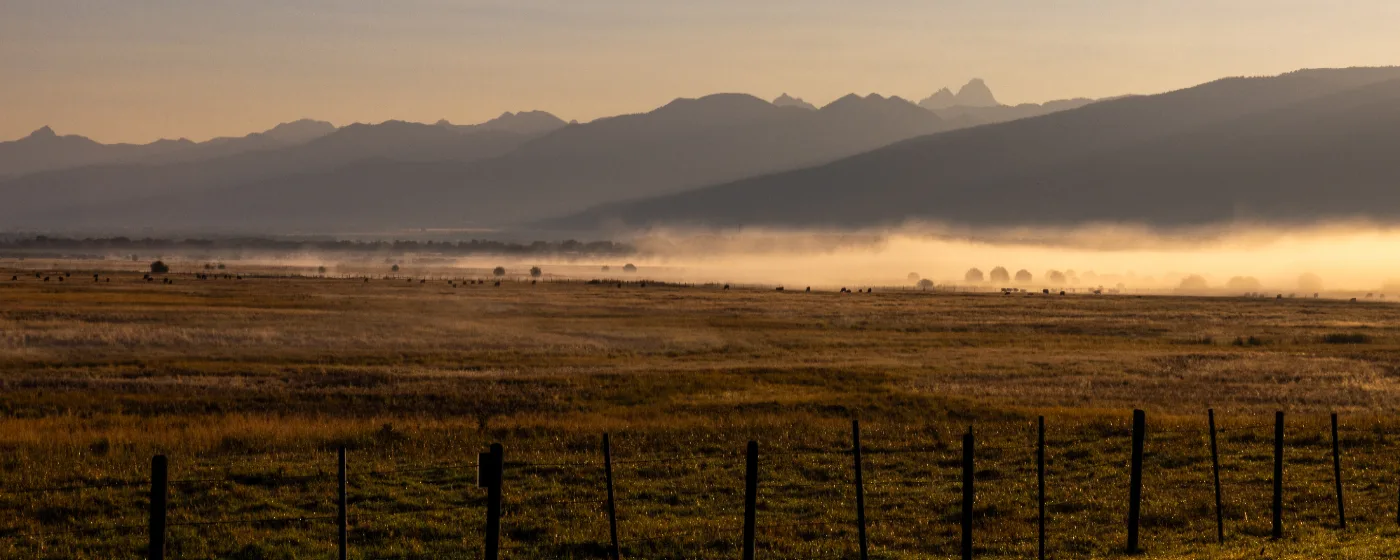
Victor sits at the foot of the Tetons in Teton County, and its retirement ranking reflects one dominant reality: a median home price approaching $800,000 driven by vacation market demand puts it effectively out of reach for the vast majority of retirees on fixed or moderate incomes. The outdoor lifestyle is genuinely exceptional — Teton Pass, surrounding wilderness, and the broader recreation ecosystem are among the best in the Mountain West. Teton Valley Hospital is eight miles away in Driggs, providing reasonable access for most non-emergency needs.
Victor suits retirees who are selling a high-equity asset and specifically want Teton Valley's mountain character over anything else on this list. For buyers doing a straightforward affordability comparison across Eastern Idaho, Victor's price point is in a different tier entirely — and the limited walkability and local amenity set mean you are paying almost entirely for the landscape and the lifestyle that comes with it.
Pocatello and Idaho Falls give retirees the strongest combination of healthcare access and walkable daily life in this group — but buyers who prioritize affordability above everything else should look closely at St. Anthony and Chubbuck, both of which carry some of the lowest home prices in Eastern Idaho while sitting within a reasonable drive of full-service medical facilities.
Want to see what's for sale in these neighborhoods?
Sign up for listing alerts — get notified when homes hit the market.
Get Listing Alerts →
Frequently Asked Questions
Which Eastern Idaho city offers the best combination of healthcare and affordability for retirees?
Pocatello is the strongest combination in this group — a median home price near $319,000 and a full-service regional medical center right in the city limits give retirees both financial breathing room and genuine healthcare security. Blackfoot and American Falls also pair on-site hospital access with home prices well below the statewide median, making them worth a close look for buyers who want that same pairing at a quieter pace.
Are there Eastern Idaho cities where retirees can buy a home under $350,000?
Yes — three cities in this group fall under $350,000. St. Anthony has the lowest median home price of any city here at under $300,000, Chubbuck comes in just under $283,000, and Pocatello sits near $319,000. American Falls is close at $320,000. All four offer different lifestyle trade-offs, but each gives retirees on fixed incomes a realistic path to ownership without the price pressure that Teton County cities carry.
Which Eastern Idaho cities have a hospital right in town — not just nearby?
Six cities in this group have a local hospital on-site: Pocatello, Idaho Falls, Rexburg, Blackfoot, American Falls, and Preston. For retirement planning, that distinction matters — having a hospital in town versus being 15 to 20 minutes away is a meaningful difference in an emergency. Driggs also has a local hospital, though its home prices put it out of reach for most retirees comparing it on cost grounds.
Is Driggs or Victor a realistic retirement option for most buyers?
For most retirees on fixed or moderate incomes, the answer is no. Victor's median home price approaches $800,000 and Driggs is close behind at nearly $782,000 — both driven by Teton Valley vacation and second-home demand rather than a local workforce market. These cities make sense for buyers selling high-equity properties elsewhere and prioritizing mountain scenery and outdoor lifestyle above all else. Retirees comparing them to the rest of this Eastern Idaho group on affordability will find them in a fundamentally different tier.
What is the most walkable city for retirement in Eastern Idaho?
Pocatello and Idaho Falls are the clear leaders in this group on walkability, both scoring 8 out of 10. Pocatello's Old Town historic core and Idaho Falls' true downtown with a riverside greenbelt give residents the ability to handle daily life on foot in a way that most other cities in this group — where small populations and car-dependent layouts are the norm — simply don't support. Retirees who anticipate reduced driving ability over time should weight this dimension heavily when comparing cities here.
Moving to Idaho?
Tell us what you need help with and we'll connect you with local resources.

Todd Davidson
About the Author
Todd Davidson is the founder of The Move Genie, a premier digital resource offering in-depth city guides, neighborhood profiles, and localized market insights for communities nationwide. Drawing on an extensive background in home financing and real estate, he established the platform to streamline the relocation process, helping families make confident, data-driven decisions when comparing new areas.