Is the Magic Valley a Good Place to Live?
Maybe you've been watching Boise prices climb and someone mentioned Twin Falls. Maybe you already work at Chobani or Clif Bar and you're trying to figure out which side of the Snake River Canyon makes more sense to live on. Either way, you've landed in a region where the honest answer to 'where should I live?' depends heavily on which of these cities you're asking about — they're not interchangeable, and the differences matter.
The real trade-off nobody spells out: the Magic Valley runs on food manufacturing in a way few American regions of this size do. Chobani, Clif Bar, Glanbia, McCain Foods, Idahoan Foods, Clear Springs Foods — these aren't just names on a list, they're the reason housing demand in smaller towns like Kimberly and Rupert moves at all. If you're relocating for one of those employers, your commute math will point you toward a specific city fast.
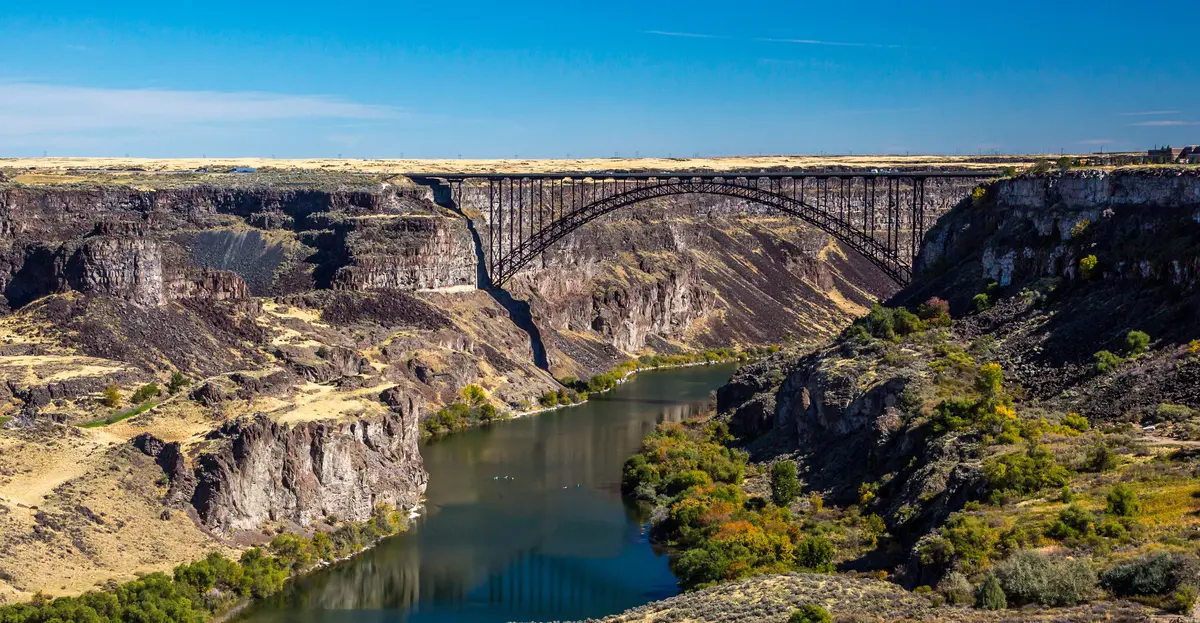
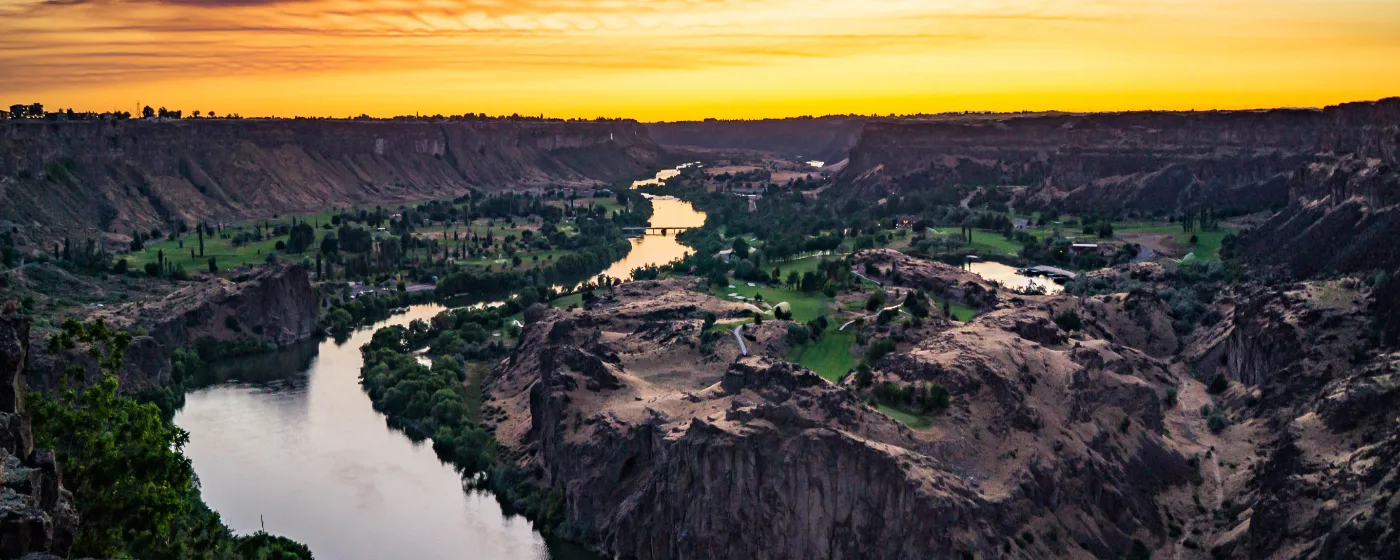
Shoshone Falls and the Perrine Bridge are the landmarks that end up on postcards, but the Snake River Canyon is also why Canyon Rim lots in Twin Falls command a premium and why Jerome, just across the bridge, can still offer a median below $360,000. Geography here isn't backdrop — it draws real property-value lines between neighbors.
The cities below range from Twin Falls, with a full regional hospital, College of Southern Idaho, and a population pushing 56,000, down to Gooding and Heyburn, where you're trading services for quieter streets and lower price points. Scan the grid honestly — these are genuinely different places with different daily lives attached to them.
Explore All 8 Cities in the Magic Valley
Click into any city for the complete guide — neighborhoods, home prices, cost of living, pros & cons, schools, top employers, and mortgage help.
Twin Falls
Twin Falls is the region's commercial and medical hub, anchored by Shoshone Falls, the Perrine Bridge over the Snake River Canyon, and major food manufacturers including Chobani and Clif Bar. The College of Southern Idaho adds a steady rental market, and neighborhoods like Canyon Rim carry a premium for obvious reasons. Median homes $380,000 — the highest service density in the Magic Valley, and the price reflects it.
Full Twin Falls Guide →
Jerome
Jerome sits just across the Snake River from Twin Falls but trades at a meaningful discount, with dairy and food processing — Idaho Milk Products, Jerome Cheese Company, Novolex — driving steady employment. The Minidoka National Historic Site and the Idaho Farm and Ranch Museum reflect a deep agricultural identity that still shapes the town's pace. Median homes $351,000 for buyers who want proximity to Twin Falls without Twin Falls prices.
Full Jerome Guide →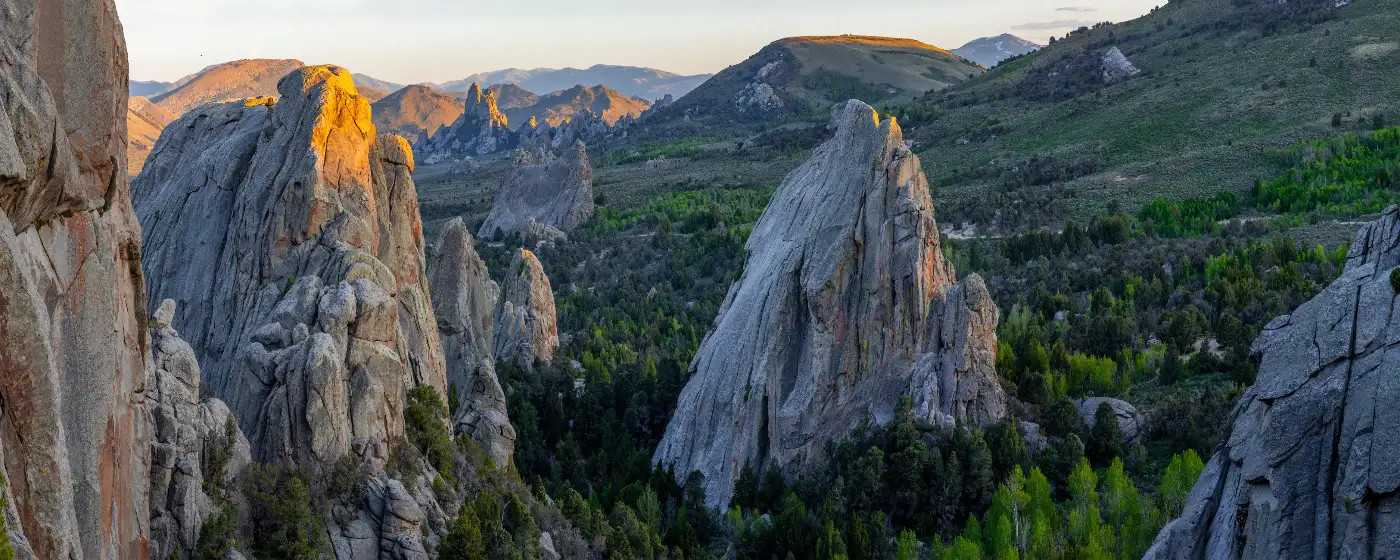
Burley
Burley is Cassia County's working center, where McCain Foods and High Desert Milk anchor the economy and the Cassia County Fairgrounds mark the calendar. It's far enough east along I-84 that it functions as its own self-contained town rather than a suburb — with D.L. Evans Bank headquartered here as a sign of genuine local financial infrastructure. Median homes $330,751, one of the more affordable entry points in the region.
Full Burley Guide →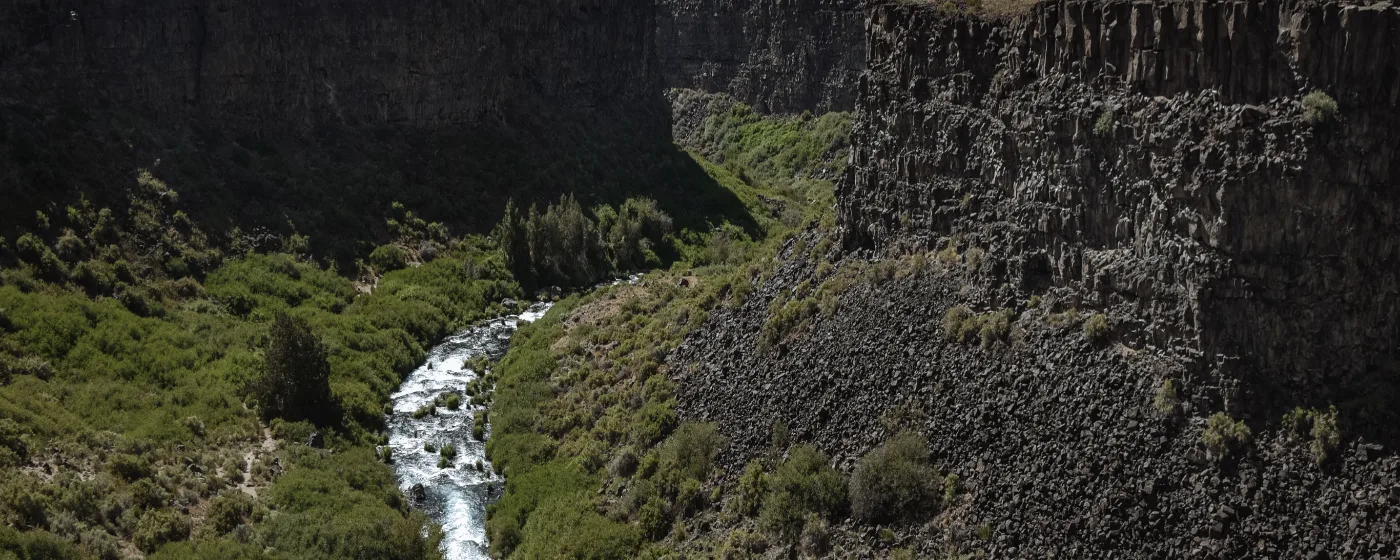
Rupert
Rupert's grid-plan downtown — anchored by the historic Rupert Square — is one of the more architecturally intact small-town centers in southern Idaho, and the food-processing economy runs deep with Idahoan Foods, Brewster Cheese, and Snake River Sugar Company all operating here. Lake Walcott State Park and the Minidoka Dam give residents genuine outdoor access close to home. Median homes $266,500, the most affordable price point in this region.
Full Rupert Guide →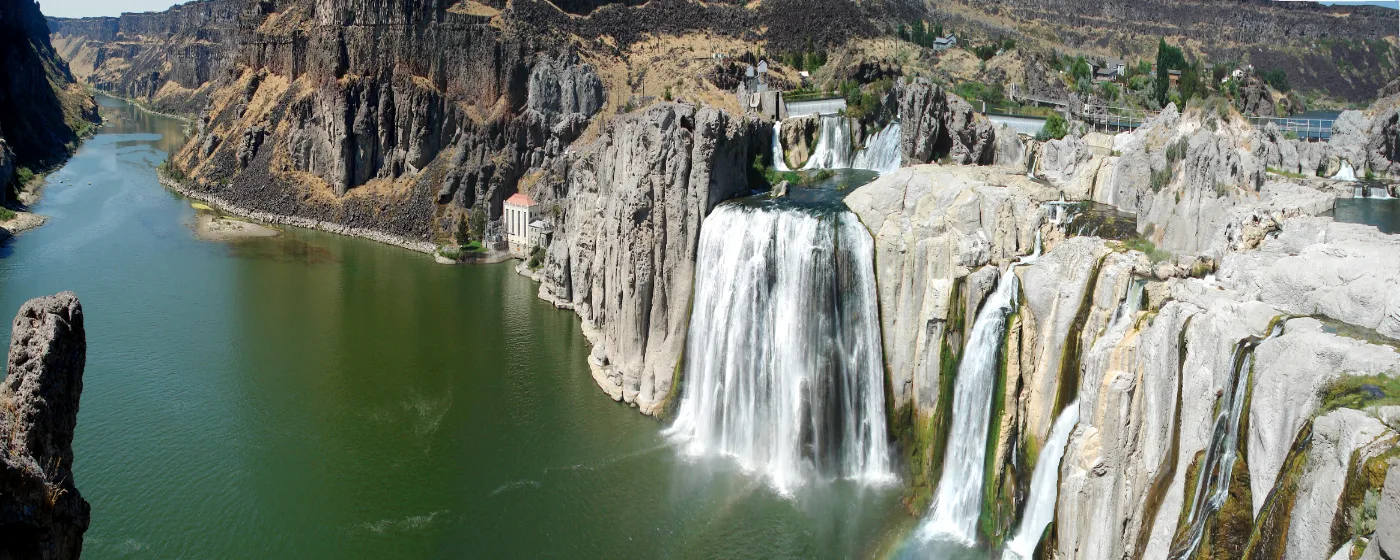
Kimberly
Kimberly is a small Twin Falls County town that punches above its size on home prices — partly because newer subdivisions like Patterson Farms and Harrison View Estates have drawn buyers priced out of Twin Falls proper, and partly because Chobani and Clif Bar are effectively in the backyard. There's not much commercial infrastructure in town itself, so daily errands run toward Twin Falls. Median homes $434,000.
Full Kimberly Guide →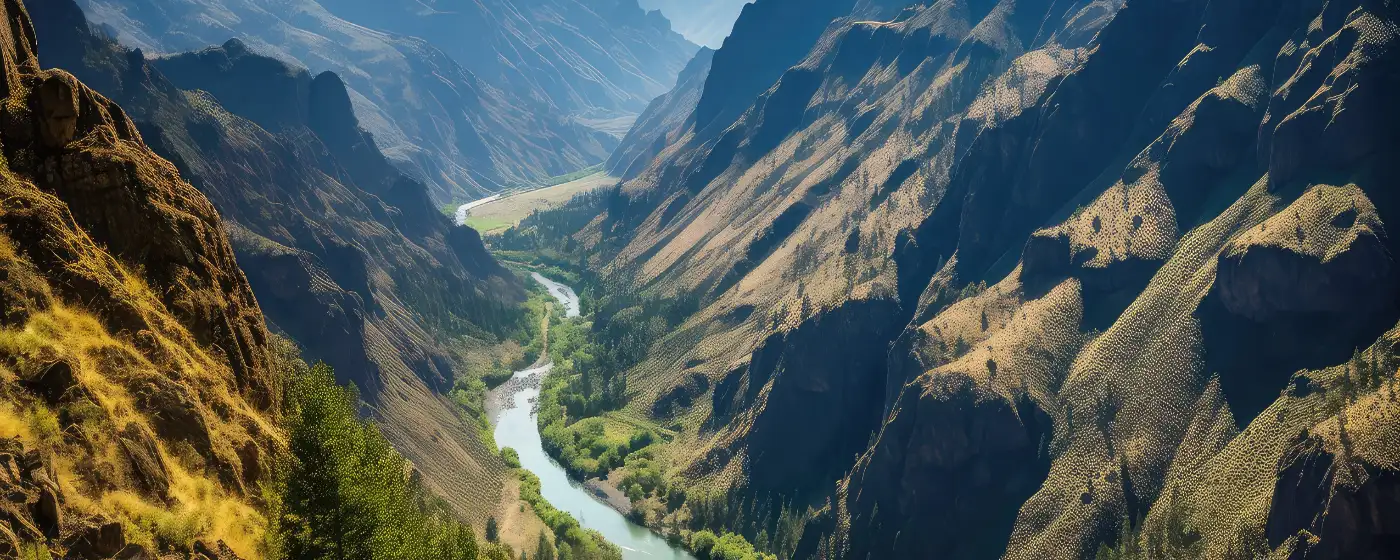
Buhl
Buhl's identity is genuinely singular: it's the trout-farming capital of the country, with Clear Springs Foods and Riverence operating along the spring-fed clear lakes that also give the area its name. The Thousand Springs Scenic Byway and Balanced Rock are legitimate landmarks, not tourist-board exaggerations, and the town has a walkable Main Street district with the historic Ramona Theater still standing. Median homes $450,000 — the highest in the region, reflecting demand that consistently outpaces supply in this small market.
Full Buhl Guide →
Gooding
Gooding's economy mixes Glanbia's large cheese plant with the Idaho School for the Deaf and the Blind — a state institution that has anchored the town for well over a century — plus a regional medical center serving the surrounding county. Gooding City of Rocks is a legitimate draw for climbers and hikers within the county, and the courthouse square downtown still functions as a genuine civic center. Median homes $322,701 for buyers who want a county-seat town with its own identity.
Full Gooding Guide →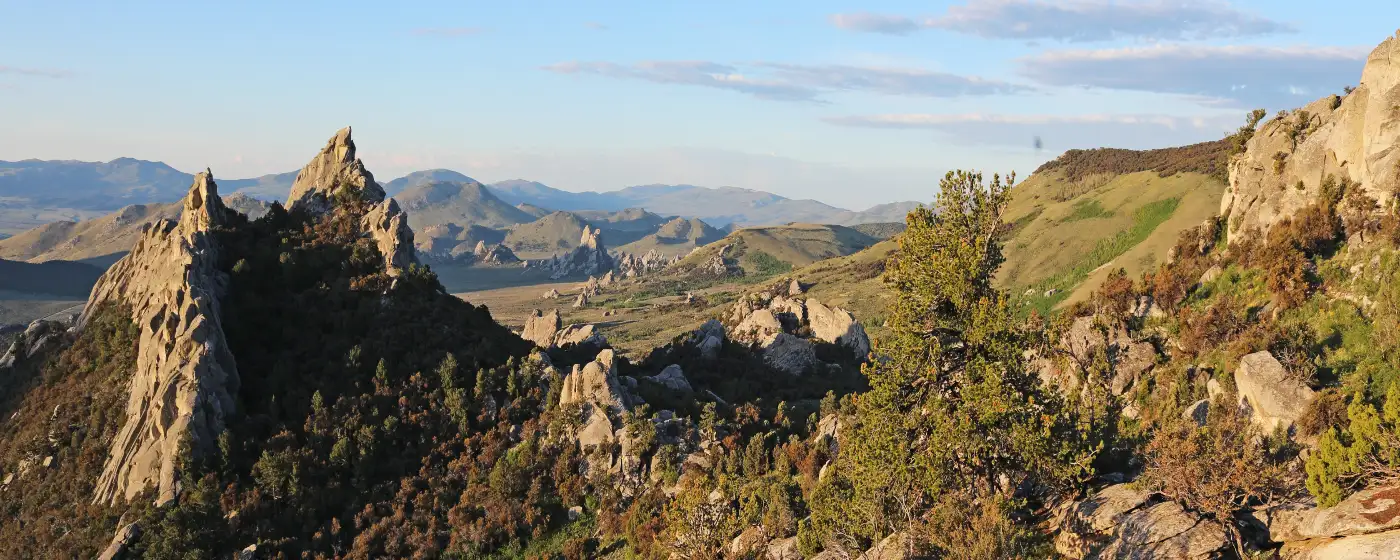
Heyburn
Heyburn sits along the Snake River in Minidoka County, with Lake Walcott State Park access as its strongest lifestyle card and employers like Double L and Packaging Corporation of America providing manufacturing jobs outside of food processing. It's a small, quiet residential town that leans on Burley and Rupert for most commercial services. Median homes $409,000 — a price point that surprises given the town's size, driven by limited inventory and Snake River-adjacent demand.
Full Heyburn Guide →Compare Every City in Magic Valley
Full ranked breakdowns across every city in the region — scored and compared side by side.
Local Expert Takeaway: If your job anchors you to a specific employer — especially in food manufacturing — let your commute drive the city decision first, then weigh price points; trying to reverse that order is how buyers end up overpaying in Kimberly or overlooking Rupert's $266,500 median entirely.
Frequently Asked Questions
Which Magic Valley city is right for which kind of buyer?
Is the Magic Valley actually affordable compared to Boise?
What industries drive employment across the region, and how stable are they?
How far is the Magic Valley from Boise, and does the distance create real daily inconveniences?
What should I know about the Snake River Canyon and how it affects daily life?
Helpful Idaho Resources
Explore Other Idaho Regions
the Magic Valley is one of 6 distinct regions that make up Idaho. Each has its own climate, character, and housing market — explore them all.
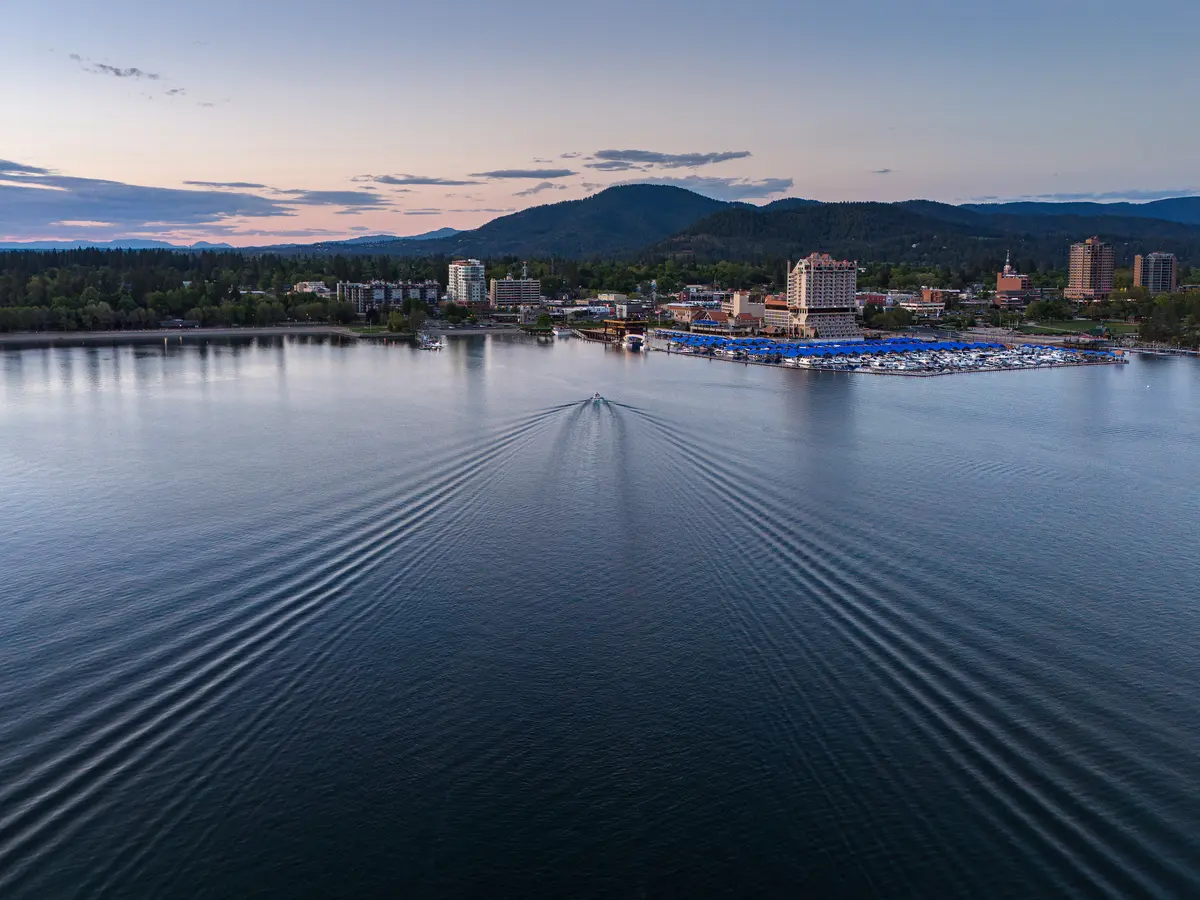
Lakes, forests, and a distinct culture — even a different time zone. 8 cities including Coeur d'Alene, Post Falls, Hayden.
Explore all 8 North Idaho cities →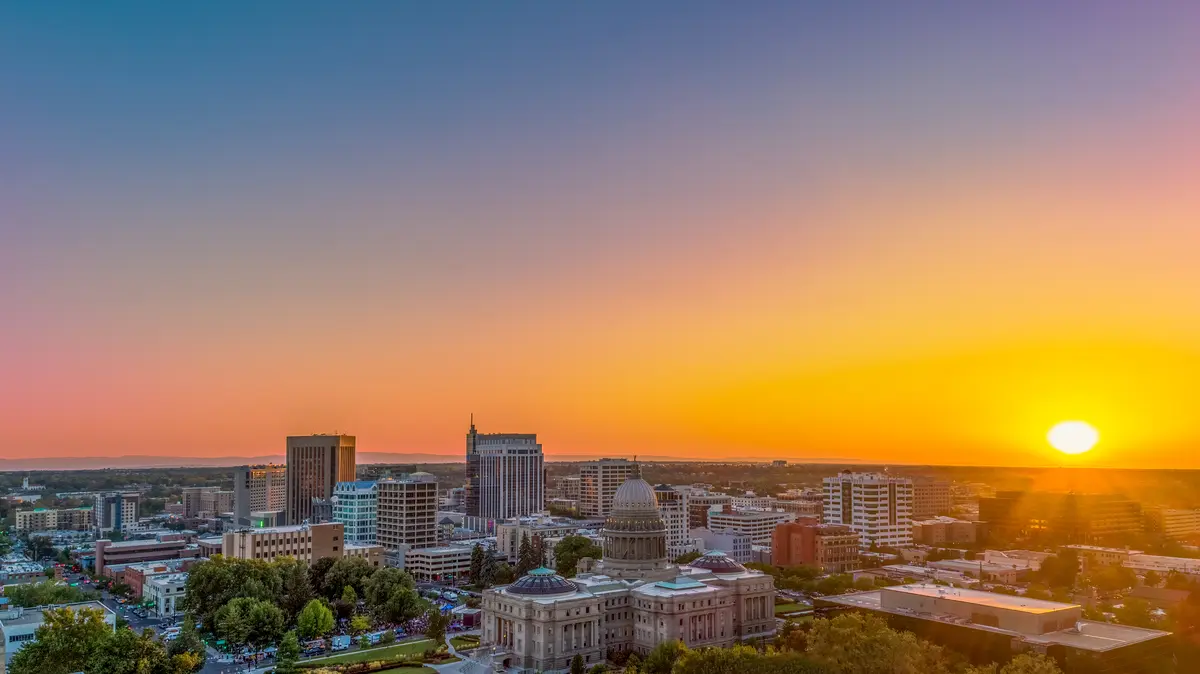
Idaho's economic engine — the state's largest job market and fastest growth. 14 cities including Boise, Meridian, Nampa.
Explore all 14 Treasure Valley cities →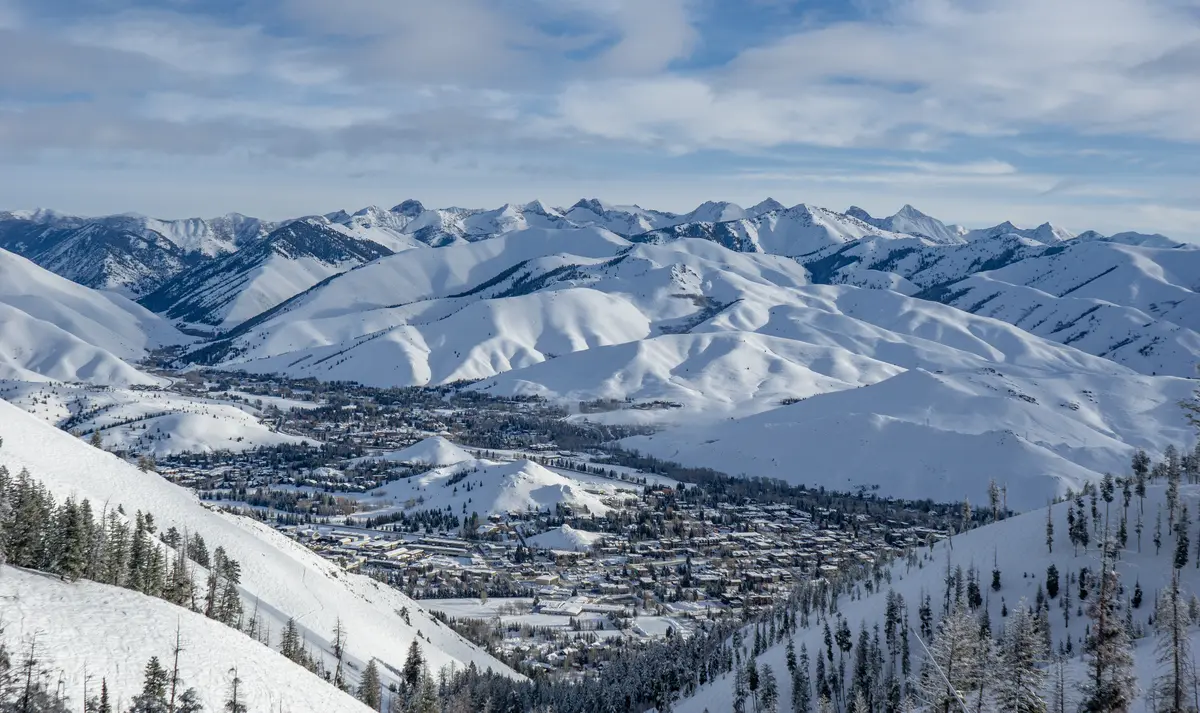
Idaho's ultra-luxury resort market — mountain towns built around skiing and wilderness access. 5 cities including Hailey, McCall, Ketchum.
Explore all 5 Central Idaho cities →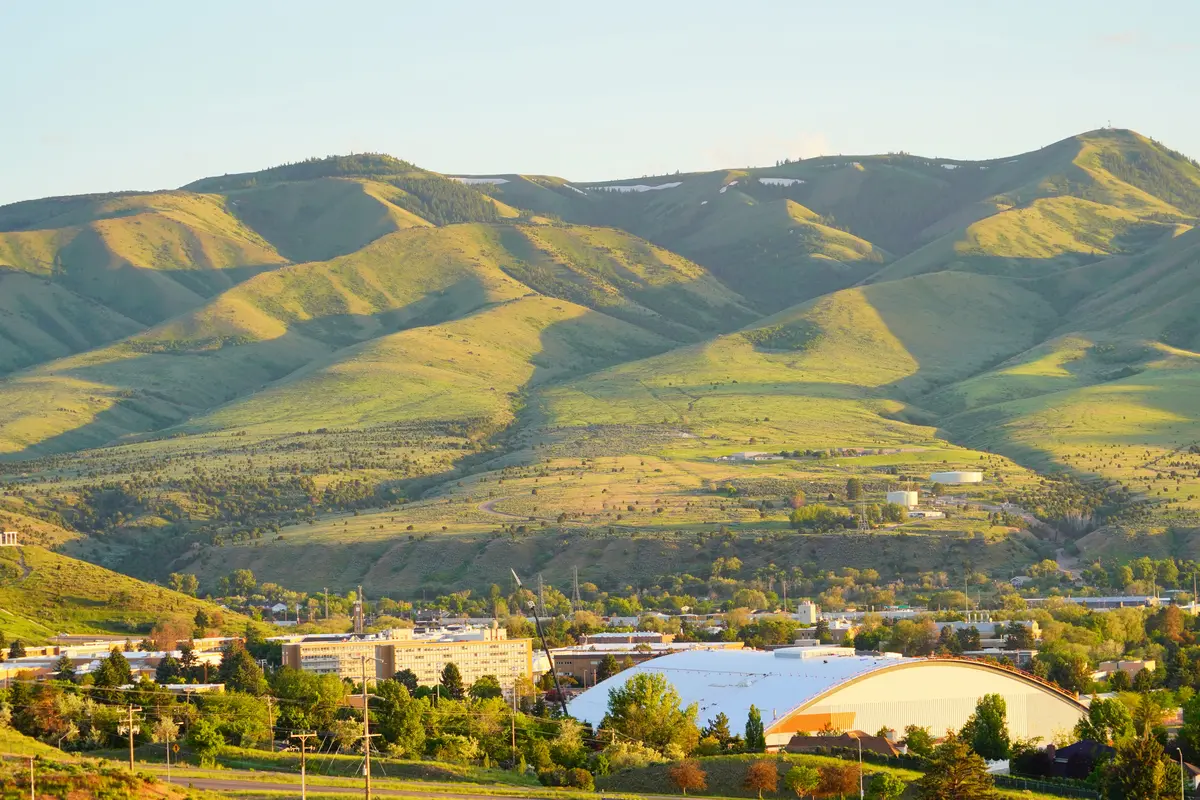
Anchored by Idaho National Laboratory and the gateway to Yellowstone and the Tetons. 14 cities including Idaho Falls, Pocatello, Rexburg.
Explore all 14 Eastern Idaho cities →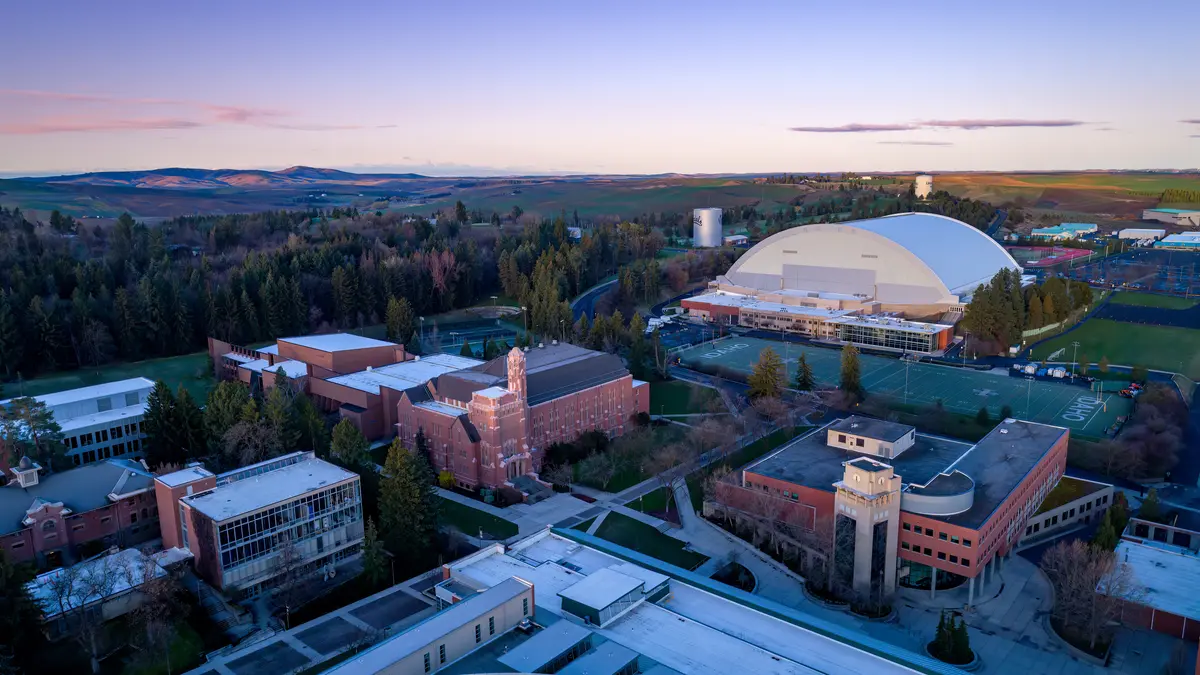
Mild-winter river canyons meet the rolling Palouse hills. 5 cities including Lewiston, Moscow, Grangeville.
Explore all 5 North Central Idaho cities →Moving to Idaho?
Tell us what you need help with and we'll connect you with local resources.
