What Is Living in Burley, Idaho Like?
Maybe your company is relocating you here. Maybe you've been priced out of the Treasure Valley and a colleague mentioned Burley as an alternative worth a look. Either way, the first thing that surprises most newcomers is how much actual city there is. Burley is the county seat of Cassia County and the anchor of what locals call the Mini-Cassia area — a two-county micropolitan region straddling the Snake River Plain along I-84 and US-30. At nearly 12,000 residents, it's a genuine small city, not a farm town with a stoplight. It's also young: the median resident age sits at 31.2 years, which shapes everything from the school calendar to what fills up on a Friday evening.
The economic backbone here is food and agriculture — specifically, the kind of large-scale food processing that Idaho's potato country makes possible. McCain Foods, one of the largest french-fry producers in the world, runs a major facility here that helps define Burley's identity as a working manufacturing city. The Cassia County School District is the second-largest employer in the area, and D.L. Evans Bank, headquartered locally, anchors the finance sector. High Desert Milk and Dot Foods round out a diversified base of food, dairy, and distribution work that has kept the local economy relatively stable even when other Idaho markets swung hard. The Cassia County Joint School District holds a C+ rating, according to Niche; families with school-age children will want to look closely at specific schools and programs before settling on a neighborhood.
On cost of living, Burley's case is straightforward: home prices run noticeably below the Idaho statewide average, and the effective property tax rate of approximately 0.45% is among the lower figures in the region. Day-to-day life centers on the Overland Avenue Corridor — the city's main commercial spine where City Hall sits at 1401 Overland Avenue — plus Centennial Park, the Snake River waterfront, and Riverfront Park, which hosts the Spudman Triathlon and Idaho Regatta each summer. You won't find the craft-brewery density of Boise here, but you also won't spend 45 minutes commuting within city limits. For full details on taxes, rents, and household budgeting, see the cost of living in Burley page.
Whether you're seriously considering a move or just getting oriented, the sections below break down why people are relocating to Burley, what the housing market looks like right now, how commuting works from here, what daily life actually feels like, and how to spend a weekend once you've arrived.
Burley at a Glance
Looking to buy in Burley? Estimate your payment.
Enter your numbers to see an estimated monthly mortgage payment.
Estimate only. Excludes HOA fees and mortgage insurance. The interest rate above is a starting point, not a quoted rate — replace it with your own to see real numbers. Insurance is a flat placeholder, not a Burley quote.
Why Are People Moving to Burley?
The honest answer is affordability — but that alone doesn't explain who stays. People who move to Burley and put down roots tend to share a specific set of priorities: they want a real house on a real lot, a short drive to work, and a community where a median household income of $67,468 can actually cover a mortgage, a car payment, and a savings account at the same time.
The Economic Reality
Burley's job market revolves around food manufacturing, agriculture, education, and regional distribution. McCain Foods is the city's signature employer — when the facility is running at capacity, the faint smell of french fries in the air on the east side of town becomes part of the texture of life here. That's not a complaint; it's a sign of a working economy.
The Cassia County School District employs a significant slice of the workforce, which means teaching and administrative positions are a realistic path to stable local income. D.L. Evans Bank, headquartered in Burley, provides professional-sector jobs that don't require a commute to Boise or Twin Falls. Dot Foods operates a regional distribution hub here, adding logistics and warehouse employment to the mix.
| Employer | Sector | Why It Matters for Residents |
|---|---|---|
| McCain Foods | Food Processing | Largest private employer; anchors east-side industrial economy |
| Cassia County School District | Education | Second-largest employer; drives teacher/admin demand |
| D.L. Evans Bank | Finance | Locally headquartered; professional-sector jobs without a commute |
| High Desert Milk | Dairy Processing | Stable food-manufacturing work tied to regional ag |
| Dot Foods | Distribution / Logistics | Warehouse and operations roles on I-84 corridor |
| Cassia County (government) | Public Administration | County seat functions bring steady government employment |
Who Actually Moves Here
Three groups make up most of Burley's in-migration. First: families priced out of Twin Falls who want to stay within an hour of that city's services without paying Twin Falls prices. Second: workers recruited directly to the food-processing and agricultural sector. Third: retirees and near-retirees from more expensive Idaho markets — Boise, Meridian, Nampa — who want to stretch a fixed income without leaving the state.
What those three groups share is a preference for a slower pace and a lower cost structure. Burley delivers on both. What it doesn't deliver is a dense urban amenity set — there's no Trader Joe's, no light rail, and no convention-center hotel. If that list matters to you, Twin Falls 40 minutes east is a more complete fit. But if your spreadsheet says you need to bring housing costs down significantly, Burley is one of the few Idaho cities where that math still works without moving somewhere truly remote. For retirees specifically, a full breakdown of lifestyle and senior housing options is on the retiring in Burley page.
What Daily Life Feels Like in Burley
Six months after moving in, nearly every newcomer says the same thing: the pace is slower than they expected, and they mean that as a compliment. Burley doesn't have the traffic-and-noise hum of a growth corridor city. Mornings are quiet enough that the sound of the Snake River carries on a still day near Riverfront Park.
The Overland Avenue Corridor
Most practical errands run along Overland Avenue — it's where the national chains cluster, where City Hall sits, and where you'll spend most of your commercial life. It's not a walkable main street in the traditional sense; this is an Idaho corridor built around the car. But it's functional, and getting from one end to the other takes under ten minutes in normal conditions.
For coffee and a quieter start to the day, Nostalgia Coffee & Cafe on Albion Avenue has become the spot locals actually gather — specialty coffee, fresh food, and a room that doesn't feel like it was designed by a franchise committee. It opened in late 2025 and filled a gap that longtime residents had been noting for years.
Where Families Actually Gather
Centennial Park and Riverfront Park pull the most foot traffic on weekends. Youth sports through IHSAA-affiliated programs keep calendars full from August through spring — if you have school-age kids, your social life will largely be organized around those schedules. For more on youth programs and school activities, see the Burley schools page.
The Cassia County Fairgrounds activates every summer and draws the surrounding Mini-Cassia region together in a way that feels genuinely agricultural — livestock shows, rodeo events, and the particular energy of a community that still earns its living from the land. Newcomers from metro areas often underestimate how central this calendar is to local identity.
What Surprises People After Six Months
The seasonal wind is the thing nobody warns you about. The Snake River Plain channels cold air in winter and gritty agricultural dust in late summer, and if your house faces the wrong direction on the east side, you'll notice it quickly. It's not a dealbreaker — longtime residents barely register it — but it's a genuine seasonal quirk worth knowing before you pick a lot.
The other surprise: how much of social life here runs through church communities and family networks rather than bars or public gathering spaces. This isn't a criticism — it's just a different social infrastructure than transplants from larger cities expect. Burley rewards patience and engagement with existing community institutions more than it rewards waiting for the scene to come to you.
The Burley Housing Market Right Now
Burley's Zillow Home Value Index stood at $330,751 as of March 2026, up 5.6% year-over-year — a meaningful gain, but still well below what Idaho's statewide average looks like today. For buyers coming from the Treasure Valley, that gap is significant. The full cost-of-living picture, including rent ranges and property tax context, is on the cost of living in Burley page.
The market here is not a bidding-war market. Homes were averaging around 46 days on market as of late 2025 — down from 66 days the prior year, which signals improving demand, but still far from the frenzy that defined Sun Valley or the Treasure Valley in recent years. If you make a clean offer at a reasonable price, you will likely have time to get a proper inspection done.
Some parts of the city command noticeably more than others — the Riverfront area and the Park Avenue District attract buyers willing to pay for character and proximity to the Snake River, while East Burley and the industrial-adjacent corridors sit at the lower end. The best neighborhoods in Burley page maps those distinctions with more specificity.
New construction exists but is not dominant. Much of the available inventory is existing homes — 1970s through 1990s ranchers and two-stories on established lots. If you're buying in Burley today, you're more likely to negotiate on a house with a history than to walk into a brand-new build. That means inspection quality matters, and deferred maintenance on older mechanical systems is the single thing buyers most underestimate in this market.
Burley Neighborhoods
Burley has several distinct areas — each with its own character and appeal. Here’s a breakdown to help you narrow down where to focus your home search.
🏡 North Burley
North Burley is a predominantly residential area with established lots and a mix of older ranch-style homes — a practical choice for buyers who want proximity to schools and parks without paying a premium for character or river access.
🏠 South Burley
South Burley tends to attract buyers looking for slightly more space and newer construction on the city's quieter edge; it sits away from the commercial corridor noise and draws families who prioritize yard size over walkable errands.
🌳 Downtown Burley
Downtown anchors around the Cassia County Courthouse and the King Fine Arts Center, giving it the most civic energy of any area in the city — a good fit for buyers who want to walk to community events and don't mind older housing stock.
🏘 West Burley
West Burley offers straightforward residential living with convenient access to US-30 and the routes toward Heyburn and Rupert — a sensible landing spot for commuters whose workplaces pull them regularly toward the western Mini-Cassia corridor.
🏔 East Burley
East Burley sits closer to the industrial and food-processing employment base along the eastern I-84 corridor, making it a practical choice for workers at McCain Foods or related facilities — though buyers should factor in the character of the surrounding industrial zone.
🌆 Riverfront
The Riverfront area commands genuine demand for its Snake River proximity and access to Riverfront Park — where the Spudman Triathlon and Idaho Regatta draw crowds each summer — making it the area most buyers want to be in when they first visit Burley.
Pros & Cons of Living in Burley
The Pros
- Affordable housing well below state and national averages
- Strong agricultural economy with diverse food processing jobs
- Snake River access for water recreation and fishing
- Tight-knit community with family-friendly atmosphere
The Cons
- Limited job diversity outside agriculture and food processing
- Smaller selection of shopping
- dining
- and entertainment compared to larger cities
- Distance from major metropolitan centers
Getting Around & Commuting in Burley
You will need a car in Burley. This is not a city where you can walk to work, take a bus to a grocery run, and call it done. The street grid is functional and largely uncongested by the standards of any Idaho growth city — but the infrastructure is built around the automobile, full stop.
I-84 and the Interchange Construction
The main commute artery is I-84, which runs east-west through the city and connects Burley to the broader Magic Valley region. Be aware: an Idaho Transportation Department interchange construction project on the US-208 corridor through Burley began in February 2024 and runs through December 31, 2026. If your daily route touches that corridor, build in extra time and check the city's traffic updates at burleyidaho.org before you settle into a routine.
US-30 parallels I-84 and is the route most locals use for shorter in-city movement and connections to Heyburn and Rupert to the north and west. The two roads together form the practical spine of daily movement through Mini-Cassia.
Commuting to Twin Falls
Twin Falls sits approximately 40 minutes west on I-84 — a commute that is genuinely manageable by Idaho standards and one that many Burley residents make daily for work, medical appointments, or bigger-box retail that Burley doesn't carry. In clear weather and off-peak hours, that drive is predictable. In winter, when black ice forms on the Snake River Plain overnight, that same stretch of I-84 requires more caution than its speed limits suggest.
| Destination | Approx. Drive Time | Primary Route | Notes |
|---|---|---|---|
| Twin Falls, ID | ~40 min | I-84 West | Most common regional commute; watch winter ice |
| Rupert, ID | ~10 min | US-30 West | Mini-Cassia day-to-day cross-town trips |
| Heyburn, ID | ~8 min | US-30 West | Adjacent city; shared commercial zone |
| Boise, ID | ~2.5 hrs | I-84 West | Feasible for occasional trips; not a daily commute |
| Salt Lake City, UT | ~3 hrs | I-84 / I-15 South | Airport option for some international routes |
| Pocatello, ID | ~1.25 hrs | I-84 / US-30 East | Regional medical and higher-ed access |
Within the City
Internal trips in Burley are short — the city is compact enough that most residents are within 10 minutes of their workplace by car. The Overland Avenue Corridor handles the bulk of commercial traffic, and the junctions at Overland and US-30 see the most consistent congestion during morning and afternoon school drop-off windows. If your commute crosses that intersection between 7:30 and 8:15 a.m., you'll notice it.
Burley Municipal Airport handles general aviation but no commercial service. The nearest commercial airport is Magic Valley Regional in Twin Falls, with connections through Salt Lake City and other western hubs. Planning any trip that requires flying out of Burley means building a Twin Falls drive into the itinerary.
What Long-Timers Know
Workers whose jobs sit near the McCain Foods or High Desert Milk facilities tend to route through the east side of town rather than back through Overland Avenue — especially during shift changes. If you're buying a home and your workplace is on the industrial east side, spending a week living out of a hotel and driving the actual route at actual times will tell you more than any map app.
Schools in Burley
Families relocating to Burley have public, private, and higher-education options nearby. Here’s a quick overview.
🎓 School District
Cassia County Joint School District serves K–12 students across Burley and the surrounding area. Rated C+ (source: Niche.com).
🏆 Graduation Rate
The 4-year high-school graduation rate here is approximately 91.5%.
📚 Higher Education
Idaho’s public universities — Boise State, the University of Idaho, and Idaho State — offer four-year degrees statewide, with community colleges (CWI, CSI, NIC) providing two-year and workforce programs.
🌐 Online Learning
Boise State Online and University of Idaho Online offer fully accredited online degrees for remote learners across the state.
Safety in Burley
A quick look at how Burley compares on the numbers that matter most when weighing a neighborhood or a move.
🛡 Violent Crime
Approximately 2 per 1,000 residents.
🔒 Property Crime
Approximately 9 per 1,000 residents.
Compared to the FBI’s most recent national data (2024), Burley’s violent crime is below the national average (about 3.6 per 1,000), and property crime is below the national average (about 17.6 per 1,000).
Against Idaho as a whole, Burley’s violent crime is somewhat below the state average, and property crime is somewhat above the state average (Bureau of Justice Statistics, Crime Known to Law Enforcement, 2024 (tables 2 and 3)).
Crime rates can vary a lot within a single city, so the citywide numbers above are only a starting point. Some neighborhoods in Burley run well below these averages, while others run higher — the kind of block-by-block detail that matters most when you’re actually choosing where to live. The full guide below breaks it down neighborhood by neighborhood.
Working in Burley
Burley’s largest employers span several industries — here are some of the anchors of the local job market.
🛒 McCain Foods
Food processing
🎓 Cassia County School District
Education
🏦 D.L. Evans Bank
Finance
💼 High Desert Milk
Dairy processing
💼 Dot Foods
Distribution
Parks & Recreation in Burley
Some of the outdoor spaces that shape everyday life in Burley.
🌱 Centennial Park
Burley residents don’t have to go far for green space — spots like Centennial Park are part of everyday life here, whether that’s a morning walk, a weekend hike, or just somewhere to unwind outside. The full guide below covers more of what Burley has to offer for parks and outdoor recreation.
Retiring in Burley
Burley draws retirees for its balance of amenities, outdoor access, and cost. Here’s what to weigh.
🌤 Climate
Burley sits on the Snake River Plain at roughly 4,160 feet elevation, which means warm, dry summers and cold winters with occasional snow. Wind is the most underappreciated seasonal factor — the plain channels cold air in winter and agricultural dust in late summer. Expect four genuine seasons without the extreme precipitation of northern Idaho.
🍴 Lifestyle
Retirees here tend to center life on the Snake River corridor — fishing, walking Riverfront Park, and catching the summer race events. The Cassia County Historical Museum and King Fine Arts Center provide cultural programming, and Twin Falls 40 minutes west fills in the gaps for specialty dining and entertainment.
🏚 55+ Communities
Burley's senior housing options are modest in scale but present — smaller assisted-living facilities and a handful of age-qualified communities serve the Mini-Cassia area. The retiring in Burley page covers the full picture, including healthcare access and downsizing options.
✈ Getting Around
A car is essential; Burley has no public transit system. Internal trips are short — most of the city is reachable in under 10 minutes. Burley Municipal Airport handles general aviation only; the nearest commercial service is at Magic Valley Regional Airport in Twin Falls.
🏛 Idaho Taxes for Retirees — What to Know
- Social Security is not taxed — Idaho does not tax Social Security benefits at the state level, regardless of income.
- Flat state income tax — Idaho has a flat income tax (5.3% for 2026). Other retirement income — pension distributions and 401(k)/IRA withdrawals — is taxed as ordinary income at that rate.
- Narrow retirement deduction — Idaho’s Retirement Benefits Deduction is limited: it reaches only certain government pensions (federal CSRS, Idaho firefighter/police, and military retirement) for those 65+ (or 62+ if disabled), and is reduced by Social Security received.
- Sales tax is the tradeoff — The state sales tax is 6.0%, and Burley adds no local sales tax on general retail, so the combined rate is 6.0% (Idaho State Tax Commission, 2026). Groceries are taxed, but a grocery tax credit offsets part of it; prescription drugs are exempt. A small number of resort cities add a local option tax, usually on lodging, alcohol, and prepared food rather than general retail.
- Low property taxes, with senior relief — Idaho property taxes are relatively low. Homeowners 65+ who own and occupy their home may qualify for the “circuit breaker” Property Tax Reduction based on income.
- No estate or inheritance tax — Idaho has no estate, inheritance, or gift tax.
- Capital gains — Capital gains are taxed as ordinary income, though Idaho allows a deduction of up to 60% of the net gain on qualifying Idaho property.
Tax laws change frequently and individual situations vary. This is general information, not tax advice — always consult a qualified Idaho tax professional or CPA for personalized retirement tax planning.
Weekends & Local Favorites in Burley
Burley's weekend identity runs along the Snake River. Riverfront Park is the gathering point — it's where the Spudman Triathlon comes to town each summer, drawing competitors from across the country, and where the Idaho Regatta hydroplane races turn the river into a noise-filled spectacle that locals plan their July around. If you're moving here, you'll attend at least one of those events in your first year whether you intend to or not.
On the Water and Along the River
Beyond the race weekends, Riverfront Park and the Snake River corridor offer fishing, kayaking, and paddleboarding as genuine daily options — not just marketing copy on a tourism brochure. The river access here is accessible and unintimidating for families with younger kids. EdgeWater Dining & Spirits at 530 Hampton Drive sits on the water and serves steaks, seafood, and burgers with a full bar and actual river views — the kind of place that earns its setting.
The Boathouse in Burley on US-30 covers similar waterfront-restaurant territory with a bar and casual dining atmosphere. Between the two, the Snake River waterfront has a dining scene that punches above Burley's population weight.
Coffee, History, and Local Culture
Nostalgia Coffee & Cafe on Albion Avenue is where the weekday coffee habit meets a weekend brunch crowd. It's small, intentional, and fills quickly on Saturday mornings — worth arriving early rather than discovering the line by accident.
The Cassia County Historical Museum on E 16th Street near the golf course is genuinely worth an afternoon, particularly for people moving here from out of state who want to understand why Burley exists where it does. The Minidoka Dam story — the Bureau of Reclamation project that turned the Snake River Plain agricultural around 1904 — is the origin story of the whole region, and the museum tells it well through artifacts, restored structures, and displays that feel locally made rather than generically produced.
The King Fine Arts Center and the Cassia County Courthouse anchor the downtown cultural calendar, with periodic performances and community events that skew toward family-friendly programming. This isn't a city with a gallery district or a ticketed music venue circuit — but it's not culturally empty either. The programming leans toward the community rather than the tourist.
Day Trips That Locals Actually Take
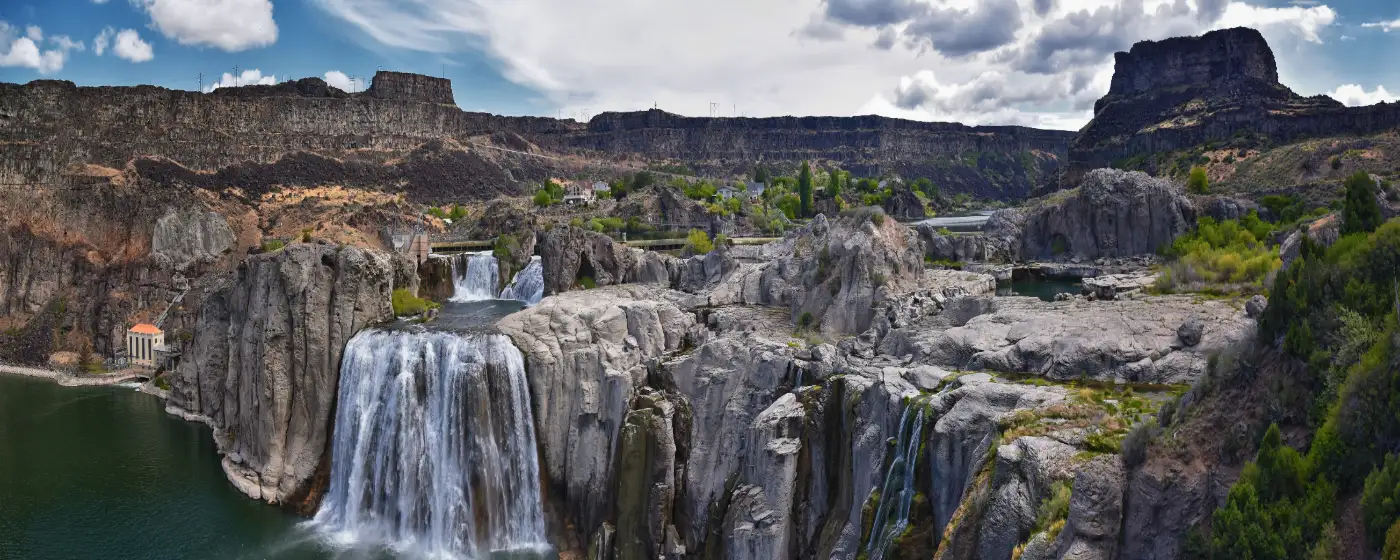
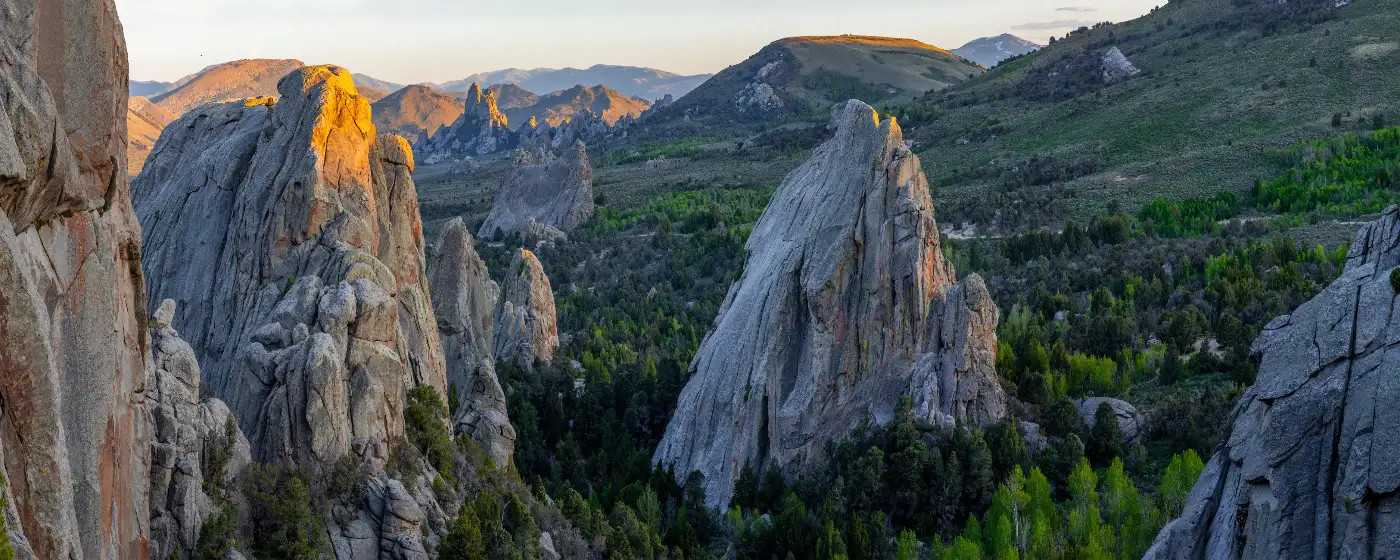
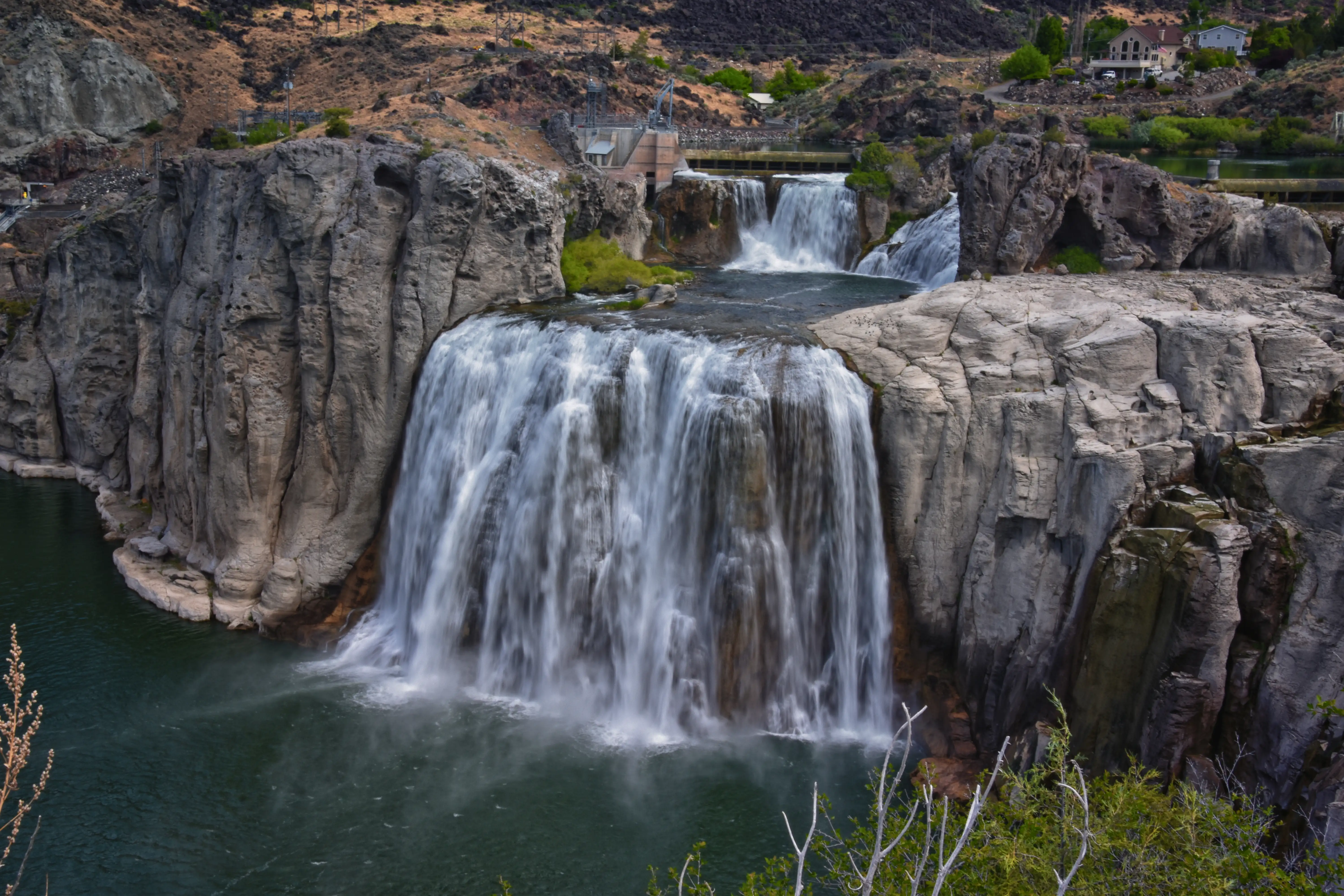
Twin Falls — 40 minutes west — fills in the gaps: a broader restaurant selection, a movie theater, a larger retail footprint, and access to Shoshone Falls (larger than Niagara by drop) just outside town. Most Burley residents run a Twin Falls trip at least twice a month without thinking of it as a special occasion. Oakley, south of Burley toward the City of Rocks, is the weekend drive for people who want canyon scenery without a full day's commitment. And Yellowstone, while not a casual day trip at several hours out, is reachable for a long weekend in a way that simply isn't true if you live in the Treasure Valley.
Top Things Locals Say About Burley
The best intel about a city comes from the people who actually live there. Here’s what Burley residents say when newcomers ask the questions everyone’s thinking.
“I kept expecting the Snake River to feel like a backdrop — something you drive past. Then summer hit and I realized Riverfront Park is actually where everyone goes on a Saturday. I hadn't expected a city this size to have that kind of anchor.”
— Recent Burley home buyer
“What's the most surprising thing about living in Burley?”
How young the community skews. The median age here is early 30s, so there are kids and young families everywhere — at Centennial Park, at the fairgrounds, at IHSAA events. People moving here expecting a sleepy retirement town are often genuinely caught off guard by the energy.
“What do locals love most about Burley?”
The Snake River access is the real answer. Riverfront Park is where people actually spend summer weekends — fishing, kayaking, watching the Spudman Triathlon, or just sitting on the bank. It's also a city where a normal income can cover a normal house, and that's not something locals take for granted after watching nearby markets price people out.
“What should newcomers to Burley know?”
The interchange construction on the US-208 corridor near I-84 runs through the end of 2026, and it will add time to your commute if your route crosses it — especially in the morning. Also: plan your winter driving differently than you would in a city. The Snake River Plain ices over fast and the highway doesn't always show it until you're on it.
“Can you live in Burley without a car?”
Practically speaking, no. Burley has no meaningful public transit system, and the Overland Avenue Corridor — where most practical shopping, services, and dining sit — is designed around car access. Even the riverfront, which is one of the more pleasant areas for a walk, requires driving to get there from most residential neighborhoods.
Cities Near Burley
Other communities near Burley worth a look — each with its own character and price point.
| City | Distance | Best For | Vibe | Median Rent | Median Buy |
|---|---|---|---|---|---|
| Heyburn | 3 mi | Buyers wanting quieter streets near Burley | Low-key, residential, close-knit | $950 | $290,000 |
| Rupert | 8 mi | Families seeking small-town feel | Agricultural, walkable grid, unhurried | $900 | $270,000 |
| Twin Falls | 37 mi | Professionals needing fuller amenities | Regional hub, active, more services | $1,350 | $405,000 |
More Helpful Guides for Burley
Going deeper on Burley? Our blog series covers everything from first-time buying to retiring here — explore the guides below.
Local Expert Takeaway: Burley is a working city with real affordability, a Snake River waterfront that residents genuinely use, and a job market anchored by food manufacturing and public-sector employment. The tradeoff is real: you'll need a car for everything, the Overland Avenue interchange construction will affect your commute through the end of 2026, and the dining and amenity scene is thin compared to Twin Falls. But if your priority is owning a house with a yard — rather than renting a smaller space in a faster city — the math here works in a way that's genuinely rare in Idaho right now. Spend a Saturday morning at Nostalgia Coffee & Cafe, drive the Riverfront Park stretch along the Snake, and give yourself an honest half-day before deciding whether the pace fits.
Quick Takeaways & FAQs
✅ Home values in Burley run noticeably below Idaho's statewide average, giving buyers meaningful purchasing power that most of the state no longer offers.
⚠️ You will need a car for every errand — Burley has no meaningful transit system and the Overland Avenue commercial corridor is not walkable by design.
📍 The US-208 interchange construction on the I-84 corridor through Burley runs through December 31, 2026, and will affect daily commute times for anyone whose route crosses that section.
What is the typical home price in Burley, Idaho?
What are the major employers in Burley, ID?
How far is Burley from Twin Falls?
How are the schools in Burley?
Is Burley, Idaho a good place to retire?
Helpful Links for Moving to Burley
Moving to Idaho?
Tell us what you need help with and we'll connect you with local resources.
