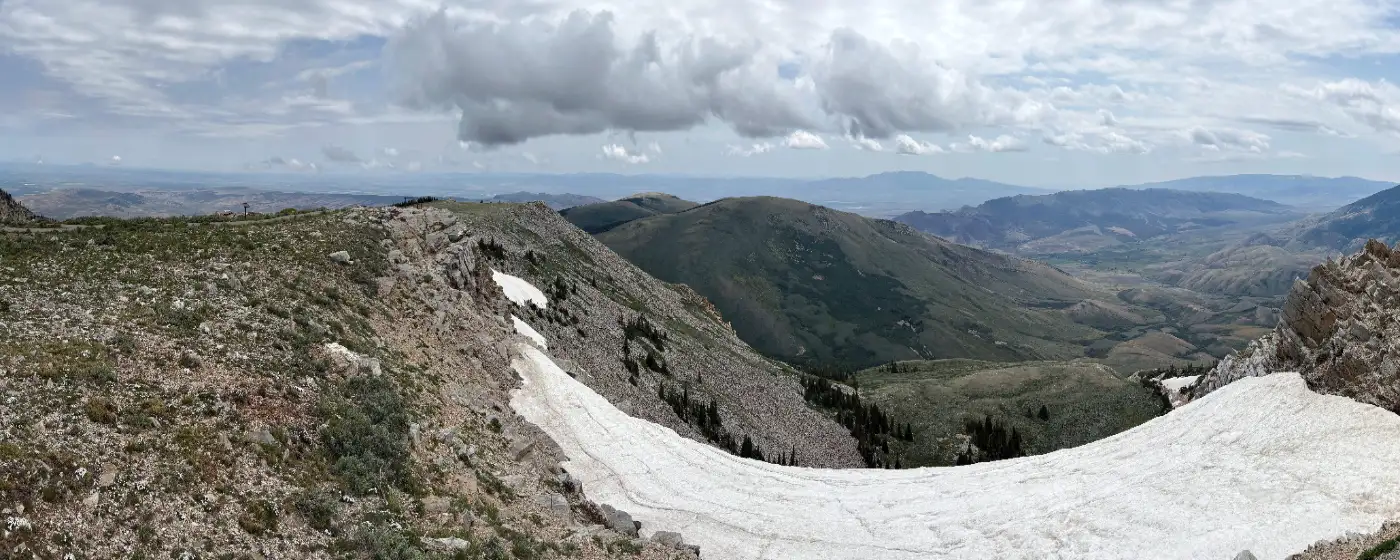
What Is Living in Heyburn, Idaho Like?
You've probably been priced out of somewhere bigger, or your employer has roots in the Magic Valley, or someone mentioned that a small city along the Snake River was quietly becoming worth a look. What surprises most people about Heyburn isn't the price — it's how functional the location actually is. Interstate 84 runs directly through the city's north edge, US Route 30 stitches it to Burley's commercial strip, and the Snake River forms its southern boundary. The result is a genuinely accessible small town: 3,781 people, a median household income of $70,078, and enough economic infrastructure around it to make daily life work without having to drive an hour for basics.
Heyburn's economy is built on the region's agricultural identity. Gem State Processing keeps potato processing central to the local job market, Double L manufactures harvest equipment here, and Packaging Corporation of America adds an industrial anchor. The Bureau of Reclamation's Upper Snake Field Office is headquartered right in Heyburn at 470 22nd Street — a federal presence that reflects how long this city has sat at the center of Snake River water management. Minidoka County Schools rounds out the major employer list and is the district your kids would enter; the Minidoka County Joint School District holds a C rating, according to Niche. For more on individual schools and boundaries, see the full schools guide.
Housing here sits well below what you'd pay in Twin Falls or the Boise market — see the cost of living page for the full breakdown including rents and taxes. The effective property tax rate sits at approximately 0.49%, among the lower rates in the state. Lake Walcott State Park is accessible just east of the city, offering camping, boating, and 21-hole disc golf on an 8,000-acre Snake River impoundment.
Whether you're weighing a move from a larger metro or just comparing Heyburn to neighboring Burley or Rupert, the sections below cover the jobs and economy, what daily life actually feels like, the housing market's current state, how commuting works, and where locals spend their weekends.
Heyburn at a Glance
Looking to buy in Heyburn? Estimate your payment.
Enter your numbers to see an estimated monthly mortgage payment.
Estimate only. Excludes HOA fees and mortgage insurance. The interest rate above is a starting point, not a quoted rate — replace it with your own to see real numbers. Insurance is a flat placeholder, not a Heyburn quote.
Why Are People Moving to Heyburn?
The case for Heyburn is straightforward once you understand the geography. You get the quiet of a 3,700-person town without giving up quick freeway access — Exits 208 and 211 off I-84 put you on the interstate within minutes from almost any part of the city. Burley's full commercial strip, including big-box retail, is a short drive south on US Route 30. The compromise is that you're choosing residential calm over walkable convenience, and that's exactly what draws most buyers here.
The Employment Picture
Gem State Processing and Double L represent the industrial heartbeat of Heyburn — potato processing and harvest equipment manufacturing that have kept steady local employment through cycles that battered other rural Idaho towns. Packaging Corporation of America adds a third manufacturing anchor. These aren't glamorous industries, but they're durable ones, and they pay wages that align with the city's median household income of $70,078.
The federal presence matters more than people expect. The Bureau of Reclamation's Upper Snake Field Office at 470 22nd Street brings government employment stability to a town this size — federal jobs with benefits in a city where the cost of living makes that income stretch noticeably. Minidoka County Schools is also a consistent employer for teachers, administrators, and support staff.
Who Actually Moves Here
| Buyer Type | What Draws Them | Best For |
|---|---|---|
| Agricultural-sector workers | Proximity to processing plants and equipment manufacturers | Value Commuter |
| Federal employees | Bureau of Reclamation office; stable income, low cost base | Quiet Value |
| Families priced out of Twin Falls | Lower home prices, slower pace, Snake River access | Families Value |
| First-time buyers | Entry-level prices well below Boise metro; growing inventory | First-Time Value |
| Remote workers with Idaho ties | Quiet residential base, I-84 access for occasional travel | Quiet Nature |
| Retirees downsizing from larger cities | Low taxes, Snake River recreation, low crime density | Quiet Views |
New residential development is actively underway — a January 2026 City Council agenda included a public hearing for a Big Horn Development subdivision plat on vacant farm ground north of the A Canal, signaling that builders are responding to demand.
What People Don't Expect
After six months here, newcomers often say the same thing: Heyburn is smaller than it looked on a map, and that's either a relief or a problem depending on what you need. There's no Trader Joe's — the nearest is in Twin Falls. The local dining scene is genuinely limited, and you'll be crossing into Burley regularly for broader options. If you came from a city where you could solve every errand on foot, the adjustment is real. If you came from a place where you were just tired of everything, Heyburn reads as the right size.
What Daily Life Feels Like in Heyburn
Daily life here is defined less by what's in Heyburn and more by what's a short drive away. The city keeps its residential character deliberately — no big-box sprawl, no chain restaurant row on the main street. What you get instead is the kind of pace where you recognize faces at the local diner and your kids bike to the park without you calling it an event.
The Residential Reality
Heyburn's streets feel genuinely quiet. The Hispanic community makes up roughly 29% of the population, rooted in the region's agricultural workforce heritage, and that cultural mix shows up in everyday life — in the food, in the local businesses, in the character of the schools. It's a more diverse small town than the surrounding agricultural landscape might suggest to an outsider.
The Snake River waterfront along the city's south edge is not a developed promenade — it's a natural boundary that gives the area its geographic identity. Families with kids find that the river access, combined with the proximity to Lake Walcott State Park for weekend camping and fishing, fills the outdoor calendar without requiring long drives. For the full parks picture, the parks and recreation guide covers the specifics.
Where Locals Actually Gather
The local diner scene is the proven social anchor — the kind of spot that's been holding down the breakfast-and-lunch slot long enough that regulars don't bother with the menu. Beyond that, the social fabric here is tied more to outdoor spaces, school events, and the easy short drive to Burley than to a concentrated local scene.
Seasonal life has a rhythm that newcomers need to calibrate to. Summers along the Snake River are genuinely hot — 95°F days are not unusual in July and August — and the agricultural smell that comes with wind off the surrounding fields is something you either stop noticing after a few weeks or find you can't get past. Winters are cold and occasionally snowy, but nothing like northern Idaho. The agricultural spring, when irrigation starts up and the fields green quickly, is one of the genuinely beautiful seasonal moments here that nobody mentions in the listing photos.
What You Give Up
Entertainment infrastructure is thin by any urban standard. No movie theater in Heyburn proper, limited sit-down dining variety, and a downtown that is functional rather than destination-worthy. Families with teenagers often find this the sharpest friction point — the things that keep older kids engaged require driving to Burley, Rupert, or eventually Twin Falls. That's the honest downside, and it's worth factoring before you make an offer.
The Heyburn Housing Market Right Now
Heyburn's median list price as of May 2026 was $409,000 — at approximately $220 per square foot, buyers are getting more physical space than comparable prices would deliver in Twin Falls or anywhere in the Boise corridor. For the full cost of living context, see the cost of living page.
The market is moving faster than it was. Homes spent a median of 42 days on market in May 2026, down 50% from the same period a year earlier. That compression tells you demand is real and inventory is not keeping pace. Coming in without a clear sense of what you want and being slow to act has cost buyers opportunities this year.
What the Inventory Looks Like
Most of the housing stock is single-family residential — ranch-style homes on modest lots, with older construction near the core and newer builds pushing toward the north side where land is still being converted from agricultural use. The character shifts noticeably depending on where you are relative to the river and the freeway. The best neighborhoods guide maps out those differences in detail.
Active development is adding supply. The Big Horn Development subdivision proposal north of the A Canal, heard by City Council in January 2026, is representative of the new-construction activity that's beginning to push Heyburn's residential footprint northward. New construction typically starts above the city median, though that gap is narrower here than in larger markets.
The Tax Picture
The effective property tax rate of approximately 0.49% is genuinely low — one of the real financial advantages of owning in Heyburn relative to most states and even relative to some Idaho neighbors. For buyers exploring financing options and what the purchase process looks like in a market this size, the first-time homebuyer page is worth reading before you start touring.
Heyburn Neighborhoods
Heyburn has several distinct areas — each with its own character and appeal. Here’s a breakdown to help you narrow down where to focus your home search.
🏡 Downtown Heyburn
The city's commercial and civic core along US Route 30, with locally owned businesses and the practical infrastructure of a working small town. A solid choice for buyers who want to walk to what little local retail exists.
🏠 South Heyburn
The residential area closest to the Snake River, with the natural southern boundary creating a quieter, more private feel. Suits buyers drawn by the waterfront proximity and the agricultural views that define this part of the city.
🌳 Snake River District
The area that hugs the river's edge, where the landscape feels more open and the lots tend toward larger footprints. Appeals to buyers who want water access in their daily backdrop and don't mind being further from the commercial corridor.
🏘 North Residential
The fastest-changing part of Heyburn, where vacant farmland is being converted to new residential development — including the Big Horn Development subdivision under active consideration in 2026. First-time buyers and families looking for newer construction are most likely to find inventory here.
🏔 East Heyburn
A quieter residential pocket on the city's eastern edge, with a mix of established homes and agricultural surroundings. Suits buyers who want the furthest remove from freeway activity while still being inside city limits.
🌆 Highway 30 Corridor
The commercial spine connecting Heyburn to Burley, where the working infrastructure of the area is most visible. Practical for commuters who use US Route 30 daily, though it's the least residential-feeling stretch in the city.
Pros & Cons of Living in Heyburn
The Pros
- Affordable housing well below state average
- Strong agricultural economy with stable employment
- Close-knit small-town community atmosphere
- Easy access to Snake River recreation and outdoor activities
The Cons
- Limited dining and entertainment options within city limits
- Lower test scores in school district compared to state averages
- Small job market requires commuting to Twin Falls for many careers
Getting Around & Commuting in Heyburn
Heyburn's commute story starts and ends with Interstate 84. Two interchanges — Exit 208 at the Burley end and Exit 211 on the Heyburn side — give residents unusually direct freeway access for a city this size. Most destinations within the area are reachable in under 15 minutes by car.
The Interchange Project
Those two exits are currently under reconstruction. The Idaho Transportation Department began replacing the original early-1960s interchange structures in spring 2024, with the project anticipated to complete by late 2026. During construction, expect periodic lane restrictions, rerouting, and the kind of frustration that comes with aging infrastructure being rebuilt while people are still using it daily. The long-term result — modern interchanges that handle current traffic volumes — is clearly worth it, but if you're moving here before the project wraps, budget extra time for your first few months of morning commutes.
Regional Commute Distances
| Destination | Typical Drive Time | Primary Route |
|---|---|---|
| Burley (commercial center) | 5–10 min | US Route 30 south |
| Rupert | 15–20 min | US Route 30 / local roads |
| Paul | 20–25 min | US Route 30 west |
| Twin Falls | ~40 min | I-84 west |
| Pocatello | ~75 min | I-84 east / I-86 |
| Boise | ~2.5 hours | I-84 west |
Twin Falls at roughly 40 minutes is the practical regional hub — the closest city with a major hospital, an airport, a Costco, and a meaningful employment base beyond the immediate area. Many Heyburn residents make that drive weekly, not just occasionally.
Getting Around Without a Car
There is no meaningful public transit in Heyburn. No bus routes, no ride-share infrastructure to speak of, and no commuter rail. A car is not optional here — it is the only realistic way to function. If you're considering a car-free lifestyle, Heyburn is not the place. Within the city limits, shorter trips on foot or by bike are possible in the residential neighborhoods, but the commercial corridor requires driving even for quick errands.
The Local Commute Pattern
Most people who live in Heyburn and work locally are driving south toward Burley or staying within the industrial corridor off the freeway. The US Route 30 stretch between Heyburn and Burley carries the heaviest daily traffic — not a chokepoint by any large-city standard, but the one road where you'll notice congestion during the agricultural harvest season when truck traffic increases significantly. Plan around it from September through November if your route crosses that corridor.
Schools in Heyburn
Families relocating to Heyburn have public, private, and higher-education options nearby. Here’s a quick overview.
🎓 School District
Minidoka County Joint School District serves K–12 students across Heyburn and the surrounding area. Rated C (source: Niche.com).
🏆 Graduation Rate
The 4-year high-school graduation rate here is approximately 88.5%.
📚 Higher Education
Idaho’s public universities — Boise State, the University of Idaho, and Idaho State — offer four-year degrees statewide, with community colleges (CWI, CSI, NIC) providing two-year and workforce programs.
🌐 Online Learning
Boise State Online and University of Idaho Online offer fully accredited online degrees for remote learners across the state.
Safety in Heyburn
A quick look at how Heyburn compares on the numbers that matter most when weighing a neighborhood or a move.
🛡 Violent Crime
Approximately 3.5 per 1,000 residents.
🔒 Property Crime
Approximately 6.2 per 1,000 residents.
Compared to the FBI’s most recent national data (2024), Heyburn’s violent crime is about the same as the national average (about 3.6 per 1,000), and property crime is below the national average (about 17.6 per 1,000).
Against Idaho as a whole, Heyburn’s violent crime is about one and a half times the state average, and property crime is somewhat below the state average (Bureau of Justice Statistics, Crime Known to Law Enforcement, 2024 (tables 2 and 3)).
Crime rates can vary a lot within a single city, so the citywide numbers above are only a starting point. Some neighborhoods in Heyburn run well below these averages, while others run higher — the kind of block-by-block detail that matters most when you’re actually choosing where to live. The full guide below breaks it down neighborhood by neighborhood.
Working in Heyburn
Heyburn’s largest employers span several industries — here are some of the anchors of the local job market.
💼 Gem State Processing
Potato processing
🏭 Double L
Harvest equipment manufacturing
💼 Packaging Corporation of America
Packaging
🎓 Minidoka County Schools
Education
Parks & Recreation in Heyburn
Some of the outdoor spaces that shape everyday life in Heyburn.
🌱 Snake River waterfront
🌱 Lake Walcott State Park access
Heyburn residents don’t have to go far for green space — spots like Snake River waterfront and Lake Walcott State Park access are part of everyday life here, whether that’s a morning walk, a weekend hike, or just somewhere to unwind outside. The full guide below covers more of what Heyburn has to offer for parks and outdoor recreation.
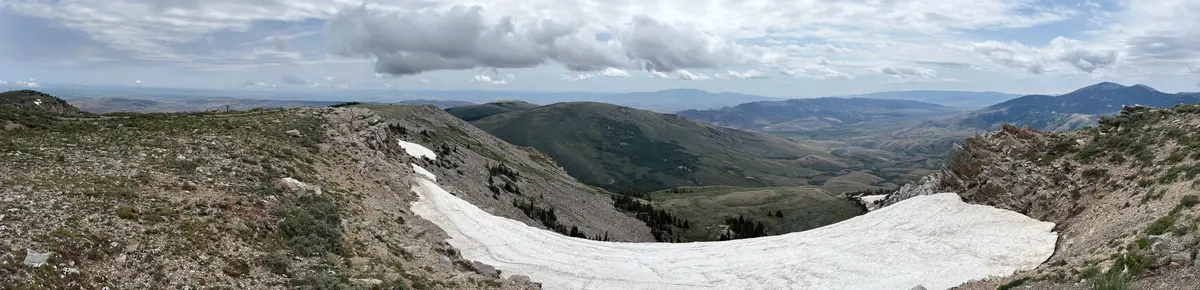
Retiring in Heyburn
Heyburn draws retirees for its balance of amenities, outdoor access, and cost. Here’s what to weigh.
🌤 Climate
Heyburn sits in a high desert zone with four distinct seasons. Summers are dry and hot — July and August regularly reach the mid-90s — while winters bring cold temperatures and occasional snow, though nothing like the heavy accumulation of northern Idaho. Spring arrives quickly and greens the surrounding agricultural fields in a way that longtime residents still find striking.
🍴 Lifestyle
Retirement life here is quiet and outdoor-oriented. Lake Walcott State Park offers year-round fishing and seasonal boating, while the Snake River waterfront provides a natural backdrop for daily walks. Burley's fuller range of restaurants and retail is just a few minutes south for when you want more variety.
🏚 55+ Communities
Heyburn doesn't have a large-scale age-restricted master-planned community, but the city's residential pace and low density make it a natural fit for retirees who want space without a lot of activity around them. Burley, immediately adjacent, offers more senior-living options and services. For the full picture on retiring in the area, the <a href="/idaho/heyburn/retiring">retiring in Heyburn guide</a> covers healthcare access and 55+ housing in depth.
✈ Getting Around
A car is essential — there is no local transit. The Twin Falls Regional Airport is roughly 40 minutes west via I-84 for air travel. Most everyday destinations in the area are under 20 minutes from anywhere in Heyburn, making the driving reality manageable for active retirees comfortable behind the wheel.
🏛 Idaho Taxes for Retirees — What to Know
- Social Security is not taxed — Idaho does not tax Social Security benefits at the state level, regardless of income.
- Flat state income tax — Idaho has a flat income tax (5.3% for 2026). Other retirement income — pension distributions and 401(k)/IRA withdrawals — is taxed as ordinary income at that rate.
- Narrow retirement deduction — Idaho’s Retirement Benefits Deduction is limited: it reaches only certain government pensions (federal CSRS, Idaho firefighter/police, and military retirement) for those 65+ (or 62+ if disabled), and is reduced by Social Security received.
- Sales tax is the tradeoff — The state sales tax is 6.0%, and Heyburn adds no local sales tax on general retail, so the combined rate is 6.0% (Idaho State Tax Commission, 2026). Groceries are taxed, but a grocery tax credit offsets part of it; prescription drugs are exempt. A small number of resort cities add a local option tax, usually on lodging, alcohol, and prepared food rather than general retail.
- Low property taxes, with senior relief — Idaho property taxes are relatively low. Homeowners 65+ who own and occupy their home may qualify for the “circuit breaker” Property Tax Reduction based on income.
- No estate or inheritance tax — Idaho has no estate, inheritance, or gift tax.
- Capital gains — Capital gains are taxed as ordinary income, though Idaho allows a deduction of up to 60% of the net gain on qualifying Idaho property.
Tax laws change frequently and individual situations vary. This is general information, not tax advice — always consult a qualified Idaho tax professional or CPA for personalized retirement tax planning.
Weekends & Local Favorites in Heyburn
If you expect a weekend here to look like a weekend in Boise or Twin Falls, recalibrate. Heyburn's weekend life is anchored by water, open land, and the willingness to drive 10 minutes for what you need. That's not a complaint from longtime residents — it's the point.
Lake Walcott and the Snake River
Lake Walcott State Park, accessible just east of Heyburn near Acequia, is the weekend anchor for a lot of local families. The 65-acre park sits on an 8,000-acre Snake River impoundment, with 40-plus campsites including cabins, open fishing year-round, and boating from April 1 through October 31. The 21-hole disc golf course draws a regular local crowd. The adjacent Minidoka National Wildlife Refuge adds birding and wildlife access that serious outdoor enthusiasts genuinely value.
The Minidoka Dam and its power plant — one of the first Bureau of Reclamation projects in the country — are listed on the National Register of Historic Places. It's the kind of infrastructure history that most people drive past without registering until someone points it out, and then it becomes one of those details that makes the place feel more substantial.
The Food and Social Scene
Heyburn's local dining options are limited but genuine — the kind of independently owned spots where you'll see the same faces you passed at the park the day before. Beyond what's inside city limits, residents extend their dining range into Burley readily and without much thought. The neighboring city's restaurant options are close enough that drawing a hard line between the two cities' food scenes is somewhat artificial in practice.
Local businesses in Heyburn skew toward the practical — mom-and-pop operations, small retail, agricultural supply. The city doesn't have a downtown arts district or a weekend farmers market circuit, and pretending otherwise would be misleading. What it does have is the kind of social fabric where school events, youth sports, and outdoor recreation do the work that restaurants and nightlife do in larger places.
Day Trips Within Range
Twin Falls at 40 minutes opens up Shoshone Falls, the Snake River Canyon rim trail, and a real city's worth of restaurants and retail when the itch hits. The Sawtooth range is a longer push but reachable for a full summer day. Living in Heyburn doesn't mean staying in Heyburn — it means having a quiet home base with genuinely good country around it.
Top Things Locals Say About Heyburn
The best intel about a city comes from the people who actually live there. Here’s what Heyburn residents say when newcomers ask the questions everyone’s thinking.
“I thought living this close to the interstate would feel noisy, but our street is quieter than where we came from. What I didn't expect was how much I'd actually use Lake Walcott on weekends. That park alone changed how I thought about the move.”
— Recent Heyburn home buyer
“What's the most surprising thing about living in Heyburn?”
How genuinely quiet it is, even with the interstate nearby. The residential streets south of US Route 30 feel completely removed from the freeway hum. Most newcomers expect more noise given where I-84 sits, but the city's layout absorbs it better than you'd think. The other surprise is how naturally you end up in Burley for most errands — after a few weeks it just becomes one extended neighborhood in your mind.
“What do locals love most about Heyburn?”
The Snake River access and the proximity to Lake Walcott State Park come up constantly. Camping, fishing, and disc golf are real parts of people's regular routines here, not just summer vacation activities. There's also genuine appreciation for the agricultural landscape — the green fields in spring and early summer are something you don't expect to become attached to, and then you do.
“What should newcomers to Heyburn know?”
Plan your I-84 commute around the interchange construction at Exits 208 and 211 — it's been an active project since spring 2024 and is expected to run through late 2026, so periodic delays and lane shifts are part of the current reality. Also, harvest season from September through November brings significantly more truck traffic on US Route 30 between Heyburn and Burley, which adds time to that corridor. Leave a buffer in the morning during those months.
“Can you live in Heyburn without a car?”
Honestly, no. There is no public transit in Heyburn, and the city's layout and the location of any meaningful retail or services make a car a requirement. Within the residential neighborhoods, short trips on foot or by bike work fine, but you cannot sustain daily life here without a vehicle. This is one of the clearest practical realities to accept before committing to the area.
Cities Near Heyburn
Other communities near Heyburn worth a look — each with its own character and price point.
| City | Distance | Best For | Vibe | Median Rent | Median Buy |
|---|---|---|---|---|---|
| Burley | 2 mi | Shoppers, families wanting more services | Commercial hub, more retail density | $1,165 | $325,000 |
| Paul | 3 mi | Rural buyers, agricultural community ties | Very small, agricultural, extremely quiet | $1,100 | $280,000 |
| Rupert | 8 mi | Families, county seat services | Small-town grid, historic downtown feel | $1,050 | $285,000 |
More Helpful Guides for Heyburn
Going deeper on Heyburn? Our blog series covers everything from first-time buying to retiring here — explore the guides below.
Local Expert Takeaway: Heyburn works best as a home base, not a destination. The Snake River on your south, I-84 on your north, and Burley's full commercial strip five minutes down US Route 30 — the infrastructure around this small city is more practical than it looks from the outside. The median list price of $409,000 at roughly $220 per square foot is a real value proposition in southern Idaho, and the 0.49% effective property tax rate means the monthly math is genuinely different here than in markets even an hour west. What you're trading is density of local amenities — the local diner is solid, Lake Walcott is a genuine weekend resource, but you will drive to Twin Falls more than you expect. Know that going in and Heyburn will likely exceed what you thought it was.
Quick Takeaways & FAQs
✅ Heyburn's effective property tax rate of approximately 0.49% is among the lowest in Idaho, making the annual cost of ownership significantly lighter than most comparable small cities.
⚠️ There is no public transit in Heyburn and the entertainment and dining scene is genuinely thin — a car is mandatory and you will drive to Burley or Twin Falls for most things beyond basics.
📍 The I-84 interchange reconstruction project at Exits 208 and 211 is actively underway through late 2026 — factor in construction delays on your daily commute if you move before it wraps.
What is the median home price in Heyburn, Idaho?
What are the major employers in Heyburn, ID?
How far is Heyburn from Twin Falls?
What is the school district in Heyburn, and how is it rated?
Is Heyburn, Idaho a good place to raise a family?
Helpful Links for Moving to Heyburn
Moving to Idaho?
Tell us what you need help with and we'll connect you with local resources.
