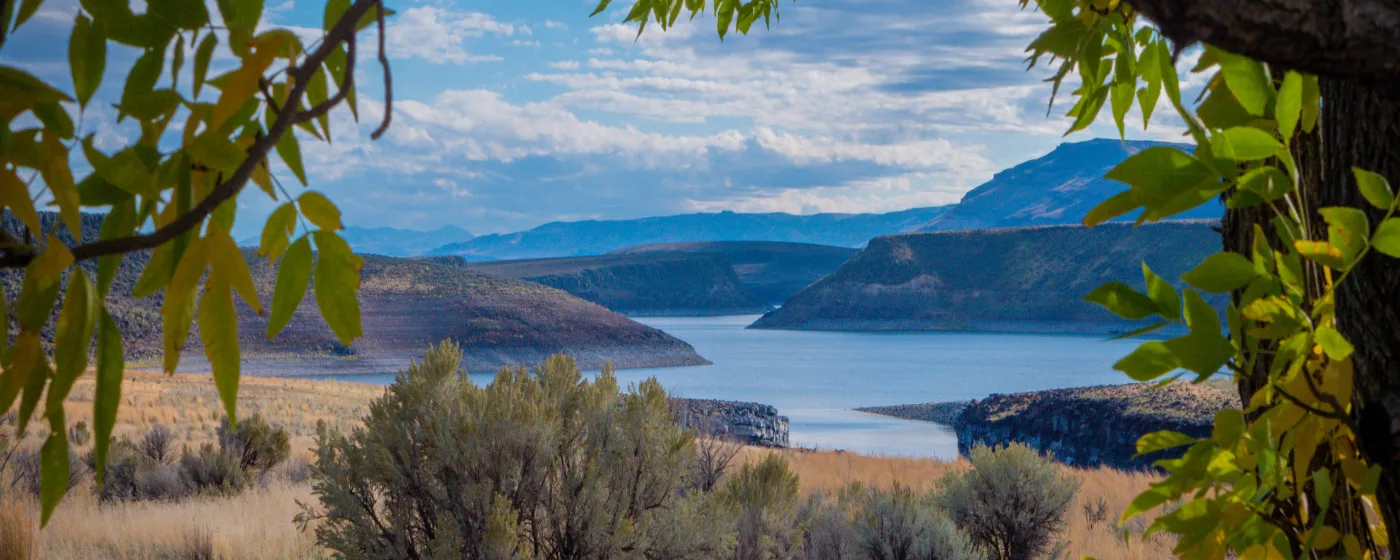
What Is Living in Rupert, Idaho Like?
Maybe you've been priced out of Twin Falls and someone mentioned Rupert. Maybe your employer is tied to agriculture and the Magic Valley is where the work is. Either way, the first thing you notice about Rupert isn't what you expect: this is a genuine county seat, not a bedroom community. It has its own civic identity — the Rupert Square sits at the geographic and social center of town, a formal plaza that's rare for a city this size, surrounded by county government, local businesses, and the kind of foot traffic that proves people actually live and work here. Rupert sits at 4,157 feet in southern Minidoka County, flanked by Interstate 84 to the south and the Snake River plain stretching out in every direction, with Twin Falls about 25 minutes west on I-84.
The economy here is built on what the land produces. Idahoan Foods — the dehydrated potato brand you've seen in every grocery store — operates here. So does Brewster Cheese, Snake River Sugar Company, Gossner Foods, and Gem State Processing. These are real manufacturing and processing jobs, not service-sector work. The Minidoka County Joint School District, which holds a C rating, according to Niche, serves the area's families. The median age in Rupert is 29.5 years, meaning the population skews young — a reflection of the agricultural workforce and the families who are building their lives here rather than retiring to it.
Cost of living runs approximately 11% below the national average, with housing as the most obvious driver. That gap is meaningful when you look at prices in Twin Falls or Boise and compare them to what the same dollar buys in Rupert. The city is physically compact — just over two square miles — which means Lake Walcott State Park, 11 miles northeast along the Snake River, functions as a practical weekend destination rather than a distant amenity. The park's 21-hole disc golf course draws players from across the region, and the adjoining Minidoka National Wildlife Refuge hosts one of the largest nesting white pelican colonies in Idaho. For a full breakdown of Rupert's costs and outdoor recreation, the linked pages go deep.
Whether you're seriously considering a move or just doing early research, the sections below cover Rupert's employer base and economy, what daily life actually looks like, the housing market as of early 2026, commuting patterns, and how locals spend their weekends.
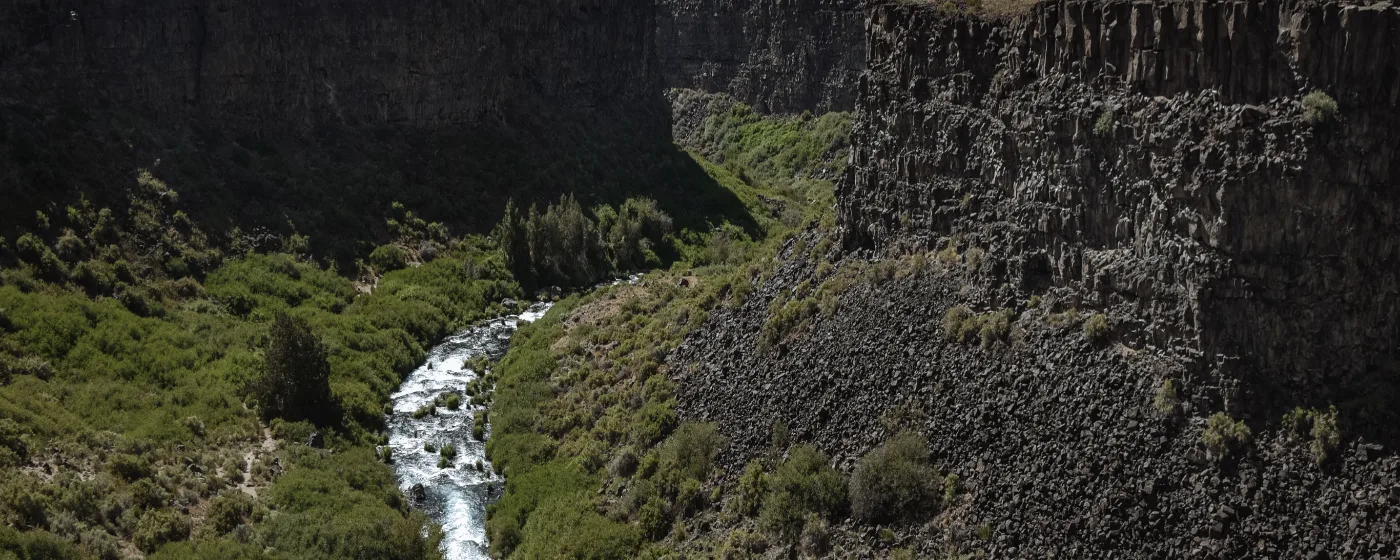
Rupert at a Glance
Looking to buy in Rupert? Estimate your payment.
Enter your numbers to see an estimated monthly mortgage payment.
Estimate only. Excludes HOA fees and mortgage insurance. The interest rate above is a starting point, not a quoted rate — replace it with your own to see real numbers. Insurance is a flat placeholder, not a Rupert quote.
Why Are People Moving to Rupert?
The case for Rupert starts with a straightforward calculation: southern Idaho's agricultural economy is hiring, and Rupert is where much of it is concentrated. If your work connects to food processing, ag science, or supply chain operations in the Magic Valley, Rupert often makes more financial sense than renting in Twin Falls or buying in Burley.
The Food Processing Anchor
Five major employers define the local economy, and they're not going anywhere. Idahoan Foods processes dehydrated potato products here — the plant is one of the most visible employers in the county. Brewster Cheese runs a large cheese production facility. Snake River Sugar Company handles sugar beet processing, tied directly to the region's deep agricultural calendar. Gossner Foods operates a dairy processing operation, and Gem State Processing adds another layer of food manufacturing capacity.
What this means in practice: Rupert has stable, shift-based industrial employment with benefits. It also means the city isn't dependent on any single sector's boom-and-bust cycle in the same way a tech town or resort community would be.
The University of Idaho Investment
The most significant economic development story is the University of Idaho's Idaho Center for Agriculture, Food and the Environment — a research facility being built in Rupert focused on animal science, food science, and environmental research. That kind of institutional investment signals long-term commitment to the region and will add research, technical, and administrative jobs to a local market that previously had very few white-collar positions outside of county government.
People who work at that facility will need somewhere to live — and Rupert's housing stock is the most affordable option within a reasonable distance of it.
Who Actually Moves Here
| Buyer / Renter Type | Why Rupert Works | Best Fit |
|---|---|---|
| Plant and processing workers | Short commute to Idahoan, Brewster Cheese, or Snake River Sugar facilities | Commuter |
| Young families on a first budget | Entry-level ownership well below Twin Falls prices | First-Time Families |
| Agricultural professionals | Proximity to farms, co-ops, and processing operations throughout Minidoka County | Commuter Value |
| Twin Falls workers priced out | Rupert prices noticeably below Twin Falls while keeping a manageable I-84 commute | Value Commuter |
| Research and university staff | University of Idaho's agriculture research facility brings academic and technical roles to Rupert directly | Tech Value |
| Outdoor-lifestyle seekers (budget) | Lake Walcott State Park and Snake River access without Boise or Sun Valley price tags | Nature Value |
People who leave Rupert usually cite the same two reasons: limited career ladders for office professionals, and the desire for more urban amenities than a city of 6,324 can support. That's honest, and worth weighing early.
What Daily Life Feels Like in Rupert
Rupert is one of the few small Idaho cities where the downtown square is actually functional. The Rupert Square — a formal, block-sized plaza at the city's center — anchors daily life in a way that strip-mall commercial corridors never quite manage. County government, local shops, and foot traffic from the surrounding blocks give it genuine activity on weekday mornings.
The Rhythms of an Agricultural Town
Life here runs on agricultural time. Sugar beet harvest in the fall brings heavier truck traffic on the county roads around town. The food processing plants run shifts around the clock, which means your neighbors may keep different hours than you expect. That's not a complaint from longtime residents — it's just the texture of a place where the economy and the seasons are still tightly connected.
Sofie's Chatterbox on E Street is the kind of diner that anchors a small city's morning routine. It's a place where you'll overhear conversations about commodity prices and school sports in the same breath — a reliable read on what's actually going on in town.
What Surprises People After Six Months
Newcomers from larger cities consistently underestimate how much they'll rely on Burley (about 8 miles east) and Twin Falls (25 minutes west) for shopping, medical appointments, and dining variety. Rupert's own commercial footprint is modest — there's no large-format grocery anchor or big-box retailer within the city itself. Building a weekly routine that accounts for that driving reality is the practical adjustment most transplants wish someone had flagged upfront.
The Historic Wilson Theatre and the Minidoka County Historical Museum give the Downtown Historic District more cultural depth than the population count might suggest. The museum covers the Minidoka Reclamation Project and the dam history that literally created the city — a story that's genuinely interesting once you understand it was the first Bureau of Reclamation project in Idaho and that Rupert was among the first cities in the world to have electrically lit streets, powered by the Minidoka Dam's hydroelectric plant.
Community Gathering Points
Friday evenings in late spring and summer tend to concentrate around the square and the surrounding park space. IHSAA sports — particularly Minidoka County High School athletics — draw consistent community turnout in a way that's difficult to replicate in larger metro areas. For parents with school-age children, that shared calendar creates community quickly; see the schools page for what the district looks like academically.
The DeMary Memorial Library on the square is well-used and functions as a genuine community hub, not just a place to return books. It's the kind of resource that punches above its weight in a city this size.
The Rupert Housing Market Right Now
The median sale price in Rupert was $266,500 as of January 2026 — a figure that stands out sharply against southern Idaho markets that have run well ahead of wages over the past several years. For buyers coming from Twin Falls or anywhere along the Treasure Valley, this represents a meaningful difference in what ownership actually costs month to month.
Rupert's housing stock is predominantly single-family homes, many built in the mid-20th century on generous lots with mature trees. The Downtown Historic District and Rupert Square area have older craftsman and bungalow-style homes with real character. Newer construction tends to appear on the city's edges — the North End and East Rupert see the most recent development. Some areas carry more value than others; for a full neighborhood-by-neighborhood breakdown, the best neighborhoods page covers the distinctions in detail.
What the Market Feels Like Right Now
Inventory in Rupert is limited — this is a small city with a compact footprint, so the number of homes available at any given time is genuinely low. Well-priced homes in move-in condition tend not to sit. That said, the market here doesn't carry the same frenzy as Twin Falls or the Boise metro; if a home has been sitting for several weeks, it's worth asking why rather than assuming urgency.
The effective property tax rate is approximately 0.48%, which is among the lower rates in Idaho — a meaningful factor when you're calculating total carrying costs. Rents across the city run noticeably below regional averages; the full picture on both rent and the broader cost of living is on the cost of living page.
First-time buyers will find Rupert one of the more accessible entry points in the Magic Valley. For guidance on loan programs and the mechanics of buying here, the first-time homebuyer page covers those steps.
Rupert Neighborhoods
Rupert has several distinct areas — each with its own character and appeal. Here’s a breakdown to help you narrow down where to focus your home search.
🏡 Rupert Square
The city's historic and civic core, built around the formal plaza that gives Rupert its distinctive downtown feel. A strong fit for buyers who want walkable access to the library, local dining, and county services in older homes with real character.
🏠 East Rupert
A mix of mid-century single-family homes and some newer construction on the city's eastern edge, where the grid opens up toward agricultural land. Families with school-age children tend to find the lot sizes and quieter streets a good fit.
🌳 West Side
The western residential blocks offer established neighborhoods with mature trees and a slightly older housing stock, typically drawing buyers who want proximity to I-84 access without sitting directly on the commercial corridor.
🏘 North End
Rupert's north side sees some of the city's newer residential development, appealing to buyers looking for more recently built homes while staying within the city's compact footprint.
🏔 South Side
Closer to the I-84 corridor and the food processing facilities, the south side suits shift workers and buyers prioritizing a short drive to the major employers. Housing here tends toward practical and affordable.
🌆 Jackson area
A quieter residential pocket on the city's periphery, the Jackson area offers more breathing room and proximity to agricultural land — a good fit for buyers who want a rural feel without leaving city limits entirely.
Pros & Cons of Living in Rupert
The Pros
- Very affordable cost of living with low property taxes
- Strong agricultural and food manufacturing job base
- Tight-knit small-town community with hometown traditions
- Proximity to outdoor recreation at Lake Walcott
The Cons
- Higher-than-average violent crime rate for Idaho
- Limited local amenities and dining options
- Below-average school test scores
Getting Around & Commuting in Rupert
Rupert is an I-84 city. That single fact shapes nearly every commute that leaves town. The freeway runs along the city's southern edge and connects Rupert directly to Burley in under 10 minutes and to Twin Falls in roughly 25 minutes — making it realistic to live in Rupert and work in either place without the commute becoming the dominant feature of your day.
The Practical Commute Map
| Destination | Typical Drive Time | Route | Notes |
|---|---|---|---|
| Burley | ~8–10 min | I-84 East | County seat neighbors; most everyday shopping happens here |
| Twin Falls | ~25 min | I-84 West | Regional hub for healthcare, retail, and office employment |
| Heyburn | ~5 min | US-24 / local roads | Immediate neighbor; industrial and light commercial |
| Paul | ~8 min | ID-25 / local roads | Small agricultural community; minimal services |
| Boise | ~2 hrs | I-84 West | Viable for occasional trips; not a daily commute |
| Pocatello | ~1 hr | I-84 East, then I-86 | Idaho State University; regional medical center |
Most residents drive. There is no commuter rail and no meaningful public transit connecting Rupert to Twin Falls or Burley — a car is a practical requirement for anyone whose life extends beyond the city's two square miles.
Within Rupert Itself
The city's compact size means most errands within Rupert are genuinely short drives or even walkable from the square. The flat grid layout — a product of the 1906 reclamation-era plat — makes navigation intuitive. If you live near the square, the library, the post office, and local dining are reachable on foot.
Truck traffic increases noticeably during fall harvest season, particularly on routes connecting Rupert to the Snake River Sugar Company facility and outlying farm operations. If you commute on county roads rather than I-84, build in extra time from mid-September through November.
The Airport Reality
Magic Valley Regional Airport in Twin Falls is the nearest commercial option, about 25 minutes west. Boise Airport, roughly two hours away, offers significantly more routes and airlines — most Rupert residents with frequent travel needs plan around one or both.
Schools in Rupert
Families relocating to Rupert have public, private, and higher-education options nearby. Here’s a quick overview.
🎓 School District
Minidoka County Joint School District serves K–12 students across Rupert and the surrounding area. Rated C (source: Niche.com).
🏆 Graduation Rate
The 4-year high-school graduation rate here is approximately 88.5%.
📚 Higher Education
Idaho’s public universities — Boise State, the University of Idaho, and Idaho State — offer four-year degrees statewide, with community colleges (CWI, CSI, NIC) providing two-year and workforce programs.
🌐 Online Learning
Boise State Online and University of Idaho Online offer fully accredited online degrees for remote learners across the state.
Safety in Rupert
A quick look at how Rupert compares on the numbers that matter most when weighing a neighborhood or a move.
🛡 Violent Crime
Approximately 6.4 per 1,000 residents.
🔒 Property Crime
Approximately 7.5 per 1,000 residents.
Compared to the FBI’s most recent national data (2024), Rupert’s violent crime is above the national average (about 3.6 per 1,000), and property crime is below the national average (about 17.6 per 1,000).
Against Idaho as a whole, Rupert’s violent crime is about three times the state average, and property crime is about the same as the state average (Bureau of Justice Statistics, Crime Known to Law Enforcement, 2024 (tables 2 and 3)).
Crime rates can vary a lot within a single city, so the citywide numbers above are only a starting point. Some neighborhoods in Rupert run well below these averages, while others run higher — the kind of block-by-block detail that matters most when you’re actually choosing where to live. The full guide below breaks it down neighborhood by neighborhood.
Working in Rupert
Rupert’s largest employers span several industries — here are some of the anchors of the local job market.
💼 Idahoan Foods
Dehydrated potato products
💼 Brewster Cheese
Cheese production
💼 Snake River Sugar Company
Sugar processing
💼 Gossner Foods
Dairy
🛒 Gem State Processing
Food manufacturing
Parks & Recreation in Rupert
Some of the outdoor spaces that shape everyday life in Rupert.
🌱 Lake Walcott State Park
Rupert residents don’t have to go far for green space — spots like Lake Walcott State Park are part of everyday life here, whether that’s a morning walk, a weekend hike, or just somewhere to unwind outside. The full guide below covers more of what Rupert has to offer for parks and outdoor recreation.
Retiring in Rupert
Rupert draws retirees for its balance of amenities, outdoor access, and cost. Here’s what to weigh.
🌤 Climate
Rupert sits at 4,157 feet in the high desert of the Snake River Plain, which means four genuine seasons. Summers are warm and dry — July highs typically reach the low 90s — while winters bring cold temperatures and occasional snow, though the desert valley setting keeps accumulation moderate compared to the mountains to the north. Spring and fall are genuinely pleasant, with cool mornings and clear skies.
🍴 Lifestyle
Daily life centers on the Rupert Square and the surrounding Downtown Historic District — the library, the historical museum, and local dining within walking distance of each other. Lake Walcott State Park, 11 miles northeast, provides disc golf, birding, and Snake River access across three seasons. The pace is unhurried, the community is engaged, and the cost of living runs well below the national average.
🏚 55+ Communities
Rupert doesn't have dedicated active-adult or age-restricted communities within city limits, but the affordable single-family housing stock includes many single-story homes on flat lots well-suited to downsizing. Burley, 8 miles east, has additional senior living options. For a fuller picture of retiring in the area, the Rupert retiring page covers healthcare access and housing options in more depth.
✈ Getting Around
A car is essential in Rupert — there is no local transit, and the nearest commercial airport is Magic Valley Regional in Twin Falls, about 25 minutes west on I-84. Within the city, the flat grid layout makes driving straightforward, and the compact footprint means most in-town errands are short. Boise's airport, roughly two hours away, is the preferred option for retirees with more frequent travel needs.
🏛 Idaho Taxes for Retirees — What to Know
- Social Security is not taxed — Idaho does not tax Social Security benefits at the state level, regardless of income.
- Flat state income tax — Idaho has a flat income tax (5.3% for 2026). Other retirement income — pension distributions and 401(k)/IRA withdrawals — is taxed as ordinary income at that rate.
- Narrow retirement deduction — Idaho’s Retirement Benefits Deduction is limited: it reaches only certain government pensions (federal CSRS, Idaho firefighter/police, and military retirement) for those 65+ (or 62+ if disabled), and is reduced by Social Security received.
- Sales tax is the tradeoff — The state sales tax is 6.0%, and Rupert adds no local sales tax on general retail, so the combined rate is 6.0% (Idaho State Tax Commission, 2026). Groceries are taxed, but a grocery tax credit offsets part of it; prescription drugs are exempt. A small number of resort cities add a local option tax, usually on lodging, alcohol, and prepared food rather than general retail.
- Low property taxes, with senior relief — Idaho property taxes are relatively low. Homeowners 65+ who own and occupy their home may qualify for the “circuit breaker” Property Tax Reduction based on income.
- No estate or inheritance tax — Idaho has no estate, inheritance, or gift tax.
- Capital gains — Capital gains are taxed as ordinary income, though Idaho allows a deduction of up to 60% of the net gain on qualifying Idaho property.
Tax laws change frequently and individual situations vary. This is general information, not tax advice — always consult a qualified Idaho tax professional or CPA for personalized retirement tax planning.
Weekends & Local Favorites in Rupert
The honest answer about weekends in Rupert is that the city itself is a starting point, not a destination. That's not a knock — it's the same reality in most agricultural towns of this size, and the surroundings more than compensate.
Lake Walcott Is the Anchor
Lake Walcott State Park, 11 miles northeast of town along the Snake River, is where residents spend a disproportionate share of their outdoor time from April through October. The 21-hole disc golf course there has a genuine regional reputation — players come from Burley, Twin Falls, and beyond for it. Beyond disc golf, the park offers fishing, boating, camping in multiple configurations (primitive sites, full hook-up RV sites, and cabins), and some of the best birding in southern Idaho.
The adjoining Minidoka National Wildlife Refuge hosts one of the largest nesting white pelican colonies in Idaho. If you've never watched several hundred pelicans working the Snake River in formation, it's the kind of thing that resets your sense of what "ordinary weekend" can mean.
The Downtown Square and Local Dining
Sofie's Chatterbox on E Street is the local diner that earns repeat visits — the kind of place where the weekend breakfast crowd is a genuine cross-section of the community. Beyond that single confirmed spot, the square area and surrounding blocks have a handful of local restaurants and small businesses that serve the daily needs of 6,300 residents. The Rupert Square itself is worth an evening walk when the weather cooperates — the Historic Wilson Theatre and the DeMary Memorial Library give the district more visual interest than most downtown squares in towns this size.
History Worth Knowing
The Minidoka County Historical Museum covers the founding of the city and the Minidoka Reclamation Project in real depth. Rupert was literally built by federal irrigation engineering — the completion of Minidoka Dam in the early 1900s made the surrounding farmland productive and powered the city's streetlights before most American cities had them. The dam itself is a National Register of Historic Places site and is accessible for a day trip along the Snake River.
What's Missing (and Where to Find It)
For a weekend with more dining variety, live music, or retail options, Twin Falls is the practical answer — 25 minutes on I-84 puts you in a regional city with a legitimate downtown, a farmers market, and a full range of services. Most Rupert residents build a rhythm that treats Twin Falls as a regular part of their week rather than an occasional trip. For families curious about parks and recreation options across the broader area, that page covers more ground.
Top Things Locals Say About Rupert
The best intel about a city comes from the people who actually live there. Here’s what Rupert residents say when newcomers ask the questions everyone’s thinking.
“I knew it would be quieter than Twin Falls, but I didn't realize how much I'd actually like it. The Rupert Square is real — people use it, it's not just decorative. What caught me off guard was the fall harvest traffic on the county roads; I rerouted to I-84 by week two and never looked back.”
— Recent Rupert home buyer
“What's the most surprising thing about living in Rupert?”
Most people expect a quiet dot on the map and are genuinely surprised by how much the Rupert Square functions as a real downtown hub. The DeMary Memorial Library draws people in, the county government buildings anchor weekday activity, and on a warm evening the square actually has foot traffic. It's not Boise, but it's more alive than the population number suggests.
“What do locals love most about Rupert?”
Lake Walcott comes up constantly. The disc golf course alone draws players from across the region, but it's really the combination of the park, the Snake River, and the wildlife refuge that makes it feel like a genuine outdoor anchor. Residents also mention how much they appreciate that Rupert still has a functioning civic identity — the square, the museum, the library — rather than just being a cluster of subdivisions around a gas station.
“What should newcomers to Rupert know?”
Build your weekly routine around a Burley or Twin Falls run from day one — don't wait until you've run out of groceries to figure out where the nearest full-service store is. Fall harvest season means heavier truck traffic on county roads from roughly mid-September through November; if your commute uses those routes, give yourself extra time. And get to Sofie's Chatterbox on E Street on a Saturday morning early — it fills up.
“Can you live in Rupert without a car?”
Realistically, no. There is no public transit connecting Rupert to Twin Falls or Burley, and even within the city, most residents drive for anything beyond the immediate downtown blocks. The city's compact grid means some errands near the square are walkable, but a car is a practical requirement for shopping, medical appointments, and most employment. This is standard for rural southern Idaho — plan accordingly.
Cities Near Rupert
Other communities near Rupert worth a look — each with its own character and price point.
| City | Distance | Best For | Vibe | Median Rent | Median Buy |
|---|---|---|---|---|---|
| Paul | 6 mi | Agricultural workers, rural quiet | Small, tight-knit, farm country | $850 | $260,000 |
| Heyburn | 6 mi | Budget buyers, light industrial workers | Low-key, practical, close to I-84 | $900 | $287,500 |
| Burley | 8 mi | Families wanting more amenities | Regional hub, more retail, busier | $950 | $315,000 |
More Helpful Guides for Rupert
Going deeper on Rupert? Our blog series covers everything from first-time buying to retiring here — explore the guides below.
Local Expert Takeaway: Rupert makes the most sense for buyers who value ownership within reach of real wages, a short I-84 commute to Twin Falls or Burley, and weekends anchored by Lake Walcott State Park's disc golf course and Snake River birding — rather than walkable retail or urban nightlife. The food processing employers are stable and long-tenured, the University of Idaho's agriculture research facility signals genuine institutional investment in the city's future, and a $266,500 median sale price (January 2026) leaves breathing room in a budget that Twin Falls no longer provides.
Quick Takeaways & FAQs
✅ Rupert's $266,500 median sale price (January 2026) makes homeownership achievable for working families priced out of Twin Falls and most other Magic Valley markets.
⚠️ Rupert has no large-format grocery or big-box retailer within city limits — most residents make regular runs to Burley or Twin Falls for shopping, and that driving reality catches newcomers off guard.
📍 Rupert was among the first cities in the world to have electrically lit streets, powered by the Minidoka Dam's hydroelectric plant on the Snake River — the dam is still standing, still on the National Register of Historic Places, and still worth a visit.
What is the median home price in Rupert, Idaho?
What are the major employers in Rupert, Idaho?
How far is Rupert from Twin Falls?
What is the school district in Rupert like?
What outdoor activities are available near Rupert?
Helpful Links for Moving to Rupert
Moving to Idaho?
Tell us what you need help with and we'll connect you with local resources.
