Home ›
Blog ›
Best Places to Retire in Magic Valley, Idaho (2026): 8 Cities Ranked
If you're choosing between Magic Valley cities for retirement, the decision usually comes down to a real trade-off: do you want the services and walkability of a regional hub, or the price tag of a smaller agricultural town? The Snake River Plain corridor — stretching roughly from Twin Falls east through Rupert and Heyburn — ties these eight cities together geographically, but their day-to-day retirement realities vary more than most people expect. Sun Belt retirees drawn by Idaho's low property taxes and 200-plus sunny days will find that even the least expensive city here offers solid climate. What separates the top from the bottom is healthcare access and the depth of things to do within a short drive of your front door.
Twin Falls leads this group with a composite score of 7.96 out of 10, anchored by on-the-ground hospital access, one of southern Idaho's more walkable downtown cores, and a median home price of approximately $380,000 that still looks affordable compared to most western metros. Heyburn sits at the other end of the ranking with a composite of 5.26, hurt primarily by very limited local amenities and no hospital within city limits — though its price point around $409,000 reflects that tradeoff. The rankings below weigh healthcare, walkability, affordability, climate, and overall quality of life to show you exactly where each city lands and why.
Top 8 Cities — Jump to Any City
- Twin Falls — #1 Top Overall Pick
- Rupert — #2 Most Affordable
- Gooding — #3 Sunniest Value
- Jerome — #4 Best Hospital Access
- Burley — #5 Budget-Friendly + Hospital
- Buhl — #6 Most Sunny Days
- Kimberly — #7 Quietest Suburban Feel
- Heyburn — #8 Lowest Amenity Base
How This Ranking Was Built
Each city is scored 1-10 on every dimension below against a fixed statewide scale — never against the other cities in this region — then combined into one weighted Composite score out of 10.
Healthcare — 25%Weighted contribution to the composite score, graded 1-10 against a fixed statewide scale.
Walkability — 20%Weighted contribution to the composite score, graded 1-10 against a fixed statewide scale.
Affordability — 20%Weighted contribution to the composite score, graded 1-10 against a fixed statewide scale.
Climate — 15%Weighted contribution to the composite score, graded 1-10 against a fixed statewide scale.
Quality of Life — 20%Weighted contribution to the composite score, graded 1-10 against a fixed statewide scale.
Top 8 Cities: Best Places to Retire Snapshot
Ranked by overall composite score. Click any city to jump to the full breakdown.
| # | City | Composite | Healthcare | Walkability | Median Price |
|---|
| 1 | Twin Falls
Twin Falls County | 8.0/10 | 8 | 8 | $380,000 |
| 2 | Rupert
Minidoka County | 7.3/10 | 8 | 4 | $266,500 |
| 3 | Gooding
Gooding County | 7.3/10 | 8 | 4 | $322,701 |
| 4 | Jerome
Jerome County | 7.3/10 | 10 | 4 | $351,000 |
| 5 | Burley
Cassia County | 6.7/10 | 8 | 4 | $330,751 |
| 6 | Buhl
Twin Falls County | 6.5/10 | 6 | 4 | $450,000 |
| 7 | Kimberly
Twin Falls County | 5.3/10 | 6 | 4 | $434,000 |
| 8 | Heyburn
Minidoka County | 5.3/10 | 6 | 4 | $409,000 |
Affordability
8.2/10
out of 10
Quality of Life
7/10
out of 10
Median Price
$380,000
2026 market price
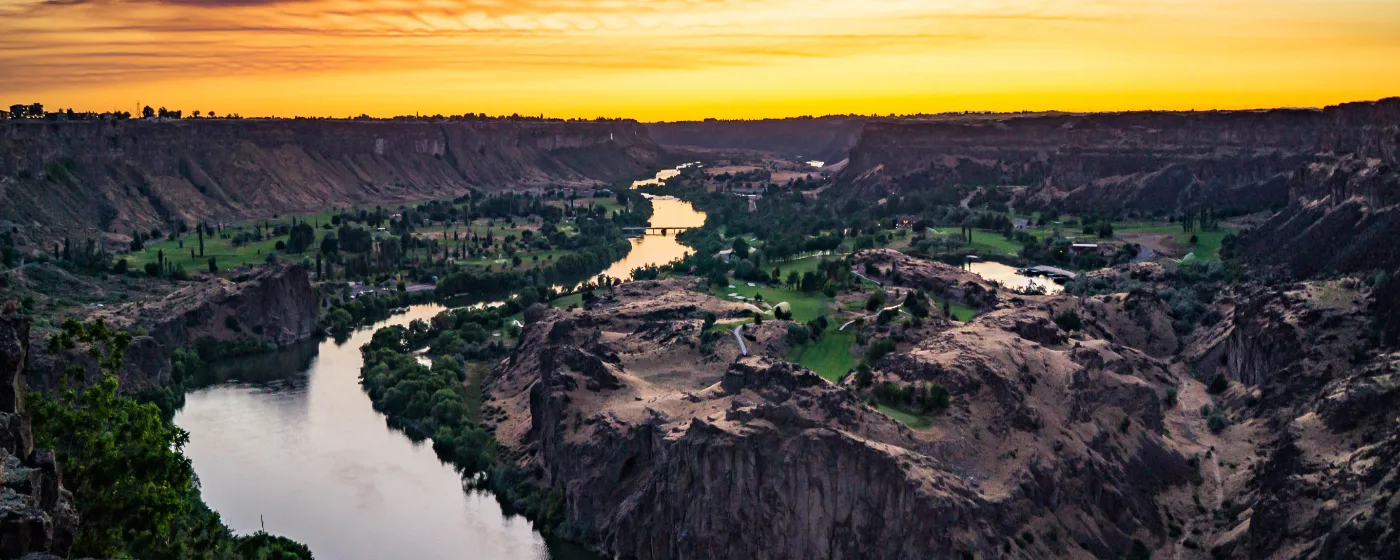
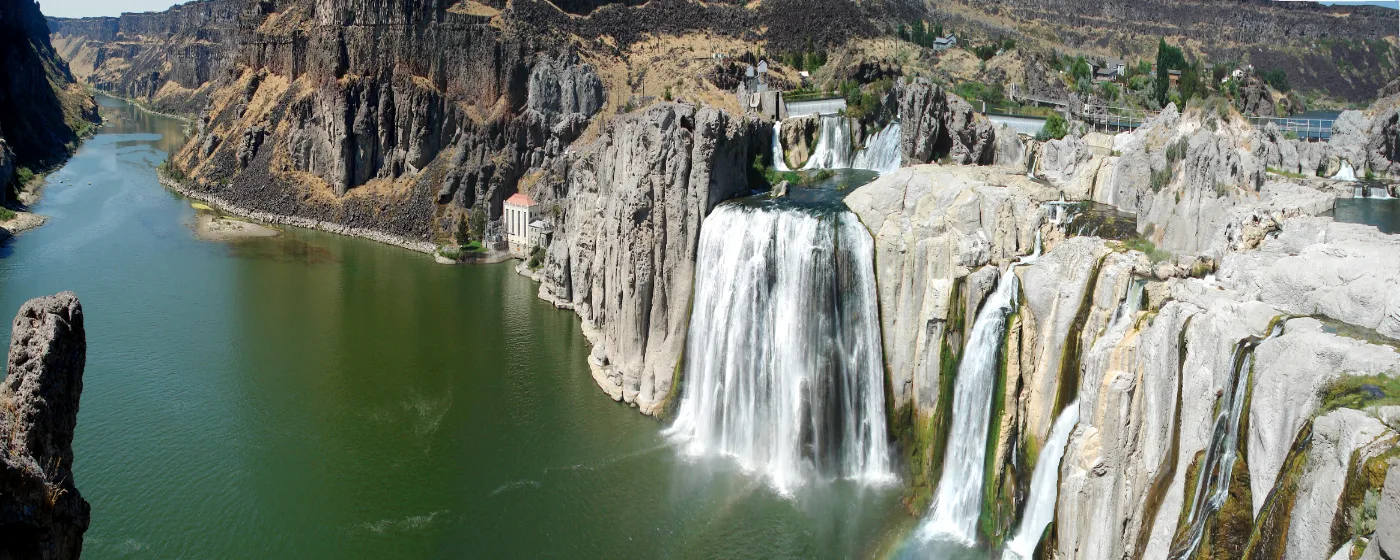
Twin Falls earns the top retirement score in this group by combining things that rarely coexist in small Idaho cities: a full-service hospital right in town, a real walkable downtown on Shoshone Street, and 210 sunny days a year that make outdoor life along the Snake River Canyon genuinely feasible year-round. At a median home price near $380,000, it's the most expensive city in this group on a sticker basis, but you're paying for a 55,000-person city's worth of infrastructure — regional medical care, independent dining, and proximity to Shoshone Falls — without anything close to Boise's price floor.
This is the right fit for retirees who want to age in place without constantly driving 45 minutes for a specialist or a decent meal. Among the eight cities here, Twin Falls is the only one that combines strong healthcare, meaningful walkability, and a quality-of-life score that reflects real daily variety. Buyers who don't need that depth of services — and are comfortable being car-dependent — will find better prices further east in this group.

Affordability
10/10
out of 10
Quality of Life
6/10
out of 10
Median Price
$266,500
2026 market price
Rupert's retirement case is built almost entirely on its affordability score of 10 out of 10 — the highest in this group — backed by a median home price of approximately $266,500, which is the lowest figure across all eight cities by a meaningful margin. A local hospital in town gives it healthcare parity with several larger cities on this list, and Minidoka County's roughly 210 sunny days per year keep the outdoor calendar full. The trade-off is a walkability score that reflects the reality of a town under 7,000 people: the historic downtown on Sixth Street has character, but a car is required for nearly every errand.
Rupert suits the retirement buyer who is genuinely price-motivated and comfortable driving — someone who wants to own outright or carry a small mortgage and has no illusion about small-town amenities. It's noticeably more affordable than any other city in this group, and the healthcare access is a real advantage over the car-dependent towns ranked below it.

Affordability
9.5/10
out of 10
Quality of Life
6/10
out of 10
Median Price
$322,701
2026 market price
Gooding hits a quiet sweet spot that its neighbors often miss: 211 sunny days a year — the most in this group — combined with a median home near $323,000 that is well below the state median and among the lower prices in this comparison. A local hospital means you're not chasing care to a bigger city, which matters more in retirement than most buyers anticipate when they're still healthy. The walkability reality is honest: under 4,000 residents means the car stays in the driveway for almost nothing except a scenic drive.
This is a strong fit for the retiree who prioritizes sunshine and low cost of entry over urban convenience — someone who entertains themselves outdoors along the Little Wood River corridor and doesn't need a downtown restaurant scene nearby. Compared to Burley or Heyburn further down the list, Gooding offers comparable affordability with meaningfully better climate numbers.

Affordability
8.9/10
out of 10
Quality of Life
6/10
out of 10
Median Price
$351,000
2026 market price
Jerome's most distinctive retirement asset is its healthcare score of 10 out of 10 — the highest in this group — because a full hospital sits right inside city limits, making it one of the safest bets for aging-in-place medical access in all of Magic Valley. At a median home price around $351,000, it lands mid-range for this group on affordability, and 204 sunny days a year delivers solid but not exceptional outdoor weather. The walkability number reflects small-town reality: despite a named downtown on Lincoln Avenue, most errands still require a car.
Jerome makes the most sense for retirees who rank healthcare access as their single non-negotiable and can live without urban walkability. It's a step below Twin Falls in composite score primarily because of climate and quality-of-life depth, but for buyers focused on what happens when their health changes — not just what happens on a Tuesday afternoon — Jerome's hospital proximity is a genuine differentiator in this group.

Affordability
9.3/10
out of 10
Quality of Life
5.5/10
out of 10
Median Price
$330,751
2026 market price
Burley's affordability score of 9.32 out of 10 reflects a median home price of approximately $330,751, which is low enough to make cash purchases realistic for many retirees coming from higher-cost states. A regional hospital within city limits keeps healthcare access solid, and warm summers along the Snake River provide seasonal outdoor appeal. Where Burley trails the higher-ranked cities is climate — roughly 203 sunny days a year is the lowest count among cities that still score above 6 on that dimension — and a quality-of-life offering that is functional without being deep.
Burley suits a retirement buyer who is price-focused and comfortable in a car-dependent small town, but wants the security of local hospital care without paying Twin Falls prices. It ranks below Gooding and Rupert primarily because the climate is slightly cloudier and the amenity mix is a bit thinner — not because anything is broken about day-to-day life there.

Affordability
5.6/10
out of 10
Quality of Life
8/10
out of 10
Median Price
$450,000
2026 market price
Buhl earns the only perfect climate score of 10 out of 10 in this group — 216 sunny days a year, the highest count of any city compared here — and a quality-of-life score that punches above its population, with 20 combined dining, landmark, and outdoor options that include access to the Hagerman Fossil Beds and the Thousand Springs area. The catch is the $450,000 median home price, the highest in this group, which surprises buyers who expect small-town Twin Falls County prices to mirror the county's other communities.
Buhl is the right fit for the outdoor-first retiree — someone who wants maximum sunshine, proximity to trout fishing and canyon scenery, and doesn't mind driving to Twin Falls (about 20 minutes) for hospital care or a wider dining selection. Buyers sensitive to price will find better deals in Rupert or Gooding; buyers sensitive to gray winter days will find Buhl's solar calendar genuinely hard to beat in this region.
Affordability
5.9/10
out of 10
Quality of Life
2.4/10
out of 10
Median Price
$434,000
2026 market price
Kimberly's retirement profile is shaped by one dominant factor: a quality-of-life score of 2.4 out of 10, the second-lowest in this group, reflecting very limited local dining, no listed landmarks, and an amenity gap that pushes nearly every leisure or service errand toward Twin Falls, about 10 minutes east. The $434,000 median home price puts it above mid-range for this list without the offsetting amenity depth that makes Buhl's higher price feel justified. The sunny day count — around 210 per year — is a genuine positive, but climate alone isn't enough to carry the retirement calculus.
Kimberly tends to suit buyers who are already committed to the Twin Falls orbit for most of their daily life and want a quieter, more suburban feel without crossing county lines. It's not the wrong choice if you're regularly in Twin Falls anyway, but retirees who want self-contained community life within walking or short driving distance of home will find more to work with in almost any other city on this list.

Affordability
7.0/10
out of 10
Quality of Life
2/10
out of 10
Median Price
$409,000
2026 market price
Heyburn's quality-of-life score of 2 out of 10 — the lowest in this group — reflects a real scarcity of local dining, parks, and landmarks within city limits; most meaningful amenities require a drive into Rupert or Burley. A median home price around $409,000 is reasonable in absolute terms but is higher than several better-scoring cities in this comparison, which makes the value equation harder to defend for a retiree doing the math. Healthcare access is manageable — a regional hospital is about four miles away — but that proximity is a Rupert asset as much as a Heyburn one.
Heyburn lands at the bottom of this group not because it's unlivable, but because it combines a mid-to-high price point with the thinnest local amenity base on this list — a combination that limits its appeal for retirees who want daily life to have texture without a car trip. Buyers drawn to the Minidoka County area will generally find Rupert, just a short drive away, offers more for a lower price.
Twin Falls is the clear choice for retirees who want hospital access and walkable errands without sacrificing sunshine. Rupert and Gooding offer the deepest affordability in this group, but buyers willing to drive for most services can find genuine value there — as long as they're comfortable being car-dependent every day.
Want to see what's for sale in these neighborhoods?
Sign up for listing alerts — get notified when homes hit the market.
Get Listing Alerts →
Frequently Asked Questions
Which Magic Valley city has the best healthcare access for retirees?
Jerome scores a perfect 10 out of 10 for healthcare in this ranking, with a full hospital inside city limits — the highest healthcare score in the group. Twin Falls, Rupert, Gooding, and Burley each score 8 out of 10, all with local hospitals in town. Buhl, Kimberly, and Heyburn score 6 out of 10 because residents there need to drive to a neighboring city for hospital-level care, though none of those drives exceeds about 20 minutes.
What is the most affordable city to retire in Magic Valley?
Rupert is the most affordable city in this group by a clear margin, with a median home price of approximately $266,500 and a perfect affordability score of 10 out of 10. Gooding is the next most affordable at roughly $323,000, followed closely by Burley at around $331,000. Buhl, despite being a small town, has the highest median home price in this comparison at approximately $450,000 — a notable outlier driven by its Twin Falls County location and outdoor amenity access.
Which Magic Valley city gets the most sunshine — important for retirees who want outdoor living?
Buhl leads the group with approximately 216 sunny days per year, the highest count of any city in this comparison and the reason it earns a perfect climate score of 10 out of 10. Gooding follows closely at 211 sunny days. Twin Falls, Rupert, and Kimberly each log around 210 sunny days annually. Burley sits at the lower end of the group with roughly 203 sunny days — still above the U.S. average, but the cloudiest option among these eight cities.
Is Twin Falls really worth the higher price compared to smaller Magic Valley towns for retirees?
For most retirees, yes — but it depends on what you need daily. Twin Falls at approximately $380,000 median is more expensive than Rupert, Gooding, Burley, and Jerome, but it is the only city in this group that combines a hospital in town, a walkability score of 8 out of 10, and a quality-of-life depth that includes a real downtown, regional dining, and direct access to the Snake River Canyon. Retirees who are genuinely car-dependent for all errands anyway and prioritize low purchase price will find Rupert or Gooding more compelling.
Which Magic Valley cities should retirees probably avoid, and why?
Kimberly and Heyburn rank seventh and eighth in this group, primarily because of quality-of-life scores of 2.4 and 2.0 respectively — reflecting very limited local dining, landmarks, and services. What makes this harder to justify is that both cities carry home prices above $400,000, meaning retirees pay relatively more for the thinnest local amenity bases in the group. Neither city is a bad place to live if you're already embedded in the Twin Falls or Rupert orbits for daily errands, but retirees wanting self-contained community life will find more to work with in nearly every other city on this list.
Moving to Idaho?
Tell us what you need help with and we'll connect you with local resources.

Todd Davidson
About the Author
Todd Davidson is the founder of The Move Genie, a premier digital resource offering in-depth city guides, neighborhood profiles, and localized market insights for communities nationwide. Drawing on an extensive background in home financing and real estate, he established the platform to streamline the relocation process, helping families make confident, data-driven decisions when comparing new areas.