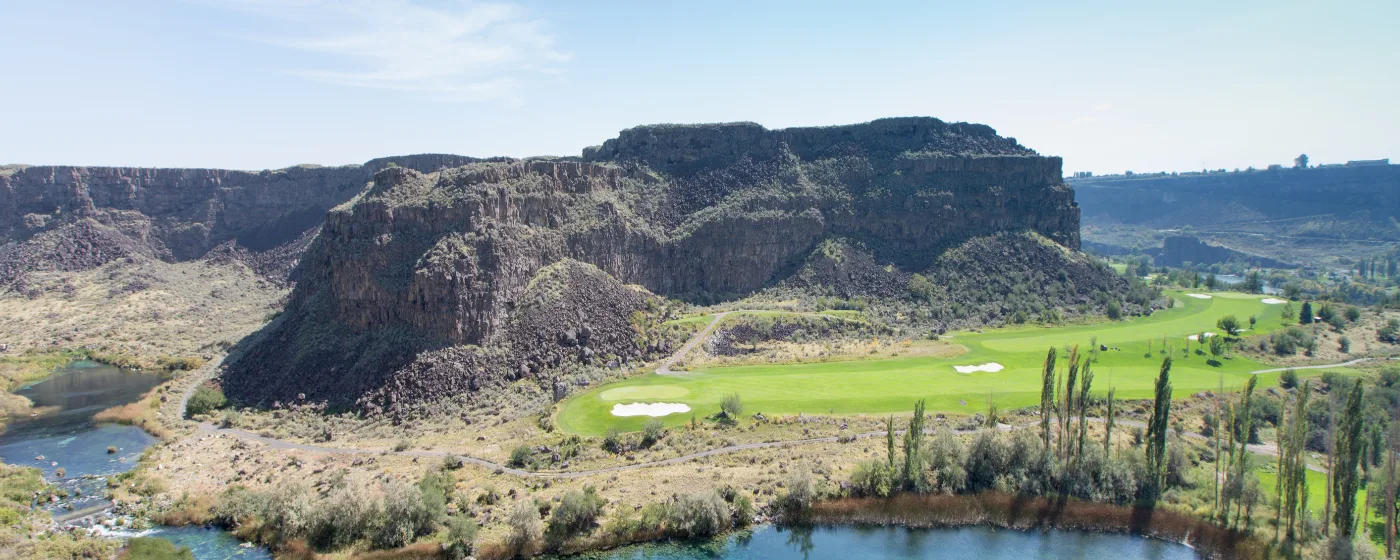
Jerome surprises most people who come to look at houses. From the freeway, it reads as a small agricultural town — grain elevators, dairy processors, flat open fields — and that first impression leads a lot of buyers to assume it's a uniform market where one block is about as good as another. It isn't. Jerome sits at the north rim of the Snake River Canyon, straddling I-84 between Twin Falls to the east and Wendell to the west, and the differences between its eight distinct areas matter enormously when you're deciding where to put down roots. The agricultural identity is real, but the city itself is broadening, and the neighborhoods reflect that evolution at different speeds.
The economic backbone runs deep here, anchored by food processing, dairy operations, and a growing manufacturing sector that collectively draw a working-class and trade-professional buyer pool. The Jerome Joint School District #261 serves the whole city, which means school quality doesn't vary dramatically by neighborhood the way it does in larger markets — but proximity to specific schools, noise corridors, and industrial zoning absolutely does. Families with kids, commuters priced out of Twin Falls, and first-time buyers make up the bulk of people moving here right now, and each group tends to land in a very different part of town.
The city-wide median sold price was $350,690 in May 2026 — noticeably below what you'd pay for a comparable home in Twin Falls — and that gap is the engine driving much of Jerome's growth. New construction subdivisions like Stoney Ridge near 22nd Ave E and Clover Creek Estates off North Birch St are selling new homes in the $340,000–$405,000 range, giving buyers options that simply don't exist at this price point across the county line. For more on how those figures fit into the broader cost picture, see the cost of living in Jerome page. Day-to-day life here is genuinely outdoors-oriented, anchored by Snake River Canyons Park at the south edge of the city and the Jerome Country Club's 18-hole public course on the canyon rim.
Whether you're being relocated for work, escaping Twin Falls prices, or starting from scratch in Idaho, the sections below break down Jerome's eight neighborhoods, who each one suits, what the trade-offs are, where to rent, and the mistakes buyers most commonly make here.
The Jerome Reality
The single divide that matters most in Jerome runs along the industrial corridor hugging the southern edge of the city. South Jerome is designated industrial land — home to processing facilities and refrigeration transport operations — and that designation shapes everything adjacent to it. Buyers who don't check the zoning map before making an offer sometimes discover that the affordable home they loved backs up to a facility that runs trucks at 3 a.m. Understanding that South Jerome is a working industrial zone, not a residential neighborhood in the traditional sense, is the first thing a relocating buyer needs to internalize.
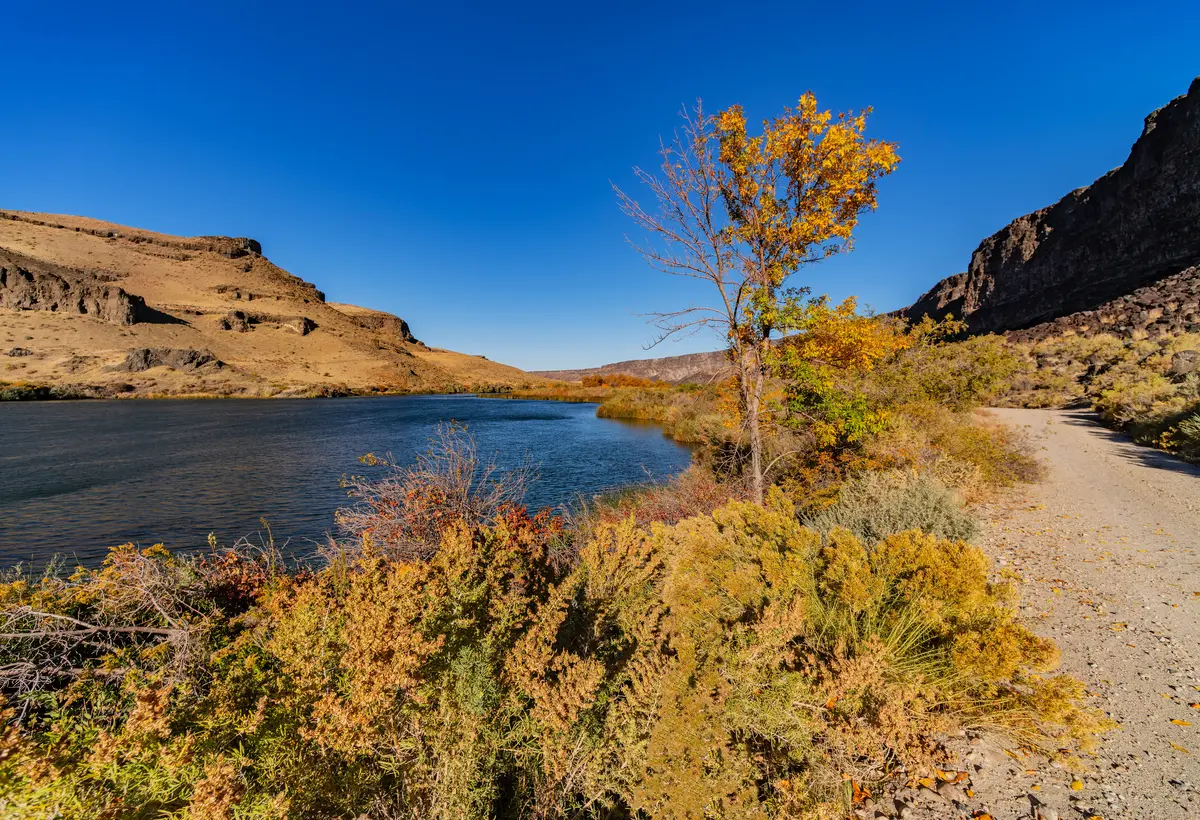
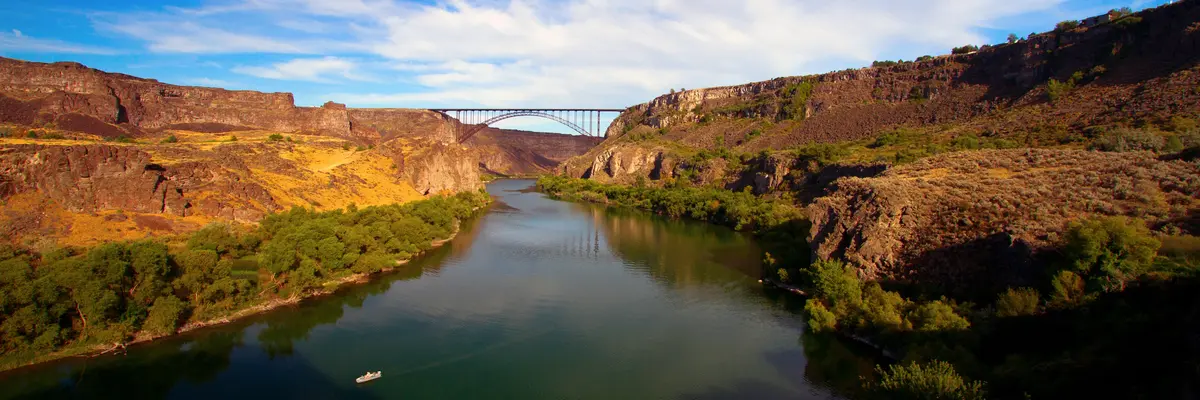
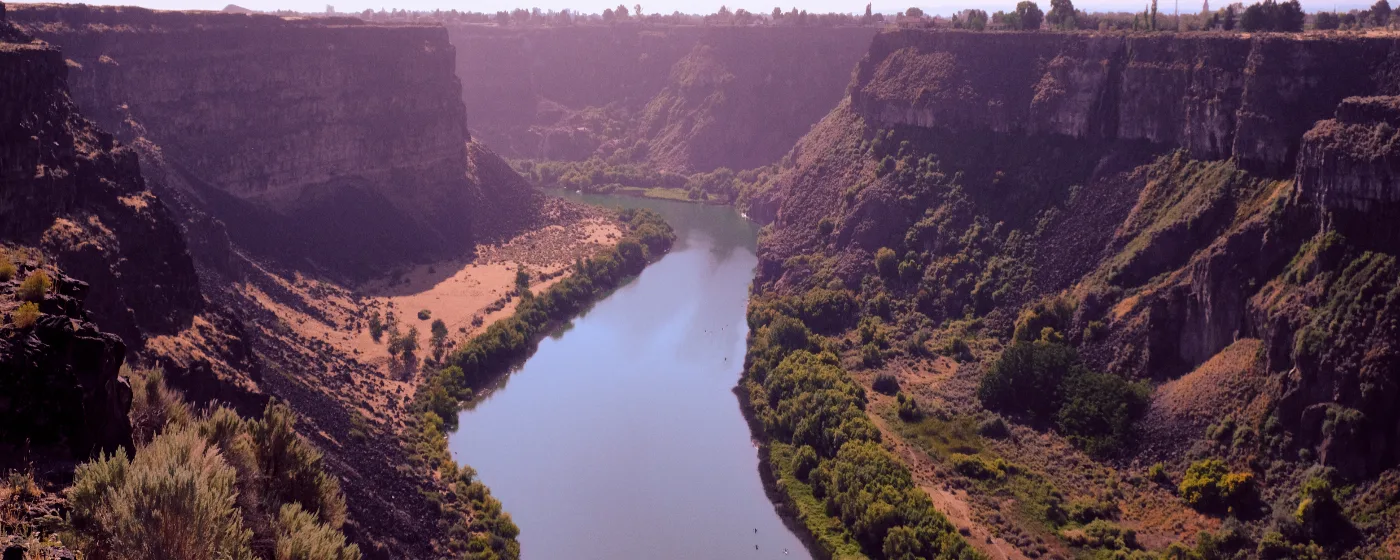
The second reality is the canyon. Golf Course Road and the Falls City area sit on the north rim of the Snake River Canyon, which sounds like a premium location — and in terms of scenery and access to Snake River Canyons Park, it is. But canyon-rim geography also means limited lot depth on the south-facing edge, wind exposure, and a single access corridor that funnels all traffic back through the same streets. Buyers chasing canyon views sometimes underestimate how much that exposure shapes daily life.
North Jerome, by contrast, is where most of the city's new residential growth is concentrated. The subdivisions coming in off 22nd Ave E and North Birch St are quiet, grid-planned, and positioned close to the primary school cluster — which is the practical reason families with school-age children tend to self-select into this quadrant. If you're buying in Jerome and haven't mentally mapped the industrial south, the canyon-rim west, and the growing residential north as three distinct environments, you're not ready to make an offer yet.
Neighborhoods at a Glance
| Neighborhood | Best For | Price Range | Vibe |
|---|---|---|---|
| North Jerome | Families First-Time | $340,000–$405,000 | New-growth residential, quiet streets, subdivision feel |
| South Jerome | Value Renter | $270,000–$320,000 | Working-class, industrial-adjacent, older stock |
| East Jerome | Commuter Value | $300,000–$360,000 | Freeway-close, mixed residential, practical |
| Downtown Jerome | Walkable First-Time | $280,000–$350,000 | Historic lava rock buildings, civic core, on-foot access |
| Golf Course Road area | Luxury Views | $390,000–$500,000+ | Canyon-rim, country club adjacent, spacious lots |
| Lincoln Avenue corridor | Commuter Renter | $290,000–$355,000 | Commercial strip, mixed-use, high-traffic spine |
| West Main Street | First-Time Walkable | $275,000–$340,000 | Established residential, close to downtown amenities |
| Falls City | Nature Privacy | $350,000–$450,000 | Canyon-adjacent, semi-rural, Snake River access |
Best Neighborhood by Buyer Type
| Buyer Type | Best Neighborhood | Why |
|---|---|---|
| First-Time Buyer | Downtown Jerome | Entry-level pricing, walkable streets, and the city's most established character give first-timers a foothold without overextending. |
| Luxury Buyer | Golf Course Road area | Canyon-rim lots, the closest thing Jerome has to a prestige address, with the 18-hole Jerome Country Club — open since 1926 — essentially at your back door. |
| Walkability Seeker | Downtown Jerome | The only part of Jerome where you can reach the county historical museum, civic offices, and a diner on foot without crossing a highway. |
| Families with Kids | North Jerome | New construction subdivisions near 22nd Ave E put parents closest to the primary school cluster with minimal cross-town driving. |
| Commuters | East Jerome | The fastest on-ramp geometry to I-84 for the run to Twin Falls keeps commute friction low on early mornings. |
| Large-Lot Buyers | Falls City | Canyon-edge parcels run larger than anywhere else in the city, with a semi-rural buffer that the grid-planned neighborhoods can't match. |
| Renters | Lincoln Avenue corridor | The highest concentration of rental inventory sits along S Lincoln Ave, where the commercial services along the strip make daily errands manageable without a long drive. |
Looking to buy in Jerome? Estimate your payment.
Enter your numbers to see an estimated monthly mortgage payment.
Estimate only. Excludes HOA fees and mortgage insurance. The interest rate above is a starting point, not a quoted rate — replace it with your own to see real numbers. Insurance is a flat placeholder, not a Jerome quote.
Most Popular Neighborhoods in Jerome
1. North Jerome
North Jerome is where Jerome's growth story is being written right now. Subdivisions like Stoney Ridge off 22nd Ave E and Clover Creek Estates on North Birch St are delivering new construction in the $340,000–$405,000 range, attracting families with kids who want modern floor plans and proximity to the school cluster on the north side of town. The catch is that these streets are still half-built in places, which means living next to active construction phases for a year or two longer than the sales brochure implies.
Best for: Families with kids, first-time buyers who want new construction without a Twin Falls price tag.
2. South Jerome
South Jerome's home prices run noticeably below the city median — listings in the $270,000–$320,000 range appear regularly — and that gap exists for a reason. This is the city's officially designated industrial corridor, with processing operations and refrigeration transport facilities running around the clock. Buyers who need maximum square footage on a tight budget sometimes make it work here, but the noise and truck traffic are not incidental; they're structural to the area's identity.
Best for: Budget-focused buyers who work locally and aren't sensitive to industrial neighbors; investors targeting rentals.
3. East Jerome
East Jerome's main selling point is freeway geometry — you're on I-84 in under two minutes, which is the fastest access point in the city for anyone commuting to Twin Falls. The residential stock is a mix of 1970s–1990s ranch homes and infill construction, generally in the $300,000–$360,000 range, and the area carries a practical rather than polished character. The compromise here is that proximity to the interchange also means more commercial strip development along the eastern edge, so the residential pockets nearest to the on-ramp can feel hemmed in.
Best for: Commuters to Twin Falls who prioritize drive time over neighborhood aesthetics.
4. Downtown Jerome
Downtown Jerome is the only part of the city built for on-foot access — the Jerome County Historical Museum, city hall, and Choate's Family Diner on W Main St are all reachable without getting in a car. The historic lava rock architecture along the main commercial blocks gives it a visual identity that no other Jerome neighborhood can claim. Homes run $280,000–$350,000 on the residential blocks surrounding the core, though lot sizes are smaller and parking can be tighter than buyers used to suburban layouts expect.
Best for: Walkability seekers, first-time buyers, and anyone who values neighborhood character over square footage.
5. Golf Course Road Area
Golf Course Road represents Jerome's closest analog to a prestige address. Lots along the canyon rim sit adjacent to the Jerome Country Club — an 18-hole public course that has operated since 1926 and whose current clubhouse opened in 1998 — and the views into the Snake River Canyon are legitimately dramatic. Pricing climbs accordingly, with homes in the $390,000–$500,000+ range, and the single-access corridor dynamic means that Golf Course Road itself carries all the neighborhood's traffic in and out during morning and evening windows.
Best for: Buyers who want canyon views, golf access, and Jerome's top price tier.
6. Lincoln Avenue Corridor
S Lincoln Ave is Jerome's commercial spine, running north-south through the middle of the city and carrying the highest daily traffic volume of any street in town. The residential side streets feeding off Lincoln offer homes in the $290,000–$355,000 range, with the area's commercial density making everyday errands genuinely efficient. That same density is the downside for owner-occupants who value quiet — this corridor trades neighborhood calm for convenience.
Best for: Renters, commuters, and buyers who want walkable errands even if they sacrifice peace and quiet to get them.
7. West Main Street
West Main Street combines the walkability of the downtown core with slightly larger residential lots and a more established, mature-tree feel. Homes here run $275,000–$340,000 and represent some of the better value in Jerome for buyers who want a move-in-ready older home rather than a new-build subdivision. The downside is that deferred maintenance is common in the older stock, and buyers without a solid inspection budget sometimes get surprised by aging roofs and plumbing on houses that photograph well.
Best for: First-time buyers and downsizers who want established character close to downtown without paying the Golf Course Road premium.
8. Falls City
Falls City sits at the canyon-adjacent southern edge of Jerome, blending into the geography that leads toward Snake River Canyons Park. Lots here run larger than anywhere else in the city, and the semi-rural buffer gives it a privacy and nature-access profile that the grid-planned neighborhoods simply can't replicate. Pricing reflects the setting — homes and parcels in the $350,000–$450,000 range — and buyers should expect limited retail and service access; this is a trade-off of distance from the city center in exchange for a fundamentally different quality of outdoor life.
Best for: Buyers prioritizing large lots, canyon proximity, and a semi-rural feel within Jerome city limits.
Common Mistakes Buyers Make in Jerome
Assuming South Jerome Is Just More Affordable Housing
The lower price points along the south side of town attract buyers who see a deal and stop there. What they don't always read before closing is the industrial zoning that runs through South Jerome — processing plants and dairy transport facilities that operate 24 hours. This isn't a neighborhood that happens to have a few commercial neighbors; it's a designated industrial corridor. If you're sensitive to truck traffic or overnight noise, crossing South Jerome off your list before you start touring saves you a wasted trip.
Misreading Golf Course Road's Single Access Point
Every resident on the canyon-rim end of Golf Course Road uses the same stretch of road to get in and out. Between 7:15 and 8:00 a.m. on weekdays, that corridor stacks up noticeably — not a gridlock situation by any urban standard, but a real friction point for a city this size. Buyers touring on a Saturday afternoon don't experience this. Drive it on a Tuesday at 7:30 a.m. before you make an offer on anything with a canyon-rim address.
Ignoring School Proximity When Buying in East Jerome
East Jerome's freeway access is its strongest selling point, but the residential pockets closest to the I-84 interchange are also the farthest from the school cluster concentrated on the north side of the city. Families with school-age children who buy here for the commute savings sometimes find the daily school-run adds meaningful back-road time — especially in winter when the north loop streets ice first. School proximity in Jerome is worth mapping against your specific address, not just the district as a whole. The Jerome schools page has the full school boundary breakdown.
Skipping the Inspection on West Main Street Older Stock
West Main Street's established homes photograph beautifully — mature landscaping, larger lots, real neighborhood feel. But a meaningful share of the housing stock dates to the 1960s and 1970s, and sellers don't always disclose deferred maintenance proactively. Roof age, original plumbing, and outdated electrical panels are the three items that come up most often in post-offer inspections on this corridor. Budget for a thorough inspection and price the necessary work into your offer; this is not the block to waive inspection contingencies on.
Best Areas to Rent in Jerome
| Area | Ideal For | Typical Rent Range | Trade-off |
|---|---|---|---|
| Lincoln Avenue corridor | Commuters, singles, young professionals | $950–$1,300/mo (1–2 BR) | High traffic noise along the main strip; limited parking on side streets |
| North Jerome | Families with kids, longer-term renters | $1,200–$1,600/mo (3 BR) | Newer stock means higher rents; limited rental inventory as ownership rates are high |
| Downtown Jerome | Walkability seekers, newcomers exploring the city | $900–$1,200/mo (1–2 BR) | Smaller units, older buildings, fewer amenities than suburban rentals |
| West Main Street | Couples, small families wanting established feel | $1,050–$1,400/mo (2–3 BR) | Older rental homes may have deferred maintenance; fewer new-build options |
| East Jerome | Commuters prioritizing freeway access | $950–$1,250/mo (2 BR) | Commercial strip feel on the eastern edge; less residential quiet than North Jerome |
Jerome's rental market is tight relative to its size — the city's affordability compared to Twin Falls draws owner-occupant buyers who absorb inventory quickly, leaving fewer units cycling through for renters. If you're relocating and need to rent first while you scout neighborhoods, the Lincoln Avenue corridor and Downtown Jerome have the highest turnover and the most options at any given time.
Local Expert Takeaway: Jerome's eight neighborhoods divide into three practical tiers: North Jerome for families who want new construction near the schools; Downtown and West Main for buyers who want character and walkable streets at the city's entry price points; and Golf Course Road and Falls City for anyone willing to pay a premium for canyon-rim living. South Jerome's prices are real, but so is the industrial zoning — don't buy there without reading the zoning map first. If you're commuting to Twin Falls, East Jerome's freeway geometry is genuinely useful, but drive the Golf Course Road access point on a weekday morning before assuming the canyon rim is worth the commute. Choate's Family Diner on W Main St is where you'll keep running into your neighbors regardless of which part of town you land in.
Quick Takeaways & FAQs
✅ New construction subdivisions in North Jerome are delivering homes in the $340,000–$405,000 range — some of the only brand-new inventory available in Magic Valley at this price point.
⚠️ South Jerome's below-median prices come with a real catch: the area is a designated industrial corridor with 24-hour processing and transport operations that don't quiet down at night.
📍 Golf Course Road sits on the rim of the Snake River Canyon next to a public 18-hole course open since 1926, but a single access corridor means all neighborhood traffic funnels through one road — something you only notice when you drive it at 7:30 a.m.
What is the most affordable neighborhood in Jerome, Idaho?
Which Jerome neighborhood is best for families with kids?
Is Golf Course Road worth the premium in Jerome?
How long does it take to commute from Jerome to Twin Falls?
What should I know about renting in Jerome before signing a lease?
Moving to Idaho?
Tell us what you need help with and we'll connect you with local resources.
