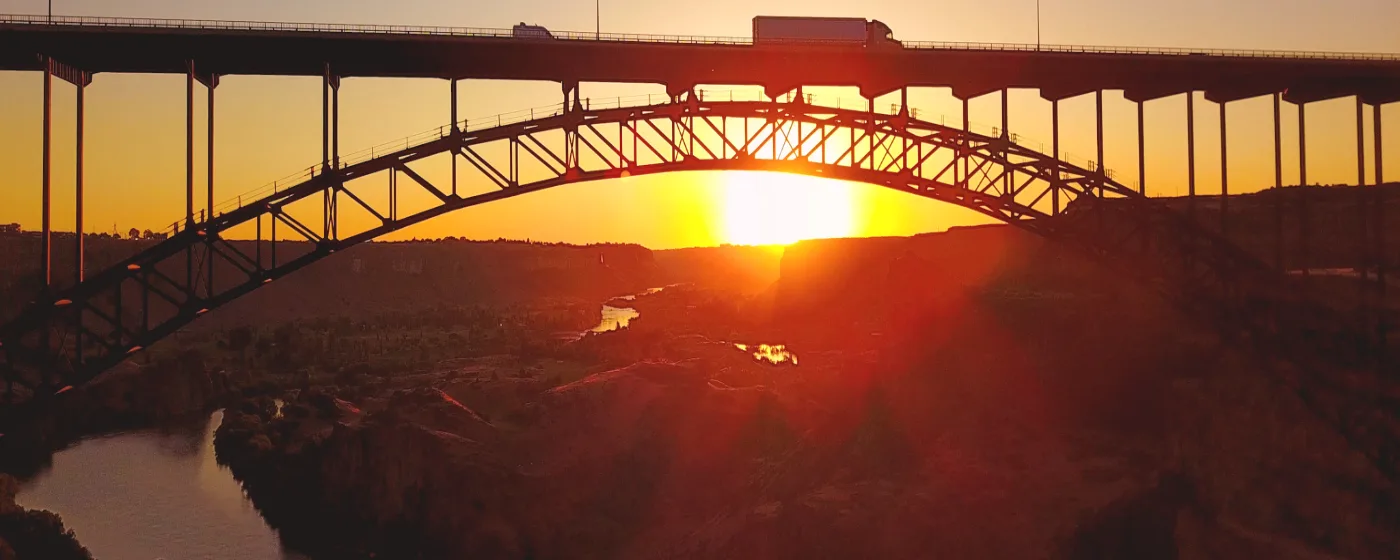
You've probably done the math and noticed that Twin Falls prices are still noticeably below Boise — and that's real. But the local market in mid-2026 is moving faster than most first-timers expect. Homes are selling after a median of roughly 52–58 days on market, down from 73 days the prior year, and closing at about 98% of asking price. That means the window to think things over is shorter than it was, but you're not walking into a bidding-war frenzy either. Twin Falls sits at the crossroads of Highway 93 and Interstate 84, anchored by the Snake River Canyon and functioning as the regional hub for all of Magic Valley — a market with real, sustained demand driven by population growth, not speculation.
The economic backbone here is more diversified than most cities this size, with food manufacturing, healthcare, and higher education all contributing to a stable employment base. That diversity matters for first-time buyers because it means the demand driving home prices is tied to actual jobs, not a single industry cycle. Closed single-family sales in Twin Falls County rose roughly 20% year-over-year in May 2026 — buyers moving here are responding to a genuinely growing local economy. Families relocating from other markets are a consistent part of that demand, drawn by the overall cost of living and the regional amenities Twin Falls offers as the Magic Valley hub.
Twin Falls's overall cost of living runs approximately 5–8% below the national average, with utilities running substantially lower than most comparable markets — a detail that matters when you're already stretching for a down payment. See the full cost-of-living breakdown for what that means day to day. The effective property tax rate of approximately 0.72% is also well below the national average, which keeps your total monthly housing cost lower than the purchase price alone suggests. New construction activity rose 54% year-over-year in early 2026, so if existing inventory doesn't fit your budget, a builder lot in a newer subdivision may be a realistic alternative.
Whether you're a long-time renter in Twin Falls finally ready to buy or relocating to Magic Valley from out of state, this guide walks you through what your budget actually buys here, how the purchase process works locally, how to size your cash needs before you tour a single house, and the specific mistakes that cost first-timers money — or deals — in this market.
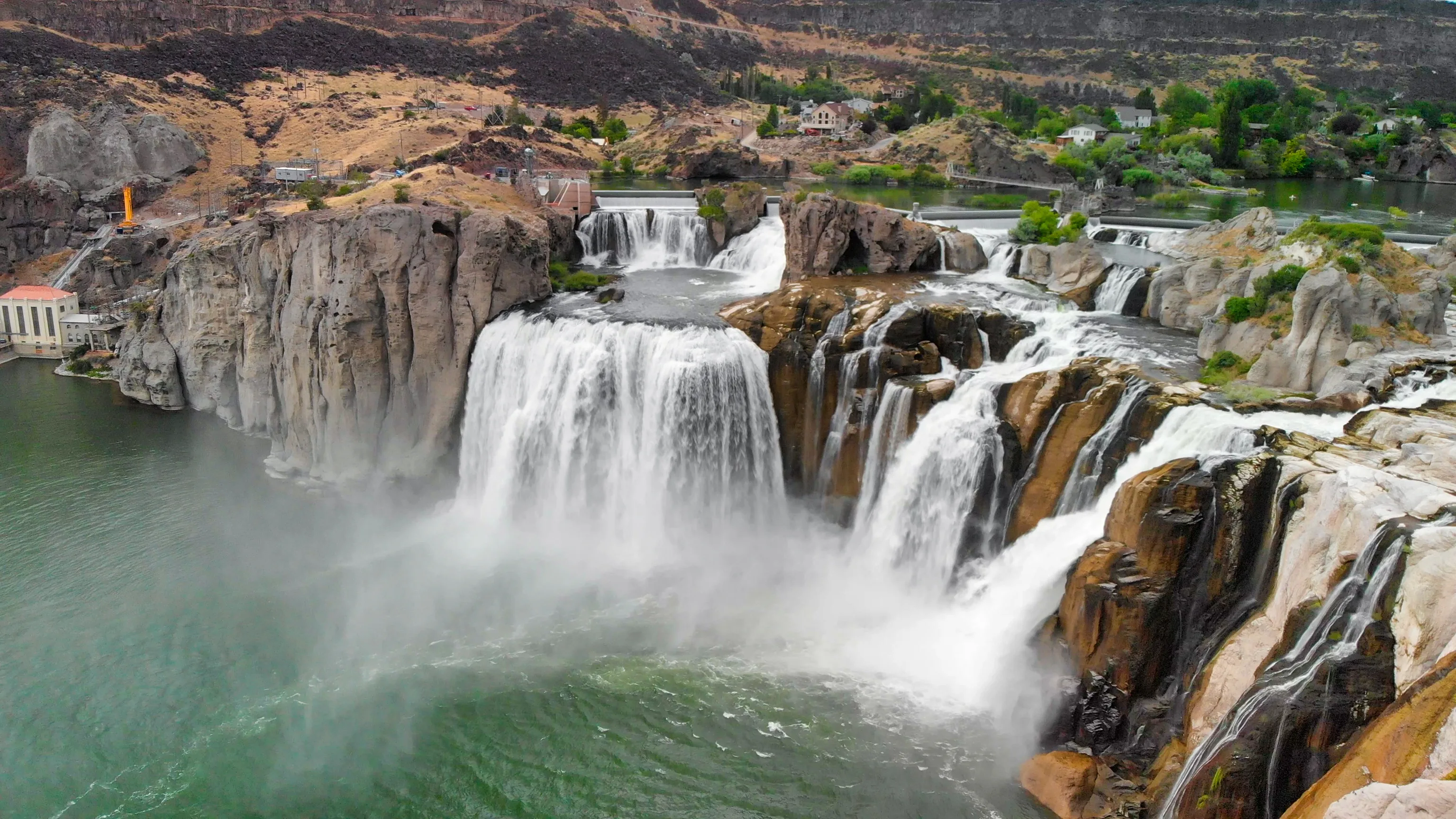
The Twin Falls First-Time Buyer Reality
The median sale price in Twin Falls was $380,000 in May 2026 — a number that reads as approachable compared to Boise but still represents a real stretch for a household earning the local median income of $61,205. The honest starting point is this: if your household income is in the mid-$60s, you're not priced out, but you'll likely be shopping closer to the lower end of the market, not at the median.
Entry-level inventory does exist. Older ranch-style homes in established neighborhoods can still be found below the city-wide median — though these often need cosmetic or mechanical updates that add to your true first-year cost. New construction in outer subdivisions starts higher but comes with warranties and no deferred maintenance. The market currently has about 3–4.5 months of supply, which puts it in balanced territory — you have modest room to negotiate, but well-priced homes at the entry level don't sit long.
The other reality to understand is competition. Sales volume in Twin Falls County is up roughly 18% year-to-date through May 2026. That's not a cooling market. If you're serious about buying this year, treating pre-approval as step zero — not something you do after finding a house you love — is the single most important thing you can do to avoid losing a home to a faster buyer.
The Homebuying Process in Twin Falls, Step by Step
Step 1: Get Pre-Approved Before You Tour
Idaho lenders will typically require a FICO score of 620 or higher for a conventional loan; FHA financing may be available with scores as low as 580. A pre-approval letter is not a formality here — sellers and listing agents in Twin Falls actively compare offers, and an offer without one goes to the bottom of the pile. Get this done before you set foot in a single open house.
Step 2: Define Your Search Area Before You Start Touring
Twin Falls neighborhoods are not interchangeable in terms of age, lot size, or proximity to major roads. Decide which areas fit your commute and budget before you start touring — otherwise you waste time falling for a home in a zone that doesn't work for your life. Getting clear on your geographic priorities before your first showing saves you weeks of misdirected effort.
Step 3: Make an Offer with Clean but Protective Terms
With homes closing at roughly 98% of list price, don't expect to lowball and win. In Twin Falls's current balanced market, a competitive offer is typically at or within 1–2% of asking price, with earnest money in the 1–2% range. The step most first-timers get wrong: waiving the inspection contingency to look competitive. Don't. Older homes in North Twin Falls and Downtown in particular can carry deferred maintenance — aging HVAC systems, original plumbing — that a $400 inspection will surface. That contingency protects you.
Step 4: Inspection and Appraisal
Idaho is a lender-ordered appraisal state — your lender arranges it, not you. Budget 7–10 business days for the appraisal to come back after your offer is accepted. If the appraisal comes in below your purchase price, you'll need to renegotiate, cover the gap in cash, or walk away. First-timers often don't budget for this scenario; have a plan before it happens.
Step 5: Closing
Idaho is an escrow state. You won't sit across a table from the seller — a title company handles the closing, and you'll sign your documents (often electronically) a day or two before the recorded close date. Keys typically exchange the day the deed records. Budget 30–45 days from accepted offer to close on a standard transaction, though some lenders in the Magic Valley market can move in 21–25 days for well-qualified buyers with straightforward files.
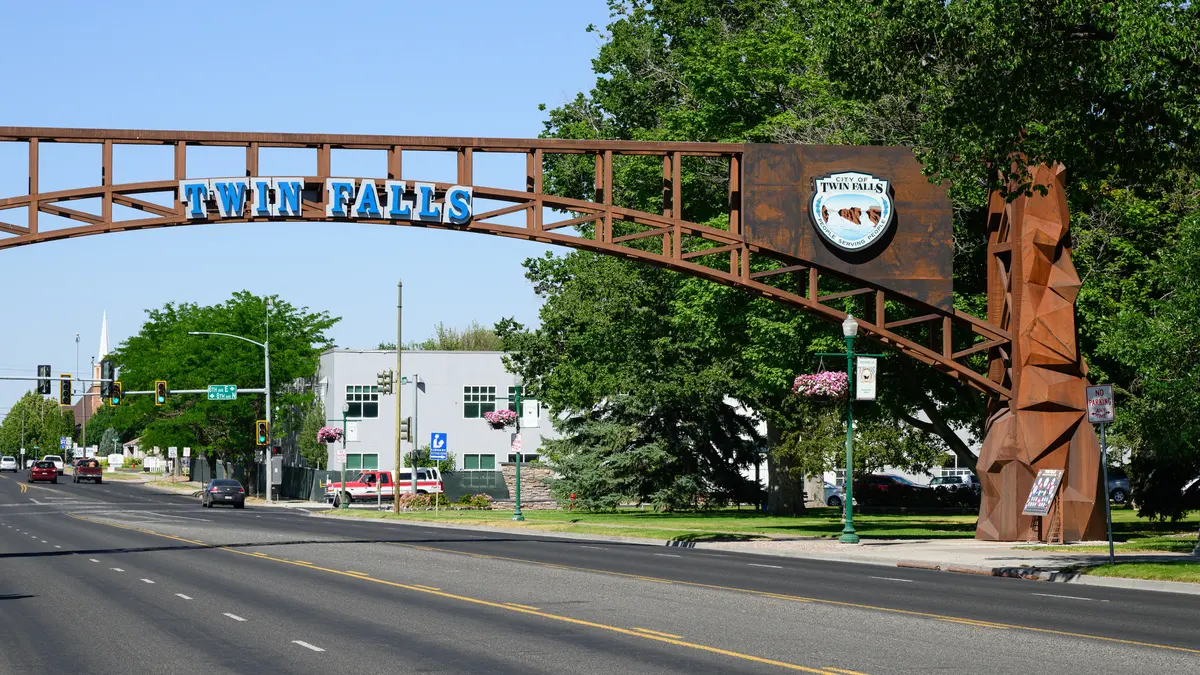
How Much Home Can You Afford in Twin Falls
The table below gives you a realistic cash picture at several price points common in Twin Falls. Closing costs in Idaho on a purchase transaction typically run 2–3% of the loan amount, covering lender fees, title insurance, escrow, and prepaid items like homeowners insurance and the first month's property tax escrow. These are estimates — your lender will provide a Loan Estimate within three business days of application with your specific numbers.
| Scenario | Purchase Price | Down Payment | Est. Closing Costs | Cash Needed at Table |
|---|---|---|---|---|
| FHA (3.5%) — entry-level | $280,000 | $9,800 (3.5%) | $5,600–$7,560 | ~$15,400–$17,360 |
| FHA (3.5%) — near median | $350,000 | $12,250 (3.5%) | $7,000–$9,450 | ~$19,250–$21,700 |
| Conventional (3%) — entry-level | $280,000 | $8,400 (3%) | $5,600–$7,560 | ~$14,000–$15,960 |
| Conventional (3%) — near median | $350,000 | $10,500 (3%) | $7,000–$9,450 | ~$17,500–$19,950 |
| Conventional (5%) — mid-range | $380,000 | $19,000 (5%) | $7,220–$9,747 | ~$26,220–$28,747 |
| Conventional (10%) — stronger position | $380,000 | $38,000 (10%) | $6,840–$9,234 | ~$44,840–$47,234 |
All figures are estimates for illustration only; your actual closing costs depend on your lender, loan type, title company, and the specific transaction.
One number worth keeping in mind as you budget: Twin Falls's effective property tax rate of approximately 0.72% is meaningfully below the national average, which helps with your total monthly outlay. The interactive calculator below lets you model different purchase prices, down payments, and interest rate scenarios with your actual inputs.
Looking to buy in Twin Falls? Estimate your payment.
Enter your numbers to see an estimated monthly mortgage payment.
Estimate only. Excludes HOA fees and mortgage insurance. The interest rate above is a starting point, not a quoted rate — replace it with your own to see real numbers. Insurance is a flat placeholder, not a Twin Falls quote.
Common First-Time Buyer Mistakes in Twin Falls
Touring Before You Have a Pre-Approval Letter
In a market where sales volume is up roughly 20% year-over-year and median days on market have shrunk to the low-to-mid 50s, the two or three weeks it takes to get pre-approved after finding a house you love is exactly long enough to lose it. Pre-approval is step one — not something to fast-track once you're emotionally attached to a specific home on Grandview Drive.
Waiving the Inspection to Win a Bidding Situation
Twin Falls has a mix of housing stock. Homes built in the 1960s and 1970s in North Twin Falls and parts of Downtown can carry aging electrical panels, original cast-iron drain lines, and swamp coolers that are at the end of their service life. Waiving inspection to look competitive in a $320,000 deal can turn into a $15,000 repair surprise in month two. The market is balanced enough that sellers expect inspections — you don't need to waive it to win.
Underbudgeting the Cash You Need at the Table
First-timers consistently focus on the down payment number and forget about closing costs. In Idaho, closing costs on a $350,000 purchase can run $7,000–$9,000 in lender fees, title, and prepaid escrow items — on top of your down payment. Then add the inspection fee ($350–$500 in the Twin Falls market), a potential appraisal gap reserve, and moving costs. Budget for all of it before you start seriously shopping.
Making an Offer Without Knowing the Area
Twin Falls neighborhoods vary significantly in age, lot size, and what's around them — and those differences affect your daily life in ways that don't show up in the listing photos. Buyers who skip the neighborhood research step sometimes close on a home and realize in month three that the location doesn't match their actual routine. Drive the area at different times of day before you make an offer, not after.
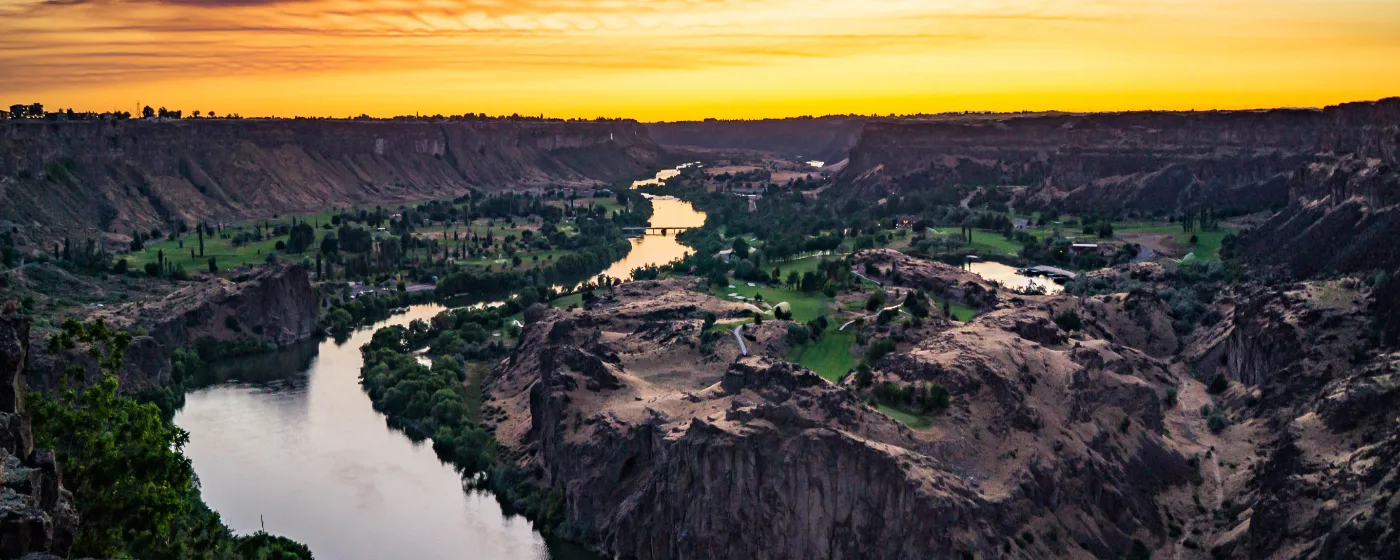
Local Expert Takeaway: Twin Falls in mid-2026 is a genuine buyer's market — not a soft one. You have room to negotiate, but not the luxury of weeks of deliberation. The buyers who win here get pre-approved early, know which areas actually fit their commute and daily needs before they tour, and keep their inspection contingency intact. The $380,000 median is real, but entry-level inventory still exists below that figure if you're willing to take on some updates. Get your full cash picture sorted — down payment plus closing costs plus a reserve — before you fall in love with a house near the Snake River Canyon rim.
Quick Takeaways & FAQs
✅ Twin Falls homes sold at roughly 98% of asking price in early 2026 with 3–4.5 months of supply — competitive enough to require preparation, balanced enough that you're not waiving every contingency to compete.
⚠️ The gap between what a median-income household qualifies for and the city's $380,000 median is real — most first-time buyers in Twin Falls are shopping well below the headline number, not at it.
📍 Idaho closes through a title/escrow company, not at a lawyer's office — budget 30–45 days from accepted offer to keys, and expect to sign your documents a day or two before the deed actually records.
What credit score do I need to buy a home in Twin Falls, Idaho?
How much cash do I actually need to buy a first home in Twin Falls?
How long does it take to buy a home in Twin Falls?
Is it better to buy new construction or an existing home in Twin Falls right now?
Can I negotiate the price on a Twin Falls home, or is everything selling at full ask?
Moving to Idaho?
Tell us what you need help with and we'll connect you with local resources.
