
Is the Smokies & Lakeway Area a Good Place to Live?
You've probably visited some version of this region before — driven US-441 toward the park, stopped at Tanger Outlets in Sevierville, or rented a cabin somewhere up a holler with a mountain view. What you didn't see on that trip is the part that actually houses the people who live here year-round: the Hamblen County manufacturing corridors anchoring Morristown, the Jefferson County lakefront communities strung along Douglas Lake, the Grainger County communities sitting quietly between Cherokee Lake and Clinch Mountain where land is still genuinely within reach. This is not one place. It's four counties with four distinct economic identities, and the gap between a resort town on the Sevier County line and a working-class neighborhood in Morristown is wider than a drive time suggests.
The economic mix here is real and honest. Morristown runs on automotive and aerospace manufacturing — Koch Foods, MAHLE Engine Components, Howmet Aerospace, and JTEKT Automotive all operate there, making it one of the more industrially grounded cities in East Tennessee. Sevierville and Gatlinburg are the other end of the spectrum: tourism is not a side industry here, it is the industry, anchored by the Great Smoky Mountains National Park entrance that pulls visitors through constantly. What that means for residents is a labor market split between shift work and hospitality wages on one end and commuter-accessible white-collar jobs toward Knoxville on the other. Walters State Community College in Morristown gives the region a meaningful workforce and continuing-education anchor.
On price, the Smokies & Lakeway Area sits in the upper half of Tennessee's regional markets — more expensive than the Tri-Cities, the Upper Cumberland, or the Knoxville Metro, but not at the ceiling the way the Southern Suburbs are. Within the region itself, Morristown and Bean Station represent the more affordable end, while the tourism-adjacent markets in Sevier County — Sevierville, Seymour, and Gatlinburg — carry prices that reflect the short-term rental economy layered on top of primary housing demand. That dual-market pressure is the most important thing to understand before you shop here: a cabin zoned for nightly rentals competes on entirely different logic than a house in a neighborhood with year-round neighbors.
Whether you're drawn by the mountain backdrop, the manufacturing job market, the lake communities, or simply the cost gap compared to Knoxville or Nashville, the cities below break down what life actually looks like in each corner of the Smokies & Lakeway Area — who each place suits, what you give up, and what you get in return.
Explore All 6 Cities in the Smokies & Lakeway Area
Click into any city for the complete guide — neighborhoods, home prices, cost of living, pros & cons, schools, top employers, and mortgage help.
Morristown
Morristown is the working city of the region — a mid-size city with a real manufacturing base, multiple high schools, Walters State Community College, and a historic downtown anchored by the Rose Center for the Arts and the Crockett Tavern Museum. Prices sit toward the more affordable end of the Smokies & Lakeway Area, which draws buyers who want a community with genuine civic infrastructure rather than a tourist economy. Cherokee Lake and Panther Creek State Park give it recreational depth that residents use on weekdays, not just weekends.
Full Morristown Guide →
Sevierville
Sevierville is the city that tourism built but that families actually live in — Sevier County High School anchors the school side, full-service hospital care in town anchors the healthcare side, and the Sevier County Courthouse anchors the civic side, all within a small city that happens to have Tanger Outlets and Forbidden Caverns as its next-door neighbors. Home prices sit near the middle of this region, though the short-term rental market exerts real upward pressure on anything near US-441 or TN-66. The honest trade-off is noise and traffic during peak tourism season against a community that has genuine long-term roots underneath the visitor economy.
Full Sevierville Guide →
Seymour
Seymour is the quieter residential alternative for buyers who want a Sevier County address without a downtown or a Parkway. The small city sits between Knoxville and the mountains, making it a practical choice for remote workers or commuters who want proximity to both without paying for either's core. Home prices run near the middle of the region, and the neighborhoods — from Bays Mountain Country Club to Boyds Creek — read more like established suburban communities than resort-adjacent real estate.
Full Seymour Guide →
Dandridge
Dandridge is Tennessee's second-oldest town, and Douglas Lake gives it something most small towns in this region don't have: genuine waterfront living at a price that's still near the middle of the Smokies & Lakeway Area rather than at its ceiling. The Historic Downtown, the Revolutionary War Graveyard, and the Tinsley-Bible Drugstore give it a civic identity that outlasts any tourism cycle, while I-40 access keeps Knoxville and Morristown both within easy reach for commuters. It suits buyers who want a real small-town character on the water without paying a coastal premium for it.
Full Dandridge Guide →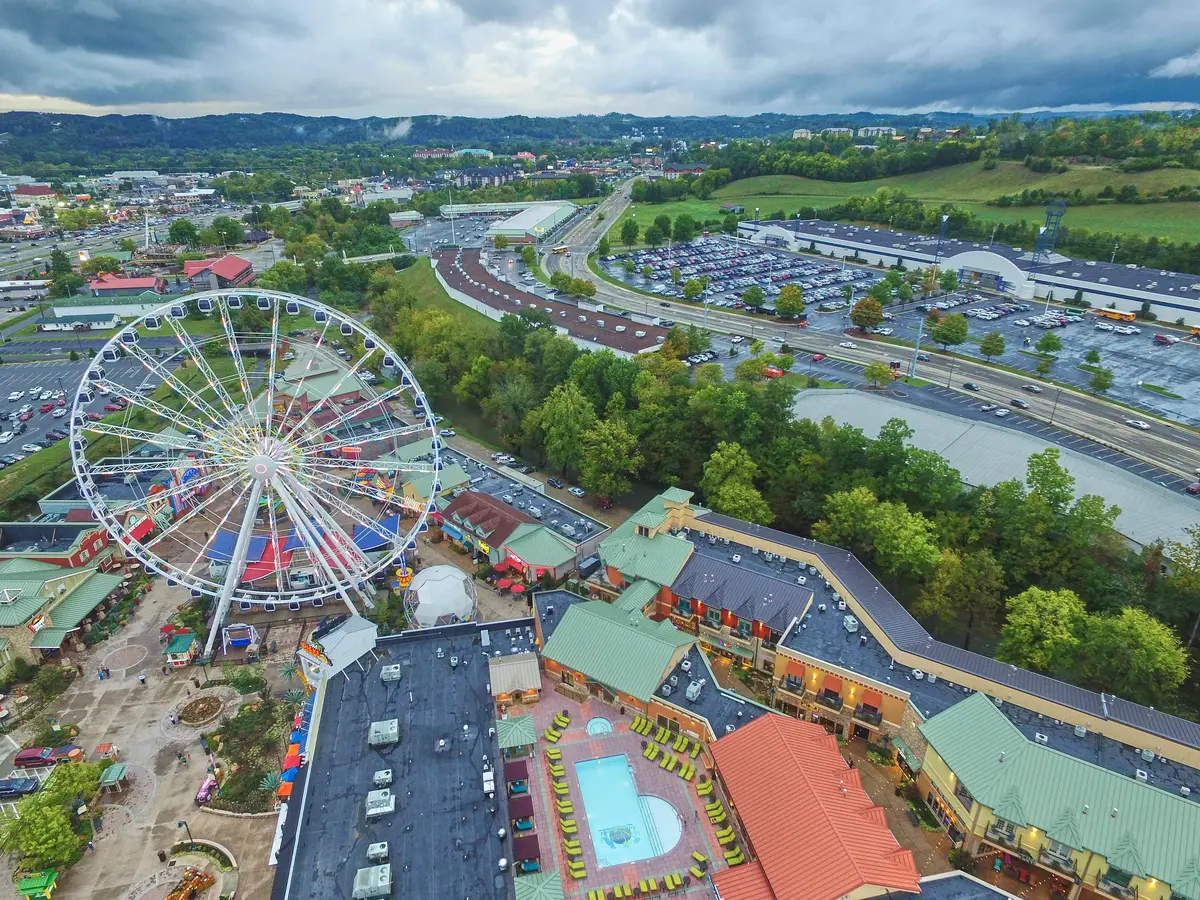
Gatlinburg
Gatlinburg sits at the literal entrance to Great Smoky Mountains National Park, which makes it one of the most dramatic addresses in Tennessee and one of the most complicated ones to buy into as a primary resident. The tourism economy is not background noise here — Ripley's Aquarium of the Smokies, Ober Gatlinburg, and Anakeesta are the city's major employers, and the population swells with visitors in ways that shape everything from grocery runs to commutes. Home prices run near the middle of this region, but the short-term rental overlay means competition for any property with mountain views is intense; buyers moving here for the scenery need to be clear-eyed about what year-round life in a resort town actually costs.
Full Gatlinburg Guide →
Bean Station
Bean Station is Grainger County's lake town — a small town on Cherokee Lake's shoreline where land is still within reach and the waterfront neighborhoods like Bayside and Fishermans Paradise offer the kind of setting that costs far more in Sevier County. Home prices sit toward the more affordable end of the region, which attracts buyers priced out of more tourist-adjacent markets but still drawn by East Tennessee's lake-and-mountain geography. The Tate Springs Spring House and the Bean Station History Museum hint at a place with real historical identity; the trade-off is that retail, dining, and services require a drive.
Full Bean Station Guide →Compare Every City in Smokies & Lakeway
Full ranked breakdowns across every city in the region — scored and compared side by side.
Local Expert Takeaway: The Smokies & Lakeway Area rewards buyers who can name exactly what they're after — lake access, mountain scenery, a manufacturing job anchor, or genuine small-town character — because each city delivers a different version of East Tennessee life, and the one that looks best on a weekend visit isn't always the one that wears best as a place to actually live.
Frequently Asked Questions
Which city in the Smokies & Lakeway Area is best for families who want strong schools and a stable community?
How much does the short-term rental market affect home buying in this region?
Is the Smokies & Lakeway Area affordable compared to the rest of Tennessee?
What do people who move here from a larger city typically find surprising after a few months?
Can you live in the Smokies & Lakeway Area and commute to Knoxville regularly?
Helpful Tennessee Resources
Explore Other Tennessee Regions
the Smokies & Lakeway Area is one of 10 distinct regions that make up Tennessee. Each has its own climate, character, and housing market — explore them all.
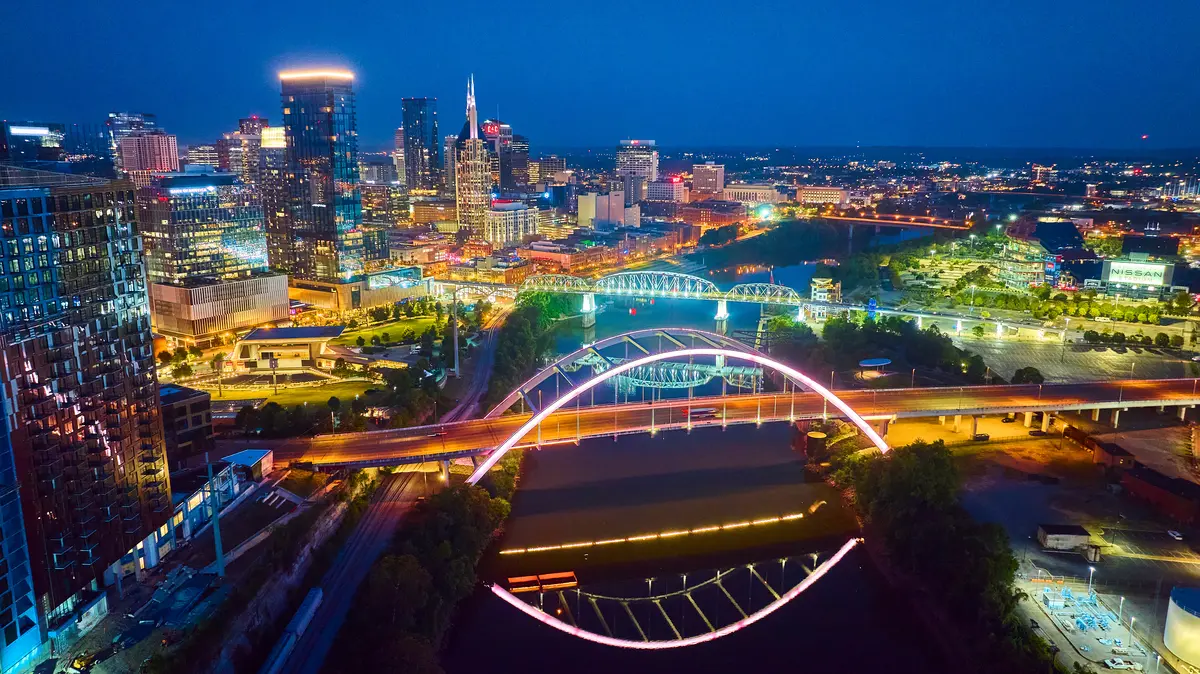
The state capital and the ring of towns north and west of it, from riverfront suburbs to farm country an hour out. 16 cities including Nashville, Clarksville, Hendersonville.
Explore all 16 Greater Nashville cities →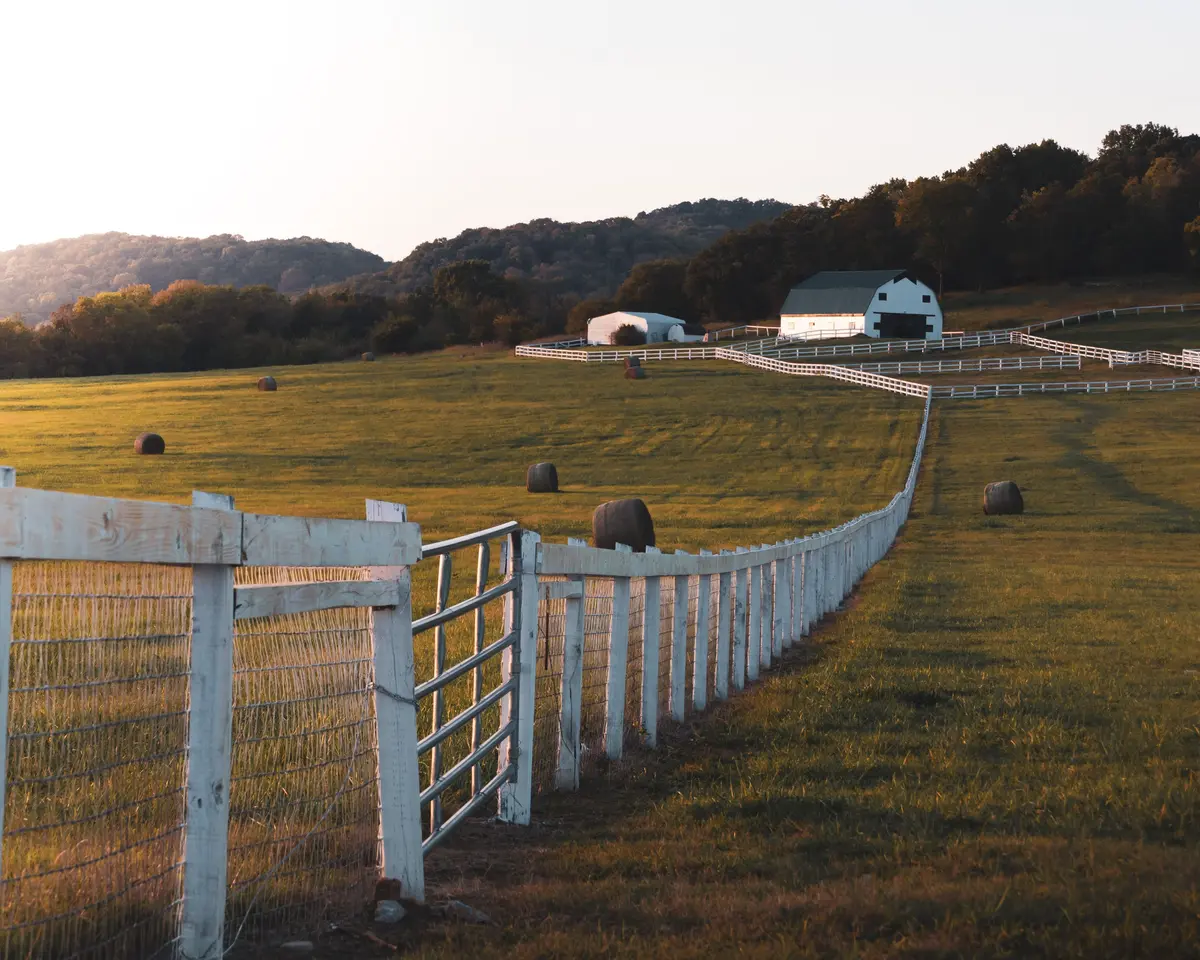
Nashville’s southern growth corridor — historic town squares, newer subdivisions, and some of the priciest addresses in the state. 11 cities including Murfreesboro, Franklin, Smyrna.
Explore all 11 Southern Suburbs cities →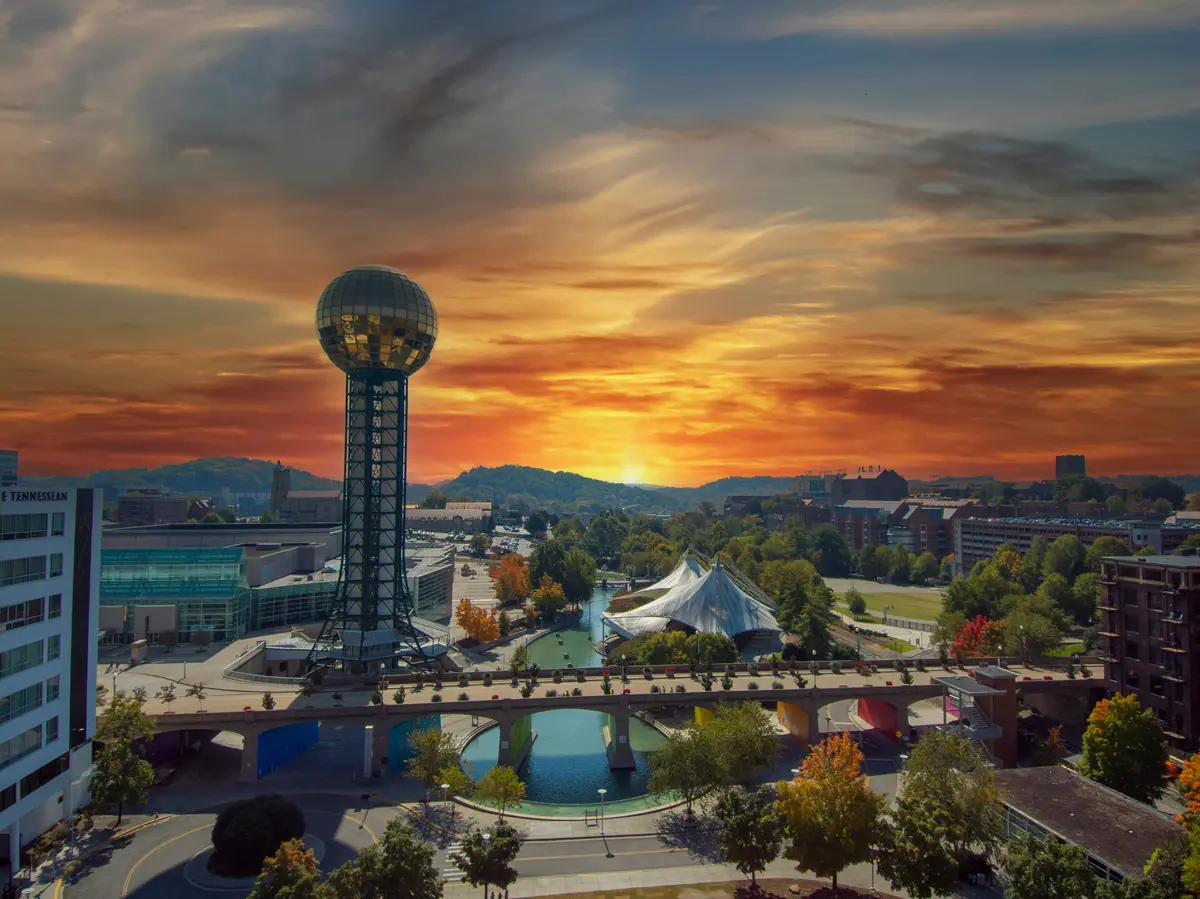
East Tennessee’s urban center, with lake towns and research-lab suburbs spread along the Tennessee River valley. 14 cities including Knoxville, Oak Ridge, Maryville.
Explore all 14 Knoxville Metro cities →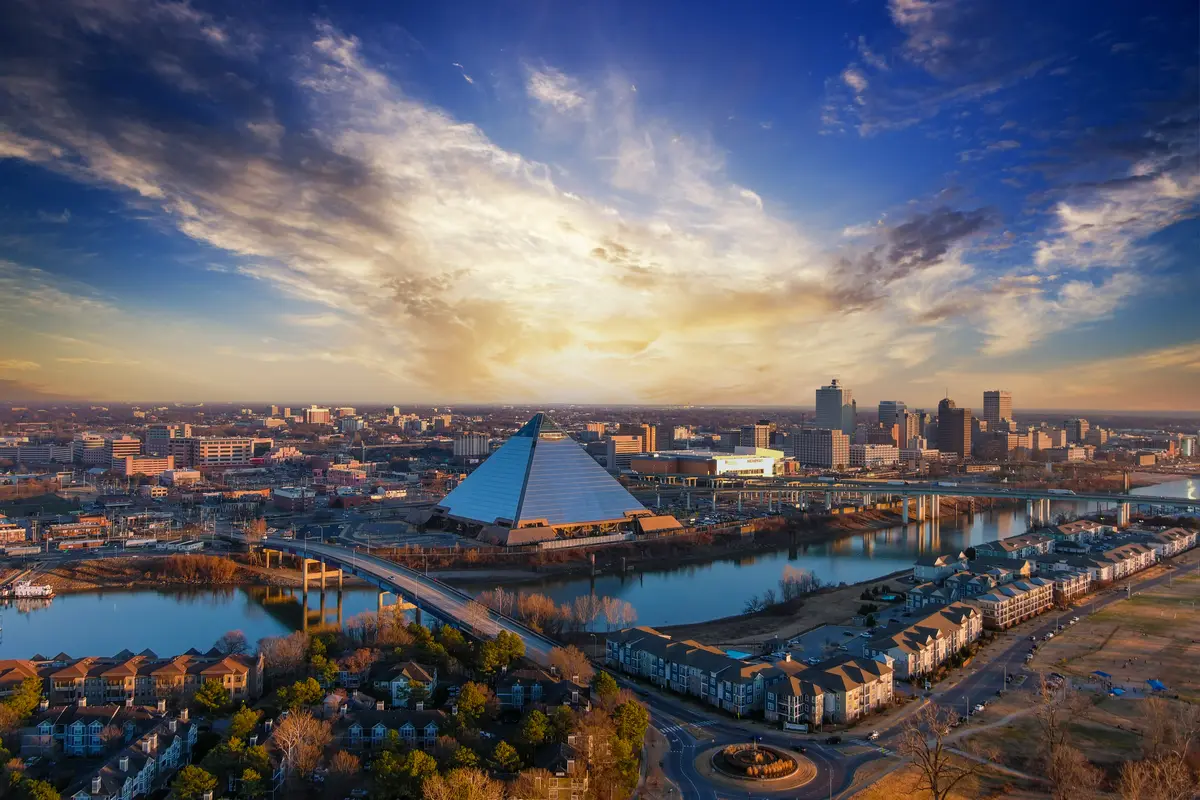
The Mississippi River city and its eastern suburbs, where the metro thins into Fayette and Tipton county farmland. 11 cities including Memphis, Bartlett, Collierville.
Explore all 11 Greater Memphis cities →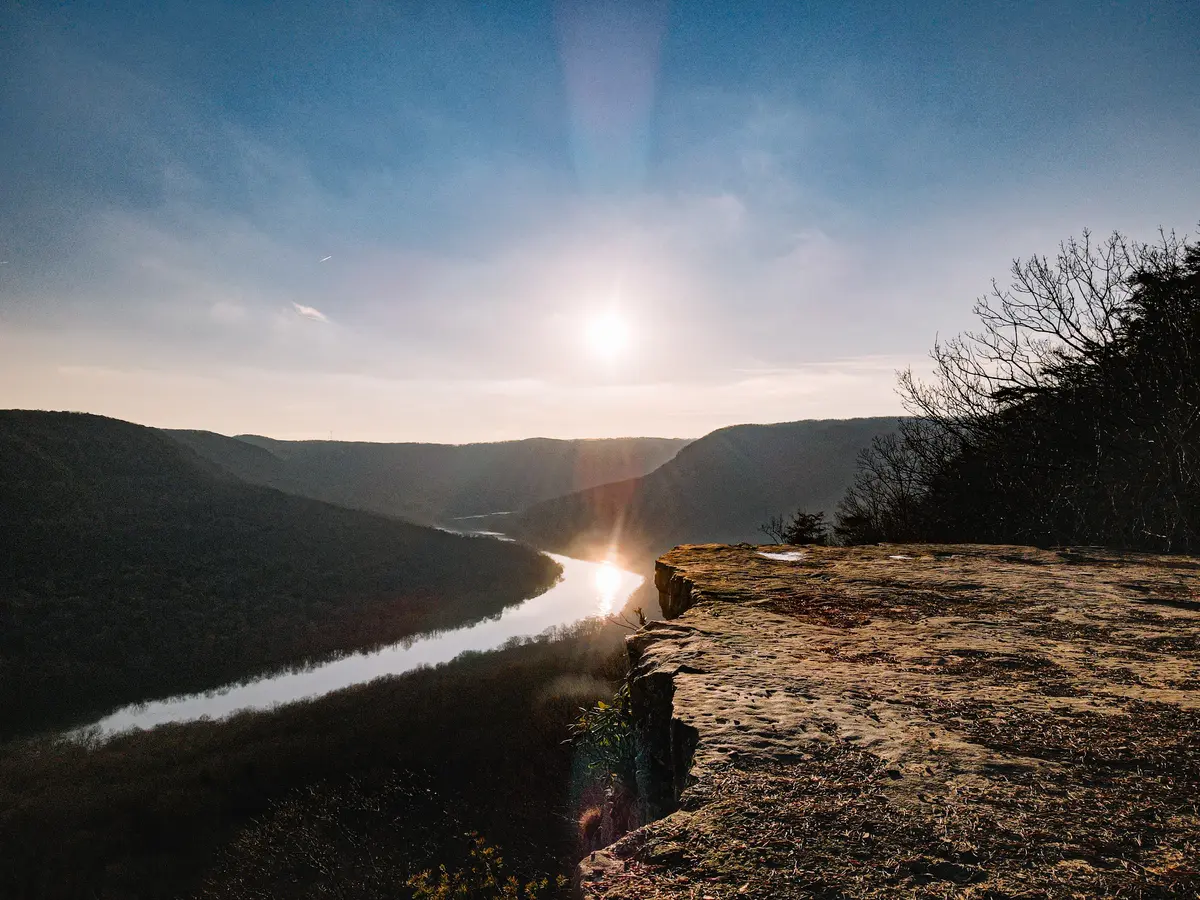
A riverfront downtown ringed by ridges and mountain towns, at the point where Tennessee meets Georgia and Alabama. 12 cities including Chattanooga, Cleveland, East Ridge.
Explore all 12 Chattanooga Area cities →
Three cities that function as one metro in the far northeast corner, surrounded by the oldest towns in the state and the high Appalachians. 8 cities including Johnson City, Kingsport, Bristol.
Explore all 8 Tri-Cities cities →
West Tennessee away from Memphis — a regional hub city, college towns, and river and lake country up against the Mississippi. 9 cities including Jackson, Dyersburg, Martin.
Explore all 9 Jackson & Northwest Tennessee cities →
County-seat towns between Nashville and the Alabama line, with walking-horse farms, lakes and a long manufacturing tradition. 7 cities including Shelbyville, Tullahoma, Manchester.
Explore all 7 Southern Middle Tennessee cities →
The plateau and highland rim between Nashville and Knoxville — waterfalls, lakes and a university town, at the lowest prices in Middle Tennessee. 6 cities including Cookeville, McMinnville, Crossville.
Explore all 6 Upper Cumberland cities →Moving to Tennessee?
Tell us what you need help with and we'll connect you with local resources.
