Is Nashville's Southern Suburbs a Good Place to Live?
You've probably already done the math on Nashville proper and come up short. Maybe you're weighing a commute against a mortgage, or you've heard enough about Williamson County schools to start Googling every small city attached to them. What nobody tells you upfront is that Nashville's Southern Suburbs is not one coherent suburb — it's a collection of genuinely different places, ranging from nationally headquartered corporate towns to agricultural county seats where the Mule Day parade is still the civic event of the year. The decision isn't just Nashville versus the suburbs. It's which suburb, and why.
The economic backbone here is real and varied. Franklin anchors the region's corporate identity, drawing the headquarters of major automotive, insurance, and consumer goods companies alongside a historic downtown that has somehow stayed walkable. Spring Hill and Smyrna carry heavy manufacturing weight — the General Motors and Nissan plants that employ people across several counties. Murfreesboro brings Middle Tennessee State University into the mix, which means a genuine college-city energy and a health and logistics sector that has grown alongside it. Columbia and Centerville represent something different entirely: older Maury and Hickman County towns where affordability is real and the trade-offs are equally real.
Cost runs a wide spectrum here, and that is one of the most honest things you can say about this region. Brentwood, Franklin, Nolensville, and Thompson's Station occupy the pricier end — Williamson County real estate has drawn consistent interest from buyers priced out of Nashville, and prices have followed. La Vergne, Smyrna, Murfreesboro, and Centerville offer meaningfully more room in the budget while still connecting to the same metro job market via I-24 or I-65. In between, Fairview and Spring Hill hold a middle range that appeals to buyers who want Williamson County's school district without its steepest price points. The outdoor life is quieter than the mountains but real: J. Percy Priest Lake reaches into the eastern edge of the region, the Natchez Trace Parkway begins its long arc in Fairview, and Stones River National Battlefield anchors Murfreesboro's history and green space in the same swath of ground.
Whether you're drawn here by a job offer, a school district, a price point, or just the instinct that somewhere south of Nashville makes more sense than anywhere inside the loop, the cities below break down what each one is actually like to live in — neighborhoods, employers, trade-offs, and the details that don't show up in the listing description.
Explore All 11 Cities in Nashville's Southern Suburbs
Click into any city for the complete guide — neighborhoods, home prices, cost of living, pros & cons, schools, top employers, and mortgage help.

Murfreesboro
Murfreesboro is one of the state's larger cities and feels like it — it has the commercial density, the university energy of Middle Tennessee State University, and the neighborhood variety that smaller towns in this region simply can't match. Stones River National Battlefield and Cannonsburgh Pioneer Village give the city genuine historical texture, while the Blackman and Siegel corridors offer newer residential growth for families watching school boundaries closely. It sits toward the more affordable end of this region, which makes it a serious option for buyers who want real city infrastructure without Franklin's price tag.
Full Murfreesboro Guide →
Franklin
Franklin earns its reputation and its price — the historic downtown along Main Street is a remarkably intact Civil War-era commercial district, Carnton and The Carter House anchor a rich preservation culture, and Cool Springs adds the kind of corporate and retail density that makes day-to-day errands genuinely convenient. It sits toward the pricier end of this region, reflecting both Williamson County schools and the concentration of major employers headquartered here. Buyers who prioritize walkability to restaurants and a genuine sense of place over square footage tend to feel at home fastest.
Full Franklin Guide →
Smyrna
Smyrna's identity is built around the Nissan manufacturing plant that has anchored the local economy for decades, but the city has grown well past a single-employer town — Asurion and major electrical equipment manufacturers have added white-collar and technical jobs to a workforce that was already blue-collar strong. The Sam Davis Home and Rock Springs Park offer some historical and recreational grounding, and the Historic Depot District gives downtown a modest but genuine focal point. It sits toward the more affordable end of this region, making it one of the better entry points for buyers who need easy access to I-24 and don't want to stretch a budget thin.
Full Smyrna Guide →
Spring Hill
Spring Hill is caught in a productive tension between its rapid growth and its small-town instincts — the General Motors assembly plant and the Ultium Cells battery facility have brought jobs and population, but neighborhoods like Wades Grove and June Lake still feel like places where people know their neighbors. Rippavilla Plantation and the Battle of Spring Hill historic sites give the city more historical depth than most fast-growth suburbs can claim. It prices near the middle of this region, which puts it within reach for buyers who want Williamson County's school system without committing to the upper end of the market.
Full Spring Hill Guide →
Columbia
Columbia is the Maury County seat and the most fully formed small city at the affordable end of this region — the James K. Polk Home, the Athenaeum Rectory, and the Columbia Riverwalk give it cultural and recreational anchors that the newer subdivisions surrounding the county lack. Columbia State Community College and a full-service regional medical center keep a steady institutional presence, and the Bear Creek corridor has attracted newer residential development for buyers who want more land for less money. The honest trade-off is distance: Columbia sits farther from Nashville's core employment than the Rutherford or northern Williamson County cities, and buyers should be clear-eyed about what that commute actually looks like on a weekday.
Full Columbia Guide →
Brentwood
Brentwood is the region's most established affluent suburb — Marcella Vivrette Smith Park and Crockett Park anchor a community that genuinely values green space, the Maryland Farms business district keeps major employers close, and the residential streets in neighborhoods like Governors Club and Brenthaven reflect decades of deliberate development rather than rapid growth. It sits toward the pricier end of this region, and the city largely delivers on what that price implies: strong schools, low-density neighborhoods, and a proximity to Nashville that most of the region can't match. Buyers who have shopped here once tend to come back.
Full Brentwood Guide →
La Vergne
La Vergne sits just inside Rutherford County along I-24, close enough to Nashville to function as a genuine commuter city and affordable enough to make that commute feel worth it financially. Ingram Content Group and Amazon have made logistics and distribution a defining part of the local economy, and the proximity to Poole Knobs Recreation Area on J. Percy Priest Lake gives residents an outdoor option that surprises people who write the city off as purely industrial. It prices toward the more affordable end of this region, and for buyers who prioritize budget and access to Nashville over neighborhood character, it deserves a serious look.
Full La Vergne Guide →
Nolensville
Nolensville has grown fast enough that longtime residents occasionally don't recognize corners they drove past a few years ago, but the Historic Nolensville Road District and the Village area give the city a center of gravity that newer Williamson County towns often lack. Bent Creek, Burkitt Place, and Summerlyn have attracted families drawn to the Williamson County school system at price points that feel slightly more accessible than Franklin or Brentwood — though still toward the pricier end of this region. The honest catch is that most employment is still a commute away, which means the daily drive to Franklin, Brentwood, or Nashville proper is baked into life here.
Full Nolensville Guide →
Fairview
Fairview sits at a geographic crossroads that matters: the Natchez Trace Parkway begins its long run south right here, and Bowie Nature Park gives residents extensive trails and creek corridors that most suburbs would envy. The city prices near the middle of this region, which makes it a genuine option for buyers who want to stay in Williamson County's orbit without paying the premium that Brentwood or Franklin commands. The trade-off is a longer drive east toward Nashville's employment core, and buyers should factor I-40 and I-840 access into a realistic picture of their daily commute before falling for the acreage.
Full Fairview Guide →
Thompson's Station
Thompson's Station is small enough that it still feels like a planned community rather than a city, with neighborhoods like Tollgate Village and Bridgemore Village doing most of the civic heavy lifting. The presence of the Mars Petcare Global Innovation Center and proximity to Franklin's employer base make it functional for households with professional jobs nearby, and Homestead Manor and Preservation Park give the town more character than its age might suggest. It prices toward the pricier end of this region, which reflects Williamson County's school district and the appeal of new construction in a community that still has room to shape what it wants to become.
Full Thompson's Station Guide →- Is Thompson's Station Safe? A Data-Backed Look
- Cost of Living in Thompson's Station
- Best Neighborhoods in Thompson's Station
- Schools in Thompson's Station: A Family Guide
- Parks & Recreation in Thompson's Station
- Retiring in Thompson's Station
- First-Time Homebuyer's Guide to Thompson's Station
- Moving to Thompson's Station from California
Centerville
Centerville is the furthest outlier in this region — the Hickman County seat sits well west of the Nashville metro's gravitational pull, and that distance is precisely its appeal for buyers who want genuine affordability and a small-town pace that the closer suburbs have left behind. The Minnie Pearl Statue on the Town Square, the Centerville RiverPark, and the Grinder's Switch landmark connect the town to a Tennessee identity that feels older and quieter than anything else in this guide. The honest picture is that remote work has made Centerville viable for a certain kind of buyer it never could have attracted before, but anyone who needs to commute regularly to Nashville should run the numbers on that drive with clear eyes.
Full Centerville Guide →Compare Every City in Southern Suburbs
Full ranked breakdowns across every city in the region — scored and compared side by side.
Local Expert Takeaway: Nashville's Southern Suburbs rewards buyers who resist treating it as one market — the city you choose within it determines your school district, your price range, your commute, and the actual texture of daily life more than any regional label ever will.
Frequently Asked Questions
Which city in Nashville's Southern Suburbs is best for families focused on schools?
How much does location within this region affect the daily commute to Nashville?
Is this region right for buyers who want a genuine small-town feel rather than a fast-growing suburb?
Where in this region does affordability remain genuinely accessible?
Can remote workers find a good fit in this region, or is it built around commuters?
Helpful Tennessee Resources
Explore Other Tennessee Regions
Nashville's Southern Suburbs is one of 10 distinct regions that make up Tennessee. Each has its own climate, character, and housing market — explore them all.
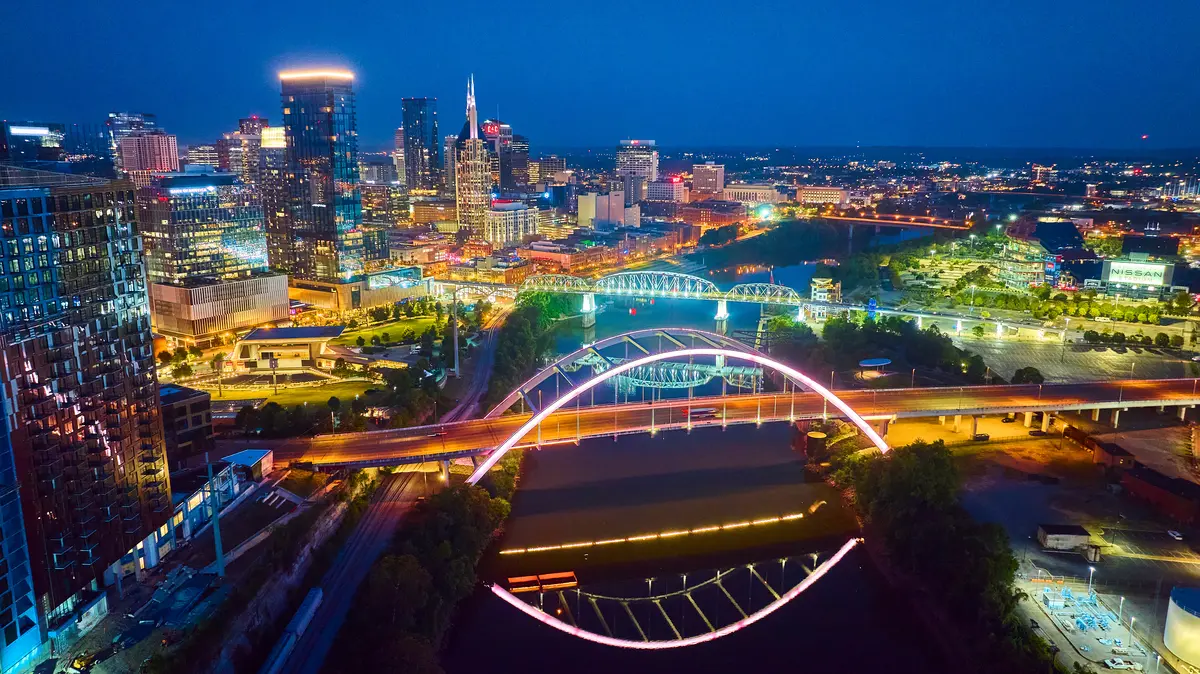
The state capital and the ring of towns north and west of it, from riverfront suburbs to farm country an hour out. 16 cities including Nashville, Clarksville, Hendersonville.
Explore all 16 Greater Nashville cities →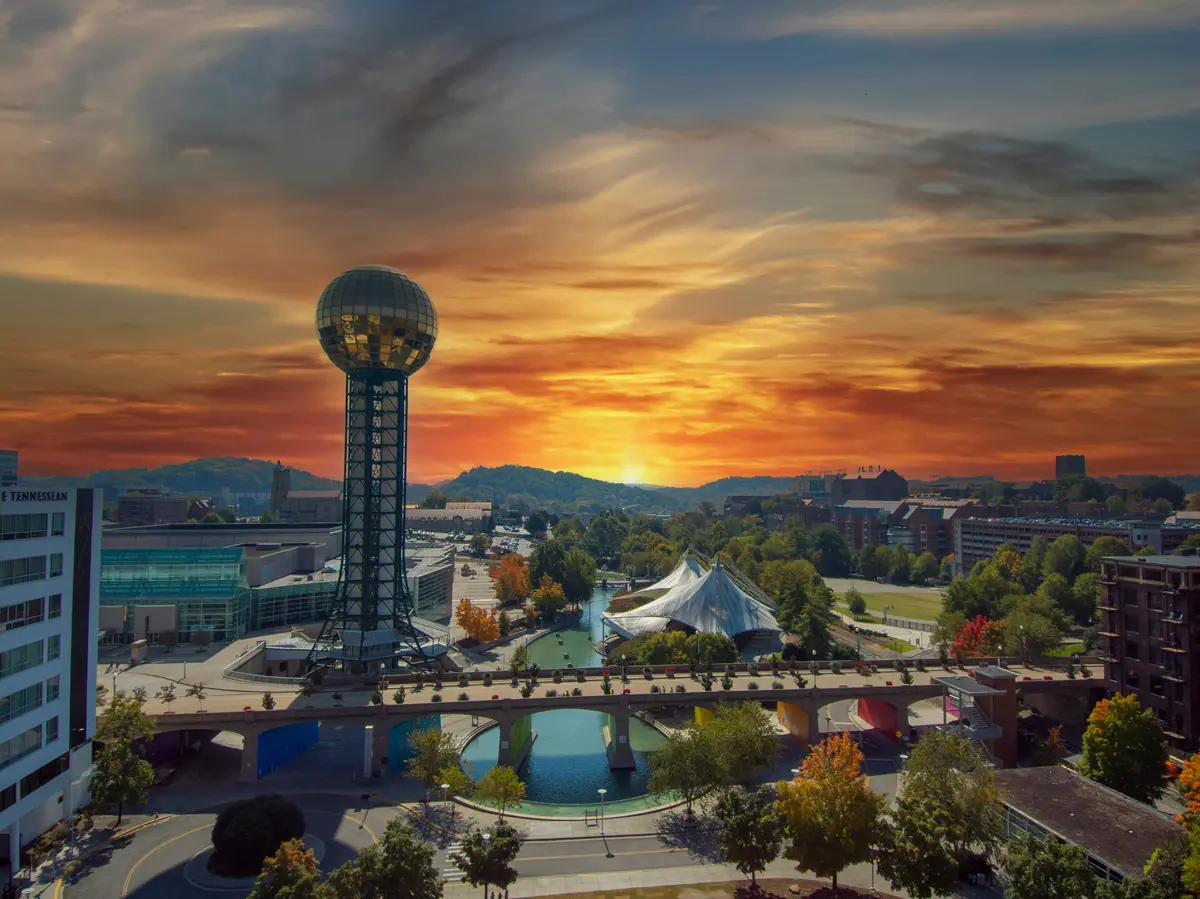
East Tennessee’s urban center, with lake towns and research-lab suburbs spread along the Tennessee River valley. 14 cities including Knoxville, Oak Ridge, Maryville.
Explore all 14 Knoxville Metro cities →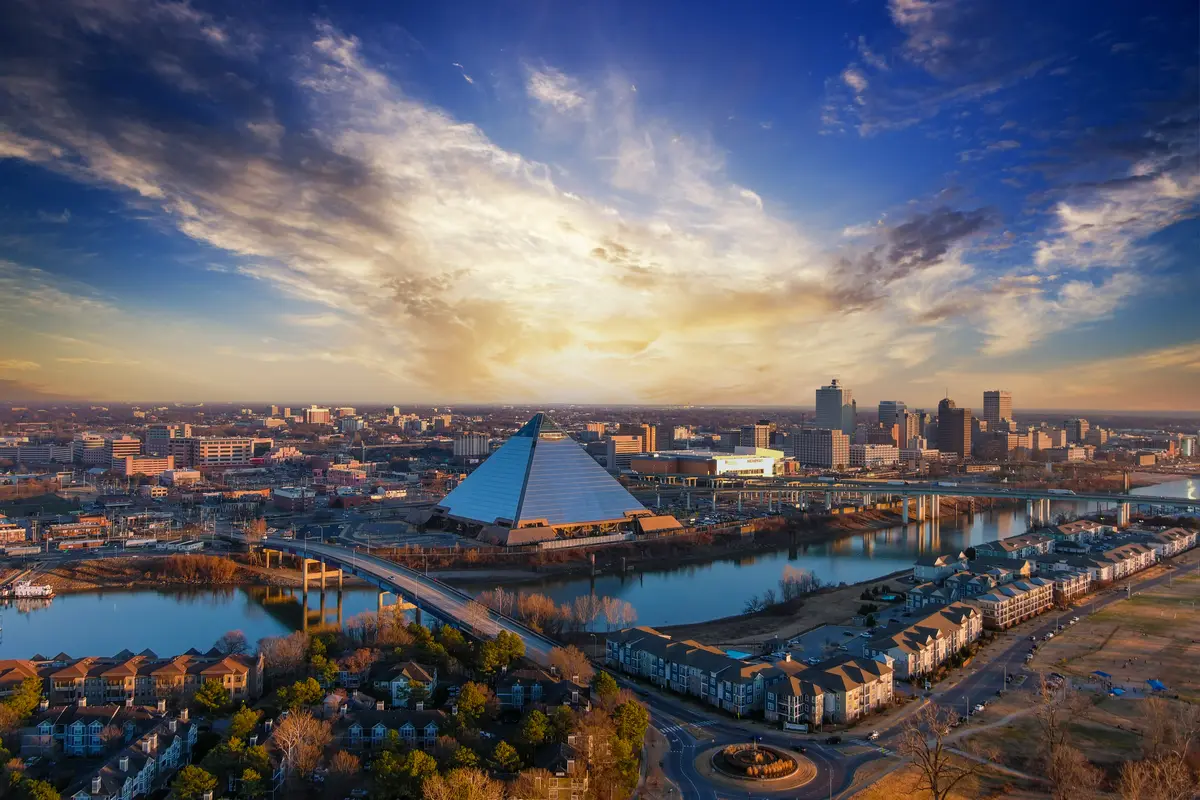
The Mississippi River city and its eastern suburbs, where the metro thins into Fayette and Tipton county farmland. 11 cities including Memphis, Bartlett, Collierville.
Explore all 11 Greater Memphis cities →
A riverfront downtown ringed by ridges and mountain towns, at the point where Tennessee meets Georgia and Alabama. 12 cities including Chattanooga, Cleveland, East Ridge.
Explore all 12 Chattanooga Area cities →
Three cities that function as one metro in the far northeast corner, surrounded by the oldest towns in the state and the high Appalachians. 8 cities including Johnson City, Kingsport, Bristol.
Explore all 8 Tri-Cities cities →
West Tennessee away from Memphis — a regional hub city, college towns, and river and lake country up against the Mississippi. 9 cities including Jackson, Dyersburg, Martin.
Explore all 9 Jackson & Northwest Tennessee cities →
County-seat towns between Nashville and the Alabama line, with walking-horse farms, lakes and a long manufacturing tradition. 7 cities including Shelbyville, Tullahoma, Manchester.
Explore all 7 Southern Middle Tennessee cities →
The plateau and highland rim between Nashville and Knoxville — waterfalls, lakes and a university town, at the lowest prices in Middle Tennessee. 6 cities including Cookeville, McMinnville, Crossville.
Explore all 6 Upper Cumberland cities →
The gateway towns to Great Smoky Mountains National Park, and the lake country just north of them. 6 cities including Morristown, Sevierville, Seymour.
Explore all 6 Smokies & Lakeway cities →Moving to Tennessee?
Tell us what you need help with and we'll connect you with local resources.
