Most people research Franklin for its schools and its real estate market. The parks system tends to catch them off guard once they actually move here. Franklin has more than 700 acres of parkland spread across the city, and the flagship properties — a 200-acre former horse farm, a riverside park that pedestrian-bridges directly into downtown, and a trail network that follows the Harpeth River — feel like amenities you'd expect in a city twice the size. For a suburban city of 90,226 people, that's a meaningful quality-of-life differentiator.
What makes Franklin's outdoor infrastructure worth understanding before you buy is how much of it overlaps with the city's Civil War history. You can run a soft-turf 5K at Harlinsdale Farm in the morning, paddle a canoe launch maintained by the city parks department in the afternoon, and walk battlefield earthworks before dinner — none of it requires leaving the city limits. That layering of recreation and history is genuinely specific to this place, and it shapes which neighborhoods families tend to prioritize. See the neighborhoods guide for how proximity to these parks plays into buyer decisions.
Franklin gets 211 sunny days a year, which means the parks are usable for most of the calendar. The summers are genuinely hot — the kind of August heat that pushes trail users toward early mornings — but spring and fall in Middle Tennessee are long and mild, and the parks fill up accordingly. The Harpeth River corridor is the physical spine of the whole system, and understanding how the trails, canoe launches, and open-space parcels connect along it gives you a much clearer picture of how outdoor life works here day to day.
Whether you're considering a move or already weighing neighborhoods, the sections below break down Franklin's signature parks, the Harpeth River water access, the trail network, and the seasonal programming that fills the calendar throughout the year.
Pinkerton Park and Fort Granger: The City's Front Yard
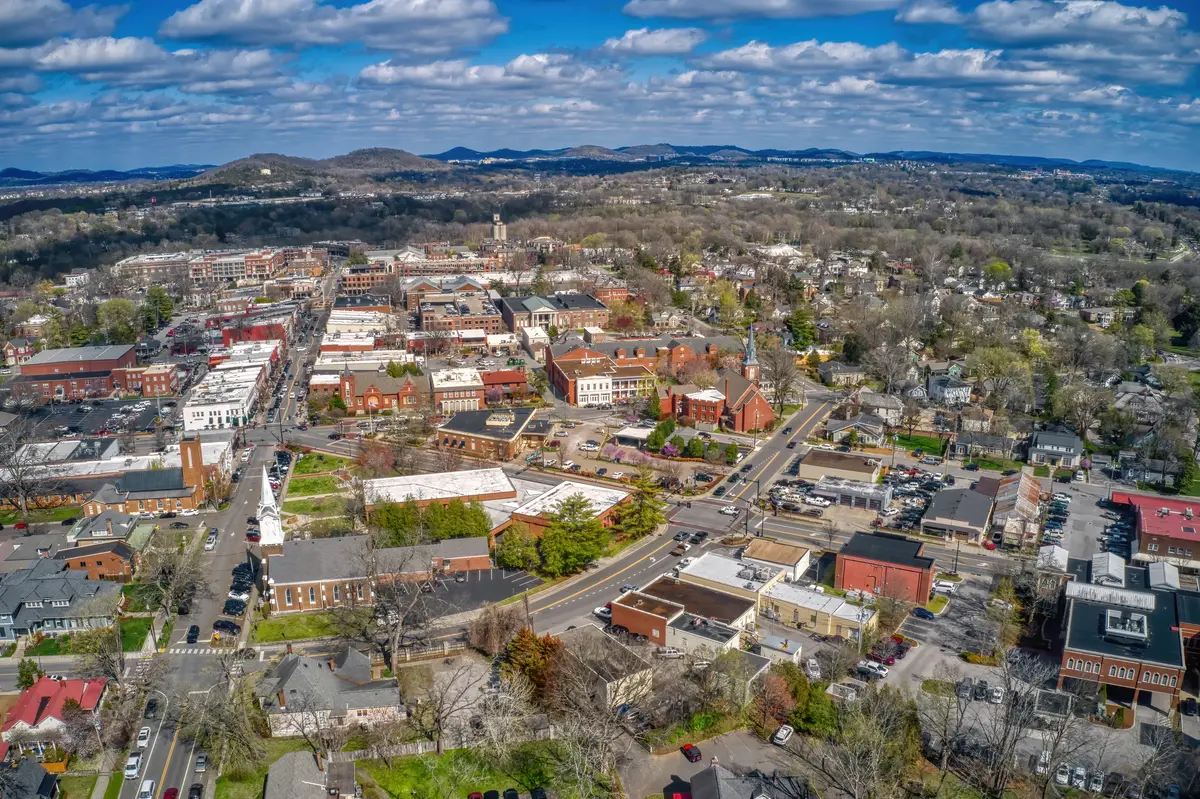
Pinkerton Park is the park Franklin residents reach for first. At 34 acres along the Harpeth River, it's the most-used park in the city's system — and the layout explains why. A one-mile lighted, paved pedestrian loop circles the grounds with exercise stations built into the route, three picnic pavilions scattered across the lawn, and a Storybook Trail with 20 rotating nature-education panels that changes annually. The enclosed Tinkerbell Playground is the draw for parents with young children who want a contained, shaded space rather than an open field.
The detail that surprises most newcomers: a pedestrian bridge at the park's edge spans the Harpeth River and connects directly into the Historic Downtown Franklin district. You can walk from the park to Main Street without touching a road. For residents of the neighborhoods between downtown and the river, that connection turns Pinkerton from a destination into a daily commute option — the kind of genuine on-foot access that most suburban parks can't claim.
Just north of Pinkerton, a trail climbs the ridge to Fort Granger. The Union fort was constructed in 1862 and placed on the National Register of Historic Places in 1973. What's still visible on the ground is striking: the original earthworks and trenches are intact, and a boardwalk along the summit gives clear views of the Harpeth River valley and the city below. There's no fee. Most people pair it with a Pinkerton loop and treat the uphill trail as the workout portion of an otherwise flat morning run.
What locals know: Pinkerton gets crowded on weekend mornings, particularly in fall. Weekday evenings after work are the sweet spot — the lighting makes the loop usable after dark, and the exercise stations are rarely occupied. If you have a dog, note that Pinkerton's main loop is leash-required; the dedicated off-leash space is across town at Harlinsdale.
| Feature | Detail |
|---|---|
| Park size | 34 acres |
| Main trail | 1-mile lighted, paved pedestrian loop |
| Picnic pavilions | Three, available for reservation |
| Playgrounds | Two, including enclosed Tinkerbell Playground |
| Storybook Trail | 20-panel rotating nature trail, changes annually |
| Fort Granger access | Trail from park; free, National Register site |
| Downtown connection | Pedestrian bridge across Harpeth River |
The Park at Harlinsdale Farm: 200 Acres of Open Space
Harlinsdale Farm is the park that defines Franklin's outdoor identity. The city purchased the land in 2007 — a former Tennessee Walking Horse farm with deep roots in the regional equestrian tradition — and built a public park around the open acreage rather than developing it. Two hundred acres of it are now yours to use, and the facility list is extensive enough that different users essentially have their own park within the park.
Runners gravitate to the 5K soft-turf running track, which offers a gentler surface than pavement and a setting that feels nothing like a standard municipal track. Dog owners use the 4-acre off-leash dog park. Anglers work the three-acre catch-and-release fishing pond, which Friends of Franklin Parks programs fishing mornings around throughout the year. Equestrians have a dedicated trail. Hikers and cyclists use the walking and hiking trails that cross the broader acreage.
The Tractor Supply Arena at Harlinsdale is a different category altogether. It functions as what's described as the premier polo facility in Tennessee, hosting professional arena polo through the Franklin Polo Academy alongside 4-H showcases, horse shows, and dressage events. If you've never watched a live polo match, the Harlinsdale events are an unexpectedly good Saturday afternoon — and they're part of the city's regular calendar, not a one-off.
Two larger events make the farm's calendar unmissable for people who move here. The Pilgrimage Music & Cultural Festival takes over the grounds each September, bringing rock, alt-country, bluegrass, jazz, indie, and gospel performers to six stages alongside local artisans and food vendors. And the annual Family Day — a free event in early November — runs miniature train rides, hayrides, pony rides, a petting zoo, and cane-pole fishing in the park pond. It's the kind of thing that sounds like it's for children but fills the grounds with parents, grandparents, and neighbors who just want to be outside together.
The honest catch: Harlinsdale is the park that's slightly less convenient depending on where you live. Residents in the Westhaven or Berry Farms areas will drive to get here. It's worth it — but it's not a walk-out-the-door situation the way Pinkerton is for downtown-adjacent neighborhoods. See the neighborhoods guide for how different parts of the city sit relative to each park.
The Harpeth River: Greenway, Paddling, and Water Access
Approximately 15 miles of the Harpeth River flow through Franklin's city limits, and the parks department has made the most of it. Multiple canoe and kayak launch points are maintained along the river — including access near Pinkerton Park and near the Ladd Park neighborhood — so paddlers can string together a river trip that stays almost entirely within the city. The fishing is good enough that the parks calendar includes organized fishing mornings. The wading is popular through the warmer months whenever the water level cooperates.
The Harpeth River Greenway runs alongside the river as a paved, multi-use trail designed for running, cycling, and strollers. It passes through shaded riverbank stretches and open park sections, and it connects multiple parks along its route. The greenway is one of the genuinely family-friendly pieces of infrastructure here — a paved surface with no road crossings in its core sections means a parent with a stroller or a kid on a bike can go farther than they'd expect. The ADA-compliant design extends through the trail network, making the system more accessible than most comparable suburban parks systems.
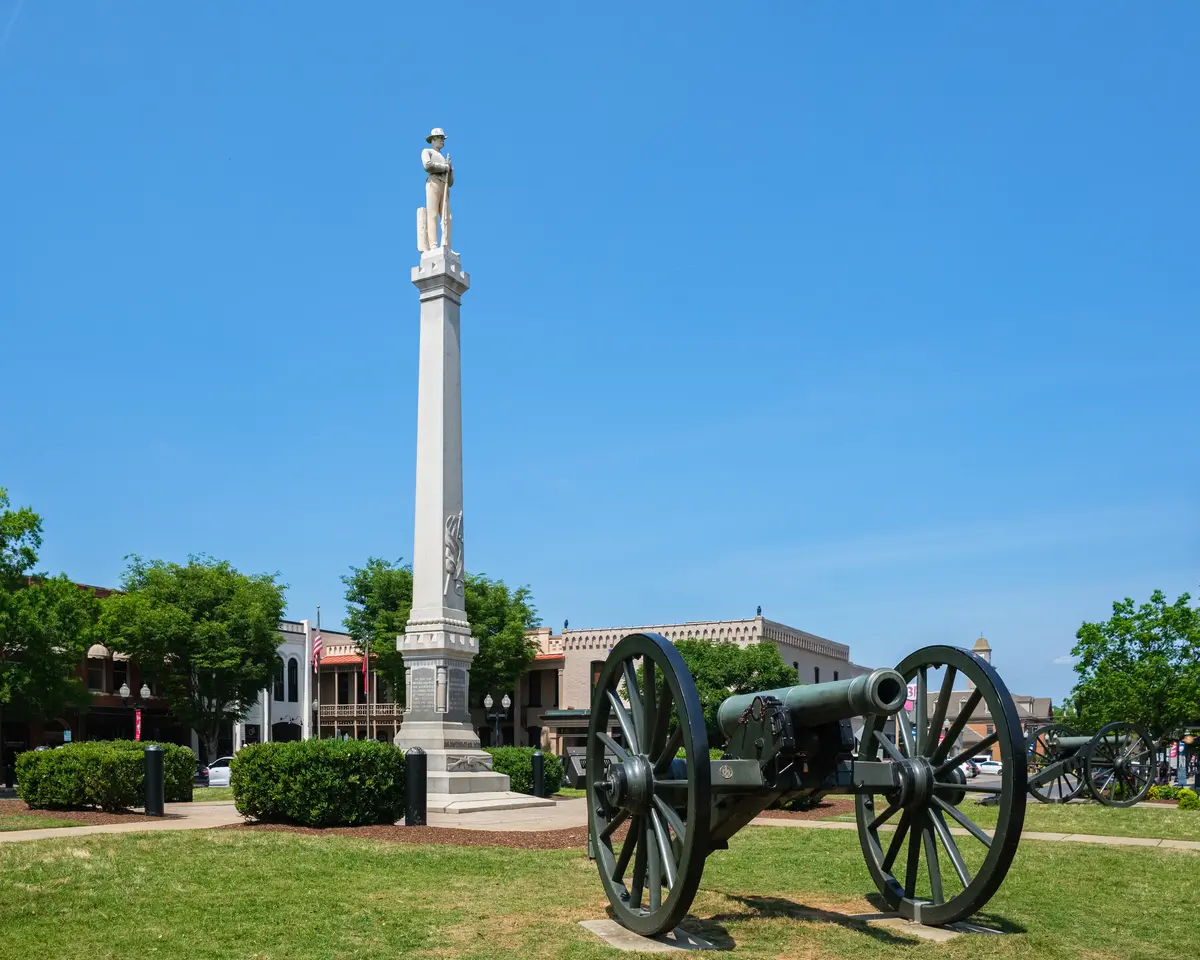
The Franklin Battlefield walking trails add a dimension that's specific to this city. They trace the actual battle lines of the November 30, 1864 Second Battle of Franklin — one of the most costly engagements of the Civil War — with on-site historical interpretation built into the walking route. It is, genuinely, a trail through a preserved battlefield. That combination of outdoor recreation and historical interpretation is the thing Franklin does that no other park system in the region replicates.
| Water / Trail Feature | What It Offers | Best For |
|---|---|---|
| Harpeth River canoe launches | Multiple city-maintained put-ins along 15 river miles | Nature Families |
| Harpeth River Greenway | Paved multi-use trail; shaded river sections, open park sections | Families Commuters |
| Franklin Battlefield trails | Historic Civil War battle lines with interpretive signage | Nature Quiet |
| Harlinsdale fishing pond | Three-acre catch-and-release pond with organized fishing events | Families |
| River fishing and wading | Throughout the Harpeth corridor; seasonal water access | Nature |
One thing worth knowing if you're moving here from a city with major urban parks: the Harpeth corridor is scenic but not manicured. The riverbanks stay naturalistic, the trail runs through tree cover rather than lawn, and there's genuine quiet once you're a few hundred meters from the trailhead. That's the appeal — it doesn't feel like a suburb's park, even when you're in one.
Looking to buy in Franklin? Estimate your payment.
Enter your numbers to see an estimated monthly mortgage payment.
Estimate only. Excludes HOA fees and mortgage insurance. The interest rate above is a starting point, not a quoted rate — replace it with your own to see real numbers. Insurance is a flat placeholder, not a Franklin quote.
Beyond the Monthly Mortgage Payment — What to Factor In
- The property tax rate above — The 0.54% used in the estimate is the median effective rate — tax actually paid as a share of market value — published by Ownwell, 2026. Half of local homes pay more and half pay less: your own bill depends on that property's assessed value and any exemptions it qualifies for, which can differ a lot from its market price. Confirm with the Williamson County assessor before you budget.
- Total cost of ownership — Your monthly mortgage payment is just the baseline. Depending on the specific city, county, and service district, homeownership costs also include local utility fees, municipal surcharges, and special assessments (such as water, sewer, storm drainage, or local energy taxes) that vary by location.
- Independent due diligence — Because these recurring local costs and municipal fees change depending on the exact property address, buyers must research them independently during their transaction process.
Tax laws, local municipal fees, and utility costs change frequently and individual situations vary. This page is general information, not tax or legal advice — always consult a qualified tax professional, CPA, or local municipal offices for personalized guidance.
Seasonal Programming, Events, and What Daily Life Actually Looks Like
Franklin's parks don't go quiet between the major events. Friends of Franklin Parks runs free programming throughout the year — summer Kids' Days at Pinkerton Park with themed outdoor activities, movie nights paired with food vendors, fishing mornings at the Harlinsdale pond, and free yoga sessions on the Harlinsdale lawn. These are well-attended and genuinely local. They're where you'll meet the neighbors you didn't know you had.
The seasonal rhythm here is worth understanding before you buy. Spring arrives in March and the parks fill up fast — the mild temperatures between March and May are when the greenway, the Harlinsdale trails, and the Pinkerton loop see their heaviest daily use. Summer shifts the pattern toward early mornings and evenings; the heat is real, and midday trail use drops noticeably in July and August. Fall is the peak. The Pilgrimage Festival in September draws crowds, Family Day in early November marks the close of the warm season, and the battlefield trails are at their most atmospheric when the leaves are down.
Youth sports and organized league programming exist within the parks system — see the schools guide for more on how youth athletics connect to the broader community here. The parks themselves support field sports on the Harlinsdale acreage, and the Pinkerton pavilions host organized group activities throughout the year.
What surprises people after six months: How much of their social life ends up organized around the parks. The free programming at Pinkerton and Harlinsdale functions as the city's informal gathering infrastructure — not just for families with young children, but for adults without them. A yoga session on the Harlinsdale lawn on a clear fall morning, with the old farm buildings in the background, is the kind of thing people describe when they explain why they didn't move back to Nashville. The parks are genuinely where Franklin residents spend time together, and that's not something you fully grasp until you've lived through a few seasons of it.
For the full picture on what daily life and living costs look like here, the cost of living guide covers how Franklin's typical home price of $925,870 (August 2026) and overall expenses compare to the broader Middle Tennessee market.
Local Expert Takeaway: Franklin's parks punch well above what you'd expect from a suburban city. The pedestrian bridge connecting Pinkerton Park directly to downtown is the most underappreciated piece of infrastructure in the city — it makes the park genuinely walkable from the Historic Downtown, not just technically accessible. Harlinsdale Farm is the bigger draw for most buyers, and it rewards regular use: the soft-turf running track, the dog park, the fishing pond, and the polo events at the Tractor Supply Arena add up to a park that supports completely different kinds of users on the same afternoon. If you're choosing between neighborhoods partly on park access, the Harpeth River canoe launches and the greenway are the variables most buyers underweight — and the ones residents end up using most once they're here.
Quick Takeaways & FAQs
✅ Franklin's parks system covers more than 700 acres, anchored by the 200-acre Harlinsdale Farm and the riverside Pinkerton Park — unusual depth for a city of this size.
⚠️ The parks are genuinely crowded on fall weekend mornings; if you value quiet trail time, weekday evenings at Pinkerton or early mornings at Harlinsdale are the move.
📍 A pedestrian bridge at Pinkerton Park connects the park directly to the Historic Downtown — one of the few places in Franklin where you can actually leave the car behind.
What is the best park in Franklin, TN for families with young children?
Can you kayak or canoe on the Harpeth River in Franklin?
What is Harlinsdale Farm used for today?
Is there a paved multi-use trail in Franklin suitable for strollers and bikes?
Are there free outdoor events and programming in Franklin's parks?
Moving to Tennessee?
Tell us what you need help with and we'll connect you with local resources.
