
Maybe you've been renting in Nashville and watching your rent climb past $2,000 a month. Maybe someone at work mentioned Franklin and you looked it up, saw the school ratings and the neighborhoods, and thought it sounded right. What nobody mentions upfront is the entry price: the typical home in Franklin sits at $925,870 (Zillow Home Value Index, August 2026), and the median household income here — a solid $115,000 — is still well below what it takes to buy at that level. This is not a market where the numbers work easily for first-timers. Understanding that tension before you start touring saves a lot of frustration.
Franklin is the 7th-largest incorporated city in Tennessee, anchored by major corporate employers — Nissan North America, Mars Petcare, Community Health Systems, and Jackson National Life Insurance all call it home — and the Franklin Special School District holds an A rating, according to Niche. That combination of high-paying jobs and top-tier schools is exactly what drives prices upward. A 2025 Housing Needs Assessment commissioned by the Williamson County Association of Realtors projects a shortage of more than 10,000 housing units here by 2030, with 6,200 of those needed for-sale homes. Demand is structural, not speculative, which is why even modest entry-level homes here rarely sit idle.
The lifestyle pull is real: the Historic Downtown Franklin corridor, Pinkerton Park along the Harpeth River, the Park at Harlinsdale Farm, and the Harpeth River Greenway make this feel like a place people actively chose rather than settled for. For cost context, Spring Hill and Nolensville both come in noticeably lower than Franklin's typical price, and Thompson's Station even more so — though all of those mean a longer commute toward Nashville. Brentwood runs noticeably higher. If the Franklin median is out of reach today, the neighboring markets are worth modeling as part of your search. See the full breakdown on the cost-of-living page.
Whether you're six months out from buying or writing your first offer this season, this guide covers what your budget actually buys in Franklin, how the local process works step by step, what closing costs look like at several realistic price points, and the specific mistakes that trip up first-timers in this market.
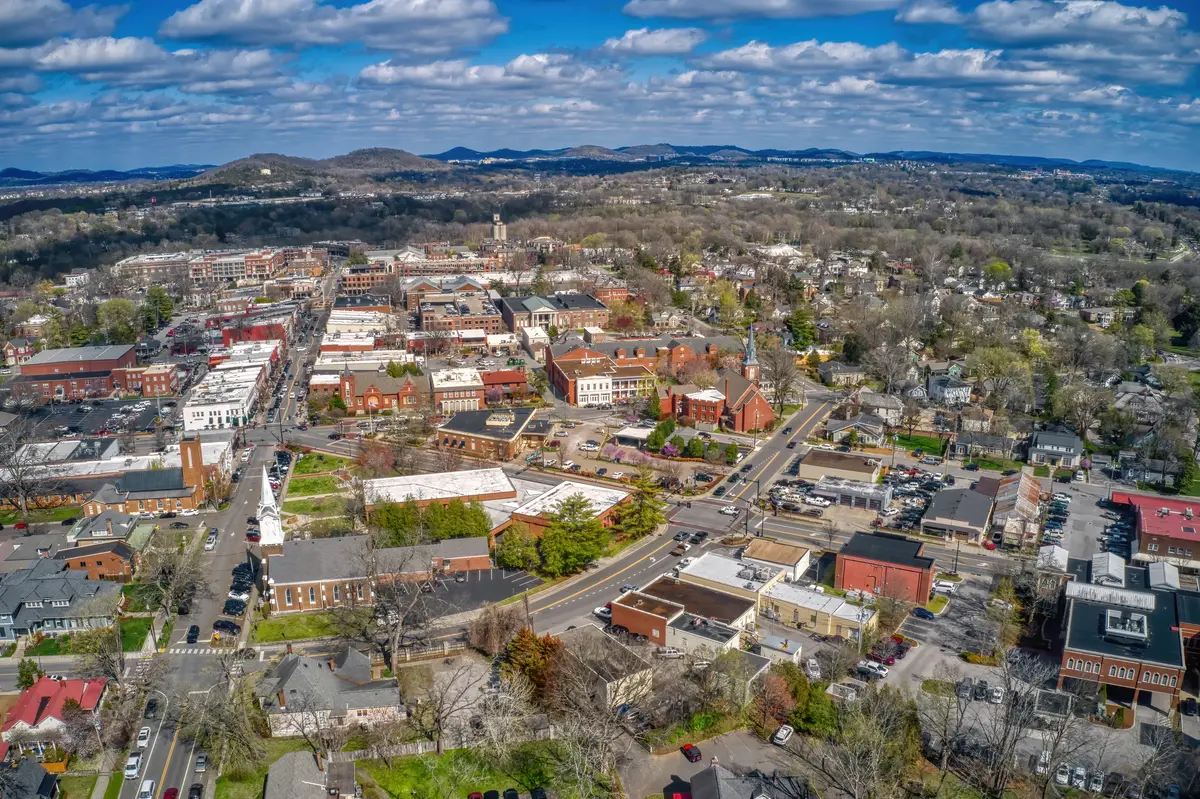
The Franklin First-Time Buyer Reality
The typical home in Franklin costs $925,870 (Zillow Home Value Index, August 2026). That figure puts this squarely in premium Tennessee territory — and it reflects the real mix of the market, not just the high end. Entry-level options exist, but they require some geographic flexibility and a clear-eyed sense of what you're trading off.
True entry-level inventory — older townhomes, attached units, and smaller single-family homes in established subdivisions — tends to start in the upper $400,000s to mid-$500,000s. Those price points do exist, but they're competitive and they move. New construction near the I-65 corridor has added supply, with the city's 2025 Development Report recording 3,225 new dwelling units approved that year and 13,203 more approved but yet to be built. That pipeline matters for first-timers: new builds sometimes offer builder incentives and financing programs that resale homes don't, and the process is more predictable.
What makes this market particularly demanding for first-time buyers isn't just the price level — it's the demand structure beneath it. Roughly 86–87% of people who work in Franklin commute in from outside Williamson County, which means there is constant housing pressure from a workforce that wants to shorten that commute. Households here grew 46.6% between 2010 and 2025, far outpacing Tennessee's statewide growth. If you're considering whether prices might soften enough to wait, that structural undersupply is the honest counterargument. For neighborhood-level context and what different areas actually feel like, the best-neighborhoods page breaks it down.
The Homebuying Process in Franklin, Step by Step
Step 1: Get a Real Pre-Approval (Not a Pre-Qualification)
This is the step first-timers most often shortcut, and in Franklin it is the step that most often costs them a home. Franklin sellers expect a full lender pre-approval letter submitted with any offer — not a pre-qualification, which is a softer estimate based on self-reported information. Pre-approval means your lender has verified income, credit, assets, and employment. Without it, your offer doesn't land the same way.
One practical edge worth knowing: local Middle Tennessee lenders have working relationships with the appraisers, inspectors, and title companies who operate in Williamson County. That familiarity translates to smoother coordination and faster closings — a real advantage when sellers are weighing multiple offers and deal execution matters. A large national bank may offer a competitive rate but slower turnaround when it counts.
Step 2: Hire a Buyer's Agent and Start Shopping
Franklin's market rewards buyers who know their target neighborhoods before touring starts. Westhaven, McKay's Mill, Fieldstone Farms, Cool Springs, and Berry Farms all have distinct characters and HOA structures — going in without that context wastes your limited touring windows. A buyer's agent familiar with Williamson County boundaries also matters for schools: the Franklin Special School District serves the city, but boundary lines don't always follow neighborhood lines exactly, and a home a few streets over can land in a different assignment zone.
Step 3: Make the Offer
In more competitive situations — well-priced homes in high-demand neighborhoods, early spring — buyers here sometimes strengthen their position with a larger earnest money deposit and a shorter due-diligence window. Standard inspection and appraisal contingencies remain common in today's more balanced market, and first-time buyers should protect them. Waiving the inspection contingency to compete is a risk that rarely pays off on older Franklin resale homes, where HVAC systems, roofs, and plumbing all need scrutiny.
Step 4: Inspection, Appraisal, and Final Walk-Through
Tennessee practice calls for a general home inspection covering structure, roof, plumbing, electrical, and HVAC — but also a separate termite and wood-destroying organism inspection, and radon testing. Radon is less discussed here than in northern markets but is not uncommon in Middle Tennessee; it's worth doing. Budget for all three as separate line items, not one combined service.
The appraisal is ordered by your lender and must come in at or above the purchase price for your financing to close at the agreed terms. In a market where prices run high, appraisal gaps do occur. Know your contract's appraisal contingency language before you sign.
Step 5: Closing
Tennessee closes at a title company or attorney's office. Closing typically takes 30–45 days from a ratified contract for a financed purchase. Williamson County completed a full countywide property reappraisal in 2025; buyers purchasing in 2026 are entering at the start of a fresh four-year assessment cycle, with the next scheduled for 2029. Tennessee's effective property tax rate on homes in Franklin is approximately 0.54% — low by most national comparisons. The state uses a 25% residential assessment ratio, meaning your taxable assessed value is 25% of the appraised market value before millage rates apply. The interactive calculator below this section estimates your monthly payment at current rates.
Franklin also sees its strongest buyer activity in spring and early summer. If your timeline allows flexibility, shopping in late fall or winter typically gives more room to negotiate on price and terms — a real variable in offer strategy at these price levels.
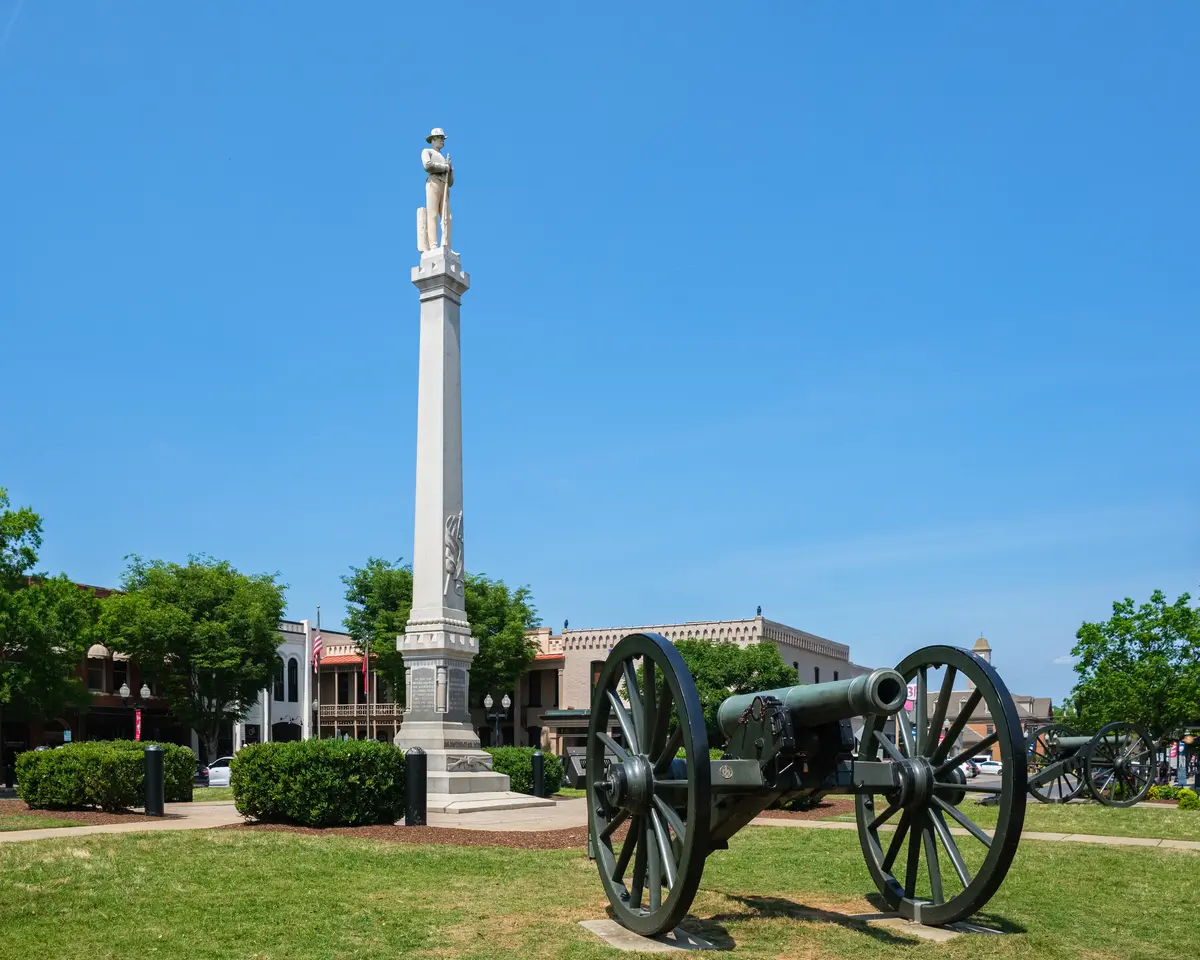
How Much Home Can You Afford in Franklin
The table below shows estimated cash needed at closing across several realistic Franklin scenarios. Closing costs are estimated at approximately 2–3% of the purchase price for buyers (covering lender fees, title, recording, escrow, and prepaid items) — these are estimates and vary by lender and transaction. Earnest money paid upfront is typically credited toward your total cash due. The interactive mortgage calculator below this section shows estimated monthly payments at current rates; these scenarios cover only what you need to bring to the table.
| Scenario | Purchase Price | Loan Type | Down Payment | Est. Closing Costs | Est. Cash Needed at Table |
|---|---|---|---|---|---|
| Entry-level townhome or condo | ~$480,000 | Conventional 3% | ~$14,400 | ~$9,600–$14,400 | ~$24,000–$28,800 |
| Entry-level townhome or condo | ~$480,000 | FHA 3.5% | ~$16,800 | ~$9,600–$14,400 | ~$26,400–$31,200 |
| Smaller single-family resale | ~$600,000 | Conventional 3% | ~$18,000 | ~$12,000–$18,000 | ~$30,000–$36,000 |
| Smaller single-family resale | ~$600,000 | FHA 3.5% | ~$21,000 | ~$12,000–$18,000 | ~$33,000–$39,000 |
| Mid-market single-family | ~$750,000 | Conventional 5% | ~$37,500 | ~$15,000–$22,500 | ~$52,500–$60,000 |
| Near city-wide typical price | ~$925,000 | Conventional 10% | ~$92,500 | ~$18,500–$27,750 | ~$111,000–$120,250 |
All figures are estimates for illustration purposes only. Actual closing costs, loan terms, and cash requirements vary by lender, loan program, and transaction specifics. Consult a licensed lender for figures specific to your situation.
FHA loans require mortgage insurance premiums for the life of the loan (in most cases) and have property condition standards that can complicate offers on fixer-uppers. Conventional loans at lower down payments carry private mortgage insurance until you reach 20% equity, but they drop off automatically once that threshold is reached. Both are common in Franklin; your lender can model the monthly difference using the calculator below.
One often-overlooked cash item: Tennessee property tax exemptions — including homestead and other county-level programs — can reduce your assessed value once you're an owner-occupant. Ask your lender or closing attorney about the enrollment process, since it does not happen automatically at closing.
Looking to buy in Franklin? Estimate your payment.
Enter your numbers to see an estimated monthly mortgage payment.
Estimate only. Excludes HOA fees and mortgage insurance. The interest rate above is a starting point, not a quoted rate — replace it with your own to see real numbers. Insurance is a flat placeholder, not a Franklin quote.
Beyond the Monthly Mortgage Payment — What to Factor In
- The property tax rate above — The 0.54% used in the estimate is the median effective rate — tax actually paid as a share of market value — published by Ownwell, 2026. Half of local homes pay more and half pay less: your own bill depends on that property's assessed value and any exemptions it qualifies for, which can differ a lot from its market price. Confirm with the Williamson County assessor before you budget.
- Total cost of ownership — Your monthly mortgage payment is just the baseline. Depending on the specific city, county, and service district, homeownership costs also include local utility fees, municipal surcharges, and special assessments (such as water, sewer, storm drainage, or local energy taxes) that vary by location.
- Independent due diligence — Because these recurring local costs and municipal fees change depending on the exact property address, buyers must research them independently during their transaction process.
Tax laws, local municipal fees, and utility costs change frequently and individual situations vary. This page is general information, not tax or legal advice — always consult a qualified tax professional, CPA, or local municipal offices for personalized guidance.
Common First-Time Buyer Mistakes in Franklin
Touring Before You Have a Real Pre-Approval
It is tempting to start with Zillow and a Saturday of open houses. In Franklin, that sequence costs buyers real opportunities. Well-priced homes at entry-level price points attract quick attention. If you fall in love with something and your pre-approval isn't already in hand, you are not a competitive buyer — regardless of your financial position. Get the letter first. Then tour.
Underestimating the Cash You Need at Closing
First-time buyers often budget for the down payment and forget that closing costs run an additional 2–3% of the purchase price. On a $600,000 purchase, that's $12,000–$18,000 on top of your down payment. Add to that: an earnest money deposit (typically 1–2% of the purchase price, paid upfront and credited at closing), inspection fees across multiple inspectors — general, termite, and radon are all recommended locally — and prepaid homeowners insurance and property tax escrow. The total cash picture is meaningfully larger than the down payment alone.
Ignoring School Boundary Reality
The Franklin Special School District holds an A rating, according to Niche, and 3,027 students enrolled in 2024-25. But school boundaries don't perfectly follow neighborhood or ZIP code lines in Williamson County. Two homes on the same block can fall in different school attendance zones. If a specific school is part of your decision, verify the boundary assignment for every home you're seriously considering — not just the general neighborhood. The schools page has more on how the district is structured.
Waiving Contingencies You Can't Afford to Lose
In a competitive offer situation, first-time buyers sometimes feel pressure to waive the inspection or appraisal contingency to look more attractive. In Franklin's current more balanced market, standard contingencies remain common and sellers generally expect them. Waiving an inspection contingency on a resale home with a 15-year-old HVAC system or an aging roof is a risk that almost never makes financial sense for a first-time buyer who doesn't have a reserve fund to cover a major repair. Strengthen your offer with a larger earnest money deposit or a flexible closing timeline before you consider giving up a contingency that protects you.
Overlooking Seasonality in Your Offer Strategy
Franklin's busiest buying season runs from spring through early summer. Inventory is higher but so is competition, and sellers are less likely to negotiate on price or terms when multiple buyers are interested. If your timeline is flexible, shopping in late fall or winter tends to produce more negotiating room — on price, on repairs, and on closing costs. For a first-time buyer where every dollar of cash at closing matters, that seasonal timing can be a meaningful lever.
Local Expert Takeaway: Franklin is not an easy first-time buyer market — the typical home price is high relative to local incomes, and the structural housing shortage isn't going away. But the market has more texture than the headline number suggests: entry points exist in the upper $400,000s, new construction near I-65 is adding supply, and the late-fall and winter months consistently offer more negotiating room than spring. The buyers who succeed here come in pre-approved by a local lender, know their target neighborhoods before they start touring, and have budgeted honestly for the full cash-at-closing number — not just the down payment. Get those three things right and you're a real buyer in this market. Skip any of them and you're a spectator.
Quick Takeaways & FAQs
✅ Franklin's low effective property tax rate of approximately 0.54% — among the lowest in Tennessee — meaningfully reduces the long-term cost of ownership relative to similarly priced markets in other states.
⚠️ The typical home price of $925,870 (August 2026) exceeds what the median household income here can comfortably support, so honest budgeting before you start touring is essential — not optional.
📍 Franklin completed a full countywide property reappraisal in 2025; buyers in 2026 are starting a fresh four-year assessment cycle, which means your assessed value is set at today's market level and won't be formally revisited until 2029.
What credit score do I need to buy a home in Franklin, TN?
How much does it cost to close on a home in Franklin, Tennessee?
Is it better to buy a resale home or new construction in Franklin?
What is the property tax situation for homeowners in Franklin, TN?
How competitive is the Franklin housing market for first-time buyers right now?
Moving to Tennessee?
Tell us what you need help with and we'll connect you with local resources.
