
People moving to Franklin from larger metros often say the same thing after a few months: they stop locking their car in the driveway. That's not a guarantee of anything — it's an observation about how rare the feeling is, and how quickly it becomes the baseline here. Franklin carries a violent crime rate of 1 per 1,000 residents, a figure that puts it far below what most transplants left behind and well below both state and national averages. For a city of 90,226 people sitting just south of a major metro, that number is genuinely unusual.
Franklin is the 7th-largest incorporated city in Tennessee, and size usually comes with a corresponding crime load. Not here. Williamson County has cultivated a reputation as one of the state's consistently safest corners — multiple independent analyses of violent crime, property crime, auto fatalities, and disaster risk place the county's cities at the low end of the Tennessee spectrum. The county's consistency across multiple independent frameworks is not coincidence.
The picture isn't uniformly flat across every part of town. Like any city with a thriving tourist corridor — and the Historic Downtown Franklin District draws serious foot traffic — crime concentrates where the crowds go. Understanding where that is, and what kind of crime it represents, matters far more than the citywide rate alone. A property crime rate of 10 per 1,000 residents is low by national standards, but it isn't zero, and it isn't distributed evenly across Franklin's neighborhoods.
This guide breaks down Franklin's crime data against state and national benchmarks, maps the geographic patterns residents actually experience, examines what the Franklin Police Department's accreditation and programs mean in practice, and gives you an honest look at the concerns locals actually raise — which might surprise you.
Franklin's Crime Rates vs. State and National Averages
The numbers here tell a story that's hard to spin: Franklin carries a violent crime rate of 1 per 1,000 residents, set against a state violent crime rate of 6 per 1,000 and a national violent crime rate of 3.7 per 1,000. Franklin isn't just below average — it's a fraction of what Tennessee posts as a whole.
Property crime follows the same pattern. Franklin has a property crime rate of 10 per 1,000 residents, which compares favorably against the state rate of 20.8 per 1,000 and the national rate of 18.4 per 1,000. The gaps are substantial and consistent across every category.
The most recent data publicly available reflects the 2024 calendar year, released by the FBI in fall 2025. These aren't projections or estimates — they're the most current reported figures for any U.S. city.
What Property Crime Looks Like Here
Property crime is the dominant category in Franklin, which is true of most low-violence cities. Theft and related incidents make up the overwhelming share of reported cases. Violent crime, by contrast, is comparatively rare enough that residents who have lived here for years say they rarely think about it as a daily concern.
Nextdoor resident conversations bear that out. When Franklin locals post in safety forums, the recurring topics are package theft, phone scams, weather events, wildlife in yards, and road construction delays — not violent crime. That's a meaningful signal about what actually shapes daily life here.
Where Crime Concentrates: The Geographic Reality
A citywide rate tells you about the average. It doesn't tell you about your block. In Franklin, the distribution matters significantly — and it skews in a predictable direction.
The central and downtown commercial corridor reports the highest total incident counts in the city. The southwest areas of Franklin report the fewest. That's a meaningful gap in raw incident counts between the busiest and quietest zones.
The Downtown Context
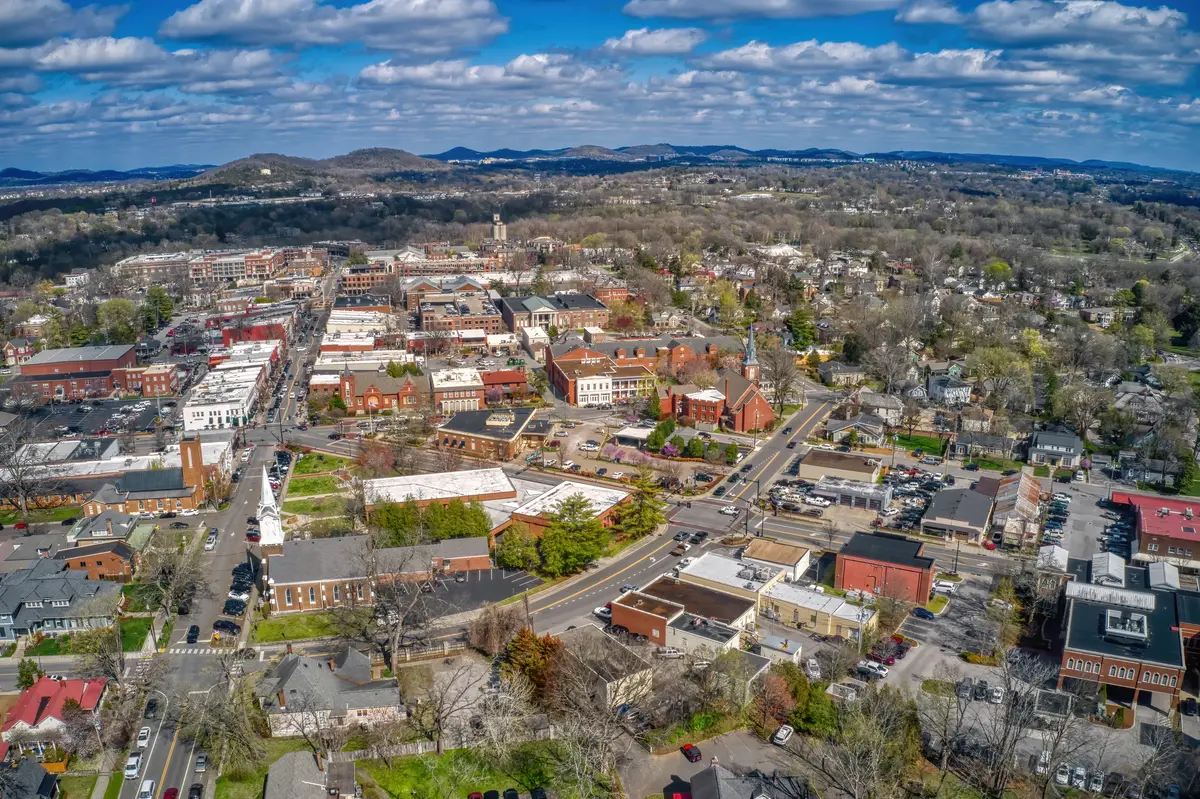
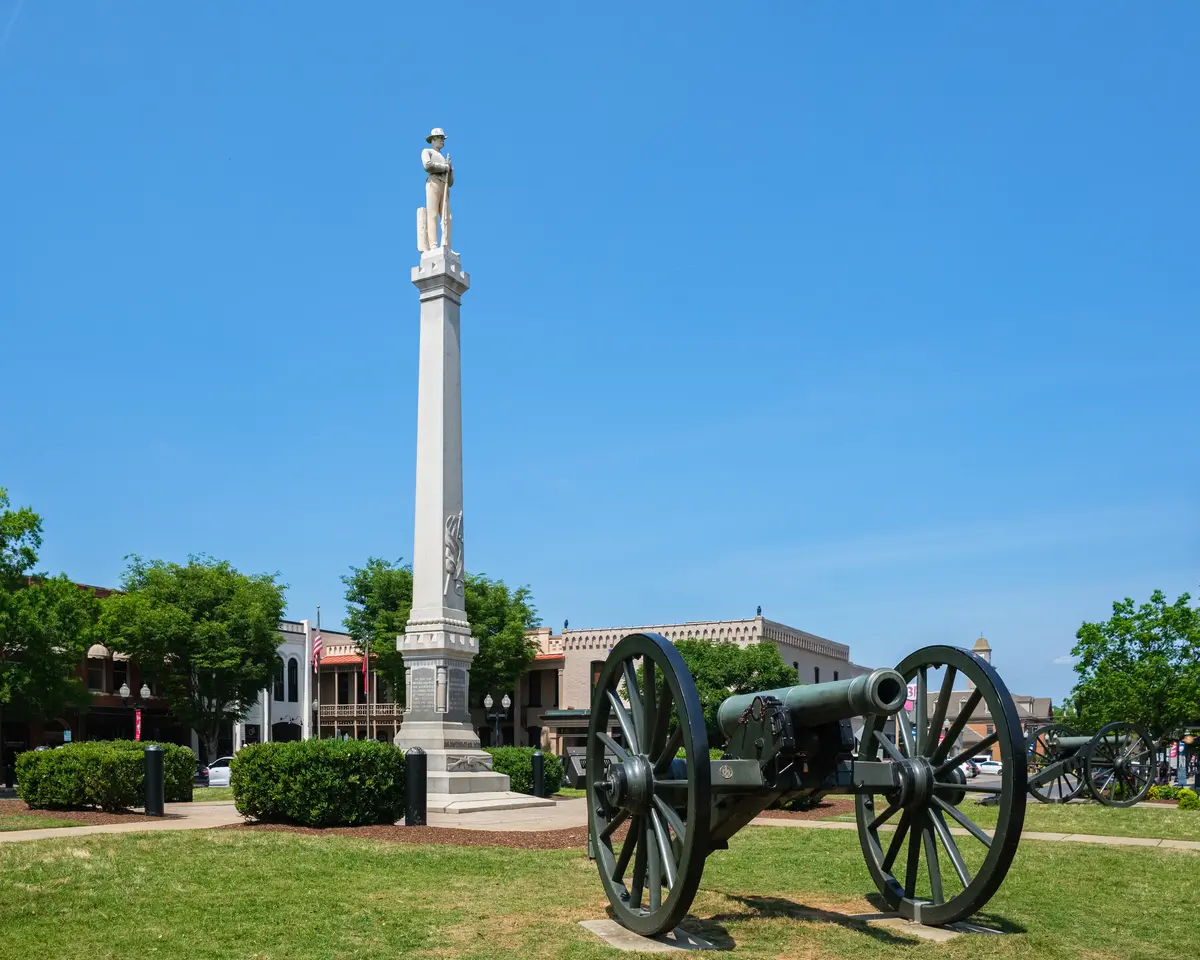
Before that downtown figure causes alarm, context is essential. The Historic Downtown Franklin District is one of the most visited corridors in the region — a genuine tourist draw anchored by the Franklin Theatre, The Factory at Franklin, and the Civil War landmarks at Carnton and The Carter House. More visitors means more reported incidents simply because more people are present. Resident risk in the downtown area is not the same as incident count.
If you're considering a home near downtown, the relevant question isn't whether incidents happen there — they do, at higher rates than the suburbs — but what kind of incidents, and who they're happening to. The honest answer is that most involve property and opportunistic theft in high-foot-traffic areas, not the kind of violence that affects residents in their homes.
The South Side Advantage
Residents consistently identify the southern portions of Franklin as the city's safest zone. The statistical backing for that perception is real: the south side posts measurably lower violent crime exposure than western neighborhoods — a meaningful difference that's worth researching before you decide on an area. The best neighborhoods guide maps out which parts of the city fit different priorities.
Established residential neighborhoods like Westhaven, Fieldstone Farms, and Ladd Park sit in zones with some of the city's lowest per-capita exposure. Berry Farms, further south, is among the newer additions to this quieter end of the city. The pattern holds: distance from the commercial core generally correlates with lower incident counts.
The Franklin Police Department: Accreditation and What It Means
The Franklin Police Department holds CALEA accreditation — from the Commission on Accreditation for Law Enforcement Agencies — which it has maintained through multiple reaccreditation cycles. CALEA is widely considered the professional gold standard for law enforcement agencies. It requires departments to meet over 400 standards covering everything from use of force policies to records management to officer training protocols.
Most agencies never pursue it. The ones that do, and maintain it across multiple cycles, are signaling something real about organizational discipline and accountability. For a city evaluating where to raise a family, that institutional foundation matters as much as raw crime statistics.
Community Programs Worth Knowing
The Franklin Police Department runs a Citizen Police Academy, offered twice a year, where residents can learn how the department operates from the inside. Coffee With a Cop events create informal contact between officers and neighbors. National Night Out brings the department into neighborhoods annually. The department also offers Crime Prevention Through Environmental Design (CPTED) inspections — essentially a professional assessment of how a property's layout, lighting, and landscaping either deter or invite criminal activity.
These programs aren't window dressing. CPTED in particular is a resource that most homeowners never know exists until someone tells them to ask for it. If you're evaluating a property's security setup, the department will come look at it with you.
Fiscal Stability Behind the Badge
Franklin carries the lowest property tax rate of any Tennessee city with a population over 50,000. That fiscal position means the city isn't making the kind of budget compromises that hollow out public safety in many growing cities. The Franklin Police Department was able to request a new victim support counselor position in its 2025 budget presentation — a role focused on crisis intervention and referral assistance — which is the kind of investment a financially stretched department doesn't make.
Looking to buy in Franklin? Estimate your payment.
Enter your numbers to see an estimated monthly mortgage payment.
Estimate only. Excludes HOA fees and mortgage insurance. The interest rate above is a starting point, not a quoted rate — replace it with your own to see real numbers. Insurance is a flat placeholder, not a Franklin quote.
Beyond the Monthly Mortgage Payment — What to Factor In
- The property tax rate above — The 0.54% used in the estimate is the median effective rate — tax actually paid as a share of market value — published by Ownwell, 2026. Half of local homes pay more and half pay less: your own bill depends on that property's assessed value and any exemptions it qualifies for, which can differ a lot from its market price. Confirm with the Williamson County assessor before you budget.
- Total cost of ownership — Your monthly mortgage payment is just the baseline. Depending on the specific city, county, and service district, homeownership costs also include local utility fees, municipal surcharges, and special assessments (such as water, sewer, storm drainage, or local energy taxes) that vary by location.
- Independent due diligence — Because these recurring local costs and municipal fees change depending on the exact property address, buyers must research them independently during their transaction process.
Tax laws, local municipal fees, and utility costs change frequently and individual situations vary. This page is general information, not tax or legal advice — always consult a qualified tax professional, CPA, or local municipal offices for personalized guidance.
What Locals Actually Worry About
Six months after moving to Franklin, most residents from larger cities go through a recalibration. The crime concerns they carried with them — that low-grade situational awareness that becomes habit in dense urban areas — quietly diminishes. What replaces it is a different set of concerns, and they're worth naming honestly.
The Real Friction Points
Package theft and porch piracy are the most commonly discussed property crime concerns in Franklin's residential neighborhoods. A city with high household incomes and a strong online shopping culture is a target for exactly this type of opportunistic crime. It's not unique to Franklin, but it's the thing residents notice and talk about — not violent crime.
Phone and email scams are the other dominant theme in local safety discussions. Williamson County residents skew older on average and tend to have higher investable assets, which makes them a target demographic for financial fraud. The Franklin Police Department's community programs explicitly address this, but awareness is the first line of defense.
What Doesn't Keep Locals Up
The candid version: violent crime is not a daily preoccupation for most Franklin residents. A city carrying a violent crime rate of 1 per 1,000 residents with a population of 90,226 translates to incidents that most people never encounter directly. That said, no city is crime-free, and the western portions of Franklin carry a measurably higher risk profile than the south — something worth factoring in if you're choosing between neighborhoods on opposite ends of the city. See the neighborhood breakdown for specifics on how each area is characterized.
Weather is the safety concern locals take most seriously that newcomers underestimate. Middle Tennessee sits in a tornado corridor, and severe weather events are a genuine annual hazard. Franklin's emergency management infrastructure is solid, but new residents who've never experienced a Williamson County spring storm season should take local weather alerting seriously from day one.
Putting Franklin's Safety in Full Context
Franklin's safety profile is one of its genuine competitive advantages as a city — not a marketing claim dressed up in statistics, but a measurable, multi-source reality that holds up under scrutiny. A violent crime rate well below the state average of 6 per 1,000 is not a marginal difference. It's a fundamentally different lived experience.
A property crime rate of 10 per 1,000 residents is the number to watch more closely. It's low, but it's the category where Franklin residents do encounter real incidents — concentrated near commercial and tourist corridors, and most likely to involve theft of property rather than confrontation. That's the honest picture.
Franklin vs. Neighboring Cities
The entire Williamson County cluster performs well on safety measures. Brentwood, Spring Hill, and Nolensville all carry the county's low-crime reputation. If you're weighing Franklin against nearby cities — particularly those with noticeably different home prices — safety isn't the differentiating factor among this peer group. All of them share the county's profile.
Where Franklin distinguishes itself within this group is institutional depth: CALEA accreditation, a community engagement program that goes well beyond standard policing, and the fiscal stability to fund it. Those aren't statistical metrics — they're the organizational foundations that sustain low crime rates over time rather than just reporting them.
The Honest Caveat
Franklin is a city that has grown rapidly, and rapid growth creates friction points that crime data lags to capture. Road construction, traffic density, and the strains that come with absorbing new residents quickly are real. The safety picture that exists today reflects a community that has managed that growth carefully so far. Whether that continues depends on planning decisions that are ongoing — not something the current data can answer.
For families weighing the move, the data-backed conclusion is straightforward: Franklin is among the safer options in its size class, in its state, and nationally. The southern and established suburban neighborhoods offer the quietest profile within the city. Downtown and the western corridors carry more activity. Knowing which part of the city fits your household is the research worth doing before you decide on a neighborhood.
Local Expert Takeaway: Franklin carries a violent crime rate of 1 per 1,000 residents — a fraction of the Tennessee state average and well below the national figure, per FBI 2024 data. The practical caveat is geographic: the Historic Downtown Franklin corridor and western neighborhoods carry more incident activity than the south side and established residential areas like Westhaven, Fieldstone Farms, and Ladd Park. For most residents, day-to-day safety concerns run toward package theft and phone scams rather than violent crime. The Franklin Police Department's CALEA accreditation and active community programs — including CPTED property inspections residents can request directly — are the institutional backstop behind those numbers. If you're narrowing down neighborhoods, the south and southwest quadrants of the city post the city's lowest violent crime exposure by a meaningful margin.
Quick Takeaways & FAQs
✅ Franklin carries a violent crime rate of 1 per 1,000 residents — dramatically below both the Tennessee state average of 6 per 1,000 and the national average of 3.7 per 1,000, making it one of the safer mid-size cities in the country by FBI-reported figures.
⚠️ Property crime is the real watch item: Franklin has a property crime rate of 10 per 1,000 residents — low by national standards, but concentrated near downtown and tourist corridors; residents elsewhere rarely encounter it directly.
📍 The Franklin Police Department offers free Crime Prevention Through Environmental Design (CPTED) inspections for properties — a resource most incoming residents don't know to ask for, and worth requesting before settling on a home.
Is Franklin, TN a safe place to live?
Which parts of Franklin, TN have the lowest crime?
Why does downtown Franklin show higher crime numbers?
How does the Franklin Police Department compare to other city departments?
What do Franklin residents actually worry about safety-wise?
Moving to Tennessee?
Tell us what you need help with and we'll connect you with local resources.
