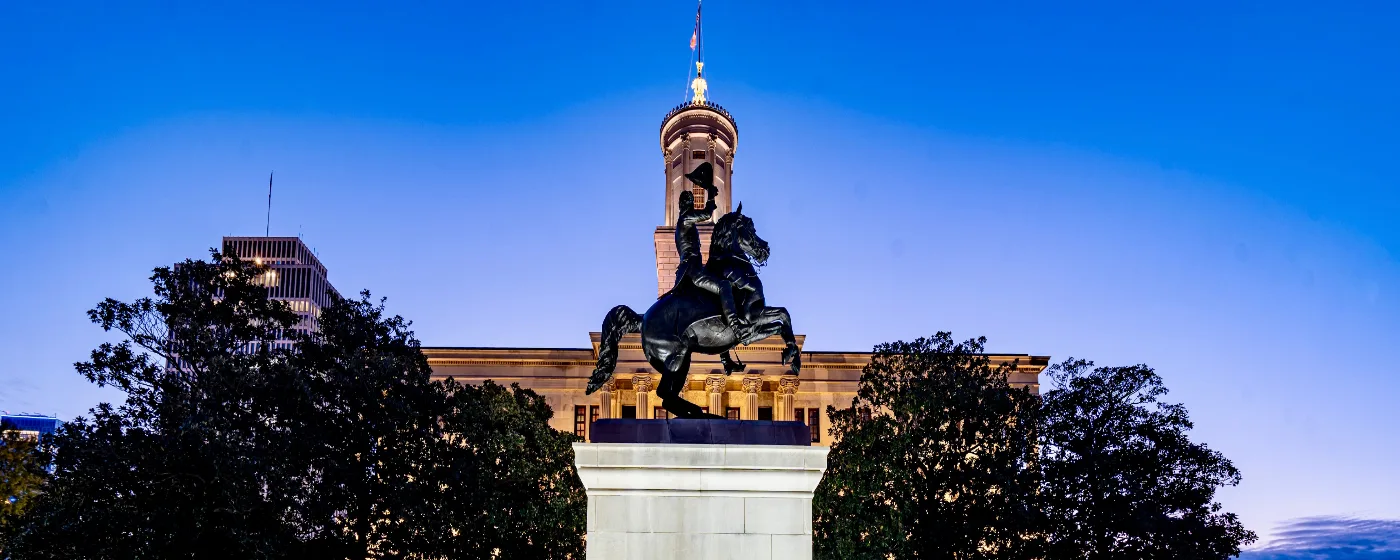
If you're choosing between staying in California and landing in Smyrna, the decision usually comes down to one thing: what does your dollar actually buy? Smyrna sits about 30 minutes southeast of Nashville along I-24, a mid-size city of 63,321 that has quietly become one of the most searched relocation destinations for Californians. The draw is straightforward: a functioning downtown, a real job base, Rutherford County schools that hold an A- rating from Niche, and home prices that are a fraction of what California demands.
Smyrna's economy anchors on manufacturing and logistics in a way that surprises people expecting a bedroom suburb. The Nissan North America assembly plant — one of the largest automotive manufacturing facilities in North America — is the city's dominant employer and has been a pillar of the regional economy for decades. Schneider Electric's Square D operation announced an $88 million expansion in March 2024, expected to create 455 jobs across its Tennessee footprint. Asurion, Taylor Farms, and Vi-Jon round out the employer base. Remote workers and Nashville commuters fill in the rest: the drive into Nashville runs about 30 minutes on most weekday mornings, which is shorter than many California commutes within a single metro area.
The cost picture is the headline, and it's real. Tennessee's tax structure and housing costs sit in a fundamentally different range from California's, and that gap shows up in nearly every spending category. Smyrna's typical home value came in at $401,595 in August 2026 — well below what most Californians paid for their last place. The Rutherford County school district 51,318 students enrolled in 2024-25 across a sprawling and growing county. Parks like Lee Victory Recreation Park, Rock Springs Park, and access to Percy Priest Lake make weekends feel genuinely different from urban California life — less curated, more elbow room.
Whether you're being relocated by an employer, priced out of your California neighborhood, or simply done with the state's cost and tax structure, this guide covers what a California transplant should actually expect: the home-price and tax comparison in honest numbers, what Smyrna's neighborhoods and daily life look like up close, the cultural shifts that catch people off guard, and the honest trade-offs worth knowing before you make an offer.
The Home Price Reality: What Your California Budget Buys Here
The comparison is stark enough that it reads as a rounding error until you verify it. Smyrna's typical home value stood at $401,595 in August 2026. California's statewide typical home value of $764,158 is nearly double that figure — and that statewide number averages in the Central Valley and inland markets that pull it down considerably from coastal prices.
What that gap means in practice: a California buyer who sells a median-priced home and arrives in Smyrna with equity can often purchase here outright or carry a mortgage that costs less per month than rent did back home. Entry-level options in neighborhoods like Cedar Hills and Clear Creek put buyers into detached single-family homes. The newer-construction areas around Stewart Creek Farms and Waldron Crossing trend higher, reflecting the demand surge Rutherford County has seen over the past decade.
The relative position of nearby cities is worth understanding before you start touring. La Vergne, just to the northwest, runs somewhat lower than Smyrna's typical price — a trade-off that gets you a shorter Nashville commute but a smaller-town feel. Murfreesboro, to the south, runs somewhat higher, with more established commercial density. Nashville itself runs considerably higher than Smyrna, which is exactly why so many California transplants land in Smyrna and commute rather than paying Nashville prices.
One caveat for California buyers: the full cost-of-living picture includes a sales tax rate — Tennessee's combined state and local average runs approximately 9.55–9.61%, among the highest in the nation — that partially offsets the mortgage savings. California's statewide base sales tax rate of 7.25% is lower, and Tennessee's higher rate on groceries catches people off guard. Budget for it as a real monthly line item rather than a footnote.
The Affordability Gap in Context
It's worth naming the one tension honestly: Smyrna's median household income of $78,409 sits below the income needed to buy the typical home here by roughly $25,000. That means buyers coming from California with accumulated equity are far better positioned than local first-time buyers earning local wages. If you're selling a California home and relocating, the math strongly favors you. If you're arriving without California equity, the affordability picture is more complicated — the first-time homebuyer page covers the financing options worth exploring.
The Tax Shift: Tennessee's Structure vs. California's
No single fact reshapes a California transplant's financial life more than this one: Tennessee levies no state income tax. Zero. California's top state income tax rate of 13.3% applies only to the highest earners, but the bite starts well before that bracket. For most households earning a professional income, the state income tax savings in Tennessee are substantial — and entirely real.
That is not a rounding difference. Remote workers and W-2 employees both benefit. Retirees and investors benefit in a specific additional way: Tennessee eliminated its Hall Tax on dividends and interest income in January 2021, meaning investment income — dividends, interest, capital gains distributions — is also untaxed at the state level. A California retiree living off a portfolio was paying up to 13.3% on that income; in Smyrna, they pay nothing.
Property Tax: Lower Rate, Much Lower Assessed Value
California's effective property tax rate of 0.71% looks lower than many people expect, because Proposition 13 caps annual reassessment increases at 2% per year. A long-tenured California homeowner may pay a lower dollar bill than their home's current market value would imply. But a buyer who purchased or refinanced recently in California — paying today's prices — faces the full assessed-value reset at a higher base. Smyrna's effective property tax rate is 0.60%, applied against a typical home value of $401,595 in August 2026. The math produces a significantly lower annual bill than the same rate applied to California's statewide typical home value of $764,158, let alone coastal prices.
The Sales Tax Trade-Off
Tennessee earns its no-income-tax reputation honestly, and it pays for it partly through sales tax. California's statewide base sales tax rate of 7.25% is lower than Tennessee's combined average of approximately 9.55–9.61%. Tennessee also taxes groceries, which California does not. This is a genuine and recurring cost — on a substantial monthly grocery and household goods budget, the difference adds up to real money annually. It won't erase the income-tax savings for most households, but it is not a rounding error either. Go in with eyes open rather than discovering it in month two.
The full tax picture — including how Tennessee handles estate planning and business income — belongs on the cost-of-living page, but the headline for most Californians is straightforward: you will pay more at checkout and far less every April.

What Daily Life Actually Looks Like: Culture Shifts and Surprises
Six months in, almost every California transplant says some version of the same thing: they forgot what it felt like to have space. Not just square footage — though the houses are larger — but space between cars, space in a parking lot, space on a trail. Lee Victory Recreation Park is the city's main gathering point, a large multi-use park where the city turns out for events, youth sports, and warm-weather activities. Rock Springs Park and Sharp Springs Park fill in the middle-distance options. Percy Priest Lake, a short drive out, is the regional outdoor anchor — boating, fishing, and shoreline access that most California coastal residents had to plan around traffic to reach.
The Social and Cultural Texture
Smyrna is a Southern city, and that carries meaning beyond geography. Churches are central to social life here in a way that surprises people from California's coastal metros — not oppressively, but visibly. Community events, school sports, and neighborhood gatherings operate on a different social rhythm than Los Angeles or the Bay Area. Friday night football at TSSAA games draws the town in a way that no professional sports event quite replicates. If you come from a place where community organized itself around farmers markets and weekend festivals, Smyrna has both — the Smyrna Depot Farmers Market runs at the Historic Depot District — but the deeper social fabric is church, school, and local sport.
What People Don't Expect
Smyrna gets 211 sunny days a year — more than many people assume for the South, but noticeably fewer than California's sunniest markets. The summers are genuinely humid, in a way that feels different from dry California heat. July and August in Smyrna require adjustment; outdoor plans shift to early mornings or evenings. Winters are mild by northern standards but include ice and occasional snow that shuts things down faster than California transplants think is warranted.
The other surprise is growth. Rutherford County is one of the fastest-growing counties in the country, and Smyrna is among the fastest-growing towns within it. The city's Sewart's Landing development broke ground in 2024 on 44 acres off Sam Ridley Parkway: a nearly $200 million mixed-use project that includes retail, a hotel, and townhomes, named after Smyrna's former Air Force base. Growth means construction, traffic on Sam Ridley Parkway and US-41, and neighborhoods that look different every few years. California transplants are often used to built-out metros; Smyrna is still actively building itself.
Healthcare Coverage
Routine care costs and health insurance premiums run noticeably below what most Californians were paying. The honest trade-off is that highly specialized care means traveling — Smyrna is well-served for everyday needs, but for complex procedures or rare specialists, Nashville is where most people go. The retiring page covers the healthcare landscape in detail.
Looking to buy in Smyrna? Estimate your payment.
Enter your numbers to see an estimated monthly mortgage payment.
Estimate only. Excludes HOA fees and mortgage insurance. The interest rate above is a starting point, not a quoted rate — replace it with your own to see real numbers. Insurance is a flat placeholder, not a Smyrna quote.
Beyond the Monthly Mortgage Payment — What to Factor In
- The property tax rate above — The 0.60% used in the estimate is the median effective rate — tax actually paid as a share of market value — published by Ownwell, 2026. Half of local homes pay more and half pay less: your own bill depends on that property's assessed value and any exemptions it qualifies for, which can differ a lot from its market price. Confirm with the Rutherford County assessor before you budget.
- Total cost of ownership — Your monthly mortgage payment is just the baseline. Depending on the specific city, county, and service district, homeownership costs also include local utility fees, municipal surcharges, and special assessments (such as water, sewer, storm drainage, or local energy taxes) that vary by location.
- Independent due diligence — Because these recurring local costs and municipal fees change depending on the exact property address, buyers must research them independently during their transaction process.
Tax laws, local municipal fees, and utility costs change frequently and individual situations vary. This page is general information, not tax or legal advice — always consult a qualified tax professional, CPA, or local municipal offices for personalized guidance.
Neighborhoods Worth Knowing Before You Tour
Smyrna's neighborhoods break into roughly three tiers by age and character, and understanding the difference saves time. The full neighborhood guide covers each in detail; what follows is the orientation a California buyer needs before the first tour.
Newer Planned Communities
Stewart Creek Farms and Waldron Crossing are the neighborhoods most California buyers picture when they search Smyrna online — newer construction, larger lots, HOA-maintained common areas, and proximity to the schools that serve the newer-growth part of the city. Greystone and Rock Springs sit in similar territory, with Rock Springs backing up to Rock Springs Park. These areas draw families with school-age children who want suburban infrastructure without the price tag of Williamson County to the west.
Mid-Vintage and Transitional Areas
Sam Davis Meadows and Clear Creek represent more mid-vintage stock — built-out neighborhoods where the trees are mature and the price points tend to sit closer to or below the city-wide typical. Cedar Hills occupies a similar position. For buyers who don't need the newest finishes, these areas offer more square footage per dollar and often larger lots than newer planned communities.
Historic Depot District and Downtown Smyrna
The Historic Depot District is where Smyrna's older identity is most visible — the Sam Davis Home and Plantation anchors the historical context, and the Smyrna Depot Farmers Market draws the town on market days. If you want walkable access to coffee and casual dining, this is the closest Smyrna gets to it. Most errands in Smyrna still mean a drive — the city's commercial activity is spread across corridors rather than concentrated in a walkable core — but the character in the Depot District is distinct from the subdivision-heavy outer ring.
California buyers accustomed to walkability scores and transit proximity should recalibrate expectations. I-24, US-41, and Sam Ridley Parkway (TN-266) carry the commuter and errand traffic. Nashville International Airport (BNA) is about 15 miles away. The drive times are short enough that car dependency rarely feels like a hardship once you're settled, but it is a genuine shift from California's denser urban cores.
Weekends and Local Favorites
One of the reliable six-month surprises for California transplants: the local food scene is better than the city's size suggests, and the outdoor options are genuinely underrated. Neither is as dense or varied as a California metro, but the trade-off is crowds — or the lack of them.
Where to Eat and Drink
Toot's Smyrna is the local institution — a full-service sports bar and restaurant that has been part of the city's fabric for years and is where you go to understand what Smyrna actually feels like on a Friday night. Tokyo Japanese Steak House draws regulars for teppanyaki. A well-regarded local barbecue spot handles the regional tradition that Tennessee takes seriously. Margarita House Smyrna fills the Mexican food niche, and Smyrna Cafe is the low-key local option when you want breakfast without a wait.
Coffee and the Morning Routine
Bella Vista Coffee Shop and Latin Brunch brings a distinctly un-generic take to the local morning routine — part coffee shop, part Latin-inflected brunch spot, with the kind of menu that California transplants often note approvingly. Just Love Coffee Cafe offers the specialty-coffee experience in a straightforward format. Viva La Fresa Bakery and Cafe, Candy Cloud, and Love4Boba Cafe round out the options for anyone whose morning or afternoon coffee ritual is non-negotiable.
Outdoors
Lee Victory Recreation Park is the city's main outdoor gathering point — sports fields, open space, and room for events. Rock Springs Park and Sharp Springs Park serve the outer neighborhoods. Nice Mill Dam Recreation Area is the local underrated option, and Percy Priest Lake is where the regional outdoor crowd goes for serious time on the water. The Smyrna Outdoor Adventure Center extends the city's recreational footprint in a direction that California transplants from outdoor-oriented markets tend to appreciate more quickly than they expect.
The Captain Jeff Kuss USMC Memorial and the Sam Davis Home and Plantation give the city's public spaces a historical depth that is entirely unlike anything in California's newer suburban markets. You don't have to be a history enthusiast for those places to change how the city feels to live in.
Local Expert Takeaway: Smyrna is not a consolation prize for Californians who couldn't afford to stay. It is a city of 63,321 with a real job base, a school district that holds an A- rating, according to Niche, about 30 minutes to Nashville, and a home price — $401,595 as of August 2026 — that makes California equity go very far. The honest adjustments are the sales tax, the humidity, and the shift to a car-dependent daily routine. None of those is a dealbreaker, but all three are real. California transplants who arrive expecting a smaller California tend to leave; those who arrive ready for something genuinely different tend to stay.
Quick Takeaways & FAQs
✅ Tennessee has no state income tax, which means a household earning a professional income keeps thousands of dollars annually that California's income tax would have taken.
⚠️ Tennessee's combined sales tax rate — approximately 9.55–9.61%, including tax on groceries — is a real recurring cost that partially offsets the income-tax savings and catches California transplants off guard.
📍 Smyrna's typical home value of $401,595 sits well below California's statewide typical home value of $764,158, meaning California sellers arriving with equity often find they can buy here and carry a smaller mortgage than what their California rent cost.
How much cheaper is Smyrna than California for buying a home?
Does Tennessee really have no income tax?
What is the sales tax in Smyrna, Tennessee?
What is the Smyrna school district like, and is it better or worse than California schools?
How different is daily life in Smyrna compared to California?
Moving to Tennessee?
Tell us what you need help with and we'll connect you with local resources.
