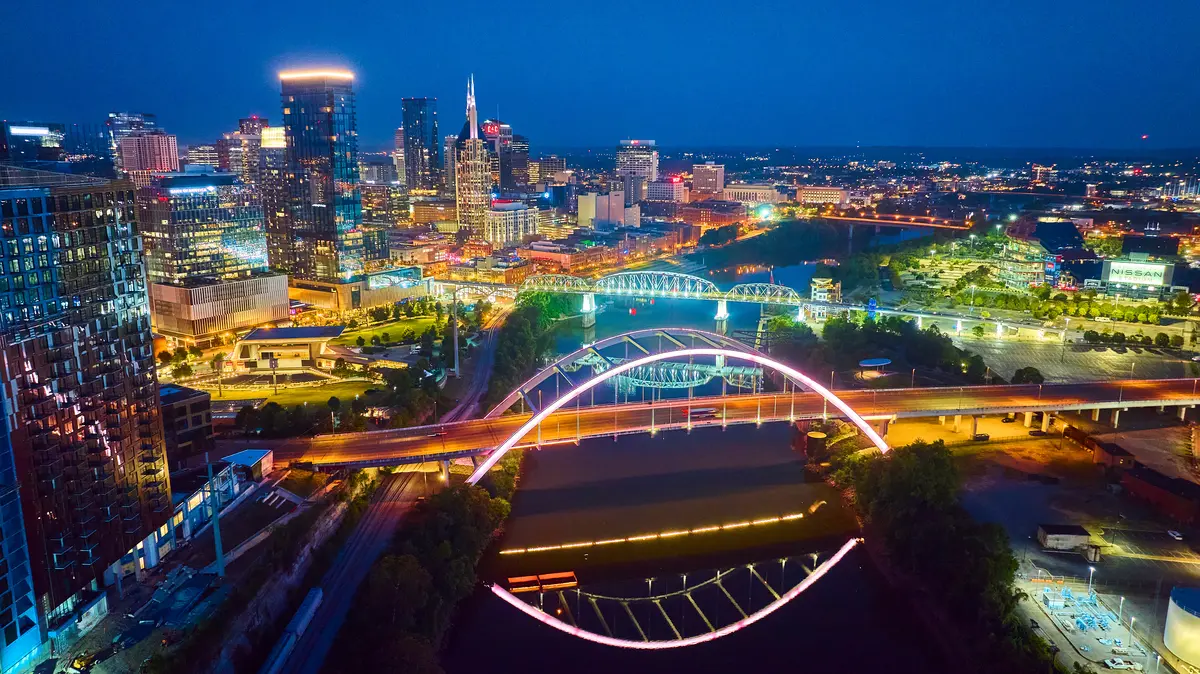
Is Greater Nashville & Clarksville a Good Place to Live?
You're probably not choosing between Nashville and some other state. You're choosing between Nashville itself, a bedroom suburb with better school ratings, and a smaller town where the price feels like it can't possibly be real. That's the real decision this region forces, and it's worth making eyes open. The cities here stretch from a major urban core with Vanderbilt University, HCA Healthcare, and the Ryman Auditorium anchoring its identity, all the way out to small county seats where the courthouse still faces the town square and people genuinely know their neighbors.
What holds these places together isn't just a shared commute radius — it's a regional economy built on a mix of healthcare, defense, manufacturing, and tech that most people outside Tennessee don't expect. Fort Campbell anchors Clarksville with a military-civilian economy unlike anything else in the state. Meta, Google, and Beretta have all planted significant operations across the region's smaller cities. Cracker Barrel calls Lebanon home. Electrolux runs a manufacturing plant in Springfield. The region isn't one economy — it's several, layered on top of each other, which means where you work should genuinely shape where you live.
On price, Greater Nashville sits toward the middle of Tennessee's regions — more affordable than the Southern Suburbs or the Smokies corridor, but not as accessible as Chattanooga or the Tri-Cities. Within the region itself, there's real spread: Mount Juliet, Lebanon, and Hendersonville sit toward the pricier end, while Lafayette and the smaller Dickson County towns offer a noticeably different entry point. The outdoor access is genuine throughout — Old Hickory Lake, Bledsoe Creek State Park, Montgomery Bell State Park, and Dunbar Cave State Park mean that swapping urban density for a smaller town doesn't mean giving up the outdoors.
Whether you're weighing a move to the urban core, a fast-growing suburb, or a county seat where the pace is genuinely slower, the city profiles below break down what each place in Greater Nashville & Clarksville is actually like — who it suits, what it costs to be part of, and what you give up when you pick one over another.
Explore All 16 Cities in Greater Nashville & Clarksville
Click into any city for the complete guide — neighborhoods, home prices, cost of living, pros & cons, schools, top employers, and mortgage help.
Nashville
Nashville is where the region's complexity concentrates: Vanderbilt's medical campus, the State of Tennessee, HCA Healthcare, and Bridgestone Americas all operate here, making it a genuine employment hub rather than a bedroom city for somewhere else. Neighborhoods like East Nashville and Green Hills read as completely different cities from each other, and the honest truth is that buying without understanding those internal divides is the most common mistake relocating buyers make. On price, Nashville sits near the middle of this region — not the region's entry point, but not its ceiling either.
Full Nashville Guide →
Clarksville
Clarksville's identity is shaped in ways few Tennessee cities can match by the presence of Fort Campbell, which anchors an economy that includes Hankook Tire, LG Electronics, and a Google data center alongside Austin Peay State University. It's one of the state's larger cities that still genuinely feels like it has room — neighborhoods like Rossview and Sango attract families who want newer construction and good schools without paying Hendersonville prices. Pricing sits near the middle of this region, making it one of the more substantive cities to consider if your budget doesn't stretch to Mount Juliet or Lebanon.
Full Clarksville Guide →
Hendersonville
Hendersonville wraps around Old Hickory Lake in a way that shapes everyday life here — the water is the reason many buyers choose it over comparable suburbs, and Rock Castle State Historic Site gives it genuine historical weight alongside neighborhoods like Durham Farms and Indian Lake Peninsula. Sumner County Schools, a regional medical center, and Daywind Studios make up a local employer base that's small but stable. It sits toward the pricier end of this region, which reflects both the lake access and its proximity to Nashville via TN-386.
Full Hendersonville Guide →- Is Hendersonville Safe? A Data-Backed Look
- Cost of Living in Hendersonville
- Best Neighborhoods in Hendersonville
- Schools in Hendersonville: A Family Guide
- Parks & Recreation in Hendersonville
- Retiring in Hendersonville
- First-Time Homebuyer's Guide to Hendersonville
- Moving to Hendersonville from California
Gallatin
Gallatin has quietly become one of the more interesting mid-size cities in the region, with Beretta USA, Meta's data center, and Gap Inc.'s distribution operation adding industrial weight that most people associate with larger cities. Old Hickory Lake is as present here as it is in Hendersonville, and Bledsoe Creek State Park adds genuine outdoor range. Pricing sits near the middle of this region, and newer neighborhoods like Kennesaw Farms and Fairvue Plantation attract buyers who want more land than a closer suburb will give them.
Full Gallatin Guide →
Lebanon
Lebanon runs on a mix that's hard to replicate: Cracker Barrel's national headquarters, Cumberland University, the Nashville Superspeedway, and Cedars of Lebanon State Park all call Wilson County home, giving the city an economic and cultural texture well beyond its size. The Town Square with the Robert H. Hatton statue is one of those civic centers that's still actually used — not just photographed. Pricing here sits toward the pricier end of this region, and I-40 access means the Nashville commute is real but manageable.
Full Lebanon Guide →
Mount Juliet
Mount Juliet is the suburb that's grown faster than most of the region expected, built around Providence Marketplace as a commercial spine and Charlie Daniels Park as the civic anchor. The Wilson County school system draws families who've priced out of Davidson County options, and Amazon's fulfillment presence here reflects how seriously the logistics corridor along I-40 has developed. It sits toward the pricier end of this region — buyers come here knowing they're paying for schools, newness, and a community that's still actively forming its identity.
Full Mount Juliet Guide →
Springfield
Springfield is Robertson County's working city — Electrolux Home Products, a regional medical center, and Robertson County Schools form a local employment base that keeps the town functional independent of Nashville's gravitational pull. The Springfield Town Square Historic District and Robertson County History Museum give it a civic seriousness that smaller towns sometimes lack. Pricing sits near the middle of this region, and for buyers who want a real small-city experience rather than a suburb that's still waiting for its downtown to arrive, Springfield delivers.
Full Springfield Guide →
White House
White House straddles Sumner County in a way that gives it commuter access in multiple directions via I-65, attracting buyers who want newer subdivision living without paying Hendersonville prices. Legacy Farms and Dorris Farm at Willow Springs are the kinds of planned communities that define the city's growth story, and the White House Greenway offers an outdoor amenity that punches above the town's size. Pricing sits near the middle of this region, making it a genuine alternative for buyers who want the Sumner County school system at a lower entry point.
Full White House Guide →
Goodlettsville
Goodlettsville is the quiet small city on Nashville's northern edge that tends to get overlooked in favor of flashier suburbs, but Dollar General's national headquarters and a Tyson Foods operation make it more economically substantial than it first appears. Historic Mansker's Station and the Bowen-Campbell House at Moss-Wright Park give it a historical anchor that many Davidson County suburbs simply don't have. Pricing sits near the middle of this region, and I-65 access means it functions as a practical commuter city as much as an independent one.
Full Goodlettsville Guide →- Is Goodlettsville Safe? A Data-Backed Look
- Cost of Living in Goodlettsville
- Best Neighborhoods in Goodlettsville
- Schools in Goodlettsville: A Family Guide
- Parks & Recreation in Goodlettsville
- Retiring in Goodlettsville
- First-Time Homebuyer's Guide to Goodlettsville
- Moving to Goodlettsville from California
Dickson
Dickson is the county seat of Dickson County and carries the weight of that role — Tennsco Corp, Nemak USA, and a regional medical center form a manufacturing and healthcare economy that has kept the city stable across market cycles. The Renaissance Center and Wonders Center give it a cultural offering that surprises people who write it off as a pass-through on I-40. Pricing sits near the middle of this region, and buyers drawn here are typically choosing independence from the Nashville commute orbit rather than ease of access to it.
Full Dickson Guide →
Portland
Portland is the Sumner County city that's grown by attracting buyers who want I-65 access and room to breathe without the price tags attached to Hendersonville or White House. Shoals Technologies Group and the city's proximity to Sumner County's school system are the practical draws, and Richland Park gives the town a gathering point. Pricing sits near the middle of this region, and the honest trade-off is that Portland is still building the retail and dining depth that comparable cities already have — a serious shopping trip will mean driving.
Full Portland Guide →
Hartsville
Hartsville is genuinely small in a way that most of this region's cities are not — Trousdale County has a fraction of the population of Wilson or Sumner, and the Battle of Hartsville Memorial Park and Trousdale County Courthouse reflect a civic scale to match. The Trousdale Turner Correctional Center is the town's largest single employer, which is worth knowing before you move here. Pricing sits near the middle of this region, and buyers who come here are typically choosing deliberate rural-adjacent quiet over convenience.
Full Hartsville Guide →
Lafayette
Lafayette sits at the affordable end of this region's price range, making it the city that buyers reach for when every other Wilson and Sumner County option has stretched the budget past its limit. A local hospital, a manufactured housing manufacturer, and Walmart form a local economy that's functional rather than growing fast. The Macon Drive-In and the Macon County Courthouse square give Lafayette a specific small-town character — the kind that either feels exactly right or makes clear you needed a bigger city.
Full Lafayette Guide →
Pleasant View
Pleasant View is a small Cheatham County town in an interesting position: its employer base is almost entirely made up of people who commute out — to Vanderbilt Medical in Nashville, Nissan in Franklin, Hankook in Clarksville — which means the town itself is quieter and more residential than its growth rate suggests. I-24 access makes those commutes real rather than theoretical, and Balthrop Park and Pleasant View Community Park give it the basics of civic outdoor life. Pricing sits near the middle of this region, and it suits buyers who want a genuine small-town feel without cutting themselves off from the metro.
Full Pleasant View Guide →
Ashland City
Ashland City runs along the Cumberland River with a rougher, more independent edge than most of this region's small towns — the Cumberland River Bicentennial Trail and Cheatham Lake give it outdoor access that's among the best in Cheatham County, and the Cheatham Lock and Dam is a working piece of the river's commercial history. AO Smith, Gate Precast, and Caraustar anchor a local manufacturing economy that doesn't depend on Nashville's growth cycle. Pricing sits near the middle of this region, and TN-12 is the primary connector to Nashville — a real commute that buyers should drive at rush hour before they close.
Full Ashland City Guide →
White Bluff
White Bluff is the Dickson County small town that lives closest to Montgomery Bell State Park, which is its clearest selling point — hiking and a genuine state park anchor right at the edge of town. Interstate Packaging and Diverse Composites are the main local employers, and residents who work in healthcare or larger manufacturing typically drive to Dickson. Pricing sits near the middle of this region, and the honest draw here is privacy and park access; buyers who need daily retail or restaurant options close by will find the town's commercial offerings limited.
Full White Bluff Guide →Compare Every City in Greater Nashville
Full ranked breakdowns across every city in the region — scored and compared side by side.
Local Expert Takeaway: Pick the city in Greater Nashville & Clarksville whose local employer base and school system match your actual life — not the one whose price point alone looks right — because the commute distances and lifestyle gaps between these cities are larger than they look on a map.
Frequently Asked Questions
Which city in Greater Nashville & Clarksville is best for families with school-age children?
How much does Clarksville differ from Nashville as a place to live, day to day?
Is it realistic to commute from the region's smaller towns into Nashville for work?
Which cities in the region are genuinely affordable, and what's the trade-off?
What do people consistently underestimate about moving to this region?
Helpful Tennessee Resources
Explore Other Tennessee Regions
Greater Nashville & Clarksville is one of 10 distinct regions that make up Tennessee. Each has its own climate, character, and housing market — explore them all.
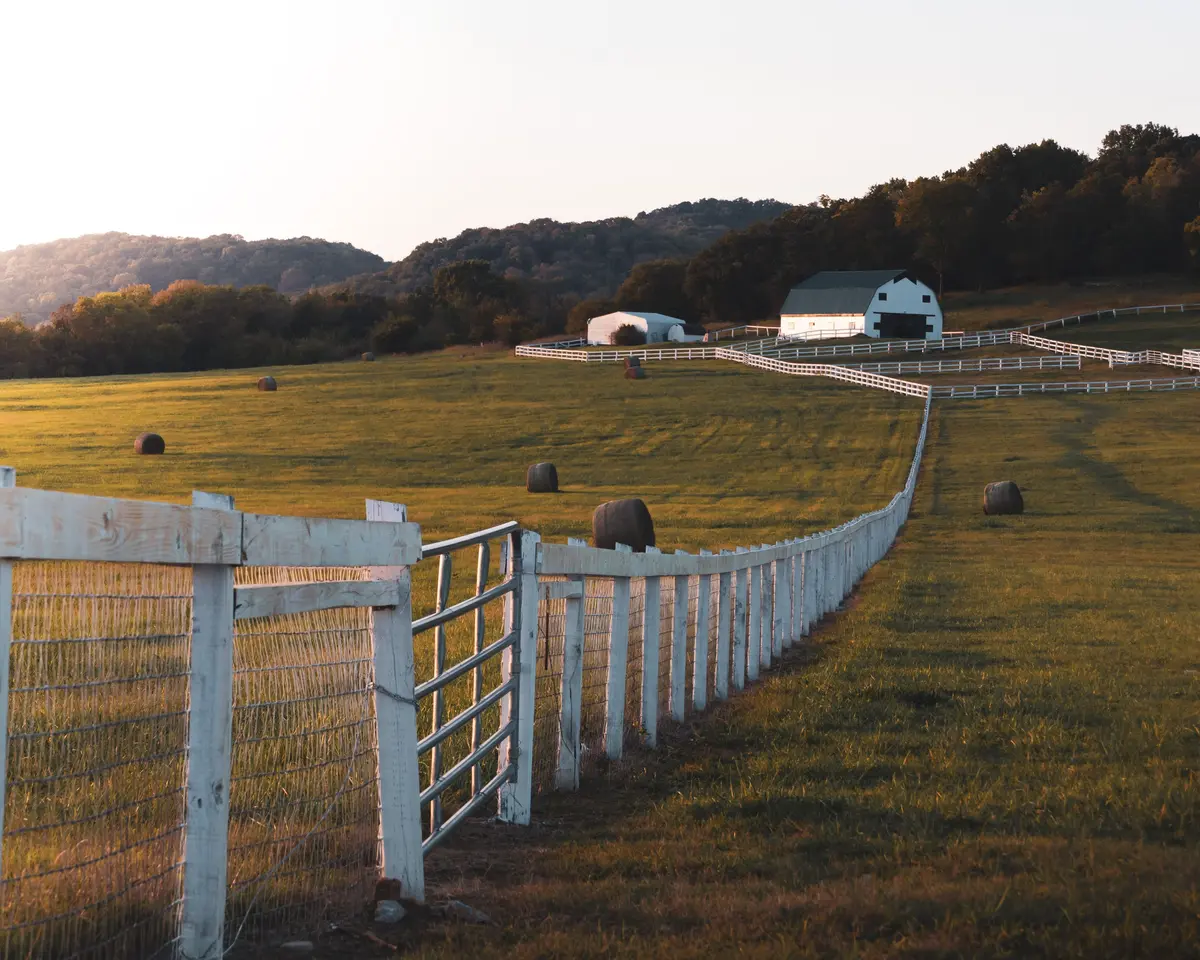
Nashville’s southern growth corridor — historic town squares, newer subdivisions, and some of the priciest addresses in the state. 11 cities including Murfreesboro, Franklin, Smyrna.
Explore all 11 Southern Suburbs cities →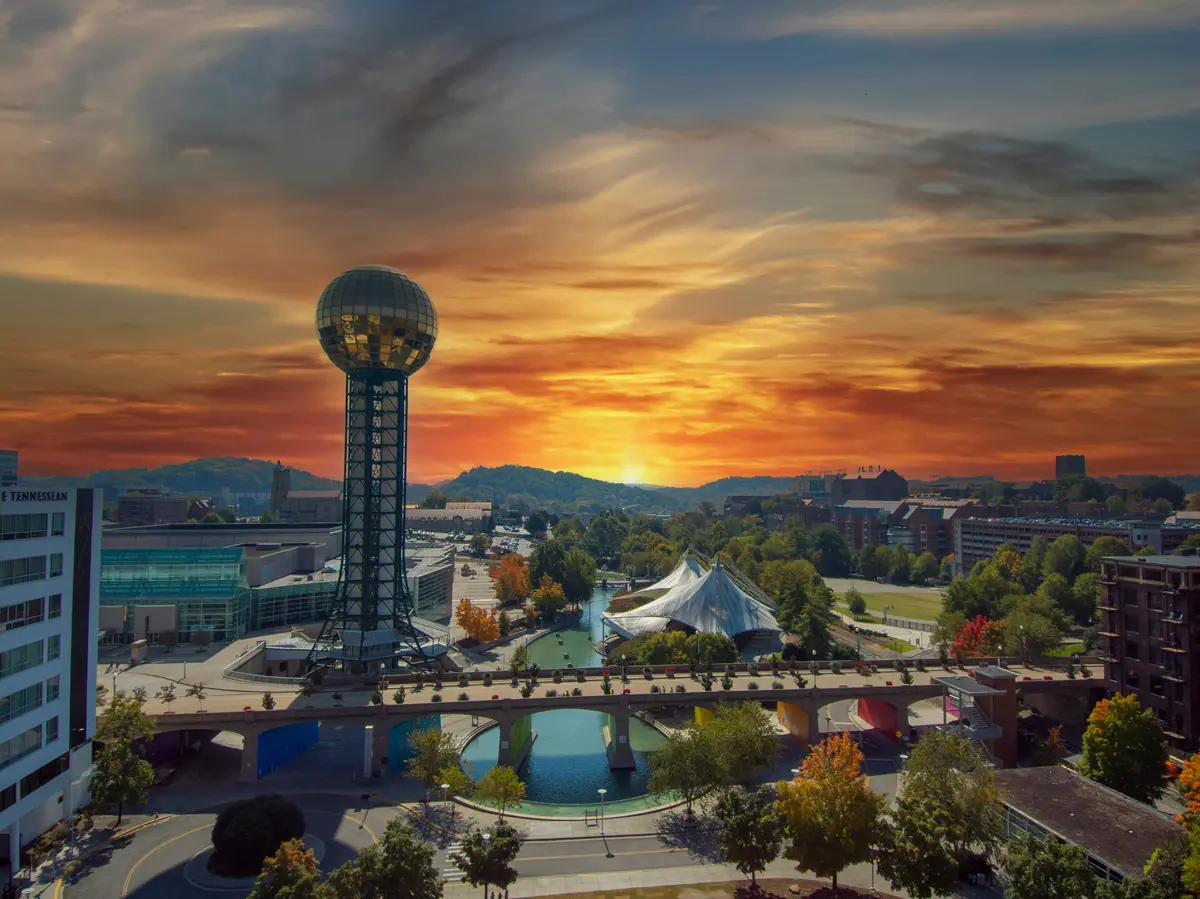
East Tennessee’s urban center, with lake towns and research-lab suburbs spread along the Tennessee River valley. 14 cities including Knoxville, Oak Ridge, Maryville.
Explore all 14 Knoxville Metro cities →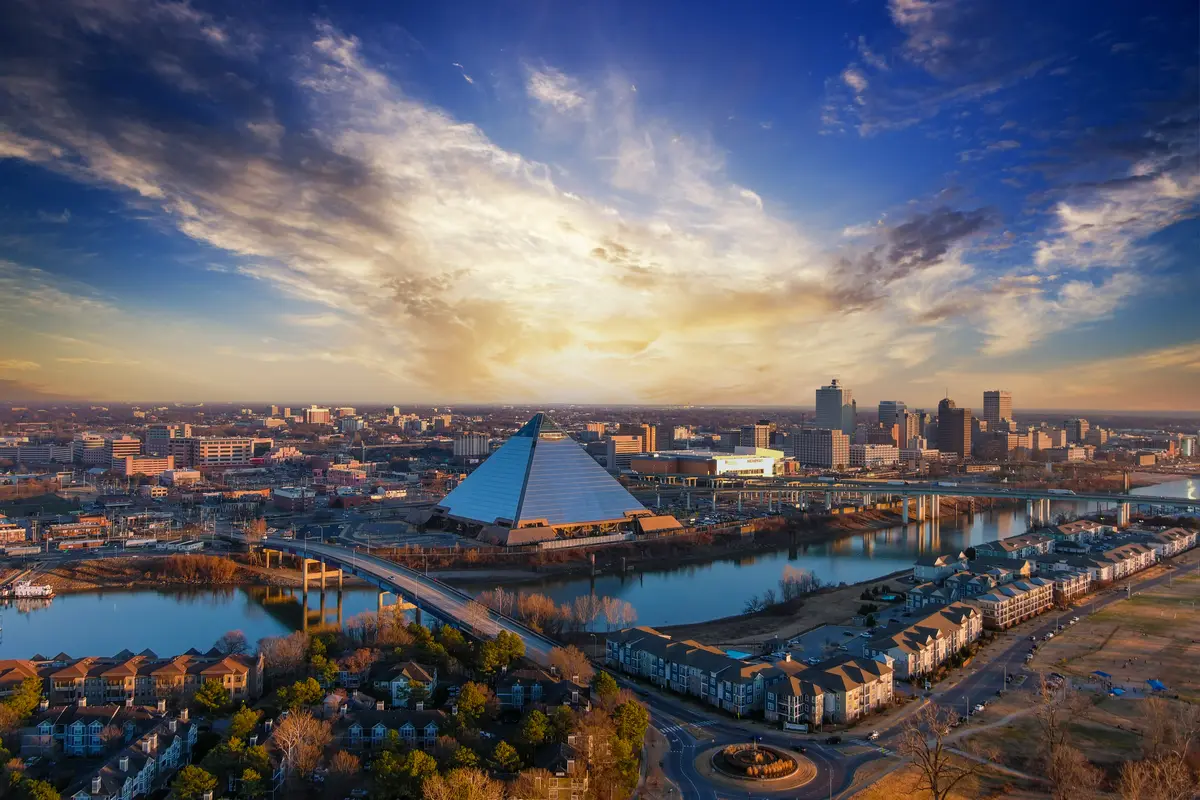
The Mississippi River city and its eastern suburbs, where the metro thins into Fayette and Tipton county farmland. 11 cities including Memphis, Bartlett, Collierville.
Explore all 11 Greater Memphis cities →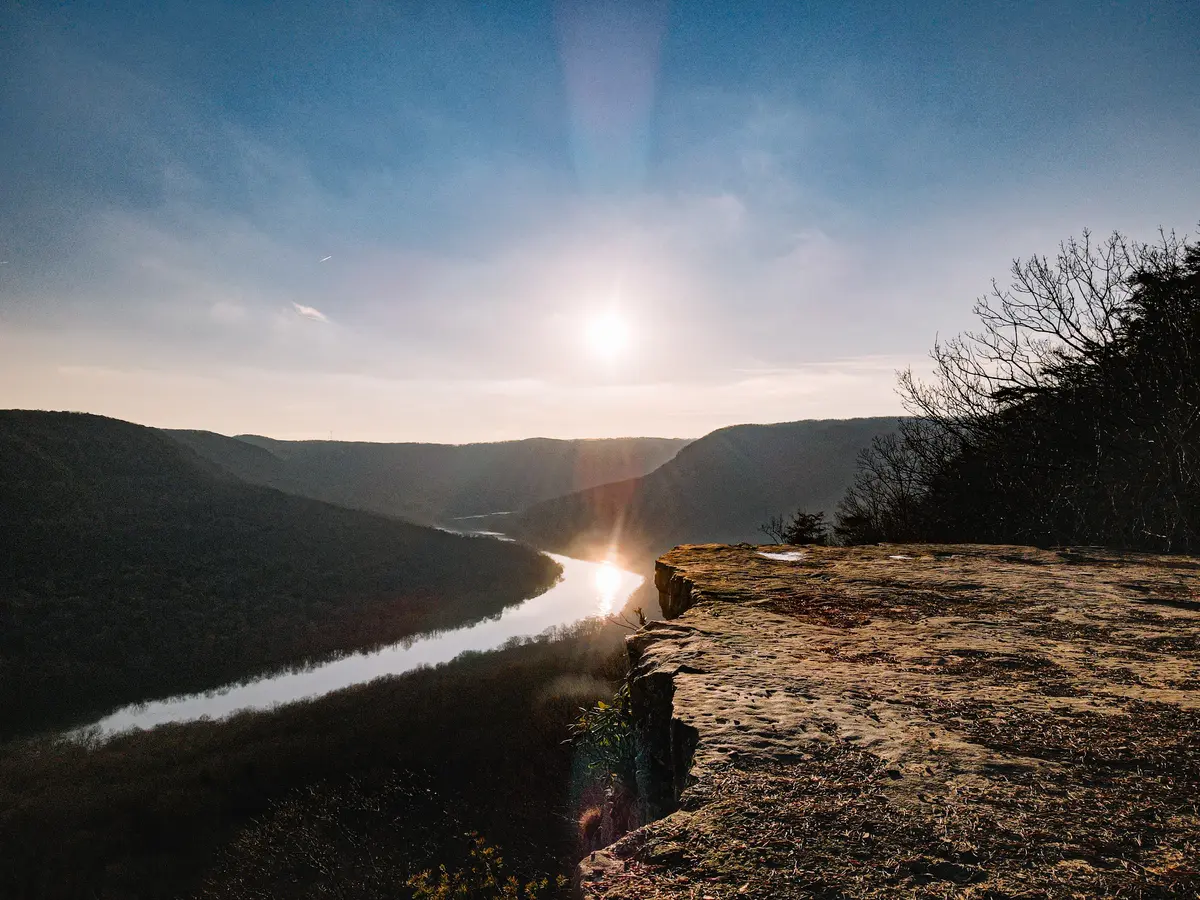
A riverfront downtown ringed by ridges and mountain towns, at the point where Tennessee meets Georgia and Alabama. 12 cities including Chattanooga, Cleveland, East Ridge.
Explore all 12 Chattanooga Area cities →
Three cities that function as one metro in the far northeast corner, surrounded by the oldest towns in the state and the high Appalachians. 8 cities including Johnson City, Kingsport, Bristol.
Explore all 8 Tri-Cities cities →
West Tennessee away from Memphis — a regional hub city, college towns, and river and lake country up against the Mississippi. 9 cities including Jackson, Dyersburg, Martin.
Explore all 9 Jackson & Northwest Tennessee cities →
County-seat towns between Nashville and the Alabama line, with walking-horse farms, lakes and a long manufacturing tradition. 7 cities including Shelbyville, Tullahoma, Manchester.
Explore all 7 Southern Middle Tennessee cities →
The plateau and highland rim between Nashville and Knoxville — waterfalls, lakes and a university town, at the lowest prices in Middle Tennessee. 6 cities including Cookeville, McMinnville, Crossville.
Explore all 6 Upper Cumberland cities →
The gateway towns to Great Smoky Mountains National Park, and the lake country just north of them. 6 cities including Morristown, Sevierville, Seymour.
Explore all 6 Smokies & Lakeway cities →Moving to Tennessee?
Tell us what you need help with and we'll connect you with local resources.
