
Is the Tri-Cities & Northeast Tennessee a Good Place to Live?
Maybe you're watching property values climb everywhere else in Tennessee and someone said, try the Tri-Cities. Maybe you've been reading about Johnson City and Kingsport and Bristol on the same list and wondering what actually separates them. The honest answer: quite a lot. East Tennessee State University gives Johnson City a college-town energy that Kingsport, with its Eastman Chemical heritage and planned-city bones, doesn't share. Bristol sits on a literal state line, splits its identity between Tennessee and Virginia, and hosts one of the most famous motorsports venues in the country. These are genuinely distinct places that happen to share a regional identity, and the Appalachian ridgelines weaving between them are as much a dividing line as a backdrop.
The economic backbone of the region runs through a handful of anchor institutions that shape everyday life in ways newcomers feel immediately. Ballad Health is the dominant healthcare employer across every community here — from Johnson City to Elizabethton to Greeneville — and a major federal healthcare campus in Johnson City adds a significant government presence. Eastman Chemical in Kingsport is one of the state's largest private employers, and its gravitational pull extends to Church Hill, Erwin, and beyond. East Tennessee State University and its medical school anchor Johnson City's identity and keep the city younger than its neighbors. For smaller towns like Jonesborough and Erwin, the picture is leaner: county government, a school district, one or two industrial employers, and a growing share of residents who work remotely or commute to the larger cities.
Across the board, the Tri-Cities & Northeast Tennessee sits toward the more affordable end of Tennessee's regional pecking order — below Greater Nashville, Knoxville Metro, and Chattanooga, and meaningfully below the Smokies market where resort demand inflates prices. That affordability is not uniform within the region, though. Jonesborough, with its nationally recognized historic district and intentional preservation, tends toward the pricier end of what you'll find here. The three core cities — Johnson City, Kingsport, and Bristol — land near the middle of the region on price, which still means real houses with real yards at figures that would look like typos in many other parts of the state. Outdoor access is woven into daily life: the Appalachian Trail passes through, Warriors' Path State Park and Bays Mountain sit within city limits, the Nolichucky Gorge defines Erwin, and Sycamore Shoals State Historic Park marks Elizabethton's identity as much as any employer.
Whether you're drawn by the university town feel of Johnson City, the industrial stability of Kingsport, the NASCAR energy of Bristol, or the quieter pace of Greeneville and Jonesborough, the sections below break down each community's neighborhoods, character, employers, schools, and what daily life here actually looks like — including the trade-offs most relocation guides skip.
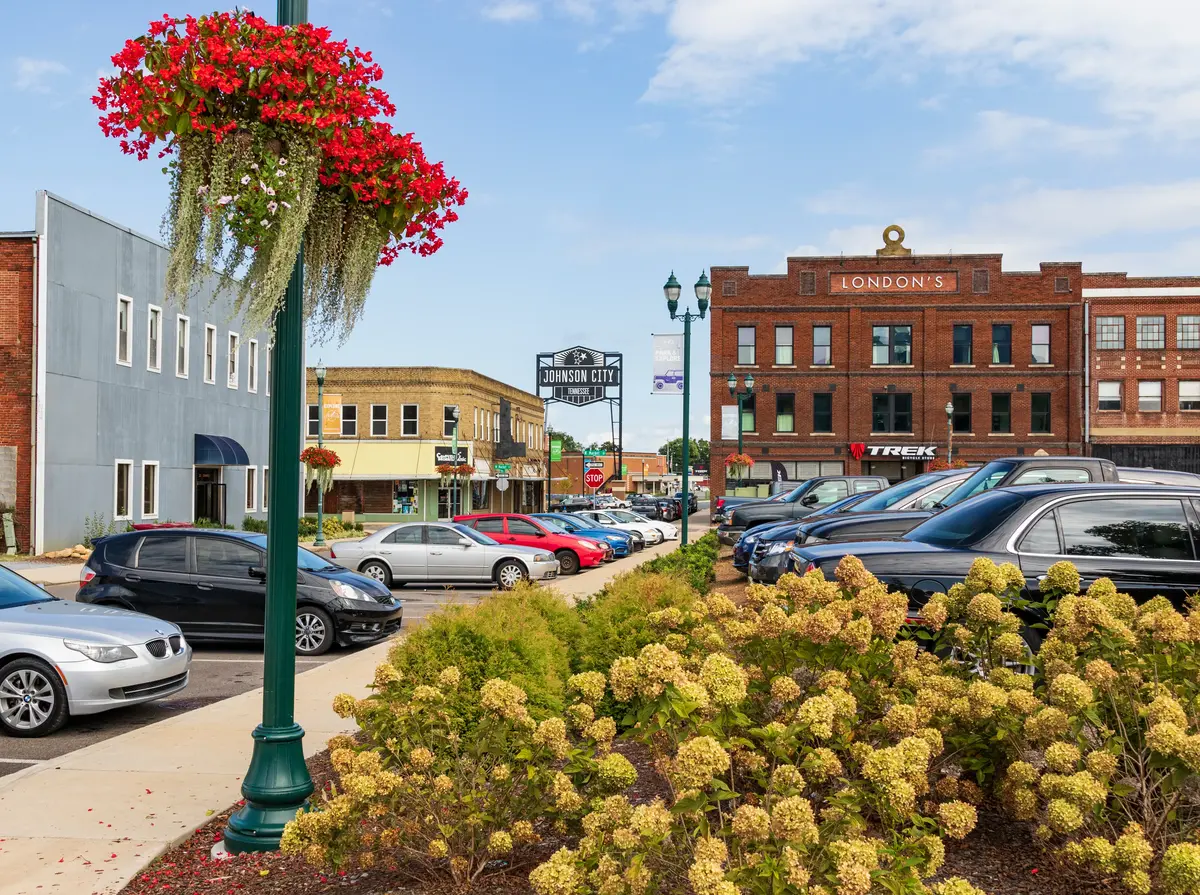
Explore All 8 Cities in the Tri-Cities & Northeast Tennessee
Click into any city for the complete guide — neighborhoods, home prices, cost of living, pros & cons, schools, top employers, and mortgage help.
Johnson City
Johnson City is the region's college-town anchor, shaped by East Tennessee State University and its medical school in ways that reach well beyond campus — younger demographics, a more active food and arts scene, and a downtown that has seen genuine reinvestment along Founders Park and the Tweetsie Trail corridor. A major federal healthcare campus adds a significant government and medical presence that gives the city an institutional depth unusual for its size. It sits near the middle of the region on price, but with enough neighborhood variety — from the walkable Tree Streets to the newer builds out toward Boones Creek — that buyers at different budgets can find a foothold.
Full Johnson City Guide →
Kingsport
Kingsport was literally designed from scratch in the early twentieth century, and that planned-city DNA still shows: broad boulevards, Bays Mountain Park's planetarium and trails practically inside the city, and a sense of civic order that surprises newcomers. Eastman Chemical anchors the economy and has for generations, giving the city a stability that feels different from university towns — less transient, more rooted. Prices land near the middle of the region, with neighborhoods ranging from the historic Allandale corridor to the more suburban feel of Colonial Heights.
Full Kingsport Guide →
Bristol
Bristol's defining fact is the state line running straight down State Street — Tennessee on one side, Virginia on the other — which means buyers here need to think carefully about which state they're actually purchasing in, since schools, taxes, and services split at that line. Bristol Motor Speedway makes this one of the most recognizable small cities in American motorsports, and twice a year the population surges in ways that shape everything from restaurant lines to short-term rental economics. Near the middle of the region on price, Bristol draws buyers who want regional recognition and I-81 access without paying the premium of a larger metro.
Full Bristol Guide →
Greeneville
Greeneville is the kind of small city that rewards people who care about history — the Andrew Johnson National Historic Site sits in the middle of town, Tusculum University adds a quiet collegiate presence, and the Niswonger Performing Arts Center punches well above its weight for a community this size. The employer base is more diversified than it looks at first: regional healthcare, behavioral health services, automotive manufacturing through Huf North America, and Forward Air's logistics presence give the local economy more legs than a single-industry town. Prices are near the middle of the region, and buyers coming from larger markets consistently note they can afford more house here than they expected.
Full Greeneville Guide →
Elizabethton
Elizabethton is the kind of place that surprises people who write it off as a pass-through — the covered bridge over the Doe River, Sycamore Shoals State Historic Park, and access to Doe River Gorge give it an outdoor and historical identity that feels organic rather than manufactured. The employment base is anchored by healthcare and the school system, with many residents working across the county or commuting the short distance to Johnson City. Near the middle of the region on price, it draws buyers who want a genuine small-city feel with easy reach to larger amenities.
Full Elizabethton Guide →
Church Hill
Church Hill is a small town in Hawkins County that functions largely as a bedroom community for Kingsport — Cardinal Glass Industries is a real local employer, but industrial and defense employers across the county line draw the bulk of working residents. Carters Valley and the surrounding rural neighborhoods offer the kind of space and quiet that attracts buyers priced out of or simply tired of denser suburban living. Prices sit near the middle of the region, which in practical terms means genuinely affordable, and Laurel Run Park gives the community a natural gathering point that belies its small size.
Full Church Hill Guide →
Jonesborough
Jonesborough is Tennessee's oldest town, and it takes that designation seriously — the historic district along Main Street is intact in a way that most preservation efforts only aspire to, and the International Storytelling Center draws visitors from across the country every October in a way that puts this small town on cultural maps far beyond Northeast Tennessee. It sits toward the pricier end of this region, driven by demand for historic properties and proximity to Johnson City without the city's density. Buyers here are typically trading square footage for character, and most of them will tell you the trade was worth it.
Full Jonesborough Guide →
Erwin
Erwin is Unicoi County's small-town seat, defined by the Nolichucky Gorge on its doorstep and the legacy of the Clinchfield Railroad that put it on the map — the Clinchfield Railroad Museum and the Erwin National Fish Hatchery are the kind of locally specific institutions that tell you this town has a real identity, not just a dot on a county map. A major industrial employer in nuclear fuel manufacturing has anchored the local economy for decades, giving it a stability that is unusual for a town this size. Prices here are near the middle of the region, and the Appalachian Trail access makes it genuinely appealing to outdoor-focused buyers willing to live smaller in exchange for living closer to the landscape.
Full Erwin Guide →Compare Every City in Tri-Cities
Full ranked breakdowns across every city in the region — scored and compared side by side.
Local Expert Takeaway: The Tri-Cities & Northeast Tennessee rewards buyers who do city-specific homework: Johnson City, Kingsport, and Bristol are close enough to share a regional identity but different enough in character, employer base, and school district that picking the wrong one for your life is a genuine risk — and the smaller surrounding towns like Jonesborough, Greeneville, and Erwin are distinct enough that they deserve consideration on their own terms rather than as afterthoughts to the big three.
Frequently Asked Questions
Which city in the Tri-Cities & Northeast Tennessee is best for families with school-age children?
Is the Tri-Cities & Northeast Tennessee actually affordable compared to other parts of Tennessee?
What is the biggest trade-off of living in the Tri-Cities region compared to Knoxville or Chattanooga?
Can I commute between the three main cities — Johnson City, Kingsport, and Bristol — for work?
Is the Tri-Cities & Northeast Tennessee a good fit for retirees?
Helpful Tennessee Resources
Explore Other Tennessee Regions
the Tri-Cities & Northeast Tennessee is one of 10 distinct regions that make up Tennessee. Each has its own climate, character, and housing market — explore them all.
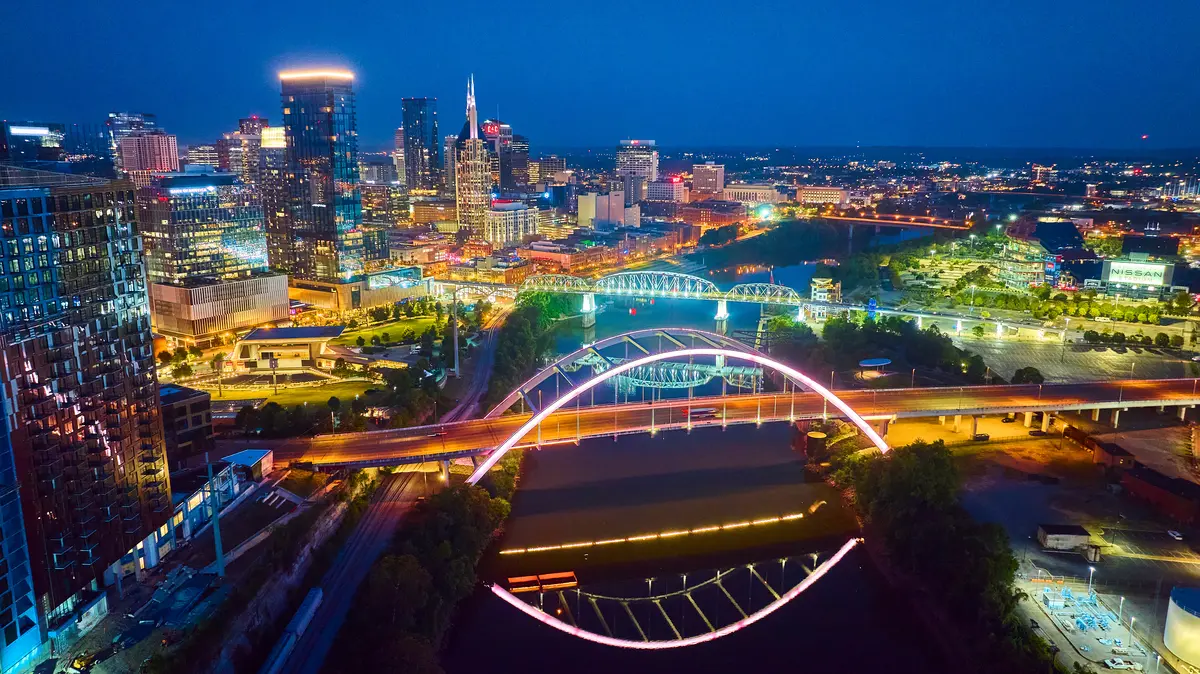
The state capital and the ring of towns north and west of it, from riverfront suburbs to farm country an hour out. 16 cities including Nashville, Clarksville, Hendersonville.
Explore all 16 Greater Nashville cities →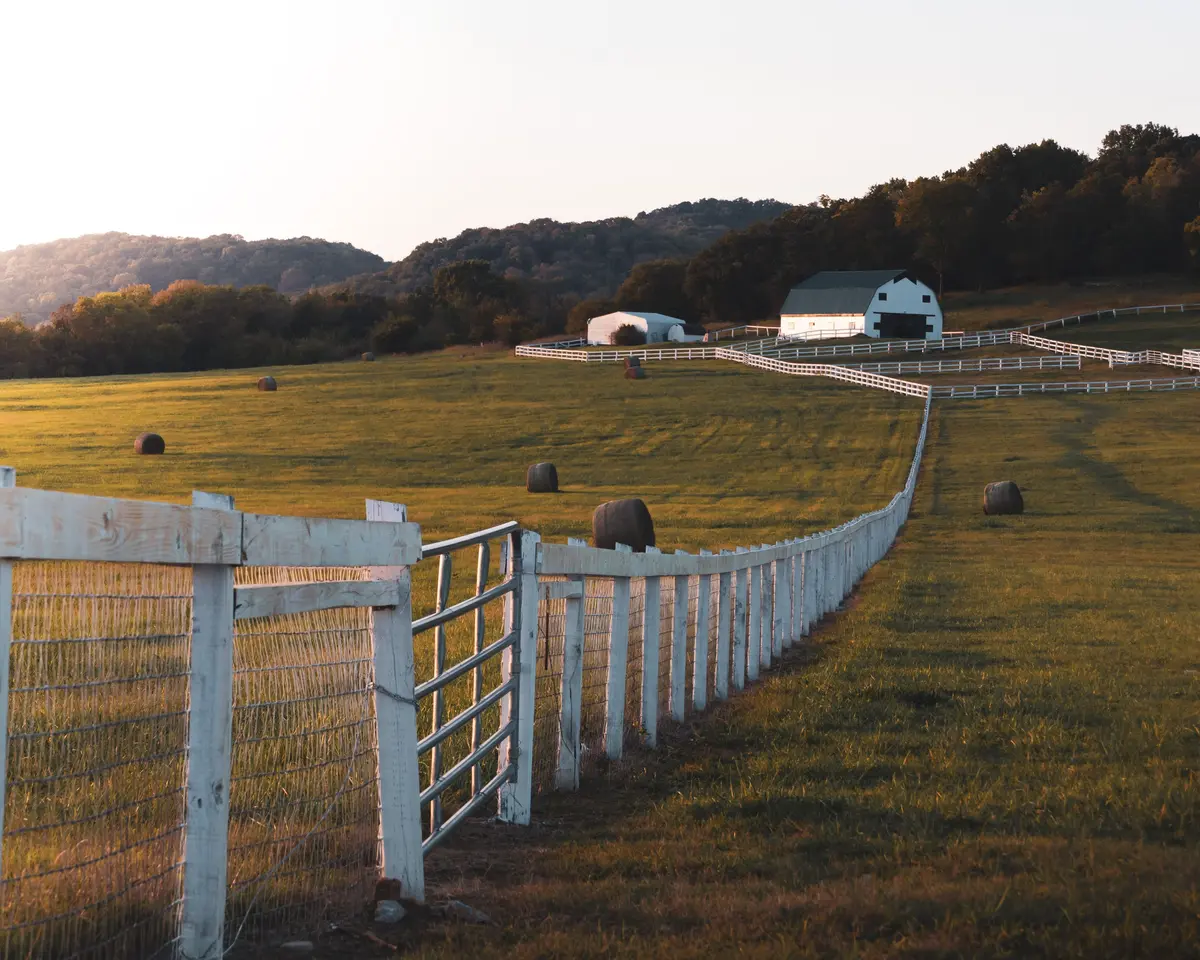
Nashville’s southern growth corridor — historic town squares, newer subdivisions, and some of the priciest addresses in the state. 11 cities including Murfreesboro, Franklin, Smyrna.
Explore all 11 Southern Suburbs cities →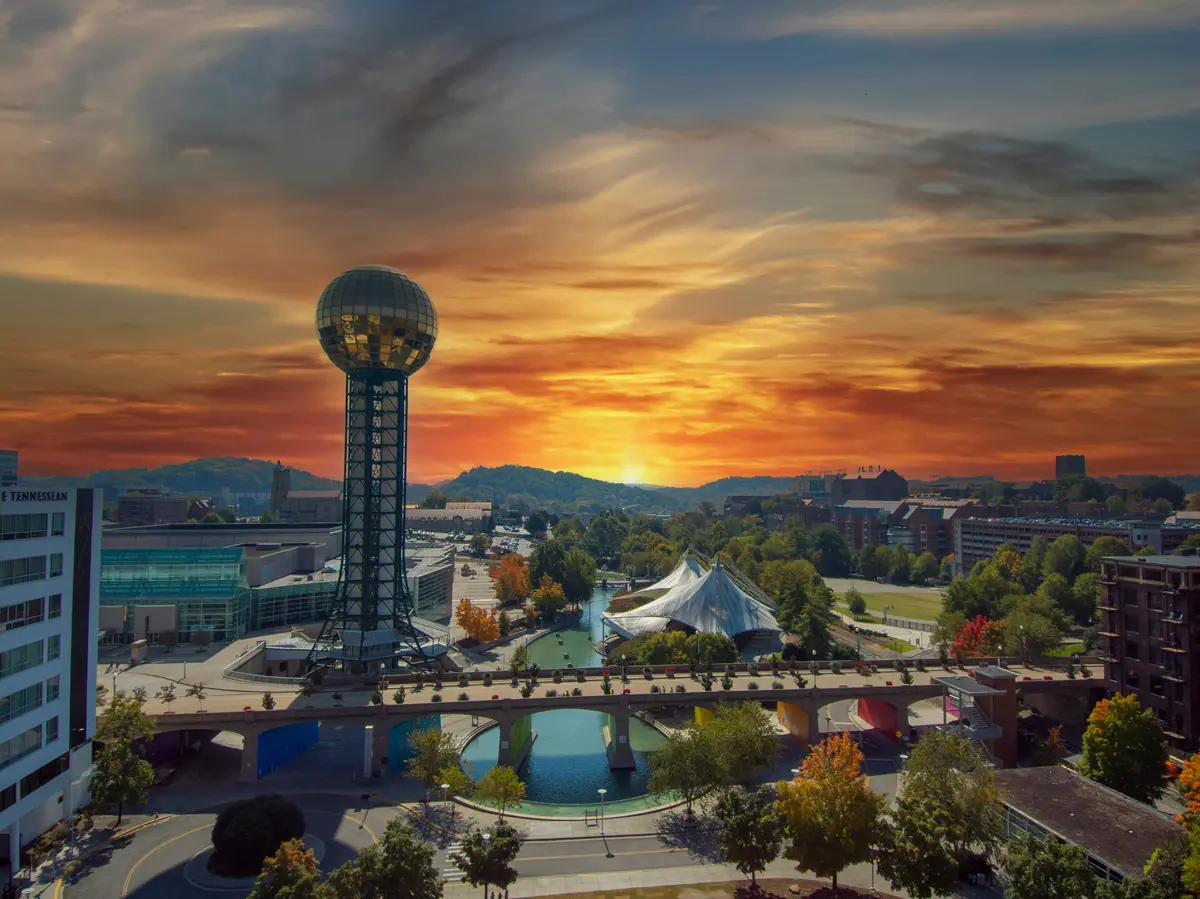
East Tennessee’s urban center, with lake towns and research-lab suburbs spread along the Tennessee River valley. 14 cities including Knoxville, Oak Ridge, Maryville.
Explore all 14 Knoxville Metro cities →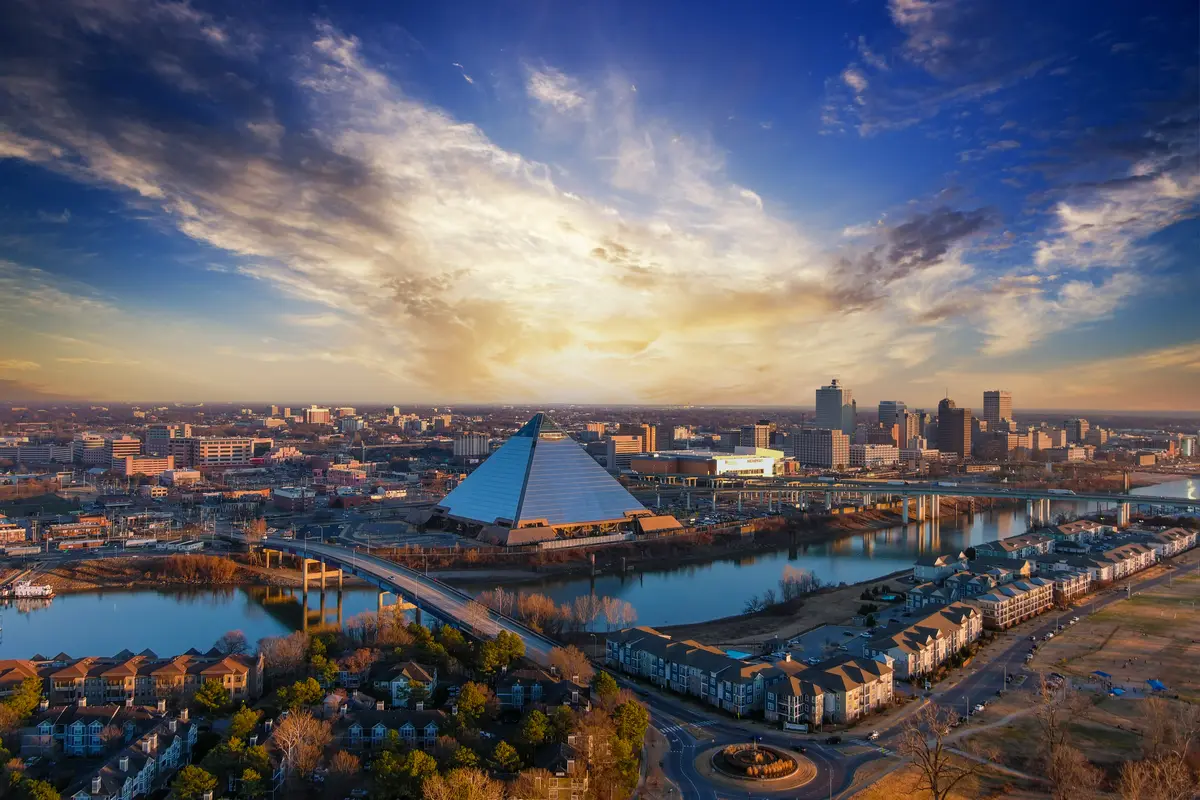
The Mississippi River city and its eastern suburbs, where the metro thins into Fayette and Tipton county farmland. 11 cities including Memphis, Bartlett, Collierville.
Explore all 11 Greater Memphis cities →
A riverfront downtown ringed by ridges and mountain towns, at the point where Tennessee meets Georgia and Alabama. 12 cities including Chattanooga, Cleveland, East Ridge.
Explore all 12 Chattanooga Area cities →
West Tennessee away from Memphis — a regional hub city, college towns, and river and lake country up against the Mississippi. 9 cities including Jackson, Dyersburg, Martin.
Explore all 9 Jackson & Northwest Tennessee cities →
County-seat towns between Nashville and the Alabama line, with walking-horse farms, lakes and a long manufacturing tradition. 7 cities including Shelbyville, Tullahoma, Manchester.
Explore all 7 Southern Middle Tennessee cities →
The plateau and highland rim between Nashville and Knoxville — waterfalls, lakes and a university town, at the lowest prices in Middle Tennessee. 6 cities including Cookeville, McMinnville, Crossville.
Explore all 6 Upper Cumberland cities →
The gateway towns to Great Smoky Mountains National Park, and the lake country just north of them. 6 cities including Morristown, Sevierville, Seymour.
Explore all 6 Smokies & Lakeway cities →Moving to Tennessee?
Tell us what you need help with and we'll connect you with local resources.
